🔑 Key Takeaways
- Wegovy and Zepbound are the top FDA-approved Ozempic alternatives — same or better results, more legitimate access pathways
- Retatrutide (triple GLP-1/GIP/GCG agonist) showed 24.2% weight loss in trials — the strongest data of any compound currently available
- Compounded semaglutide costs $150–400/month vs $900+ for brand-name Ozempic — but FDA crackdowns have limited availability since mid-2025
- If you can't tolerate GLP-1 nausea, peptides like AOD-9604 and MOTS-C offer fat metabolism support without GI side effects
- Natural alternatives (berberine, metformin) are real but modest — expect 3–5% weight loss, not 15–20%
Ozempic has become one of the most talked-about drugs in the world, and for good reason. Semaglutide actually works — the Phase 3 STEP trials showed an average of 15% body weight reduction over 68 weeks, which is genuinely remarkable for a pharmacological intervention. Nothing in the history of obesity medicine had shown results like that outside of bariatric surgery.
But here's the problem. A lot of people can't get it, can't afford it, or can't tolerate it. The shortages that started in 2022 still haven't fully resolved. The list price hovers around $900–$1,100/month without insurance, and insurers are increasingly refusing to cover it for weight loss (vs. diabetes). And somewhere between 15–44% of users discontinue within the first year — often because of nausea, vomiting, or constipation that just doesn't let up.
So the question isn't "is Ozempic good?" — it clearly is. The question is what your actual options are when Ozempic isn't accessible, affordable, or tolerable for you. That's what this guide covers, including some alternatives that Healthline and GoodRx don't even mention.
The Ozempic Problem: Why People Are Looking for Alternatives
Let's be specific about why people end up searching for Ozempic alternatives, because the reason matters for which alternative makes sense.
Cost — The $900/Month Wall
Without insurance, Ozempic runs $900–$1,100/month. Wegovy (the obesity-approved version of the same drug) is similar. Zepbound (tirzepatide, branded for obesity) is also in that range. These are not prices most people can sustain indefinitely — and weight management is, by definition, long-term. A drug you have to stop taking because you can't afford it is a drug that won't work for you long-term.
Shortages — Still Ongoing
The FDA shortage list has been chaotic since 2022. At peak shortage in 2023–2024, people were rationing doses, calling 30+ pharmacies, and going weeks without their medication — which causes noticeable rebound. The situation has improved, but Ozempic and Wegovy still face periodic supply disruptions, and compounded alternatives have faced their own crackdowns.
Side Effects — Real and Sometimes Severe
Nausea is the most common side effect, affecting roughly 20% of users to a meaningful degree. For most people it's worst during dose escalation and fades. But some users — maybe 10–15% — get severe enough GI symptoms (vomiting, gastroparesis, acute pancreatitis in rare cases) that continuing isn't worth it. For them, a different mechanism entirely makes more sense than finding another GLP-1.
Insurance Issues
Ozempic is approved for type 2 diabetes. Wegovy is approved for obesity. If you have T2D, your insurance might cover Ozempic but not Wegovy. If you're using it purely for weight management without a T2D diagnosis, coverage is hit-or-miss and often requires prior authorization, step therapy, or BMI thresholds. Many people fall into gaps.
Quick Reference: All Alternatives at a Glance
| Category | Examples | Monthly Cost | Weight Loss Potential | Availability |
|---|---|---|---|---|
| FDA-Approved GLP-1s | Wegovy, Zepbound, Saxenda | $800–$1,100 | 15–22% | Prescription required |
| Compounded GLP-1s | Compound semaglutide, tirzepatide | $150–$400 | 12–20% (similar efficacy) | Restricted post-March 2025 |
| Peptide Alternatives | Retatrutide, AOD-9604, MOTS-C | $100–$300 | 5–24% (varies by compound) | Available as research peptides |
| Natural / OTC | Berberine, metformin (Rx), fiber | $15–$80 | 2–5% | Widely available |
FDA-Approved GLP-1 Alternatives
If you're trying to move from Ozempic to something that's FDA-approved and covered by insurance, these are your main options. Each has meaningful differences.
Wegovy (Semaglutide 2.4mg) — Same Drug, Different Approval
Wegovy is literally the same molecule as Ozempic (semaglutide), just at a higher dose (2.4mg vs 1mg for Ozempic) and with an FDA approval specifically for chronic weight management. If your issue with Ozempic is that your doctor won't prescribe it off-label for weight loss, or your insurer won't cover it for obesity specifically, Wegovy is the straightforward solution.
The STEP 1 trial showed 14.9% body weight loss over 68 weeks. The higher dose matters — patients who hit 2.4mg generally see better results than those who plateau at 0.5–1mg on Ozempic.
Cost is essentially the same as Ozempic without insurance, but insurance coverage for obesity is more predictable under Wegovy's indication. Novo Nordisk also has a savings card program that can bring costs down for commercially insured patients.
Mounjaro / Zepbound (Tirzepatide) — Probably the Best Option Right Now
Tirzepatide is a dual GLP-1/GIP agonist — it hits two receptors instead of one. That extra mechanism makes a real difference. The SURMOUNT-1 trial showed up to 22.5% weight loss over 72 weeks at the highest dose (15mg). That's significantly better than Wegovy's ~15% head-to-head.
Mounjaro is the brand name for T2D, Zepbound for obesity — same drug, two approvals. If you have T2D, Mounjaro might be covered. If you're using it for weight loss, you want Zepbound.
Side effect profile is similar to semaglutide (nausea, GI issues during titration), but many users actually report tirzepatide feels "cleaner" — less intense nausea. Anecdotal, but consistent enough to be worth noting.
Saxenda (Liraglutide 3mg) — Older, Less Effective, But Still Available
Liraglutide was the first GLP-1 approved for obesity (Saxenda launched in 2015). It's a daily injection vs. weekly for semaglutide/tirzepatide. Average weight loss in trials was around 8–9% over a year — real, but clearly less impressive than the newer drugs.
Where Saxenda sometimes makes sense: insurance coverage has been established longer, so prior auth is sometimes easier. It's also used for patients who had adverse reactions to semaglutide and want to try a different GLP-1 molecule before abandoning the class entirely.
Trulicity (Dulaglutide) — Mainly for T2D
Dulaglutide is a weekly GLP-1 agonist with solid T2D data but less impressive weight loss than semaglutide or tirzepatide — typically 3–4% in trials. It's used mainly when T2D management is the primary goal and some weight loss is a secondary benefit. Probably not worth switching to from Ozempic purely for weight loss.
Head-to-Head Comparison
| Drug | Mechanism | Avg Weight Loss | Cost (No Insurance) | Injection Frequency |
|---|---|---|---|---|
| Ozempic (semaglutide 1mg) | GLP-1 agonist | ~6–7% (T2D dose) | ~$900/mo | Weekly |
| Wegovy (semaglutide 2.4mg) | GLP-1 agonist | ~15% | ~$1,000/mo | Weekly |
| Zepbound (tirzepatide) | GLP-1 + GIP agonist | ~20–22% | ~$900/mo | Weekly |
| Saxenda (liraglutide) | GLP-1 agonist | ~8–9% | ~$1,100/mo | Daily |
| Trulicity (dulaglutide) | GLP-1 agonist | ~3–4% | ~$800/mo | Weekly |
Compounded GLP-1s — The Budget Alternative
Between 2022 and early 2025, compounded semaglutide and tirzepatide became a massive industry. When name-brand GLP-1s were on the FDA shortage list, 503A and 503B pharmacies were legally allowed to compound these drugs, and telehealth platforms like Hims, Ro, and dozens of smaller providers made them accessible at $150–$400/month — a fraction of brand-name cost.
How Compounding Worked
Compounded semaglutide used the same active pharmaceutical ingredient as Ozempic/Wegovy, but formulated by a licensed compounding pharmacy rather than Novo Nordisk. The molecule is identical. What varies — and where some legitimate concerns existed — was quality control, excipients, and dosing accuracy. Not every compounding pharmacy was equally rigorous.
The March 2025 FDA Crackdown
The FDA's basis for allowing compounding was the drug shortage designation. Once semaglutide was removed from the shortage list (March 2025) and tirzepatide followed, the legal basis for compounding evaporated. 503A pharmacies had to stop compounding for general use. 503B facilities had more flexibility but faced stricter scrutiny.
The result: the landscape got complicated fast. Some telehealth providers pivoted to FDA-approved generic alternatives where available, some went underground, and some legitimate compounding pharmacies continued operating under different legal frameworks (e.g., patient-specific compounding for documented allergies to inactive ingredients).
Current Status (Early 2026)
As of early 2026, compounded semaglutide is significantly harder to access than in 2023–2024. Some telehealth platforms still offer it through legitimate channels — usually requiring a clinical justification. Compounded tirzepatide has a slightly different status. The landscape shifts regularly, so verifying current availability through a licensed telehealth provider is essential.
How to Access Legitimate Compounded Options
If compounded GLP-1s are still your goal, the legitimate route is: telehealth platform → licensed physician consultation → prescription sent to a licensed 503A/503B pharmacy. Platforms like Hims, Found, Calibrate, or similar providers vary in their current offerings. Expect $200–$400/month when available, plus consultation fees.
Peptide Alternatives — The Cutting Edge
Here's where this guide goes somewhere that Healthline and GoodRx don't. There's a category of research peptides that either work through similar mechanisms to GLP-1 drugs or support fat metabolism and insulin sensitivity through different pathways entirely. These aren't FDA-approved drugs — they're available as research compounds — but the data on some of them is genuinely compelling.
Retatrutide — The Triple Agonist
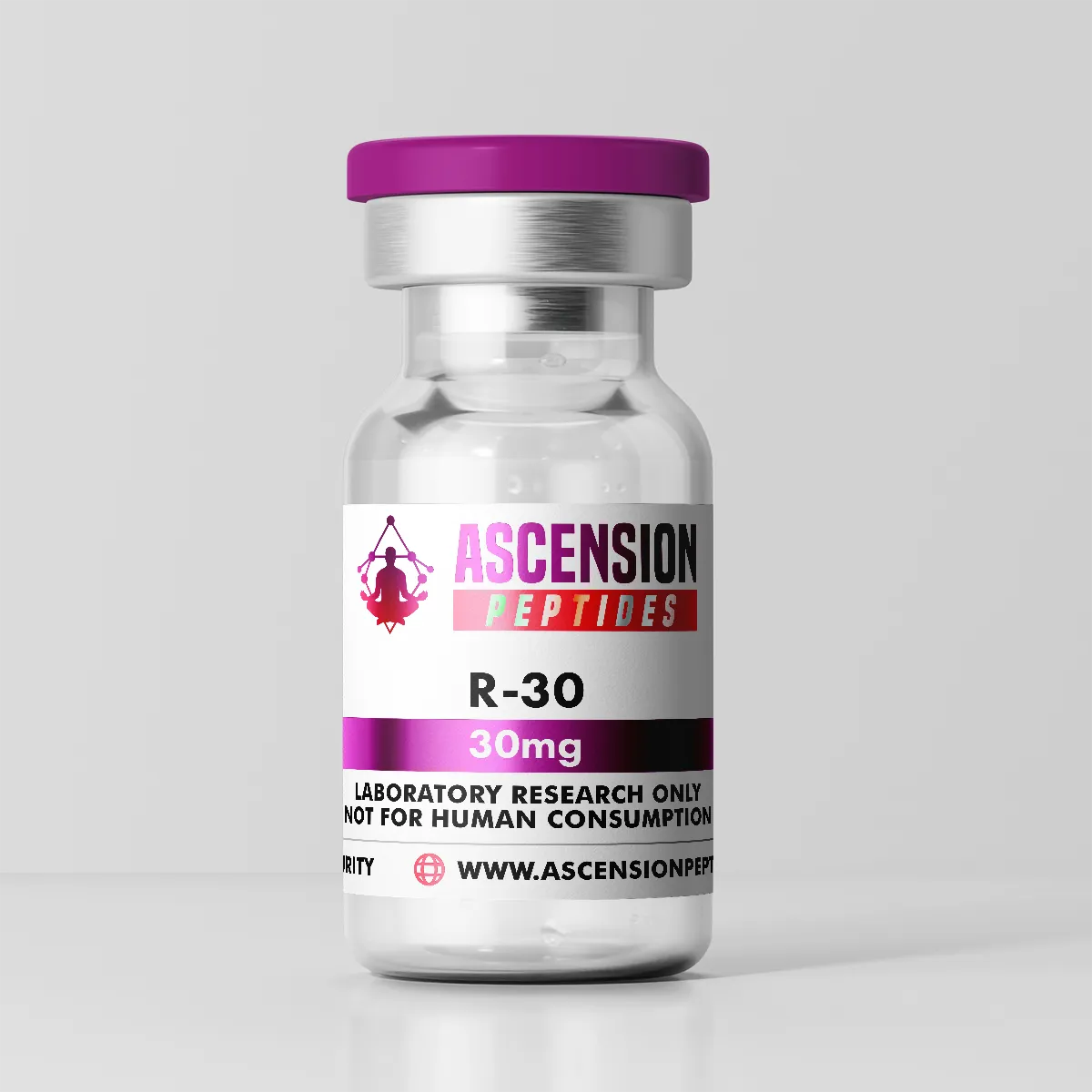
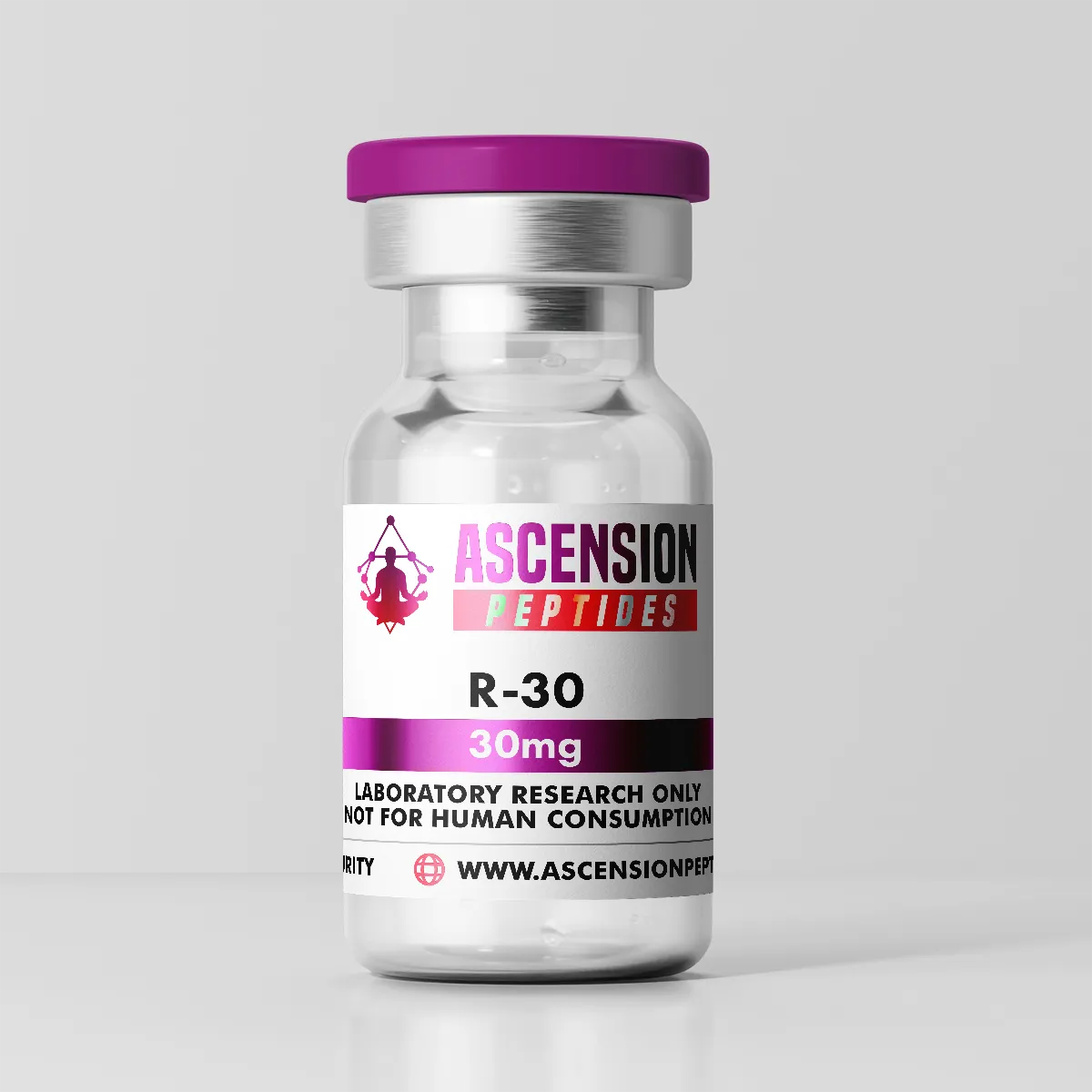
Retatrutide is the most exciting compound in this space right now. It's a triple agonist: GLP-1, GIP, and glucagon (GCG) receptor. The glucagon component is what separates it from tirzepatide — it adds energy expenditure on top of appetite suppression.
In a Phase 2 clinical trial published in the New England Journal of Medicine (Jastreboff et al., 2023), the highest dose group (12mg) showed 24.2% mean weight loss over 48 weeks. That is the highest weight loss figure ever recorded in a GLP-1-class drug trial. It's not a small difference from Wegovy's 15% — it's 60% more effective by that metric.
Retatrutide hasn't received FDA approval yet. Eli Lilly's Phase 3 trials were ongoing as of 2025. It's available as a research peptide in the meantime. See our full breakdown at retatrutide vs Ozempic weight loss comparison and where to buy retatrutide in 2026.
💡 Retatrutide: The Numbers
24.2% body weight reduction at 12mg over 48 weeks (Phase 2 trial). To put this in context: bariatric surgery typically produces 25–35% weight loss. Retatrutide is approaching surgical outcomes without the procedure.
CJC-1295 + Ipamorelin — The Body Recomp Stack
These two aren't GLP-1 agonists and won't suppress appetite the way semaglutide does. They work as growth hormone secretagogues — they trigger your pituitary to release more GH, which in turn supports fat oxidation, lean muscle preservation, and overall body composition improvement.
For someone switching away from Ozempic specifically because they lost too much muscle (a real concern with GLP-1 drugs, which don't discriminate between fat and lean mass), CJC-1295 + Ipamorelin is an interesting counter-strategy. You won't see the scale drop 15%, but body composition can meaningfully improve. Think of it as the "look better, not just weigh less" alternative.
AOD-9604 — Targeted Fat Burning Without GI Side Effects
AOD-9604 is a modified fragment of human growth hormone (HGH 176-191) that specifically activates fat metabolism pathways without the appetite suppression effects of GLP-1s. No nausea. No GI disruption.
The mechanism: AOD-9604 appears to stimulate lipolysis (fat breakdown) and inhibit lipogenesis (fat storage) through beta-3 adrenergic receptor activity. Clinical data is more limited than GLP-1 drugs — a Phase 2 trial in the early 2000s showed modest results (about 1–3% body fat reduction), and the program was eventually shelved as a standalone drug. But as part of a stack, particularly combined with metabolic peptides, it has a following in the research community.
The main appeal for people coming off GLP-1s: you can continue supporting fat metabolism without the GI burden. Same injection protocol, totally different experience.
MOTS-C — Metabolic Support and Insulin Sensitivity
MOTS-C is a mitochondrial-derived peptide — a relatively new class of compounds discovered in the last decade. The 16-amino-acid sequence is encoded by the 12S rRNA gene in mitochondrial DNA, and it functions as a metabolic signaling molecule that crosses from mitochondria into the nucleus under metabolic stress conditions.
What does that mean practically? MOTS-C improves insulin sensitivity and glucose metabolism through AMPK activation. In rodent models, it prevented diet-induced obesity and reversed age-related insulin resistance. In a small human study (Lee et al., 2019), MOTS-C treatment in older insulin-resistant men improved insulin sensitivity markers.
MOTS-C isn't going to produce 20% weight loss on its own. It's not a direct appetite suppressant. What it does is address one of the root causes of weight gain and metabolic dysfunction — impaired insulin signaling and mitochondrial dysfunction. As an Ozempic companion or as part of a metabolic support stack, it fills a real gap that pure GLP-1 drugs don't address.
For users transitioning off GLP-1 drugs (where rebound is a real risk), MOTS-C's insulin-sensitizing effects could help maintain the metabolic improvements you built while on the drug. Read the full breakdown at our MOTS-C review.
| Peptide | Mechanism | Weight Loss Potential | GI Side Effects | Availability |
|---|---|---|---|---|
| Retatrutide | Triple GLP-1/GIP/GCG agonist | High (24.2% in trials) | Moderate (similar to GLP-1s) | Research peptide |
| CJC-1295 + Ipamorelin | GH secretagogue | Moderate (recomp focus) | None | Research peptide |
| AOD-9604 | HGH fragment / lipolysis | Low-Moderate | None | Research peptide |
| MOTS-C | Mitochondrial / AMPK / insulin sensitivity | Supportive | None | Research peptide |
Natural Alternatives — Honest Assessment
Let's be direct here: natural alternatives cannot replicate what GLP-1 drugs do. Asking "what natural supplement is like Ozempic?" is a bit like asking "what vegetable is like chemotherapy?" — both are in the health category, but the mechanisms and magnitudes are completely different.
That said, natural options aren't useless. They have real effects, they're accessible without a prescription, and they can be meaningful additions to a broader strategy. They just can't be the entire strategy if significant weight loss is the goal.
Berberine — The Most Studied Natural Option
Berberine is a plant-derived alkaloid that activates AMPK (same pathway as MOTS-C, interestingly). Multiple meta-analyses show it produces 3–5% body weight reduction — modest but real. It also has meaningful effects on blood glucose and lipids, making it genuinely useful for metabolic syndrome.
The "natural Ozempic" label that circulated on social media in 2023 was overblown. Berberine's mechanism overlaps with some metabolic effects, but it doesn't suppress appetite through GLP-1 pathways. The weight loss data just isn't comparable — 3–5% vs 15–22%.
Still, at $20–$40/month, berberine is a reasonable addition to any fat loss protocol, particularly for glucose management.
GLP-1 Stimulating Foods
Certain foods do stimulate endogenous GLP-1 secretion — high-fiber foods (oats, legumes, vegetables), fermented foods, and protein-rich meals. This is the real mechanism behind why some dietary patterns support weight management. But the magnitude of endogenous GLP-1 stimulation from food is orders of magnitude lower than what you get from exogenous GLP-1 drugs. Good diet is essential; thinking it replicates semaglutide is not realistic.
Metformin — Not a GLP-1 but Genuinely Useful
Metformin is a prescription medication (so not strictly "natural"), but it's so cheap and widely available ($4–$15/month generic) that it deserves mention here. It reduces hepatic glucose production and improves insulin sensitivity, and some users experience modest appetite reduction. Weight loss data shows 3–7% reduction on average.
Metformin also has a real longevity research interest — the TAME trial is specifically studying it for aging — which makes it interesting beyond pure weight management. Many functional medicine physicians use it as a baseline metabolic support.
Honest Verdict on Natural Alternatives
How to Choose: Decision Framework
The best Ozempic alternative for you depends entirely on why you're looking for one. Here's a practical decision tree.
Have insurance that covers GLP-1s?
→ Try Zepbound (tirzepatide) first. It has the best efficacy data, and once you get prior auth sorted, it's the same cost as Ozempic for most plans. If your insurer only covers semaglutide, Wegovy is the obvious choice.
Cost is the primary issue?
→ Explore compounded semaglutide or tirzepatide through a licensed telehealth provider first (if available in your area post-crackdown). If that's not an option, retatrutide as a research peptide runs $100–$200/month and has the strongest efficacy data of any non-FDA-approved compound.
Can't tolerate GLP-1 nausea?
→ The nausea is a class effect — switching from one GLP-1 to another usually doesn't solve it. Consider the AOD-9604 + MOTS-C stack. No GI side effects, completely different mechanism, good metabolic support. Or look at CJC-1295 + Ipamorelin if body recomposition is the goal over pure scale weight.
Want body recomposition, not just weight loss?
→ GLP-1 drugs don't discriminate between fat and muscle. If you've noticed muscle loss on semaglutide, or you want to lose fat while preserving (or building) lean mass, CJC-1295 + Ipamorelin is the better play — combined with a protein-adequate diet and resistance training.
T2D management is the primary goal?
→ Mounjaro (tirzepatide) has the best glycemic data of any available drug. If that's not accessible, Ozempic at diabetes doses (0.5–1mg) does exactly what it's designed to do — switching doesn't make sense for this use case unless cost is the issue.
Want maximum weight loss potential regardless of approval status?
→ Retatrutide has the strongest weight loss data of anything currently available — 24.2% in Phase 2. It's not FDA-approved and it's available as a research peptide. For people who understand what that means and want the best efficacy profile, it's worth looking at. See how to get retatrutide in 2026.
💡 The Nausea Escape Hatch
If you quit Ozempic because the nausea was unbearable, don't assume all weight loss options will feel the same way. AOD-9604 and MOTS-C have zero GI side effects. Even body recomp peptides like CJC-1295 are generally very well tolerated. There are real alternatives that won't make you miserable.
What to Expect When Switching
Switching from Ozempic to Zepbound
This is the most common switch and the most supported by clinical guidance. The main principle: don't overlap. Your last Ozempic dose should be at least 7 days before starting Zepbound — both are weekly injections, and stacking GLP-1 agonists amplifies side effects without adding efficacy.
Start Zepbound at the lowest dose (2.5mg) regardless of where you were with Ozempic, and titrate normally. The GIP component means tirzepatide behaves somewhat differently in terms of the GI side effect curve — most users find the transition smooth when they start low.
Switching to Compounded Versions
If you're moving from brand-name Ozempic to compounded semaglutide (where available), the same active pharmaceutical ingredient is involved — the main variables are formulation and dosing precision. Use the same protocol you were on with Ozempic. Watch for any differences in tolerability, which could indicate formulation differences. A quality 503B pharmacy should be essentially interchangeable; the biggest risk is a less rigorous 503A operation where purity and dose accuracy may vary.
Starting Peptides Fresh (Coming Off GLP-1s)
If you're transitioning from a GLP-1 drug to peptides, expect a different timeline. Retatrutide has similar GLP-1 mechanisms — the appetite suppression should feel comparable, though the dose escalation timeline differs. For peptides like MOTS-C, AOD-9604, or GH peptides, you're not getting appetite suppression — you're getting metabolic support. Plan for 8–12 weeks before meaningful body composition changes show up.
The rebound issue is real when stopping GLP-1 drugs. The appetite suppression that made Ozempic work goes away when you stop. If you're not transitioning to something else that addresses the underlying drivers of weight gain (insulin resistance, metabolic dysfunction), regain is likely. This is exactly why MOTS-C interests a lot of people as a maintenance compound — it works on the insulin sensitivity side rather than appetite suppression, which may offer more sustainable support.