Quick Answer
The best Ozempic alternative depends on your goal. For more weight loss, Zepbound (tirzepatide) self-pay vials run $299 to $449/mo through LillyDirect. For the same molecule with a weight label, Wegovy is $349/mo through NovoCare, or $25/mo with a commercial savings card. Compounded semaglutide via telehealth starts near $146/mo.
Telehealth Comparison Table
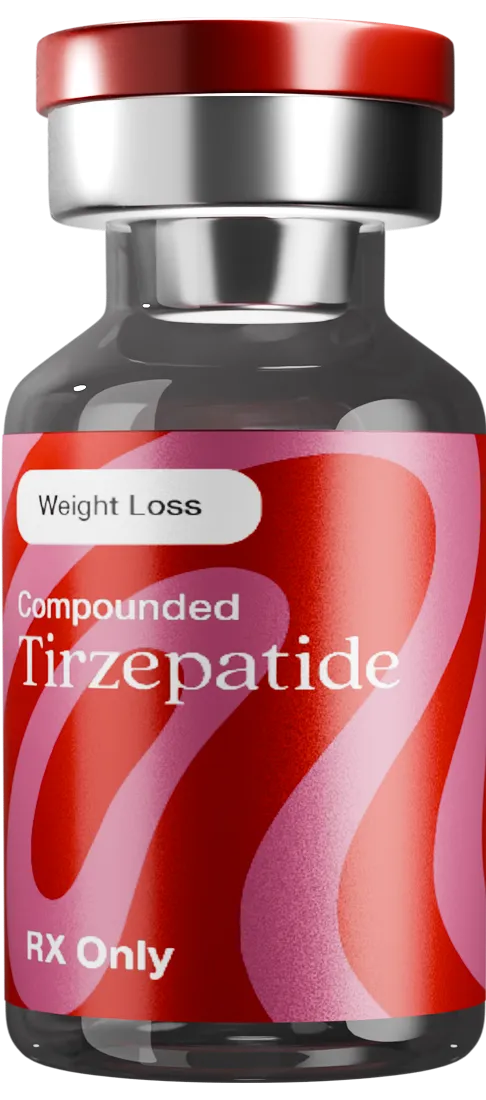
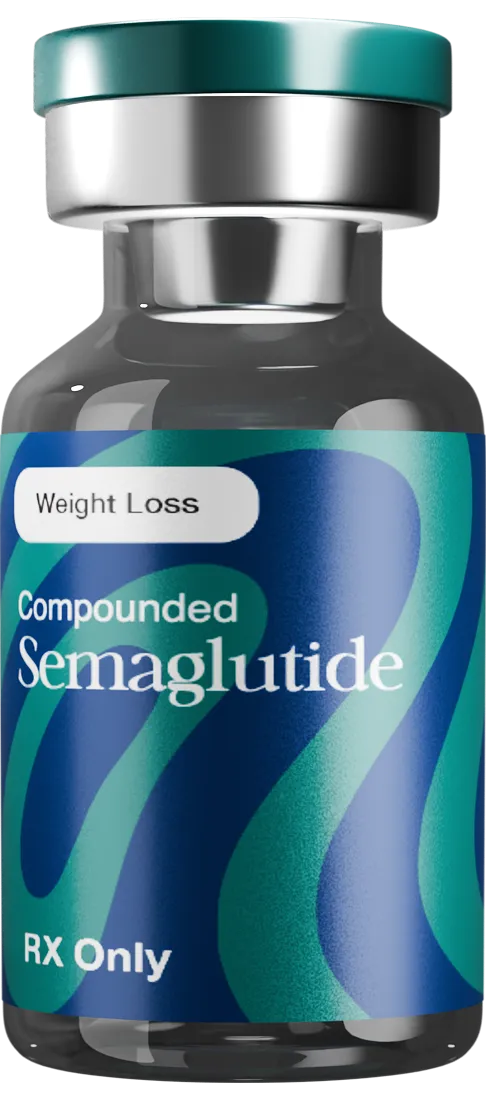
If you'd rather skip the research-vial route, here are the two telehealth providers our readers use most for compounded semaglutide and tirzepatide.


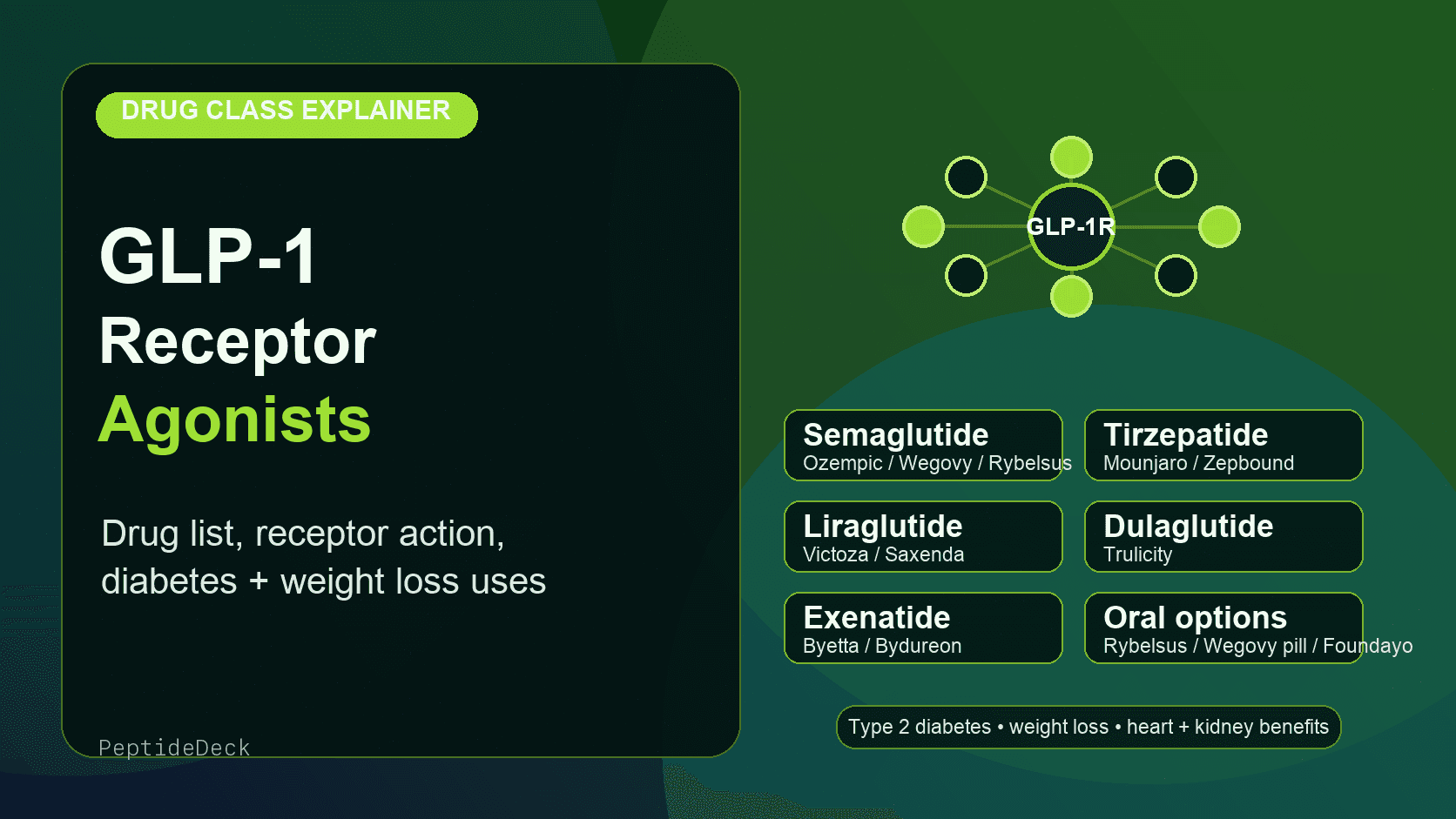
Ozempic alternatives fall into four buckets. Some are better for type 2 diabetes, some are better for weight loss, some reduce cost, and some are only realistic if you cannot tolerate GLP-1 side effects.
🔑 Key Takeaways
- The main keyword for this article is Ozempic alternatives, and the dominant SERP intent is comparison by goal: diabetes, weight loss, cost, injections, side effects, and nonprescription options.
- For weight loss, the strongest approved alternative is usually Zepbound. For diabetes plus weight loss, Mounjaro is the closest step up from Ozempic.
- For staying on semaglutide but using the obesity-labeled version, Wegovy is the cleanest same-molecule option.
- For people who hate injections, Rybelsus is oral semaglutide, but it is labeled for type 2 diabetes rather than weight management.
- Natural options can support appetite and glucose control, but they do not match GLP-1 medication outcomes.
- Compounded GLP-1 access changed after the FDA resolved the semaglutide and tirzepatide shortages, so pharmacy source and prescription status matter more in 2026.
Best Ozempic Alternatives by Goal
Choose by the problem first. “Better than Ozempic” means different things depending on whether the issue is weight loss, A1C, nausea, cost, or injection fatigue.
Ozempic Alternatives for Weight Loss
Weight-loss intent is clear. Search results now reward pages that separate obesity-labeled medications from diabetes medications used with secondary weight loss.
Zepbound
Zepbound is the most direct “stronger than Ozempic” option for weight management. It contains tirzepatide, which activates GIP and GLP-1 receptors. It is taken once weekly and is labeled for chronic weight management, plus moderate to severe obstructive sleep apnea in adults with obesity.
The downside is familiar: nausea, diarrhea, constipation, reflux, and cost. If side effects are the reason you are leaving Ozempic, switching to Zepbound may still require slow titration and careful meal changes. Our Zepbound side effects guide covers that decision.
Wegovy
Wegovy is semaglutide like Ozempic, but it is labeled for weight management and uses a higher target dose. It makes sense when Ozempic worked, insurance coverage is the main barrier, or the issue is that Ozempic was being used for weight loss without the matching label.
It does not solve semaglutide intolerance. If nausea, constipation, or reflux were severe on Ozempic, Wegovy can feel similar.
Saxenda
Saxenda is liraglutide, an older GLP-1 medication taken daily. It is usually not the strongest option, but it can still fit people who prefer smaller daily adjustments or cannot access newer weekly drugs.
Qsymia and Contrave
These are non-GLP-1 prescription weight-loss medications. Qsymia combines phentermine and topiramate. Contrave combines naltrexone and bupropion. They can help when GLP-1 stomach effects are the dealbreaker, but they bring different concerns around blood pressure, mood history, seizure risk, pregnancy, and medication interactions.
Ozempic Alternatives for Type 2 Diabetes
Diabetes changes the ranking. A1C, kidney risk, heart risk, weight, and insurance rules all matter more than scale change alone.
Ozempic Alternatives: 2026 Monthly Cash Price Comparison
Cash price is the real query for most people. Ozempic itself carries a list price near $1,027.51 per month before insurance, so almost every alternative below is cheaper if you pay out of pocket. Manufacturer cash-pay programs (NovoCare for semaglutide, LillyDirect Self Pay for tirzepatide) and telehealth compounded options have changed the math in 2026. See our cheapest GLP-1 and GLP-1 without insurance cost options guides for the full breakdown.
Ranges reflect 2026 manufacturer self-pay programs and typical telehealth cash pricing. Insurance, dose, and pharmacy change what you actually pay. Compounded copies should only come from a licensed prescriber and pharmacy, since the FDA resolved the semaglutide and tirzepatide shortages and narrowed the shortage-based compounding pathway.
12-Month Total Cost of Ozempic Alternatives
Annual cost matters more than the sticker because GLP-1 therapy is long-term. The table below multiplies the typical 2026 monthly cash figure by 12 so you can compare a full year on each Ozempic alternative.
Medicare and Medicaid note: Federal law still generally excludes coverage of medications used only for weight loss, so Wegovy and Zepbound prescribed purely for obesity are often not covered. Ozempic and Mounjaro can be covered for type 2 diabetes, which is one reason a diabetes-labeled alternative sometimes costs you less than a weight-loss-labeled one. Always confirm with your specific plan.
How to Get an Ozempic Alternative: Step by Step
Here is the practical path to obtain a cheaper or stronger Ozempic alternative in 2026, whether you go through your own doctor, a manufacturer program, or a telehealth GLP-1 service.
- Define your goal first. Decide whether you need more weight loss, better A1C, no injections, or a lower bill. The goal determines whether Zepbound, Wegovy, Mounjaro, Rybelsus, or a compounded option fits.
- Check your insurance formulary. Call your plan or read your drug list. Your plan may already prefer Mounjaro, Wegovy, Trulicity, or Victoza over Ozempic, which can drop your copay sharply.
- Get a prescription. See your primary care clinician, an obesity or diabetes specialist, or a licensed online GLP-1 prescription provider. A prescription is required for every legitimate alternative, including compounded versions.
- Apply the right cash-pay program. Use NovoCare for Wegovy and Ozempic, LillyDirect Self Pay for Zepbound vials, the Mounjaro Savings Card if you are commercially insured, or Lilly Cares if you qualify for patient assistance.
- Compare a GoodRx coupon. For generics like metformin, a GoodRx coupon can beat both insurance and list price. Always check the cash coupon before paying.
- Consider a vetted telehealth program. A reputable online GLP-1 program can prescribe brand or compounded semaglutide and tirzepatide and ship to your door, often at the lowest monthly cash price.
- Plan the switch with your prescriber. Never overlap two GLP-1 or tirzepatide products. Ask about a lower starting dose and slower titration if side effects pushed you off Ozempic.
Cheaper Ozempic Alternatives
Cost is often the real query. If the medication worked but the monthly bill did not, start with coverage paths before jumping categories.
- Manufacturer savings cards: Best for commercially insured patients who meet program rules.
- Formulary switch: Your plan may prefer Mounjaro, Wegovy, Trulicity, or Victoza over Ozempic.
- Metformin: Cheap and useful for type 2 diabetes, but not a GLP-1 substitute for weight loss.
- Generic liraglutide: Availability and pricing vary, but liraglutide is the older GLP-1 to watch for lower-cost access.
- Care program: A legitimate obesity or diabetes clinic may help with prior authorization, dose history, and step therapy.
2026 compounding reality check
The FDA resolved the tirzepatide shortage in late 2024 and the semaglutide shortage in February 2025. That narrowed the shortage-based pathway for pharmacy-made copies. In 2026, only use a prescription, a licensed pharmacy, and a clinician who can explain why a commercially available drug does not meet your medical need.
Related cost guides: compare named options in our cheapest tirzepatide breakdown, see how to buy semaglutide in our buy Wegovy online guide, and review self-pay paths for Ozempic, Wegovy, and Zepbound without insurance. New to the newer drugs? Read what is Zepbound and what is Wegovy.
Natural Ozempic Alternatives
Natural options are support tools. They can help appetite, glucose swings, and adherence, but they are not equivalent to Ozempic, Wegovy, Mounjaro, or Zepbound.
Pipeline Alternatives to Watch

The next wave is active. Retatrutide, cagrilintide combinations, survodutide, and oral GLP-1 drugs are the names readers see most often in newer search results.
They matter because they show where obesity medicine is going: stronger weight loss, oral routes, amylin combinations, and liver or sleep-apnea benefits. They should not be treated as direct pharmacy substitutes for Ozempic unless and until they are approved and prescribed through a legitimate care path.
How to Switch from Ozempic
Switching is a dosing problem. Your next step depends on your current Ozempic dose, side effects, glucose control, and how long it has been since your last injection.
- Do not overlap two GLP-1 or tirzepatide products unless your prescriber specifically instructs you.
- Tell your clinician if you had pancreatitis, severe gastroparesis symptoms, gallbladder problems, or diabetic eye disease.
- If side effects caused the switch, ask whether a lower starting dose or slower titration is safer.
- If cost caused the switch, ask your clinician to document response, side effects, and prior authorization history.
Which Ozempic Alternative Fits You?
Use the decision tree. It keeps the choice from turning into a random list of drug names.
Frequently Asked Questions
References
- NovoCare: Ozempic list price - Manufacturer list price near $1,027.51 per month before insurance.
- Wegovy: what to pay - NovoCare self-pay pen $349 to $399/mo, oral $149/mo, $25/mo with commercial savings card.
- NovoMedLink: Wegovy (semaglutide) overview - Indication and dosing reference for the obesity-labeled semaglutide alternative.
- Ozempic: savings and resources - Manufacturer savings card details for commercially insured patients.
- FDA: policies for compounders as GLP-1 supply stabilizes - Explains the narrowed compounding pathway after the shortages resolved.
- FDA: concerns with unapproved GLP-1 drugs used for weight loss - Safety guidance on non-approved GLP-1 products.
- Wilding JPH, et al. Once-weekly semaglutide in overweight or obesity. NEJM, 2021 (STEP 1) - Pivotal semaglutide weight-loss trial.
- Jastreboff AM, et al. Tirzepatide once weekly for obesity. NEJM, 2022 (SURMOUNT-1) - Pivotal tirzepatide weight-loss trial supporting Zepbound.
Medical Disclaimer: This article is for informational purposes only and does not constitute medical advice. Do not start, stop, combine, or switch prescription medications without guidance from a licensed healthcare professional.