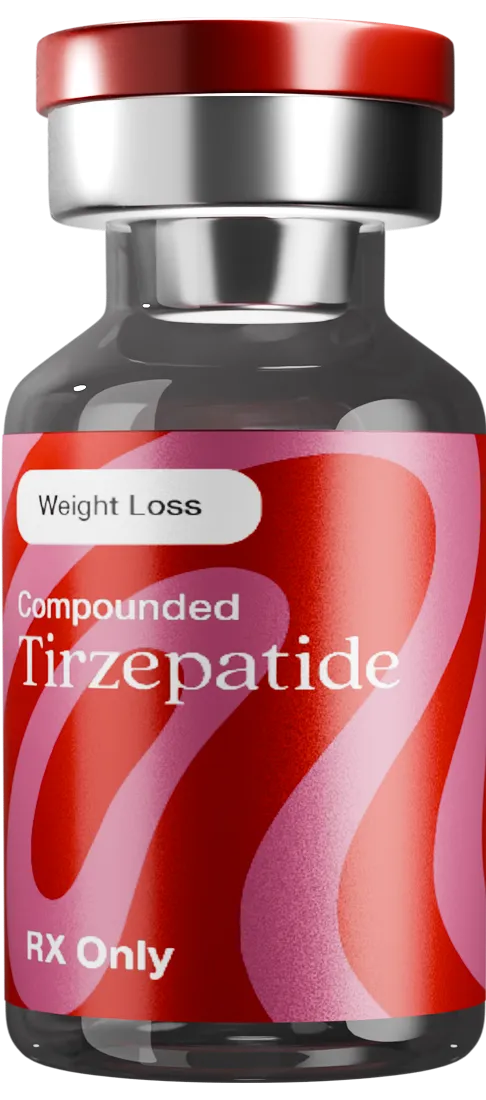
In the landmark SURMOUNT-1 clinical trial, tirzepatide produced an average body weight reduction of 20.9% — a number that stopped the medical world in its tracks. That's not a rounding error. That's 50+ lbs on a 240-lb person. It's the kind of result that had endocrinologists questioning whether any previous weight loss treatment could even be mentioned in the same sentence. If you've been wondering whether tirzepatide lives up to the hype, the short answer is: the data says yes.
This guide covers everything — the mechanism, the clinical trial results, how it compares to semaglutide, the dosage protocol, the timeline, side effects, and what to realistically expect if you use it. No fluff, no filler. Just what you need to know.
Key Takeaways
- Tirzepatide is a dual GLP-1/GIP receptor agonist — it activates two hormone pathways that semaglutide only partially covers
- SURMOUNT-1 showed up to 20.9% average weight loss at 15mg over 72 weeks — the highest ever recorded in a GLP-1 class trial
- Head-to-head data suggests tirzepatide outperforms semaglutide 2.4mg for weight loss in most patient populations
- The standard escalation protocol starts at 2.5mg/week and titrates every 4 weeks to minimize GI side effects
- Most users see meaningful weight loss (5-10%) within the first 8-12 weeks; peak results take 12-18 months
- Side effects are primarily GI (nausea, constipation) and are manageable with slow titration and dietary adjustments
What Is Tirzepatide?
Tirzepatide is a synthetic peptide that works by activating two receptors simultaneously: the glucagon-like peptide-1 (GLP-1) receptor and the glucose-dependent insulinotropic polypeptide (GIP) receptor. This dual-action mechanism is what earns it the nickname "twincretin" — a portmanteau of "twin" and "incretin" (the class of gut hormones it mimics).
Here's why that matters for weight loss:
GLP-1 activation slows gastric emptying, suppresses appetite signals in the hypothalamus, reduces glucagon secretion, and enhances insulin release in a glucose-dependent manner. This is the same pathway targeted by semaglutide (Ozempic/Wegovy).
GIP activation adds a second layer — it improves insulin sensitivity in adipose tissue, enhances fat metabolism, and appears to amplify the appetite-suppressive effects of GLP-1 rather than counteract them. Early assumptions that GIP activation might reduce tirzepatide's efficacy turned out to be wrong; the synergy between both pathways is what drives superior results.
The result: tirzepatide hits the brakes on hunger harder, improves how your body handles glucose and fat, and sustains those effects longer than a single-receptor approach.
How it differs from semaglutide: Semaglutide is a pure GLP-1 agonist. Tirzepatide activates both GLP-1 and GIP. This isn't just "more of the same" — the GIP component appears to work synergistically with GLP-1 to produce significantly greater weight loss and metabolic improvements. The difference shows up clearly in the clinical data.
Tirzepatide was originally developed for type 2 diabetes (marketed as Mounjaro) and later approved for chronic weight management (Zepbound). It's administered as a once-weekly subcutaneous injection, typically in the abdomen, thigh, or upper arm.
SURMOUNT-1 Trial: The Clinical Data
SURMOUNT-1 is the pivotal Phase 3 trial that established tirzepatide's weight loss profile. Published in the New England Journal of Medicine in 2022, it enrolled 2,539 adults with obesity (BMI ≥30, or ≥27 with at least one weight-related comorbidity) but without type 2 diabetes.
Participants were randomized to tirzepatide 5mg, 10mg, or 15mg once weekly, or placebo, for 72 weeks alongside lifestyle intervention (diet and exercise counseling).
Key findings from SURMOUNT-1:
- 57% of participants on 15mg lost ≥20% of their body weight — something no previous GLP-1 drug had achieved
- The average weight loss exceeded that of bariatric procedures historically reported in some studies
- Reductions in waist circumference, blood pressure, triglycerides, and fasting glucose were all significant
- The dropout rate due to adverse events was relatively low (~7%), with most discontinuations happening during dose escalation
Why SURMOUNT-1 changed everything: Prior to tirzepatide, the best-in-class weight loss from a GLP-1 drug was semaglutide 2.4mg, which produced ~14.9% weight loss in the STEP 1 trial. SURMOUNT-1 broke that ceiling significantly. The 20.9% figure at 15mg represents a step-change in what's achievable pharmacologically for obesity treatment — without surgical intervention.
Additional trials (SURMOUNT-2 through SURMOUNT-4) confirmed results in people with type 2 diabetes, showed that weight regain occurs after stopping the drug (reinforcing the chronic-use model), and validated the long-term safety profile.
Tirzepatide vs Semaglutide — Head-to-Head
The comparison everyone wants to see. Here's how tirzepatide stacks up against semaglutide across the metrics that matter most for weight loss.
The SURPASS-CVOT trial and indirect comparisons across SURMOUNT/STEP trials consistently show tirzepatide outperforming semaglutide for weight loss across most patient groups. The SURPASS-2 trial (a direct head-to-head comparison in T2D patients) showed tirzepatide at all doses producing greater HbA1c reductions and more weight loss than semaglutide 1mg.
Bottom line: If your primary goal is maximum weight loss, the data clearly favors tirzepatide. Semaglutide is still highly effective — but tirzepatide's dual mechanism gives it a measurable edge, especially at higher doses. For those exploring peptides for weight loss, tirzepatide currently sits at the top of the evidence hierarchy.
Tirzepatide Weight Loss Timeline
One of the most common questions: when will I actually see results? Here's a realistic breakdown based on clinical trial data and typical user experience.
Weeks 1–4: The Adjustment Phase
You're on 2.5mg during this period. Most people notice reduced appetite within the first week — sometimes within days. Actual weight loss during weeks 1-4 is typically modest (2-5 lbs), partly because the dose is intentionally low to allow GI adaptation. Some people feel mild nausea, fatigue, or reduced appetite. The key here is not expecting dramatic changes while your body adjusts.
Weeks 4–8: First Real Momentum
Dose increases to 5mg at week 5. This is where most people start seeing consistent weekly weight loss. Expect 0.5–1.5 lbs/week on average. Appetite suppression becomes more noticeable — many users report feeling satisfied with significantly smaller portions. Total weight loss at 8 weeks is typically in the 5–10 lb range, with some outliers going higher.
Weeks 8–16: Accelerating Phase
For many users, this is the most motivating stretch. If you've tolerated the lower doses well, you may have stepped up to 7.5mg or 10mg. Weekly losses of 1–2 lbs become common. By week 12, many people have lost 10–15+ lbs. Clothes fit differently. Energy often improves. Check out our deeper breakdown of tirzepatide results across different user profiles.
Weeks 16–36: The Compound Phase
Weight loss continues at a steady pace, though typically slower than weeks 8-16 as your body adjusts to the new set point. You're likely at or approaching your maintenance dose (10–15mg). Total losses of 30–50+ lbs are achievable for many users in this window. This is also when metabolic markers — blood pressure, cholesterol, glucose — tend to normalize significantly.
Weeks 36–72+: Plateau and Maintenance
The SURMOUNT-1 data shows weight loss plateauing around weeks 60-72 for most participants. This doesn't mean the drug has stopped working — it means you've approached a new biological equilibrium. Continued use maintains the loss. The SURMOUNT-4 trial demonstrated that discontinuing tirzepatide after 36 weeks led to significant weight regain, reinforcing that this is a chronic treatment for most people, not a short course.
Setting realistic expectations: The 20.9% average in SURMOUNT-1 is exactly that — an average. Some people lose less, some lose more. Starting weight, metabolic health, diet quality, activity level, and genetics all influence outcomes. The most important variable within your control is adherence — both to the injection schedule and to dietary habits that support the appetite suppression.
Tirzepatide Dosage Protocol
The standard dosing escalation for tirzepatide is designed to minimize GI side effects by starting low and titrating slowly. Here's the full protocol as used in clinical trials and clinical practice.
For a more detailed breakdown of injection technique, timing, and what to do if you miss a dose, see our full tirzepatide dosage guide.
Important: Not everyone needs to reach 15mg. Some people achieve excellent results at 5–10mg and staying there reduces side effect burden. The goal is the lowest effective dose for your target outcome. If GI side effects are significant at any dose, hold that dose for an additional 4 weeks before escalating rather than pushing through.
Injection technique: Tirzepatide is administered subcutaneously (into fat tissue), not intramuscularly. Rotate injection sites — abdomen, outer thigh, and upper arm are all acceptable. Inject once weekly, same day each week. Allow the pen to reach room temperature before injecting.
Timing relative to food: Tirzepatide can be taken with or without food. Some users find injecting in the evening reduces daytime nausea. Others prefer morning injections. Experiment to find what works for you.
Who Gets the Best Results?
Tirzepatide works across a wide range of patients, but certain characteristics are associated with stronger outcomes.
Ideal Candidates
- BMI ≥27 with metabolic risk factors (hypertension, dyslipidemia, prediabetes, sleep apnea) or BMI ≥30 without comorbidities
- Type 2 diabetes — tirzepatide produces dramatic improvements in glycemic control alongside weight loss
- Previous GLP-1 non-responders or partial responders — the GIP component often drives additional results in people who plateaued on semaglutide
- People with high insulin resistance — the dual mechanism's metabolic effects are particularly pronounced here
- Those who struggled with portion control and appetite — tirzepatide's appetite suppression is strong and consistent
What Affects Your Results?
Factors that improve outcomes:
- Higher starting BMI (more to lose = more to show)
- Consistent caloric deficit while on the drug (the appetite suppression helps, but diet still matters)
- Regular physical activity — especially resistance training to preserve muscle mass during weight loss
- Adequate protein intake (0.7–1g per lb of target body weight) to prevent muscle loss
- Consistent dosing schedule — missing doses disrupts the steady-state concentration that drives results
- Good sleep and stress management — cortisol resistance can blunt the drug's effectiveness
Factors that may reduce results:
- Counter-productive eating patterns (large caloric refeeds, highly processed foods) that override appetite suppression
- Thyroid dysfunction (untreated hypothyroidism can significantly blunt weight loss)
- Certain medications (antipsychotics, corticosteroids, some mood stabilizers) that promote weight gain
- Stopping and restarting — the drug's efficacy in weight loss is tied to consistent exposure
Side Effects & How to Manage Them
GI side effects are the most common reason people reduce or discontinue tirzepatide. The good news: they're largely manageable and typically diminish after the first few weeks at each new dose. Knowing what to expect and how to respond makes a significant difference in tolerability.
Common Side Effects
Practical Nausea Management Tips
Nausea is the side effect most people ask about. Here's what actually helps:
- Eat before you feel full — don't push to satisfaction; stop at 70-80% full
- Avoid trigger foods: greasy, fried, rich, or very spicy foods are the biggest culprits
- Small, frequent meals over 3 large ones — keeps gastric pressure lower
- Stay upright for 30-60 minutes after eating — lying down worsens nausea with slowed gastric emptying
- Ginger tea or ginger chews are genuinely helpful for many users
- Timing your injection — many users find evening injections reduce daytime nausea
- Dose holds: if nausea is severe, hold at the current dose for an additional 4 weeks rather than escalating
Less Common but Important Considerations
Pancreatitis: Rare but has been reported with GLP-1 class drugs. Stop use and seek medical attention if you experience severe, persistent abdominal pain that radiates to the back.
Thyroid C-cell tumors: Observed in some animal studies at higher doses; tirzepatide carries a boxed warning in this regard. People with personal or family history of medullary thyroid carcinoma or multiple endocrine neoplasia type 2 should not use GLP-1 agonists.
Muscle loss: Rapid weight loss can include loss of lean mass. Resistance training and adequate protein intake (1g/kg of target body weight minimum) are important protective measures.
Where to Get Tirzepatide
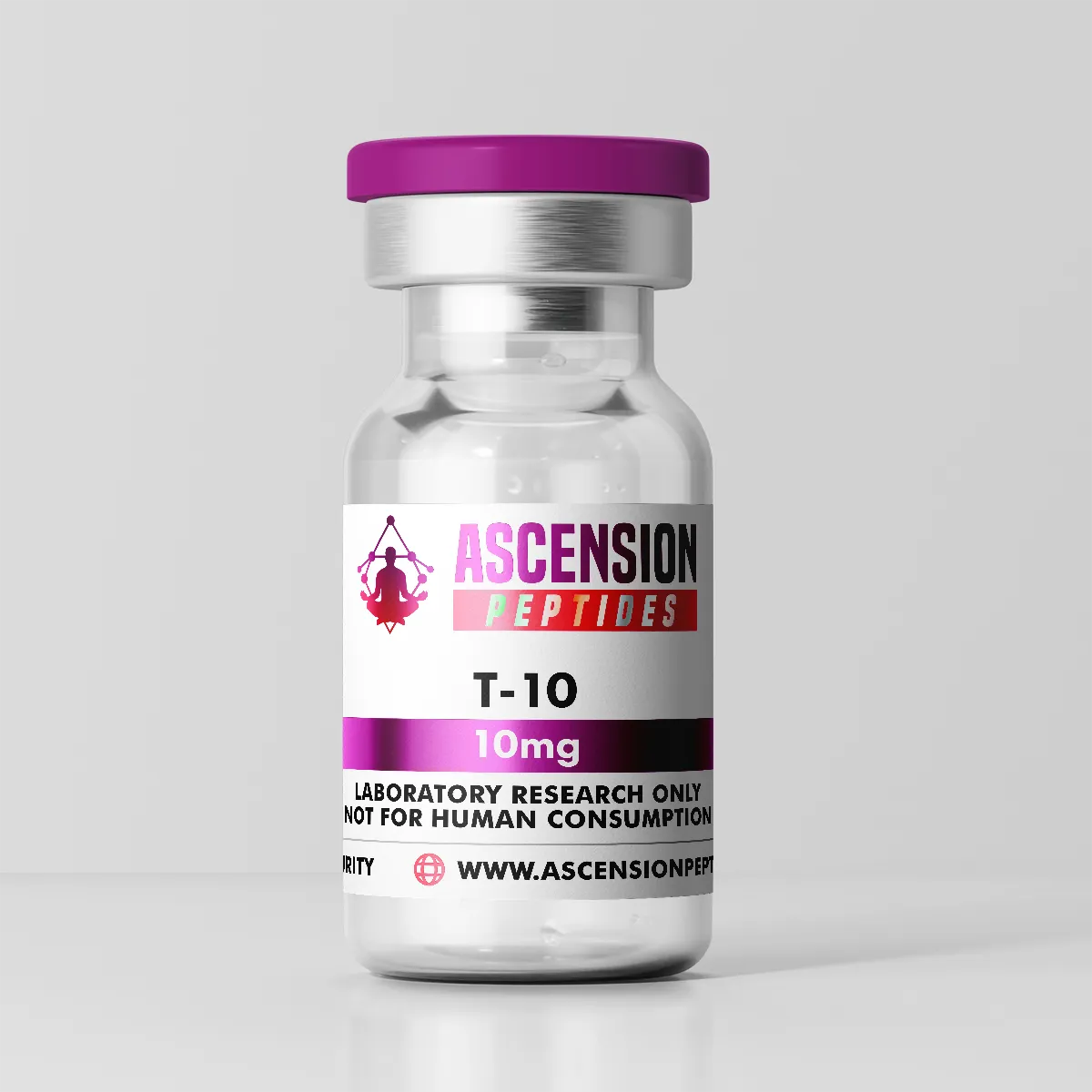
Tirzepatide is available through compounding pharmacies (with a prescription), as branded Mounjaro/Zepbound, and through select peptide suppliers. For a full breakdown of the lowest verified prices, see our cheapest tirzepatide guide. For those sourcing tirzepatide outside of prescription channels, Ascension Peptides offers two tirzepatide options:
Tirzepatide T-10 (10mg) — a 10mg lyophilized vial. Good for users who are in the mid-dosing range (5–10mg/week) or those who want a flexible reconstitution setup for precise dosing. Get T-10 (10mg) from Ascension Peptides →
Tirzepatide T-30 (30mg) — a higher-capacity 30mg vial for those at maintenance doses (10–15mg/week) who want fewer reconstitutions and better value per mg. Get T-30 (30mg) from Ascension Peptides →
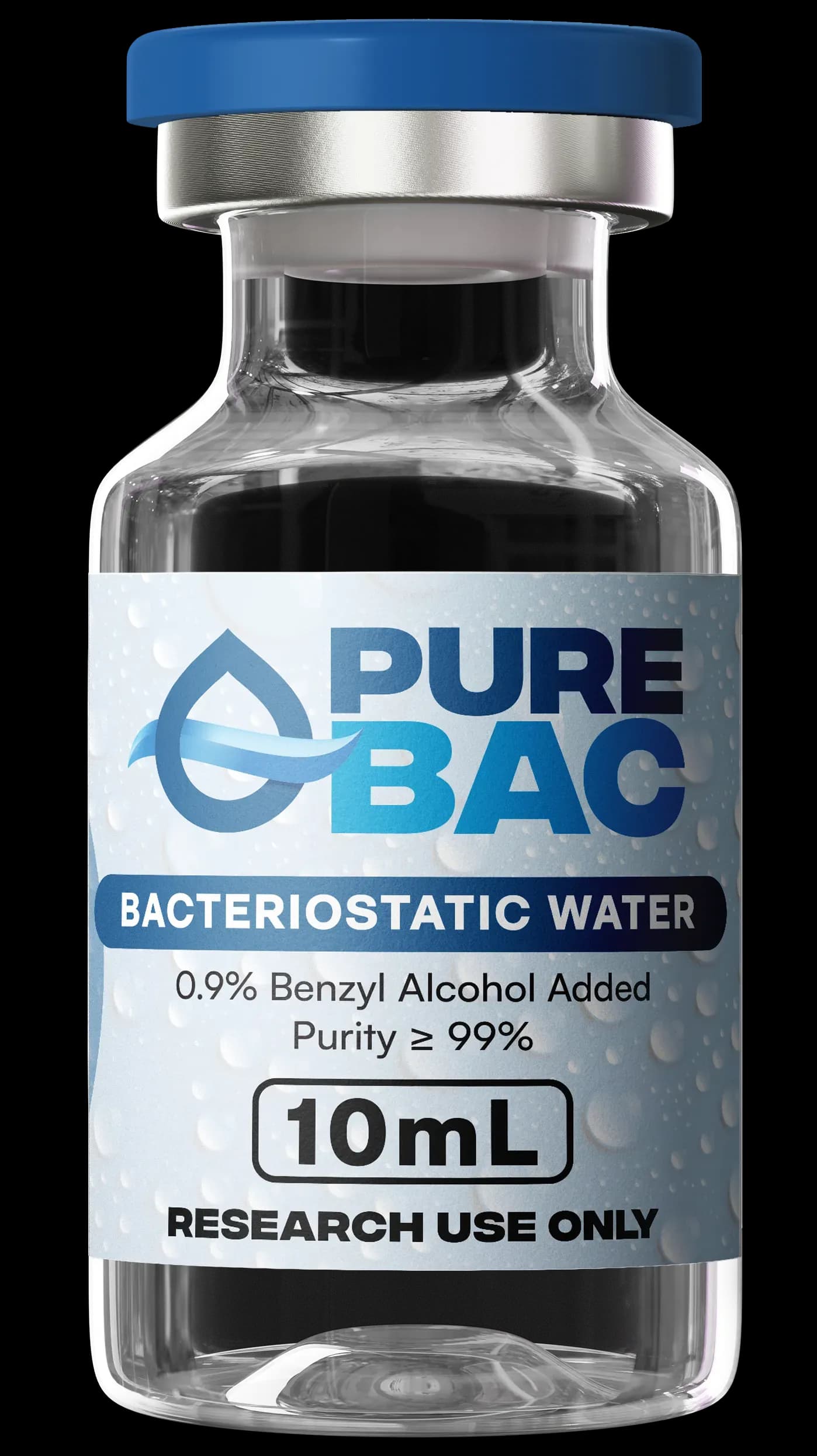
Both products are lyophilized (freeze-dried) powder that requires reconstitution with bacteriostatic water before use. Standard reconstitution: add 2mL bacteriostatic water to a 10mg vial = 5mg/mL concentration. Adjust accordingly for T-30.
Store reconstituted tirzepatide in the refrigerator (2–8°C) and use within 28 days. Do not freeze reconstituted product.
Tirzepatide Stacking — Can You Combine It?
Some users explore pairing tirzepatide with other peptides to enhance fat loss, preserve muscle mass, or support metabolic health during a long weight loss cycle. Here's what the evidence (and experienced users) suggest.
Tirzepatide + MOTS-C
MOTS-C is a mitochondrial-derived peptide that improves insulin sensitivity and energy metabolism through AMPK activation. It's a logical complement to tirzepatide's GLP-1/GIP action — while tirzepatide suppresses appetite and manages glucose centrally, MOTS-C works at the cellular level to improve how muscles use energy. The combination may support better body composition outcomes, particularly in maintaining or building lean mass during a caloric deficit.
Tirzepatide + Retatrutide
Retatrutide is the next generation beyond tirzepatide — a triple agonist (GLP-1 + GIP + glucagon receptor). Combining tirzepatide with retatrutide isn't a practical clinical protocol given that retatrutide subsumes tirzepatide's mechanism entirely. However, transitioning from tirzepatide to retatrutide for advanced users who've plateaued is a logical progression some are exploring.
Tirzepatide + Ipamorelin
For users concerned about muscle loss during aggressive caloric restriction, adding a growth hormone secretagogue like ipamorelin may help preserve lean mass. Ipamorelin stimulates pulsatile GH release, which supports protein synthesis and fat oxidation — a useful complement to the metabolic weight loss produced by tirzepatide.
Note on stacking: Combining peptides increases complexity and potential interactions. If you're considering any peptide stack, work with a knowledgeable practitioner who can monitor your metabolic markers, lean mass, and hormonal profile throughout the cycle.
Frequently Asked Questions
Clinical trial data shows an average of 15–20.9% of body weight over 72 weeks depending on dose. Real-world results vary — some people lose less (5-10%), many lose more, especially with dietary consistency. The 15mg dose produced the highest average in SURMOUNT-1, but even the 5mg dose averaged 15% weight loss, which is still historically exceptional for a pharmacological intervention.
Most people notice reduced appetite within the first week. Measurable weight loss typically begins in weeks 2–4. By weeks 8–12, most users have lost 5–10% of starting weight. Peak results occur around weeks 60–72 in clinical trials. Don't judge efficacy in the first month — the induction phase is about building tolerance, not maximum results.
The clinical data consistently favors tirzepatide for weight loss. SURMOUNT-1 (tirzepatide) vs STEP 1 (semaglutide) head-to-head comparisons show tirzepatide producing roughly 5–6 percentage points more weight loss on average. Additionally, a significantly higher percentage of tirzepatide users achieve ≥20% body weight reduction. For most people whose primary goal is weight loss, tirzepatide is the stronger option.
The SURMOUNT-4 trial is very clear on this: stopping tirzepatide leads to significant weight regain. Participants who discontinued after 36 weeks regained about two-thirds of their lost weight within 52 weeks. This reflects the chronic nature of obesity — tirzepatide treats it effectively while in use but doesn't cure the underlying predisposition. Most people who achieve meaningful results need to continue long-term.
The standard starting dose is 2.5mg once weekly for the first 4 weeks. This induction phase is critical for GI tolerance — starting at higher doses dramatically increases the risk of severe nausea and vomiting. After 4 weeks, dose escalates to 5mg, then potentially to 7.5mg, 10mg, 12.5mg, and 15mg at 4-week intervals based on tolerability and response.
Yes. The SURMOUNT-1 trial specifically enrolled participants without type 2 diabetes, and those results (20.9% average weight loss at 15mg) are among the strongest in the trial program. Tirzepatide is effective for weight loss independent of diabetes status — it acts on appetite and metabolic pathways that exist in all individuals regardless of glucose metabolism.
Nausea is most common in the first 1–2 weeks at each new dose. Key strategies: eat small, frequent meals; avoid greasy and spicy foods; don't lie down after eating; stay hydrated; try ginger tea or chews; consider injecting in the evening so nausea peaks while you sleep. If nausea is severe, hold your current dose for an extra 4 weeks before escalating rather than pushing through.
Some muscle loss can occur with any significant caloric deficit, and tirzepatide-driven weight loss is no exception. Studies suggest that roughly 25-40% of weight lost on GLP-1 class drugs can be lean mass under typical conditions. To minimize this: ensure adequate protein intake (at least 0.7–1g per lb of target body weight), incorporate resistance training 2–4x per week, and avoid excessively aggressive caloric restriction beyond what the drug naturally produces.
The SURMOUNT-1 data shows a clear dose-response relationship — higher doses produce more weight loss. The 15mg dose produced 20.9% average weight loss, 10mg produced 19.5%, and 5mg produced 15%. That said, the 5mg results are already exceptional, and moving to 15mg only adds about 6 additional percentage points while potentially increasing side effects. Many clinicians recommend titrating to the lowest dose that achieves your weight loss goals.
Ozempic is semaglutide 1mg (the diabetes dose). Wegovy is semaglutide 2.4mg (the weight loss dose). Tirzepatide outperforms both for weight loss on average. The dual GLP-1/GIP mechanism gives tirzepatide an advantage, and clinical trials consistently show greater weight reduction, better glycemic control, and comparable safety profiles. If you've tried semaglutide and want better results, tirzepatide is the logical next step.
References
- Jastreboff AM, et al. "Tirzepatide Once Weekly for the Treatment of Obesity." New England Journal of Medicine. 2022;387(3):205-216. doi:10.1056/NEJMoa2206038 (SURMOUNT-1)
- Frías JP, et al. "Tirzepatide versus Semaglutide Once Weekly in Patients with Type 2 Diabetes." New England Journal of Medicine. 2021;385(6):503-515. doi:10.1056/NEJMoa2107519 (SURPASS-2)
- Wilding JPH, et al. "Once-Weekly Semaglutide in Adults with Overweight or Obesity." New England Journal of Medicine. 2021;384(11):989-1002. doi:10.1056/NEJMoa2032183 (STEP 1 — semaglutide reference)
- Wadden TA, et al. "Effect of Subcutaneous Semaglutide vs Placebo as an Adjunct to Intensive Behavioral Therapy on Body Weight in Adults With Overweight or Obesity." JAMA. 2021;325(14):1403-1413. doi:10.1001/jama.2021.1831
- Garvey WT, et al. "Tirzepatide once weekly for the treatment of obesity in people with type 2 diabetes (SURMOUNT-2)." The Lancet. 2023;402(10402):613-626. doi:10.1016/S0140-6736(23)01200-X
- Aronne LJ, et al. "Continued Treatment With Tirzepatide for Maintenance of Weight Reduction in Adults With Obesity: The SURMOUNT-4 Randomized Clinical Trial." JAMA. 2024;331(1):38-48. doi:10.1001/jama.2023.24945
The information in this article is for educational purposes only and does not constitute medical advice. Always consult a healthcare professional before starting any new supplement or compound. Results vary by individual.