36% of people on the 15mg dose lost 25% or more of their starting body weight. Not 10%. Not 15%. Twenty-five percent. That number — from the SURMOUNT-1 trial published in 2022 — is what made tirzepatide genuinely different from everything that came before it.
Semaglutide was already considered a breakthrough. Then tirzepatide came out and outperformed it at every single dose level tested. The gap wasn't marginal. At 72 weeks, the average loss on 15mg tirzepatide was ~21% versus ~15% on semaglutide 2.4mg. For someone starting at 250 lbs, that's 52 lbs versus 37 lbs — the difference between a visible transformation and a life-changing one.
This article covers the actual clinical results, the week-by-week timeline of what to expect, how tirzepatide compares to semaglutide and retatrutide, and what factors determine who gets the best outcomes.
🔑 Key Takeaways
- Tirzepatide produces average 20–22% body weight loss at 72 weeks (SURMOUNT-1 trial)
- Faster onset than semaglutide — results visible by weeks 4–8
- Dual GLP-1 + GIP agonist — the GIP component preserves lean mass better than single-agonist options
- Standard dose: 2.5mg/week starting, titrate to 10–15mg/week over 20 weeks
- Available as Mounjaro (diabetes) or Zepbound (weight loss) by prescription, or as T-10/T-30 peptide form
- Most side effects (nausea, GI) are front-loaded and fade by week 4–8
Tirzepatide Weight Loss Results — What the Clinical Data Shows
SURMOUNT-1 is the definitive trial. 2,539 adults with obesity (no diabetes) randomized to 5mg, 10mg, 15mg tirzepatide or placebo for 72 weeks. The results were jarring enough that the New England Journal of Medicine published them immediately.
Here's what the data actually showed:
- 5mg group: average 15% body weight loss
- 10mg group: average 19.5% body weight loss
- 15mg group: average 20.9% body weight loss
- Placebo group: 3.1% weight loss
That 36% figure for the 15mg group losing ≥25% of body weight has no real precedent in pharmaceutical weight loss. Earlier GLP-1 drugs produced results around 10–14%. Semaglutide pushed that to ~15%. Tirzepatide broke through to a new category entirely — one where outcomes start looking more like bariatric surgery than medication.
For comparison, the STEP-1 trial for semaglutide 2.4mg showed 14.9% average weight loss at 68 weeks. Tirzepatide outperforms that at its lowest approved dose (5mg) and by a wide margin at 10mg and 15mg.
Week-by-Week Tirzepatide Results Timeline
The progression isn't linear. Most people describe four distinct phases, and knowing what to expect in each one makes the process a lot less confusing — especially in weeks 1–4 when side effects are at their worst and visible results are still minimal.
Weeks 1–4: Starting at 2.5mg — The Adjustment Phase
Appetite starts decreasing within days 3–7 for most people. Not dramatically at first — more like a quiet reduction in the constant background noise of hunger. The GLP-1 + GIP dual stimulation is new to your system and the body takes time to calibrate.
Nausea is most common in this phase. It peaks around weeks 2–3, usually fades to manageable by week 4. Scale movement is modest — 1–3 lbs is typical, more if you're holding a lot of water weight. Don't make the mistake of judging tirzepatide's effectiveness by what happens in month one.
Weeks 5–8: Moving to 5mg — Things Start Working
Appetite suppression gets noticeably stronger at 5mg. The GI side effects start fading. Energy often improves slightly as the body adapts to running on less fuel. Average weight loss by week 8 in the higher-dose SURMOUNT groups was roughly 5–7% of starting body weight — so for someone at 220 lbs, that's 11–15 lbs in two months.
This is usually when people start to feel the difference. Clothes fit differently. The constant food noise that characterized their relationship with eating starts going quiet.
Weeks 9–20: Escalating to 10–15mg — The Fast Phase
This is where tirzepatide separates from other approaches. As doses escalate, the GIP component really starts contributing — adding metabolic effects on top of the appetite suppression you're already getting from GLP-1 signaling. Weekly loss of 0.5–1% of body weight is typical during this stretch.
Body composition shifts here too. Tirzepatide's GIP agonism appears to preserve lean mass better than semaglutide — meaningful if you're trying to avoid losing muscle alongside fat. Resistance training amplifies this considerably.
Weeks 20–72: Maintenance Dose — The Long Game
The rate of loss slows as you approach the plateau, but it doesn't stop. By week 36, most people on 15mg have lost 15–20%. By week 72 — the end of the SURMOUNT-1 trial — the average was ~20–22%. Body fat continues declining even as the scale slows.
Some people are disappointed by this slowdown and assume the medication has stopped working. It hasn't — the body is fighting back, as it does with any significant weight loss. The response to that isn't stopping; it's patience.
Tirzepatide results at different stages — community submissions:
Individual results vary. These represent a range of outcomes at different dose levels and durations.
Tirzepatide vs Semaglutide vs Retatrutide: How Do the Numbers Stack Up?
Three GLP-1–class compounds dominate the conversation right now. Here's what the trial data actually shows — keeping in mind these aren't head-to-head comparisons, they're separate trials with different populations and durations.
Retatrutide's Phase 2 numbers are impressive — ~24% at 48 weeks, which extrapolates to potentially 30%+ at 72 weeks. But it's still in Phase 3 trials and isn't approved anywhere yet. Semaglutide has the longest real-world track record. Tirzepatide is the current sweet spot: meaningfully better results than semaglutide, FDA-approved, and available now.
💡 The Realistic Picture
These trial averages include the full range of responders — people who do very well and people who barely respond. If you're optimizing your protocol (protein intake, resistance training, staying on the full titration), you're stacking the odds toward the higher-end outcomes.
Who Gets the Best Results on Tirzepatide
The trial data shows the averages. What it doesn't fully capture is how much individual choices affect outcomes. Looking at who the strong responders tend to be:
- Higher baseline BMI — larger absolute weight lost, even if the percentage is similar. Someone starting at 300 lbs losing 21% is 63 lbs. Someone starting at 180 lbs losing 21% is 38 lbs.
- Protein-focused diet — appetite suppression makes it easy to under-eat, but hitting protein targets (1g per lb of target body weight) preserves muscle and keeps metabolism from downregulating aggressively.
- Completing full titration — people who stop at 5mg because of mild side effects in weeks 2–6 often miss the real results that come from 10–15mg dosing. The side effects almost always improve; the dose increase is worth pushing through.
- Continuing past 20 weeks — a large portion of total results comes in months 5–12. People who stop early because the rate slows leave significant outcome on the table.
Tirzepatide Side Effects That Can Affect Your Results
The side effects aren't random. They're predictable, and most of them are manageable with a few protocol adjustments.
Nausea
The most talked-about one. Peaks in weeks 2–4, usually fades significantly by week 8. The mechanism is straightforward: GLP-1 slows gastric emptying, and a very full stomach triggers nausea signals. Fix: smaller meals, avoid high-fat foods (they take the longest to clear), eat slowly. Some people find eating before the injection slightly helps; others prefer injecting before bed so the worst hits while they're asleep.
Constipation
Common and often underestimated. The same GLP-1 mechanism that slows the stomach also slows the entire GI tract. Increase fiber gradually, drink more water, consider magnesium glycinate at night. Consistent gentle exercise helps too.
Muscle Loss Risk
Lower than semaglutide due to the GIP component, but not zero. Any significant caloric deficit carries some lean mass risk. Resistance training and adequate protein are the two levers that actually matter here — not some theoretical benefit from the drug alone.
Early Fatigue
Common in the first 4–6 weeks. Usually clears by week 8. Almost always from eating less rather than from the compound directly.
Getting Tirzepatide Without a Prescription
The prescription route — Mounjaro for T2D or Zepbound for obesity — is the most straightforward path for those who qualify. But insurance coverage is inconsistent, and out-of-pocket costs for brand-name Mounjaro can be $1,000+/month without assistance programs.
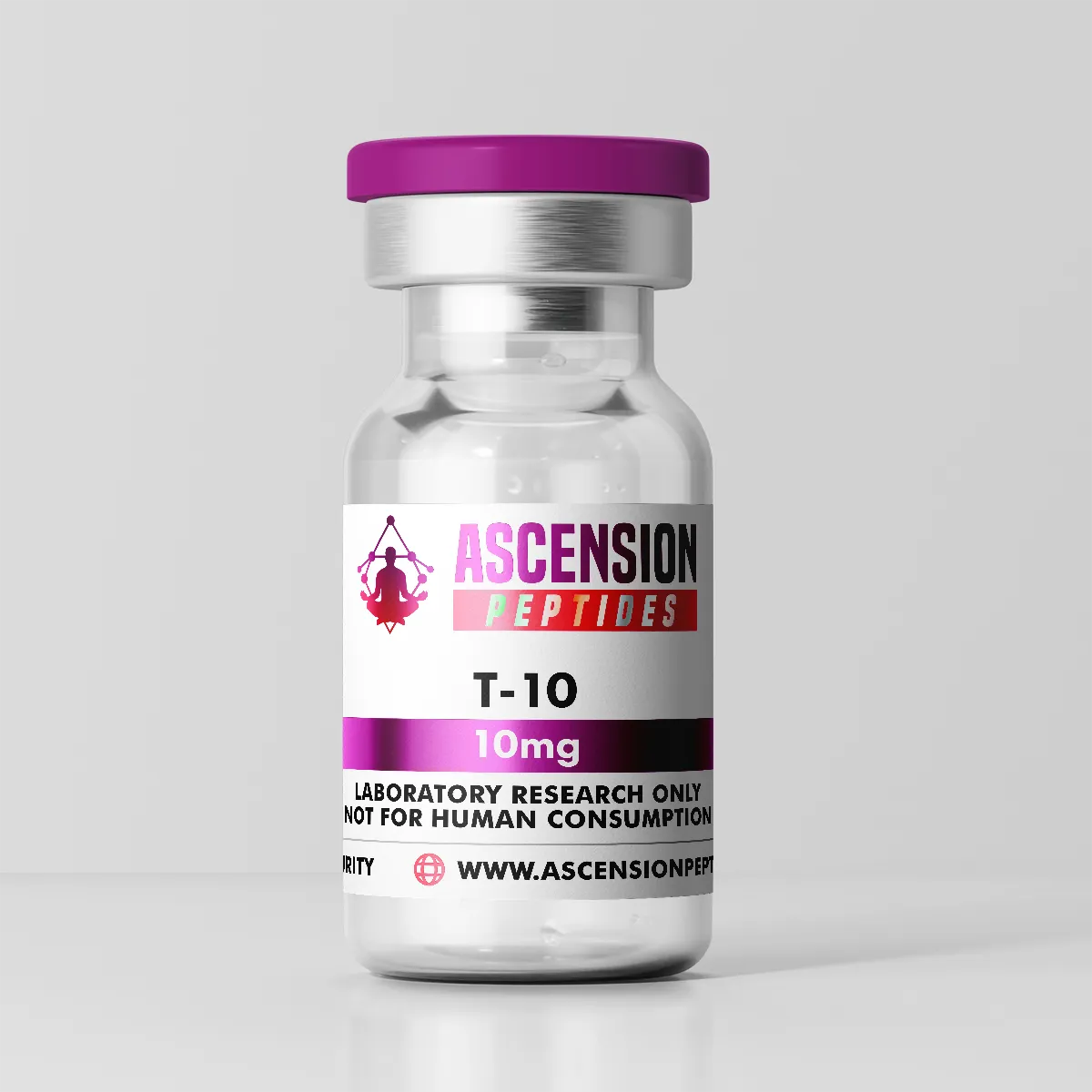
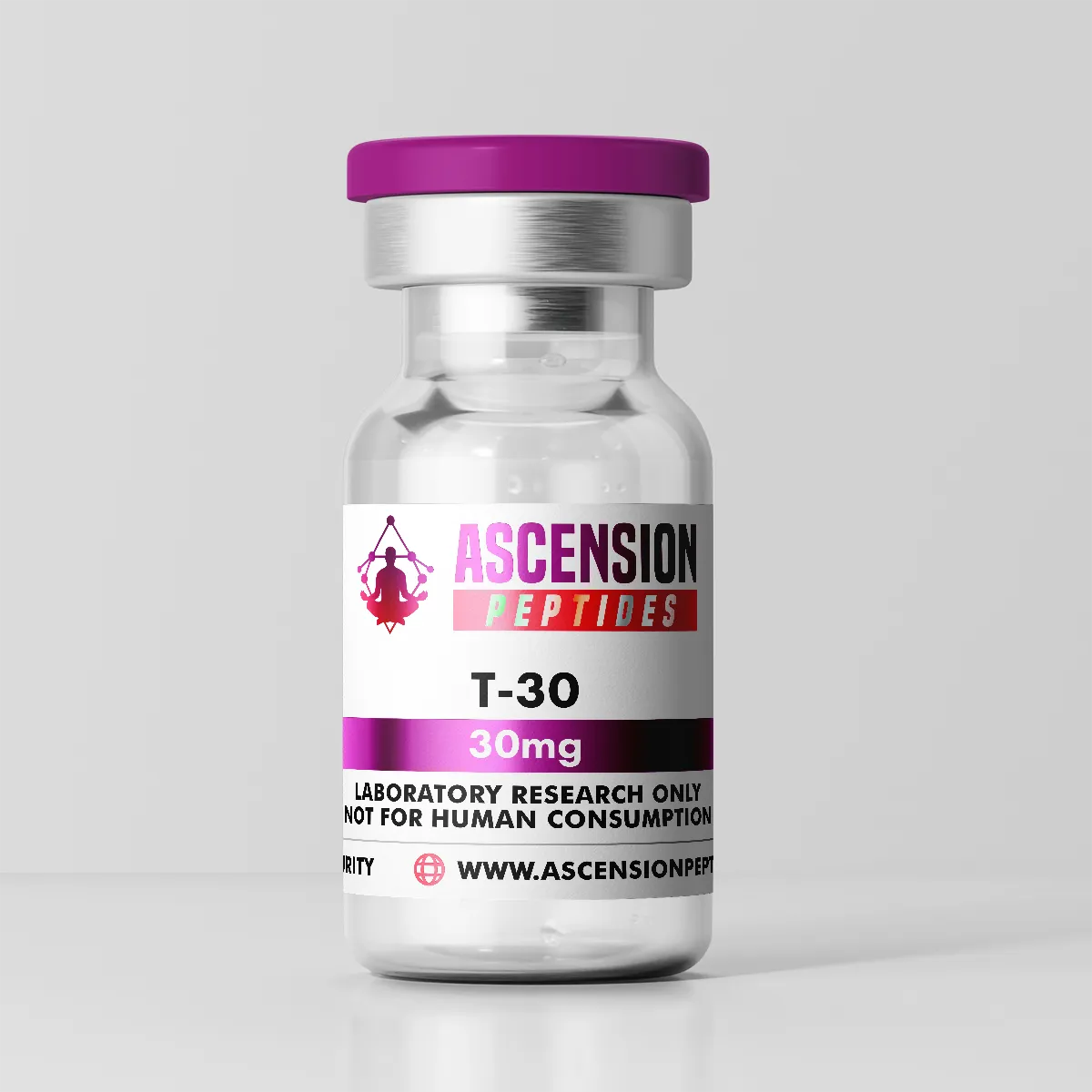
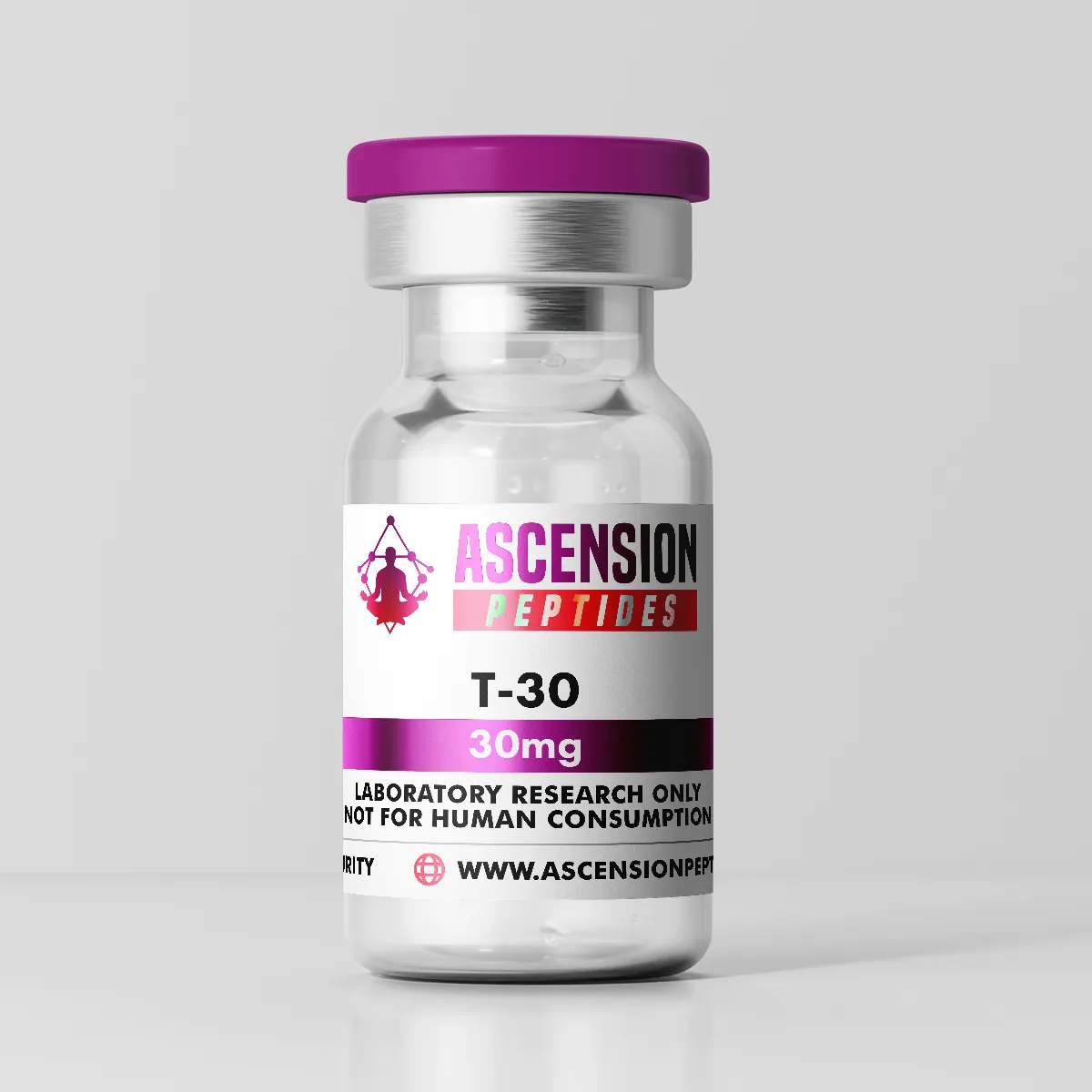
The peptide form is a more accessible option for a lot of people. Ascension Peptides carries tirzepatide as T-10 (10mg, ~$80) and T-30 (30mg, ~$125) — US-made, third-party tested, no prescription required. The 30mg vial offers significantly better value per mg for anyone planning a full protocol.
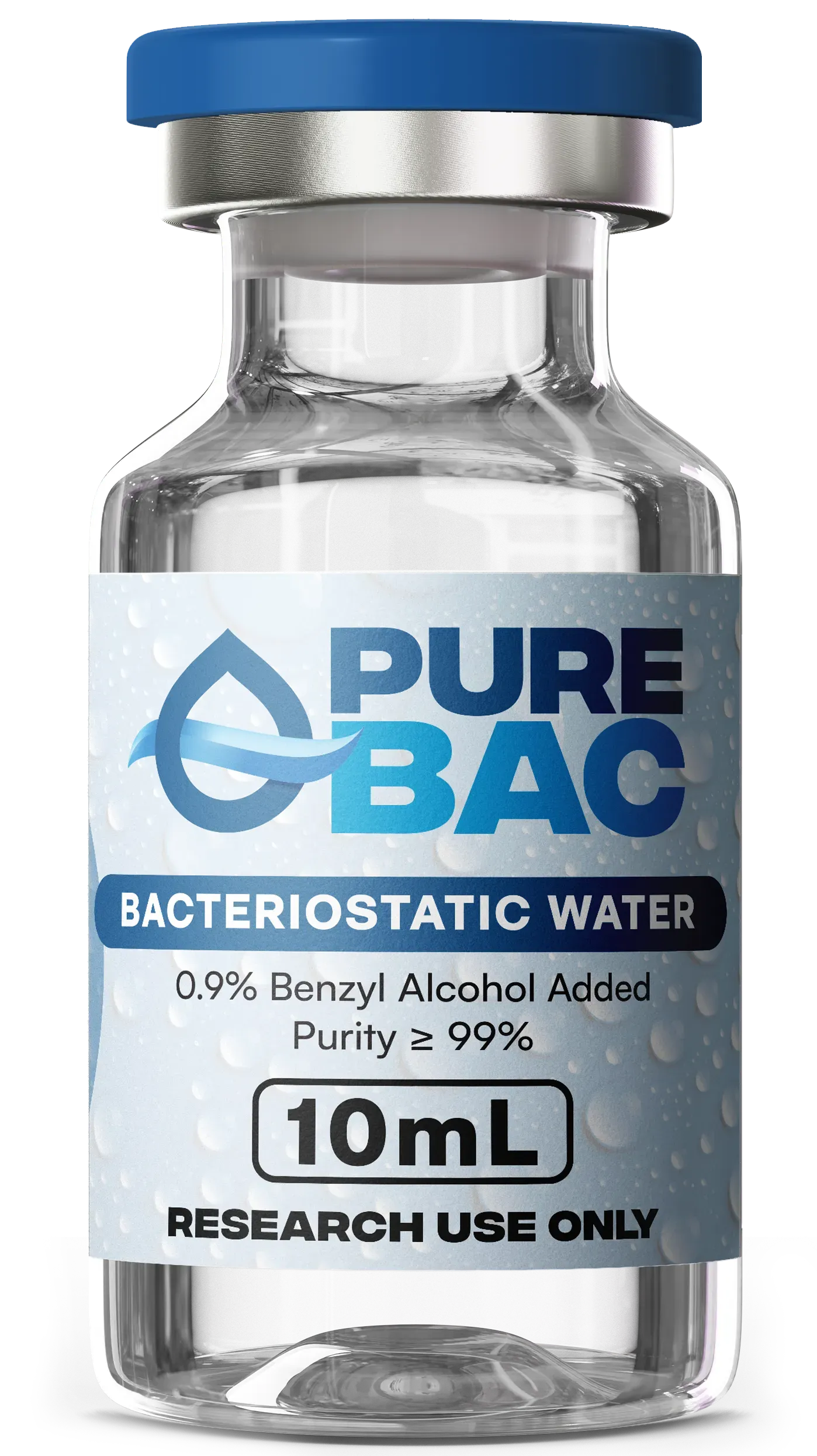
It requires self-reconstitution with bacteriostatic water — see the tirzepatide reconstitution guide for step-by-step instructions. For a full breakdown of sourcing options, the where to buy peptides guide covers everything.
Frequently Asked Questions
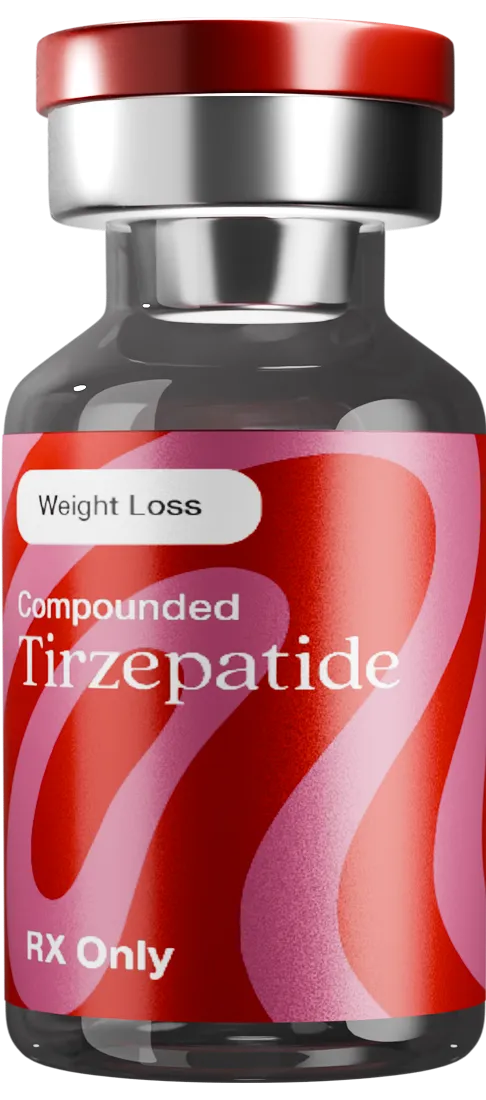
If you're considering tirzepatide for weight loss, compounded tirzepatide is available through licensed pharmacies at a fraction of the brand-name price.
The information in this article is for educational purposes only and does not constitute medical advice. Always consult a healthcare professional before starting any new supplement or compound. Results vary by individual.