💡 Quick Answer
If you want glow rather than a full anti-aging protocol, the topical peptides that change how skin looks fastest are GHK-Cu for texture and tone, Matrixyl 3000 for fine lines and Snap-8 for expression lines. Epitalon and BPC-157 are injectables and belong to a different conversation. This page is about serums and how to layer them. For the evidence-ranked list of every peptide that works on skin, injectables included, see our guide to the best peptides for skin. For GHK-Cu on its own, see the GHK-Cu benefits and dosage guide.
Peptides for skin health are not new — the cosmetic industry has used them for decades. But in 2026, the gap between a $40 department store serum and prescription-strength peptide therapy is wider than ever. Understanding which peptides actually work, what concentrations matter, and whether topical or injectable delivery makes the difference — that's what separates real results from marketing noise.
Here's the thing: your skin is essentially a collagen factory that starts slowing down around age 25. By 40, you're losing roughly 1% of your dermal collagen per year. By 60, that cumulative loss shows up as thinning, sagging, wrinkles, and slow wound healing. Peptides can intervene at nearly every step of this decline — stimulating new collagen production, reducing the enzymes that break it down, improving blood flow to the skin, and even extending the lifespan of skin cells themselves.
Whether your goal is reducing fine lines, improving skin thickness and elasticity, managing hyperpigmentation, or accelerating wound healing, specific peptides address each mechanism more directly than any retinol or vitamin C serum alone. This guide covers every peptide worth knowing about for skin health, with dosing, application methods, and what the published science actually says.
🔑 Key Takeaways
- GHK-Cu is the single most studied peptide for skin rejuvenation — it stimulates collagen, elastin, and glycosaminoglycans simultaneously
- Injectable peptides (GHK-Cu, BPC-157, Epitalon) produce more dramatic results than topicals for skin tightening and remodeling
- Topical peptides (Matrixyl, Snap-8, Argireline) are effective for surface-level wrinkles and expression lines without needles
- Combining topical + injectable approaches produces the best outcomes
- Results take 4–12 weeks for topicals, 2–6 weeks for injectables — consistency is everything
- Always separate copper peptides (GHK-Cu) from vitamin C products — apply at different times of day
How Peptides Improve Skin Health
Skin aging is driven by several intersecting processes: collagen and elastin breakdown, reduced fibroblast activity, oxidative stress, chronic low-grade inflammation, and degraded extracellular matrix. Peptides can interrupt or reverse these processes through multiple pathways:
Collagen Synthesis
Signal peptides activate fibroblasts to produce more collagen types I, III, and IV — the structural proteins that keep skin firm and plump.
MMP Inhibition
Carrier peptides reduce matrix metalloproteinases — the enzymes responsible for breaking down existing collagen.
Muscle Relaxation
Neurotransmitter-inhibiting peptides reduce facial muscle contractions that create expression lines (similar mechanism to botox).
Antioxidant Defense
Copper peptides and others neutralize free radical damage and activate the body's own antioxidant enzymes.
Topical vs. Injectable Peptides: Which Approach Works Better?
This is the question everyone asks, and the honest answer is: it depends on the peptide and your goals. Topical peptides can penetrate the epidermis and reach the upper dermis — enough for surface-level effects like fine line reduction and hydration. But for deep collagen remodeling, skin tightening, and systemic anti-aging effects, injectable peptides deliver dramatically more compound to the target tissue.
Think of it this way: a topical GHK-Cu serum at 2% might deliver a few micrograms to your dermis per application. An injectable GHK-Cu protocol delivers 200–600mcg directly into the subcutaneous tissue. The dose difference is enormous, and so are the results. That said, topicals are non-invasive, require zero technique, and still produce measurable improvements — so they have their place.
Peptide Serums for Glow: The Ranking
Here's how the top skin peptides compare across key metrics:
GHK-Cu (Copper Tripeptide-1): The Gold Standard
GHK-Cu is consistently ranked as the most extensively studied skin peptide, and for good reason. It's a naturally occurring copper complex that your body already produces — just less and less of it after age 25. By your 60s, circulating GHK-Cu levels have dropped by roughly 60% compared to your 20s.
The range of demonstrated skin benefits is genuinely remarkable:
- Stimulates collagen, elastin, and glycosaminoglycan synthesis simultaneously
- Activates antioxidant enzymes (superoxide dismutase, catalase) to fight oxidative damage
- Promotes skin remodeling by regulating MMP expression — breaking down damaged tissue while building new
- Accelerates wound healing and reduces scarring significantly
- Improves skin thickness and firmness measurably within weeks
- Anti-inflammatory effects reduce redness, rosacea, and chronic irritation
Human studies using topical GHK-Cu at 0.1–2% concentrations have shown statistically significant improvements in fine line depth, skin density, and wound healing time over 12-week periods. But the injectable results — documented in community reports and clinical settings — are on another level entirely. Check out our GHK-Cu before and after gallery for real user transformations.
GHK-Cu Topical Application Protocol
💡 GHK-Cu Application Tips
- Use at concentrations of 0.5–2% in serums for meaningful effect
- Apply before moisturizer, not alongside vitamin C (copper can destabilize it)
- Store in dark glass — copper peptides degrade under UV exposure
- Evening application is generally preferred to align with nighttime repair cycles
- Results visible at 4–12 weeks of consistent use
GHK-Cu Injectable Protocol for Skin
Injectable GHK-Cu is where the dramatic skin results come from. Typical protocols run 200–600mcg per day via subcutaneous injection for 4–8 weeks. Some users inject near problem areas (under the chin for jawline tightening, near the eyes for crow's feet), while others use standard abdominal SC injection for systemic distribution. Both approaches work — the peptide circulates systemically regardless of injection site.
Matrixyl 3000: The Wrinkle Fighter
Matrixyl is a matrikine — a peptide that mimics the signal sent by damaged collagen to trigger repair. When collagen naturally breaks down, it releases small fragments that tell fibroblasts to produce more. Matrixyl sends that same signal without requiring collagen breakdown first. Clever mechanism.
Clinical trials comparing Matrixyl to placebo have shown approximately 33–68% reduction in deep wrinkle area after 12 weeks of twice-daily application at 3–4% concentration. It works synergistically with retinol and is one of the few peptides with split-face randomized controlled trial data backing it up.
Matrixyl 3000 (a combination of palmitoyl tripeptide-1 and palmitoyl tetrapeptide-7) is the upgraded version, targeting additional collagen types and adding anti-inflammatory properties via the tetrapeptide component. It's what you'll find in most serious peptide serums in 2026.
How to Use Matrixyl Effectively
Matrixyl works best at 3–5% concentration applied twice daily. Unlike retinol, there's no purging phase and no photosensitivity — you can use it morning and evening. Layer it under moisturizer and sunscreen. It pairs well with hyaluronic acid and niacinamide but keep it separated from direct acid treatments (AHA/BHA) by at least 15 minutes.
Snap-8 and Argireline: The Topical Botox Alternatives
These two peptides share a similar mechanism — both interfere with the SNARE complex that controls neurotransmitter release at the neuromuscular junction. In plain English: they partially relax the facial muscles responsible for expression lines.
Snap-8 (Acetyl Octapeptide-3)
Snap-8 is a fragment of SNAP-25, a protein involved in muscle contraction signaling. In controlled trials, it reduced the depth of expression wrinkles by approximately 26% over 28 days. That's significantly less than botulinum toxin, but it's a real, measurable, non-injection effect. Best for: forehead lines, crow's feet, and perioral lines. Less relevant for static wrinkles not caused by muscle contraction.
Argireline (Acetyl Hexapeptide-3)
Argireline predates Snap-8 and works through a similar but slightly different pathway — inhibiting SNARE complex formation to reduce neuromuscular signaling intensity. Human trials show 10–17% reduction in wrinkle depth over 28 days at 10% concentration. Some people use both Argireline and Snap-8 together for an additive effect on expression lines — the mechanisms overlap but aren't identical.
Epitalon: The Telomere Peptide
Epitalon is a tetrapeptide with a unique mechanism: it activates telomerase, the enzyme that maintains and potentially lengthens telomeres — the protective caps on chromosomes that shorten with each cell division. Longer telomeres correlate with longer cellular lifespan and healthier cell function, which translates to skin cells that divide more times before becoming senescent (those "zombie cells" that secrete inflammatory signals).
For skin specifically, Epitalon has shown activation of fibroblasts in aged cell cultures, improved melatonin production (which matters for cellular repair during sleep), and overall anti-aging effects in published studies. It's more of a systemic anti-aging peptide with skin benefits than a dedicated topical — typically administered via subcutaneous injection in 10-day cycles of 5–10mg per day.
BPC-157 for Skin Healing and Scar Reduction
BPC-157 is highly relevant for skin when wound healing, scar reduction, or post-procedure recovery is the goal. Its pro-angiogenic properties (stimulating new blood vessel formation) and tissue regeneration capabilities accelerate wound closure and reduce scar formation significantly.
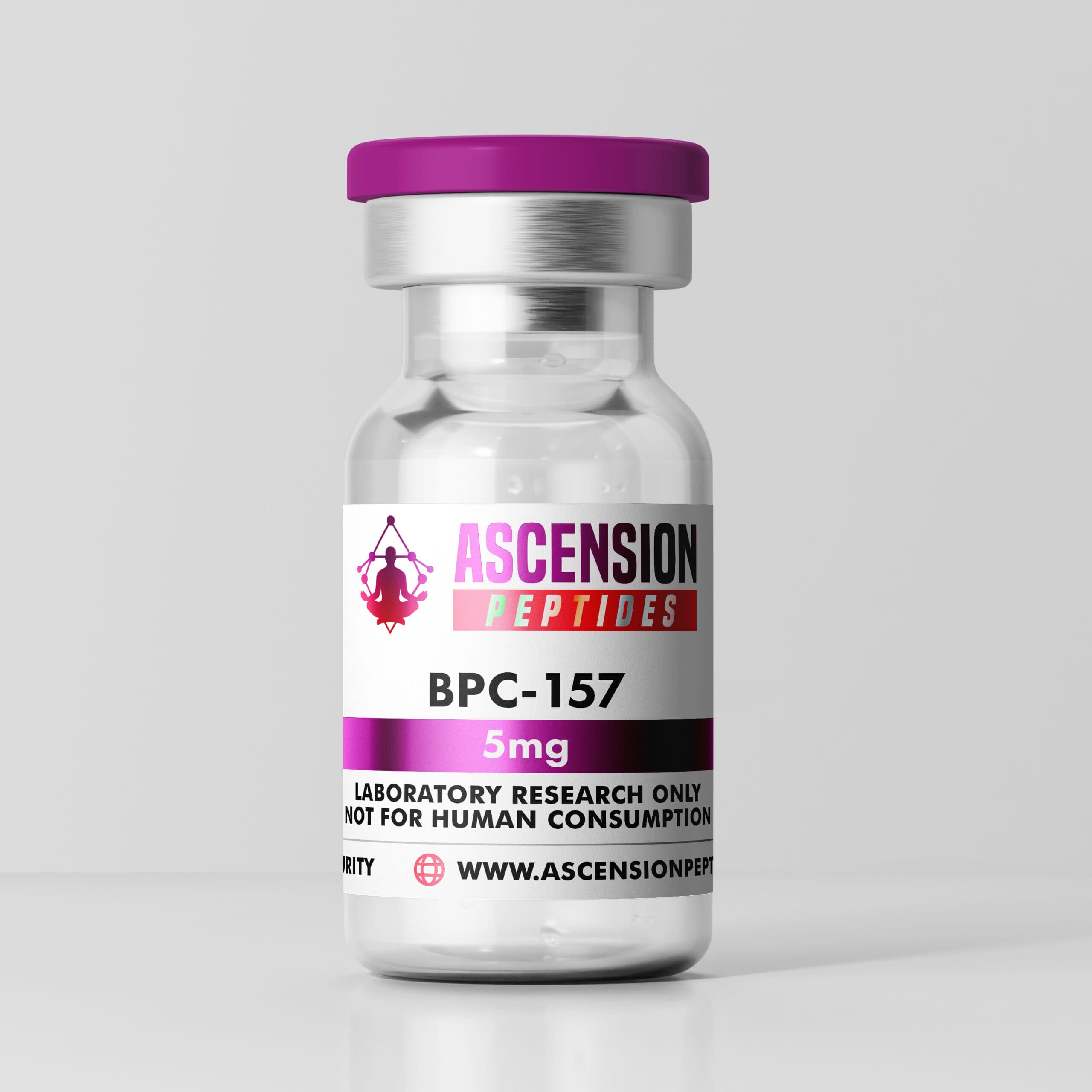
Some users apply BPC-157 topically to wounds or use it systemically around dermatological procedures (microneedling, laser resurfacing, chemical peels). The healing acceleration can cut recovery time roughly in half in many reported cases. If you're considering BPC-157 specifically for skin, it pairs excellently with GHK-Cu — the two peptides target complementary mechanisms.
The KLOW Blend: Multi-Peptide Skin Rejuvenation
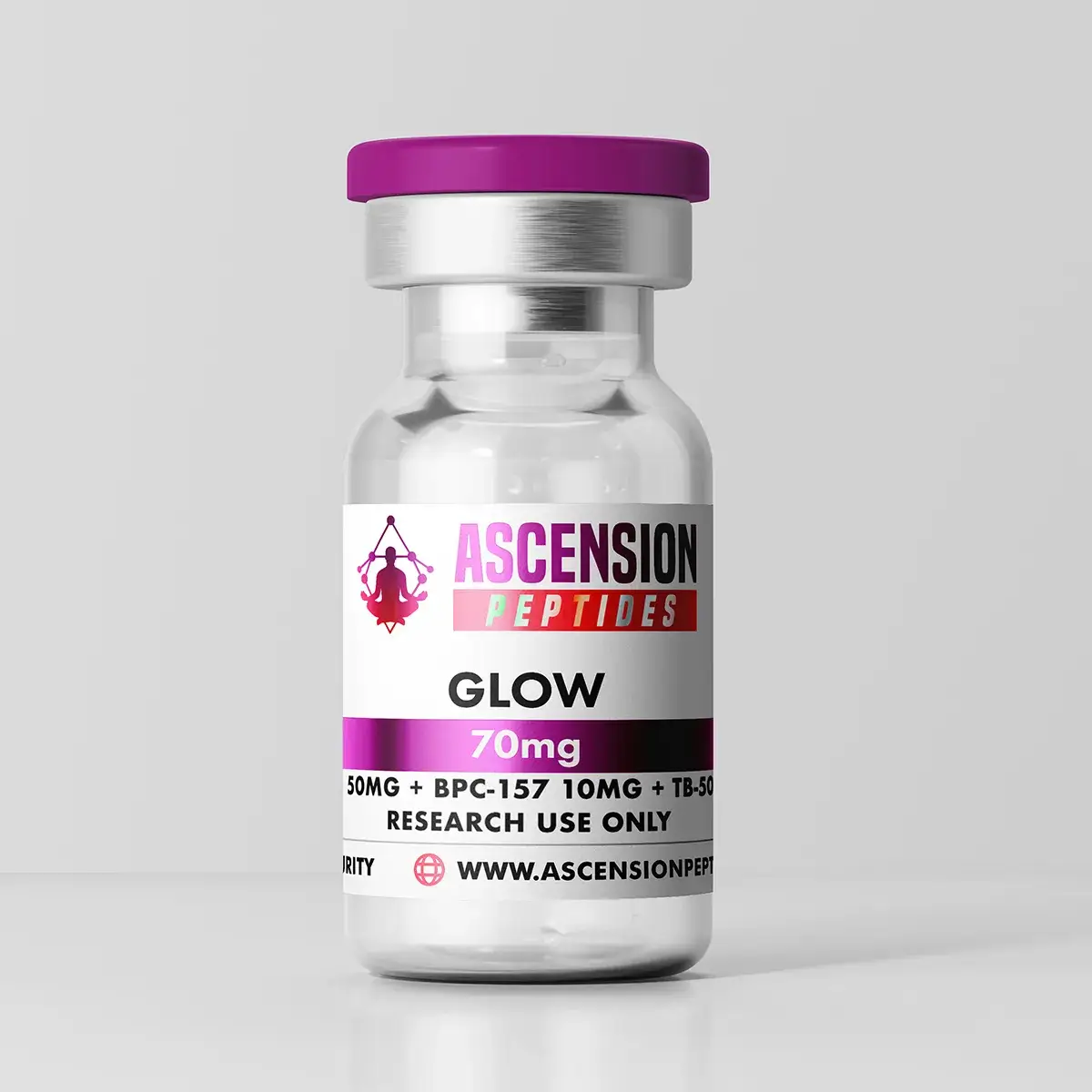
For those who want the benefits of multiple peptides without managing several separate vials, the KLOW peptide blend from Ascension Peptides combines GHK-Cu, BPC-157, Thymosin Beta-4, and KPV in a single formulation. It's designed specifically for skin rejuvenation and recovery.
The rationale behind the blend makes sense: GHK-Cu handles collagen stimulation and remodeling, BPC-157 drives angiogenesis and wound healing, TB-4 enhances cell migration, and KPV provides anti-inflammatory support. Together, they cover essentially every mechanism involved in skin renewal. It's a premium option, but for simplicity and synergy, it's hard to beat.
Building a Complete Skin Peptide Protocol

Topical-Only Protocol (No Injections)
Morning
Cleanse → Apply Matrixyl 3000 serum (3–5%) → Snap-8 or Argireline on expression-prone areas → SPF moisturizer
Evening
Cleanse → Apply GHK-Cu serum (0.5–2%) → Optional retinol (alternate nights) → Moisturizer
Weekly
Gentle exfoliation to improve peptide penetration — avoid harsh scrubs, opt for enzyme or mild AHA
Monthly
Take progress photos in consistent lighting. Real changes are gradual and hard to notice day-to-day
Injectable + Topical Protocol (Maximum Results)
Peptides vs. Retinol for Skin: How They Compare
Retinol and peptides are often compared, but they work through fundamentally different mechanisms and complement each other well:
The takeaway: using both produces better results than either alone. Alternate them — peptide serum one evening, retinol the next — and you're covering virtually every anti-aging mechanism available topically.
Skin Tightening Peptides: Beyond Anti-Wrinkle
If skin laxity (sagging, loss of firmness) is your primary concern rather than fine lines, the peptide approach shifts. Wrinkle-targeting peptides like Snap-8 won't help much with sagging — you need compounds that rebuild the dermal matrix and improve skin thickness. Our best peptides for skin tightening guide covers this in detail.
The short version: injectable GHK-Cu is the most effective peptide for skin tightening, followed by collagen-stimulating growth factors. Topical peptides can help prevent further laxity but generally can't reverse significant sagging on their own — that requires either injectable peptides, energy-based devices (RF, ultrasound), or surgical intervention.
Common Mistakes with Skin Peptides
Using Too Low a Concentration
Many commercial serums contain peptides at concentrations too low to produce meaningful effects — they're included for label appeal. GHK-Cu needs at least 0.5% topically. Matrixyl needs 3%+. Argireline needs 5–10%. If the product doesn't list concentrations, assume they're too low.
Mixing Copper Peptides with Vitamin C
Copper ions can catalyze the oxidation of ascorbic acid (vitamin C), making both ingredients less effective. Use them at different times of day — vitamin C in the morning, copper peptides in the evening.
Expecting Overnight Results
Collagen remodeling is measured in weeks and months, not days. If a product promises visible results in 24 hours, that's hydration — not structural change. Real peptide effects require 4–12 weeks of consistent application.
Ignoring Sun Protection
No peptide protocol will outpace UV-induced collagen destruction. If you're spending money on peptides but skipping sunscreen, you're fighting with one hand tied behind your back. SPF 30+ daily is non-negotiable for anyone serious about skin health.
Peptide Skincare by Age: What to Prioritize
In Your 20s: Prevention
If you're in your 20s, you don't need aggressive peptide protocols — but starting early pays dividends. A simple Matrixyl serum plus good sunscreen protects existing collagen while gently stimulating new production. This is the decade where prevention is almost embarrassingly effective. GHK-Cu at low concentrations (0.5%) works well as a baseline antioxidant and collagen supporter.
In Your 30s: Early Intervention
This is when most people first notice fine lines around the eyes and forehead. Matrixyl 3000 becomes more important, and adding Snap-8 or Argireline to expression-prone areas makes sense. If you're open to injectables, a short GHK-Cu cycle (4 weeks) annually can keep your dermal collagen production above baseline. This is also when the retinol + peptide alternating protocol becomes most valuable.
In Your 40s: Active Rebuilding
Collagen loss is accelerating now — roughly 1% per year. This is the decade to get serious about injectable GHK-Cu protocols, consider Epitalon for systemic anti-aging, and stack topical peptides aggressively. The combination of injectable GHK-Cu + topical Matrixyl + retinol on alternate nights is the protocol that produces the most visible transformation in this age group. Many people in their 40s also start noticing skin laxity (not just wrinkles), which is where skin tightening peptides become relevant.
In Your 50s and Beyond: Comprehensive Protocol
At this stage, you want everything working: injectable GHK-Cu for deep collagen stimulation, topical peptides for surface maintenance, Epitalon for cellular longevity, and potentially the KLOW blend for multi-pathway coverage. The good news is that even at 50+, skin responds to peptide therapy. The remodeling is slower than in a 30-year-old, but it happens — and the visual difference between someone using peptides consistently and someone who isn't becomes increasingly dramatic with each passing year.
Anti-Wrinkle Peptides: What's New in 2026
The peptide landscape for skin continues to evolve. Some of the newer compounds gaining attention in 2026 include acetyl tetrapeptide-5 (reduces under-eye puffiness by improving lymphatic drainage), palmitoyl tripeptide-38 (stimulates syndecan-1, a key component of the dermal-epidermal junction), and biomimetic peptide blends that combine multiple signaling mechanisms in single molecules. For a deeper look at the latest options, see our anti-wrinkle peptides guide.
Nutrition and Lifestyle Factors That Amplify Peptide Results
Peptides don't work in a vacuum. Your skin's ability to respond to peptide signaling depends heavily on your overall nutritional status and lifestyle habits. Think of peptides as the instruction manual — your body still needs the raw materials to follow those instructions.
Collagen-Supporting Nutrients
- Vitamin C: Essential cofactor for collagen synthesis. Without adequate vitamin C, your body literally cannot produce properly structured collagen, no matter how much GHK-Cu you use. Aim for 500–1000mg daily from food and supplements
- Zinc: Required for over 300 enzymatic reactions including collagen cross-linking. Most people are mildly deficient. 15–30mg daily covers the gap
- Glycine and proline: The amino acids that make up collagen. Bone broth, gelatin, or collagen supplements (15g daily) provide these directly
- Omega-3 fatty acids: Reduce the chronic inflammation that degrades collagen. 2–3g of EPA/DHA daily from fish oil or fatty fish
Lifestyle Factors
Sleep is when most skin repair happens — growth hormone peaks during deep sleep, and this is when fibroblasts are most active. Chronic sleep deprivation (under 6 hours) measurably reduces skin collagen synthesis and accelerates aging. If you're investing in peptides but sleeping poorly, you're fighting with a handicap.
Exercise improves skin blood flow, which enhances peptide delivery and supports overall skin health. Even moderate activity — 30 minutes of walking daily — makes a measurable difference in skin thickness and collagen density over time. Smoking, predictably, does the opposite: nicotine constricts blood vessels, reduces oxygen delivery to the skin, and accelerates collagen breakdown. It's the single worst thing you can do for skin aging, full stop.
Where to Source Quality Skin Peptides
For topical peptides, look for products from established skincare brands that list peptide concentrations on the label. For injectable GHK-Cu and other research peptides, source quality matters enormously — under-dosed or degraded peptides won't produce results.
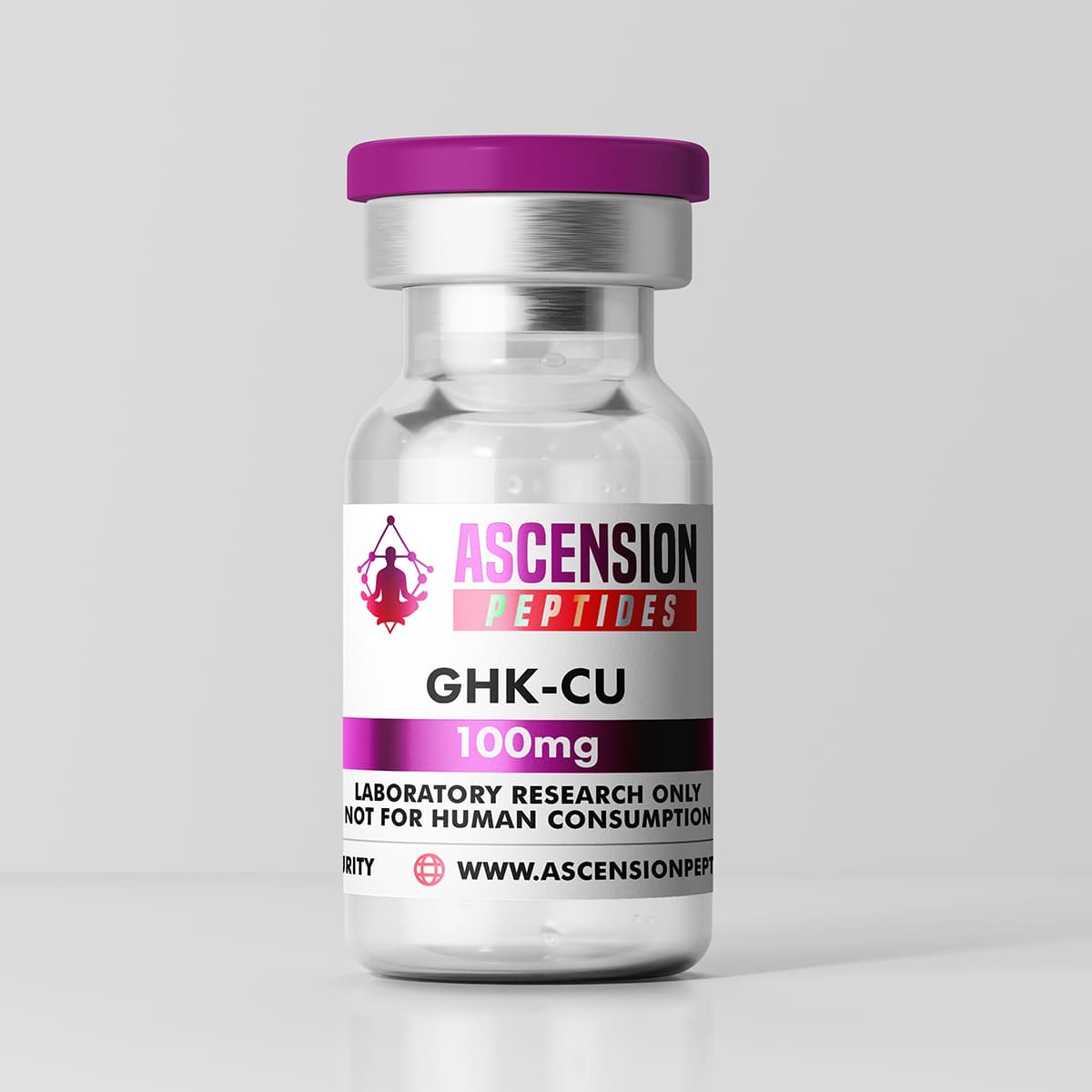
GHK-Cu 100mg from Ascension Peptides provides enough for a full 8+ week injectable skin protocol. They also carry the KLOW multi-peptide blend for those who prefer the all-in-one approach. Both come with third-party purity testing.
Frequently Asked Questions
References
- Pickart L, Vasquez-Soltero JM, Margolina A. "GHK Peptide as a Natural Modulator of Multiple Cellular Pathways in Skin Regeneration." Biomed Res Int. 2015;2015:648108. PMID: 26236730
- Pickart L, Margolina A. "Regenerative and Protective Actions of the GHK-Cu Peptide in the Light of the New Gene Data." Int J Mol Sci. 2018;19(7):1987. PMID: 29986520
- Robinson LR, et al. "Topical palmitoyl pentapeptide provides improvement in photoaged human facial skin." Int J Cosmet Sci. 2005;27(3):155-160. PMID: 18492182
- Blanes-Mira C, et al. "A synthetic hexapeptide (Argireline) with antiwrinkle activity." Int J Cosmet Sci. 2002;24(5):303-310. PMID: 18498523
- Khavinson V, et al. "Peptide Epitalon activates chromatin at the old age." Neuro Endocrinol Lett. 2003;24(5):329-333. PMID: 14647007
- Sikiric P, et al. "Brain-gut axis and pentadecapeptide BPC 157: theoretical and practical implications." Curr Neuropharmacol. 2016;14(8):857-865. PMID: 27306034
- Gorouhi F, Maibach HI. "Role of topical peptides in preventing or treating aged skin." Int J Cosmet Sci. 2009;31(5):327-345. PMID: 19570099