🔑 Key Takeaways
- Four peptides are FDA-approved for weight loss: Wegovy (semaglutide injection), Wegovy tablet (oral semaglutide), Saxenda (liraglutide), and Zepbound (tirzepatide). Everything else on this ranking is either off-label, research-stage, or a non-GLP-1 adjunct compound.
- Retatrutide (R-30) tops the ranking by efficacy with 24.2% average weight loss in the TRIUMPH-4 trial, though it is not yet FDA-approved. Phase 3 completion is expected in 2026.
- Tirzepatide follows at 22.5% body weight loss (SURMOUNT-1), is FDA-approved as Zepbound, and available from Ascension Peptides at ~$85/month, a fraction of brand-name GLP-1 pricing.
- Semaglutide delivers about 15% average body weight loss at the 2.4 mg dose, and the newer Wegovy HD (7.2 mg) reaches about 19% at 72 weeks.
- Seven peptides made our list, each working through different mechanisms: appetite suppression, direct fat oxidation, or metabolic reprogramming.
- Stacking peptides from different pathways (like retatrutide + MOTS-C) can target multiple fat-loss mechanisms simultaneously for accelerated results.
- Sourcing matters: FDA-approved brand options, licensed compounding pharmacies, and unregulated "grey market" powders are three different risk tiers. Know which one you are buying from.
The weight loss peptide space has changed, dramatically, since Ozempic first hit mainstream consciousness. What was once a single-compound conversation has fractured into a legitimate pharmacological arms race, with triple agonists now achieving what seemed impossible even two years ago: consistent, 20%+ body weight reduction without surgery.
But here's the problem. There are dozens of peptides marketed for fat loss, and most of them are mediocre at best. Some work through completely different mechanisms. Some have strong Phase 3 data. Others have... a few animal studies and a lot of Reddit enthusiasm.
So I spent the last three months sorting through clinical trial databases, user reports, and pharmacological profiles to build this ranking. Seven peptides made the cut. Each one earned its spot with either strong clinical data, a unique mechanism that fills a gap the others can't, or both. If you're looking for the best peptides for weight loss in 2026, this is the most complete breakdown you'll find.
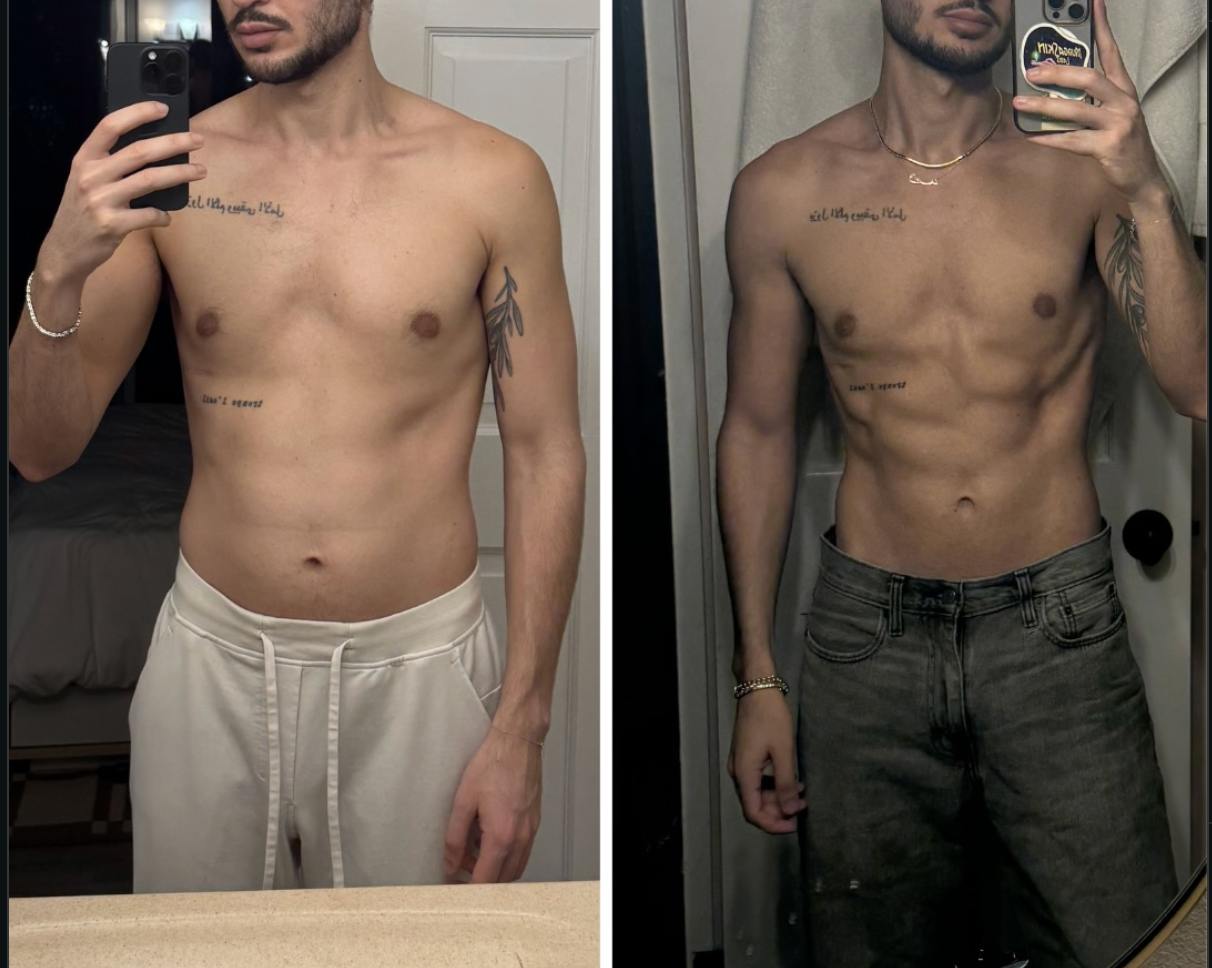
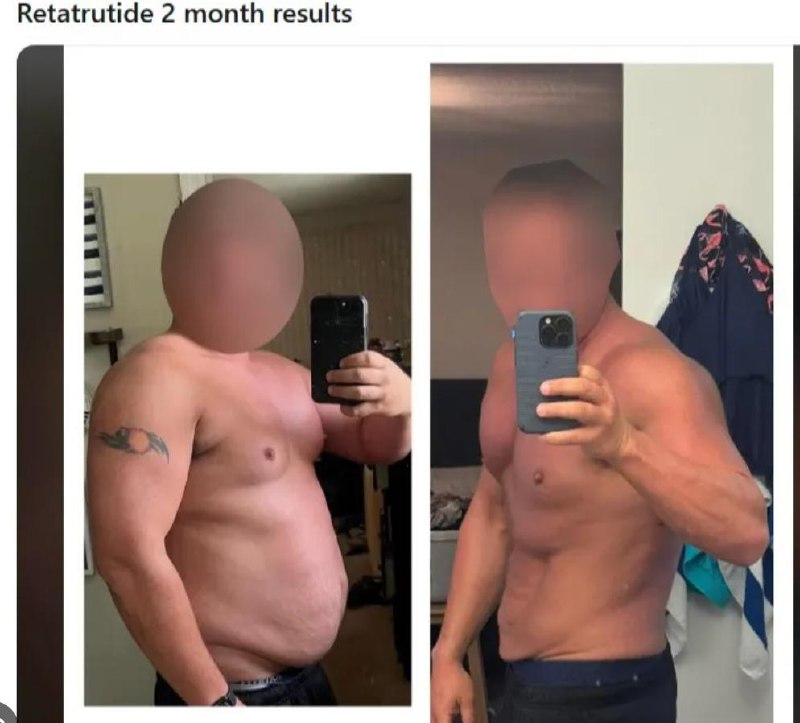
Retatrutide Before and After
Swipe through these retatrutide before and after examples before you jump into the rankings below.

The 7 Best Peptides for Weight Loss, Quick Comparison
Before we get into the weeds, here's the summary. Bookmark this table, you'll want to reference it later.
Now let's break each one down properly.
Do Peptides Actually Work for Weight Loss?
Yes, with clinical-trial data so consistent across multiple Phase 3 programs that the medical question has largely shifted from "do they work" to "how do we afford them."
The specific numbers are stark. In STEP 1 (NEJM 2021), 86.4% of participants on semaglutide 2.4 mg lost at least 5% of their body weight, 69.1% lost at least 10%, and 50.5% lost at least 15% over 68 weeks. The placebo arm averaged 2.4% weight loss. In SURMOUNT-1 (NEJM 2022), tirzepatide 15 mg produced 22.5% average body weight loss at 72 weeks, with 36.2% of participants losing 25% or more. TRIUMPH-4 with retatrutide pushed that number to 24.2% over 48 weeks.
SURMOUNT-4 added an important durability detail: patients who stayed on tirzepatide through 88 weeks lost an additional 5.5% of body weight after the initial 36-week lead-in, while patients switched to placebo regained roughly 14% of body weight. This matches the broader pattern: GLP-1 weight loss is real, but it reverses when the drug stops, which is why most clinicians now treat obesity as a chronic condition requiring long-term medication.
The caveats matter. In patients with type 2 diabetes, weight loss tends to be smaller (about 8 to 15%) than in patients without diabetes. Without concurrent lifestyle change (diet and resistance training), weight loss is also smaller and muscle loss is larger. Without proper dose titration, GI side effects drive early discontinuation for a meaningful minority of users.
Non-GLP-1 peptides (MOTS-C, AOD-9604, 5-Amino-1MQ) have narrower but real effect sizes, usually body-composition rather than scale-weight changes. They are best used as adjuncts rather than primary fat-loss drivers.
How Weight Loss Peptides Actually Work
Not all weight loss peptides do the same thing. That's the part most articles skip over, and it matters, because the mechanism determines who benefits most and what you can realistically expect.
There are three core pathways these peptides exploit:
1. Appetite Suppression (GLP-1 Pathway)
This is the big one. GLP-1 receptor agonists, retatrutide, tirzepatide, semaglutide, mimic a gut hormone called glucagon-like peptide-1. When GLP-1 receptors activate in your brain, you feel full. Not "I should probably stop eating" full. More like "I genuinely forgot about food for six hours" full.
The GLP-1 pathway also slows gastric emptying (food sits in your stomach longer) and improves insulin sensitivity. The dual and triple agonists layer GIP and glucagon receptor activation on top of that, which ramps up energy expenditure and fat oxidation. That's why retatrutide blows past semaglutide in the data, it's hitting three receptors instead of one.
2. Direct Fat Oxidation
Some peptides skip the appetite thing entirely and go straight for fat cells. AOD-9604 is a modified fragment of human growth hormone that stimulates lipolysis, the breakdown of stored fat, without the growth-promoting effects of full HGH. 5-Amino-1MQ works differently, blocking an enzyme called NNMT that promotes fat storage in white adipose tissue.
These won't crush your appetite. You'll still eat normally. But they shift your body's metabolic preference toward burning stored fat, which is particularly useful for stubborn areas that don't respond well to diet alone.
3. Metabolic Reprogramming
MOTS-C is the oddball on this list, and honestly, it might be the most interesting. It's a mitochondrial-derived peptide that activates AMPK, the same pathway triggered by exercise. It improves insulin sensitivity, increases fatty acid oxidation, and essentially mimics some of the metabolic effects of physical activity at a cellular level.
The CJC-1295 + Ipamorelin stack works through yet another angle: boosting growth hormone secretion, which indirectly improves body composition by increasing lean mass and reducing fat storage over time. Growth hormone doesn't directly target fat cells the way AOD-9604 does, instead, it shifts the overall hormonal environment toward one that favors lean tissue and penalizes fat accumulation. Slower, but the body composition changes can be significant over 3-6 months.
Understanding these three mechanisms is key to choosing the right peptide, or the right stack. Someone who needs to lose 50+ pounds is best served by appetite suppression (GLP-1 pathway). Someone at 20% body fat wanting to reach 12% might prefer direct fat oxidation or metabolic reprogramming. And the most aggressive protocols combine all three.
#1: Retatrutide (R-30), The Strongest Weight Loss Peptide Available
Retatrutide isn't just the best peptide for weight loss. It's the most effective anti-obesity compound ever studied in clinical trials. Full stop.
What Makes Retatrutide Different
Where semaglutide hits one receptor and tirzepatide hits two, retatrutide activates three: GLP-1, GIP, and the glucagon receptor. That third receptor, glucagon, is the game-changer. Glucagon receptor activation directly increases energy expenditure and hepatic fat oxidation. Your body literally burns more calories at rest while simultaneously torching liver fat.
The result? In the TRIUMPH-4 Phase 3 trial, participants on the highest dose lost an average of 24.2% of their body weight over 48 weeks. Some participants exceeded 30%. For context, bariatric surgery typically achieves 25-30% weight loss, retatrutide is approaching surgical results with a weekly injection (Jastreboff et al., NEJM 2023).
Dosage Protocol
Dose escalation matters here. Jumping straight to 8mg is a recipe for nausea, vomiting, and a miserable first month. Start at 1mg. Be patient. The weight loss is coming, and it's aggressive once you reach therapeutic doses.
One thing worth noting: the glucagon receptor component is what separates retatrutide's side effect profile from pure GLP-1 drugs. Some users report a distinct "thermogenic" feeling, slightly elevated body temperature, increased warmth, especially at higher doses. This isn't a bug; it's the glucagon receptor driving energy expenditure upward. Your body is literally burning more calories as heat.
Why Retatrutide Beats Semaglutide
The numbers are stark. Semaglutide (Wegovy) produced 15% weight loss in STEP-1. Retatrutide hit 24.2% in TRIUMPH-4. That's a 60% improvement in efficacy. And because glucagon receptor activation boosts energy expenditure, retatrutide users tend to preserve more lean mass during weight loss, a persistent problem with GLP-1-only drugs where you lose muscle alongside fat.
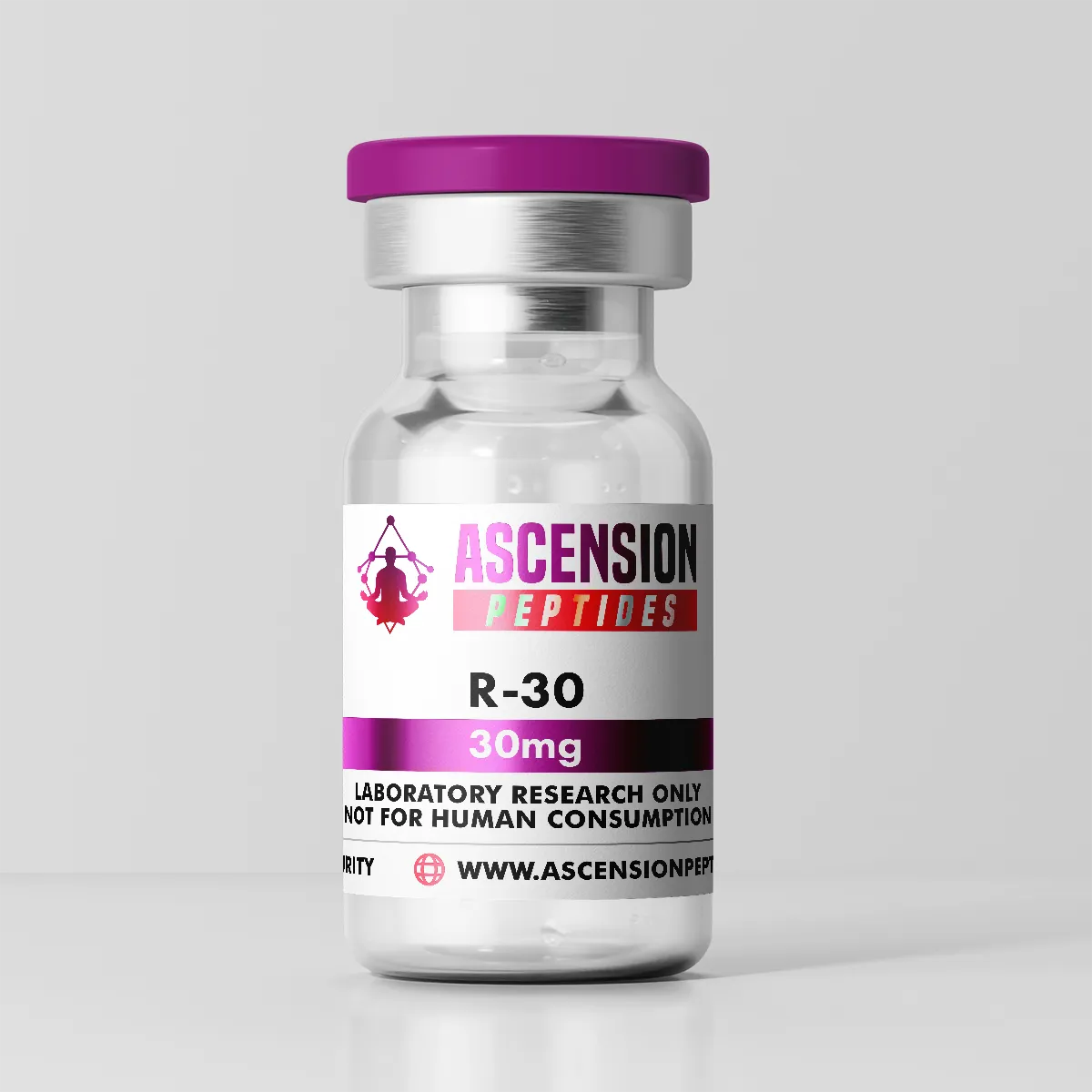
Retatrutide is available for laboratory purposes as R-30 (30mg vial) from Ascension Peptides at $200 per vial. At a starting dose of 1mg/week, one vial lasts 6+ weeks. Even at 8mg/week therapeutic dosing, you're looking at roughly $85/month, compared to $900+ for brand-name GLP-1 drugs.
For a complete dosing breakdown, check our retatrutide dosage chart.
💡 Pro Tip
If you're new to GLP-1 agonists entirely, retatrutide is still the move, just be disciplined about dose escalation. The side effect profile at 1-2mg is very manageable, and you can always hold at a dose that works rather than pushing to maximum.
#2: Tirzepatide (T-30), The Proven Dual Agonist
Tirzepatide is the compound behind Mounjaro and Zepbound, Eli Lilly's blockbuster weight loss drugs that generated over $12 billion in revenue last year. The clinical data behind it is massive, spanning multiple Phase 3 trials with tens of thousands of participants.
The SURMOUNT-1 Results
In SURMOUNT-1, the landmark Phase 3 obesity trial, tirzepatide at the highest dose (15mg/week) produced 22.5% average body weight loss over 72 weeks. More than a third of participants lost over 25% of their body weight (Jastreboff et al., NEJM 2022). These are extraordinary numbers, second only to retatrutide.
As a dual GLP-1/GIP agonist, tirzepatide suppresses appetite through GLP-1 while GIP receptor activation enhances insulin sensitivity and may contribute to fat oxidation. The dual mechanism produces a smoother, more sustained appetite suppression compared to GLP-1-only compounds. Many users report fewer GI side effects compared to semaglutide at equivalent efficacy levels.
Tirzepatide vs Retatrutide: Which Should You Choose?
Honestly? Both are excellent. Retatrutide has a slight edge in raw weight loss (24.2% vs 22.5%), and the glucagon receptor component means better energy expenditure and potentially more lean mass preservation. But tirzepatide has a longer safety track record, more extensive Phase 3 data, and FDA approval (as Mounjaro/Zepbound).
SURMOUNT-4 added an important durability finding: patients who continued tirzepatide past 36 weeks lost an additional 5.5% of body weight, while patients switched to placebo regained approximately 14% within a year. The data pattern is consistent across the entire GLP-1 class: weight loss is durable while you are on the drug, but rebounds once the drug clears. This is why the medical community now treats obesity as a chronic condition requiring ongoing medication.
If maximum weight loss is your priority and you're comfortable with a newer compound: retatrutide. If you want the most extensively studied option with the broadest safety database: tirzepatide. You're splitting hairs either way, both produce life-changing results.
Ascension carries tirzepatide as T-30 (30mg vial) and T-10 (10mg vial). At the standard titration schedule, a T-30 vial runs about $85/month at therapeutic doses. Check current availability at Ascension Peptides.
For a deep cost breakdown, see our tirzepatide cost without insurance guide.
#3: Semaglutide, The One That Started It All
Semaglutide is the peptide most people think of when they hear "weight loss injection." It's the active ingredient in both Ozempic (diabetes indication) and Wegovy (obesity indication), and it single-handedly created the GLP-1 weight loss craze that's now a multi-billion dollar industry.
The Data
STEP-1 showed 14.9% average body weight loss over 68 weeks at the 2.4mg weekly dose (Wilding et al., NEJM 2021). 86.4% of participants lost at least 5% of body weight, 69.1% lost at least 10%, and 50.5% lost at least 15%. That was genuinely impressive in 2021. Today, with retatrutide and tirzepatide posting 22-24% results, semaglutide looks like a first-generation solution. Still effective, but clearly not the ceiling.
Wegovy HD and the Oral Wegovy Tablet
Two newer semaglutide formulations have expanded the category in 2025-2026:
- Wegovy HD (7.2 mg): A higher-dose version of Wegovy (three times the concentration of the standard 2.4 mg). In Phase 3, patients on 7.2 mg averaged approximately 19% body weight loss at 72 weeks. This closes much of the gap with tirzepatide while keeping the well-established semaglutide safety profile.
- Wegovy oral tablet (25 mg daily): FDA-approved in late 2025. Taken once daily in the morning on an empty stomach. Clinical trials showed about 14% body weight loss at 64 weeks. The oral option is the first branded needle-free path to GLP-1-class weight loss results.
The Cost Problem
Brand-name Wegovy costs approximately $1,350 per month at list price. Novo Nordisk's NovoCare cash program brings it down meaningfully for uninsured patients: $199/month for the first two months, then $349/month from month 3 onward. Wegovy HD runs $399/month through NovoCare, and the oral Wegovy tablet starts at $149/month, the cheapest branded semaglutide option.
If you're going to use a GLP-1 peptide for weight loss, and cost is a factor (it almost always is), you're better off with retatrutide or tirzepatide from a research supplier (~$85/month). You get equal or superior efficacy at a fraction of the price. Semaglutide earned its place in medical history, and the newer HD and oral formulations make it more accessible, but the raw cost-per-percent-weight-loss still favors the newer compounds.
For a full comparison of alternatives, check our Ozempic alternatives guide, or see how much Wegovy and its peers actually cost in our how much Ozempic, Wegovy and Zepbound cost without insurance breakdown.
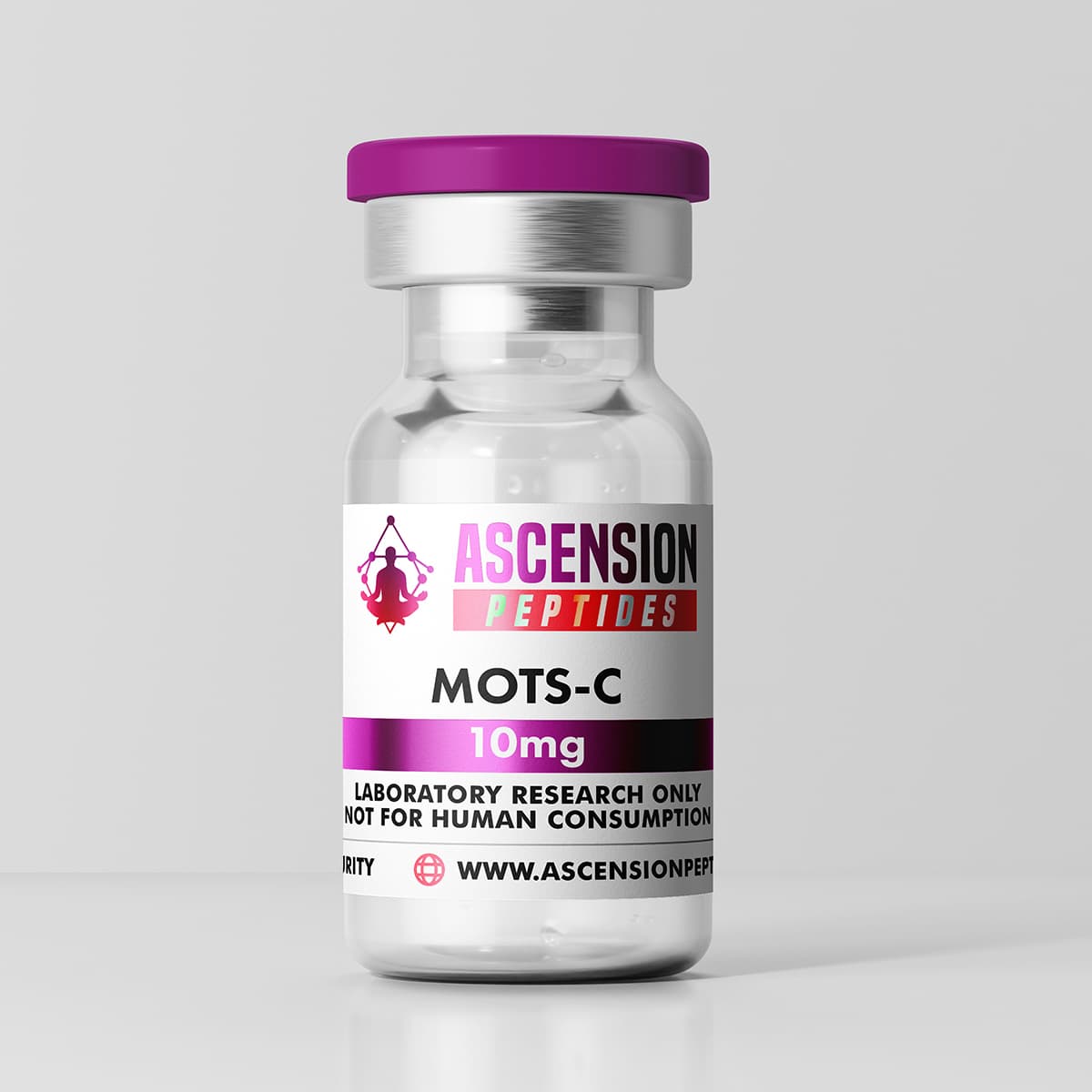
#4: MOTS-C, The Metabolic Reprogrammer
MOTS-C is a completely different animal. It won't kill your appetite. It won't make you nauseous. What it will do is fundamentally shift how your cells process energy, and that has profound implications for body composition.
How MOTS-C Works
MOTS-C is a mitochondrial-derived peptide, meaning it's encoded in your mitochondrial DNA, not your nuclear DNA. It activates AMPK (AMP-activated protein kinase), the same master metabolic switch triggered by exercise and caloric restriction. When AMPK is active, your cells increase fatty acid oxidation, improve glucose uptake, and shift away from fat storage toward energy production (Lee et al., Cell Metabolism 2015).
Think of it as an exercise mimetic, not replacing physical activity, but amplifying the metabolic benefits you get from it. People using MOTS-C consistently report improved exercise performance, better insulin sensitivity, and gradual body recomposition (losing fat while maintaining or gaining muscle) even without dramatic changes to their diet.
Who MOTS-C Is For
MOTS-C shines brightest when you're already doing the work, training, eating reasonably well, but hitting a plateau. It's not going to produce 20% weight loss on its own. But paired with a GLP-1 agonist or a solid training program, it accelerates the metabolic adaptations that drive long-term leanness.
It's also excellent for people who are metabolically unhealthy but not necessarily obese. Insulin resistance, pre-diabetes, poor energy, MOTS-C targets the root mitochondrial dysfunction underlying these conditions.
Available from Ascension Peptides at $75 for a 10mg vial. At a typical protocol of 10mg/week, that's roughly one vial per week, or about $300/month for the standard research dose. At lower 5mg doses, it stretches further.
See our full MOTS-C review for dosing protocols and stacking ideas.
#5: AOD-9604, The Targeted Fat Burner
AOD-9604 is a modified fragment of human growth hormone, specifically, amino acids 176-191 of the HGH molecule. That fragment is the portion responsible for fat metabolism, isolated from the growth-promoting effects that make full HGH problematic for long-term use.
How It Targets Fat
AOD-9604 stimulates lipolysis (breakdown of stored fat) and inhibits lipogenesis (creation of new fat). It works directly on adipose tissue rather than through appetite suppression, which makes it mechanistically unique on this list. You won't eat less, but your body will be more aggressive about mobilizing stored fat for energy.
The research is more limited than the GLP-1 compounds. A Phase 2 clinical trial showed modest but statistically significant fat loss compared to placebo over 12 weeks, with an excellent safety profile (Heffernan et al., 2001). It never progressed to Phase 3, likely because the effect size, while real, couldn't compete with the GLP-1 drugs that were entering clinical development around the same time.
The Sweet Spot for AOD-9604
Where AOD-9604 really earns its keep: stubborn fat deposits that don't respond to overall weight loss. Lower abdominal fat, love handles, that persistent layer that stays even when you're otherwise lean. Users frequently report preferential fat loss in these areas, though the mechanism for site-specific effects isn't fully understood.
It's also a good option for people who don't want appetite suppression. Not everyone wants their hunger demolished. If you're an athlete or someone who needs to maintain high caloric intake for performance but wants to reduce body fat percentage, AOD-9604 lets you do that without fighting your appetite.
Priced at $60 for a 5mg vial from Ascension Peptides, it's the most affordable option on this list.
Full protocol details in our AOD-9604 dosage guide.
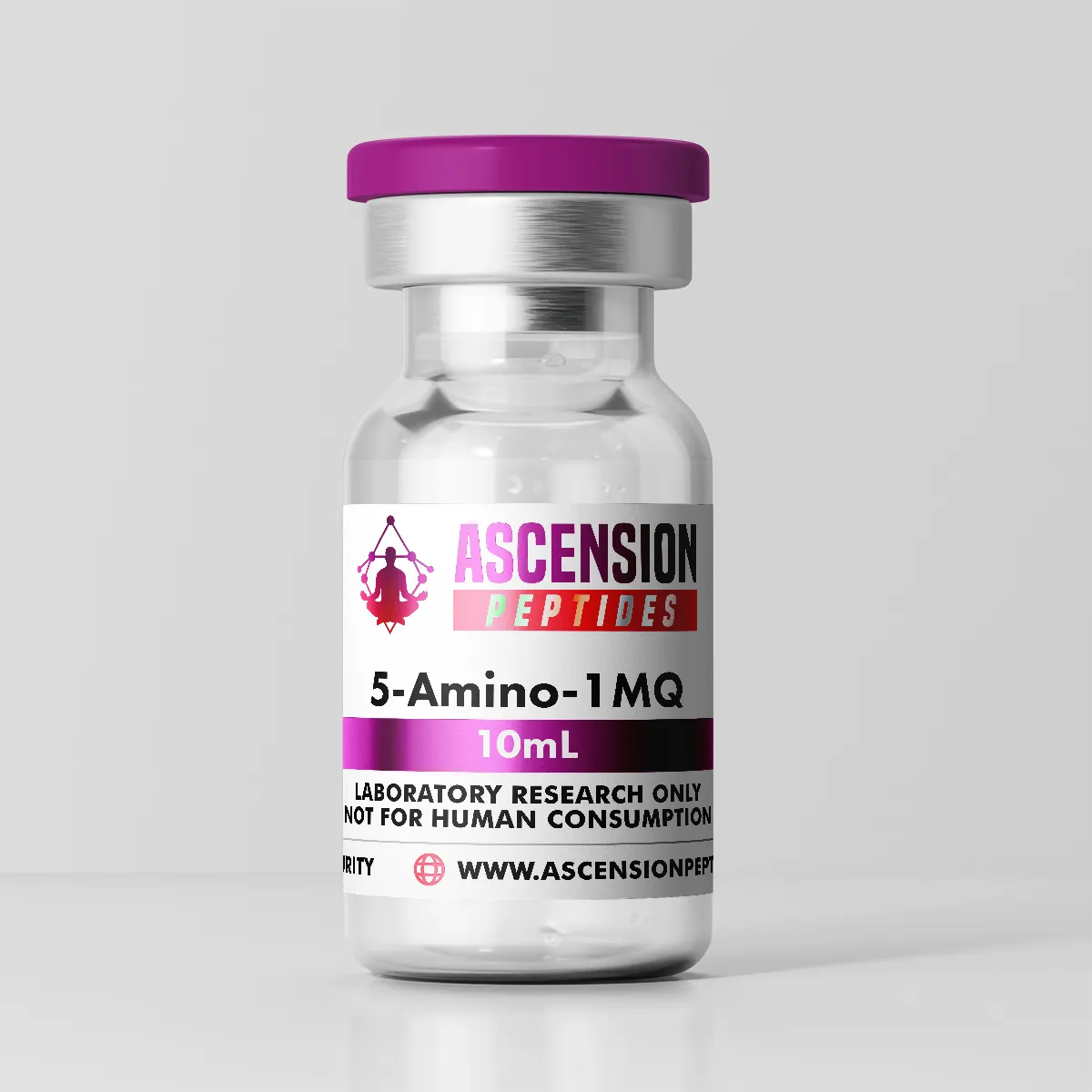
#6: 5-Amino-1MQ, The Oral Fat Loss Peptide
Here's one that doesn't require a needle. 5-Amino-1MQ is an NNMT (nicotinamide N-methyltransferase) inhibitor that you take as an oral capsule. For the injection-averse, this alone makes it worth considering.
The NNMT Connection
NNMT is an enzyme that's overexpressed in white adipose tissue of obese individuals. When NNMT activity is high, it promotes fat storage and reduces energy expenditure. Blocking it reverses that pattern, fat cells become less efficient at storing fat and more likely to release it for energy use.
In early-stage studies, NNMT inhibition produced significant reductions in body fat without affecting food intake, meaning the weight loss came purely from metabolic changes, not appetite suppression. Mice treated with 5-Amino-1MQ showed reduced adipocyte size and improved metabolic markers even on a high-fat diet.
Practical Considerations
The human clinical data for 5-Amino-1MQ is still emerging, so I want to be transparent about that. The mechanism is solid, the early-stage results are promising, and user reports are generally positive, but we don't have STEP-1 or SURMOUNT-1 level evidence. This is a reasonable bet based on strong science, not a proven clinical outcome.
That said, the oral delivery and unique mechanism make it an excellent stacking companion. Pair it with a GLP-1 agonist (which suppresses appetite) and you're hitting fat loss from two completely independent angles: reduced food intake plus reduced fat storage efficiency.
Available from Ascension at ~$80 for a supply that typically covers about a month at standard dosing.
#7: CJC-1295 + Ipamorelin, The Growth Hormone Stack
This is the classic body recomposition stack, and it rounds out our list because it approaches weight loss from the growth hormone angle, something none of the other six peptides directly address.
How the GH Stack Works
CJC-1295 is a growth hormone-releasing hormone (GHRH) analog that stimulates sustained GH release from your pituitary gland. Ipamorelin is a selective growth hormone secretagogue that triggers pulsatile GH release with minimal effect on cortisol or prolactin. Together, they amplify your body's natural GH production in a pattern that mimics youthful hormone levels.
Elevated growth hormone does three things relevant to weight loss: increases lipolysis (fat breakdown), promotes lean muscle protein synthesis, and improves overall metabolic rate. The result isn't dramatic scale weight loss, it's body recomposition. You lose fat and gain muscle simultaneously, which often means the scale doesn't move much while your body visibly transforms.
Who This Is For
The CJC-1295 + Ipamorelin stack is best suited for people who are already reasonably active and want to improve body composition rather than just lose weight. If you're 50+ pounds overweight, start with a GLP-1 agonist. But if you're 15-20 pounds from your goal and want to simultaneously lean out and add muscle, this stack delivers.
Ascension sells this as the FIT Stack (CJC-1295 + Ipamorelin combined) at roughly $120/month. Individual vials of CJC-1295 are also available if you prefer to dose separately.
The Best Peptide Stacks for Maximum Fat Loss
Single peptides work. Stacks work better, when you combine compounds that target different pathways. Here are three proven stacking protocols, ranked by aggressiveness.
Stack 1: Retatrutide + MOTS-C (The Nuclear Option)
This is the most aggressive fat loss stack you can run. Retatrutide handles appetite suppression and energy expenditure through triple receptor activation while MOTS-C reprograms your mitochondria to preferentially oxidize fatty acids. You're crushing caloric intake and boosting fat burning simultaneously.
Expected results: 20-25%+ body weight loss over 6 months with significant lean mass preservation. This is as close to surgical-level results as peptides can deliver.
Stack 2: AOD-9604 + CJC-1295/Ipamorelin (The Recomp Stack)
For people who want to lose fat while building muscle, without appetite suppression. AOD-9604 targets fat cells directly while the GH secretagogue stack builds lean tissue. This is popular with athletes, lifters, and anyone who doesn't want their hunger shut off.
Run AOD-9604 at 300mcg daily alongside CJC-1295/Ipamorelin per the FIT Stack protocol. Monthly cost runs about $180 combined.
Stack 3: Tirzepatide + 5-Amino-1MQ (The Dual-Pathway Stack)
Tirzepatide slashes appetite through dual GLP-1/GIP agonism while 5-Amino-1MQ blocks NNMT-mediated fat storage. One reduces calories in, the other reduces fat stored from whatever calories you do consume. Efficient.
This stack is also the most convenient, tirzepatide is a once-weekly injection and 5-Amino-1MQ is an oral capsule. Minimal injection burden. For someone who's injection-averse but still wants strong GLP-1 results, reducing the needle frequency to once per week while getting additional fat loss from a daily capsule is an appealing protocol design.
A Note on Stack Timing
When running any peptide stack, don't start everything simultaneously. Begin with your primary compound (usually the GLP-1 agonist), establish your dose over 4-6 weeks, and then layer in the secondary peptide. This approach lets you isolate which compound is causing what, both in terms of benefits and side effects. If you stack three things from day one and get nauseous, you won't know which one to adjust.
Pipeline: Emerging Weight Loss Peptides in 2026
Beyond the seven compounds above, four emerging peptides are worth tracking because they are likely to enter the mainstream conversation within 12 to 24 months.
- Eloralintide (amylin analog): Once-weekly injection that mimics amylin, a pancreatic hormone that slows gastric emptying and suppresses appetite through a distinct mechanism from GLP-1. Early trials reported about 20% average body weight loss at 48 weeks with the highest dose. Phase 3 trials underway, completion expected over the next 2 to 4 years.
- VK2735 (Viking Therapeutics): A dual GLP-1 / GIP receptor agonist developed as both a weekly injection and a daily oral medication. The injectable arm reported nearly 15% weight loss at 13 weeks, and the oral arm reported about 12% over the same window. Phase 3 trials in adults with and without diabetes expected to complete in 2027.
- Survodutide (Boehringer Ingelheim / Zealand Pharma): A weekly dual GLP-1 / glucagon receptor agonist. Early trials showed roughly 19% average weight loss at 46 weeks. Phase 3 weight-loss trial in patients without diabetes has completed enrollment, with results pending release. Also in development for MASH liver disease.
- Orforglipron (Foundayo, Eli Lilly): A once-daily oral non-peptide GLP-1 receptor agonist approved in late 2025. Though technically a small molecule rather than a peptide, it activates the same GLP-1 receptor and produces comparable weight loss (~12%) with the convenience of an oral tablet. The first oral GLP-1 that does not require the morning-fast protocol of Wegovy tablets.
The trajectory is clear. The "triple agonist" era started with retatrutide. The next wave layers amylin, glucagon, and oral formulations onto the same basic GLP-1 backbone. Expect at least one of the compounds above to receive FDA approval within the next 18 to 24 months, which will further expand the FDA-approved peptide weight loss category.
Peptides vs Ozempic, Wegovy, and Mounjaro: An Honest Comparison
Let's address the elephant in the room. How do research peptides from suppliers like Ascension compare to the brand-name drugs from Novo Nordisk and Eli Lilly?
The Compounds Are Identical
Semaglutide is semaglutide. Tirzepatide is tirzepatide. The molecule is the same regardless of whether it comes in a branded auto-injector or a research vial. The difference is in manufacturing oversight, quality control processes, and regulatory approval status, not the compound itself.
The Cost Gap Is Staggering
Brand-name GLP-1 drugs work. Nobody disputes that. But when someone is paying $1,000/month for tirzepatide and could access the same molecule for $85/month, the math is hard to argue with. The savings become even more significant over a typical 12-18 month treatment course, we're talking $10,000+ in total cost difference.
The Tradeoffs
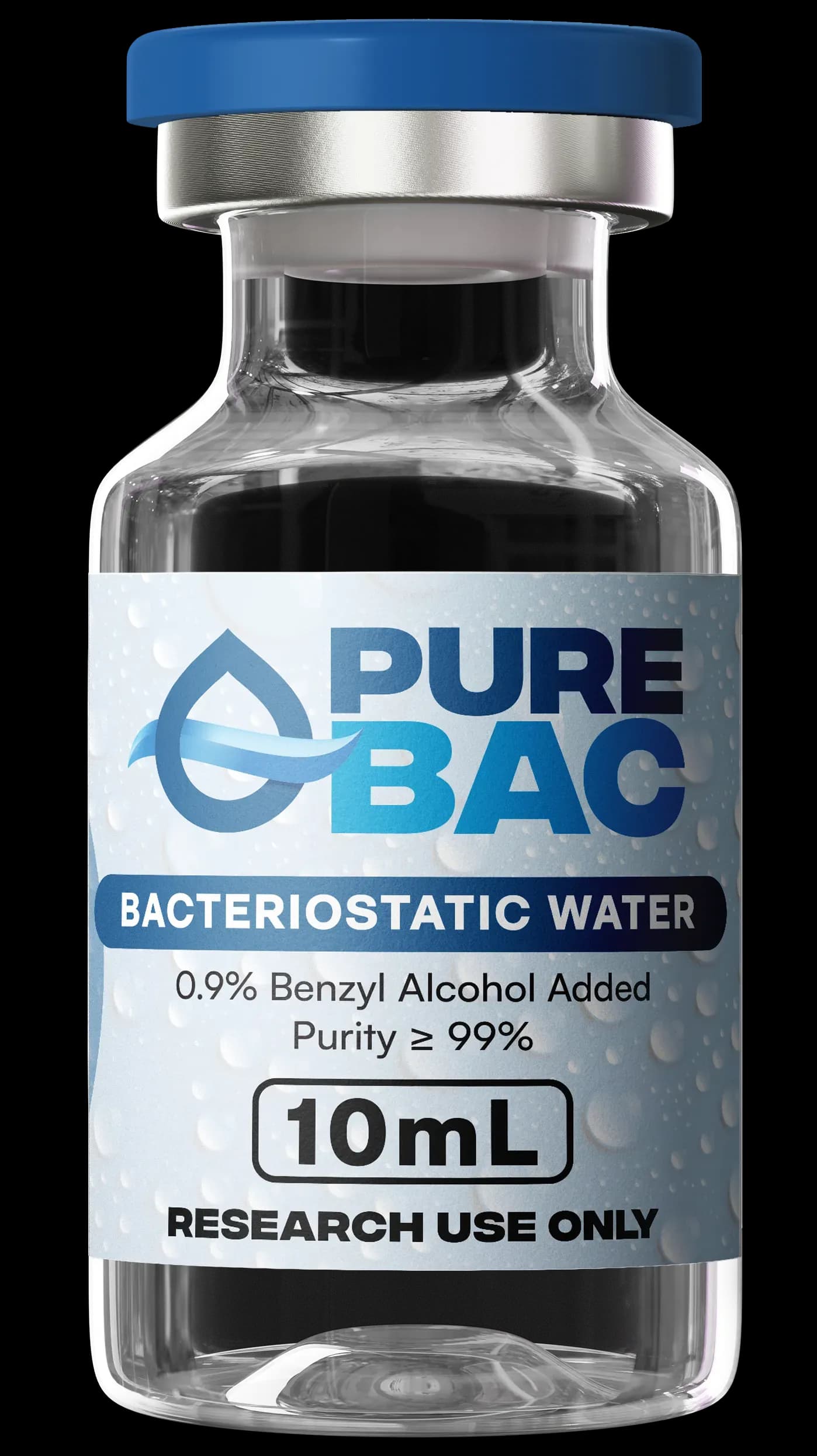
Research peptides require you to reconstitute the compound yourself (mixing lyophilized powder with bacteriostatic water), measure your own doses, and take responsibility for proper storage. There's no physician oversight unless you arrange it independently. That's a real consideration, not a dealbreaker for most people, but not nothing either.
For sourcing guidance, see our best peptide source 2026 review.
Who Should Consider Weight Loss Peptides?
Peptides for weight loss aren't for everyone. But they're a strong fit for several specific profiles:
BMI 25+ With Failed Diet Attempts
If you've genuinely tried, caloric deficit, consistent exercise, reasonable sleep, and the weight isn't budging (or keeps coming back), you're not failing. Your biology is fighting you. GLP-1 agonists work precisely because they override the hormonal signals that drive weight regain after dieting. They're not a shortcut; they're treating the underlying hormonal dysregulation that makes sustained weight loss so difficult for many people.
Can't Access or Afford Brand GLP-1 Drugs
Insurance coverage for Wegovy and Zepbound is inconsistent at best. Many people are denied coverage, face high copays, or simply can't afford $900+/month out of pocket. Research peptides provide access to the same (or superior) compounds at a fraction of the cost.
Athletes and Active People Wanting Body Recomp
Not everyone using peptides for weight loss is obese. Some are athletes at 18% body fat wanting to get to 12%. For these individuals, targeted compounds like AOD-9604, MOTS-C, or the CJC/Ipamorelin stack make more sense than GLP-1 agonists that would crush their appetite and potentially impair training performance.
People Who Want to Avoid Bariatric Surgery
With retatrutide producing 24.2% average weight loss, approaching surgical results, some people who were considering bariatric surgery now have a pharmaceutical alternative worth trying first. Surgery is effective but permanent and carries significant risks. A trial of retatrutide is reversible and much less invasive.
Realistic Timeline: What to Expect Week by Week
Peptide weight loss is not a crash diet. It is progressive, dose-dependent, and builds over months. Here is what most users actually experience during a GLP-1 agonist protocol (retatrutide, tirzepatide, or semaglutide). Non-GLP-1 peptides follow a slower, subtler trajectory.
Weeks 1 to 2 (Initiation)
- Starting dose taken once weekly (retatrutide 1 mg, tirzepatide 2.5 mg, semaglutide 0.25 mg)
- Mild nausea or fullness within 24 to 72 hours of first injection is common
- Appetite suppression becomes noticeable by day 5 to 7
- Scale weight typically drops 2 to 4 pounds, mostly water
- "Food noise" (intrusive thoughts about food) starts quieting
Weeks 3 to 4 (Adaptation)
- Initial GI side effects typically fade for most users
- Consistent appetite suppression, noticeably smaller portion sizes feel normal
- Weight loss of 4 to 8 pounds total by the end of week 4
- First dose escalation (if tolerating well): retatrutide 2 mg, tirzepatide 5 mg, semaglutide 0.5 mg
- Brief return of nausea or mild GI symptoms after dose increase, fading within 5 to 7 days
Weeks 5 to 8 (Early Progress)
- Weight loss now 8 to 15 pounds, depending on starting weight and adherence
- Clothes fit differently, visible mid-section changes for most users
- Second dose escalation for aggressive protocols
- Energy often improves as blood sugar stabilizes
- Alcohol tolerance decreases noticeably; many users drink less or not at all
Weeks 9 to 12 (Established Dose)
- Therapeutic dose reached (tirzepatide 10-15 mg, retatrutide 8-12 mg, semaglutide 1.7-2.4 mg)
- Weight loss 15 to 25+ pounds, approximately 5 to 10% of starting body weight
- Plateaus lasting 1 to 2 weeks are normal and do not mean the drug has stopped working
- Muscle preservation becomes the priority: 110 to 130 g of protein daily, strength training 2 to 3 times weekly
- Photos taken now will show meaningful change from the baseline at week 0
Weeks 13 to 24 (Peak Weight Loss Window)
- Maximum dose reached for most protocols
- Total weight loss 10 to 15% of starting body weight for most users
- Facial changes become visible, watch for "Ozempic face" signals, slow weight loss if aggressive facial volume loss is a concern
- Ferritin, protein intake, and strength training become critical to preserve muscle and hair
- Review labs: CMP, lipid panel, HbA1c, thyroid, ferritin
Weeks 25 to 52 (Sustained Maintenance or Continued Loss)
- Peak trial weight loss typically reached between week 60 and 72
- Retatrutide trials reported an additional 5 to 8 percentage points of loss beyond week 24
- Decision point: continue at maintenance dose or begin slow taper
- Data clear: stopping the drug entirely results in about two-thirds of lost weight regained within 1 year
Safety Monitoring and Bloodwork
Peptide weight loss is generally well-tolerated, but smart users check baseline labs before starting and recheck at intervals during the protocol. Unmonitored weight loss is where most avoidable problems originate.
Baseline Labs (Before Starting)
- Full Metabolic Panel (CMP): Liver enzymes, kidney function, electrolytes. Establishes organ-function baseline
- HbA1c and fasting glucose: Establishes metabolic baseline, flags occult diabetes
- Lipid panel: Baseline cholesterol and triglycerides
- Thyroid panel (TSH, free T3, free T4): Rules out hypothyroidism masquerading as weight gain; also relevant to the boxed thyroid-cancer warning for GLP-1s
- Ferritin: Low ferritin predicts hair loss during rapid weight loss. Target above 70 ng/mL
- Vitamin D, B12, zinc: Often low in obesity. Correct before starting
- Pregnancy test (women of reproductive age): GLP-1s contraindicated in pregnancy
- Lipase (optional, GLP-1s only): Baseline for pancreatitis surveillance
Monitoring Labs (Every 3 to 6 Months)
- Recheck CMP, HbA1c, lipid panel, thyroid, ferritin
- Recheck vitamin D and B12 annually, or sooner if symptoms suggest deficiency
- Track body composition (DEXA scan or bioimpedance) to monitor muscle vs fat loss
- Blood pressure check at every prescriber visit, GLP-1s modestly reduce blood pressure
- Resting heart rate, GLP-1s produce a small (2 to 4 bpm) increase that is usually not clinically significant
Baseline and follow-up lab work is the single best way to distinguish "I feel off because I'm in a caloric deficit" from "something is actually wrong." Most users do not need this level of monitoring for non-GLP-1 peptides (MOTS-C, AOD-9604, 5-Amino-1MQ), though a yearly CMP and lipid panel is still sensible practice.
Grey Market vs Compounded vs Brand: Know Your Risk Tier
Not all peptide sources are equal. In 2026 the landscape has three clear tiers, and knowing which one you are buying from is the single most important safety decision in this category.
Tier 1: FDA-Approved Brand (Lowest Risk)
- Wegovy (semaglutide injection), Wegovy tablet (oral semaglutide), Saxenda (liraglutide), Zepbound (tirzepatide)
- Manufactured by Novo Nordisk or Eli Lilly under FDA cGMP oversight
- Uniform potency, sterility, labeling, and batch verification
- Requires prescription. Insurance may cover with prior authorization; cash-pay options through NovoCare ($199 to $399/month) and LillyDirect ($349 to $499/month)
- Physician oversight, lab monitoring, standard of care
Tier 2: Licensed Compounded Peptides (Moderate Risk)
- Made by 503A or 503B compounding pharmacies registered with the FDA
- Compounding restricted as of the 2025 FDA shortage resolution, so large-scale compounded semaglutide and tirzepatide are narrower than they were in 2023-2024
- Still legitimate for patient-specific prescriptions written by a licensed physician
- Look for third-party HPLC verification, USP 797 sterile compounding certification, and state-board licensure
- Typical cost: compounded semaglutide $99 to $269/month, compounded tirzepatide $150 to $399/month
Tier 3: Research Peptides / "Grey Market" (Highest Risk)
- Sold as lab-use compounds, typically as lyophilized powder in sealed vials
- Not FDA-approved for human use, labeled "for lab-use only" or similar
- Quality varies enormously across vendors. The best suppliers offer HPLC verification, mass spectrometry, and third-party Certificate of Analysis per batch. The worst offer unverified powder of unknown potency or purity
- Avoid anything marketed as "salt-form" semaglutide (semaglutide sodium, semaglutide acetate), which is a different molecule with adverse event reports
- No physician oversight unless you arrange it independently
- Research peptides like those from Ascension Peptides (R-30 retatrutide, T-30 tirzepatide) offer third-party-verified purity, but you take responsibility for reconstitution, dosing, and monitoring
The honest framing: Tier 1 is safest but expensive and insurance-dependent. Tier 2 offers a middle ground with physician oversight at moderate cost. Tier 3 is the cheapest path but requires more self-management and carries real quality risks if you don't vet the source. Most community users who are serious about long-term weight loss eventually cycle between Tiers 1 and 2 based on insurance realities.
Side Effects by Peptide: What to Actually Expect
Every compound has tradeoffs. Here's an honest breakdown of what users report.
The non-GLP-1 peptides (MOTS-C, AOD-9604, 5-Amino-1MQ, CJC/Ipamorelin) have notably mild side effect profiles. Most users report essentially nothing beyond occasional injection site irritation. This makes them good options for people who are side-effect-sensitive or want to add fat loss support without the GI disruption of incretin mimetics.
How to Get Started With Weight Loss Peptides
If you've read this far and decided to move forward, here's the step-by-step process.
Choose Your Peptide
For maximum weight loss: Retatrutide (R-30). For proven track record: Tirzepatide (T-30). For body recomp without appetite suppression: MOTS-C or AOD-9604. For needle-free: 5-Amino-1MQ.
Order From a Reputable Source
Quality matters enormously with peptides. We recommend Ascension Peptides, third-party tested, consistent purity, and reasonable pricing. You'll also need bacteriostatic water and insulin syringes if using injectable peptides.
Reconstitute Your Peptide
Add bacteriostatic water to the lyophilized powder vial. Swirl gently, never shake. For a 30mg vial reconstituted with 3mL of water, each 0.1mL (10 units on an insulin syringe) equals 1mg. Store in the refrigerator after reconstitution.
Start at the Lowest Dose
Whatever peptide you choose, start at the bottom of the dosing range. For retatrutide: 1mg/week. For tirzepatide: 2.5mg/week. Give your body 3-4 weeks to adjust before escalating. This is the single most important piece of advice in this entire article.
Track Everything
Weigh yourself weekly (same day, same time, fasted). Take progress photos monthly. Track side effects. This data helps you optimize your protocol and know when to escalate, hold, or adjust.
Clinical Evidence: What the Research Actually Shows
I've referenced several clinical trials throughout this article. Here's a consolidated look at the key studies backing these rankings.
GLP-1 Agonist Trials
TRIUMPH-4 (Retatrutide): Phase 3 trial in adults with obesity. 48-week treatment at 12mg produced 24.2% average body weight loss. The glucagon receptor component contributed to increased resting energy expenditure not seen with GLP-1-only drugs (Jastreboff et al., NEJM 2023).
SURMOUNT-1 (Tirzepatide): Phase 3 trial, 2,539 participants with obesity. 72-week treatment at 15mg produced 22.5% average weight loss, with 36.2% of participants achieving ≥25% weight reduction (Jastreboff et al., NEJM 2022).
STEP-1 (Semaglutide): Phase 3 trial, 1,961 participants. 68-week treatment at 2.4mg/week produced 14.9% average weight loss (Wilding et al., NEJM 2021).
Non-GLP-1 Peptide Research
MOTS-C: Identified as a mitochondrial-derived peptide by Lee et al. in 2015. Demonstrated AMPK activation and improved insulin sensitivity in murine models. Subsequent human studies confirmed improved exercise capacity and metabolic markers in older adults (Lee et al., Cell Metabolism 2015).
AOD-9604: Phase 2 clinical trial demonstrated statistically significant fat loss vs placebo with minimal adverse effects. The compound received TGA (Australia) approval as a food supplement, confirming its safety profile even if the fat loss magnitude didn't justify further pharmaceutical development (Heffernan et al., 2001).
Weight Loss Peptide Dosing Quick Reference
Here's a consolidated dosing table for all seven peptides. Use this alongside the individual sections above for complete protocol details.
Frequently Asked Questions
References
- Wilding, J. P. H., et al. (2021). Once-Weekly Semaglutide in Adults with Overweight or Obesity (STEP 1). New England Journal of Medicine, 384(11), 989-1002.
- Jastreboff, A. M., et al. (2022). Tirzepatide Once Weekly for the Treatment of Obesity (SURMOUNT-1). New England Journal of Medicine, 387(3), 205-216.
- Jastreboff, A. M., et al. (2023). Triple-Hormone-Receptor Agonist Retatrutide for Obesity (TRIUMPH-4). New England Journal of Medicine.
- Aronne, L. J., et al. (2024). SURMOUNT-4: Continued tirzepatide treatment for maintenance of weight reduction in adults with obesity. JAMA.
- Pi-Sunyer, X., et al. (2015). A Randomized, Controlled Trial of 3.0 mg of Liraglutide in Weight Management (SCALE). New England Journal of Medicine, 373(1), 11-22.
- Davies, M., et al. (2021). Semaglutide 2.4 mg once a week in adults with overweight or obesity, and type 2 diabetes (STEP 2). Lancet, 397(10278), 971-984.
- Wadden, T. A., et al. (2021). Effect of Subcutaneous Semaglutide vs Placebo on Weight Loss (STEP 3). JAMA, 325(14), 1403-1413.
- Rubino, D., et al. (2021). Effect of Continued Weekly Subcutaneous Semaglutide vs Placebo on Weight Loss Maintenance (STEP 4). JAMA, 325(14), 1414-1425.
- Lee, C., et al. (2015). The mitochondrial-derived peptide MOTS-c promotes metabolic homeostasis and reduces obesity and insulin resistance. Cell Metabolism, 21(3), 443-454.
- Heffernan, M., et al. (2001). The effects of human growth hormone and its lipolytic fragment (AOD9604) on lipid metabolism. Endocrinology, 142(12), 5182-5189.
- Kraus, D., et al. (2014). Nicotinamide N-methyltransferase knockdown protects against diet-induced obesity. Nature, 508(7495), 258-262.
- Marso, S. P., et al. (2016). Semaglutide and Cardiovascular Outcomes in Patients with Type 2 Diabetes (SUSTAIN-6). New England Journal of Medicine, 375(19), 1834-1844.
- Lincoff, A. M., et al. (2023). Semaglutide and Cardiovascular Outcomes in Obesity without Diabetes (SELECT). New England Journal of Medicine, 389(24), 2221-2232.
- Gerstein, H. C., et al. (2019). Dulaglutide and Cardiovascular Outcomes in Type 2 Diabetes (REWIND). New England Journal of Medicine.
- Newsome, P. N., et al. (2021). A Placebo-Controlled Trial of Subcutaneous Semaglutide in Nonalcoholic Steatohepatitis. New England Journal of Medicine.
- Frias, J. P., et al. (2021). Tirzepatide versus Semaglutide Once Weekly in Patients with Type 2 Diabetes (SURPASS-2). New England Journal of Medicine, 385(6), 503-515.
- Rosenstock, J., et al. (2024). Retatrutide Phase 2 Trial in People with Obesity. New England Journal of Medicine.
- FDA. (2025). Approval of Orforglipron (Foundayo) for Chronic Weight Management. US Food and Drug Administration.
- FDA. (2024). Zepbound approved for adults with moderate-to-severe obstructive sleep apnea and obesity. US Food and Drug Administration.
The Bottom Line on Peptides for Weight Loss
The weight loss peptide landscape in 2026 looks nothing like it did two years ago. Retatrutide has redefined what's pharmacologically possible, 24.2% average body weight loss puts it in the same territory as bariatric surgery, without a scalpel. Tirzepatide isn't far behind at 22.5%, with the most strong safety database of any weight loss peptide.
But the biggest shift isn't just in efficacy, it's in accessibility. When brand-name GLP-1 drugs cost $900-1,300 per month and research peptides offer the same or better results for $85, the calculus changes for millions of people who were previously priced out of effective obesity treatment.
Whether you go with retatrutide for maximum results, tirzepatide for the proven track record, or a targeted compound like MOTS-C or AOD-9604 for specific goals, the science supporting peptides for weight loss has never been stronger. Choose your compound, start low, titrate up, and give it time. The results are real.