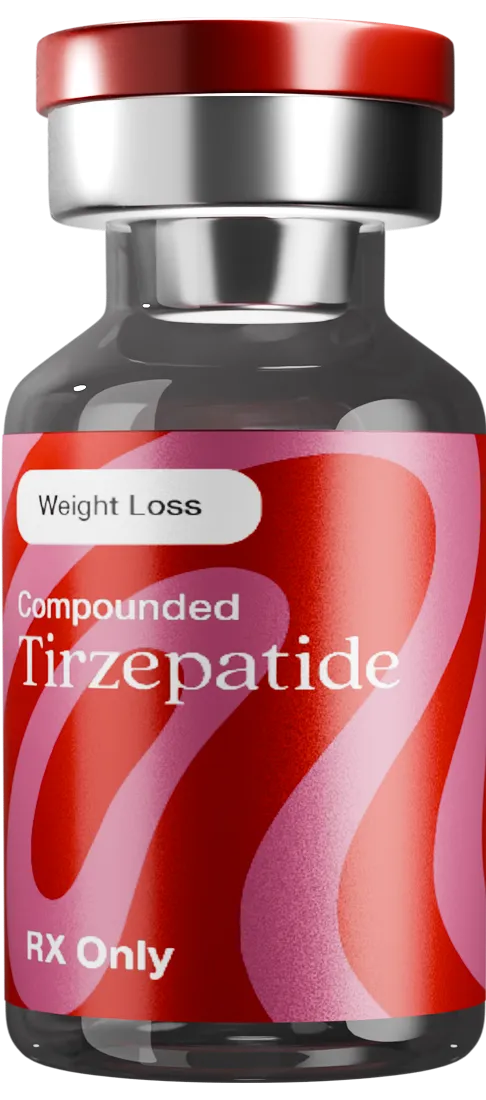
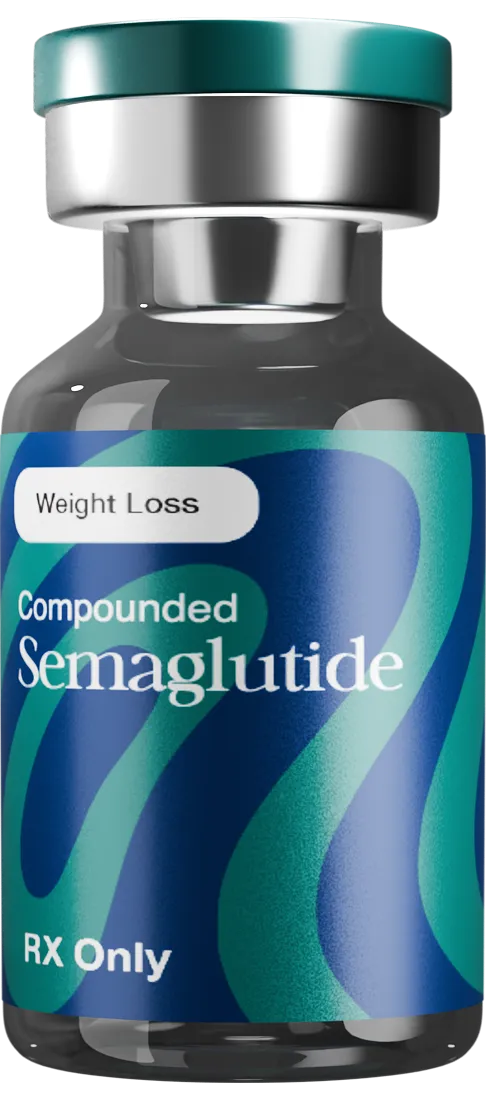
Zepbound or Wegovy. Same goal, different drug.
Zepbound is tirzepatide. Wegovy is semaglutide. Both are FDA-approved weekly injections for chronic weight management, and Wegovy now has an oral pill version too. The May 2025 SURMOUNT-5 head-to-head trial decided the efficacy debate. The 2025-2026 PBM formulary fight, the LillyDirect price cuts, and the December 2025 oral Wegovy approval are now deciding the access debate.
🔑 Key Takeaways
- Zepbound (tirzepatide) beat Wegovy (semaglutide) head-to-head in SURMOUNT-5, producing roughly 47% more weight loss over 72 weeks.
- Zepbound hits two hormone receptors (GLP-1 and GIP). Wegovy hits one (GLP-1 only). That is the mechanism reason behind the efficacy gap.
- Zepbound is the only drug FDA-approved for obstructive sleep apnea in adults with obesity. Wegovy is not.
- Wegovy has the longer safety record, a pediatric indication from age 12, cardiovascular outcome data (SELECT trial), and as of December 2025, an oral pill version.
- CVS Caremark moved Wegovy to preferred status and dropped Zepbound from many plans on July 1, 2025. Your PBM, not your insurer, now usually decides which one you get.
- Both drugs are off the FDA shortage list in 2026, which means most large compounding pharmacies are no longer legally allowed to ship compounded tirzepatide or semaglutide.
Here is the full side-by-side, using the actual trial data, the 2026 pricing reality, the new PBM coverage map, and the honest trade-offs most articles skip.
The 30-second answer
If you only care about how much weight you will lose, and nothing else matters, Zepbound wins. SURMOUNT-5 showed about 20.2% body weight loss at 72 weeks on tirzepatide vs 13.7% on semaglutide. That is roughly 50 lbs vs 34 lbs for a 250 lb starting weight.
If you have heart disease, a history of stroke, or your doctor wants a drug with long-term cardiovascular outcome data on record, Wegovy has the edge. The SELECT trial showed a 20% reduction in major cardiovascular events on semaglutide. Tirzepatide does not have equivalent outcome data yet, although the SURMOUNT-MMO trial is reading out in 2026.
If your PBM is CVS Caremark or you want a pill instead of an injection, Wegovy is now the easier path. If your PBM is OptumRx or your employer recently added a GLP-1 benefit, Zepbound is usually the cheaper covered option.
For most adults with obesity and no heart history, Zepbound is the stronger choice on paper. For most adults with insurance friction, Wegovy is the easier choice in practice.
Side-by-side specs
What SURMOUNT-5 actually showed
This is the head-to-head trial the comparison hinges on.
SURMOUNT-5 was published in the New England Journal of Medicine in May 2025. It ran 72 weeks, enrolled 751 adults with obesity but without diabetes, and randomized them to maximum-tolerated tirzepatide or maximum-tolerated semaglutide. No blinding, both groups got the same lifestyle counseling.
The punchline: Zepbound roughly doubled the share of patients who hit the 25% weight-loss threshold. That is the threshold where body composition, joint load, and OSA risk all change meaningfully.
One caveat that matters in 2026. SURMOUNT-5 was run before Wegovy HD (the 7.2 mg high-dose pen approved in 2025) was on the market. The trial used the older 2.4 mg max dose. The published 7.2 mg STEP UP data suggests Wegovy HD probably closes part of the gap, but no head-to-head trial against Zepbound at HD doses exists yet, so the 47% efficacy delta is the best evidence on record.
For the deeper mechanism breakdown, see tirzepatide vs semaglutide and how GLP-1 works.
Mechanism: why Zepbound pulls ahead
One drug hits one receptor. The other hits two.
Semaglutide activates only the GLP-1 receptor, which suppresses appetite, slows gastric emptying, and improves insulin response. Tirzepatide activates GLP-1 plus the GIP receptor. GIP does two extra things: it enhances the appetite-suppressing effect of GLP-1, and it appears to improve how fat cells handle energy, which shows up as more efficient fat loss and preserved lean mass at similar caloric deficits.
That combined action is why tirzepatide consistently outperforms semaglutide in head-to-head data, not because the doses are higher.
The successor already exists
Retatrutide, still in phase 3 trials, adds a third receptor (glucagon) on top of GLP-1 and GIP. Early phase 2 data showed up to 24% weight loss at 48 weeks, higher than tirzepatide at 72 weeks. If efficacy is the only thing you care about, see the retatrutide vs tirzepatide comparison before committing to a long-term protocol.
Side effects: more similar than different
Both drugs cause gut symptoms. Both cause them to roughly the same degree.
Wegovy tends to produce slightly more vomiting and diarrhea at peak doses. Zepbound tends to produce more constipation. Neither difference is large enough to drive a prescribing decision by itself.
SURMOUNT-5 reported overall gastrointestinal adverse events of 79.6% on tirzepatide vs 82.7% on semaglutide. Both groups had nearly identical rates of serious adverse events. The discontinuation rate from side effects was 6.1% on tirzepatide and 8.0% on semaglutide.
See the full tirzepatide side effects guide and semaglutide side effects guide for management protocols.
Cost in 2026: the picture changed twice this year
Close on paper. Different in practice. And different again from twelve months ago.
List prices for both drugs are still around $1,086 (Zepbound) and $1,349 (Wegovy) per month. But almost nobody pays list price. The real number depends on five things now: your insurance, your PBM, whether you use the manufacturer direct program, whether you buy injection or oral, and whether you qualify for either savings card.
The two changes that move real money for most readers: LillyDirect added a $299 single-dose vial tier for the 2.5 mg starting dose, and Novo Nordisk responded with a NovoCare offer that holds the first two months at $199/mo before stepping up to $349. If you are paying cash for the first time, the cheapest legitimate path is usually Wegovy NovoCare for the first 8 weeks, then a switch decision once your insurance situation is settled.
For the full cost breakdown, see tirzepatide cost guide, ozempic cost, and GLP-1 without insurance.
Insurance and PBM coverage in 2026
Your pharmacy benefit manager often matters more than your insurer name.
The biggest formulary change of the last twelve months: on July 1, 2025, CVS Caremark moved Wegovy to preferred status and removed Zepbound from coverage on many of its commercial formularies. CVS Caremark serves Aetna and a long list of mid- and large-employer plans, so a meaningful share of Americans woke up that quarter with their Zepbound copay rejected. Some have appealed successfully on OSA or step-therapy grounds. Most ended up switched to Wegovy.
If your PBM is CVS Caremark and Zepbound was denied
Two paths usually work in 2026. First, ask your prescriber to submit a prior authorization with documented obstructive sleep apnea (Zepbound has the OSA label, Wegovy does not, which can override the formulary preference). Second, ask about switching to Wegovy with a $25 copay; most CVS Caremark plans now cover Wegovy at the lowest tier. Cash-paying through LillyDirect at $449/mo for maintenance doses is the third option if both fail.
Coverage for both drugs is expected to expand in 2026. Surveys of large employers suggest more than a quarter now cover GLP-1s for obesity, up from roughly 20% in 2025, although most still require BMI 30+ documentation, prior diet/exercise attempts, and step therapy through a generic anti-obesity drug first.
Compounded tirzepatide and semaglutide: what is legal in 2026
The shortcut most people used in 2024 is mostly gone now.
The FDA officially declared the tirzepatide shortage resolved in October 2024 and the semaglutide shortage resolved in February 2025. Once a drug is off the shortage list, large 503B outsourcing facilities are no longer permitted to mass-produce copies. Most national telehealth platforms that were shipping compounded GLP-1s through 2024 wound those programs down by mid-2025.
Some 503A compounding pharmacies still produce personalized versions when a clinician documents a clinical need (an allergy to an inactive ingredient, a non-standard dose, a combination with B12 or glycine), but those are case-by-case prescriptions, not mass-market products. If a website is openly advertising "compounded tirzepatide" or "compounded semaglutide" at flat $200/mo prices in 2026, that operation is operating in a legal gray zone at best.
The legitimate 2026 pathways are LillyDirect for tirzepatide, NovoCare for semaglutide, brand prescriptions through commercial insurance, or Medicare Part D under the OSA or cardiovascular indication.
For the current legal landscape, see compounded tirzepatide and best legit peptide vendors.
Sleep apnea: Zepbound has a second indication Wegovy does not
This matters for a real chunk of the market.
In December 2024 Zepbound became the first and only FDA-approved drug for moderate-to-severe obstructive sleep apnea in adults with obesity, based on the SURMOUNT-OSA trial. SURMOUNT-OSA showed roughly 50% reduction in apnea-hypopnea index events per hour at 52 weeks. Wegovy does not have this indication. If you carry an OSA diagnosis along with obesity, your insurer is more likely to cover Zepbound because of the dual indication, including some Medicare Part D plans that previously rejected weight-only claims.
See the full sleep apnea treatment guide for the trial data and dosing protocol.
Heart disease: Wegovy has the outcome data Zepbound does not (yet)
This is the one area Wegovy clearly wins.
The SELECT trial, published in 2023, followed 17,600 adults with overweight or obesity and established cardiovascular disease for an average of 3.3 years on semaglutide. It showed a 20% reduction in the risk of major cardiovascular events (heart attack, stroke, CV death). Wegovy was subsequently approved for cardiovascular risk reduction in March 2024, which also unlocked Medicare Part D coverage for patients with documented CV disease.
Tirzepatide has a similar trial (SURMOUNT-MMO) that is reading out in 2026 but is not yet published or labeled. If you or your doctor are prioritizing proven heart-disease outcomes today, Wegovy is currently the safer evidence-backed bet.
Dosing schedules compared

Very different ramp-up speeds.
Both drugs take roughly 4 to 5 months of titration to reach a maintenance dose. Wegovy HD adds 8 to 12 more weeks of optional escalation past 2.4 mg if a patient plateaus and tolerates the lower dose well. Zepbound's 4-dose KwikPen, launched late 2025, lets patients carry one device per month instead of four single-dose pens, which has reduced dropout from injection-day friction.
Full schedules: tirzepatide dosing guide and semaglutide dosing guide.
When Wegovy is the better pick
- You have established heart disease or have had a cardiovascular event. SELECT trial data is real, the FDA label is on the box, and Zepbound does not yet have a published equivalent.
- You are treating obesity in a child age 12 to 17. Wegovy has the pediatric approval. Zepbound does not.
- You tolerate GLP-1s well and got great results on Ozempic in the past. You already know the drug works for you.
- Your PBM is CVS Caremark. Wegovy is now the preferred option on most of those plans and Zepbound usually requires an OSA-based appeal.
- You strongly prefer a daily pill over a weekly injection. Oral Wegovy is the only FDA-approved oral GLP-1 for weight loss in 2026.
When Zepbound is the better pick
- Weight loss is the primary goal and you want the biggest drop. 47% more weight loss in head-to-head.
- You have moderate-to-severe obstructive sleep apnea plus obesity. Only Zepbound has the OSA label, and that label is what unlocks Medicare Part D coverage.
- You have already tried semaglutide and plateaued. Switching to tirzepatide is a standard playbook: see switching from semaglutide to tirzepatide.
- You want the lower retail price with the manufacturer direct vial program. LillyDirect maintenance vials at $449/mo are the cheapest legitimate maintenance route in 2026.
- Your PBM is OptumRx and your employer added Zepbound to the formulary in the last twelve months.
What happens when you stop either drug
The weight comes back. On both.
STEP-4 showed that people who stopped semaglutide after 68 weeks regained roughly two-thirds of the weight they lost within a year. SURMOUNT-4 showed a similar pattern with tirzepatide, with about half the lost weight returning after discontinuation. There is no meaningful difference between the two drugs here: if you stop, weight regain is the default.
That is why both are framed as chronic weight-management drugs, not a short course. Long-term use, tapering to a maintenance dose, or transitioning to another protocol is the pattern most obesity specialists follow in 2026. A common 2026 protocol is to titrate up to a clinically meaningful response, hold for 6 to 12 months, then drop to a lower maintenance dose (5 mg Zepbound or 1.0 mg Wegovy) rather than stopping outright.