If you've been on semaglutide for a few months and your weight loss has slowed down — or you're just not getting the results you hoped for — you're probably wondering whether switching from semaglutide to tirzepatide makes sense. You're not alone. This is one of the most common questions in GLP-1 communities right now, and for good reason.
Tirzepatide has outperformed semaglutide in head-to-head clinical data, and a growing number of people are making the switch every week. But switching from semaglutide to tirzepatide isn't just a swap — the timing, dosing, and what to expect all matter.
This guide covers everything you need to know: why people switch, how the two drugs actually differ, who's a good candidate, and how to do it without making your side effects worse.
🔑 Key Takeaways
- Switching from semaglutide to tirzepatide is increasingly common as tirzepatide shows stronger weight loss results in clinical trials
- Tirzepatide works on both GLP-1 and GIP receptors; semaglutide only targets GLP-1
- The switch usually involves starting tirzepatide at 2.5mg — always, regardless of your previous semaglutide dose
- Expect some GI side effects in the first few weeks — tirzepatide can hit differently even if semaglutide was well tolerated
- Compounded tirzepatide is available at a fraction of brand-name Mounjaro pricing
Why People Switch from Semaglutide to Tirzepatide
The most common reason people start considering switching from semaglutide to tirzepatide is a plateau. You start semaglutide, lose weight consistently for 3–6 months, and then things stall. The appetite suppression is still there, but the scale stops moving.
This happens partly because your body adapts. Semaglutide is a single agonist — it works through one pathway (GLP-1). Tirzepatide adds a second mechanism (GIP), which seems to push past these plateaus for many people.
Other reasons people look into switching from semaglutide to tirzepatide:
- Better clinical results: In the SURMOUNT-5 trial, tirzepatide produced roughly 47% more weight loss than semaglutide over 72 weeks
- Side effect tolerance: Some people find semaglutide's GI effects more intense; others actually tolerate tirzepatide better
- Cost: Compounded tirzepatide can be cheaper per milligram than compounded semaglutide at higher doses
- Breaking through: After a year-plus on semaglutide, some people want to see whether a different molecule helps them push further
How Tirzepatide Differs from Semaglutide (Dual vs Single Agonist)
Here's the key difference you need to understand before making the switch: semaglutide is a GLP-1 receptor agonist. Tirzepatide is a GLP-1 and GIP receptor agonist — sometimes called a "twincretin."
What does that mean practically?
Appetite Suppression
Both drugs reduce appetite via GLP-1 pathways, but tirzepatide's GIP component adds a complementary signal that may enhance satiety beyond what semaglutide alone achieves.
Metabolic Rate
GIP receptors are expressed in fat tissue. Tirzepatide appears to preserve lean muscle mass better during weight loss, which helps maintain a higher resting metabolism.
Blood Sugar Control
Tirzepatide shows stronger A1c reductions than semaglutide in most trials — relevant even if you're not diabetic, since blood sugar stability affects energy and hunger.
Weight Loss Magnitude
Clinical data consistently shows tirzepatide produces faster and greater total weight loss — typically 20–22% of body weight vs ~15% with semaglutide at maximum doses.
The GIP angle is genuinely interesting. GIP receptors in fat cells help regulate how fat is stored and mobilized. When tirzepatide activates these receptors, it seems to make fat tissue more responsive to energy signals — which is part of why it outperforms semaglutide even at comparable doses.
Who Should Consider Switching?
Switching from semaglutide to tirzepatide makes the most sense in specific situations. You're probably a good candidate if:
- You've been on semaglutide for at least 3–6 months and hit a clear plateau
- You've titrated to a mid or high dose of semaglutide (1.7mg or 2.4mg weekly) with limited ongoing progress
- You tolerate semaglutide reasonably well, suggesting you won't have extreme sensitivity to tirzepatide
- You want to maximize total weight loss rather than just maintaining current results
- You're managing type 2 diabetes and need stronger blood sugar control
💡 Who benefits most from switching?
People who've lost 10–15% of body weight on semaglutide and want to push toward 20%+ tend to see the biggest relative benefit from switching from semaglutide to tirzepatide. The dual mechanism seems to re-engage weight loss that has stalled on single-agonist therapy.
When NOT to Switch
Switching from semaglutide to tirzepatide isn't the right call for everyone, and it's worth being honest about that.
Don't switch if:
- You just started semaglutide and haven't given it enough time (less than 12–16 weeks at a therapeutic dose)
- You're still losing weight steadily — if it's working, don't change it
- You have a history of pancreatitis, medullary thyroid carcinoma, or MEN2 syndrome (contraindicated for both drugs, but relevant when starting anything new)
- You're pregnant or planning to become pregnant soon
- Your GI side effects on semaglutide are severe — tirzepatide may not be easier on your stomach
- Cost is already a barrier — tirzepatide at higher doses can be more expensive
How to Switch: Timing & Dosing Protocol
This is where switching from semaglutide to tirzepatide gets practical. There are two main approaches:
Option 1: Direct Switch (No Washout)
Take your last semaglutide dose, then start tirzepatide on your next weekly injection day — at the lowest starting dose (2.5mg). This minimizes the gap in appetite control and is what most prescribers recommend for switching from semaglutide to tirzepatide.
Option 2: Brief Washout (1–2 Weeks)
Some clinicians prefer a 1–2 week gap between the last semaglutide dose and the first tirzepatide dose. This gives GLP-1 receptors a chance to reset and may reduce overlapping side effects. Hunger will return during this window — that's expected and temporary.
The critical point: always start tirzepatide at 2.5mg, even if you were on a high semaglutide dose. The two drugs aren't dose-equivalent, and tirzepatide hits differently even with existing GLP-1 tolerance. Starting too high risks serious GI side effects.
What to Expect in the First 4 Weeks After Switching
The first month after switching from semaglutide to tirzepatide involves a real adjustment period. Here's what typically happens:
Weeks 1–2: At 2.5mg, tirzepatide is a relatively low dose. If you came from a higher semaglutide dose, your appetite suppression will likely feel weaker. This is normal — you haven't lost the effect permanently, you're just in the starting titration phase.
GI symptoms: Nausea, loose stools, and digestive discomfort may return even if you had fully adapted to semaglutide. Tirzepatide has a slightly different side effect profile, and your body needs to adjust again. Eating smaller meals, avoiding high-fat foods, and staying hydrated helps significantly.
Energy: Some people feel an energy dip during the transition — partly from the lower dose, partly from the metabolic shift. It usually resolves within 2–3 weeks.
Weight: Don't expect rapid weight loss in the first month. You're in the dose-finding phase, not the therapeutic phase. Consistent progress typically picks up around months 2–3 as you reach 5–7.5mg.
Compounded Semaglutide vs Compounded Tirzepatide: Cost Comparison
One of the practical questions when switching from semaglutide to tirzepatide is: what does it actually cost?
Brand-name Ozempic and Mounjaro both run $900–$1,300/month without insurance. Compounded versions are dramatically more accessible.
Compounded tirzepatide has become more accessible as supply chains have scaled up. If you've been using compounded semaglutide, the cost difference of switching from semaglutide to tirzepatide in compounded form is often minimal.
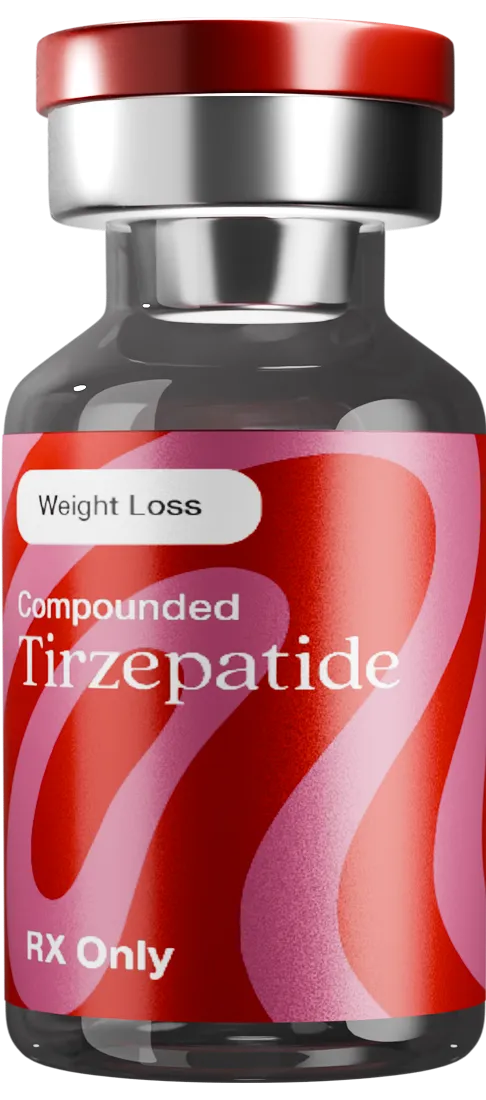
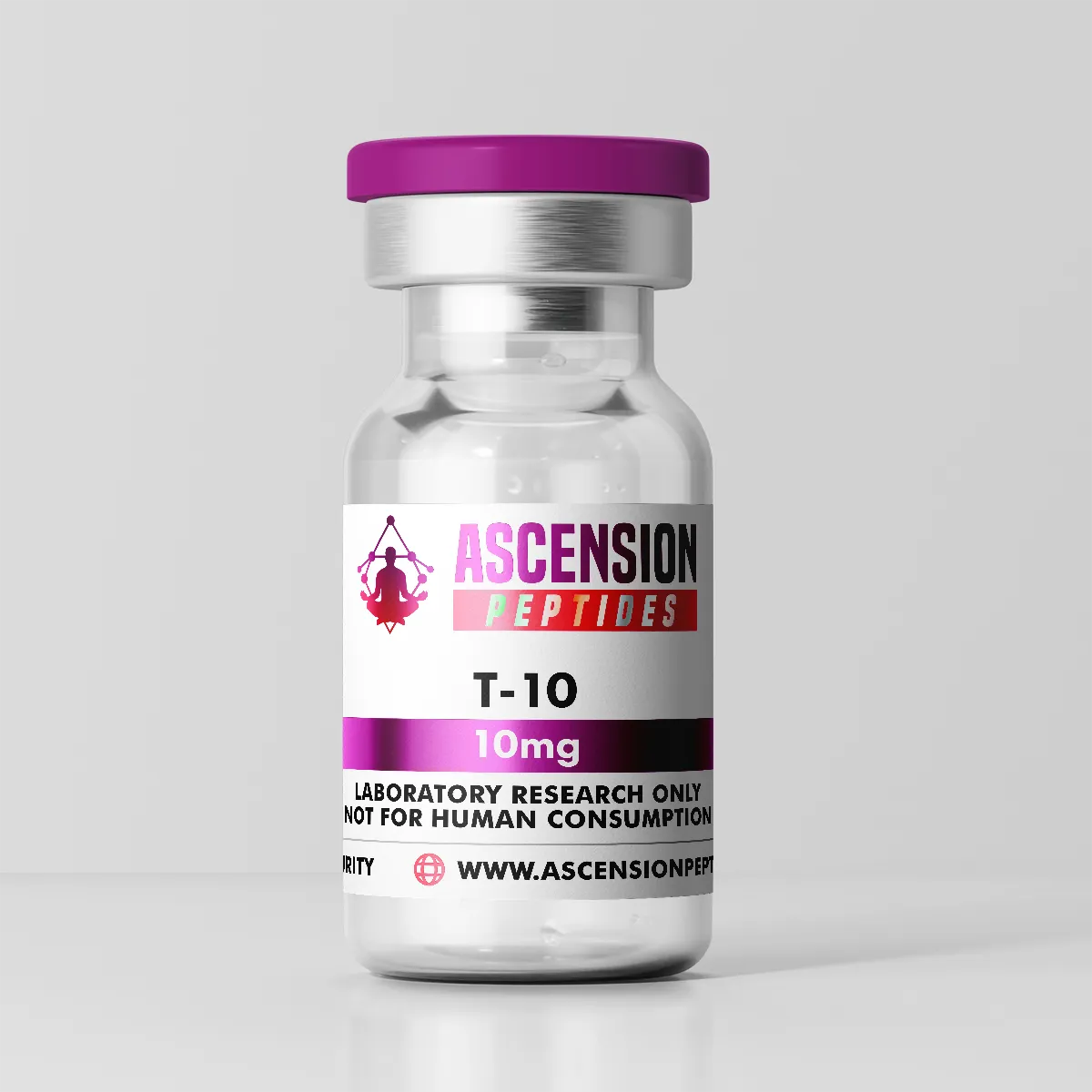
You can find compounded tirzepatide (T-10) at Ascension Peptides and compounded semaglutide (S-5) if you're still comparing options or want to keep semaglutide as a backup.
Tirzepatide vs Mounjaro: Are They the Same?
Yes — tirzepatide is the molecule; Mounjaro is Eli Lilly's brand name for the diabetes indication. Zepbound is the brand name for the obesity indication. Same drug, same dose forms, different labels.
Compounded tirzepatide uses the same active molecule. The difference is that compounded versions are produced by licensed compounding pharmacies rather than the original manufacturer, which is why they're significantly cheaper.
💡 Compounded vs Brand: The Key Distinction
Compounded tirzepatide is not FDA-approved (the compounded formulation isn't reviewed by the FDA), but it uses the same peptide. Many people use it for research and personal use where cost or access to brand-name prescriptions is a barrier. Always source from reputable suppliers with third-party testing and certificates of analysis.