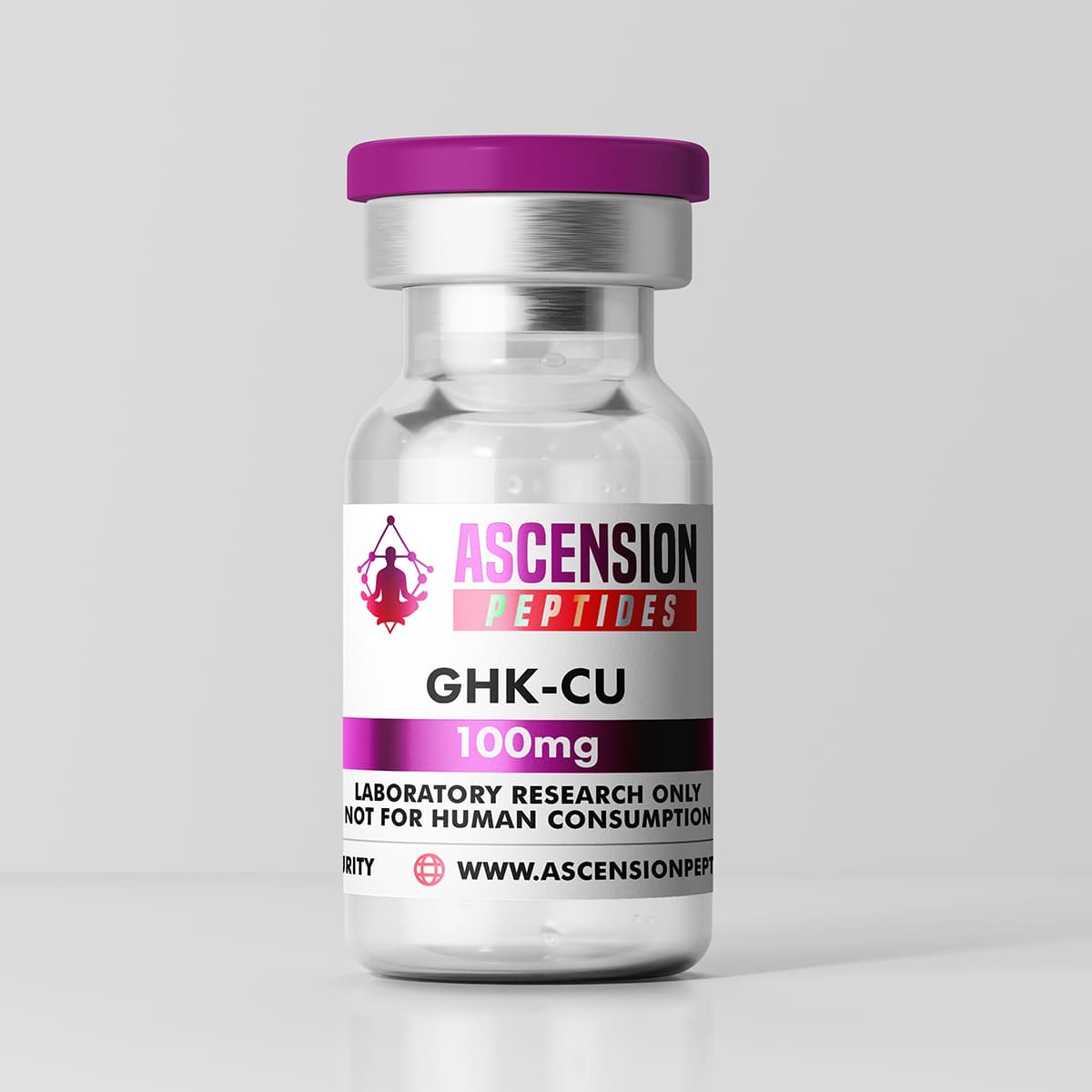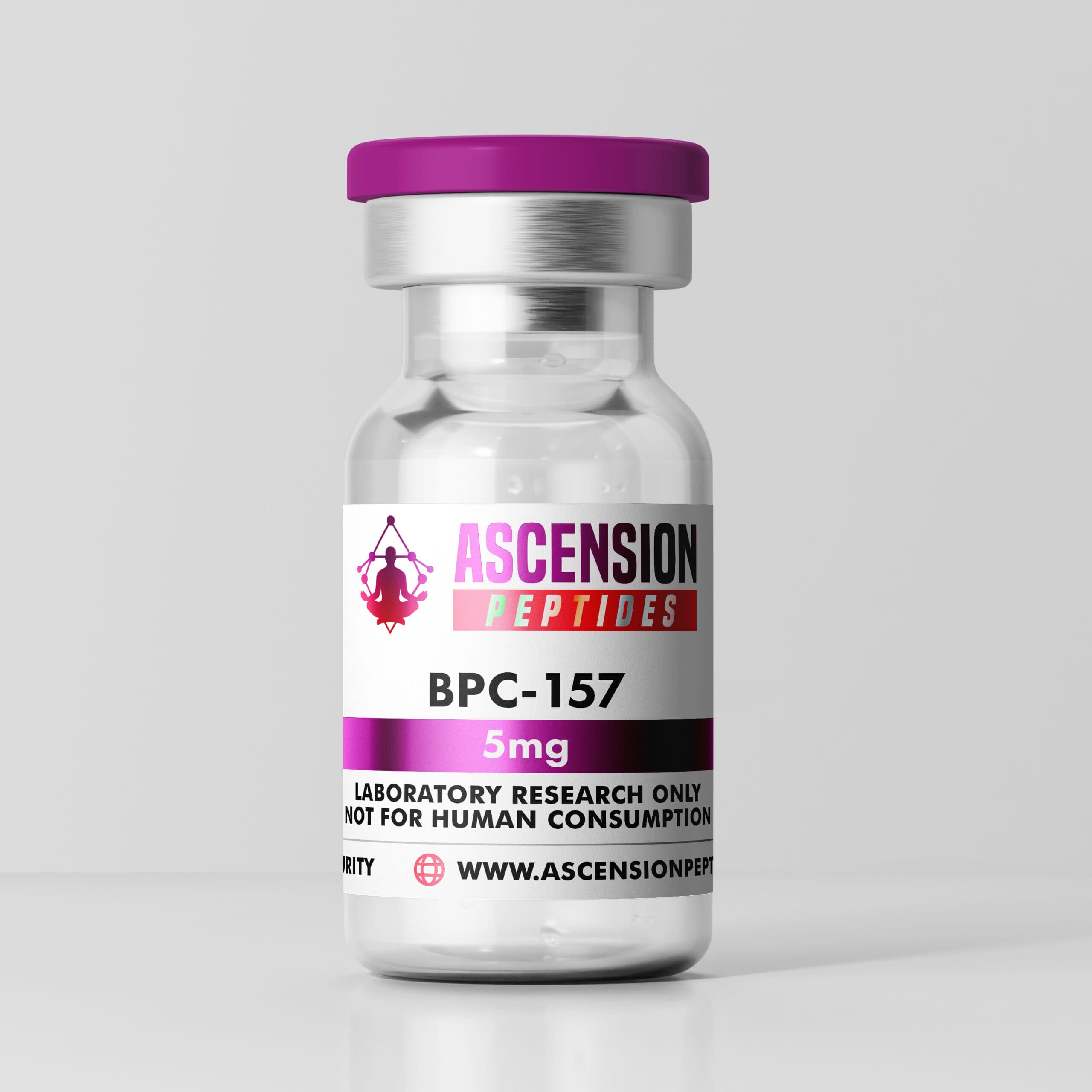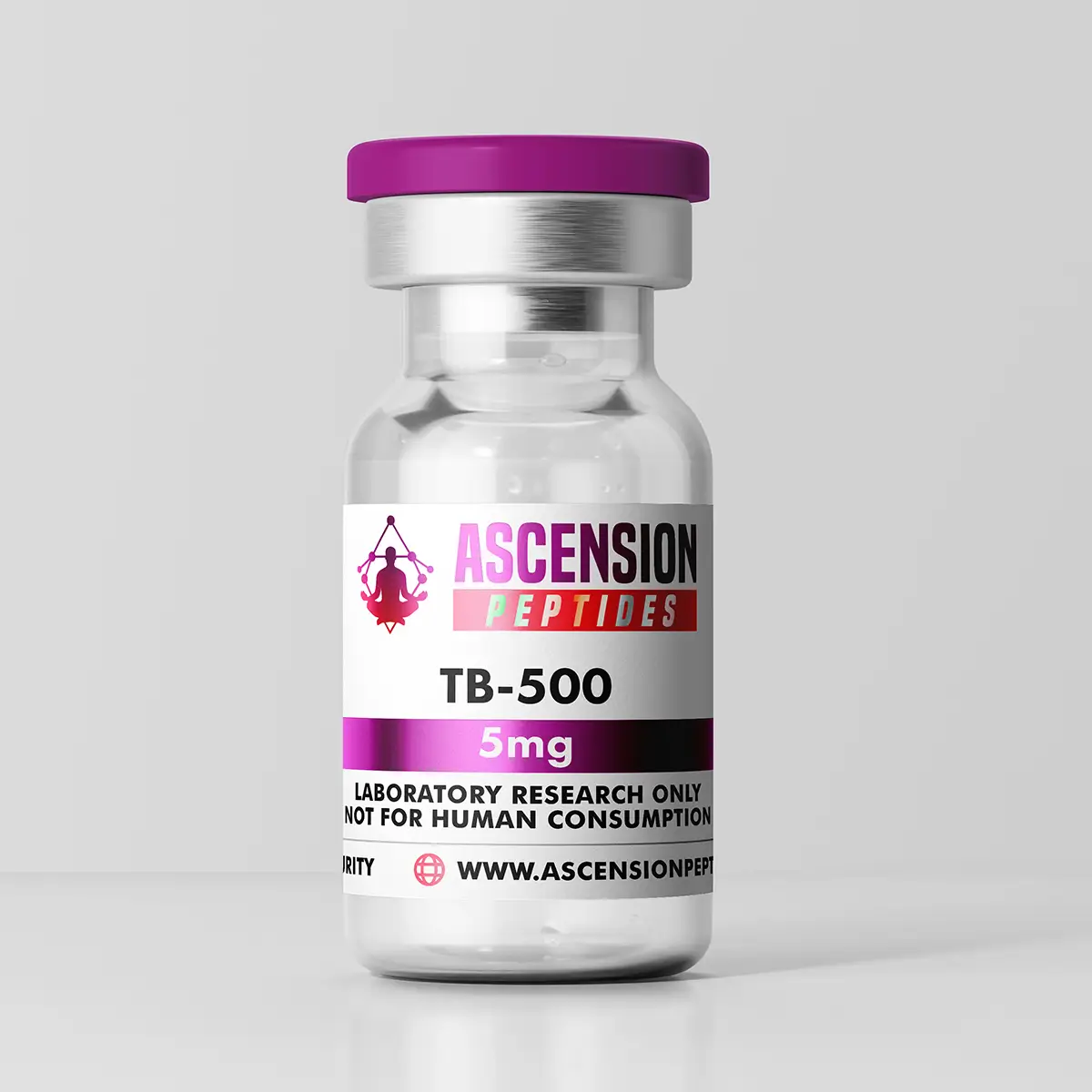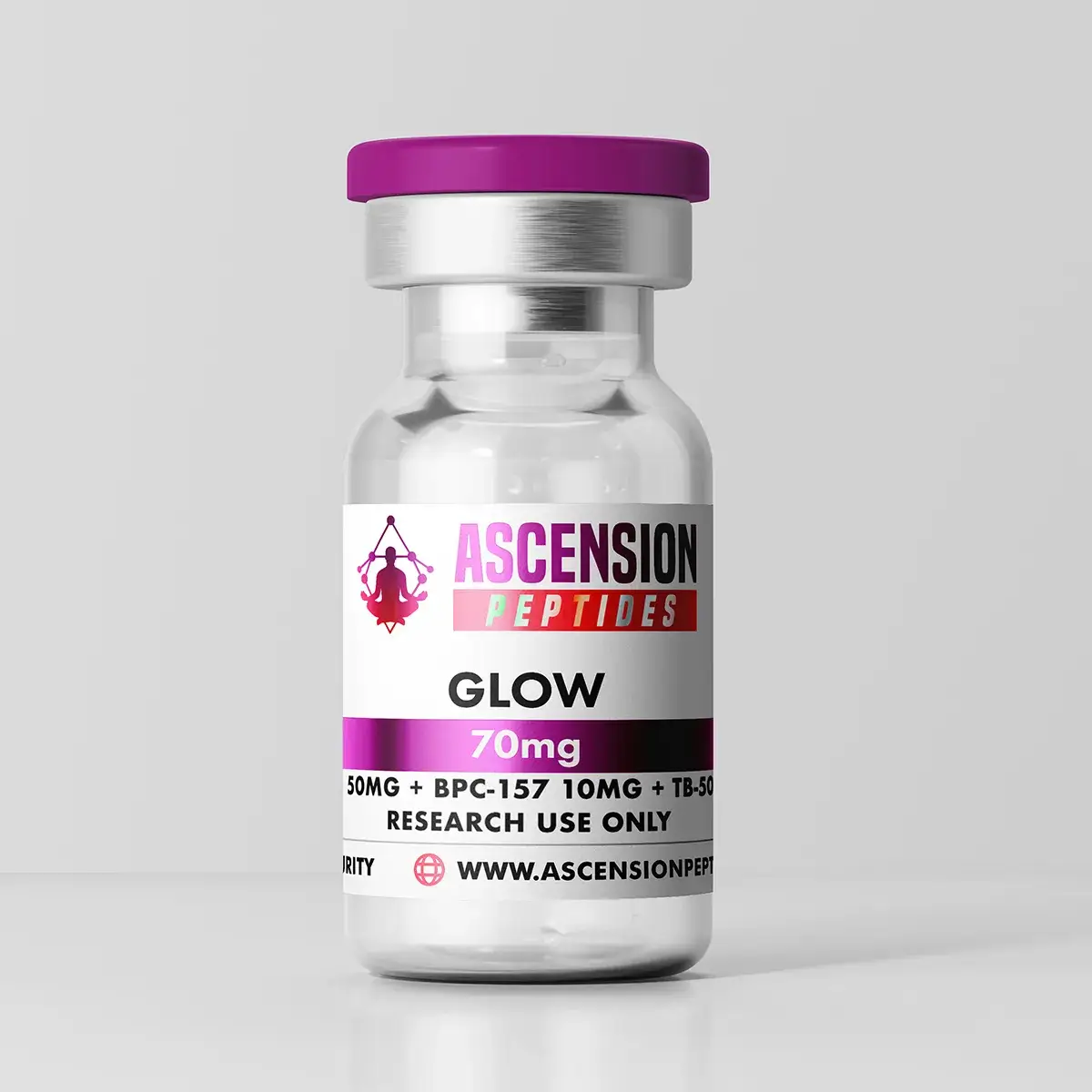
Searching "where to buy GLOW" returns a wide range of vendors, from established research peptide suppliers to fly-by-night shops with no documentation. The compound itself has specific quality requirements, and the gap between a verified vial and a degraded one is bigger than most buyers realize.
🔑 Where to Buy GLOW at a Glance
- Best source: Ascension Peptides carries GLOW Peptide Blend 70mg (70mg blend (50mg GHK-Cu + 10mg BPC-157 + 10mg TB-500)), third-party tested, US-based shipping.
- Typical price: $110-160 for the standard vial size from a quality vendor.
- Format: Lyophilized vial (you reconstitute) is the most stable. Pre-mixed options exist but degrade faster.
- Red flags: No COA, suspiciously cheap pricing, vague compound naming, no storage guidance.
- Legal status: Research compound in the US; not FDA-approved for human use. Sold for research only.
GLOW is a three-peptide skin and recovery blend, GHK-Cu, BPC-157, and TB-500 in one vial, designed for skin radiance and tissue repair research. Sourcing matters more than for any single peptide because three syntheses have to be right, not one.
This guide is for the buyer who already knows roughly what GLOW is and now wants the practical buying side: who actually sells it, what to demand from a vendor, fair pricing, and what to skip.
Where to Buy GLOW: Best Source in 2026
Short answer: Ascension Peptides is the cleanest option for GLOW peptide blend in 2026. They carry GLOW Peptide Blend 70mg (70mg blend (50mg GHK-Cu + 10mg BPC-157 + 10mg TB-500)) at $130, with documented third-party purity testing, transparent shipping, and a long enough operating history that you're not buying from a vendor that may disappear before your next order.
What you're getting from Ascension is the original GLOW formulation, not a copycat blend that may use lower-purity peptides or different ratios.
Why source matters this much with GLOW:
- GLOW combines three peptides in fixed ratios. If any one is underdosed or impure, the whole blend is compromised.
- Several vendors sell similar three-peptide blends under different names; ratios and purity vary.
- Lyophilization quality matters more for blends because reconstitution recovery has to work for all three peptides simultaneously.
- Verified COAs should test each component, not just one peptide and a total mass.
What to Look for in a GLOW Vendor
Most peptide vendors look the same on the surface. GLOW specifically weeds out the careless ones. Here's what separates a legitimate source from a risk:
Third-Party Certificate of Analysis (COA)
Non-negotiable. The COA should come from an independent lab, not the manufacturer's own testing, and confirm peptide purity (≥98%), correct molecular weight, and absence of common contaminants. If a vendor can't produce a lot-specific COA, walk away.
Clear Compound Naming
The product page should specify exactly what's in the vial. Vague labels are a warning sign. GLOW specifically has lookalike compounds and mislabeling risks; verify what you're buying.
Lyophilized (Freeze-Dried) Format
GLOW in solution degrades faster without proper cold storage. Quality vendors sell it lyophilized, you reconstitute yourself. Pre-mixed options can work but have shorter usable life once mixed.
Transparent Shipping and Storage Guidance
Good vendors specify how the peptide is packed, whether ice packs are included in summer months, and how long it can safely sit at room temperature in transit. Silence on storage is not reassuring.
Reasonable Pricing
GLOW synthesis isn't cheap. Suspiciously low pricing usually means purity is compromised, mg count is inflated, or it isn't actually GLOW.
GLOW Red Flags to Avoid
Patterns that show up repeatedly with bad GLOW sources:
- No COA or only manufacturer self-testing, independent verification is the whole point.
- Vague "pharmaceutical grade" claims, this is marketing language unless backed by actual GMP documentation.
- Prices well below the typical range, quality GLOW has irreducible production costs.
- Pre-mixed solution with no batch date, once GLOW is in solution, the clock starts ticking.
- No business presence beyond a checkout page, fly-by-night peptide shops appear and disappear regularly.
- FDA approval claims, no research-grade peptide is FDA-approved for human use.
GLOW Pricing Guide (2026)
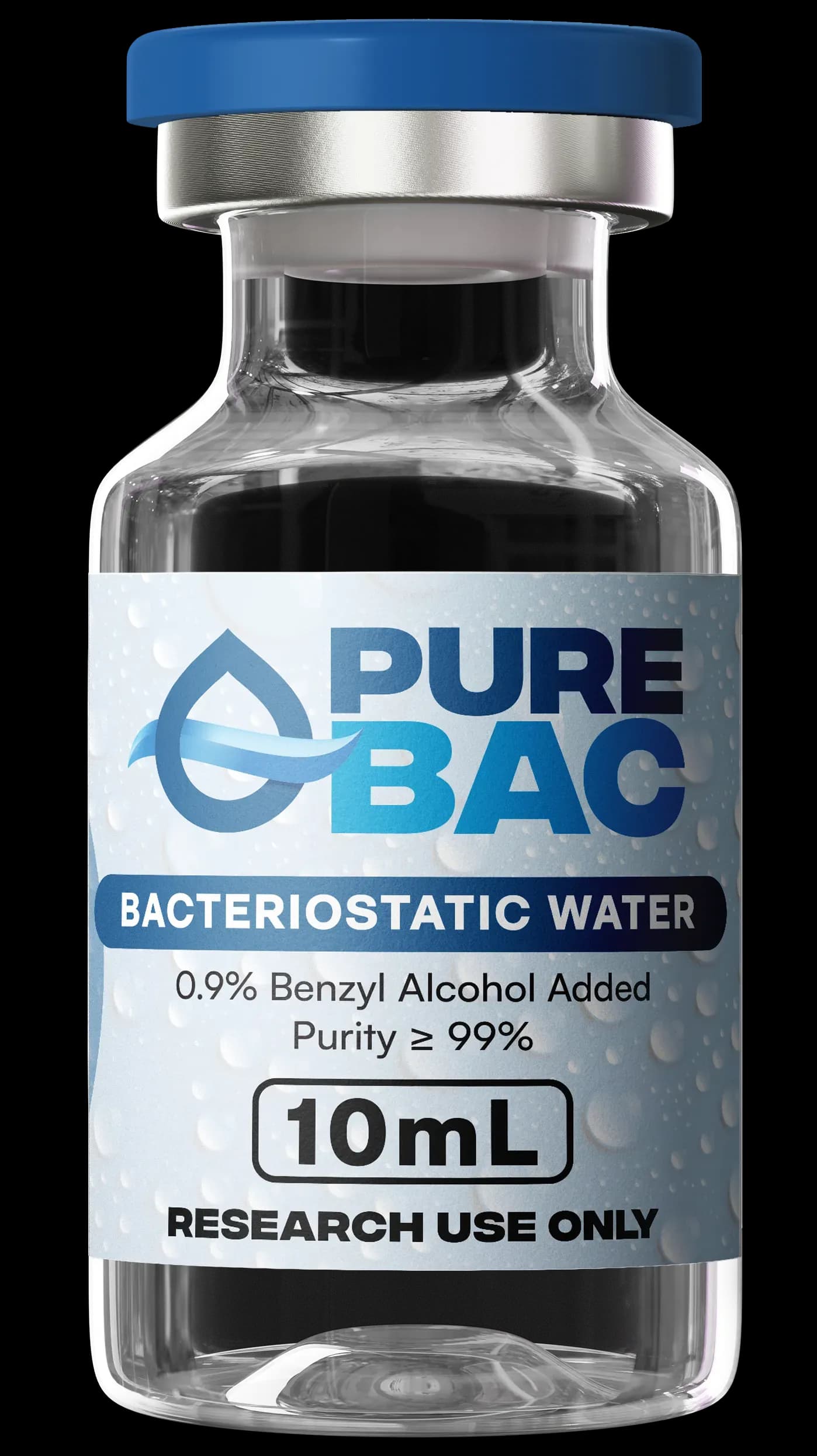
Budget for a complete first order: lyophilized vial + bacteriostatic water + standard injection or research supplies if needed. Total typically lands within the price range above from a quality vendor.
💡 Value Tip
Buying from a vendor with verified COAs and consistent purity is worth the small premium over the cheapest option. The cost difference per dose is usually pennies; the cost of a degraded or mislabeled vial is the entire research cycle.
GLOW vs KLOW vs Component Peptides
Three options share the same core peptides; the difference is what's added and how you buy them.
GLOW (70mg) is GHK-Cu + BPC-157 + TB-500. Skin-focused, simpler blend, lower price.
KLOW (80mg) adds KPV for an inflammation and gut-lining angle. Slightly more expensive, broader use case.
Component peptides bought separately gives you more control over ratios but usually costs $170 to $280 for a comparable cycle and adds dosing complexity.
For most readers focused on skin: GLOW is the right choice. For those wanting both skin and gut/inflammation support: KLOW. For researchers who need ratio control: separate vials.
Reconstituting and Storing GLOW
When your GLOW arrives, it will be a lyophilized powder in a sealed glass vial. Stable at room temperature for short periods, but freezer storage is ideal if you're holding it for months.
Gather supplies
Bacteriostatic water, an insulin syringe for measuring, alcohol swabs, and additional syringes for administration.
Calculate concentration
For a standard vial: adding 1 to 2mL of bacteriostatic water gives you a workable concentration. Use the peptide dosage calculator for non-standard volumes.
Reconstitute carefully
Inject bac water down the inner wall of the vial, never directly onto the powder. Swirl gently, never shake. The powder should dissolve into a clear solution.
Store refrigerated
Once reconstituted, store at 2 to 8°C. Use within 4 weeks for most peptides. Label the vial with the reconstitution date.
Frequently Asked Questions
Related guides: GLOW peptide blend review, GLOW dosage guide, GLOW before and after.