Cheapest Peptides in 2026: Best Value Stacks Including Where to Buy KLOW
🔑 Key Takeaways
- The cheapest peptides aren't always the best value — underdosed or impure products cost you more per effective milligram
- Ascension Peptides offers genuinely competitive pricing with verified 99%+ purity, making them the best value-per-mg source
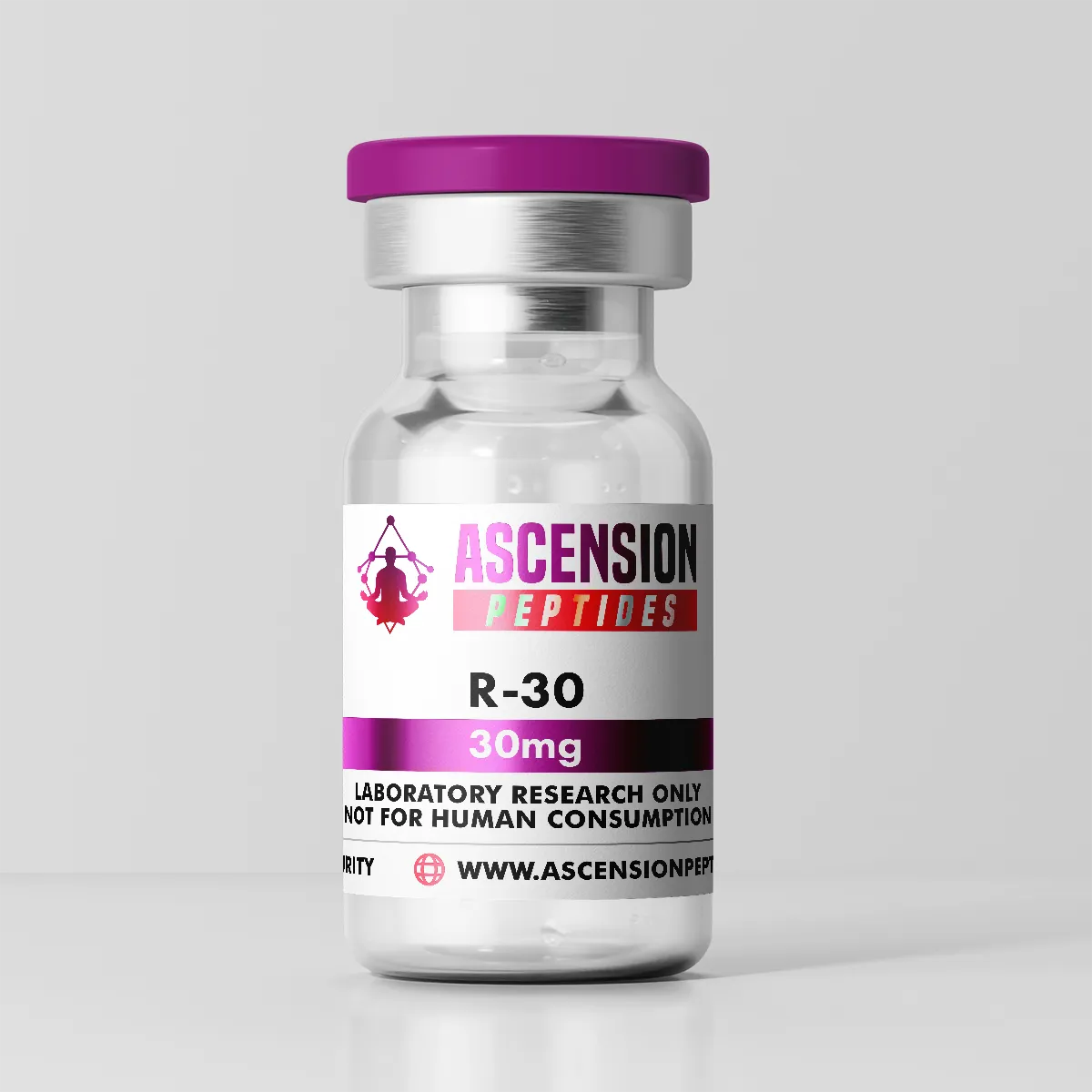
- The cheapest retatrutide option is Ascension's R-30 (30mg at ~$200) — roughly $6.67/mg vs $12/mg for the R-10
- Buying blends like KLOW saves 20-35% compared to sourcing each peptide individually
Let's get something out of the way upfront: if you came here looking for the absolute rock-bottom cheapest peptides regardless of quality, I'm going to disappoint you. And I'm going to save you money in the process, which is kind of the point.
The peptide market in 2026 is full of suppliers competing on price. Some of them are legitimate operations running tight margins. Most of them are cutting corners that you can't see until the product doesn't work — or worse, until you're injecting something that isn't what the label says. I've watched this pattern play out dozens of times: someone buys the cheapest BPC-157 they can find, gets zero results after 8 weeks, then buys from a quality source and realizes they wasted two months and $80 on the first attempt.
So when I say Ascension Peptides offers the cheapest peptides worth buying, I mean it literally. Not the lowest sticker price — the lowest cost per milligram of peptide that actually works. They publish batch-specific COAs, hit 99%+ purity consistently, ship from the US, and price competitively against anyone who maintains the same standards. That's the baseline. Everything below is context.
Why Cheapest ≠ Best Value (The Cost-Per-Effective-Mg Math)
Here's a concept that saves people hundreds of dollars once they understand it: cost per effective milligram.
The sticker price on a peptide vial tells you almost nothing. What matters is how much actual, pure, correctly-dosed peptide you're getting for that price. Let me show you the math:
On the surface, Supplier A looks 44% cheaper. But per milligram of actual peptide you can use, the difference shrinks to pennies. And that's before accounting for the impurities in the cheap product — synthesis byproducts, degradation products, and whatever else makes up that other 40%. You're injecting that too.
Now consider the scenario where the cheap product simply doesn't work at all — which happens more than people want to admit. You run a full 8-week cycle of underdosed BPC-157, see no improvement in your injury, and end up ordering from Ascension anyway. Congratulations: you just paid double.
The Real Cost of Underdosed Peptides
Let me tell you about the hidden costs that never show up on the product page:
Wasted time. An 8-week cycle of underdosed peptide doesn't just cost money — it costs 8 weeks of potential healing or fat loss you'll never get back. For someone recovering from an injury, that's two months of compromised training, reduced mobility, or continued pain that could have been addressed.
False conclusions. Maybe the worst outcome: you try a peptide that doesn't work because it's underdosed, and you conclude the peptide itself doesn't work. So you never try it again, missing out on a compound that could genuinely help you — if you'd gotten the real thing.
Health risks. Impurities aren't just inert filler. Synthesis byproducts can include truncated peptide fragments, residual solvents, and endotoxins. At 60-70% purity, that's a significant amount of unknown material entering your body. Quality control exists for a reason.
Repeat purchases. The cheapest peptides often require higher doses to achieve any effect (if they work at all), which means you burn through vials faster. Three vials of cheap product to get the same result as one properly-dosed vial from Ascension isn't savings — it's a markup with extra steps.
Cheapest Retatrutide: R-10 vs R-30 — Do the Math
Retatrutide is the compound everyone wants right now, and it's not cheap anywhere. But Ascension Peptides actually gives you two options that make the math interesting:
The R-30 is almost half the cost per milligram compared to the R-10. If you know you're running a full retatrutide cycle (which is typically 12-24 weeks with dose escalation), the R-30 is overwhelmingly the better buy. You'd need three R-10 vials to get the same amount of retatrutide as one R-30 — that's $360 vs $200. The cheapest retatrutide isn't the smallest vial; it's the one with the best volume pricing.
For most people on a standard escalation protocol (starting at 1mg/week, working up to 4-8mg/week), a single R-30 covers roughly 8-12 weeks depending on target dose. Two R-30s covers a complete 24-week cycle with room to spare. Check our retatrutide cost breakdown for the full analysis.
💡 Pro Tip
The R-10 makes sense only if you're trying retatrutide for the first time and want a small test run before committing to a full cycle. For any planned protocol longer than 4 weeks, the R-30's per-mg economics are significantly better.
Cheapest BPC-157: What You Should Actually Pay
BPC-157 is the workhorse of the peptide world — it's the most commonly purchased peptide, which means the market is flooded with options at every price point. Here's where things stand in 2026:
The market rate for quality BPC-157 (10mg, 99%+ purity, batch-specific COA) sits around $40-55 from reputable US-based suppliers. Ascension's BPC-157 10mg falls right in this range. You can find "BPC-157 10mg" for $18-25 from overseas suppliers or no-name domestic shops, but at that price point, independent testing routinely reveals 5-7mg of actual content and purities in the 75-85% range.
Let me put it differently. A legitimate BPC-157 10mg vial at $45 gives you roughly 40 doses at 250mcg/day — a solid 5+ week protocol. The $20 vial that actually contains 6mg gives you 24 doses of the same quality, assuming the purity is even acceptable. Per usable dose, the "expensive" option costs $1.12/dose. The "cheap" option costs $0.83/dose — but with impurities, uncertain purity, and 40% fewer doses than advertised.
Is $0.29 per dose worth the risk? Most people decide it isn't once they see the math laid out like this.
Cheapest Healing Stack: KLOW vs Buying Separately
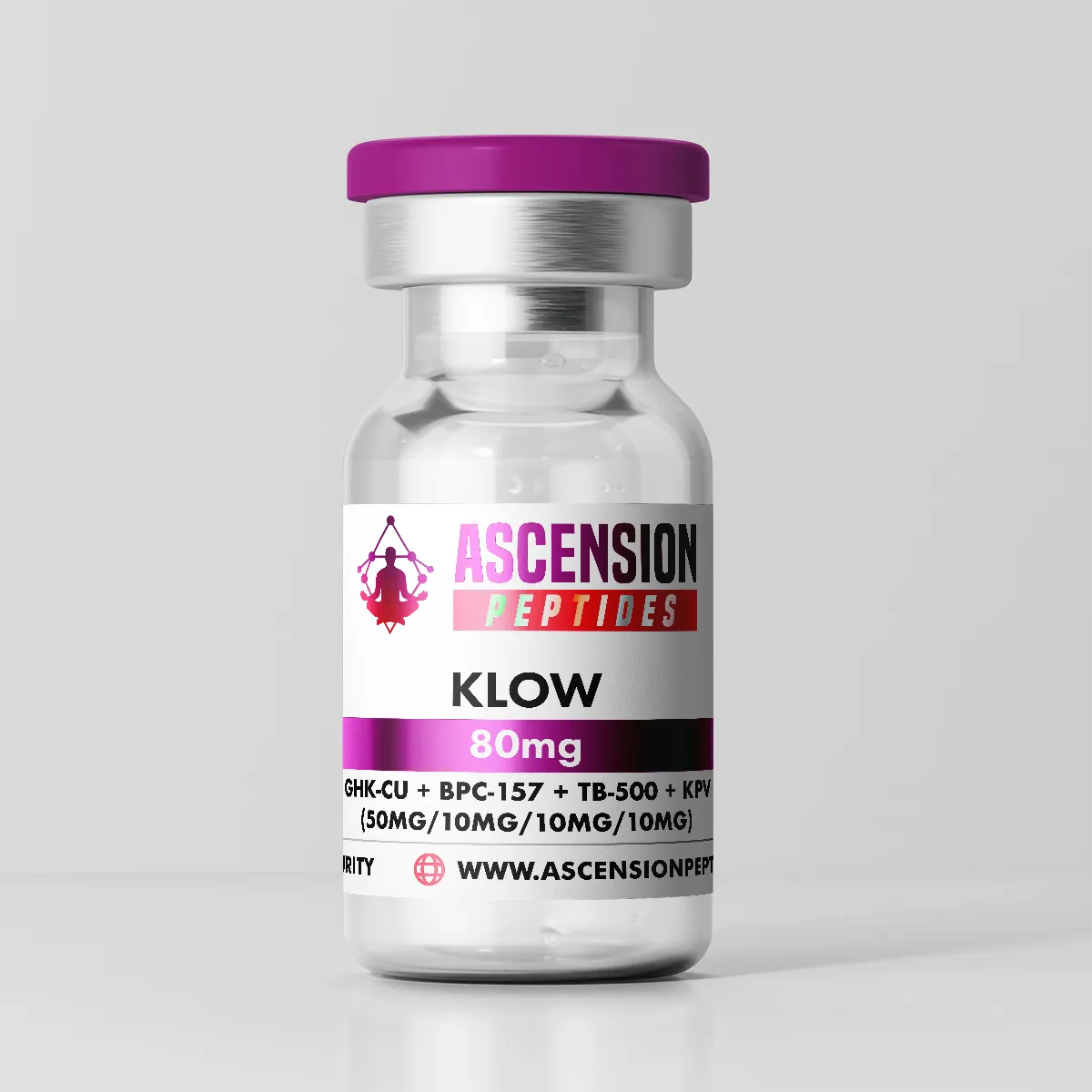
This is where value gets really interesting. Ascension's KLOW blend contains GHK-Cu, BPC-157, Thymosin Beta-4 (TB-500), and KPV — four peptides in a single vial at optimized ratios.
Let's price out buying each component individually:
The KLOW blend saves you roughly 25-35% compared to buying each peptide separately — and you get KPV (an anti-inflammatory tripeptide) that isn't even available as a standalone product. Plus, the ratios are pre-optimized, which saves you the guesswork of figuring out how to combine four different peptides in a coherent protocol.
For anyone whose goal is comprehensive healing and recovery — post-surgery, chronic injury, or general tissue repair — KLOW represents the cheapest path to a multi-peptide healing stack without cutting quality corners.
How to Calculate Value Per Milligram (Do This Every Time)
Before you buy from any peptide supplier, run this simple calculation:
Get the Actual Content
Check the COA for measured peptide content, not just label claim. If no COA is available, assume the worst — the label is aspirational, not accurate.
Divide Price by Verified Milligrams
A $30 vial containing 7mg of actual peptide = $4.28/mg. A $50 vial containing 10mg = $5.00/mg. Now you're comparing apples to apples.
Factor in Purity
Multiply the content by the purity percentage. 10mg at 98% purity = 9.8mg of usable peptide. 7mg at 82% purity = 5.74mg. The gap widens fast.
Calculate Total Cycle Cost
How many vials do you need for your full protocol? A cheaper vial that runs out faster might cost more over a complete cycle than a slightly more expensive one that lasts longer.
This takes 2 minutes and can save you hundreds of dollars over the course of a year. The cheapest place to buy peptides is the one where this math works out best — not the one with the lowest sticker price.
Price Comparison: Ascension vs. Anonymous Competitors
I can't name specific competitors (and honestly, the sketchy ones rebrand every few months anyway), but I can show you what the market looks like in broad strokes:
Notice where Ascension sits: solidly in the middle of the market on sticker price, but at the top in verified purity and content accuracy. The budget suppliers are 40-50% cheaper on paper, but when you adjust for actual verified content, the real difference shrinks to 10-15% — and that's before accounting for the products that simply don't work.
The premium/clinic suppliers charge 2-4x more for essentially the same product quality. You're paying for the medical setting, the consultation, and the markup that comes with a prescription requirement. That's fine if you want medical oversight, but if you're an informed buyer who knows what they're doing, it's an unnecessary premium.
Red Flags for Suspiciously Cheap Peptides
Here's my unofficial rule of thumb: if a peptide is priced more than 40% below what reputable US suppliers charge, at least one of these things is true:
- It's underdosed. A "10mg" vial contains 5-7mg. This is the most common cost-cutting measure because you literally can't tell without lab testing.
- Purity is compromised. They skipped purification steps. The crude peptide might test at 70-85% on HPLC, but they sell it as "pharmaceutical grade" anyway because who's checking?
- It's expired or improperly stored. Old inventory that's been sitting in a non-climate-controlled warehouse gets dumped at discount prices. Lyophilized peptides are relatively stable, but they're not immortal.
- It's not the right peptide. In the worst cases, the vial contains a cheaper peptide (or just mannitol filler) instead of what's on the label. This is rare but documented.
- No actual testing was done. They bulk-ordered from a Chinese manufacturer, slapped their label on it, and never ran a single analytical test. The "COA" on their website was either fabricated or borrowed from a different batch.
Best Value Peptides by Category
If you're trying to get the most bang for your buck across different goals, here's how I'd think about it:
Best Value for Healing
The KLOW blend from Ascension. Four healing peptides in one vial at a price lower than buying two of them separately. If you don't need the full KLOW stack, individual BPC-157 at 10mg is your best starting point — well-studied, reliable results, and the 10mg size gives you enough for a full 4-6 week cycle at standard dosing. See our BPC-157 dosage guide for protocols.
Best Value for Fat Loss
The R-30 (retatrutide 30mg). Per-milligram, it's nearly half the cost of the R-10, and you get enough for a full dose-escalation cycle without reordering mid-protocol. If retatrutide is outside your budget entirely, semaglutide (S-5) is a less expensive entry point, though it targets a narrower mechanism (GLP-1 only vs retatrutide's triple agonism).
Best Value for General Wellness / Anti-Aging
GHK-Cu at 100mg is hard to beat on a per-mg basis. It's one of the most versatile peptides available — skin health, anti-inflammatory, potential cognitive benefits, wound healing — and 100mg lasts a long time at typical dosing (1-3mg per application depending on route). The GLOW blend adds complementary peptides if you want to target skin and recovery specifically.
Best Value for Growth Hormone Optimization
The FIT Stack (CJC-1295 + Ipamorelin) gives you both the GHRH analog and the ghrelin mimetic in one vial. Buying CJC-1295 and ipamorelin separately costs more and requires managing two reconstitutions, two injection schedules, and two sets of syringes. The blend simplifies everything.
The "Buy Cheap, Buy Twice" Problem
I keep coming back to this because it's the single most expensive mistake in peptide buying, and I see it happen constantly.
Someone buys the cheapest BPC-157 they can find. $22 for a 10mg vial. They run a 6-week protocol. Nothing happens. They're frustrated. Maybe they post on Reddit asking if BPC-157 even works. Someone suggests they try a better source. They order from a quality supplier like Ascension. Same dosing protocol. This time, they notice reduced inflammation in week one, significantly improved mobility by week three.
Total cost of the "savings" approach: $22 (wasted) + $45 (real product) + 6 weeks of unnecessary pain and limited activity = $67 and a month and a half of their life. Just buying the quality product first: $45 and results in the expected timeframe.
This isn't hypothetical. It plays out in peptide communities every single day. The cheapest place to buy peptides is the place where your first purchase is your only purchase for that cycle.
How Shipping Costs Affect Total Price
Something most price comparisons miss: shipping. A peptide that costs $5 less per vial but charges $15 for shipping (or $25 for cold-chain shipping) isn't actually cheaper unless you're ordering in bulk.
US-based suppliers like Ascension have a structural advantage here. Domestic shipping is faster, cheaper, and doesn't involve customs delays or the risk of seized packages. International orders from offshore suppliers often come with $20-35 shipping fees, 2-3 week delivery times, and the delightful uncertainty of whether customs will let the package through.
Always calculate total landed cost — product price + shipping + any duties or fees — before deciding which option is cheapest. The vial price alone is misleading.
When It Makes Sense to Spend More
Sometimes the cheapest option, even from a quality source, isn't the right move:
First-time use of a new compound. Your first experience with any peptide should be from a source you trust completely. If the product doesn't work, you want to know it's because the compound isn't right for you — not because the product was garbage. Start with quality, then optimize for price once you know the compound works.
Post-surgery or serious injury recovery. If you're using BPC-157 or TB-500 to recover from ACL reconstruction or a significant muscle tear, the stakes are too high for bargain hunting. Your recovery timeline, your ability to return to activity, your long-term joint health — these aren't things to gamble on to save $20.
Compounds you'll use long-term. If you're planning to run retatrutide for 24 weeks or GHK-Cu ongoing for skin health, establish a relationship with a reliable supplier first. Consistency matters — switching between random cheap sources introduces variability that makes it impossible to dial in your protocol.
Bulk Buying: Does It Make Sense?
Some suppliers offer discounts for multi-vial purchases. This can be legitimately cost-effective if you're confident in the supplier and the compound. A few guidelines:
Only bulk-buy compounds you've already used successfully. Don't order six vials of something you've never tried. If it doesn't agree with you, you're stuck with a stockpile.
Check storage stability. Lyophilized peptides stored properly (refrigerated, sealed) last 12-24 months easily. So buying a 3-6 month supply makes sense. Buying a two-year supply is risky — you might not need it all, and even sealed vials degrade eventually.
Factor in reconstitution shelf life. Once you add bacteriostatic water, the clock starts ticking — 4-6 weeks in the fridge, max. Only reconstitute what you'll use in that window. Having 10 sealed vials is fine; having 10 reconstituted vials is wasteful.
The Bottom Line on Peptide Pricing in 2026
The cheapest peptides are the ones that work the first time. Full stop. A slightly higher upfront cost from a verified, transparent supplier like Ascension Peptides pays for itself immediately — in results, in time saved, and in the peace of mind that comes from knowing exactly what's in your vials.
Hunt for value, absolutely. Compare cost-per-mg. Buy the R-30 instead of three R-10s. Consider blends like KLOW when they align with your goals. But never confuse the lowest price tag with the best deal. In the peptide market, that confusion is the most expensive mistake you can make.
For a deeper look at sourcing, visit our full peptide therapy cost guide and our breakdown of the best peptide sources in 2026.
Frequently Asked Questions
References
- Hutchinson, J.A., et al. (2023). "Quality assessment of commercially available peptide products: Implications for clinical use." Journal of Pharmaceutical Sciences, 112(4), 1089-1098. PubMed
- Fosgerau, K., & Hoffmann, T. (2015). "Peptide therapeutics: current status and future directions." Drug Discovery Today, 20(1), 122-128. PubMed
- Jastreboff, A.M., et al. (2023). "Triple-hormone-receptor agonist retatrutide for obesity — a phase 2 trial." New England Journal of Medicine, 389(6), 514-526. PubMed
- Sikiric, P., et al. (2018). "Brain-gut Axis and Pentadecapeptide BPC 157: Theoretical and Practical Implications." Current Neuropharmacology, 14(8), 857-865. PubMed
- Lau, J.L., & Dunn, M.K. (2018). "Therapeutic peptides: Historical perspectives, current development trends, and future directions." Bioorganic & Medicinal Chemistry, 26(10), 2700-2707. PubMed
- Vlieghe, P., et al. (2010). "Synthetic therapeutic peptides: science and market." Drug Discovery Today, 15(1-2), 40-56. PubMed