sciencePeptideDeck
shopping_bagShop Peptidesopen_in_newOral PeptidesnewBlogPeptide CalculatorAI Coach
OralnewShop
menu_bookPeptide Guide
Home/Peptides/Peptide guides/What Is Peptide Therapy? Benefits, Types, Risks & What to Expect
Peptide guides

What Is Peptide Therapy? Benefits, Types, Risks & What to Expect

11
Mar 28, 2026
analyticsSummary

What is peptide therapy? This guide explains peptide therapy in plain English, including benefits, common peptide therapy types, risks, who it is for, and what to expect before starting.

What Is Peptide Therapy? Benefits, Types, Risks & What to Expect

Procurement

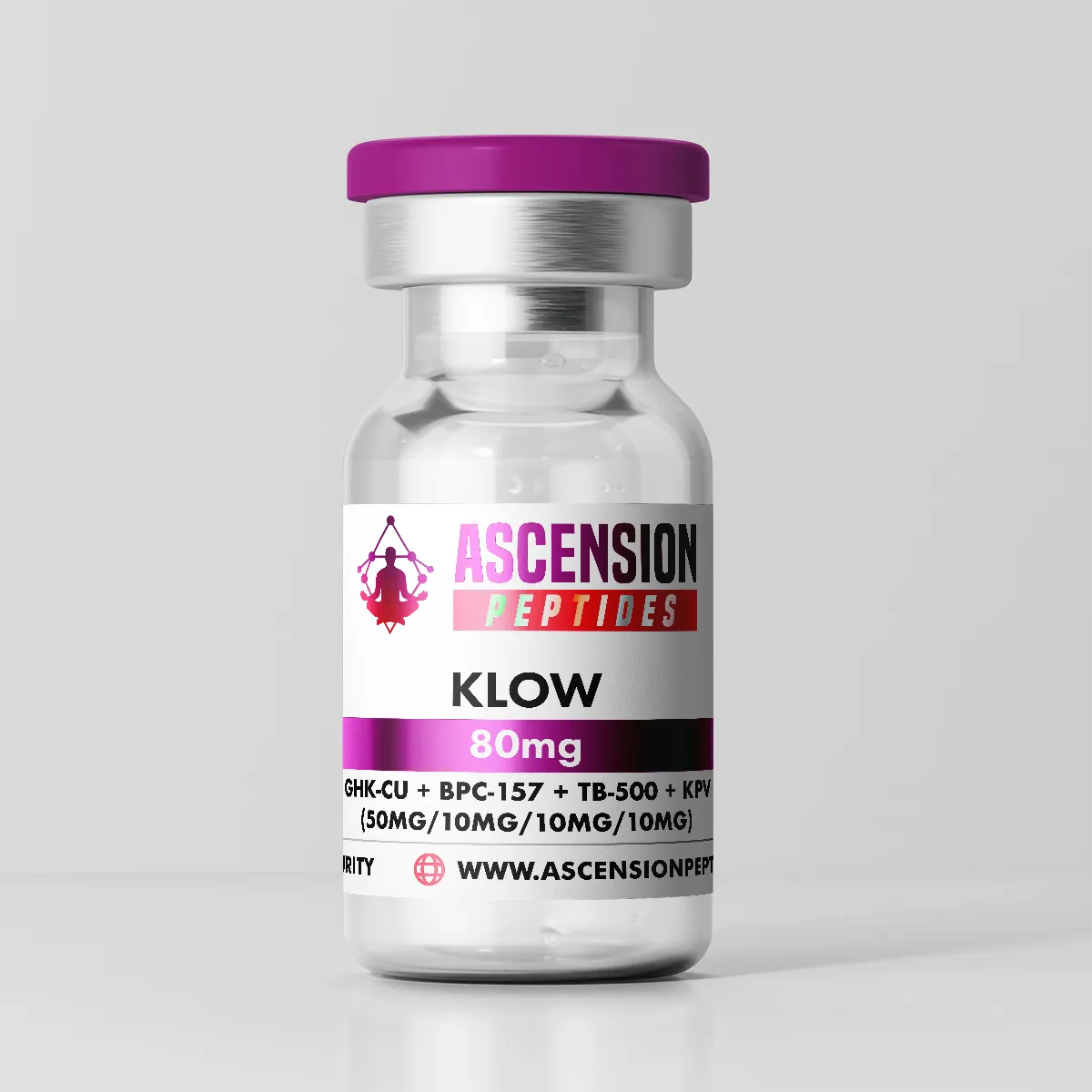
KLOW Blend (GHK-Cu + BPC-157 + TB-500 + KPV)
In StockFree $250+

KLOW Blend (GHK-Cu + BPC-157 + TB-500 + KPV)

A broad recovery-focused peptide blend for people who want one simple option for tissue support, skin repair, and inflammation management.

$72.50$145.00
See KLOW on Ascension
Contents0%
What Is Peptide Therapy? Benefits, Types, Risks & What to ExpectWhat Is Peptide Therapy?How Does Peptide Therapy Work?What Is Peptide Therapy Used For?Types of Peptide Therapy1. Weight loss peptide therapy2. Recovery and healing peptide therapy3. Muscle growth and GH support4. Anti-aging and skin support5. Libido peptides6. Cognition and sleep peptidesWho Is a Good Candidate for Peptide Therapy?How to Start Peptide TherapyWhat to Expect When Starting Peptide TherapyBenefits of Peptide TherapySide Effects and SafetyWho Should and Shouldn't Use Peptide TherapyHow to Get Started With Peptide TherapyBest Peptides for Different GoalsRisks of Peptide TherapyFrequently Asked Questions
KLOW Blend (GHK-Cu + BPC-157 + TB-500 + KPV)

Procurement

KLOW Blend (GHK-Cu + BPC-157 + TB-500 + KPV)

In StockFree shipping $250+
$72.50$145.00
See KLOW on Ascension

What Is Peptide Therapy? Benefits, Types, Risks & What to Expect

Peptide therapy means using a specific peptide for a specific goal, like weight loss, recovery, growth hormone support, skin quality, libido, or focus. That is the plain-English answer most people are actually looking for when they search this term.

100+Peptide drugs and compounds in active use
Goal-basedBest peptide depends on what you want
1-12 wksTypical range for first noticeable changes

🔑 Key Takeaways

  • What it is: Peptide therapy uses targeted peptides to influence appetite, recovery, hormones, skin, libido, or cognition.
  • How it works: Peptides act like signals. They bind to receptors and push the body toward a specific effect.
  • Most common uses: Weight loss, healing, body composition, anti-aging support, sexual wellness, and focus or sleep support.
  • Big reality check: Peptide therapy is not one product. It is a category, and the right peptide depends on your goal.
  • Main risks: Side effects, poor product quality, wrong-goal mismatch, and unrealistic expectations.
  • Best way to start: Pick one problem first, then match the peptide class to that problem.

Quick Answer

Peptide therapy is worth thinking about when you have one clear goal and want a more targeted option than a generic supplement stack. It makes less sense when you want one compound to do everything.

That is also what the better-ranking pages get right. They explain peptide therapy like a beginner guide, not like a lecture. So this page now does the same: what it is, what kinds exist, what results people usually expect, what can go wrong, and how to start without picking the wrong category.

What Is Peptide Therapy?

Peptide therapy is the use of short chains of amino acids, called peptides, to influence a specific function in the body. Your body already makes peptides on its own. Insulin is a peptide. GLP-1 is a peptide. So are many of the signals involved in hunger, healing, hormone release, and immune activity.

That is why the concept is easy to grasp once you strip away the hype. A peptide is basically a messenger. Instead of bludgeoning the whole system, it sends a more targeted instruction. Sometimes that instruction is “eat less.” Sometimes it is “release more growth hormone.” Sometimes it is “repair tissue here.”

ℹ️ Note: Peptide therapy is an umbrella term, not a single treatment. Semaglutide, BPC-157, PT-141, GHK-Cu, CJC-1295, and Semax all get grouped under peptide therapy, but they do very different jobs.

And yes, this is where people get confused. They hear “peptide therapy” and assume there is one all-purpose protocol. There is not. The right choice depends on whether you care most about fat loss, injury recovery, sleep, skin, muscle gain, or sexual function.

How it works

How Does Peptide Therapy Work?

Most peptides work by binding to a receptor, which is like a docking point on a cell. Once the peptide binds, it sets off a chain of signals. That signal can change appetite, blood sugar handling, collagen production, inflammation, recovery speed, or hormone output.

Here are the main buckets people usually care about:

  • Metabolic peptides: GLP-1 and related peptides help regulate appetite, fullness, blood sugar, and gastric emptying.
  • Growth hormone secretagogues: Peptides like Ipamorelin or CJC-1295 push your body to release more of its own growth hormone.
  • Recovery peptides: Peptides like BPC-157 and TB-500 are used for soft tissue recovery, inflammation support, and healing.
  • Skin and anti-aging peptides: GHK-Cu is the obvious example here because of its link to collagen, skin quality, and repair.
  • Neuropeptides: Peptides like Semax and Selank are used for focus, stress resilience, and mental clarity.

That receptor-level specificity is a big reason peptides are so popular. They feel more targeted than broad drugs or hormones. Of course, “targeted” does not mean “risk free.” It just means the mechanism is narrower.

What Is Peptide Therapy Used For?

Search results for peptide therapy now skew heavily beginner-friendly. People want a broad map of real-world use cases, not a chemistry lecture. So here is the short version: peptide therapy is usually used for one of six goals.

⚖️

Weight loss

Appetite control, improved satiety, and better glucose handling. This is where GLP-1 peptides dominate.

🩹

Recovery

Support for tendon issues, joint irritation, gut repair, inflammation, and general healing after training or injury.

💪

Muscle growth and body composition

Usually through growth hormone signaling, better sleep, and improved recovery rather than steroid-like effects.

✨

Skin and aging support

Better skin texture, collagen support, and repair. Some people also use longevity-focused peptides, though evidence is mixed.

❤️

Libido and sexual health

PT-141 is the best-known example. It works very differently from classic ED drugs.

🧠

Cognition and sleep

Focus, mental sharpness, calmer mood, and better sleep quality. This is where Semax, Selank, DSIP, and GH-related peptides come up most.

Types of Peptide Therapy

These are the categories most beginners are really asking about when they search for peptide therapy.

1. Weight loss peptide therapy

This is the largest category right now. Semaglutide, tirzepatide, and retatrutide lead the conversation because they can dramatically reduce appetite and improve body weight over time. If your main goal is fat loss, this is usually where you start, not with a random healing peptide.

If you want a deeper comparison, see our guide to peptides for weight loss and best peptides for weight loss.

2. Recovery and healing peptide therapy

BPC-157, TB-500, and multi-peptide blends live here. These are the compounds people look at for tendon pain, nagging injuries, gut issues, and faster recovery. Honestly, this category is one of the easiest to oversell, so keep your expectations grounded.

3. Muscle growth and GH support

Peptides like Ipamorelin, CJC-1295, and Sermorelin are used to increase natural growth hormone output. They are usually chosen by people who want better recovery, lean mass support, deeper sleep, and a cleaner body-comp effect than they would get from more aggressive hormone routes.

4. Anti-aging and skin support

GHK-Cu is the headliner because it has broad appeal: skin, hair, collagen, and recovery all in one conversation. Some people also look at epithalon or MOTS-c for longevity, but the evidence there is not nearly as practical as social media makes it sound.

5. Libido peptides

PT-141 is the main one. It is used by men and women, and it stands out because it acts through melanocortin pathways instead of just affecting blood flow. That is why it often gets grouped with peptide therapy even though people use it for a very specific reason.

6. Cognition and sleep peptides

Semax, Selank, and DSIP come up most often here. Some users also report better sleep from GH secretagogue protocols, which is one reason peptide categories overlap. The body does not always care about our neat labels.

Goal Popular Peptides What people usually want When results often show up
Weight loss Semaglutide, Tirzepatide, Retatrutide Less hunger, better control, steady fat loss 2-6 weeks
Recovery BPC-157, TB-500, KLOW blend Less irritation, better healing, faster bounce-back 1-4 weeks
Muscle / GH support Ipamorelin, CJC-1295, Sermorelin Better sleep, recovery, lean mass support 4-12 weeks
Skin / anti-aging GHK-Cu, Epithalon Skin quality, collagen support, repair 4-8 weeks
Libido PT-141 Higher desire, stronger sexual response Hours
Cognition / sleep Semax, Selank, DSIP Focus, calm, better sleep quality Days to weeks

Who Is a Good Candidate for Peptide Therapy?

Based on the top-ranking pages, this is one of the missing intent buckets. People do not just want a definition. They want to know whether peptide therapy is something that actually makes sense for them.

  • You may be a fit if you have one clear goal, like weight loss, recovery, GH support, libido, or skin quality, and you want a more targeted option.
  • You may not be a fit if you want one fast miracle fix, hate injections, or are not willing to pay attention to dosing and product quality.
  • The best candidates usually have realistic expectations and match the peptide to the actual problem they are trying to solve.
⚠️ Warning: Peptide therapy is not automatically low-risk just because the word sounds cleaner than steroids or prescription drugs. Goal mismatch, poor sourcing, and sloppy use are where a lot of problems start.

How to Start Peptide Therapy

If you are starting from zero, the simplest path is not to ask “what is the best peptide?” The better question is “what am I actually trying to fix or improve?”

1

Pick one goal

Weight loss, healing, GH support, skin, libido, or cognitive support. Start there.

2

Choose the peptide category

GLP-1s for appetite and weight loss, BPC-157 or TB-500 for recovery, GH peptides for body composition and sleep, PT-141 for libido, and so on.

3

Set a realistic timeline

Some effects show up fast, but many peptide categories take weeks, not days.

4

Watch tolerance and quality

Small details matter here: dose escalation, injection comfort, and whether the product is actually legit.

What to Expect When Starting Peptide Therapy

KLOW Blend (GHK-Cu + BPC-157 + TB-500 + KPV)
Top Pick KLOW Blend (GHK-Cu + BPC-157 + TB-500 + KPV) A broad recovery-focused peptide blend for people who want one simple option for tissue support, skin repair, and inflammation management. Exclusive 50% off — use code PEPTIDEDECK
See KLOW on Ascension

Another clear SERP pattern is expectation-setting. Beginner pages rank because they explain timeline, cost, convenience, and what results usually feel like in real life.

CategoryWhat people usually notice firstTypical timelineCommon friction point
Weight loss peptidesLess hunger, easier portion control1-4 weeksNausea or dose escalation
Healing peptidesLess irritation, better recovery1-4 weeksExpectations can be too aggressive
GH-support peptidesBetter sleep, recovery, body comp support4-12 weeksToo much focus on scale changes
Skin / anti-aging peptidesGradual texture and repair changes4-8 weeksPeople quit too early
Libido peptidesMore noticeable response effectHours to daysUsing the wrong expectations vs ED drugs

Benefits of Peptide Therapy

The main benefit is precision. Instead of using one blunt tool for every job, peptide therapy lets you pick a signal that matches the result you want. When it works well, that feels cleaner and more goal-specific than a lot of older approaches.

  • More targeted effects: Good for people who know exactly what they want to improve.
  • Less scattershot than many drugs: Not always fewer side effects, but usually a narrower purpose.
  • Useful across several goals: Fat loss, recovery, skin quality, sleep, libido, and cognition all show up here.
  • Can stack well: Some peptides are often combined when goals overlap. Recovery plus skin support is a common example.
  • Often easier to personalize: Clinics and experienced users tend to adjust choice, dose, timing, and cycle length around the person.

💡 Pro Tip

If you are new, choose one clear outcome first. Chasing fat loss, sleep, skin, libido, recovery, and muscle gain all at once is how beginners end up with a cluttered protocol and no idea what is actually helping.

Side Effects and Safety

This is the part too many peptide articles soften up. Side effects vary a lot by peptide. GLP-1s can cause nausea, vomiting, constipation, and appetite suppression that goes from useful to miserable. GH-related peptides can cause water retention, tingling, headaches, or blood sugar issues in some users. PT-141 can cause nausea or flushing. Recovery peptides can still irritate injection sites or simply do nothing if quality is poor.

⚠️ Warning: The biggest safety problem in peptide therapy is not always the peptide itself. It is bad sourcing, fake product, incorrect dosing, contaminated vials, or people running compounds they barely understand.

There is also a regulation issue. Some peptides are legitimate prescription medications. Others are sold through clinics, compounding routes, or online vendors with wildly different quality control. That does not mean every non-prescription source is garbage, but it does mean you should be far more skeptical than the average influencer sounds.

And one more thing. If you have a history of pancreatitis, certain cancers, severe GI issues, major endocrine problems, or you are pregnant or breastfeeding, this is not the place for guesswork. Get real medical guidance.

Who Should and Shouldn't Use Peptide Therapy

Good candidates usually look like this:

  • People with one clear goal, like weight loss, tendon recovery, or libido support
  • People willing to track results, side effects, and dose changes
  • People who understand that peptides support a plan, not replace sleep, diet, or training
  • People willing to pay for quality instead of buying the cheapest vial on the internet

Bad candidates usually look like this:

  • Anyone hoping for a magic shortcut with no behavior change
  • Anyone with uncontrolled medical issues who is self-experimenting blindly
  • Anyone stacking several peptides on day one because a forum thread said so
  • Anyone who cannot handle injections, schedule consistency, or basic tracking

How to Get Started With Peptide Therapy

1

Pick one goal

Weight loss, healing, libido, skin, muscle, or cognition. Be specific.

2

Choose the peptide that matches that goal

Do not choose based on hype. Choose based on mechanism and expected outcome.

3

Decide your route

Prescription clinic, telehealth, or trusted peptide vendor. The right route depends on the compound.

4

Start low and keep it simple

One peptide. One clear dose plan. Track hunger, sleep, pain, body weight, mood, and side effects.

5

Reassess after a few weeks

If nothing is changing, adjust the protocol or rethink the peptide. Not every peptide fits every person.

For a lot of beginners, a broad recovery blend makes more sense than building a four-vial stack from scratch. The KLOW blend on Ascension is one of the more sensible broad options if your main interest is recovery, skin support, and day-to-day healing rather than weight loss. Not flashy. Just practical.

Best Peptides for Different Goals

Goal Best starting option Why people choose it Internal guide
Fat loss Semaglutide or Tirzepatide Strongest mainstream track record for appetite and weight loss Read guide
Stubborn injuries BPC-157 Most popular beginner recovery peptide Read guide
Recovery stack KLOW or BPC-157 + TB-500 Broader coverage for soft tissue, inflammation, and skin repair Read guide
Muscle and sleep Ipamorelin or CJC-1295 stack Helps people chasing recovery, GH support, and body composition Read guide
Skin and aging support GHK-Cu Collagen, skin quality, and repair support Read guide
Libido PT-141 Often works when desire is the issue, not just blood flow Read guide
Focus and calm Semax or Selank Common picks for mental performance and stress support See directory

If you want the fastest beginner shortcut, use this rule. Pick the peptide that best matches the problem you actually feel every day. Hunger. Injury. Bad sleep. Low libido. Poor skin. Brain fog. Start there.

Risks of Peptide Therapy

The best-ranking pages do not pretend peptide therapy is effortless or risk-free. That is probably one reason they hold attention better. People want the upside, but they also want the catches.

  • Side effects: This depends entirely on the peptide. Weight loss peptides can bring nausea. GH-support peptides can bring water retention or appetite changes. Libido peptides can feel very different from what people expect.
  • Bad product quality: This is a major one. A great protocol on paper can still go badly if the product itself is weak, inconsistent, or contaminated.
  • Wrong-goal mismatch: A lot of disappointment comes from using the wrong peptide for the wrong outcome.
  • Cost and compliance: Some peptides are simple. Others require injection prep, storage discipline, and patience.
⚠️ Warning: “Peptide therapy” sounds broad and attractive, but results usually come from matching the right peptide to the right goal and using it consistently. That is where most success or failure happens.

Frequently Asked Questions

Is peptide therapy the same thing as steroids or HGH?
No. Peptides are signaling molecules. Some raise growth hormone indirectly, some affect appetite, some support healing, and some work on libido or cognition. They are a different category.
What is the best peptide for beginners?
There is no single best peptide for everyone. Semaglutide is the obvious beginner pick for weight loss, BPC-157 is the usual beginner pick for recovery, and GHK-Cu is a strong beginner option for skin and repair.
How long does peptide therapy take to work?
It depends on the peptide. PT-141 can work within hours. GLP-1 peptides often change appetite in days and body weight in weeks. Recovery and GH-related peptides usually need a few weeks to show a clear effect.
Do you need a prescription for peptide therapy?
Sometimes yes, sometimes no. Prescription GLP-1s and some clinic-based hormone peptides go through medical channels. Other peptides are commonly bought through specialty vendors, which makes source quality even more important.
Is peptide therapy safe?
It can be, but it is not automatically safe. The peptide, dose, source, your medical history, and how many compounds you combine all matter. Bad product and bad decision-making are a huge part of the risk.
Can you stack peptides together?
Yes, many people do. But beginners are usually better off starting with one peptide so they can tell what is helping and what is causing side effects.
Medical Disclaimer: This content is for informational purposes only and does not constitute medical advice. Always consult a qualified healthcare provider before starting any new supplement, medication, or treatment. PeptideDeck may earn a commission from affiliate links at no additional cost to you.
KLOW Blend (GHK-Cu + BPC-157 + TB-500 + KPV)

Recommended Supplier

In StockFree shipping $250+

KLOW Blend (GHK-Cu + BPC-157 + TB-500 + KPV)

A broad recovery-focused peptide blend for people who want one simple option for tissue support, skin repair, and inflammation management.

$72.50$145.00

Exclusive 50% off — use code PEPTIDEDECK

See KLOW on Ascension

Related Topics

what is peptide therapypeptide therapypeptide therapy benefitspeptide therapy riskstypes of peptide therapyhow to start peptide therapy
Back to Peptides
Contents0%
What Is Peptide Therapy? Benefits, Types, Risks & What to ExpectWhat Is Peptide Therapy?How Does Peptide Therapy Work?What Is Peptide Therapy Used For?Types of Peptide Therapy1. Weight loss peptide therapy2. Recovery and healing peptide therapy3. Muscle growth and GH support4. Anti-aging and skin support5. Libido peptides6. Cognition and sleep peptidesWho Is a Good Candidate for Peptide Therapy?How to Start Peptide TherapyWhat to Expect When Starting Peptide TherapyBenefits of Peptide TherapySide Effects and SafetyWho Should and Shouldn't Use Peptide TherapyHow to Get Started With Peptide TherapyBest Peptides for Different GoalsRisks of Peptide TherapyFrequently Asked Questions
KLOW Blend (GHK-Cu + BPC-157 + TB-500 + KPV)

50% off with code

Buy Now
sciencePeptideDeck
Shop|About|Contact
© 2026 PeptideDeck
Dosing Charts
MOTS-cSermorelinSelankGHK-CuSemaglutideGLOWTesamorelin5-Amino-1MQCagrilintideMK-677FOXO4-DRIZepboundMounjaroWegovyKisspeptinSS-31Thymosin Alpha-1KPVEnclomipheneGlutathione