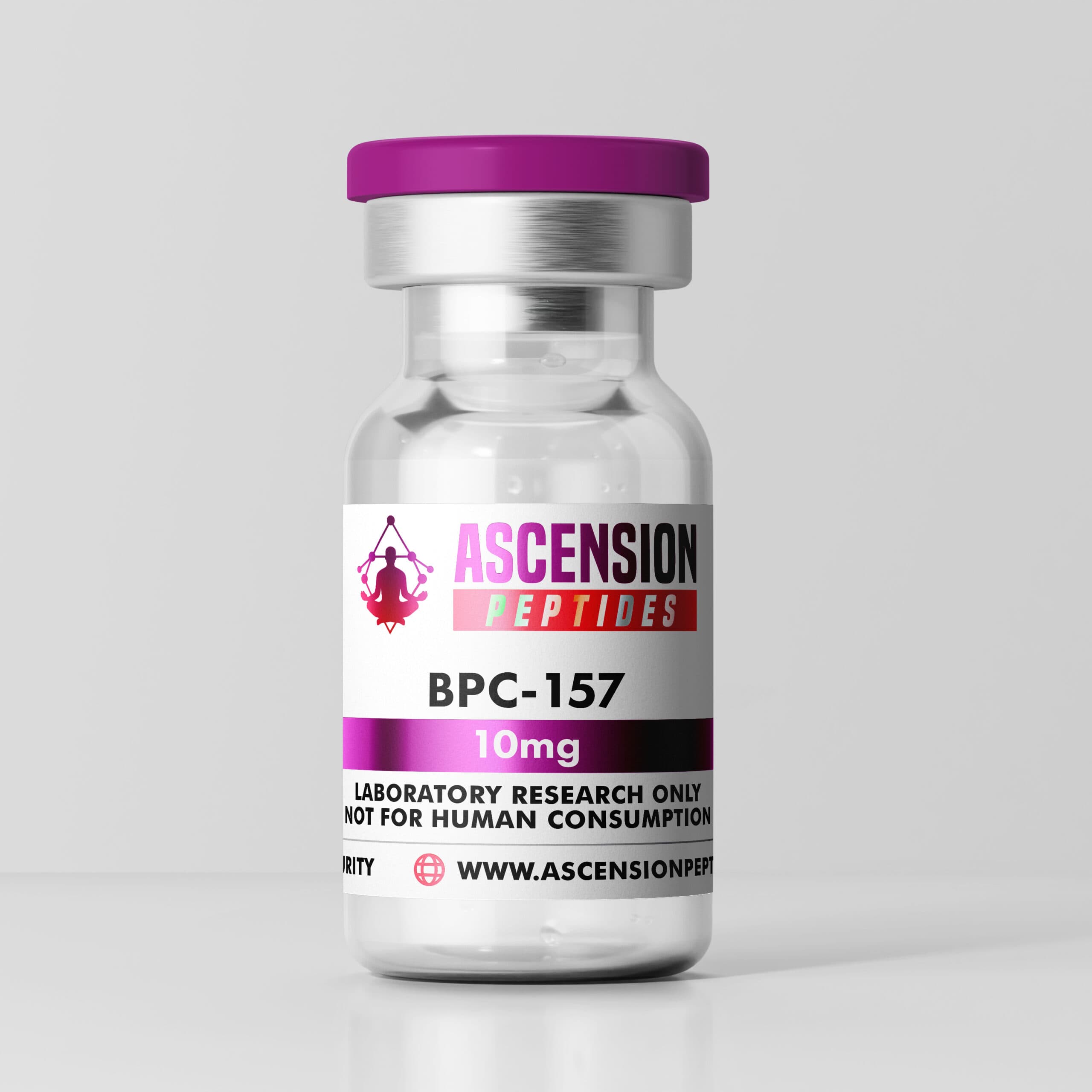
You've probably Googled "cheapest place to buy peptides" at least once. Maybe more. And you've landed on a dozen storefronts with prices that seem too good to be true — $8 for a vial of BPC-157, $12 for TB-500, free shipping from who-knows-where. The sticker price looks amazing. The actual product? That's where things get complicated.
Here's the uncomfortable truth: the cheapest peptides online are frequently the most expensive mistake you can make. Not because cheap things are inherently bad — but because in the research peptide market, low prices almost always correlate with low purity, underdosing, or outright mislabeling. You're not saving money if half the compound in your vial is synthesis byproduct.
Rather than just telling you the cheapest place to buy peptides, this guide breaks down what they actually cost across different channels, how to calculate real value per milligram, what red flags to watch for, and where to find affordable peptides that won't compromise your research.
🔑 Key Takeaways
- The lowest sticker price rarely equals the best value — purity determines real cost per mg
- Budget vendors frequently sell underdosed vials (60-85% of labeled content)
- Third-party COAs with batch-specific HPLC data are the only reliable quality signal
- Research vendors offer the best balance of price, access, and verified quality
- Pre-made stacks can save 15-30% versus buying individual components separately
- Ascension Peptides delivers the best quality-per-dollar ratio we've found in 2026
Why the Cheapest Place to Buy Peptides Might Cost You More
When someone searches for the cheapest place to buy peptides, what they actually want is the best deal. And deals are about value — not just price. A $15 vial of BPC-157 at unknown purity is objectively worse than a $40 vial at verified 98%+ if the cheap one delivers 60% of its labeled content.
Think about it this way. You wouldn't buy the cheapest parachute. You wouldn't pick the cheapest surgeon. Peptides aren't quite life-or-death, but the principle holds: when the product's effectiveness depends on precise chemical composition, price is a signal — and suspiciously low prices signal something worth investigating.
The market for the cheapest place to buy peptides in 2026 is bigger than it's ever been, which means more legitimate suppliers but also more opportunistic ones. Grey-market labs, overseas operations with zero quality control, resellers repackaging bulk Chinese synthesis — they all compete on price because they can't compete on trust. And the gap between what's on the label and what's in the vial can be staggering.
What Independent Testing Reveals
Community-run testing initiatives — particularly the analyses shared on r/Peptides and various harm-reduction forums — have consistently found that budget-tier vendors test poorly. A significant proportion of sub-$20 vials come back below 85% purity, with some testing as low as 60-70% of the labeled amount. Some don't even contain the correct compound.
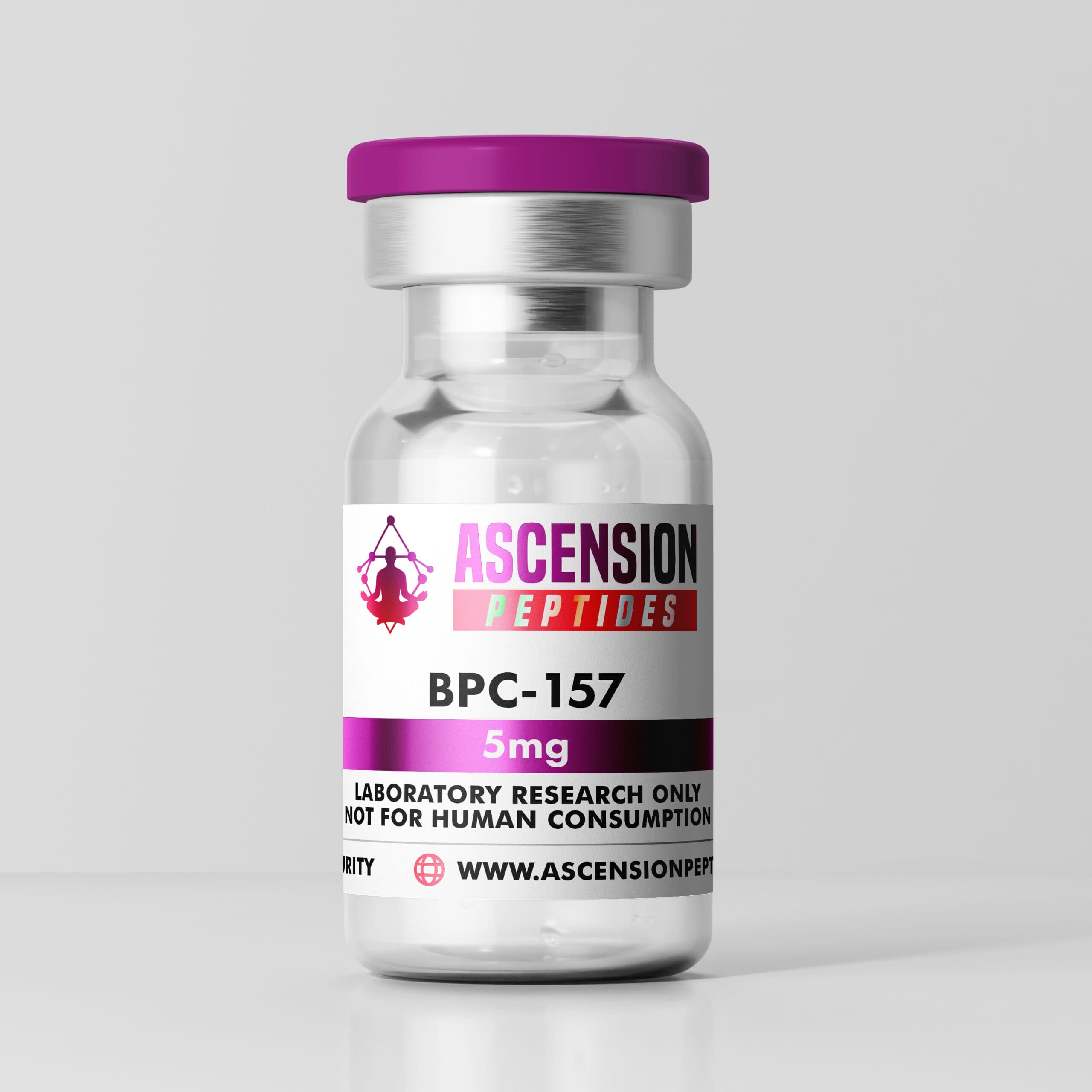
That $8 vial of BPC-157? If it's 65% pure, you're getting about 3.25mg of active compound out of a "5mg" vial. Do the math on effective cost per mg of actual peptide and suddenly the budget option costs more than the premium one.
True Cost Comparison: Three Ways to Source Peptides
There are essentially three channels for obtaining research peptides in 2026. Each has different pricing, quality guarantees, and accessibility. Understanding all three helps you find affordable peptides without sacrificing what matters.
Route 1: Telehealth Clinics and Prescribers
After the FDA's regulation changes around compounding pharmacies, telehealth peptide clinics exploded in popularity. The upside: you get a prescription, pharmaceutical-grade compounding, and medical oversight. The downside: you pay for all of that.
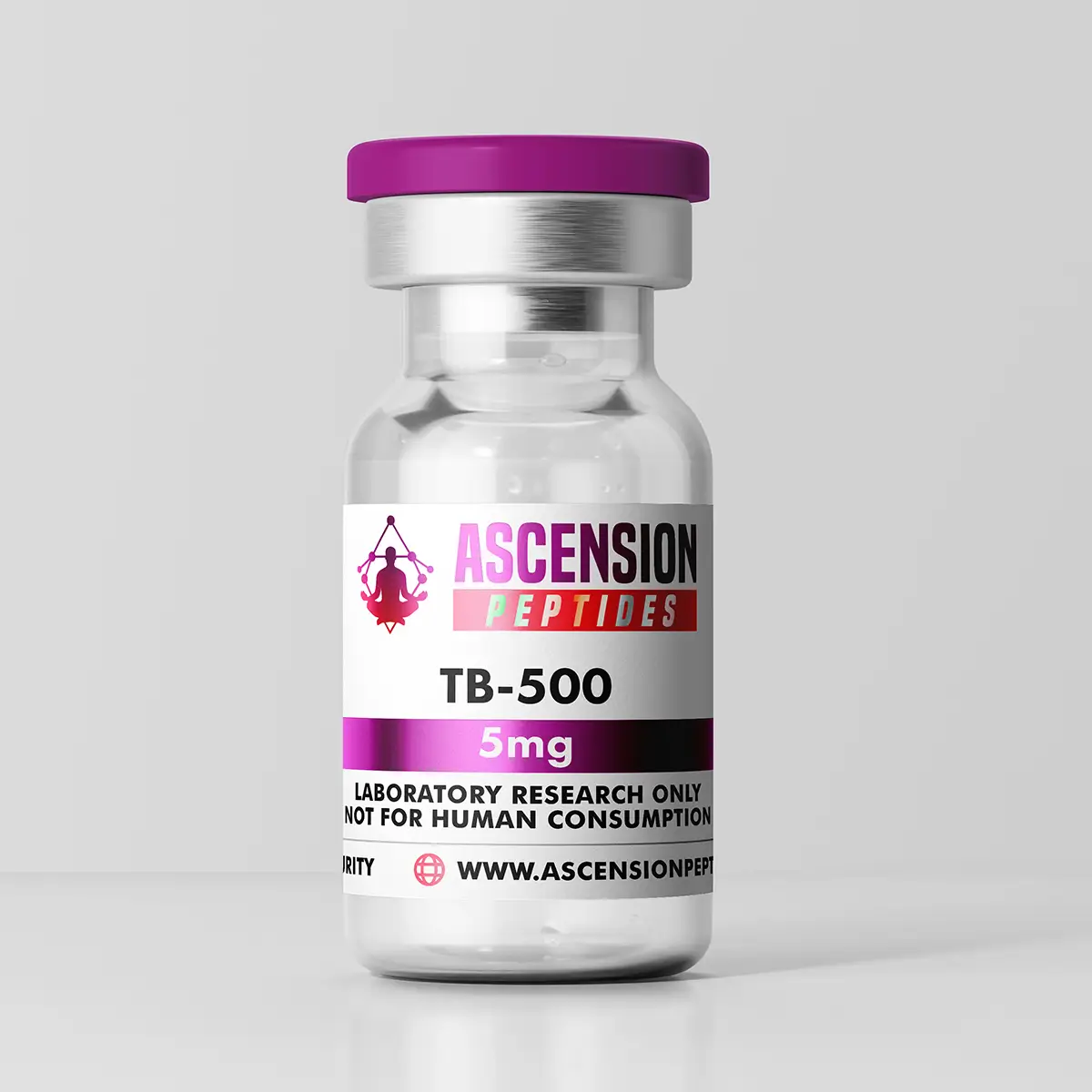
Clinics are the most expensive option by far. You're paying for convenience, legal certainty, and a doctor's sign-off. For some people — particularly those using GLP-1 compounds for weight management — the medical oversight is genuinely worth it. But for experienced researchers running established protocols with well-characterized compounds like BPC-157 or TB-500, clinic pricing represents a 3-5x markup over what you'd pay from a verified research vendor.
Route 2: Compounding Pharmacies (Direct)
Some compounding pharmacies sell directly to consumers with a prescription. Prices are lower than clinics because you're cutting out the telehealth markup, but you still need a prescription — and not every pharmacy compounds every peptide.
Compounding pharmacy quality is generally excellent — they operate under FDA and state pharmacy board oversight. But access is the bottleneck. Not every prescriber is willing to write for research peptides, and regulations shift constantly. You're also limited to whatever compounds that particular pharmacy has in their formulary.
Route 3: Research Peptide Vendors (Best Value)
This is where most researchers end up — and where the best peptide prices live, provided you know what to look for. Research vendors sell lyophilized (freeze-dried) peptides for "research purposes only," and the quality spectrum ranges from excellent to genuinely dangerous.
The verified vendor tier is where you find the sweet spot. Prices are a fraction of clinic costs, quality is confirmed through third-party lab testing, and the compound selection is broader than any pharmacy. The catch? You need to actually verify the vendor. Anyone can put "99% purity" on a website. The question is whether they back it up with batch-specific, third-party certificates of analysis.
Red Flags: How to Spot Dangerous "Deals"
Years of community reporting, independent testing, and the occasional vendor implosion have produced a reliable set of warning signs. If you see more than two of these, walk away — no peptide cost savings are worth the risk.
Pricing Red Flags
- Prices 50%+ below market average: If everyone else charges $35-45 for 5mg of BPC-157 and someone charges $8, ask yourself how they're making money. The synthesis cost alone makes sub-$15 pricing on most peptides economically implausible at legitimate purity levels.
- Permanent "sales" and discount codes: Legitimate vendors run occasional promotions. Vendors who are perpetually "40% off" are just pricing high and discounting to the real (still inflated for the quality) price.
- "Free" products with purchase: This usually means they're clearing inventory that didn't pass QC, or bundling low-cost filler compounds to inflate perceived value.
Quality Red Flags
- No COAs, or only in-house testing: A certificate of analysis from the vendor's own lab is worth approximately nothing. Third-party testing by a named, independent laboratory (Janoshik, Colmaric, etc.) is the minimum standard.
- COAs without batch numbers: Generic COAs that don't match specific production batches might be legitimate results from a single batch applied across their entire inventory. Or they might be fabricated entirely.
- Powder that looks wet, clumped, or discolored: Properly lyophilized peptides are a fluffy white or off-white puck. Yellow, chunite, or damp-looking powder suggests degradation or poor manufacturing.
- No cold-chain shipping option: Peptides degrade with heat exposure. Any vendor shipping peptides in a padded envelope during summer without ice packs doesn't understand — or doesn't care about — their product.
Operational Red Flags
- No physical address or contact information: Legitimate businesses have addresses. "Contact us via Telegram" is not a customer service department.
- Payment only via crypto or wire transfer: While crypto payment options aren't inherently suspicious, vendors who only accept untraceable payment methods are telling you something about their business model.
- Brand-new domain with no reviews: Check when the domain was registered. A site that appeared three months ago with no community discussion is a gamble you don't need to take.
How to Calculate Real Value Per Milligram
This is the math that separates smart buyers from people who think they got a deal. The real cost of a peptide isn't what you paid for the vial — it's what you paid per milligram of actual, verified-purity compound.
💡 Value Per Mg Formula
Real cost per mg = Vial price ÷ (Labeled mg × Purity %)
Example: $40 vial, 5mg labeled, 98% purity → $40 ÷ (5 × 0.98) = $8.16/mg of actual peptide
Compare: $15 vial, 5mg labeled, 65% purity → $15 ÷ (5 × 0.65) = $4.62/mg
Wait — the cheap one is still cheaper per mg? Not so fast. Here's what that calculation misses:
- The 65% purity vial has 35% unknown material. That's not inert filler. It's truncated sequences, acetylated fragments, residual TFA, and other synthesis byproducts that are biologically active in unpredictable ways. You're not just getting less peptide — you're getting more of something else.
- Your dosing is wrong. If you're aiming for 250mcg of BPC-157 and your vial is 65% pure, you're actually administering ~163mcg of BPC-157 plus ~87mcg of impurities. Your entire protocol is compromised.
- You'll use more vials. To hit the same effective dose from a 65% purity product, you'd need to inject roughly 50% more volume — which means your vials run out faster, and your real per-protocol cost climbs past the premium vendor's price anyway.
Let's run the full comparison for a 30-day BPC-157 protocol at 500mcg/day:
Yes, the verified vendor still costs more in absolute dollars. But the budget vendor gives you unreliable dosing, 17x more impurity exposure per injection, and research results you can't trust. If your protocol fails, was it the compound that didn't work — or was it the vendor? You'll never know. That uncertainty has a cost too.
The Cheapest Place to Buy Peptides With Verified Quality
After evaluating dozens of vendors across pricing, purity verification, shipping reliability, and community reputation, Ascension Peptides stands out as the best value proposition in 2026. Not the cheapest — the best value. There's a difference, and by now you understand why that distinction matters.
🏆 Why Ascension Peptides Wins on Value
- Third-party COAs on every product: Batch-specific HPLC and mass spec data from independent labs. Not in-house. Not "available upon request." Published.
- US-based operations: Domestic shipping means faster delivery and proper cold-chain handling
- Broad catalog: BPC-157, TB-500, Ipamorelin, CJC-1295, Sermorelin, GHK-Cu, Retatrutide, and more — one vendor for your entire protocol
- Competitive mid-tier pricing: Not the cheapest. Not the most expensive. Priced where legitimate quality vendors should be priced.
- Pre-made stacks: KLOW, Wolverine, FIT Stack — bundled blends that save money versus individual vials
When you buy from Ascension Peptides, you're not gambling on purity. You know what's in the vial, you know the batch it came from, and you can verify the COA independently. For researchers running structured protocols where dosing accuracy directly affects results, that certainty is the most valuable thing you can buy.
How Pre-Made Stacks Save You Money
One of the smartest ways to reduce peptide cost without compromising quality is buying pre-formulated stacks instead of individual components. Ascension Peptides offers several multi-compound blends that deliver real savings:
KLOW Stack (GHK-Cu + BPC-157 + TB-500 + KPV)
The KLOW blend combines four healing and anti-inflammatory peptides into a single vial. Buying these individually — four separate vials, four reconstitutions, four separate injection schedules — costs significantly more in both dollars and hassle. The stack pricing typically represents a 20-25% discount versus sourcing each compound individually.
Beyond the price savings, there's a practical advantage: fewer vials to manage, fewer reconstitution calculations, and a pre-optimized ratio of components that have synergistic mechanisms. Read our KLOW stack guide for the full protocol breakdown.
Wolverine Stack (BPC-157 + TB-500)
The Wolverine Stack pairs the two most popular healing peptides at research-validated ratios. It's the go-to for injury recovery protocols and costs less than buying BPC-157 and TB-500 separately. The naming is a bit dramatic, sure — but the combination genuinely works better than either compound alone based on preclinical data showing complementary healing mechanisms.
FIT Stack (CJC-1295 + Ipamorelin)
The FIT Stack combines the two most common GH secretagogues into a single convenient vial. This pairing is the foundation of most growth hormone optimization protocols, and buying them pre-mixed eliminates the need to reconstitute and dose two separate vials. The savings are meaningful — typically 15-20% less than individual purchases — and you get the added benefit of a pre-calculated concentration for straightforward dosing.
Smart Shopping: More Ways to Lower Your Peptide Cost
Beyond stacks, there are several legitimate strategies to get better peptide prices without sacrificing quality:
Buy in Bulk
Most reputable vendors offer volume discounts. If you know you're running a 12-week protocol of BPC-157, buying 6-8 vials at once typically saves 10-15% per vial versus buying them one at a time. Just make sure your storage setup (freezer for unreconstituted vials, refrigerator for reconstituted ones) can handle the inventory.
Consolidate Your Orders
Shipping costs add up when you order from multiple vendors. Standardizing on a single reliable source means one shipping charge instead of three — and with domestic US vendors like Ascension, you're looking at 2-4 day delivery rather than weeks of international transit and customs uncertainty.
Skip the Hype Compounds
New peptides command premium pricing. When a novel compound first hits the research market, you'll pay 2-3x what it'll cost in 12-18 months once more synthesis labs are producing it. If your protocol doesn't require the absolute latest compounds, sticking with established, well-characterized peptides like BPC-157, TB-500, and the ipamorelin/CJC-1295 combo gives you the best value.
Watch for Legitimate Promotions
Verified vendors run actual sales occasionally — Black Friday, new product launches, holiday promotions. Sign up for email lists from vendors you trust. These are genuine discounts on real products, unlike the permanent "40% off" pricing from budget operations that never actually charge full price.
Compare Cost Per Protocol, Not Per Vial
A 10mg vial at $55 might look more expensive than a 5mg vial at $32 — but if you need 20mg for your full protocol, the 10mg vials are cheaper ($110 vs. $128). Always calculate total protocol cost, not unit price. This is how experienced researchers actually find the cheapest place to buy peptides — by thinking in total protocol cost, not sticker price.
What About International Vendors?
International peptide suppliers — particularly from China, India, and Eastern Europe — offer dramatically lower prices. Sometimes 70-80% less than US-based vendors. But the savings come with significant caveats:
- Customs risk: Research peptides shipped internationally can be seized at customs. Some countries are stricter than others, but any international order carries this risk. A seized package means 100% loss.
- Shipping time and conditions: 2-4 week transit times with questionable temperature control. Peptides sitting in a warm cargo hold for days lose potency. No cold-chain guarantee means you don't know what you're getting by the time it arrives.
- Quality verification is harder: COAs from international vendors are more difficult to verify independently. Some reference labs that don't exist, or labs that don't perform the tests claimed.
- No recourse: If the product is underdosed, contaminated, or simply never arrives, your options for recourse are essentially zero. No chargeback, no refund, no regulatory body to complain to.
For some researchers, the savings justify the risks. But for most people searching for the cheapest place to buy peptides, the certainty of a domestic vendor with verified quality and reliable shipping outweighs the per-vial savings. One seized or degraded international order wipes out months of price savings.