🔑 Key Takeaways
- Retatrutide targets GLP-1, GIP, and glucagon receptors simultaneously — making it the most potent but also most complex option for Type 1 diabetes researchers
- Community reports show 20–40% reductions in daily insulin needs, but the glucagon component creates unpredictable glucose swings without functional beta cells
- CGM monitoring and proactive insulin adjustments are absolutely non-negotiable in T1D contexts
- Semaglutide remains the safer starting point for T1D research — retatrutide is the advanced option
- DKA risk during the first 4–6 weeks is real — community reports describe ketosis scares
Retatrutide has become one of the most talked-about peptides in metabolic research — and for good reason. The triple agonist mechanism (GLP-1, GIP, and glucagon receptors) produced up to 24.2% body weight reduction in the Phase 2 NEJM trial published by Jastreboff et al. in 2023. That's a number that turns heads.
But here's the thing most coverage misses: virtually all of that data comes from people with Type 2 diabetes or obesity. Type 1 diabetes is a completely different metabolic landscape. No functional beta cells. No endogenous insulin reserve. Every unit of insulin is manually delivered. And retatrutide's glucagon receptor agonism — which is a feature, not a bug, in T2D contexts — becomes a genuine wildcard when your body can't produce its own insulin to counterbalance it.
So what actually happens when someone with T1D uses retatrutide? I've spent weeks digging through Reddit threads, Longecity posts, peptide research forums, and private community reports. This is what I found.
What Is Retatrutide? The Triple Agonist Explained
Retatrutide (LY3437943) is a synthetic peptide developed by Eli Lilly that activates three metabolic receptors at once. That's what makes it different from other GLP-1 based compounds — and what makes it both more powerful and more complicated.
The Three Receptor Targets
- GLP-1 receptor: Crushes appetite, slows gastric emptying, and enhances glucose-dependent insulin secretion. This is the same target semaglutide hits.
- GIP receptor: Potentiates insulin release, improves how your body handles fat, and may protect remaining beta cells. Tirzepatide uses this one alongside GLP-1.
- Glucagon receptor: Cranks up energy expenditure and fat oxidation. Great for weight loss. But it also raises blood glucose — and that's where T1D gets tricky.
Why Triple Agonism Matters
In a person with working beta cells, the insulin-stimulating effects of GLP-1 and GIP naturally counterbalance the glucose-raising effect of glucagon activation. The system self-regulates. In T1D, that self-regulation doesn't exist. You're essentially getting the glucagon "gas pedal" without the automatic "brake." Every adjustment has to be manual — through insulin dosing, carb timing, and constant monitoring.
The Phase 2 trial data (Jastreboff et al., NEJM 2023) demonstrated remarkable efficacy in obesity, and a separate Phase 2 trial (Rosenstock et al., The Lancet 2023) did the same in T2D populations. But there are currently zero published clinical trials examining retatrutide specifically in Type 1 diabetes. Everything we know about T1D use comes from anecdotal reports — which, to be fair, are surprisingly consistent.
Why Type 1 Diabetes Changes Everything
This is the section most articles skip, so let me be direct about it.
Type 2 diabetes involves insulin resistance and declining beta cell function. The cells are struggling, but they're still there. GLP-1 drugs work partly by making those remaining cells more effective. Type 1 diabetes is an autoimmune condition where the immune system has destroyed beta cells — usually completely. There's no insulin production to enhance.
The Fundamental Problem
When retatrutide activates the glucagon receptor, it signals the liver to release stored glucose. In someone with T2D, the pancreas responds by releasing more insulin to match. In someone with T1D, nothing happens on the insulin side unless they manually inject it. The result? Unexpected blood sugar spikes that seem to come from nowhere — especially during fasting periods.
Double-Edged Appetite Suppression
The appetite suppression from GLP-1 agonism is one of retatrutide's headline benefits. But in T1D, eating less creates a cascade: lower carb intake means lower insulin requirements, which means your existing doses might be too high, which means hypoglycemia. And if you over-correct by reducing insulin too much, you swing into hyperglycemia or worse — DKA. It's a tightrope.
Retatrutide Type 1 Diabetes Experiences: Community Reports
I've compiled reports from Reddit's r/PeptidesResearch, r/diabetes_t1, Longecity, and several private peptide communities. These aren't clinical data — but the consistency across independent reports makes them worth examining carefully.
Benefits Reported by T1D Researchers
The positive reports cluster around four main themes:
- Dramatic appetite reduction: This comes up in literally every report. People describe going from 3 meals plus snacks to 1–2 small meals without feeling deprived. Several users documented a 20–40% drop in total daily insulin dose within the first 4–8 weeks.
- Better time-in-range on CGM: Flatter glucose curves, especially post-meal. The slowed gastric emptying from GLP-1 activity means carbs hit your bloodstream more gradually. Less spiking, fewer corrections.
- Meaningful fat loss: Consistent with the broader research data. T1D often involves weight management challenges — especially for those on high insulin doses, since insulin itself promotes fat storage. Retatrutide seems to break that cycle.
- More predictable glucose patterns: Eating less and more consistently smooths out the chaos. When you're only eating once or twice a day, there's just less opportunity for wild glucose swings.
Risks and Challenges Reported
The negative reports are equally consistent — and honestly more important to understand:
- Hypoglycemia during adjustment: The most-cited concern by far. Weeks 1–3 are the danger zone. Food intake drops before most people have adjusted their insulin downward enough. Several researchers describe multiple severe lows before finding the right balance.
- Unexplained glucose spikes: Particularly during fasting or overnight. These likely reflect glucagon receptor activation without beta cell buffering. Hard to predict, harder to pre-bolus for.
- Severe nausea and gastroparesis symptoms: GLP-1 slows gastric emptying significantly. For T1D users who time their insulin to meals, this creates a mismatch — insulin peaks before food absorbs, causing a low followed by a delayed high. It's the same problem seen with other GLP-1 side effects but amplified.
- DKA scares: At least two detailed forum accounts describe mild ketosis episodes. Reduced food intake plus aggressive insulin reduction plus the metabolic stress of a new peptide — it's a setup for euglycemic DKA if you're not monitoring ketones.
- Dosing unpredictability: The effects seem more variable in T1D than typical reports. Adding exogenous insulin management on top of three receptor agonisms creates a system with too many moving parts to predict cleanly.
How Retatrutide Affects Insulin Sensitivity in T1D
Here's something that doesn't get enough attention: many people with T1D also have insulin resistance. It's called "double diabetes" informally — the autoimmune destruction of beta cells (T1D) combined with the metabolic insulin resistance more associated with T2D. Research published in Diabetes Care suggests this overlap is more common than most people realize, especially in T1D patients carrying extra weight.
Weight Loss and Insulin Requirements
Several community reports document total daily insulin dropping from 50–60 units to 30–35 units over 12–24 weeks of retatrutide use. The mechanism isn't that retatrutide directly enhances insulin sensitivity in the way metformin does — it's indirect. Less body fat means less insulin resistance. Less insulin resistance means each unit of injected insulin works harder.
The Positive Feedback Loop
This creates a genuinely helpful cycle: retatrutide suppresses appetite → less food → less insulin needed → less insulin-driven fat storage → improved body composition → better insulin sensitivity → even less insulin needed. Once this cycle gets going (usually around weeks 6–8), several researchers report that diabetes management actually becomes easier than it was before starting.
Retatrutide Dosing for T1D: What Community Reports Suggest
Standard retatrutide dosing protocols are designed for obesity and T2D research. T1D requires significant modifications. Here's what community experience points to — this is not medical advice, just a compilation of what people are reporting.
Notice the extended timeline compared to standard retatrutide dosing charts. The clinical trials started at 2mg and stepped up every 4 weeks; T1D researchers start far lower and consistently recommend 3-week intervals minimum — often 4 weeks or longer — to allow insulin adjustments to stabilize before introducing more of the compound.
Critical Dose Escalation Rules for T1D
Based on the most detailed community protocols I've found:
- Never escalate if you've had more than 2 hypoglycemic episodes in the past week
- Never escalate if you haven't achieved stable basal/bolus ratios at the current dose
- Always have ketone strips (blood preferred) available during the first 8 weeks
- If using a closed-loop pump system, be aware the algorithm may not adapt fast enough to rapid metabolic changes
Step-by-Step Protocol Adaptations for T1D
Baseline Your Current Insulin Needs
Before starting, document at least 2 weeks of insulin usage data — total daily dose, basal/bolus split, time-in-range percentage, and average carb intake. You need this baseline to track changes accurately.
Pre-Reduce Basal Insulin by 15–25%
This is counterintuitive but consistently recommended. Reduce basal rates before the first injection, because appetite suppression kicks in within 48–72 hours and you don't want to be chasing lows while also dealing with nausea.
Start at 0.25–0.5mg Weekly
Lower than standard protocols. The goal is to observe how your glucose patterns change before the compound reaches full effect. Think of weeks 1–3 as purely observational.
Monitor Ketones Daily for the First 6 Weeks
Blood ketone testing (not urine strips) at least once daily, ideally in the morning. Any reading above 0.6 mmol/L warrants attention. Above 1.5 mmol/L means stop and reassess insulin doses immediately.
Adjust Bolus Timing for Delayed Gastric Emptying
GLP-1 activity delays how fast food hits your bloodstream. If you're on a pump, use extended boluses (50/50 split over 2–3 hours). If on MDI, delay your pre-meal injection or split it. This alone prevents most of the "low then high" pattern people complain about.
Escalate Dose Only When Stable
Wait at least 3 weeks between dose increases. Your criterion for stability: fewer than 2 hypos per week, no ketone elevations, and a time-in-range above 60%.
Retatrutide vs Other GLP-1 Peptides for T1D Research
Context matters. Here's how retatrutide stacks up against the alternatives that T1D researchers actually consider:
The honest take? If you're a T1D researcher considering GLP-1 compounds, semaglutide is the rational starting point. It has the most data, the most community experience, and the most predictable profile. Retatrutide is the advanced option — significantly more effective for weight loss, but with a steeper learning curve and more things that can go wrong. User reviews of retatrutide generally reflect this — powerful results, but demanding management.
The Glucagon Problem: What Makes Retatrutide Unique in T1D

This deserves its own section because it's the single biggest differentiator.
Glucagon is insulin's opposite. It tells the liver to dump glucose into the bloodstream. In healthy metabolism, glucagon and insulin exist in constant balance. In T1D, insulin is entirely exogenous — and glucagon regulation is often impaired even beyond the loss of beta cells, because the alpha cells (which produce glucagon) lose their normal feedback signals.
What Happens When You Add More Glucagon Signaling
Retatrutide's glucagon receptor agonism essentially amplifies a system that's already dysregulated in T1D. Research by Cryer et al. has documented how glucagon counterregulation is defective in established T1D. Adding exogenous glucagon receptor activation on top of this creates unpredictable glucose excursions — particularly overnight and during fasting.
Managing the Glucagon Component
Community strategies for dealing with glucagon-driven spikes include:
- Slightly higher overnight basal rates compared to what daytime eating patterns would suggest
- Scheduled small protein/fat snacks to provide some hepatic substrate
- Accepting slightly higher glucose targets during the adjustment phase (140–180 mg/dL vs the usual 70–140 range)
- Using closed-loop systems in "exercise mode" or manual mode during the first few weeks to override automated corrections
CGM Data Patterns: What T1D Researchers Actually See
Several community members have shared anonymized CGM screenshots and data summaries. The patterns are strikingly consistent:
Weeks 1–3: The Chaos Phase
Time-in-range typically drops before it improves. More lows from reduced eating, more unexpected highs from glucagon effects. Standard deviation of glucose readings increases. This is the period where people get scared and quit — or where careful management pays off.
Weeks 4–8: The Adjustment Phase
As insulin doses stabilize at new levels and the body adapts to the compound, CGM data starts looking better. Post-meal spikes flatten out. Overnight patterns become more predictable. Time-in-range typically returns to baseline and starts improving.
Weeks 8–16: The Benefit Phase
This is where the positive reports concentrate. Researchers describe the "best CGM data of my life" — 80%+ time-in-range, minimal post-meal excursions, and total daily insulin doses significantly lower than baseline. Weight loss accelerates. The compound seems to "settle in."
Long-Term Considerations and Unknowns
Honesty check: we don't know much about long-term retatrutide use in T1D. The compound is through its main Phase 3 trials for its intended indications (obesity, T2D), with Lilly planning to apply for FDA approval in Q1 2027, but those trials didn't include T1D populations. Some things worth considering:
Beta Cell Preservation Theory
There's speculative interest in whether GLP-1/GIP agonism could help preserve remaining beta cell function in early-onset T1D or LADA. A 2019 study in Diabetes by Hogan et al. showed GLP-1 agonists had beta cell protective effects in rodent models. Whether this translates to humans with established T1D is unknown — but it's a hypothesis that drives some researcher interest.
Cardiovascular Implications
GLP-1 agonists have demonstrated cardiovascular benefits in T2D populations (semaglutide's SUSTAIN-6 trial) and in people with obesity and heart disease but without diabetes (SELECT). Whether these benefits extend to T1D is unstudied. The glucagon component adds theoretical cardiovascular complexity. T1D already carries elevated cardiovascular risk — so this matters.
Thyroid and Pancreatic Monitoring
GLP-1 agonists carry a class-wide thyroid C-cell tumor warning based on rodent data. The long-term significance of this finding in humans remains debated, but baseline and periodic thyroid monitoring is prudent regardless of diabetes type.
Who Should — and Shouldn't — Consider This
Potentially Appropriate Candidates
- T1D researchers with stable diabetes management, high health literacy, and consistent CGM use
- Those with concurrent insulin resistance (high total daily doses relative to body weight)
- People who've already used semaglutide or tirzepatide and want stronger metabolic effects
- Those with BMI > 30 and T1D, where weight loss would meaningfully improve metabolic health
Probably Not Appropriate For
- Anyone with a history of DKA episodes in the past 12 months
- People without CGM access — fingerstick monitoring is insufficient for this compound
- T1D researchers with highly variable glucose control (A1C > 9%, TIR < 40%)
- Those unwilling or unable to make frequent insulin dose adjustments
- Anyone who hasn't first tried a simpler GLP-1 agonist (semaglutide or liraglutide)
Practical Tips from the Community
Food and Eating Strategies
Multiple researchers report that front-loading protein helps manage both the appetite suppression and the insulin timing issues. When you're only eating 1–2 meals, making them protein-heavy and lower-carb reduces the bolus timing complexity. A few people report switching to carnivore or very-low-carb eating naturally — not by choice, but because retatrutide makes high-carb foods genuinely unappealing.
Injection Site and Timing
Weekly injections. Most T1D researchers inject on a consistent day, typically in the morning so they can monitor effects during waking hours. Abdomen seems to be the preferred site for consistent absorption — some report more variable effects from thigh injections.
Stacking with Other Compounds
A small number of reports mention combining retatrutide with other peptides. This significantly increases complexity and isn't widely recommended in the T1D community. If you're exploring stacks, that's a whole separate conversation.
Where to Source Research-Grade Retatrutide
Compound purity matters more in T1D research than almost any other context. When your dosing calculations determine whether you go hypo or hyper, knowing exactly what's in the vial is critical. You want:
- Third-party COA with HPLC and mass spectrometry verification (not just UV purity)
- Purity ≥98% — anything less introduces dosing uncertainty
- Proper lyophilization and cold-chain shipping
- US-based vendor with verifiable history and responsive support
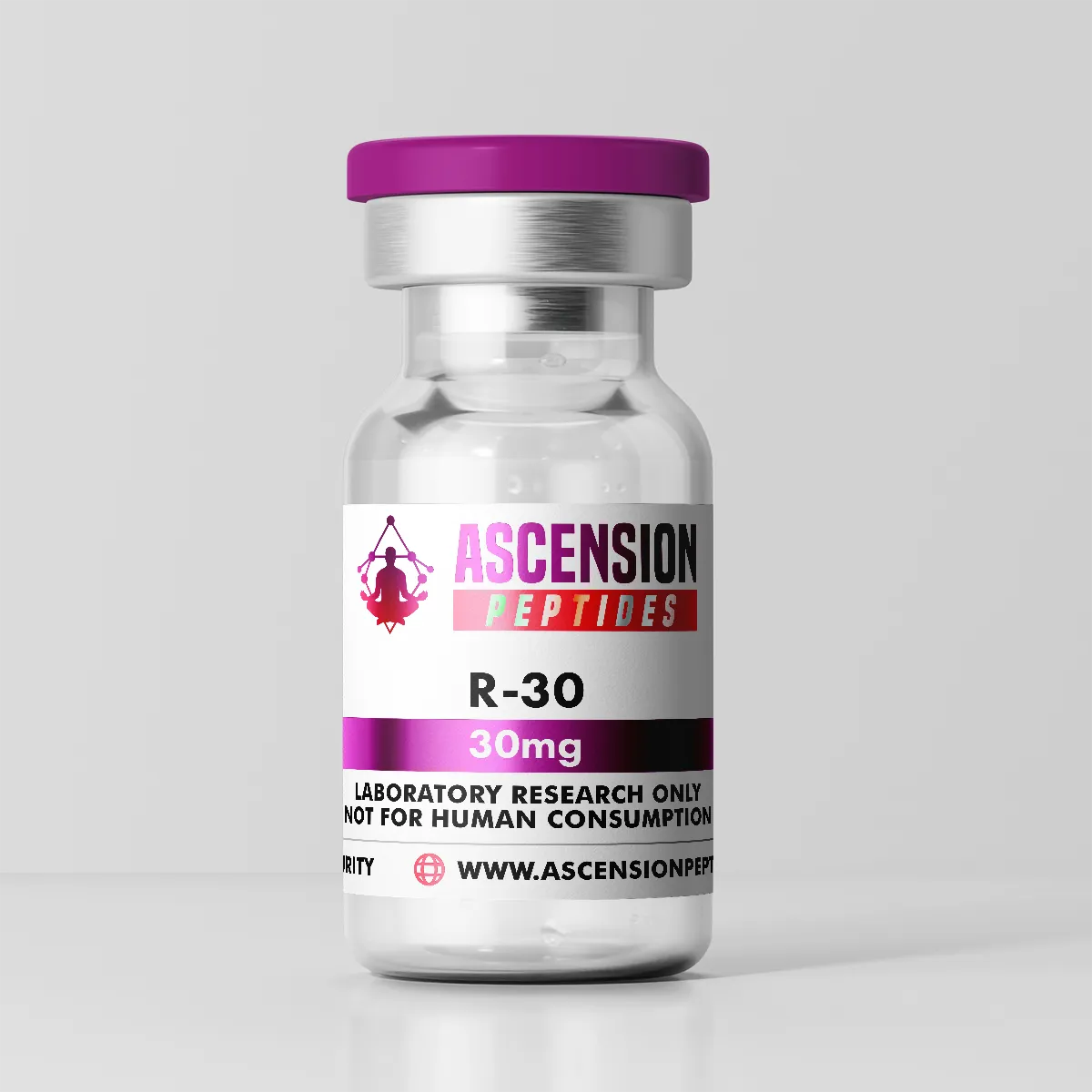
Ascension Peptides carries retatrutide as R-10 (10mg, $100 list or $50 with code PEPTIDEDECK) and R-30 (30mg, $250 list or $125 with code PEPTIDEDECK). They're consistently cited in research communities for transparent third-party testing and reliable COA documentation — exactly the kind of verification you need when precision dosing is this critical.
Monitoring Checklist for T1D Retatrutide Research
Related Resources
If you're researching retatrutide in a T1D context, these guides will give you the supporting information you need:
- Retatrutide Dosage Chart — complete dosing protocols for all use cases
- Retatrutide Side Effects Guide — what to expect and how to manage it
- Retatrutide Reviews — real user experiences and outcomes
- GLP-1 Side Effects Overview — understanding the class-wide effects