Retatrutide Reviews: Real User Results, Side Effects & Before/After (2026)
Published March 15, 2026Updated August 13, 2026
Quick Brief
Real user reviews of retatrutide — weight loss timelines, before/after results, side effects, and how it compares to Ozempic and tirzepatide. What the community is actually experiencing.
Retatrutide Reviews: Real User Results, Side Effects & Before/After (2026)
Community-reported results. Individual results vary. Not from clinical trials.
🔑 What Real Users Report
Average weight loss in community reports: 15–25 lbs in the first 8 weeks at low doses
Most users hit a strong appetite suppression effect within 3–5 days of first injection
Nausea is the most common complaint — significantly reduced when titrating slowly
GLP-1 fatigue ("retatrutide tiredness") is real but typically fades after 2–3 weeks
Results at 24 weeks in trials: up to 24.2% body weight loss — the highest recorded for any weight loss drug
Users who stacked with MOTS-c report better energy and muscle preservation during the cut
Retatrutide has been circulating in research communities since 2023, when the Phase 2 NEJM trial dropped numbers that nobody had seen before — 24% body weight loss at 48 weeks, nearly double what semaglutide (Ozempic) achieves. Since then, a large community of self-experimenters has been running it and reporting results online.
This article compiles what actual users are experiencing: timelines, weight loss numbers, side effect management, and the honest comparison to semaglutide and tirzepatide. Not just trial data — real-world use.
The Clinical Baseline: What Trials Actually Showed
Community-reported results. Individual results vary based on dose, diet, and protocol.
24.2%Avg body weight loss at 48 weeks (12mg group)
~2%Placebo loss at same timepoint
48 wksPhase 2 trial duration
3× agonistGIP + GLP-1 + glucagon receptors
The Phase 2 trial (published NEJM, 2023) enrolled 338 adults with obesity. At the 12mg/week dose, participants lost an average of 24.2% of body weight at 48 weeks. For context:
Semaglutide (Ozempic 2.4mg) averages ~15% at 68 weeks in STEP trials
Tirzepatide (Mounjaro/Zepbound) averages ~20–22% at 72 weeks in SURMOUNT trials
Retatrutide hit 24.2% in fewer weeks — at its Phase 2 dose (not even fully optimized yet)
The glucagon receptor agonism is what separates it. GLP-1 drugs suppress appetite. Tirzepatide adds GIP for better insulin sensitivity. Retatrutide adds glucagon on top, which directly accelerates fat burning and energy expenditure — independent of eating less. That's the mechanism behind the faster, more complete fat loss.
Real User Reviews: What People Are Reporting
ℹ️ Note: The following represents aggregated community reports from research forums and Reddit threads. This is not medical data — individual results vary based on diet, starting weight, dose, and protocol.
Week-by-Week Timeline (Composite from Community Reports)
Week
Typical Experience
Avg Weight Change
1–2
Strong appetite suppression hits by day 3–5. Nausea most common in this window. Some report fatigue.
−3 to −6 lbs
3–4
Nausea usually subsides. Energy improves. Food noise drops dramatically — "I forgot to eat" is the #1 comment.
−7 to −12 lbs cumulative
5–8
Steady loss continues. Most users report losing 1.5–2.5 lbs/week without tracking calories.
−15 to −25 lbs cumulative
9–16
Rate slows slightly as body adapts. Muscle preservation becomes a concern — users stack MOTS-c or protein-focused. Still consistent loss.
−25 to −40 lbs cumulative
17–24
Those who continue see additional loss. Plateau-busters: dose increase, short diet breaks, exercise add-in.
−40 to −55 lbs cumulative at high end
What Users Love
🧠
"Food Noise Goes Quiet"
The most consistently reported effect — and the one users find most surprising. The constant mental chatter about food, cravings, and snacking essentially stops. Users describe it as "the fridge doesn't call me anymore."
📉
Speed of Results
Faster than semaglutide at equivalent timepoints. Users who switched from Ozempic to retatrutide commonly report breaking through plateaus within 2–3 weeks of switching.
🩸
Metabolic Markers Improve
Community members tracking bloodwork report significant drops in fasting glucose, triglycerides, and LDL alongside weight loss — consistent with the trial data on cardiometabolic effects.
💪
Better Muscle Retention Than Expected
Some users expected GLP-1-style muscle loss — instead they report retaining muscle better than on semaglutide alone, possibly due to glucagon's metabolic effects. Stacking with MOTS-c amplifies this.
Common Complaints & Side Effects
Side Effect
Frequency
What Users Do
Nausea
Very common (especially weeks 1–3)
Start at 0.5–1mg, titrate slowly over 4+ weeks. Take injection at night. Ginger, small meals.
Fatigue / tiredness
Common in weeks 1–4
Usually resolves. Stay hydrated. Don't cut calories too aggressively early.
Muscle cramps
Moderate
Electrolytes — potassium and magnesium specifically. Common during rapid weight loss.
Hair thinning (telogen effluvium)
Moderate (3–4 months in)
Ensure adequate protein (1g+/lb lean mass). Often temporary as body adjusts.
Heart rate increase
Common, mild
Glucagon effect — raises resting HR 5–15bpm. Usually not symptomatic. Monitor if cardiac history.
Injection site reactions
Occasional
Rotate sites. Let vial reach room temp before injecting.
Constipation
Common (GI motility slowing)
Fiber, magnesium glycinate, hydration. More common than diarrhea unlike semaglutide.
⚠️ Heart Rate: Retatrutide raises resting heart rate more than semaglutide or tirzepatide — averaging 5–12 bpm in trials. Most users find this tolerable, but it's real and worth monitoring. If you have existing cardiac conditions, discuss with a doctor before use.
Retatrutide vs Semaglutide — What Switchers Report
A common pattern: someone plateaus on Ozempic after 3–4 months and switches to retatrutide. The reports are consistent:
Plateau broken within 2–3 weeks of switching in most reports
Appetite suppression noticeably stronger — users describe semaglutide as "training wheels" in comparison
More energy on retatrutide than semaglutide (glucagon's metabolic effect)
More nausea initially — the triple mechanism hits harder out of the gate
Faster weight loss — most switchers report 1.5–3× their semaglutide rate in the first 4–6 weeks
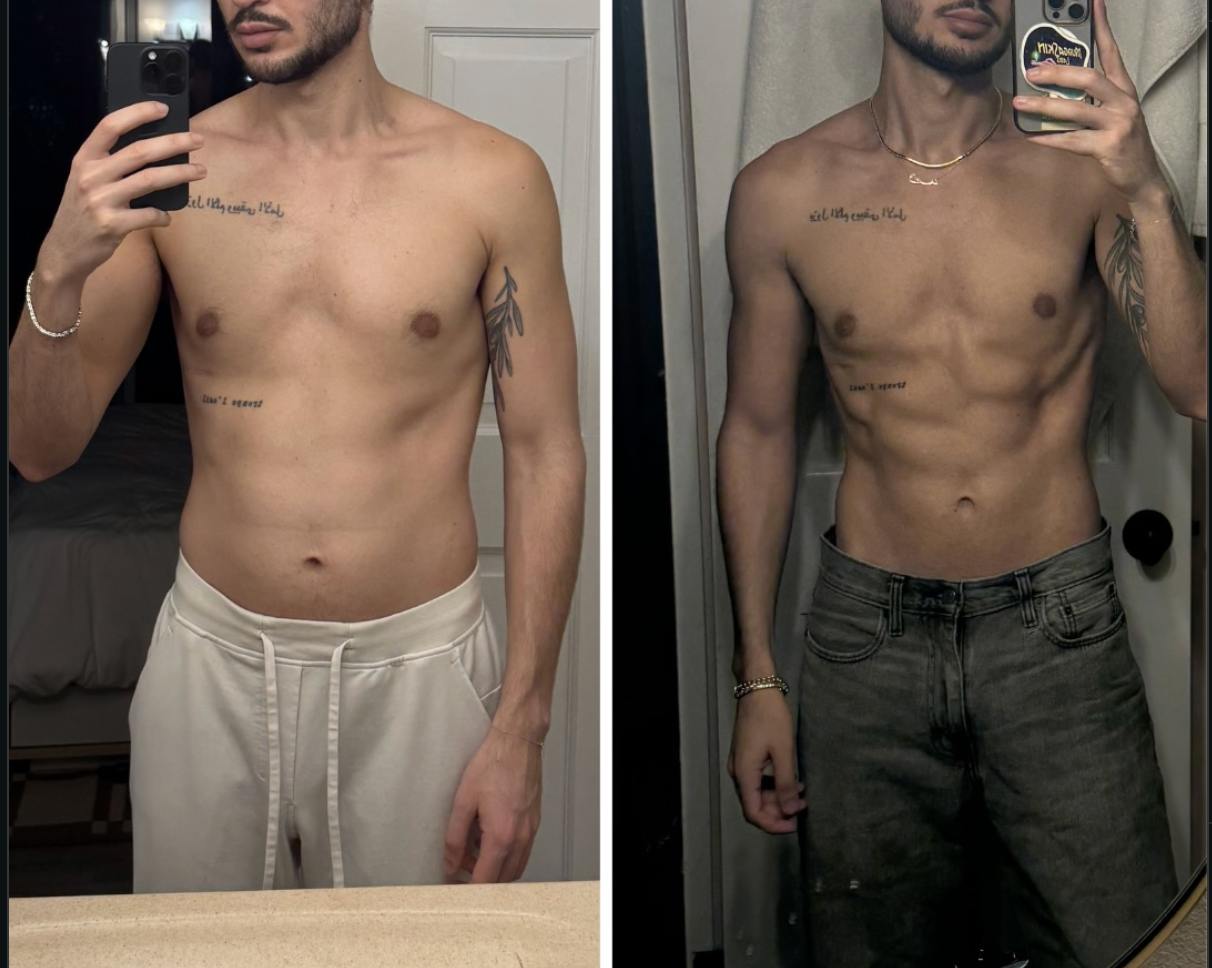
Profile 1 — 8 weeks, 2mg/week: 38M, 245 lbs start → 221 lbs end. No calorie counting, same exercise. Nausea in week 1 only.
Profile 2 — 16 weeks, titrated to 4mg: 44F, 198 lbs → 163 lbs. Stacked MOTS-c from week 8. Reports strong energy and no muscle loss on DEXA.
Profile 3 — 24 weeks, 6mg plateau: 52M, 310 lbs → 238 lbs (72 lbs). Had plateaued on tirzepatide before switching. Called it "the upgrade."
Profile 4 — 12 weeks, 3mg: 31F, 165 lbs → 149 lbs. Primary goal was body recomposition. Reports pants down 2 sizes despite only 16 lbs scale change — significant body composition shift.
Dosage Protocol That Users Are Running
Week
Dose
Notes
1–2
0.5–1mg weekly
Gauge tolerance. Expect nausea.
3–4
1–2mg weekly
Increase if tolerating well.
5–8
2–3mg weekly
Most users find sweet spot here.
9–16
3–5mg weekly
Maintenance dose for ongoing fat loss.
16+
4–6mg weekly (some up to 8mg)
Higher doses reserved for those tolerating well with plateaus.
ℹ️ Titration is everything. The difference between a miserable first month and a smooth one is almost entirely titration speed. Most negative reviews come from people who jumped to 2–3mg in week 1. Starting at 0.5–1mg and going up slowly eliminates most of the nausea complaints.
Retatrutide + MOTS-c: The most popular combo in the community. MOTS-c improves mitochondrial function and muscle insulin sensitivity — helps preserve muscle mass and energy during aggressive fat loss.
Retatrutide + BPC-157: Some users add BPC-157 for gut comfort, especially to reduce the GI side effects in the early weeks.
Retatrutide + GHK-Cu: Used by anti-aging-focused users. GHK-Cu addresses the skin laxity that can come with rapid weight loss.
Where to Get Retatrutide for Research
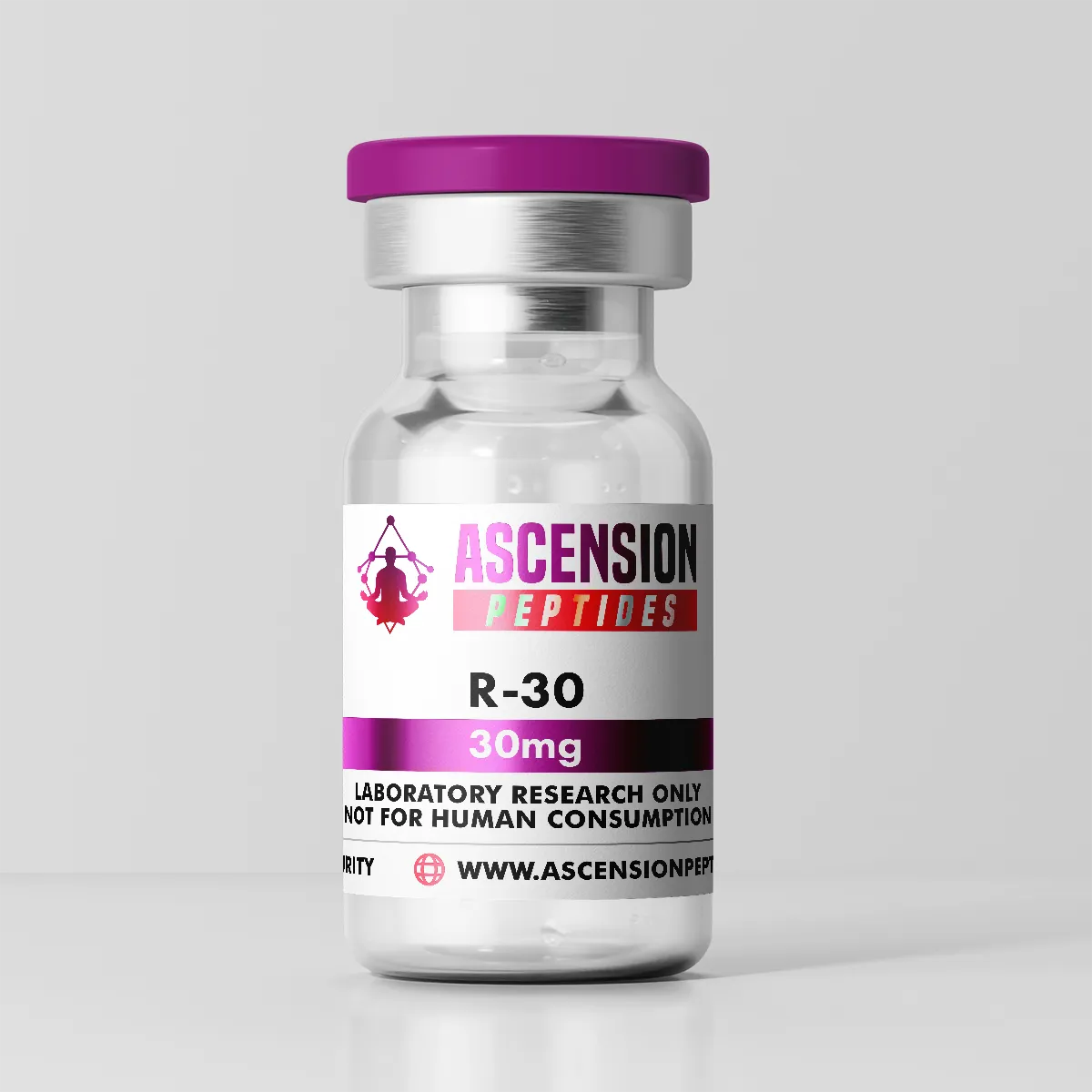
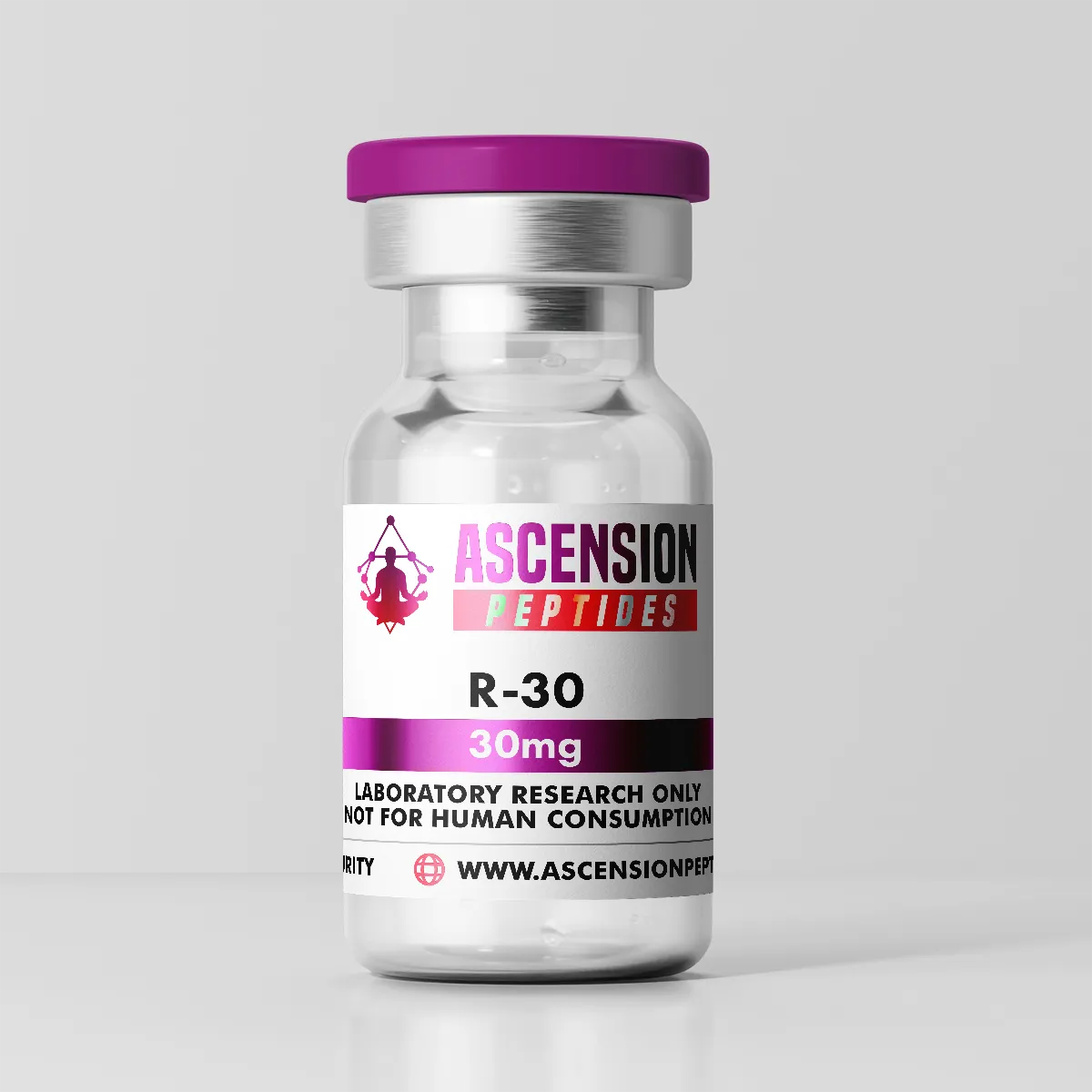
Retatrutide is currently in Phase 3 trials and not yet FDA approved. It's available as a research peptide from domestic US suppliers. Ascension Peptides carries it as R-30 (30mg vial) — independently third-party tested with batch COAs, US domestic shipping. It's what most of the community uses as a trusted source.
Most users feel appetite suppression within 3–5 days of the first injection. Measurable weight loss (beyond water) typically starts in week 2. By week 4–6, most people are losing 1.5–2.5 lbs/week without strictly tracking calories.
Is retatrutide better than Ozempic?
By the numbers, yes — significantly. Retatrutide's Phase 2 data showed ~24% weight loss vs semaglutide's ~15%. Community reports from switchers consistently support faster and greater loss on retatrutide. The tradeoff is a slightly more aggressive initial side effect profile. For people who've plateaued on semaglutide, it's the most commonly cited "upgrade."
What's the biggest complaint about retatrutide?
Nausea in the first 1–3 weeks, hands down. Almost universally reported at some level. The good news: it's dose-dependent and temporary. Starting low (0.5–1mg) and titrating over 4+ weeks dramatically reduces this. Users who jump straight to 2–3mg are the ones writing the bad reviews.
Do you regain weight when you stop retatrutide?
Yes — like all GLP-1 class drugs, stopping retatrutide leads to appetite returning and weight regain for most people. Community reports show slower regain than with semaglutide, possibly due to the metabolic reset from glucagon agonism. The long-term strategy most users adopt: taper to a low maintenance dose rather than fully stopping.
Is retatrutide safe?
Phase 2 trial data showed a favorable safety profile at doses up to 12mg/week. Heart rate elevation is the most notable effect to monitor. Long-term data beyond 48 weeks is limited since it's still in trials. Most community users self-report tolerance comparable to tirzepatide once past the initial titration period.
What dose of retatrutide do most users settle on?
2–4mg/week is the most commonly reported "sweet spot" in community reports — strong enough for consistent results, manageable side effects. Some push to 6–8mg for faster loss, but the nausea risk increases meaningfully above 4mg for most people.
Medical Disclaimer: This content is for informational purposes only and does not constitute medical advice. Retatrutide is not yet FDA-approved and is available . Always consult a qualified healthcare provider before starting any new compound. PeptideDeck may earn a commission from affiliate links at no additional cost to you.
Recommended Supplier
In StockShips from USA
Retatrutide - R-30
R-30 from Ascension Peptides, third-party tested and shipped from the US. Use code PEPTIDEDECK for 50% off.