Peptides went from obscure biology vocabulary to a $50 billion drug class in about five years. Most of that came from Ozempic. The bigger picture is that peptides now treat or are tested for nearly every chronic condition that matters: obesity, diabetes, fatty liver, joint injury, anxiety, age-related cognitive decline, and skin aging. This page is the honest beginner reference: what they are, the categories that matter, what works, what is hype, and what the legal status actually is in 2026.
🔑 Key Takeaways
- Peptides are short chains of amino acids (2 to 50) that work as signaling molecules. Hormones like insulin, oxytocin, and GLP-1 are peptides. So are most of the new weight loss drugs.
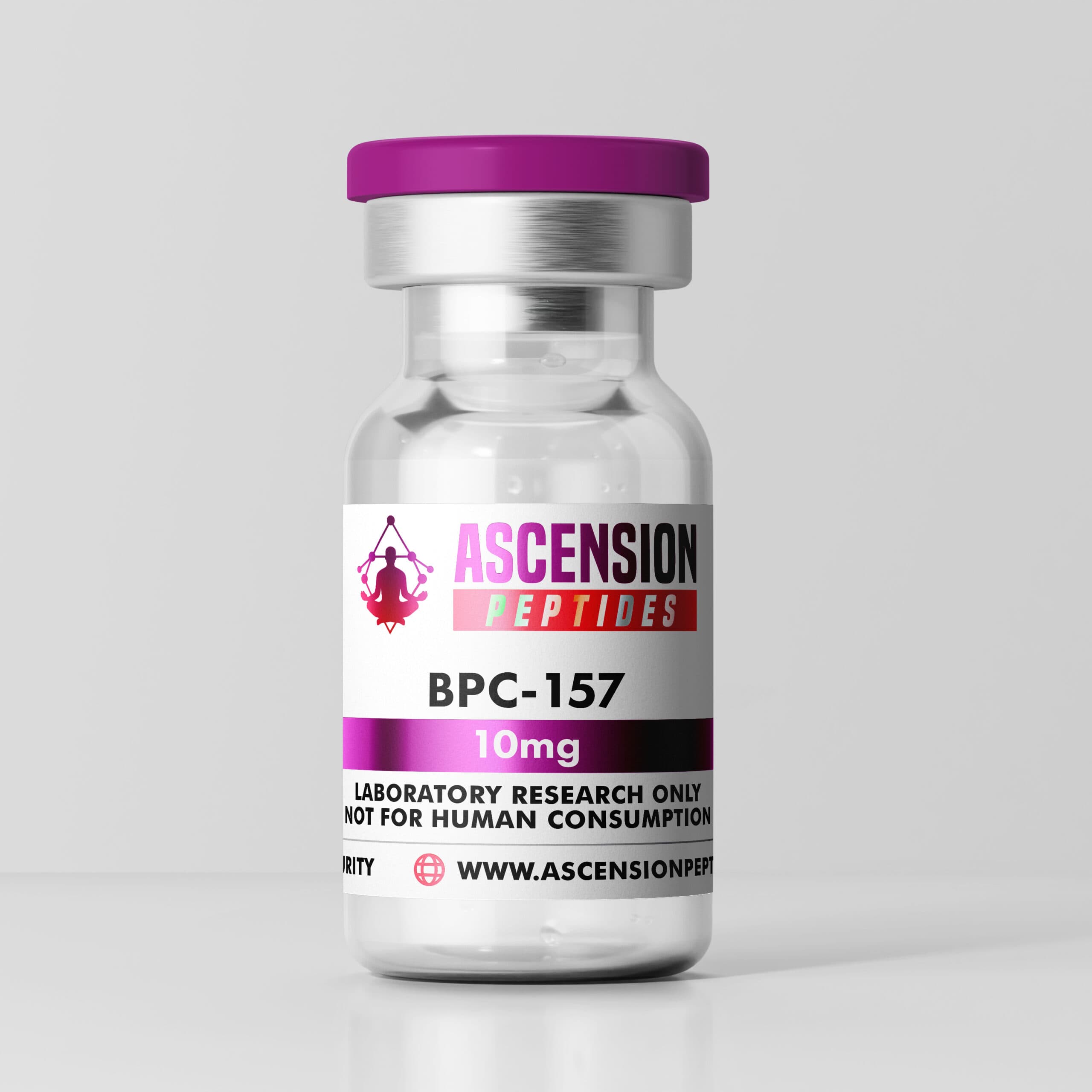
- The same molecule can be a "drug", a "supplement", or a "research compound" depending on regulatory status. Semaglutide as Ozempic is a drug. Compounded semaglutide is in a gray zone. Sermorelin from a compounding pharmacy is legal with prescription. BPC-157 sold online is technically unapproved.
- Peptides do not work by being absorbed and used as protein. They work by binding receptors and triggering cellular signaling, which is why dose is measured in micrograms and milligrams, not grams.
- The most evidence-backed categories are weight loss (GLP-1 family), healing (BPC-157, TB-500), growth hormone support (sermorelin, ipamorelin, CJC-1295), and skincare (GHK-Cu, argireline, matrixyl). The rest range from promising to speculative.
- Side effects depend on the peptide. GLP-1 medications cause GI symptoms in 30 to 50% of users in titration. Healing peptides have minimal acute effects. Mole-darkening peptides like melanotan-2 raise melanoma surveillance concerns. There is no universal "peptide side effect profile".
- "Are peptides legal?" depends on whether you mean FDA-approved drugs, compounded peptides with prescription, or unapproved peptides sold by online vendors. The first is yes, the second is yes with caveats, the third operates in a gray legal zone.
- Most peptides are administered by subcutaneous injection. Oral bioavailability is poor for almost all of them, which is why so few peptide pills exist. Nasal spray works for some.
- Start with one peptide that has both a clear use case for you and a long safety record. BPC-157 for joint or gut healing, sermorelin for sleep and recovery, semaglutide for weight loss with a clinician.
Your first 30 days with peptides: a realistic plan
The single biggest mistake beginners make is starting three peptides at once with no baseline. Here is what a careful first 30 days actually looks like.
- Days 1 to 7. Baseline labs and one compound only. Get a metabolic panel, A1c, and lipids before you inject anything. Then start one peptide at the lowest published research dose.
- Days 8 to 14. Watch for side effects. Track sleep, appetite, joint pain, injection site response, and any GI changes. If something is off, you know it is the compound, not the stack.
- Days 15 to 21. Adjust dose if needed. Most beginner-friendly peptides can step up to a standard dose by week three. Do not change frequency or compound at the same time.
- Days 22 to 30. Evaluate and decide. If you are seeing the expected effect with no warning signs, continue. If you are not, do not add a second peptide to compensate. Stop, troubleshoot, and re-test.
Beginner sourcing rules: what to require from your first vendor
Most failed first peptide cycles come down to vendor choice, not biology. Use this checklist before you place an order.
- Batch-matched COA on every vial. The lot number on your vial appears on the PDF.
- HPLC purity at or above 98%. With a chromatogram you can see, not just a printed number.
- Mass spectrometry identity confirmation. Tells you it is the right molecule, not just a clean one.
- Endotoxin / LAL result. Non-negotiable for any injectable peptide.
- US-based synthesis or EU lab. Shorter supply chain, less degradation, more accountability.
- Real customer support. Email + phone + transparent refund policy.
For the practical mechanics of reconstitution, units, and dose math, see our peptide reconstitution guide. For category-specific protocols, start with peptides for weight loss (the GLP-1 family) or peptides for muscle growth. Safety reading: dangers of peptides and peptide side effects guide. Sourcing reference: best legit peptide vendors 2026.
The rest of this page is the practical map for understanding peptides as a category in 2026: how they work, what each major class actually does, the safety picture, the legal status, and how to start without making the obvious mistakes.
What Are Peptides?
A peptide is a short chain of amino acids.
"Short" usually means 2 to 50 amino acids linked by peptide bonds. Above 50, you are talking about a protein. Below 2, you are talking about an amino acid. The boundaries are not strict, but the rule of thumb works for almost every peptide you will hear about.
Insulin is a peptide (51 amino acids, technically borderline). Oxytocin is a peptide (9 amino acids). Glucagon, GLP-1, and ACTH are peptides. So are sermorelin, ipamorelin, BPC-157, CJC-1295, GHK-Cu, melanotan-2, and PT-141. Semaglutide and tirzepatide are peptides too, with some chemical modifications to make them last longer in the body.
Peptide vs Protein vs Amino Acid: The Quick Reference
- Amino acid: The single building block. About 20 are used in human proteins.
- Peptide: 2 to 50 amino acids. Acts as a signaling molecule, hormone, or drug.
- Protein: 50+ amino acids, often folded into complex 3D shapes. Acts as enzymes, structural components, antibodies, etc.
Where peptides come from
Three sources matter:
- Endogenous peptides. Your body produces hundreds. Insulin from the pancreas, oxytocin from the hypothalamus, GLP-1 from gut L-cells, growth hormone-releasing hormone from the pituitary, and so on.
- Synthetic peptides. Made in a lab through solid-phase peptide synthesis. Most "peptides" sold or prescribed are synthetic. Examples: BPC-157, sermorelin, semaglutide.
- Food-derived peptides. Released during digestion of protein-rich foods. Bioactive food peptides from milk, eggs, and fish have measurable but small effects on blood pressure, satiety, and recovery.
How Peptides Work
They bind receptors. They do not become protein.
This is the most-misunderstood part. People assume that injecting a peptide gives the body "extra protein". It does not. The doses are far too small. A typical BPC-157 dose is 250 to 500 micrograms. A typical sermorelin dose is 200 to 500 micrograms. Compare this to the 50 to 100 grams of protein you eat every day. Peptide doses are five to six orders of magnitude smaller than your protein intake.
What peptides do is bind specific receptors on cell surfaces (or in some cases, inside cells), which triggers a downstream signaling cascade. The peptide acts as a key. The receptor is the lock. The cellular response is what changes when the lock turns.
Why peptides have to be injected (mostly)
Stomach acid and digestive enzymes break peptide bonds. Most peptides taken orally never reach the bloodstream intact. Oral semaglutide (Rybelsus) gets around this with a special absorption enhancer, but bioavailability is still only about 1%. Oral BPC-157 has limited but real absorption due to its stability in stomach acid. The vast majority of peptides, including all the popular ones (sermorelin, ipamorelin, CJC-1295, BPC-157, TB-500, GHK-Cu, melanotan, PT-141, MOTS-c) are given by subcutaneous injection because that is the only route that delivers a reliable dose.
Types of Peptides (The 8 Categories That Matter)
The full list is hundreds long. The categories you actually need to understand are eight.
1. Weight Loss / Metabolic Peptides (GLP-1 Family)
The biggest category by drug-market size. Includes semaglutide (Ozempic, Wegovy, Rybelsus), tirzepatide (Mounjaro, Zepbound), liraglutide (Victoza, Saxenda), retatrutide (Phase 3), survodutide, and amycretin. They work by mimicking the gut hormone GLP-1 (and in some cases GIP and glucagon), which suppresses appetite, slows gastric emptying, and improves insulin sensitivity. Average weight loss ranges from 10% (semaglutide at 2.4 mg) to 24% (retatrutide at 12 mg) over 60+ weeks. See our GLP-1 weight loss guide for the full landscape.
2. Healing and Recovery Peptides
BPC-157 (15 amino acids, derived from a stomach protein), TB-500 (Thymosin Beta-4 fragment), KPV (a tripeptide), and copper-bound GHK-Cu form the core. These are used for joint injuries, tendon healing, gut inflammation, and wound recovery. BPC-157 has the most user data and the best safety record of the group. See our BPC-157 benefits page.
3. Growth Hormone Support Peptides
These do not give you growth hormone. They prompt your pituitary to release more of your own GH, which is why they have a better safety profile than synthetic HGH (somatropin). The four that matter: sermorelin (GHRH analog), ipamorelin (selective ghrelin agonist), CJC-1295 (long-acting GHRH), tesamorelin (GHRH analog with visceral fat data). Often stacked. See our GH peptides ranked.
4. Anti-Aging / Longevity Peptides
The category with the largest gap between hype and evidence. Epitalon (claimed telomerase activator), MOTS-c (mitochondrial peptide), Humanin (mitochondrial), FOXO4-DRI (senolytic), the Khavinson bioregulator family (Cartalax, Vesugen, Cardiogen, Pinealon, Thymagen). Real biology, but most of the strong claims rest on Russian observational data, in vitro work, or animal studies rather than randomized human trials.
5. Cognitive and Mood Peptides
Selank (anxiolytic), Semax (focus and BDNF support), PE-22-28 (TREK-1 inhibitor with antidepressant effects), Dihexa (synaptogenic), Cerebrolysin (mixed neuropeptide), N-Acetyl Selank, Pinealon. Russian-origin peptides dominate this category. See our nootropic peptides guide.
6. Sexual Health Peptides
PT-141 (bremelanotide, FDA-approved for female sexual interest disorder, used off-label by men), kisspeptin (testosterone and fertility), oxytocin (intimacy and bonding), gonadorelin (post-cycle therapy and fertility), melanotan-2 (libido as side effect of tanning peptide). See our peptides for libido guide.
7. Immune and Antimicrobial Peptides
Thymosin Alpha-1 (T-cell modulation, immune support, cancer adjunct in some countries), LL-37 (cathelicidin, broad antimicrobial), KPV (anti-inflammatory tripeptide). See our antimicrobial peptides guide.
8. Sleep and Stress Peptides
DSIP (Delta Sleep-Inducing Peptide), oxytocin (paradoxically helps sleep through stress reduction), Selank (anxiolytic with sleep improvement). The smallest and least-developed category by volume of use, but DSIP has decades of Russian clinical use.
Skincare Peptides (Topical Category)
The cosmetic peptide market sits adjacent to the systemic peptide world.
Three peptides dominate skincare: GHK-Cu (copper tripeptide for collagen and hair), argireline (acetyl hexapeptide-8, for fine lines), matrixyl (palmitoyl pentapeptide, for collagen synthesis). These work topically by penetrating the upper skin layers and signaling fibroblasts. The effect size is real but smaller than what topical retinoids and prescription dermatology drugs deliver. Skincare peptides shine as a "stack" with retinoids, sunscreen, and other actives, not as a standalone hero.
Are Peptides Safe?
Per peptide, not as a category.
"Are peptides safe" is roughly as useful a question as "are pills safe". The answer depends on which peptide. Some have decades of human safety data and FDA approval. Others have only animal data and forum reports.
Side effects you should expect to plan for
- GLP-1 medications: Nausea, diarrhea, constipation in 30 to 50% during titration. See our GLP-1 long-term risks page.
- Healing peptides (BPC-157, TB-500): Minimal acute side effects. Long-term human data is limited.
- GH peptides: Water retention, joint stiffness, occasional injection-site reactions. Tingling in hands at higher doses.
- Melanotan-2: Nausea, facial flushing, mole darkening (real concern), cardiovascular effects.
- Selank/Semax: Mild and infrequent. Most users tolerate well.
- Oxytocin: Mood swings in some users at high doses.
Are Peptides Legal in 2026?
Three different answers depending on which peptide.
FDA-approved peptides (fully legal)
Insulin, semaglutide, tirzepatide, liraglutide, dulaglutide, exenatide, sermorelin (FDA-approved formulation), tesamorelin, oxytocin, PT-141 (Vyleesi for women), and a long list of others. These are prescription drugs sold through normal pharmacy channels.
Compounded peptides (legal with prescription)
Compounded versions of approved peptides (compounded semaglutide, compounded tirzepatide, compounded sermorelin) require a prescription and a 503A or 503B compounding pharmacy. The FDA tightened enforcement on mass-marketed compounded GLP-1s in 2025 to 2026. Some peptides commonly compounded by traditional medicine practices (BPC-157, ipamorelin, CJC-1295) are increasingly questioned.
Unapproved peptides sold by online vendors (gray zone)
This is where most "research peptides" sit. BPC-157, TB-500, melanotan-2, MOTS-c, GHK-Cu (injectable), MK-677, and many others are sold by online peptide vendors as unapproved compounds. They are not technically illegal to possess, but they are not approved for human use, and selling them with explicit human-use claims is illegal. Quality varies wildly. See our peptide vendor guide.
Banned in sport (separate question)
WADA prohibits dozens of peptides for athletes including GH-releasing peptides (GHRPs), IGF-1, BPC-157 (added 2026), TB-500, SARMs, and SLU-PP-332. Tested athletes should check the WADA prohibited list before using any peptide.
How to Start with Peptides
The mistake most people make is starting with three peptides at once.
The single-peptide protocol
Start with one peptide that addresses your single biggest issue. Run it long enough to know if it works for you (4 to 12 weeks depending on the peptide). Pay attention to side effects, sleep, mood, and any objective markers (joint pain, body weight, energy). Only then consider stacking.
The pre-start checklist
- Get baseline labs. CBC, CMP, lipids, HbA1c, fasting insulin, total testosterone (men), TSH. See our GLP-1 labs guide which covers most of the relevant tests.
- Identify the single biggest issue you want to address.
- Pick one peptide for that issue.
- Verify the source. HPLC purity 98%+, third-party COA, batch-specific certification.
- Learn how to reconstitute. See our reconstitution guide and the peptide calculator.
- Start at the lowest reasonable dose. Titrate up if tolerated.
- Re-test labs at 8 to 12 weeks.
- Cycle if appropriate (8 to 12 weeks on, 4 to 6 weeks off, depending on the peptide).
Where to Buy Peptides
Three channels. Each has its trade-offs.
For sourcing standards (purity reports, third-party testing, vendor red flags), see our peptide vendor guide and how to read a peptide COA.
Peptides vs Supplements vs Hormones
The categories blend at the edges but the rules differ.
The doses tell you a lot. Anything that works at micrograms is doing receptor signaling, not biochemistry. Anything that works at grams is mostly nutrition.
Frequently Asked Questions
Medical disclaimer. This article is informational only and does not replace individualized medical advice. Peptides as a category include FDA-approved prescription drugs, compounded medications, and unapproved compounds sold online. Decisions about which peptides to use, doses, and routes should be made with a qualified clinician, and any prescription or compounded peptide should be obtained through a verified pharmacy.