BPC-157: Complete Research Guide — Benefits, Dosage, Reviews & TB-500 (2026)
Everything you need to know about BPC-157: what it is, how it works, optimal dosages, injection protocols, TB-500 stacking, reviews, and where to buy.
This content is for informational and educational purposes only. Peptides discussed on this page are research compounds not approved by the FDA for human use. Always consult a licensed medical professional before using any peptide or supplement.
BPC-157: Complete Research Guide — Benefits, Dosage, Reviews & TB-500 (2026)
If you've spent any time in recovery-focused fitness communities or dug into peptide research, you've almost certainly come across BPC-157. It's one of the most researched and widely discussed healing peptides in the world — praised for its ability to accelerate tissue repair, soothe gut inflammation, support tendon and ligament recovery, and potentially protect the nervous system.
This guide covers everything: what BPC-157 is, how it works at the molecular level, the full dosage protocol for injection and oral use, how to stack it with TB-500, what users report, side effects, and how to find a legitimate source. If you've ever asked "what is BPC-157?" or "what is BPC-157 used for?" — you're in the right place.
What Is BPC-157?
BPC-157 stands for Body Protection Compound 157. Its full scientific name is pentadecapeptide BPC-157, and it's also referred to as a gastric pentadecapeptide because it was originally isolated from a protein found in human gastric juice (stomach secretions).
Despite its natural origin story, the BPC-157 used in research is 100% synthetic — lab-manufactured to match a specific 15-amino-acid sequence: Gly-Glu-Pro-Pro-Pro-Gly-Lys-Pro-Ala-Asp-Asp-Ala-Gly-Leu-Val. This sequence does not exist freely in nature in isolated form; it had to be identified, extracted conceptually, and then synthesized.
BPC-157 was first described in the scientific literature in the 1990s by Dr. Predrag Sikiric and his research team at the University of Zagreb in Croatia. Their decades of animal research have generated over 80 published studies, making BPC-157 one of the more extensively studied healing peptides in the research world — though it has not yet completed human clinical trials.
What Is BPC-157 Made Of?
BPC-157 is made of 15 amino acids in a specific sequence derived from the BPC protein naturally present in human gastric juice. In research labs, it's synthesized via solid-phase peptide synthesis (SPPS) — the same method used to make most research peptides. High-quality BPC-157 should have a purity of ≥98% as confirmed by third-party HPLC and mass spectrometry testing.
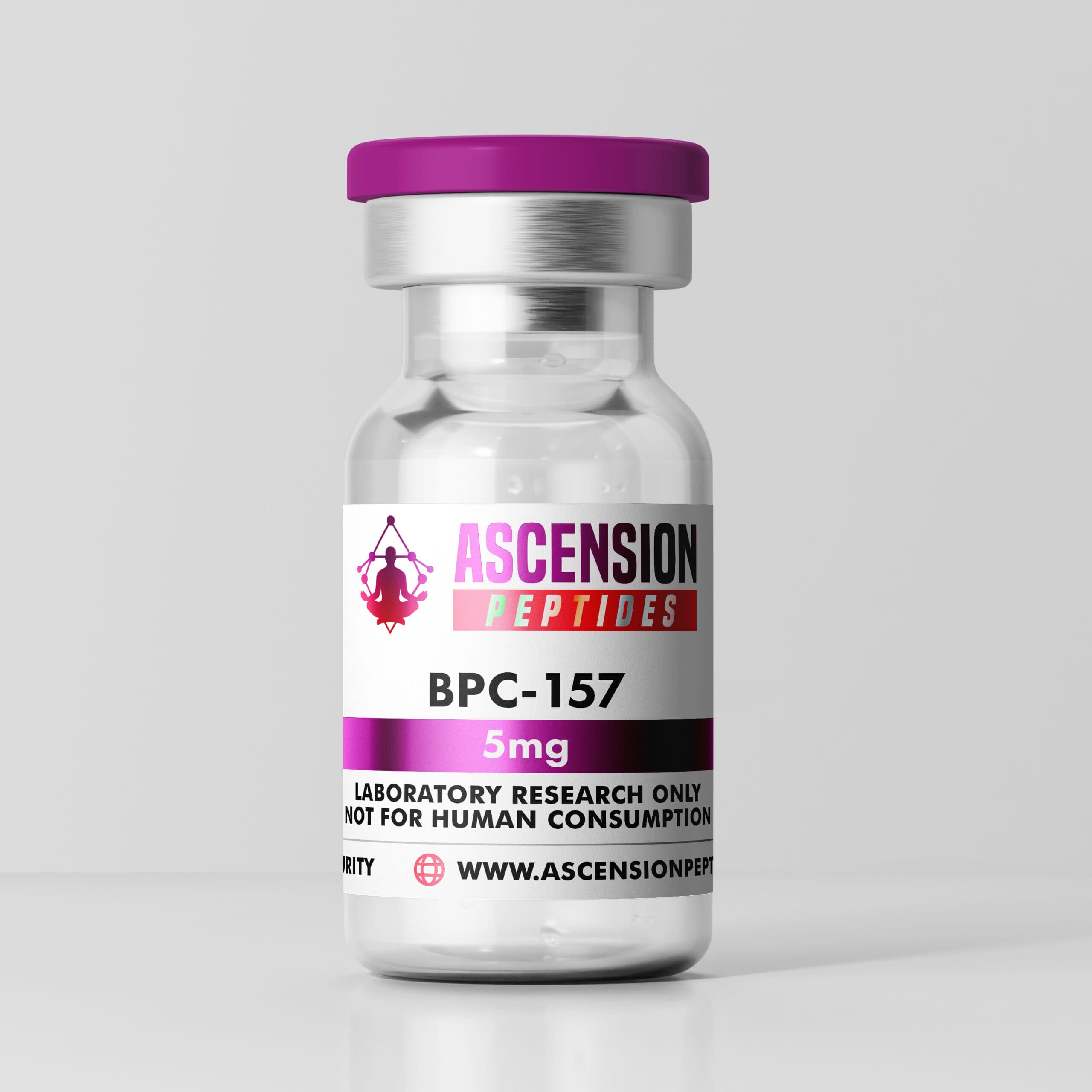
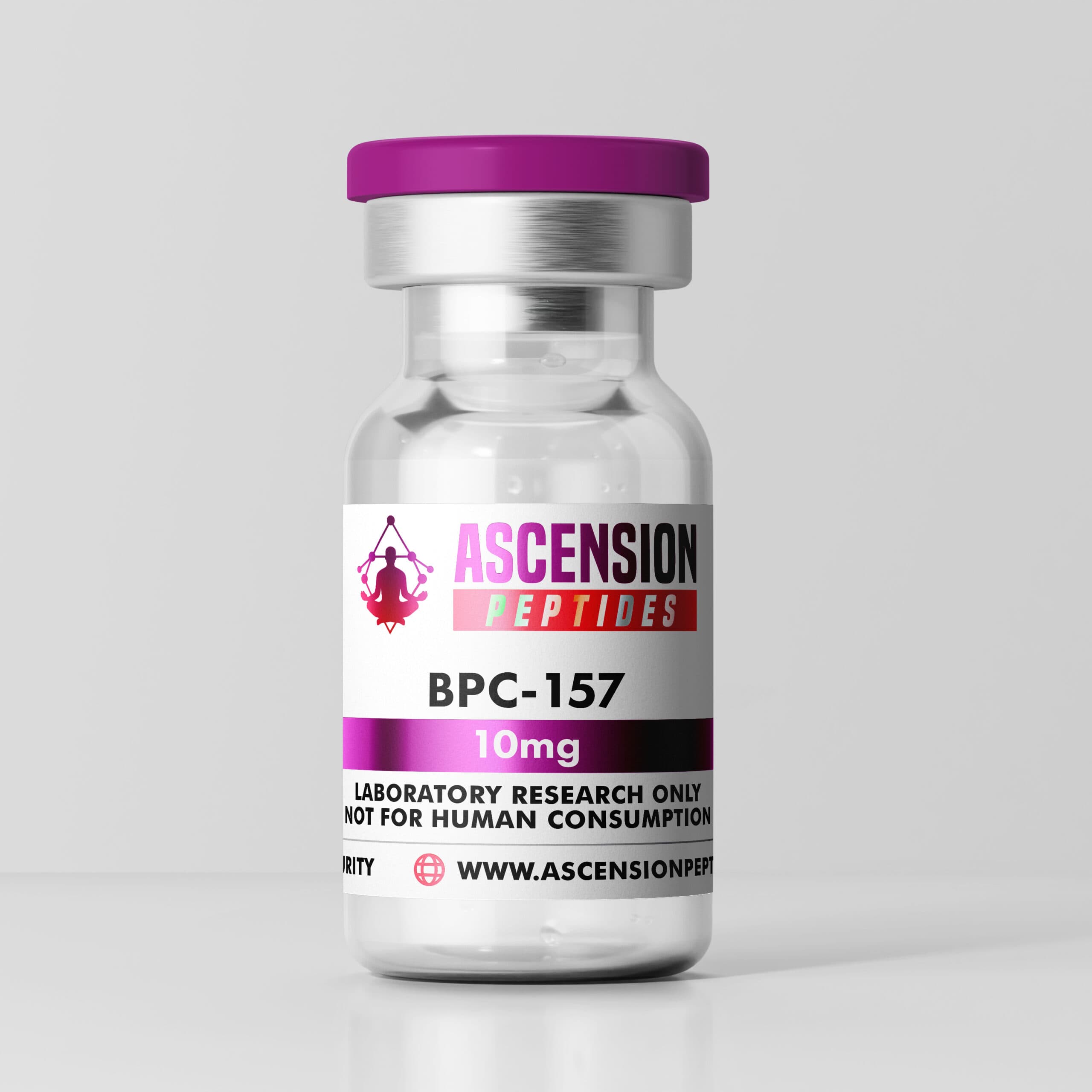
It's typically sold as a lyophilized (freeze-dried) white powder in vials of 5 mg or 10 mg, which must be reconstituted with bacteriostatic water before use. See our peptide reconstitution calculator to get your mixing ratios right.
Get 99%+ Purity Peptides — Ships Today
Third-party tested. COA included with every order. Free shipping on orders over $150.
Ascension PeptidesHow Does BPC-157 Work? Mechanisms of Action
BPC-157's broad healing effects stem from several overlapping biological mechanisms. Understanding these helps explain why it appears to benefit so many different tissue types.
1. Angiogenesis — Building New Blood Vessels
One of BPC-157's most documented mechanisms is the stimulation of angiogenesis — the formation of new blood vessels. Animal studies show BPC-157 upregulates VEGF (vascular endothelial growth factor) and promotes the formation of capillaries in damaged tissue. More blood flow means more oxygen and nutrients delivered to injury sites, dramatically accelerating healing timelines.
2. Growth Hormone Receptor Upregulation
BPC-157 has been shown in animal research to interact with the growth hormone (GH) receptor system, particularly upregulating GH receptors in tendon fibroblasts. This may explain why it has such a pronounced effect on tendon and ligament healing — tissues that are notoriously slow to repair due to poor vascularization and low GH receptor density under normal conditions.
3. Nitric Oxide (NO) Pathway Modulation
BPC-157 modulates the nitric oxide system, a key signaling pathway involved in vascular tone, inflammation regulation, and cellular protection. Research suggests it can exert both NO-dependent and NO-independent protective effects, particularly in the gut and cardiovascular system. This helps explain its protective effects against ulcers, inflammatory bowel conditions, and vascular injury.
4. Gut Mucosal Protection
Because BPC-157 is derived from gastric juice protein, it has a natural affinity for the gut. It protects the gastric and intestinal mucosa by stimulating mucus production, reducing pro-inflammatory cytokines, and accelerating ulcer healing. This systemic gut-protective effect persists whether BPC-157 is administered orally, subcutaneously, or intramuscularly.
5. Tendon Fibroblast Activation
BPC-157 directly stimulates tendon fibroblast proliferation and migration — the cells responsible for producing the collagen matrix that makes up tendons and ligaments. This is a major driver of its reputation as the go-to peptide for tendon injuries.
6. Modulation of Dopamine and Serotonin Systems
In neurological studies, BPC-157 has demonstrated effects on dopaminergic and serotonergic pathways, which may underlie reported improvements in mood, anxiety, and neuroprotection following traumatic brain injury in animal models.
Want to understand how peptides move through the body after administration? See our guide on understanding peptide pharmacokinetics.
BPC-157 Benefits — What the Research Shows
BPC-157's benefits span multiple body systems. Here's what the research — primarily animal studies — shows, along with what's widely reported anecdotally.
BPC-157 for Gut Healing
This is where BPC-157 shines most clearly in the literature. Multiple rodent studies from the Zagreb group demonstrate BPC-157 healing:
- Gastric ulcers — even those induced by NSAIDs, alcohol, or stress
- Inflammatory bowel disease (IBD) — reducing both Crohn's-like and colitis-like lesions in animal models
- Intestinal anastomosis — accelerating healing after bowel surgery in rats
- Esophageal damage — healing reflux and acid-induced injuries
The gut-healing effects appear to work via the NO pathway and direct mucosal protection. Notably, oral administration of BPC-157 is considered particularly effective for gut issues since the peptide has direct local contact with the gastrointestinal tract.
BPC-157 for Tendon and Ligament Repair
BPC-157 is perhaps best known among athletes and fitness enthusiasts for its tendon healing properties. Studies have shown:
- Accelerated healing of severed tendons in rat models (Achilles tendon studies)
- Improved collagen organization and tensile strength in repaired tendons
- Faster recovery from surgically-induced ligament damage
- Stimulation of tendon fibroblast outgrowth at concentrations as low as 1 ng/mL in vitro
Anecdotally, BPC-157 has become extremely popular among people recovering from rotator cuff injuries, Achilles tendinopathy, patellar tendinitis, and golfer's/tennis elbow. Injection near the injury site (see injection guide below) is considered the most targeted approach for tendon healing.
BPC-157 for Muscle Healing
Animal research demonstrates BPC-157 accelerates repair of crush injuries to skeletal muscle, promotes muscle fiber regeneration, and reduces post-injury fibrosis (scar tissue formation). This has made it popular in bodybuilding and powerlifting communities recovering from muscle tears and strains.
BPC-157 for Neurological Protection
Several animal studies show BPC-157 protects against brain and nerve damage:
- Reduced damage markers after traumatic brain injury in rats
- Neuroprotection against excitotoxicity (nerve-damaging overstimulation)
- Improved recovery from spinal cord damage in rodent models
- Modulation of dopamine pathways — relevant to Parkinson's and mood disorders in animal models
Systemic and Cardiovascular Benefits
Beyond localized tissue repair, BPC-157 research suggests systemic effects including:
- Protection against NSAID-induced gastrointestinal bleeding
- Cardioprotective effects in heart failure and arrhythmia animal models
- Anti-inflammatory effects across multiple tissue types
- Protection of the liver from alcohol-induced damage
- Modulation of blood pressure via the NO system
BPC-157 Dosage Guide — Full Protocol by Administration Route
Dosing BPC-157 correctly matters. The right dose depends on your administration method, your body weight, and your research goal. Here's the complete breakdown.
BPC-157 Injection Dosage (Subcutaneous or Intramuscular)
Injectable BPC-157 offers the highest bioavailability and is the most commonly used form in serious research protocols.
- Standard dose: 250–500 mcg per day
- Common split: 250 mcg twice daily (AM + PM) = 500 mcg/day total
- Higher protocols: Some researchers use up to 750 mcg/day for severe injuries
- Cycle length: 4–12 weeks depending on injury severity
- Frequency: Daily injections are standard; some protocols use 5 days on / 2 days off
BPC-157 Oral Dosage (Capsules or Oral Solution)
Oral BPC-157 is increasingly popular because it's needle-free and particularly effective for gastrointestinal healing. Bioavailability via oral route is lower than injection, so doses are higher.
- Standard oral dose: 500–1,000 mcg per day
- Common split: 500 mcg twice daily
- For gut healing specifically: Oral is often preferred as it delivers BPC-157 directly to GI mucosa
- Capsule timing: Take on an empty stomach for best absorption
BPC-157 Nasal Spray Dosage
Nasal spray BPC-157 is an emerging delivery route, particularly interesting for neurological applications given proximity to the blood-brain barrier.
- Typical dose: 200–400 mcg per nostril, 1–2x daily
- Total daily: 400–800 mcg
- Best for: Neurological research goals, head trauma recovery protocols
BPC-157 Dosage by Body Weight
Some researchers prefer weight-based dosing. Animal studies commonly use 10 mcg/kg bodyweight. Translated to human-equivalent dosing, this suggests:
- 150 lb (68 kg): ~200–250 mcg/day
- 180 lb (82 kg): ~250–300 mcg/day
- 220 lb (100 kg): ~300–350 mcg/day
Most researchers simply use a flat 250–500 mcg/day regardless of weight, which falls within the studied range for most adult body sizes.
Use our reconstitution calculator to figure out exactly how many units to draw from your syringe for your target dose.
When to Take BPC-157 — Timing Protocols
Timing matters less than consistency with BPC-157, but there are some considerations worth noting.
General Timing
- Morning injection: Many researchers prefer AM injection on an empty stomach or with light food
- Pre-workout: Some athletes inject 30–60 minutes before training for potential acute anti-inflammatory benefit
- Post-workout / post-injury: Injecting close to a training session or immediately following an injury may optimize localized delivery
- Twice daily split: The AM/PM split (250 mcg morning + 250 mcg evening) is popular for maintaining more stable plasma levels throughout the day
When to Take BPC-157 Orally
For oral capsules or oral solution:
- Take on an empty stomach — food may reduce absorption
- At least 30 minutes before eating is the common guideline
- For gut healing specifically, some researchers prefer taking it with a small amount of water only
- Splitting into morning and evening doses is standard
Acute vs. Chronic Protocols
- Acute injury: Start as soon as possible post-injury; use daily dosing for the first 4–6 weeks
- Chronic/ongoing injury: 8–12 week cycles with 4 weeks off; repeat as needed
- Preventative/maintenance: Some athletes use lower doses (200–250 mcg/day, 5 days/week) during heavy training blocks
BPC-157 Injection Guide — How to Inject Correctly
Injectable BPC-157 is administered via either subcutaneous (SubQ) or intramuscular (IM) injection. Here's how each works and when to use which.
Subcutaneous (SubQ) Injection
The most common method for BPC-157 research. You inject into the layer of fat just beneath the skin.
- Reconstitute your BPC-157 — add bacteriostatic water to your lyophilized powder vial (see reconstitution section below)
- Draw your dose — use an insulin syringe (29–31 gauge, 0.5-inch needle). Draw your calculated volume
- Choose your injection site — abdomen (1–2 inches from navel), thigh, or near the injury site
- Clean the skin — wipe with an alcohol swab and let dry completely
- Pinch the skin — lift a small fold of skin and subcutaneous fat
- Insert at 45° — slide the needle in at roughly a 45-degree angle
- Inject slowly — depress the plunger steadily over 5–10 seconds
- Remove and dispose — withdraw needle, apply light pressure with a clean swab
Intramuscular (IM) Injection
Less common but preferred by some researchers for deeper tissue delivery or when targeting a specific muscle injury.
- Use a slightly longer needle (1"–1.5", 25–27 gauge)
- Common IM sites: outer thigh (vastus lateralis), outer upper arm (deltoid), gluteal muscle
- Insert perpendicular to the skin (90°)
- Aspirate slightly before injecting (pull back plunger to check you haven't hit a vessel)
Injecting Near the Injury Site
One of the more debated but widely practiced protocols is injecting BPC-157 near the injury site (perilesional injection) rather than at a generalized SubQ site. The rationale: local delivery may increase peptide concentration at the damaged tissue.
- Inject SubQ as close to the injury as safely accessible (e.g., near the Achilles tendon, elbow, shoulder)
- Avoid injecting directly into tendons or joints without medical supervision
- Many researchers use a combination: one near-injury injection + one standard abdominal SubQ injection daily
BPC-157 vs TB-500 — What's the Difference?
No guide to BPC-157 would be complete without covering its most popular stacking partner: TB-500 (Thymosin Beta-4). These two peptides are frequently used together and even sold as a pre-mixed blend. Here's how they differ and why they complement each other.
What Is TB-500?
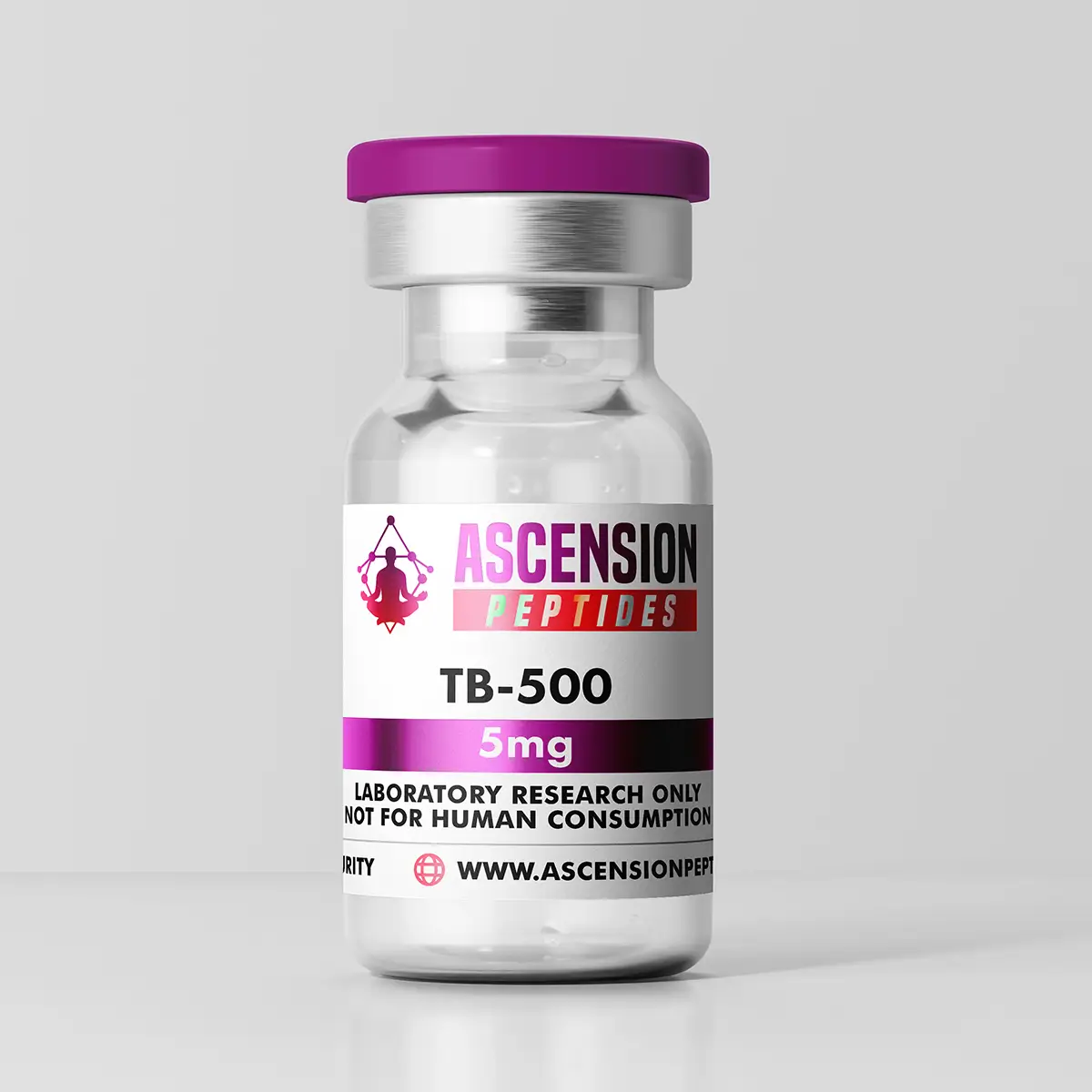
TB-500 (Thymosin Beta-4) is a synthetic version of a naturally occurring 43-amino-acid peptide found in virtually all human cells. It plays a central role in actin regulation — actin is the protein that makes up the cell's structural skeleton and is critical for cell migration, wound healing, and tissue repair.
Key Differences: BPC-157 vs TB-500
| Feature | BPC-157 | TB-500 |
|---|---|---|
| Origin | Gastric juice protein (synthetic) | Thymosin Beta-4 (synthetic) |
| Size | 15 amino acids | 43 amino acids |
| Primary mechanism | Angiogenesis, GH receptor upregulation, NO pathway | Actin regulation, cell migration, anti-inflammation |
| Best for | Local tendon/gut repair, localized healing | Systemic healing, large-area muscle/tissue repair |
| Typical dose | 250–500 mcg/day | 2–2.5 mg twice/week (loading); 2 mg/week (maintenance) |
| Administration | SubQ, IM, oral, nasal | SubQ or IM injection primarily |
| Systemic vs local | Can be both; more localized | More systemic distribution |
How BPC-157 and TB-500 Work Together
The two peptides attack healing from complementary angles:
- BPC-157 drives angiogenesis (new blood vessel formation) and activates fibroblasts at the injury site — laying the structural groundwork for repair
- TB-500 promotes cell migration and differentiation — helping new cells move into the damaged tissue and reorganize into functional structures
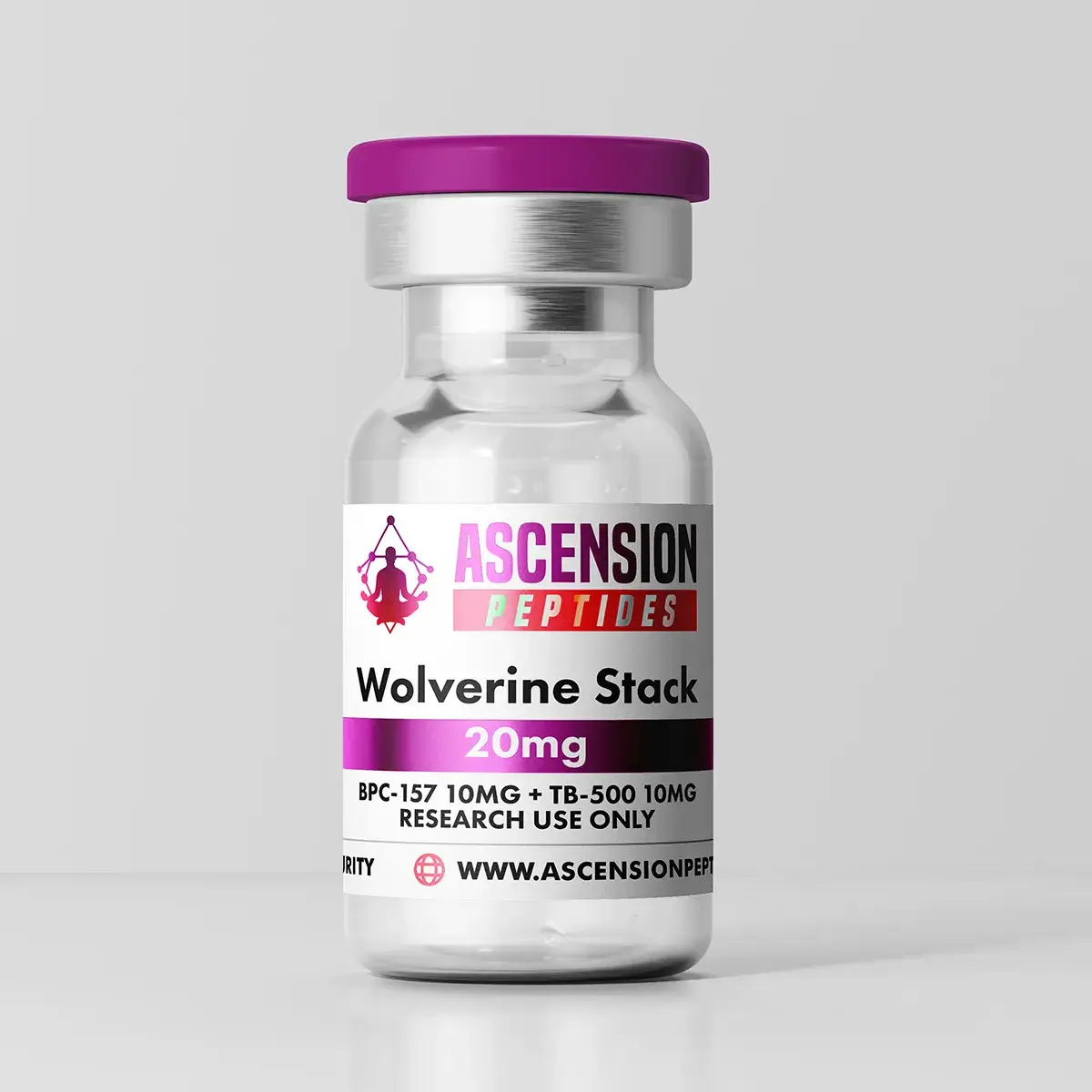
- Together, they may accelerate tissue remodeling faster than either peptide alone, which is the core rationale behind the popular "Wolverine Stack" combination
TB-500 — Dosage, Benefits, and Side Effects
TB-500 Benefits
Research and anecdotal reports suggest TB-500 provides:
- Accelerated muscle repair — faster recovery from muscle tears and strains
- Tendon and ligament healing — similar to BPC-157 but via different mechanisms
- Reduced inflammation — systemic anti-inflammatory effects throughout the body
- Cardiovascular repair — animal studies show cardiac muscle regeneration
- Hair growth — unexpected but frequently reported in anecdotal accounts
- Improved flexibility — reported by athletes after multi-week cycles
- Neurological protection — emerging research area in spinal cord and brain repair
TB-500 Dosage Protocol
Loading Phase (Weeks 1–4 or 1–6):
- 2–2.5 mg injected subcutaneously or intramuscularly, twice per week
- Total weekly: 4–5 mg
Maintenance Phase (after loading):
- 2 mg per week (single injection or split into two 1 mg doses)
For acute injury:
- Some researchers front-load with 5 mg in week 1, then move to the standard 2–2.5 mg twice/week protocol
TB-500 Side Effects
TB-500 has a favorable safety profile in animal research, but reported side effects in anecdotal human use include:
- Fatigue/lethargy — particularly in the first week or two of use
- Temporary head rush or lightheadedness — reported by some immediately after injection
- Nausea — less common; often injection-site related
- Injection site irritation — redness, mild swelling (resolve quickly)
- Theoretical cancer concern — because TB-4/TB-500 promotes cell migration and proliferation, there is theoretical concern about use in individuals with existing malignancy; this is an important safety consideration
BPC-157/TB-500 Blend — What Is It?
Get 99%+ Purity Peptides — Ships Today
Third-party tested. COA included with every order. Free shipping on orders over $150.
Ascension PeptidesThe BPC-157/TB-500 blend (sometimes called the "Wolverine Stack" or simply the "BPC/TB blend") is a pre-mixed vial containing both peptides at a fixed ratio. Common blend configurations include:
- 5 mg BPC-157 + 5 mg TB-500 (most common)
- 2 mg BPC-157 + 2 mg TB-500 (lower-dose option)
BPC-157/TB-500 Blend Dosing
When using a pre-mixed blend:
- A typical injection from a 5mg/5mg blend delivers both peptides simultaneously
- Common protocol: 250–500 mcg BPC-157 equivalent (which equals the same volume of TB-500) injected daily or 5x/week
- Because TB-500 is typically dosed less frequently than BPC-157, some researchers prefer separate vials to control each peptide's dose and frequency independently
BPC-157 Reviews — What Users Report
While clinical data in humans is limited, the anecdotal record on BPC-157 is extensive. Reddit forums (r/Peptides, r/quittingkratom, r/bodybuilding) and biohacking communities have thousands of user reports. Here's an honest summary of what people consistently report.
Positive Reports
- Tendon healing: By far the most common use case. Users report significant reduction in chronic tendon pain within 2–4 weeks, with many describing resolution of injuries that had been unresponsive to PT or rest
- Gut healing: People with IBS, Crohn's, leaky gut, and NSAID-induced gastritis frequently report improvement in GI symptoms, reduced bloating, and improved bowel regularity
- Muscle recovery: Faster post-workout recovery, reduced DOMS, and quicker return to training after muscle strains
- Joint pain: Improvement in knee, shoulder, and hip joint discomfort — likely related to tendon/cartilage support
- Mood and well-being: Some users report subtle mood improvement and reduced anxiety — consistent with its dopaminergic and serotonergic effects in animal research
Mixed or Negative Reports
- No effect: A portion of users report no noticeable benefit, which may be related to product quality, incorrect dosing, or individual variation
- Mild nausea: Particularly in the first few days of injection use
- Vivid dreams: Reported occasionally, mechanism unclear
- Cost: A consistent complaint is that high-quality BPC-157 is expensive, and the market has significant quality variance
What BPC-157 Reviews Tell Us
The breadth and consistency of positive anecdotal reports — across platforms, demographics, and applications — is notable. When thousands of people independently report similar outcomes (particularly for tendon and gut healing), it carries meaningful informational weight even absent controlled human trials. That said, placebo effects, confirmation bias, and concurrent interventions always complicate anecdotal data.
BPC-157 Side Effects and Safety
Based on animal research and extensive anecdotal human use, BPC-157 has a favorable short-term safety profile. Reported side effects are generally mild and transient.
Known / Reported Side Effects
- Nausea — most common, especially early in a cycle; typically resolves within a week
- Dizziness or lightheadedness — reported occasionally after injection
- Injection site reactions — redness, mild swelling, bruising at the injection site
- Fatigue — some users report temporary tiredness in the first week
- Vivid dreams — a recurring anecdotal report; not well-explained mechanistically
- Hormonal effects — BPC-157 interacts with GH receptors; long-term hormonal implications in humans are not well characterized
Theoretical Safety Considerations
- Cancer: Because BPC-157 promotes angiogenesis and cell proliferation, there is theoretical concern about use in individuals with cancer or a history of cancer. No studies demonstrate BPC-157 promotes tumor growth, but the interaction should be considered seriously.
- Long-term use: No long-term human safety data exists. Most research protocols use 4–12 week cycles with breaks.
- Pregnancy: Contraindicated — no safety data in pregnancy exists.
- Drug interactions: BPC-157 modulates the NO pathway and may interact with nitrate medications, blood pressure drugs, and anticoagulants. Consult a physician.
How to Reconstitute BPC-157
BPC-157 arrives as a lyophilized (freeze-dried) powder and must be reconstituted before injection. Here's the standard process.
- Gather supplies: BPC-157 vial (5 mg or 10 mg), bacteriostatic water (BAC water), a 1 mL or 3 mL syringe, a 23–25 gauge needle for mixing, and alcohol swabs
- Clean both vials: Wipe the rubber septums of both the BPC-157 vial and BAC water vial with alcohol swabs
- Draw bacteriostatic water: Pull back the syringe to your desired volume — 1 mL or 2 mL is most common (more BAC water = lower concentration per unit)
- Inject BAC water slowly: Insert the needle into the BPC-157 vial and let the water run down the inside of the vial — do not spray directly onto the powder
- Swirl gently — do NOT shake: Rotate the vial gently until powder fully dissolves. Shaking can damage the peptide structure.
- Label and store: Label with date and concentration. Store in refrigerator (2–8°C). Reconstituted BPC-157 is stable for 4–6 weeks refrigerated.
Calculating Your Dose
Example: 5 mg BPC-157 + 2 mL BAC water = 2,500 mcg/mL (2.5 mcg/unit on an insulin syringe). To get 250 mcg: draw 100 units. To get 500 mcg: draw 200 units.
Use our peptide reconstitution calculator to get precise calculations for any vial size and BAC water volume.
Where to Buy BPC-157 — Quality Markers to Look For
The BPC-157 market is enormous and unfortunately plagued by quality inconsistency. Underdosed, contaminated, or mislabeled peptides are a real risk. Here's what to look for when sourcing BPC-157 or the BPC-157/TB-500 blend.
For a complete guide to legal sourcing, see our article on where to buy BPC-157 legally from compounding pharmacies in 2026.
Quality Markers for Legitimate BPC-157
- Third-party Certificate of Analysis (COA): Any legitimate research peptide vendor will provide HPLC and mass spectrometry testing from an independent lab. The COA should confirm peptide identity and purity ≥98%.
- US-based manufacturing: US-based peptide labs are subject to higher standards than overseas producers. Look for vendors who clearly state their production location.
- Peptide sequence confirmation: Mass spec analysis should confirm the correct amino acid sequence for BPC-157.
- Proper packaging: Lyophilized powder in sealed, amber vials with clearly labeled content and expiry.
- Transparent vendor: Reputable vendors clearly display their COA, respond to customer inquiries, and don't make medical claims about their products.
- Sterility testing: Look for vendors who test for endotoxins and microbial contamination — especially important for injectable-grade peptides.
Red Flags to Avoid
- No COA, or COA from the same lab that produced the peptide (not independent)
- Prices dramatically lower than market rates (often indicates underdosing or synthetic substitution)
- Medical claims or before/after testimonials that sound like pharmaceutical marketing
- No clear company address, phone number, or customer support contact
- Selling BPC-157 as a "supplement" rather than a research compound
For new researchers, we recommend reading our full guide to what are research peptides before making a purchase decision.
A well-regarded vendor in the research peptide space is Ascension Peptides, known for third-party tested products with published COAs.
Frequently Asked Questions — BPC-157
What is BPC-157?
BPC-157 (Body Protection Compound 157) is a synthetic 15-amino-acid peptide derived from a protein naturally found in human gastric juice. It's a research compound studied for its regenerative effects on tendons, muscles, gut tissue, and the nervous system.
What is BPC-157 used for?
In research, BPC-157 is studied for tendon and ligament repair, gut healing (ulcers, IBD, leaky gut), muscle recovery, neuroprotection, and systemic anti-inflammatory effects. In practice, it's most commonly used by athletes and biohackers for injury recovery and GI healing.
What is BPC-157 good for specifically?
BPC-157 is particularly well-suited for chronic tendon injuries (Achilles, rotator cuff, patellar tendon), inflammatory gut conditions, post-surgical tissue repair, and muscle tear recovery. It's also gaining attention for neurological applications.
What is BPC-157 made of?
BPC-157 is made of 15 amino acids in a specific sequence: Gly-Glu-Pro-Pro-Pro-Gly-Lys-Pro-Ala-Asp-Asp-Ala-Gly-Leu-Val. It's synthesized in a lab using solid-phase peptide synthesis (SPPS) to match the sequence found in the naturally-occurring BPC protein in gastric juice.
What is the BPC-157 peptide vs the BPC-157/TB-500 blend?
BPC-157 alone is just the 15-amino-acid gastric peptide. The BPC-157/TB-500 blend combines it with Thymosin Beta-4 (TB-500) in a pre-mixed vial. The blend is used for more comprehensive healing — BPC-157 handles localized repair and angiogenesis while TB-500 drives systemic cell migration and tissue remodeling.
How much BPC-157 should I take per day?
Standard research dosing is 250–500 mcg/day via injection, or 500–1,000 mcg/day orally. Most researchers start at 250 mcg twice daily (500 mcg total) for a balanced protocol.
When should I take BPC-157?
Most researchers take BPC-157 in the morning (and evening if splitting doses). For gut healing, take orally on an empty stomach. For injury recovery, injecting near the injury site or close to training time is common. Consistency matters more than precise timing.
When should I take BPC-157 orally or as capsules?
Take oral BPC-157 (solution or capsules) on an empty stomach, 30+ minutes before eating. Morning and evening dosing is standard. Oral administration is particularly effective for GI conditions since the peptide contacts the gut mucosa directly.
How long does BPC-157 take to work?
Anecdotal reports suggest some users notice reduced pain and improved recovery within 1–2 weeks. More significant tissue repair typically becomes apparent by weeks 3–6. Full cycle length is usually 4–12 weeks depending on injury severity.
Is BPC-157 legal to buy?
BPC-157 is not FDA-approved for human use. It is legal to purchase as a research chemical for laboratory research purposes in the US and most countries. It is not legal to sell for human consumption. See our full guide on buying BPC-157 legally.
Where can I buy BPC-157 peptide or capsules?
BPC-157 is available from research peptide vendors online. When choosing where to buy BPC-157, prioritize vendors with independent third-party COAs, ≥98% purity confirmation, US-based manufacturing, and transparent business practices. Ascension Peptides is frequently mentioned in the research community for meeting these standards.
Where can I buy BPC-157 and TB-500 together?
Most research peptide vendors who carry BPC-157 also stock TB-500 and the pre-mixed BPC-157/TB-500 blend. Apply the same quality criteria: independent COA, confirmed purity for both peptides, and sterility testing.
Can I use BPC-157 for my gut?
Yes — gut healing is one of the most well-researched applications of BPC-157 in animal studies. Oral administration is generally preferred for GI conditions as it delivers BPC-157 directly to the gut mucosa. Many people with IBS, IBD, NSAID-induced gastritis, or leaky gut report improvement on oral BPC-157 protocols.
What's the difference between BPC-157 and TB-500?
BPC-157 is a 15-amino-acid peptide that drives angiogenesis, GH receptor upregulation, and localized tissue repair. TB-500 (Thymosin Beta-4) is a 43-amino-acid peptide that regulates actin and promotes systemic cell migration and tissue remodeling. They work via complementary mechanisms and are often stacked for synergistic healing effects.
The Bottom Line on BPC-157
BPC-157 is one of the most compelling compounds in the research peptide space. Its decades of animal research, consistent anecdotal reports, multi-system healing mechanisms, and favorable short-term safety profile make it a serious candidate for further human clinical study.
For researchers, the current evidence base supports a cautious, protocol-driven approach: use pharmaceutical-grade reconstituted peptide, start at 250 mcg/day, increase based on tolerance and goals, cycle 4–12 weeks, and prioritize quality sourcing with verified COAs.
If you're considering adding TB-500 to your protocol, the BPC-157/TB-500 combination offers a mechanistically complementary approach to whole-body healing that many researchers find more effective than either peptide alone.
Always consult with a qualified healthcare professional before beginning any peptide research protocol. And if you're new to research peptides in general, start with our beginner's guide to research peptides to build your foundation.
This content is for informational and educational purposes only. Peptides discussed on this page are research compounds not approved by the FDA for human use. Always consult a licensed medical professional before using any peptide or supplement.
Get 99%+ Purity Peptides — Ships Today
Third-party tested. COA included with every order. Free shipping on orders over $150.
Ascension Peptides