Senolytic Research
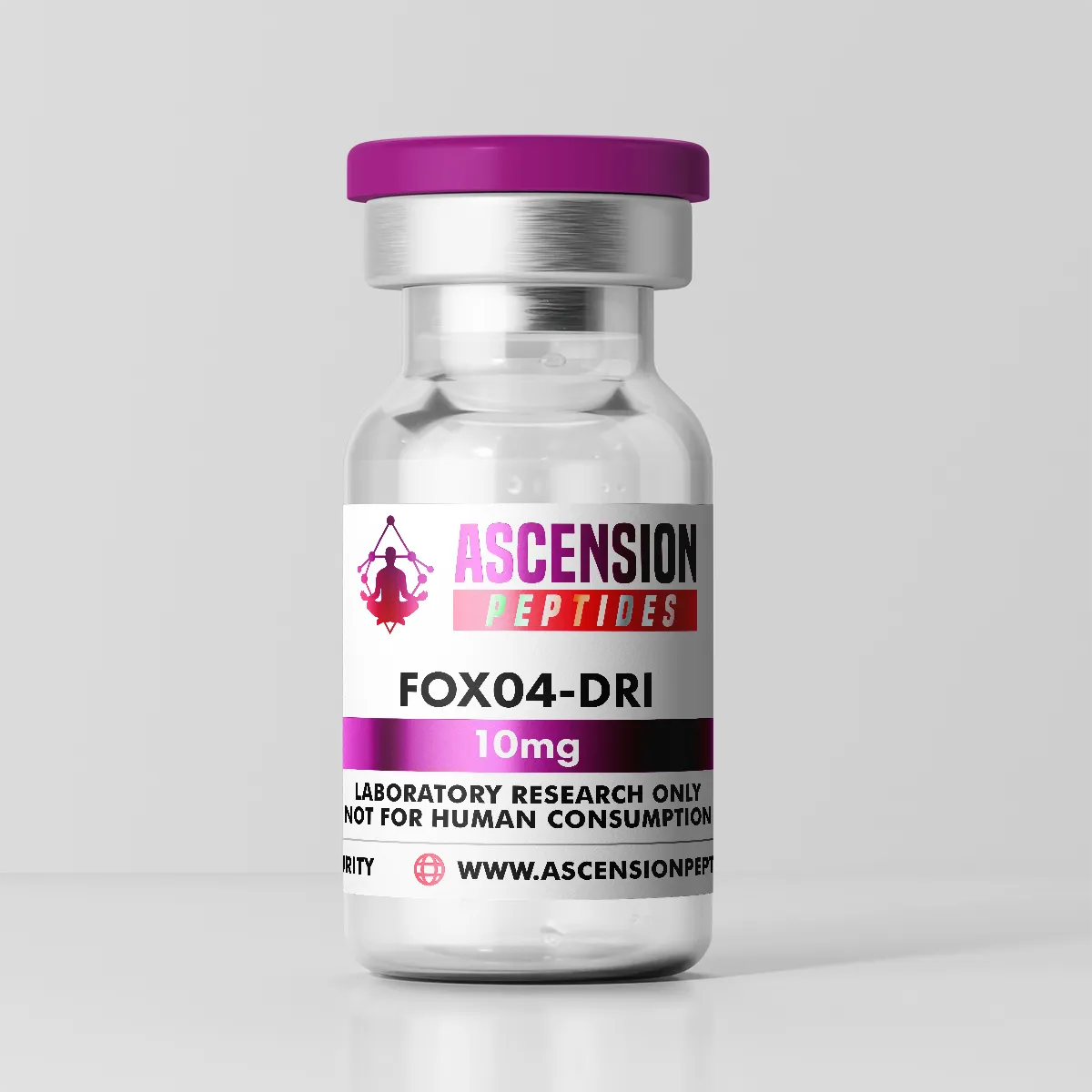
FOXO4-DRI
with codePEPTIDEDECKat checkout· list $199.99
- Purity
- 99+% (HPLC verified)
- Vial
- 10mg
- Form
- Lyophilized powder, sealed vial
- Half-life
- Enhanced vs L-peptide analogue due to D-amino acid protease resistance
FOXO4-DRI for sale at PeptideDeck — a D-retro-inverso synthetic senolytic peptide designed to selectively disrupt the FOXO4-p53 interaction and trigger apoptosis in senescent cells, supplied as 99+% pure lyophilized powder in a sealed 10mg research vial. If you are looking for where to buy FOXO4-DRI online with verified purity and a batch-level COA, this is the listing we recommend.
About FOXO4-DRI
Researchers searching for FOXO4-DRI for sale will find this listing provides the leading senolytic research peptide available in a sealed 10mg vial at 99+% purity. Buy FOXO4-DRI here with confidence: every order ships same-day from a US warehouse through a vetted research supplier with HPLC-verified identity and an independent certificate of analysis. The FOXO4-DRI price on this page represents the current rate with transparent checkout.
FOXO4-DRI is a D-retro-inverso synthetic peptide engineered to selectively induce apoptosis in senescent cells — a process referred to in the research literature as senolysis. Senescent cells accumulate progressively in aging tissues and secrete a chronic pro-inflammatory signaling milieu known as the senescence-associated secretory phenotype (SASP), which is hypothesized to drive aspects of tissue dysfunction in aged organisms. FOXO4-DRI was developed as a tool compound to investigate whether targeted elimination of senescent cells could restore tissue homeostasis in preclinical aging models. The compound was first described in a landmark Nature Medicine paper and has since become a primary research tool for the senolytic field. The FOXO4-DRI 10mg format provides a standard vial size for structured in-vitro and preclinical senolytic research programs. Purchase FOXO4-DRI here for access to the compound with documented purity and identity.
Where to Buy FOXO4-DRI
Researchers looking for where to buy FOXO4-DRI online should prioritize vendors that provide HPLC purity documentation specific to the D-retro-inverso configuration, mass-spectrometry identity confirmation, and domestic US fulfillment. The D-retro-inverso architecture of FOXO4-DRI is critical to its biological activity: a vendor supplying an L-peptide or incorrectly inverted sequence would produce a compound without the target protease resistance or FOXO4-p53 competitive activity. Batch-level QC is therefore essential for meaningful research use.
PeptideDeck lists FOXO4-DRI for sale from a vetted US research supplier meeting these documentation standards. The FOXO4-DRI price on this page reflects 99+% HPLC-verified purity, independent third-party QC testing, and same-day shipping from a US warehouse. This listing provides the standard 10mg vial format appropriate for in-vitro senolytic research programs.
When evaluating FOXO4-DRI for sale listings, confirm that the vendor specifies D-retro-inverso synthesis, provides a lot-level COA with HPLC chromatogram and mass-spec result, and ships from domestic US inventory. Click through to our partner to confirm live stock and complete secure checkout.
Quality Assurance & COA
Each FOXO4-DRI 10mg vial supplied through this listing is produced under cGMP-aligned synthesis conditions with specific attention to D-amino acid incorporation and correct retro-inversion of the peptide sequence. HPLC analysis confirms purity at 99+% and detects any impurity peaks at the reporting threshold. Mass spectrometry confirms molecular identity against the expected mass of correctly synthesized FOXO4-DRI, distinguishing it from incorrectly configured analogues.
Independent third-party laboratory verification provides an additional quality layer beyond internal vendor testing. The batch-specific COA is available on request from our partner vendor; researchers should request the COA for their specific lot at time of purchase. All lots must pass purity and identity thresholds before release for sale.
Mechanism of Action
FOXO4-DRI operates through a competitive peptide interference mechanism targeting the FOXO4-p53 protein-protein interaction that is critical to senescent cell survival. In normal proliferating cells, the p53 tumor suppressor protein plays well-characterized roles in cell cycle checkpoint regulation and DNA damage response. In senescent cells, however, p53 adopts an altered subcellular localization and binding partner profile: FOXO4, a forkhead transcription factor, binds nuclear p53 in senescent cells and retains it in a chromatin-associated complex. This FOXO4-p53 interaction suppresses the pro-apoptotic transcriptional program that p53 would otherwise activate, allowing senescent cells to persist despite accumulating damage.
FOXO4-DRI is designed to competitively disrupt this FOXO4-p53 interaction. The peptide contains the minimal FOXO4 interaction domain responsible for p53 binding, re-engineered in D-retro-inverso configuration: the amino acid sequence is both composed of D-amino acids (the enantiomeric mirror of the standard L-configuration) and arranged in reverse order from C-terminus to N-terminus. This structural inversion creates a peptide that presents the same side-chain topology as the native FOXO4 interaction domain but with dramatically enhanced resistance to cellular and serum proteases, which degrade L-peptide research tools rapidly in biological matrices.
When FOXO4-DRI outcompetes native FOXO4 for p53 binding, the freed p53 is available to activate its canonical pro-apoptotic transcriptional program. Because the FOXO4-p53 interaction is selectively enriched in senescent cells relative to healthy proliferating or quiescent cells, the apoptotic outcome is theorized to be selective for the senescent population. Published preclinical work using murine models reported that FOXO4-DRI administration was associated with apoptosis in senescent cells across multiple tissue compartments while sparing non-senescent cell populations, as assessed by senescence marker panels including p16-INK4a, p21, and beta-galactosidase staining.
The selectivity mechanism differentiates FOXO4-DRI from non-selective cytotoxic approaches to senescent cell clearance and positions it as a precision senolytic research tool in the growing field of cellular senescence biology.
Chemical Profile
FOXO4-DRI is a D-retro-inverso peptide, meaning all constituent amino acids are in the D-configuration and the sequence is assembled in the reverse direction relative to the native FOXO4 interaction domain sequence. This dual structural inversion preserves the three-dimensional presentation of amino acid side chains that enables FOXO4-p53 competitive binding while conferring resistance to endogenous proteases that would otherwise cleave a standard L-peptide tool compound.
The peptide is supplied as a lyophilized white to off-white powder in a sealed glass vial. Lyophilization removes water and stabilizes the molecular structure for ambient-condition shipping and long-term freezer storage without loss of integrity. The 10mg vial contains 99+% pure FOXO4-DRI as verified by HPLC. Molecular weight specifications are not formally published by the vendor; the compound is consistent with a short-to-medium length bioactive peptide based on the published interaction domain literature. The compound requires reconstitution with bacteriostatic water or sterile saline prior to use in cell-based or biochemical research assays.
Research Applications
FOXO4-DRI is primarily investigated in cellular senescence research, where its selective senolytic mechanism is used to probe the functional consequences of senescent cell accumulation and clearance. The compound was first described in the context of aged murine models where its administration was associated with improvements in tissue homeostasis markers, physical performance metrics, and renal function parameters in preclinical assessment.
In in-vitro senescence research, FOXO4-DRI is used in cell culture systems containing populations of stress-induced or replicative senescent cells. Investigators apply the compound at defined concentrations and measure outcomes including caspase activation, annexin V staining, loss of senescence marker expression (p16-INK4a, p21, beta-galactosidase), and cytokine release changes reflecting reduced SASP. These assays allow researchers to characterize the dose-response relationship of FOXO4-DRI senolysis under controlled conditions.
In tissue aging research using rodent models, FOXO4-DRI has been investigated for its ability to modulate senescent cell burden in aged tissues including skin, kidney, liver, and bone marrow. Studies in naturally aged and accelerated-aging mouse models have examined whether senolytic intervention can restore tissue architecture and function parameters that decline with increasing senescent cell accumulation.
In the context of oncology and chemotherapy-induced senescence research, FOXO4-DRI has been used to investigate senescent cells that accumulate in tissue following genotoxic treatment. Chemotherapy-induced senescence is a recognized biological consequence of certain cancer treatment regimens, and senolytic approaches to clearing these cells are an active area of preclinical investigation.
In SASP biology research, FOXO4-DRI serves as a tool to generate senescent-cell-depleted experimental systems, allowing investigators to study which aspects of an aged tissue phenotype are driven by paracrine SASP signaling versus other age-associated mechanisms.
All research applications described here refer to published preclinical literature contexts. FOXO4-DRI is not FDA-approved for any indication and is not intended for human or veterinary use, diagnosis, or treatment.
Reconstitution & Dosing Reference
The following reconstitution guidance is provided as a research reference for in-vitro laboratory use only and does not constitute human dosing instruction or medical guidance. Institutional SOPs and published preclinical literature should guide protocol-specific reconstitution decisions.
To reconstitute FOXO4-DRI, inject bacteriostatic water along the vial wall using a 1 mL insulin syringe or reconstitution needle. Avoid direct injection onto the lyophilized cake. Do not shake; gently invert or roll the vial until the powder is fully dissolved. The reconstituted solution should be clear with no visible particulates.
For the 10mg vial, adding 1 mL of bacteriostatic water yields a 10 mg/mL stock. Adding 2 mL yields 5 mg/mL. For cell-based assay work, researchers typically prepare working dilutions in culture medium to reach micromolar concentrations consistent with published in-vitro protocols. The Nature Medicine paper that first described FOXO4-DRI used intraperitoneal administration at milligram-per-kilogram doses in murine models; this information is cited strictly as published research literature context and does not constitute dosing guidance for any application.
Store reconstituted FOXO4-DRI at 2-8 degrees Celsius. Use within 30 days of reconstitution. Do not freeze reconstituted solution.
Storage & Handling
Lyophilized FOXO4-DRI powder should be stored at -20 degrees Celsius upon receipt. Short ambient-temperature transit during shipping does not meaningfully degrade the lyophilized D-retro-inverso peptide, which benefits from enhanced structural stability relative to standard L-peptides. Transfer to freezer storage immediately upon receipt for long-term preservation.
Protect the vial from direct light and humidity. Store in a desiccated environment when possible. Do not open the sealed vial until reconstitution is required.
After reconstitution with bacteriostatic water, store the solution at 2-8 degrees Celsius and use within 30 days. The D-amino acid backbone confers meaningful protease resistance in biological matrices, but the reconstituted solution should still be treated according to standard peptide handling protocols. Avoid multiple freeze-thaw cycles. For extended programs requiring use over more than 30 days, aliquot the reconstituted stock into single-use volumes before freezing at -20 degrees Celsius.
Research Benefits
99+% purity lyophilized FOXO4-DRI verified by HPLC
10mg per vial, D-retro-inverso configuration, research-grade
Competitively disrupts FOXO4-p53 interaction to induce selective senescent cell apoptosis
Investigated for selective apoptosis of senescent cells in preclinical models
Enhanced protease resistance vs equivalent L-peptide sequence
Used in SASP modulation and cellular senescence biology research
Per-lot certificate of analysis with independent verification
Ships same-day from a US warehouse with tracked delivery
Product Specifications
| Molecular Weight | Not published (D-retro-inverso peptide) |
| Sequence | D-retro-inverso FOXO4 interaction domain peptide; full sequence from van Deursen / Ferreon lab original publication |
| Half-Life | Enhanced vs L-peptide analogue due to D-amino acid protease resistance |
| Purity | 99+% (HPLC verified) |
| Form | Lyophilized powder, sealed vial |
| Storage | Lyophilized at -20°C; reconstituted at 2-8°C, use within 30 days |
Frequently Asked Questions
You May Also Like
View all →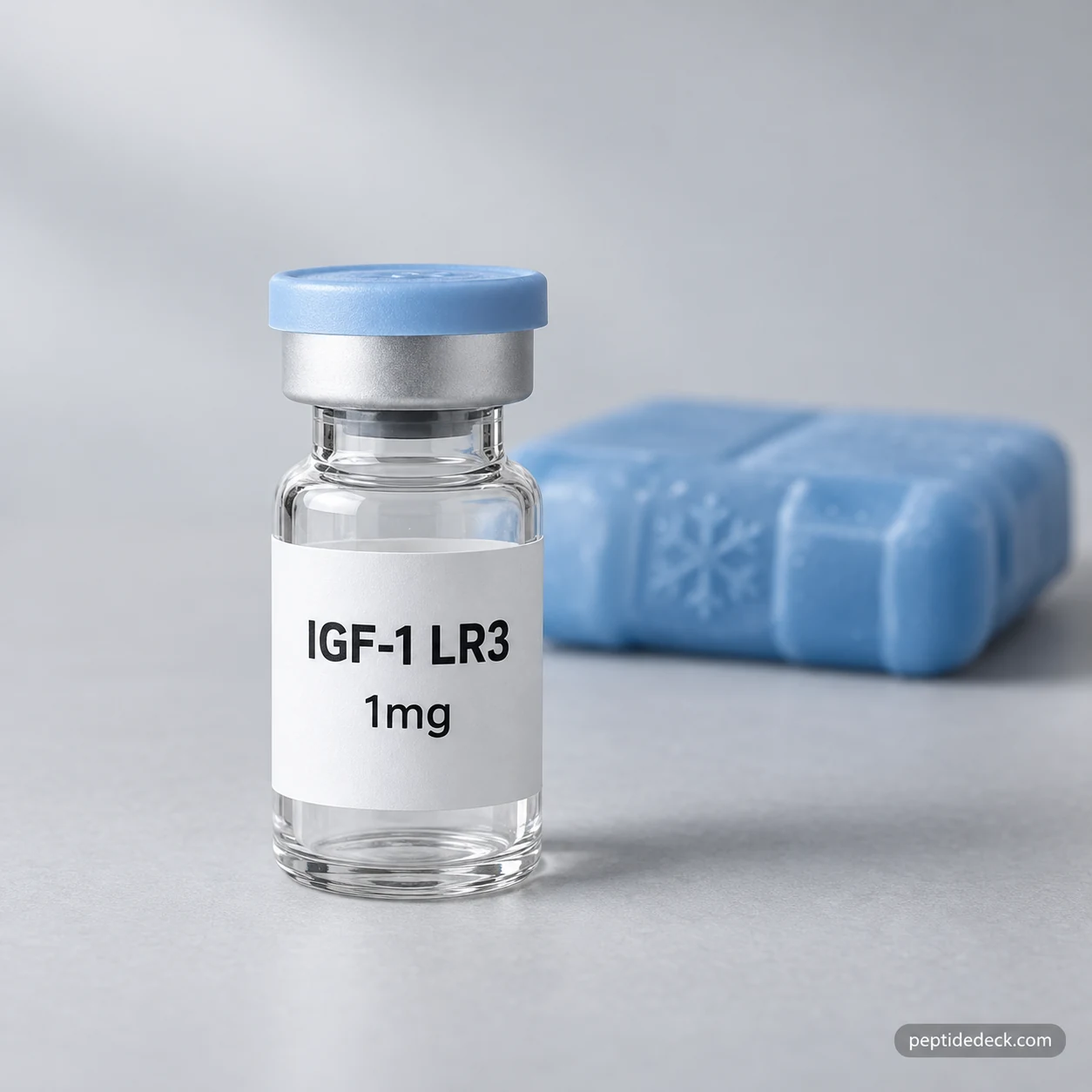
Growth Factor Peptides
IGF-1 LR3
Long R3 Insulin-like Growth Factor-1, 1mg vial
Growth Hormone Releasing Hormone (GHRH) Analogues
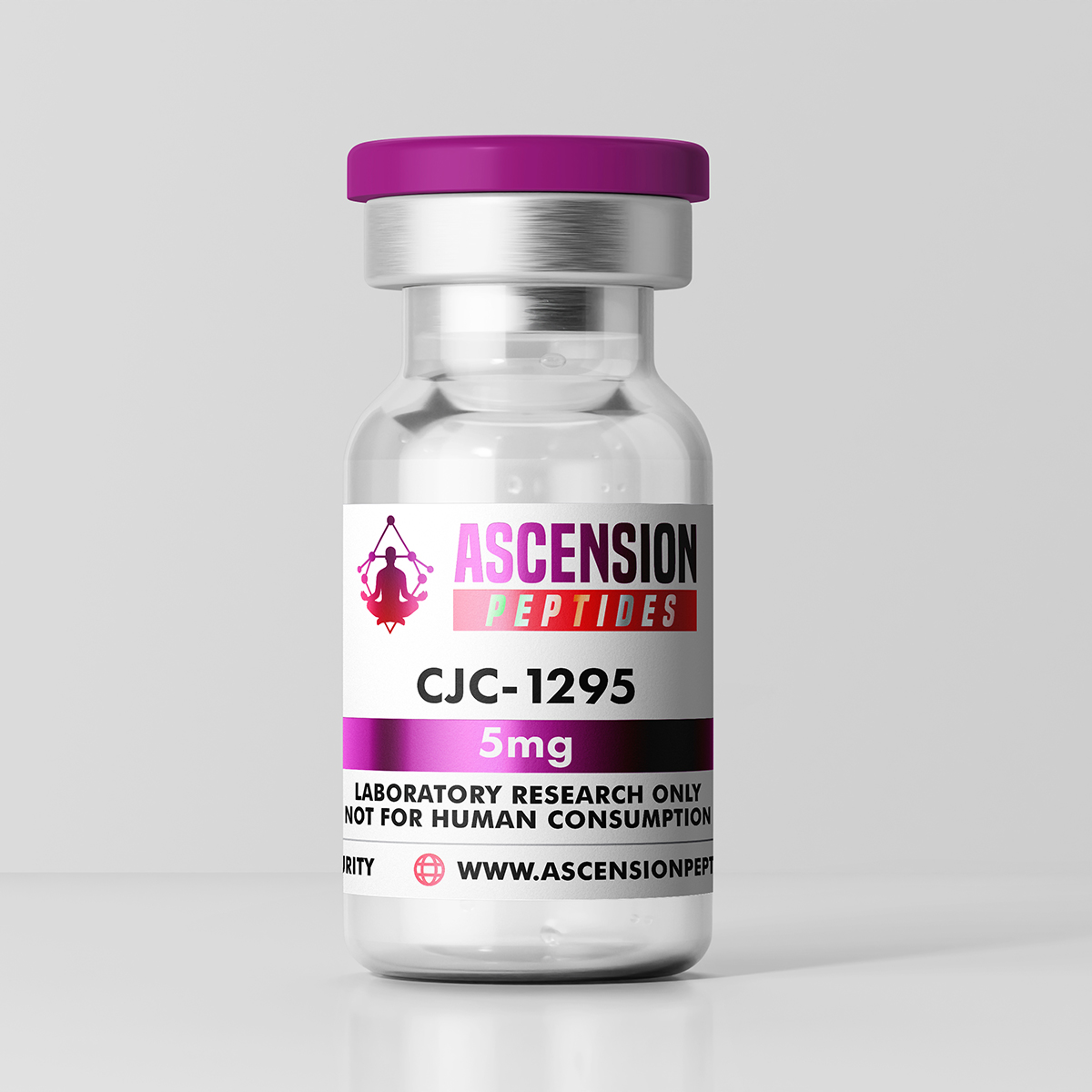
CJC-1295 (No DAC)
Modified GRF (1-29) GHRH Analogue, 5mg Lyophilized Vial
Copper Peptides
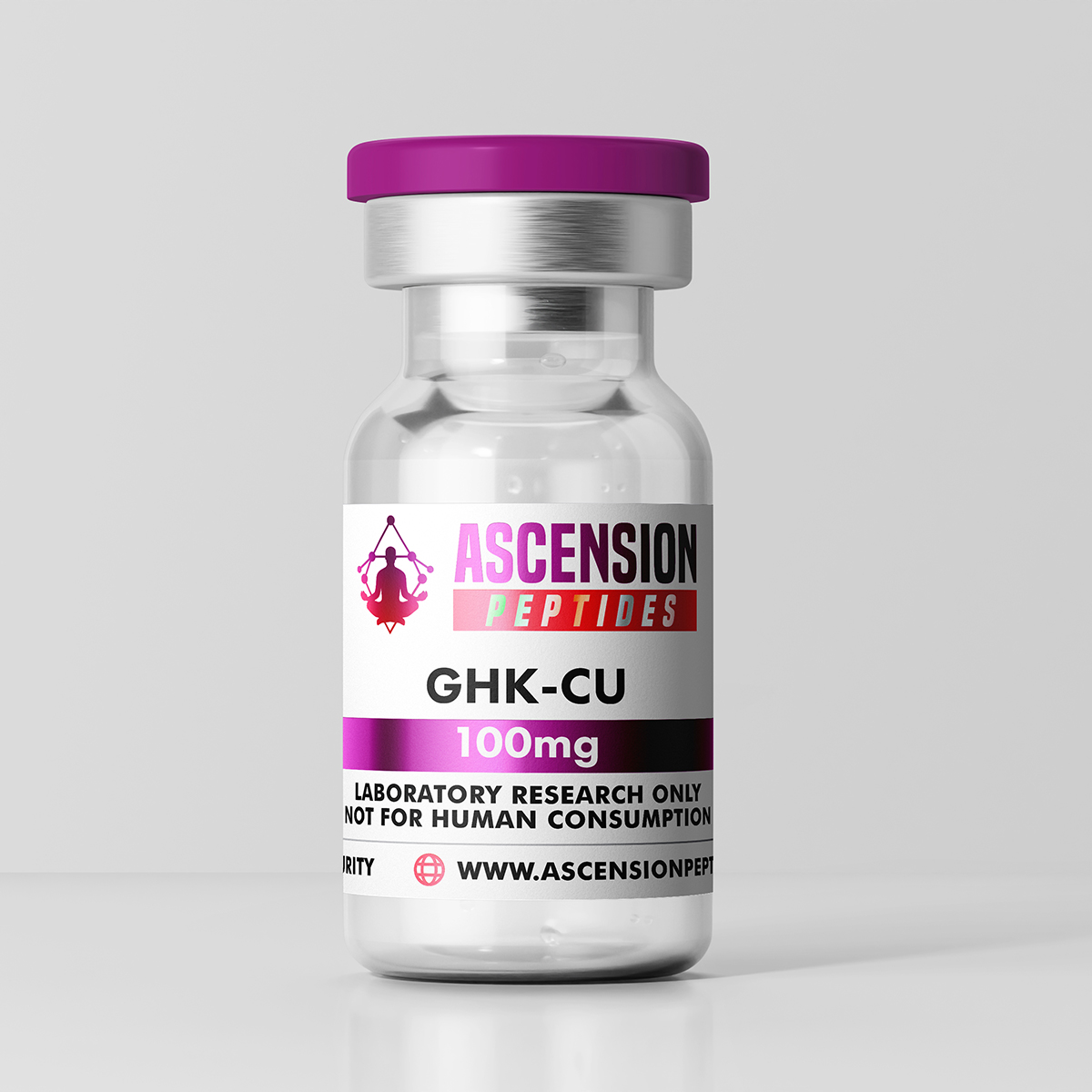
GHK-Cu
GHK-Cu For Sale: 50mg 99%+ Purity Copper Tripeptide

Healing & Recovery Peptides
BPC-157
Body Protection Compound 5mg: 99%+ Purity Research Vial
Research Use Only. All products sold by PeptideDeck are strictly for in-vitro laboratory research and are not intended for human or veterinary use, diagnosis, or treatment. Not for resale.