Verified peptides are not hard to spot once you know what proof actually matters. Most people just check for a COA and call it a day, but that is only one piece of the puzzle.
🔑 At a Glance
- Verified peptides: usually means the seller can show real, batch-linked proof of what is in the vial.
- A COA alone is not enough: you also want batch numbers, test dates, vendor transparency, and basic sterility handling details.
- Best quick filter: if the batch number on the product page, label, and COA do not line up, walk away.
- Big red flag: blurry PDFs, cropped lab reports, and vendors who dodge direct questions.
- Trust comes from consistency: legit peptide sources tend to be boring in a good way. Same labeling, same documentation, same support cadence.
- What this guide does: gives you a practical checklist so you can verify peptide legitimacy before spending money.
If you have been searching for verified peptides, you are probably not asking for a chemistry lecture. You want to know whether the source is legit, whether the vial is clean, and whether the seller has real proof instead of recycled marketing copy.
What People Usually Mean by “Verified Peptides” in 2026
In search results, the phrase verified peptides mostly shows up on vendor pages. That tells you the intent is commercial and trust-driven. People want safe buying filters, not abstract definitions.
So when I say verified peptides here, I mean peptides sold with enough transparent evidence that you can make a reasonable trust decision before checkout. Not perfection. Just actual proof.
The 5-Point Verified Peptides Checklist
This is the fast version. If a source fails two or more of these checks, I would move on.
How to Read a COA Without Getting Fooled
A lot of buyers stop at the words third-party tested. I get it. It sounds reassuring. But plenty of weak vendors know that too, so they slap the phrase everywhere and hope nobody opens the PDF.
Here is what I would actually check inside the document:
- The batch or lot number appears on the report.
- The test date is recent enough to feel believable.
- The lab report includes specific results, not just “verified” or “meets spec.”
- The vendor name, product name, or sample ID is clear enough to follow.
- The PDF looks original, not cropped, blurred, or stitched together.
And here is the thing people miss: a clean-looking COA is still weak if it cannot be tied back to the vial in your hand. That batch match matters more than fancy formatting.
💡 Pro Tip
Ask support a simple question before buying: “Can you confirm the batch number on the current lot and send the matching COA?” Good vendors usually answer quickly. Bad ones stall, deflect, or send the wrong file.
Purity, Identity, and Sterility: What Actually Matters to Buyers
Most shoppers care about three things. Is it the right peptide, is it clean, and was it handled properly. That is the practical version.
Purity tells you how much of the vial is the intended peptide rather than leftovers or junk. Identity helps confirm you are looking at the right item. Sterility matters because even a decent injectable peptide product can become a problem if filling and handling standards are sloppy.
Purity Data
Gives you a cleaner read on product quality than empty “premium” claims.
Batch Traceability
Lets you confirm the report belongs to the exact vial being sold.
Sterile Handling
Reduces the chance that good material is ruined by bad packaging or filling practices.
Red Flags That Usually Mean the Peptides Are Not Really Verified
Honestly, the red flags are usually obvious once you stop looking at the homepage copy.
- Every product has the same generic COA with no lot number.
- The report is outdated but the seller still claims current testing.
- The vendor cannot explain storage or packaging in plain language.
- Support avoids direct questions about testing, sterility, or batch records.
- Prices are far below the market with no believable reason.
- The website leans on hype words but gives no real documentation.
Cheap is tempting. I know. But if the whole offer depends on you not asking follow-up questions, that is usually the tell.
Verified Peptides vs “Certified Peptides”: What Is the Difference?
The terms overlap, but they are not exactly the same in how buyers use them. Certified peptides tends to describe the idea that a source is tested and documented. Verified peptides leans more practical. It is about how you confirm the source is legit before ordering.
That difference sounds subtle. It is. But it changes the angle. Certified is the label. Verified is the process.
Questions to Ask Before You Buy
If you only send one message to a vendor, make it count. Ask things that force a real answer.
Ask for the current batch COA
Not “a COA.” The current batch COA.
Ask where the batch number appears
You want to match the site listing, vial label, and report.
Ask how the product is packaged and stored
The answer should be simple, direct, and not weirdly evasive.
Check how fast and how clearly they respond
That tells you almost as much as the document itself.

Where to Buy Verified Peptides in 2026
Whether you are looking at healing peptides like BPC-157, weight loss options like tirzepatide, or anti-aging peptides, the same verification rules apply.
If you want a shortcut, stick to vendors that make documentation visible and easy to cross-check. That is the whole game.
Ascension is one of the cleaner examples because the catalog is consistent, the product pages are stable, and it is easy to pair the offer with practical product research on PeptideDeck. If you are still comparing options, read our Retatrutide for Sale page, how to get Retatrutide in 2026, and the Retatrutide side effects breakdown before you buy anything.
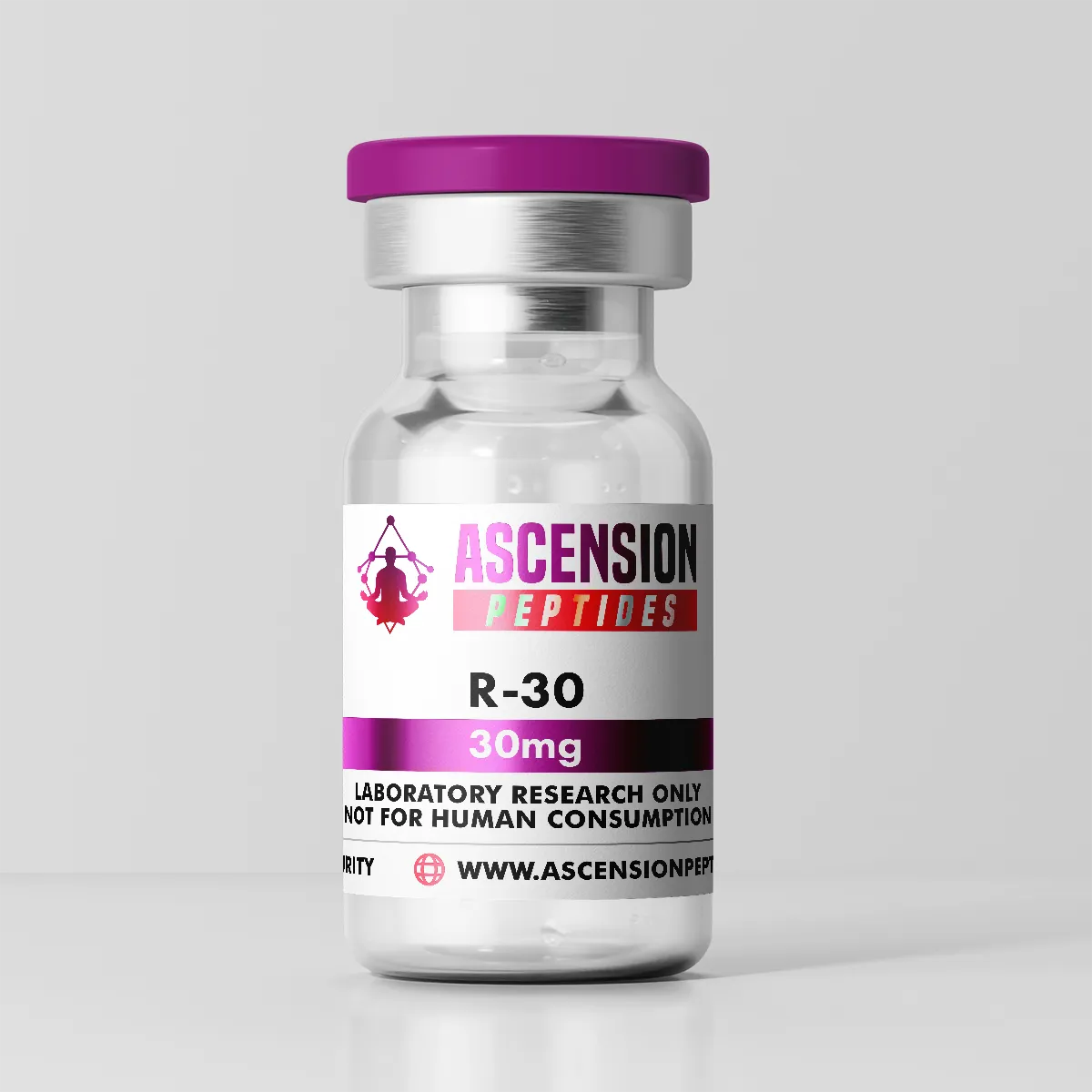
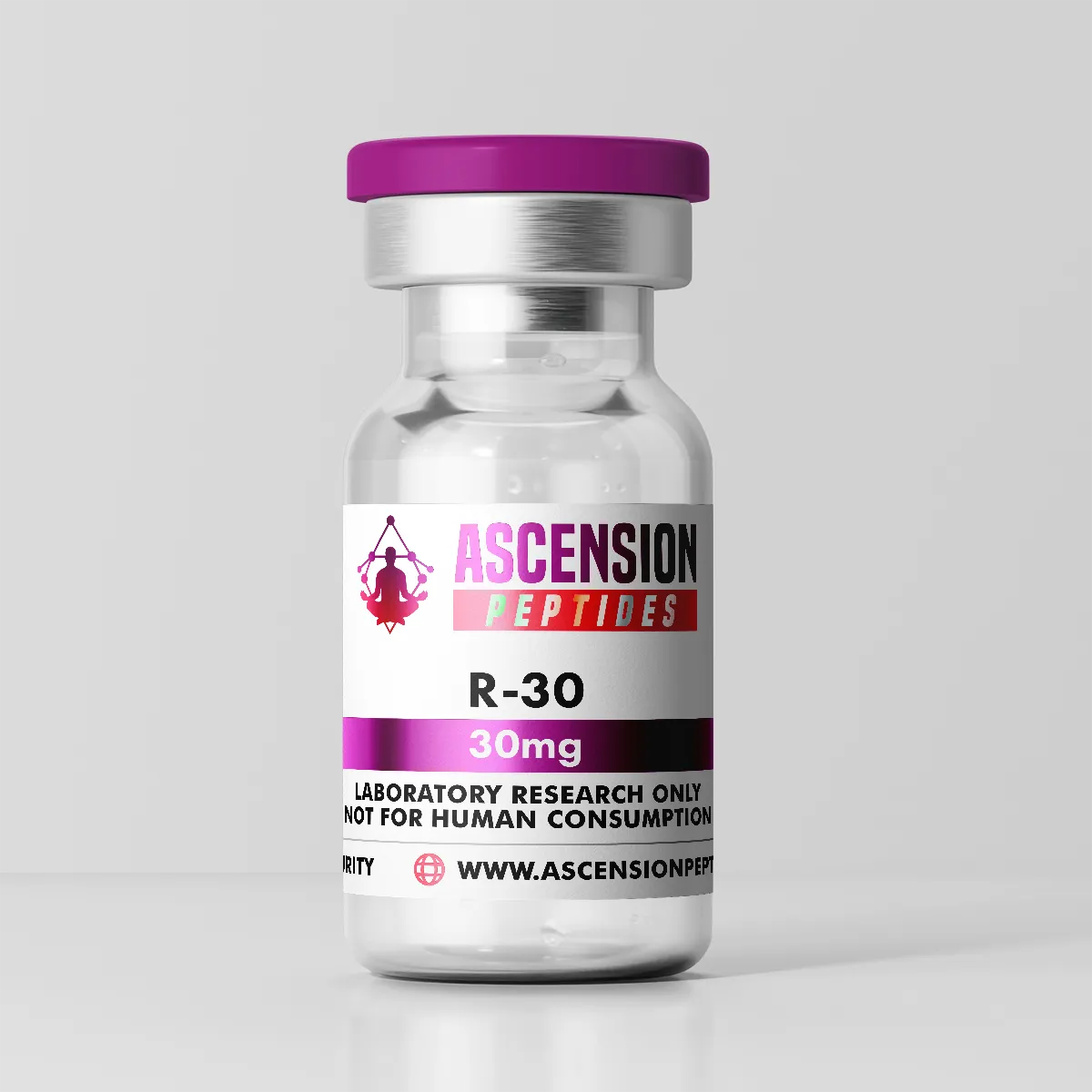
For a broad-trust CTA, Retatrutide R-30 on Ascension still makes sense. It is one of the site’s strongest general-interest options, and the product page is easy to verify against the vendor’s current catalog.
The Bottom Line on Verified Peptides
If a source is really selling verified peptides, you should be able to confirm that with a few simple checks. Real COA. Matching batch number. Clear support answers. Clean, consistent documentation.
If you are new to peptides, start with our peptide therapy guide for the full picture. That is the standard. Not hype copy. Not a fancy homepage. Not a random “lab tested” badge.
And if a vendor makes the verification process feel hard, that is probably the answer already.