Peptide therapy is one of the fastest-growing areas in functional medicine — and for good reason. Thousands of people are using targeted peptide compounds to lose significant weight, accelerate injury recovery, boost growth hormone naturally, and slow the visible signs of aging.
🔑 At a Glance
- What it is: Using targeted peptide compounds to optimize specific biological functions
- Main uses: Weight loss, GH optimization, healing, anti-aging, cognitive function, sexual health
- Cost: $150–500/month via clinic or telehealth; $50–200/month via research peptide vendors
- Prescription needed? Depends on the peptide — GLP-1s yes, many others no
- Fastest results: GLP-1 peptides (weight loss visible in weeks); GH peptides take 6–12 weeks
- Best starter peptide: Depends on your goal — see the selector table below
This guide covers the full picture: what peptides actually are, how they work mechanically, which ones are used for which goals, what they cost, and how to get started in 2026 — whether through a physician or the research peptide route.
What Is Peptide Therapy?
Peptide therapy is the therapeutic use of short amino acid chains — peptides — to regulate, restore, or enhance specific biological functions. Peptides are structurally simpler than full proteins (typically 2–50 amino acids versus hundreds), which makes them easier for the body to absorb and use with precision.
Your body already produces thousands of peptides. They're not exotic chemicals — they're how your cells communicate. Insulin is a peptide. So is oxytocin. So is the growth hormone your pituitary gland secretes in pulses during deep sleep. The GLP-1 hormone your gut releases after eating — that's a peptide too, and it's the basis for semaglutide and tirzepatide.
The core logic behind therapeutic peptide use is straightforward: as we age, get injured, or develop metabolic dysfunction, our natural production of key signaling peptides declines. External administration of specific peptides can restore or amplify those signals — triggering fat loss, tissue repair, immune modulation, hormonal optimization, and more — with a high degree of biological specificity.
What makes peptides different from HGH or steroids? Synthetic HGH directly introduces growth hormone into your system, bypassing your body's feedback loops and carrying significant risks. Anabolic steroids hijack androgen receptors broadly, producing systemic effects you can't target precisely. Peptides are signaling molecules — they tell your body to do something, rather than doing it directly. GH secretagogue peptides like Ipamorelin and Sermorelin stimulate your own pituitary gland to produce GH naturally, preserving the pulsatile release pattern that matters for long-term safety.
Peptide Therapy Benefits by Goal
Weight Loss
GLP-1 receptor agonists (semaglutide, tirzepatide, retatrutide) produce 15–24%+ body weight reduction in clinical trials by suppressing appetite, slowing gastric emptying, and improving insulin sensitivity.
Muscle & GH Optimization
GH secretagogues (Ipamorelin, CJC-1295, Sermorelin) stimulate natural growth hormone release — improving lean muscle mass, reducing fat, accelerating recovery, and enhancing sleep quality over 8–16 weeks.
Injury Recovery & Healing
BPC-157 and TB-500 are the primary healing peptides, promoting tendon/ligament repair, reducing inflammation, supporting gut healing, and accelerating recovery from surgery or training injuries.
Anti-Aging & Skin Health
GHK-Cu stimulates collagen synthesis, promotes wound healing, and reduces skin inflammation. Epithalon targets telomere elongation and pineal function for longevity-focused protocols.
Cognitive Function
Semax and Selank are Russian-developed neuropeptides with documented effects on BDNF, dopaminergic activity, focus, working memory, and anxiety reduction — without sedation.
Sexual Health
PT-141 (bremelanotide) is an FDA-approved peptide for hypoactive sexual desire disorder in women. Men and women use it off-label to improve libido and sexual function through melanocortin pathways.
The Most Used Peptides in Therapy
| Peptide | Primary Goal | Rx Required? | Typical Cost/Mo | Timeline to Results |
|---|---|---|---|---|
| Semaglutide | Weight loss | Yes (GLP-1) | $200–500 (compound) | 2–4 weeks |
| Tirzepatide | Weight loss / metabolic | Yes | $250–600 (compound) | 2–4 weeks |
| Retatrutide | Weight loss (most potent) | Research only | $100–200 | 3–6 weeks |
| Ipamorelin / CJC-1295 | GH optimization, muscle | Often no (research) | $60–150 | 6–12 weeks |
| Sermorelin | GH support, anti-aging | Rx version available | $150–400 (clinic) | 8–16 weeks |
| BPC-157 | Healing, gut, inflammation | No (research) | $50–100 | 1–4 weeks |
| TB-500 | Tissue repair, recovery | No (research) | $60–120 | 2–6 weeks |
| GHK-Cu | Skin, collagen, anti-aging | No | $40–80 | 4–8 weeks |
| PT-141 | Sexual health / libido | FDA-approved (women) | $50–150 | Hours (acute) |
| Semax / Selank | Cognitive performance | No (research) | $40–80 | Days to weeks |
| Epithalon | Longevity, telomere support | No (research) | $50–100 (cycle) | Long-term |
How Peptide Therapy Works
The mechanism is elegantly simple: peptides bind to specific receptors on cell surfaces — like a key fitting a lock. Once bound, they trigger intracellular signaling cascades that change how the cell behaves. This receptor specificity is what gives peptides their precision advantage over many broad-acting drugs.
Here's how the main therapeutic pathways work in practice:
Growth Hormone Axis
Peptides like Ipamorelin and Sermorelin bind to receptors in the anterior pituitary, stimulating natural GH secretion. This is critically different from injecting synthetic HGH — the pituitary's feedback system remains intact, GH is released in natural pulses rather than a constant flood, and the risk profile is substantially different. The downstream effects of elevated GH — IGF-1 production, protein synthesis, lipolysis, cellular repair — are the same, but achieved through the body's own machinery.
GLP-1 and Metabolic Receptors
GLP-1 receptor agonists bind to receptors in the gut, pancreas, and brain. In the gut, they slow gastric emptying (you feel full longer). In the pancreas, they enhance insulin secretion in a glucose-dependent way (reducing hypoglycemia risk). In the brain, they modulate reward circuitry and appetite regulation — essentially turning down the hunger signal at its neurological source. Newer agents like Retatrutide add GIP and glucagon receptor agonism to this mix, producing even more dramatic metabolic effects: phase 2 trials showed 24.2% body weight reduction over 48 weeks, making it potentially the most potent weight loss compound in development.
Tissue Repair Cascades
Healing peptides like BPC-157 upregulate growth factors including VEGF (vascular endothelial growth factor) and IGF-1 at injury sites, promoting angiogenesis (new blood vessel formation), fibroblast migration, and collagen synthesis. TB-500 works through different mechanisms — modulating actin polymerization — making the BPC-157 + TB-500 stack a popular combination for targeting the same injury from multiple biological angles simultaneously.
Neuropeptide Signaling
Cognitive peptides like Semax work by modulating BDNF (brain-derived neurotrophic factor) and upregulating dopaminergic and serotonergic activity. Unlike stimulants that flood the synapse with neurotransmitters, these peptides support the underlying neural infrastructure — promoting neuroplasticity, working memory consolidation, and stress resilience through signaling pathways rather than brute-force neurotransmitter elevation.
Peptide Therapy Cost: What to Expect
Cost is one of the most searched aspects of this topic — and the range is genuinely wide, from $50/month to $800+/month depending on route and what you're taking.
Prescription Route (Clinic or Telehealth)
Working with a physician or telehealth provider adds cost but provides medical oversight, lab work, and compounding pharmacy quality peptides:
| Route | What's Included | Typical Monthly Cost |
|---|---|---|
| Anti-aging clinic (full service) | Consultation, labs, multi-peptide protocol, monitoring | $400–$800+/mo |
| Telehealth (GH peptides) | Physician consult, Ipamorelin/CJC or Sermorelin prescription | $150–$400/mo |
| Telehealth (GLP-1s) | Semaglutide or tirzepatide via compounding pharmacy | $200–$500/mo |
| Brand-name GLP-1s (Ozempic/Wegovy) | Pharmacy + insurance or self-pay | $800–$1,400+/mo without insurance |
| Initial labs + consultation | Baseline hormone panels, metabolic workup | $100–$300 one-time |
Research Peptide Route
Research peptides are sold for "research purposes only" — not officially for human use — which places them in a legal gray zone. They're significantly cheaper than prescription options:
- BPC-157 (5mg vial): $25–$45. At 250–500mcg/day, one vial lasts 10–20 days.
- Ipamorelin / CJC-1295 blend: $40–$80 per vial from reputable vendors
- Retatrutide: $100–$200/month depending on dose escalation schedule
- Semax or Selank (nasal spray): $30–$60 per bottle
- GHK-Cu: $40–$70 per vial
- Supplies (bacteriostatic water, syringes, swabs): ~$15–$30/month additional
Total monthly cost for a typical research peptide protocol (single compound + supplies): $50–$200/month. Multi-compound stacks will run higher.
How to Get Started with Peptide Therapy
There are four realistic routes, each with different tradeoffs on cost, access, and oversight:
Anti-Aging or Functional Medicine Clinic
The gold standard for safety and personalization. A physician reviews your labs, designs a protocol specific to your goals and baseline, monitors your response, and adjusts over time. Expensive ($400–$800+/month), but appropriate for complex health situations or anyone who wants medical supervision. Best for GH optimization, hormone panels, and complex multi-peptide protocols.
Telehealth Provider
The fastest-growing route. Online platforms (Hone Health, Maximus, Marek Health, etc.) connect you with physicians who prescribe GH peptides and GLP-1s. Lower cost than a full clinic ($150–$500/month), faster onboarding, and fully legitimate. Prescriptions go to licensed compounding pharmacies. Great for GLP-1 weight loss protocols and GH secretagogues.
Compounding Pharmacy (with Prescription)
Many peptides that aren't commercially manufactured can be made to order by compounding pharmacies — with a physician's prescription. Quality and regulatory standards apply. This is how most telehealth prescriptions for Ipamorelin/CJC-1295, Sermorelin, and PT-141 are filled.
Research Peptide Vendors
For peptides like BPC-157, TB-500, GHK-Cu, Semax, Selank, Epithalon, and Retatrutide — which lack FDA approval or prescribable forms — research peptide vendors are the practical access route. This requires more self-education: understanding dosing, reconstitution, sterile administration, and how to evaluate vendor quality. The cost savings are real ($50–$200/month vs $300–$800 through clinics), but the responsibility for due diligence shifts entirely to you.
Which Peptide Is Right for You?
The right peptide depends entirely on your primary goal. Here's a practical decision guide:
| Your Goal | Best Peptide(s) | Access Route | Timeline |
|---|---|---|---|
| Lose significant weight | Semaglutide, Tirzepatide, or Retatrutide | Telehealth (GLP-1s) or research vendor (Retatrutide) | 2–8 weeks visible |
| Build lean muscle / GH support | Ipamorelin + CJC-1295, Sermorelin | Telehealth or research | 6–12 weeks |
| Recover from injury | BPC-157 + TB-500 stack | Research vendor | 1–4 weeks |
| Skin anti-aging / collagen | GHK-Cu | Research vendor (injectable or topical) | 4–8 weeks |
| Cognitive performance | Semax (focus/BDNF), Selank (anxiety + cognition) | Research vendor | Days to weeks |
| Sexual health / libido | PT-141 (bremelanotide) | Telehealth or research vendor | Hours (acute dosing) |
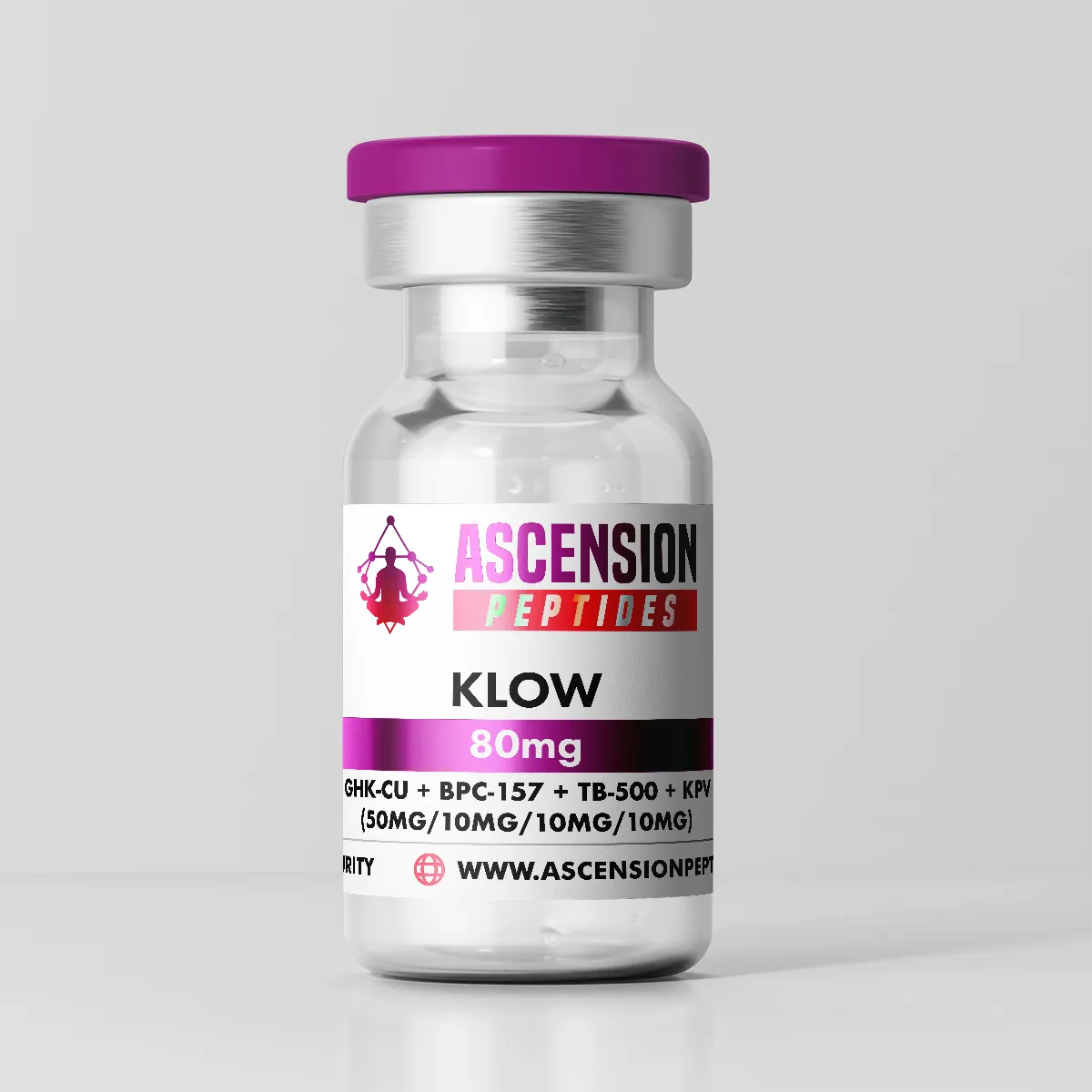
| Overall healing + recovery stack | KLOW (GHK-Cu + BPC-157 + TB-500 + KPV) | Research vendor | 2–6 weeks |
| Longevity / cellular aging | Epithalon | Research vendor | Long-term (cycles) |
If you're new to peptide therapy and want to start with something covering multiple recovery angles, the KLOW blend from Ascension Peptides combines GHK-Cu, BPC-157, TB-500, and KPV in a single formulation — covering tissue repair, anti-inflammatory, and regeneration pathways simultaneously. It's a practical starting point for anyone whose primary goals are healing, recovery, and anti-aging.
Is Peptide Therapy Safe?
Honestly, "is peptide therapy safe?" is too broad a question to answer usefully. The more useful question is: which specific peptide, from which source, administered how, for which person?
FDA-Approved Peptides
Semaglutide, tirzepatide, tesamorelin, PT-141, and several others are FDA-approved with well-documented safety profiles, established dosing, and labeled contraindications. GLP-1 receptor agonists carry known risks: nausea, vomiting, constipation, and the less common but serious risks of pancreatitis, gallbladder disease, and kidney injury from dehydration. These need physician monitoring.
Compounded and Research Peptides
BPC-157, TB-500, Ipamorelin, GHK-Cu, Semax, Selank, and Retatrutide have not completed the FDA approval process. Their safety data comes primarily from animal studies (which are extensive for BPC-157) and human case reports. This doesn't mean they're dangerous — it means human safety data is limited, and you're operating with less certainty than with approved drugs.
In 2024, the FDA specifically flagged BPC-157 as a compound presenting potential safety concerns due to insufficient human data, removing it from the list of permissible bulk substances for compounding. This doesn't change the research peptide status but means you cannot get it via compounding pharmacy anymore.
Common Side Effects
- Injection site reactions: Redness, mild swelling, bruising — common with subcutaneous injections, usually resolve within hours
- GH peptide effects: Water retention, increased appetite (especially with MK-677), tingling extremities — often dose-dependent
- GLP-1 effects: Nausea, GI discomfort, slowed gastric emptying — most common during dose escalation, usually improve over time
- Hormonal effects: Any peptide influencing the GH or sex hormone axis should be monitored with periodic labs
Who Should Avoid Peptide Therapy
- Pregnant or breastfeeding women (most peptides have no safety data in pregnancy)
- Active cancer patients — some peptides that promote growth factors could theoretically accelerate tumor growth
- People with poorly controlled thyroid disease, before stabilization
- Anyone with a history of pancreatitis considering GLP-1 agonists