sciencePeptideDeck
PeptidesBlogCalculatorAI Coach
search
shopping_bagShopShop Peptidesopen_in_new
Home/Peptides/Ozempic for Weight Loss: How It Works, Results & What to Expect
Peptide guides

Ozempic for Weight Loss: How It Works, Results & What to Expect

18
Mar 19, 2026
analyticsSummary

Ozempic (semaglutide) produces an average of 15% body weight loss over 12-15 months. Here's the real timeline, side effects, costs, and how it compares to newer alternatives like retatrutide.

Ozempic for Weight Loss: How It Works, Results & What to Expect

Procurement

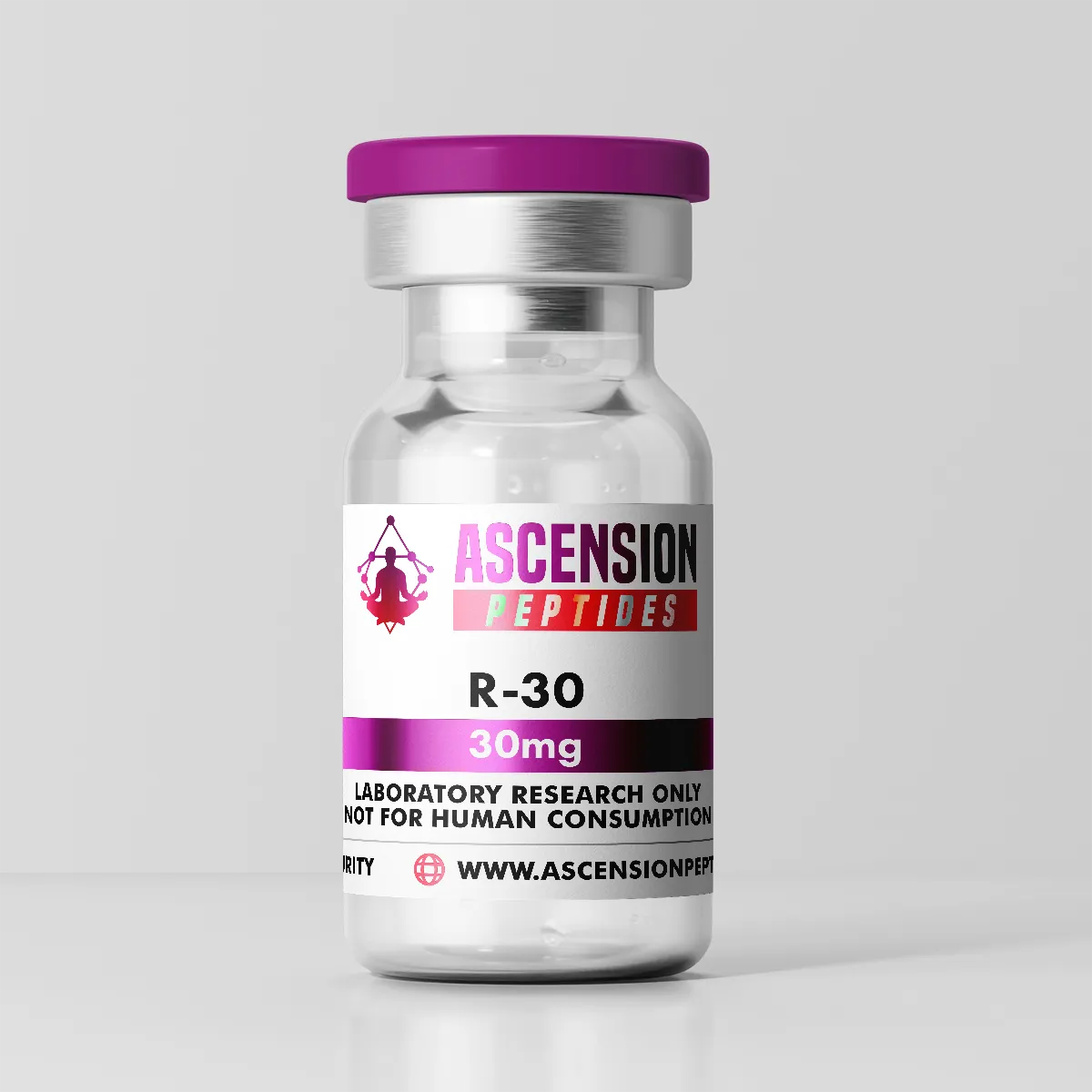
R-30 (Retatrutide 30mg)

R-30 (Retatrutide 30mg)

The strongest GLP-1 alternative — triple agonist with 24.2% weight loss in trials. Available without prescription.

Get 20% off code

Buy Retatrutide (R-30)

Index

WHAT IS OZEMPIC AND WHY IS EVERYONE TALKING ABOUT IT?How Semaglutide Differs from Diet PillsThe Celebrity Effect and Shortage CrisisHOW OZEMPIC WORKS FOR WEIGHT LOSS: THE MECHANISMAppetite Suppression via the BrainDelayed Gastric EmptyingImproved Insulin SensitivityOZEMPIC WEIGHT LOSS RESULTS: WHAT THE CLINICAL DATA SHOWSSTEP 1 Trial ResultsSTEP 3 and STEP 5: Long-Term DataOZEMPIC BEFORE AND AFTER: MONTH-BY-MONTH TIMELINEMonth 1 (0.25mg dose)Months 2–3 (0.5mg dose)Months 4–6 (1mg dose)Months 6–12 (1mg–2mg dose)Month 12+ (Maintenance)WHO GETS THE BEST OZEMPIC WEIGHT LOSS RESULTS?Strong RespondersWeaker RespondersHOW MUCH WEIGHT CAN YOU LOSE ON OZEMPIC?SIDE EFFECTS YOU'LL ACTUALLY DEAL WITHNausea (40–45% of users)Gastrointestinal Issues (20–30%)Fatigue and Low Energy (15–20%)"Ozempic Face" and Muscle LossWHO SHOULD NOT USE OZEMPICOZEMPIC VS RETATRUTIDE: THE NEXT GENERATIONOZEMPIC VS OTHER GLP-1 MEDICATIONSOzempic vs Mounjaro (Tirzepatide)Ozempic vs Saxenda (Liraglutide)THE COST PROBLEMThe Research Peptide AlternativeHOW TO GET OZEMPICCompounded SemaglutideResearch Peptide RouteDOSING BASICS FOR OZEMPICStandard EscalationInjection TipsLIFESTYLE FACTORS THAT MAXIMIZE RESULTSDiet AdjustmentsExercise ProtocolSleep and StressWHAT HAPPENS WHEN YOU STOP OZEMPICStrategies for Transitioning OffTHE WEIGHT REGAIN PROBLEM: WHY PEPTIDE CYCLING MAY HELPOZEMPIC FOR WEIGHT LOSS IN SPECIAL POPULATIONSWomen with PCOSOlder Adults (65+)People with Type 2 DiabetesLONG-TERM SAFETY CONSIDERATIONSFREQUENTLY ASKED QUESTIONSREFERENCES
R-30 (Retatrutide 30mg)

Procurement

R-30 (Retatrutide 30mg)

Buy Retatrutide (R-30)

🔑 Key Takeaways

  • Ozempic (semaglutide 2.4mg) produces ~15% body weight loss over 68 weeks in clinical trials
  • Weight loss starts slow — most people see noticeable results around weeks 8–12
  • GLP-1 receptor agonists work by suppressing appetite, slowing gastric emptying, and improving insulin sensitivity
  • Retatrutide (triple agonist) showed 24.2% weight loss in Phase 2 trials — significantly stronger than semaglutide
  • Cost remains the biggest barrier: $900–1,100/month without insurance coverage

Roughly 42% of American adults qualify as obese by BMI standards. That's not a fun number. And when your doctor mentions Ozempic — or you've seen enough TikToks about it — the first question is always the same: does it actually work for weight loss, and what should I realistically expect?

The short answer is yes, ozempic for weight loss works. The longer answer involves timelines, side effects that might make you miserable for a few weeks, a price tag that could rival your car payment, and some newer alternatives that are quietly outperforming it. Let's get into all of it.

💡 Looking for an Alternative?

Ozempic works — but at $900+/month, persistent shortages, and GI side effects that make roughly 20% of users quit, it's not for everyone. Retatrutide (R-30) is a next-generation triple-agonist peptide targeting GLP-1, GIP, and glucagon receptors simultaneously. In Phase 2 trials, it produced 24.2% body weight loss — nearly double Ozempic's 15%. Available without prescription as a research peptide for $70–180/month. Check current R-30 pricing at Ascension Peptides.

If GLP-1 nausea is a dealbreaker entirely, consider MOTS-C — a mitochondrial-derived peptide that improves metabolic function through a completely different pathway, with virtually no GI side effects.

What Is Ozempic and Why Is Everyone Talking About It?

Ozempic is the brand name for semaglutide, manufactured by Novo Nordisk. It was originally FDA-approved in 2017 for type 2 diabetes management, but physicians quickly noticed something interesting: patients were losing substantial weight. Not 5 pounds. Not "water weight." Real, sustained fat loss that changed body composition over months.

The weight loss version — branded as Wegovy — got its own FDA approval in 2021 at a higher dose (2.4mg vs 1mg for diabetes). But most people still call both "Ozempic" because that's the name that stuck. And honestly, it doesn't matter much what you call it — the active compound is identical.

How Semaglutide Differs from Diet Pills

Old-school weight loss drugs worked by either suppressing appetite through stimulants (phentermine) or blocking fat absorption (orlistat). Semaglutide does something fundamentally different. It mimics a hormone your body already produces — GLP-1 — but lasts far longer in circulation. Your natural GLP-1 breaks down in about 2 minutes. Semaglutide has a half-life of roughly 7 days, which is why it's a once-weekly injection.

This isn't a subtle distinction. It means ozempic for weight loss works through your existing biology rather than overriding it with stimulants.

The Celebrity Effect and Shortage Crisis

By 2023, demand had so thoroughly outstripped supply that the FDA placed semaglutide on its official drug shortage list. Hollywood adoptions, off-label prescriptions, and telehealth companies writing scripts with minimal oversight created a perfect storm. Even people with legitimate diabetes prescriptions couldn't fill them.

How Ozempic Works for Weight Loss: The Mechanism

Understanding the mechanism matters because it explains both why ozempic for weight loss is effective and why the side effects happen. There are three main pathways:

Appetite Suppression via the Brain

Semaglutide crosses the blood-brain barrier and acts on GLP-1 receptors in the hypothalamus. This reduces hunger signals and increases satiety after meals. Patients consistently report that food just... matters less. The psychological fixation on eating fades. Some describe it as "food noise" disappearing — that constant background hum of thinking about your next meal goes quiet.

Delayed Gastric Emptying

Your stomach empties more slowly on semaglutide. Food sits there longer, which extends the feeling of fullness after eating. This is also why nausea is the most common side effect — your digestive system isn't used to operating at this pace. Most people adapt within 4–8 weeks. Some don't.

Improved Insulin Sensitivity

Semaglutide enhances insulin secretion in response to glucose (not baseline insulin — this is important). It also suppresses glucagon release, which reduces hepatic glucose output. The net effect: better blood sugar control, less insulin resistance, and reduced fat storage signaling. For people with pre-diabetes or metabolic syndrome, this pathway is arguably more important than the appetite suppression.

For a deeper breakdown of these mechanisms, see our complete guide to GLP-1 receptor agonists.

Ozempic Weight Loss Results: What the Clinical Data Shows

The landmark STEP trials (Semaglutide Treatment Effect in People with Obesity) provide the most rigorous data. Here's what actually happened:

STEP 1 Trial Results

1,961 adults with BMI ≥30 (or ≥27 with at least one weight-related condition) received either semaglutide 2.4mg or placebo weekly for 68 weeks. The semaglutide group lost an average of 14.9% of body weight, compared to 2.4% in the placebo group (Wilding et al., New England Journal of Medicine, 2021).

But averages obscure the distribution. About one-third of participants lost more than 20% of their body weight. A smaller percentage — roughly 10% — lost less than 5%. Response varies significantly between individuals.

STEP 3 and STEP 5: Long-Term Data

STEP 5 followed participants for 104 weeks (2 years). Weight loss plateaued around week 60 and was maintained through week 104 — as long as participants continued the medication. The moment they stopped, weight regain began. This is the uncomfortable truth about ozempic weight loss results: you're likely on it indefinitely if you want to maintain the loss (Garvey et al., Nature Medicine, 2022).

TrialDurationAvg Weight Loss (Semaglutide)Avg Weight Loss (Placebo)Participants
STEP 168 weeks14.9%2.4%1,961
STEP 2 (T2D)68 weeks9.6%3.4%1,210
STEP 3 (+ behavioral)68 weeks16.0%5.7%611
STEP 5104 weeks15.2%2.6%304

Ozempic Before and After: Month-by-Month Timeline

Clinical trial averages are useful. But what most people want to know is: what will happen to ME, and when? Here's a realistic ozempic before and after timeline based on aggregated patient data and prescriber reports:

Month 1 (0.25mg dose)

Weight loss: 2–4 lbs. This is the initiation dose — it's deliberately low to let your body adjust. Most of the "loss" here is reduced water retention and slightly less food intake. You'll probably feel nauseous for the first week or two. Some people feel nothing at all. Both are normal.

Months 2–3 (0.5mg dose)

Weight loss: 5–10 lbs total. This is where appetite suppression becomes noticeable. Portions shrink naturally. You stop finishing plates. The nausea either settles down or becomes your new baseline (fun). Energy levels may dip slightly as caloric intake drops.

Months 4–6 (1mg dose)

Weight loss: 12–25 lbs total. The sweet spot for most users. Ozempic before and after photos from this window tend to show the most dramatic visible changes — face gains, looser clothing, better posture from reduced abdominal fat. Blood work often improves noticeably: fasting glucose drops, A1C comes down, triglycerides decrease.

Months 6–12 (1mg–2mg dose)

Weight loss: 20–40 lbs total (varies widely). The curve flattens. You're still losing, but slower. Some people hit a true plateau around month 8–10 and need to either increase to 2mg or add exercise/dietary changes. Others cruise through to month 12 with steady loss.

Month 12+ (Maintenance)

Most clinical data shows weight loss plateaus between months 12–15. After that, you're in maintenance mode. The question becomes: stay on it or taper off? Discontinuation studies show about two-thirds of lost weight returns within a year of stopping (Rubino et al., JAMA, 2021).

Who Gets the Best Ozempic Weight Loss Results?

Not everyone responds equally. Based on the clinical literature and real-world prescribing data:

Strong Responders

  • BMI 30–40 (moderate obesity — severe obesity responds less consistently)
  • People with insulin resistance or pre-diabetes
  • Those who combine medication with even modest exercise (150 min/week walking)
  • People without prior bariatric surgery
  • Those who tolerate GI side effects well enough to reach therapeutic doses

Weaker Responders

  • BMI above 45 (may need combination therapy or surgical intervention)
  • People with hypothyroidism or PCOS (weight loss is slower, not absent)
  • Those who can't tolerate doses above 0.5mg due to side effects
  • People on medications that promote weight gain (certain antipsychotics, corticosteroids)

How Much Weight Can You Lose on Ozempic?

The honest answer to "how much weight can you lose on ozempic" depends on where you start and how your body responds. The distribution from clinical trials breaks down roughly like this:

  • Top 25% of responders: 20–25% of body weight (a 250 lb person losing 50–62 lbs)
  • Average responders: 12–17% of body weight
  • Below-average responders: 5–10% of body weight
  • Non-responders: Less than 5% — roughly 10–15% of users

If you're calculating in real numbers: a 220 lb person can reasonably expect to reach 185–190 lbs over 12 months on ozempic for weight loss. Getting to 175 lbs or lower typically requires the higher 2mg dose AND dietary discipline.

Side Effects You'll Actually Deal With

Every side effects article lists the same clinical percentages. Let's talk about what it actually feels like. For the full breakdown, see our Ozempic side effects guide.

Nausea (40–45% of users)

The most common complaint. Usually worst during the first 2–4 weeks at each dose escalation. It's not "I feel a little off" nausea for some people — it's "I can't eat dinner" nausea. Eating smaller meals helps. Greasy food makes it worse. Most people adapt. If you don't adapt after 8 weeks at a given dose, that might be your ceiling.

Gastrointestinal Issues (20–30%)

Diarrhea, constipation (sometimes alternating — fun), bloating, and acid reflux. The delayed gastric emptying means food sits longer, ferments a bit more, and your gut microbiome has opinions about that. Fiber supplements and probiotics seem to help some users.

Fatigue and Low Energy (15–20%)

You're eating significantly fewer calories. Your body notices. The first few months can feel sluggish, especially if you're not supplementing electrolytes. This usually resolves as your body adapts to a lower caloric baseline.

"Ozempic Face" and Muscle Loss

Rapid weight loss — from any cause — leads to facial volume loss and some muscle wasting. Semaglutide doesn't selectively burn fat; you lose lean mass too. Resistance training and adequate protein intake (0.7–1g per pound of body weight) are critical for minimizing this. Not optional. Critical.

⚠️ Warning: If you experience severe abdominal pain, persistent vomiting, or signs of pancreatitis while on semaglutide, discontinue use and seek medical attention immediately. These are rare but serious adverse events reported in post-marketing surveillance.

Who Should Not Use Ozempic

This isn't a universal medication. Contraindications include:

  • Personal or family history of medullary thyroid carcinoma (MTC)
  • Multiple Endocrine Neoplasia syndrome type 2 (MEN 2)
  • History of pancreatitis
  • Severe gastroparesis
  • Pregnancy or planning to become pregnant (discontinue at least 2 months prior)
  • Type 1 diabetes (Ozempic is for T2D only)

Ozempic vs Retatrutide: The Next Generation

Here's where it gets interesting. Semaglutide targets one receptor: GLP-1. That's impressive on its own. But retatrutide targets three: GLP-1, GIP, and glucagon receptors simultaneously. In the Phase 2 trial published in the New England Journal of Medicine (Jastreboff et al., 2023), participants on the highest dose lost 24.2% of body weight in 48 weeks.

That's not an incremental improvement. That's a categorical leap.

FeatureOzempic (Semaglutide)Retatrutide (R-30)
Receptor TargetsGLP-1 onlyGLP-1 + GIP + Glucagon
Avg Weight Loss~15% body weight~24.2% body weight
Trial Duration68 weeks (STEP 1)48 weeks (Phase 2)
FDA Approved?Yes (2017/2021)No — Phase 3 ongoing
Prescription Required?YesNo (research peptide)
Monthly Cost$900–1,100 (no insurance)$70–180 (research peptide)
AdministrationWeekly injection (pen)Weekly subcutaneous injection
Nausea Incidence~44%~30–35% (dose dependent)

The glucagon receptor activation is the key differentiator. While GLP-1 suppresses appetite and GIP improves insulin sensitivity, glucagon directly increases energy expenditure — your body burns more calories at rest. Triple agonism means retatrutide attacks obesity from three angles simultaneously.

Ozempic vs Other GLP-1 Medications

R-30 (Retatrutide 30mg)
Top Pick R-30 (Retatrutide 30mg) The strongest GLP-1 alternative — triple agonist with 24.2% weight loss in trials. Available without prescription. Exclusive 20% off — unlock code in sidebar
Buy Retatrutide (R-30)

Semaglutide isn't the only option in this class. Quick comparison with its competitors:

Ozempic vs Mounjaro (Tirzepatide)

Mounjaro is a dual agonist (GLP-1 + GIP) that shows slightly better weight loss than semaglutide — about 20–22% in the SURMOUNT trials. It's the closest approved competitor. But it carries a similar price tag and prescription requirement.

Ozempic vs Saxenda (Liraglutide)

Saxenda is an older GLP-1 agonist requiring daily injections. Weight loss averages only about 8% — roughly half of what semaglutide achieves. It's largely been superseded. Few prescribers recommend it as a first choice anymore.

For a full comparison of every available option, see our 2026 Ozempic alternatives guide.

The Cost Problem

Let's not pretend cost isn't a factor. Without insurance, Ozempic runs $900–1,100 per month. Even with insurance, copays range from $25 to $150 depending on your plan and whether your insurer classifies your use as "weight loss" (often not covered) versus "diabetes management" (usually covered).

Novo Nordisk offers a savings card that can reduce out-of-pocket to $25/month — but only for commercially insured patients. Medicare, Medicaid, and uninsured patients don't qualify.

For detailed pricing strategies and alternatives, check our Ozempic cost breakdown for 2026.

The Research Peptide Alternative

Research-grade retatrutide (sold as R-30) is available from peptide suppliers for $70–180/month — a fraction of Ozempic's cost. It's not FDA-approved, which means no prescription required but also no insurance coverage (which is irrelevant given the price). The trade-off is regulatory status, not efficacy — the Phase 2 data speaks for itself.

How to Get Ozempic

The standard route: see your doctor, get a prescription, fill it at a pharmacy. If your BMI is 30+ or 27+ with a comorbidity, you likely qualify. Telehealth services like Calibrate, Found, and Ro also prescribe semaglutide remotely with varying degrees of medical oversight.

Compounded Semaglutide

During the shortage, compounding pharmacies were legally producing semaglutide for about $150–300/month. The FDA's 2025 crackdown on compounders has made this route less reliable. Some compounding pharmacies still operate under state-level oversight, but availability varies.

Research Peptide Route

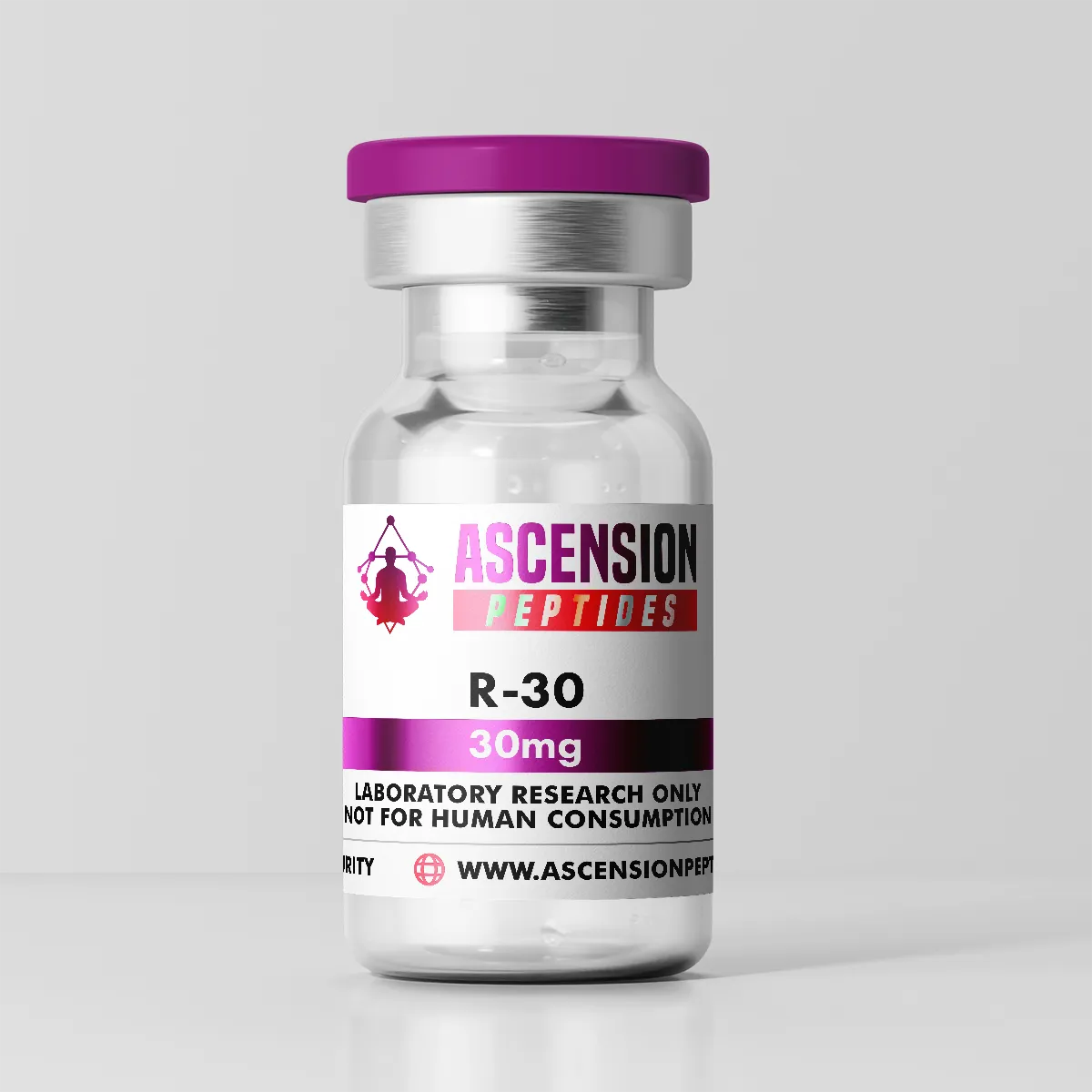
For researchers and biohackers who want the strongest available GLP-1 agonist without the prescription barrier, retatrutide is the current frontrunner. Ascension Peptides carries it as R-30 (30mg vial) with third-party purity testing.

Dosing Basics for Ozempic

Ozempic uses a dose escalation protocol to minimize side effects. You don't start at the full dose — you ramp up over 8+ weeks. For the complete breakdown, read our semaglutide dosing guide.

Standard Escalation

  • Weeks 1–4: 0.25mg once weekly (initiation — not a therapeutic dose)
  • Weeks 5–8: 0.5mg once weekly
  • Weeks 9+: 1mg once weekly (standard maintenance)
  • If needed: 2mg once weekly (maximum approved dose)

Injection Tips

Inject subcutaneously in the abdomen, thigh, or upper arm. Rotate injection sites. Same day each week — doesn't need to be the same time of day. If you miss a dose by less than 5 days, take it as soon as you remember. If more than 5 days have passed, skip it and resume on your regular schedule.

Lifestyle Factors That Maximize Results

Ozempic isn't magic. The clinical trials included lifestyle counseling alongside medication. People who made dietary changes and exercised consistently lost more weight than those who relied on the drug alone.

Diet Adjustments

Protein becomes non-negotiable. When your caloric intake drops 30–40%, you need to prioritize lean protein to minimize muscle loss. Aim for 0.7–1g per pound of lean body mass. High-fiber vegetables help with constipation. Avoid high-fat meals — they exacerbate nausea.

Exercise Protocol

Resistance training 3–4 times per week preserves lean mass. Cardio helps with overall caloric deficit but isn't the priority. Walking 8,000–10,000 steps daily might matter more than your gym sessions for long-term metabolic health.

Sleep and Stress

Cortisol and poor sleep both promote insulin resistance and fat storage. Eight hours isn't a luxury — it's a force multiplier for everything else you're doing. People sleeping less than 6 hours consistently show blunted responses to GLP-1 medications in observational data.

What Happens When You Stop Ozempic

This is the conversation nobody wants to have. The STEP 1 extension trial showed that participants who discontinued semaglutide after 68 weeks regained approximately two-thirds of their lost weight within 52 weeks (Wilding et al., 2022). Appetite returns. Cravings return. Metabolic rate re-adjusts.

This doesn't mean Ozempic "doesn't work." It means obesity is a chronic condition that, for many people, requires ongoing management — just like hypertension or diabetes. The expectation that you'll take it for a year and be "fixed" isn't realistic for most users.

Strategies for Transitioning Off

Some physicians are experimenting with gradual tapering: stepping down from 1mg to 0.5mg to 0.25mg over 3–6 months while establishing exercise habits and dietary patterns. The evidence for this approach is limited but the logic is sound — give your brain time to recalibrate hunger signals.

The Weight Regain Problem: Why Peptide Cycling May Help

One advantage of research peptides like retatrutide is flexibility. Without the rigid prescription framework, some researchers cycle periods of use with periods off, using metabolic peptides like MOTS-C during off-periods to maintain metabolic improvements without GLP-1-related GI effects. MOTS-C works through mitochondrial biogenesis and AMPK activation — a completely different mechanism that supports insulin sensitivity and fat oxidation without suppressing appetite or causing nausea.

Ozempic for Weight Loss in Special Populations

Women with PCOS

Polycystic ovary syndrome is characterized by insulin resistance, which makes weight loss exceptionally difficult. Semaglutide has shown promising results in PCOS populations, with improvements in both weight and hormonal markers (Jensterle et al., Frontiers in Endocrinology, 2023). Weight loss may be slower — 10–12% rather than 15% — but the metabolic benefits are proportionally larger.

Older Adults (65+)

The STEP 2 trial included participants up to age 75. Weight loss was comparable to younger adults, but muscle loss was more pronounced. Resistance training and protein supplementation are even more critical in this group. Some geriatricians recommend starting at 0.25mg for a full 8 weeks rather than the standard 4 before escalating.

People with Type 2 Diabetes

Weight loss tends to be slightly lower in people with established T2D — about 9–10% versus 15% in non-diabetic populations. But the A1C improvements are significant (average 1.6% reduction), and some patients achieve diabetes remission.

Long-Term Safety Considerations

Semaglutide has been in human use since 2017. That's decent but not extensive follow-up. The SELECT cardiovascular outcomes trial (Lincoff et al., NEJM, 2023) actually showed a 20% reduction in major cardiovascular events, which was a pleasant surprise — weight loss drugs don't usually improve heart outcomes independently.

Remaining unknowns: thyroid cancer risk (theoretical, based on rodent studies with much higher doses), pancreatic effects over 10+ years, and long-term impacts on gut motility. The honest assessment is that 5-year safety data looks good, but we don't have 20-year data yet.

Frequently Asked Questions

How much weight can you lose on Ozempic in 3 months?
Most users lose 5–12% of their starting body weight in the first 3 months. For a 200 lb person, that's roughly 10–24 lbs. Results vary significantly based on starting weight, dose tolerance, diet, and exercise habits. The first month is typically slower since you're on the initiation dose (0.25mg).
Does Ozempic work without exercise?
Yes — the STEP trials showed significant weight loss even with minimal lifestyle intervention. But exercise improves results by roughly 3–5 percentage points and, more importantly, preserves muscle mass during rapid weight loss. Resistance training specifically is strongly recommended to prevent "skinny fat" outcomes.
How long do you stay on Ozempic?
Current evidence suggests indefinitely for most people. Discontinuation studies show approximately two-thirds of lost weight returns within a year of stopping. Some physicians are exploring cycling protocols or transitioning patients to lower-cost alternatives like research peptides for long-term maintenance.
Is Ozempic safe long-term?
Data through 5+ years shows a favorable safety profile. The SELECT trial demonstrated cardiovascular benefits. Remaining uncertainties include very long-term thyroid effects and gut motility changes. The most common ongoing side effect is mild GI discomfort, which typically diminishes but doesn't always fully resolve.
Why is Ozempic so expensive?
Novo Nordisk holds patent protection through 2031–2032 with no generic competition. The U.S. lacks the price negotiation mechanisms common in other countries. Manufacturing costs are estimated at $5–10 per dose; the remainder is margin, R&D recoupment, and market pricing. Research peptide alternatives like retatrutide offer comparable or superior efficacy at $70–180/month.
Can you drink alcohol on Ozempic?
Technically yes, but many users report dramatically reduced alcohol tolerance — getting intoxicated faster and experiencing worse hangovers. Semaglutide slows gastric emptying, which changes alcohol absorption patterns. There's no formal contraindication, but moderation is strongly advised, especially during dose escalation.
What's the difference between Ozempic and Wegovy?
Same compound (semaglutide), different doses and approved indications. Ozempic maxes at 2mg and is approved for type 2 diabetes. Wegovy goes up to 2.4mg and is approved specifically for weight management. In practice, many people use Ozempic off-label for weight loss because it's sometimes easier to get covered by insurance under a diabetes diagnosis.
Is retatrutide better than Ozempic for weight loss?
Based on available clinical data, yes — retatrutide produced 24.2% body weight loss vs semaglutide's 15% in comparable trial durations. Retatrutide's triple-agonist mechanism (GLP-1 + GIP + glucagon) provides additional metabolic benefits beyond appetite suppression. However, it hasn't completed Phase 3 trials or received FDA approval, so it's currently available only as a research peptide. See our retatrutide sourcing guide.
What is MOTS-C and can it replace Ozempic?
MOTS-C is a mitochondrial-derived peptide that improves metabolic function through AMPK activation and mitochondrial biogenesis — not through appetite suppression. It doesn't cause GI side effects and works through a completely different pathway. It's not a direct replacement for Ozempic but is used by some researchers as a complementary metabolic support tool, especially during GLP-1 off-cycles.

References

  1. Wilding JPH, Batterham RL, Calanna S, et al. Once-Weekly Semaglutide in Adults with Overweight or Obesity. N Engl J Med. 2021;384(11):989-1002. doi:10.1056/NEJMoa2032183
  2. Garvey WT, Batterham RL, Bhatt DL, et al. Two-Year Effects of Semaglutide in Adults with Overweight or Obesity. Nat Med. 2022;28(10):2083-2091. doi:10.1038/s41591-022-02026-4
  3. Rubino D, Abrahamsson N, Davies M, et al. Effect of Continued Weekly Subcutaneous Semaglutide vs Placebo on Weight Loss Maintenance. JAMA. 2021;325(14):1414-1425. doi:10.1001/jama.2021.3224
  4. Jastreboff AM, Kaplan LM, Frías JP, et al. Triple-Hormone-Receptor Agonist Retatrutide for Obesity. N Engl J Med. 2023;389(6):514-526. doi:10.1056/NEJMoa2301972
  5. Lincoff AM, Brown-Frandsen K, Colhoun HM, et al. Semaglutide and Cardiovascular Outcomes in Obesity without Diabetes. N Engl J Med. 2023;389(24):2221-2232. doi:10.1056/NEJMoa2307563
  6. Jensterle M, Janež A, Fliers E, et al. The Role of GLP-1 Receptor Agonists in PCOS Management. Front Endocrinol. 2023;14:1150596. doi:10.3389/fendo.2023.1150596
  7. Davies M, Færch L, Jeppesen OK, et al. Semaglutide 2.4 mg Once a Week in Adults with Overweight or Obesity, and Type 2 Diabetes (STEP 2). Lancet. 2021;397(10278):971-984. doi:10.1016/S0140-6736(21)00213-0
Medical Disclaimer: This content is for informational purposes only and does not constitute medical advice. Always consult a qualified healthcare provider before starting any new medication or treatment protocol. PeptideDeck may earn a commission from affiliate links at no additional cost to you.
R-30 (Retatrutide 30mg)

Recommended Supplier

R-30 (Retatrutide 30mg)

The strongest GLP-1 alternative — triple agonist with 24.2% weight loss in trials. Available without prescription.

Exclusive 20% off — unlock code in sidebar

Buy Retatrutide (R-30)

Related Topics

ozempicsemaglutideweight lossglp-1retatrutideobesityozempic results
Back to Peptides
Buy Now
R-30 (Retatrutide 30mg)
Buy
sciencePeptideDeck
About|Contact© 2026 PeptideDeck. Research Purposes Only. Not for human consumption.
