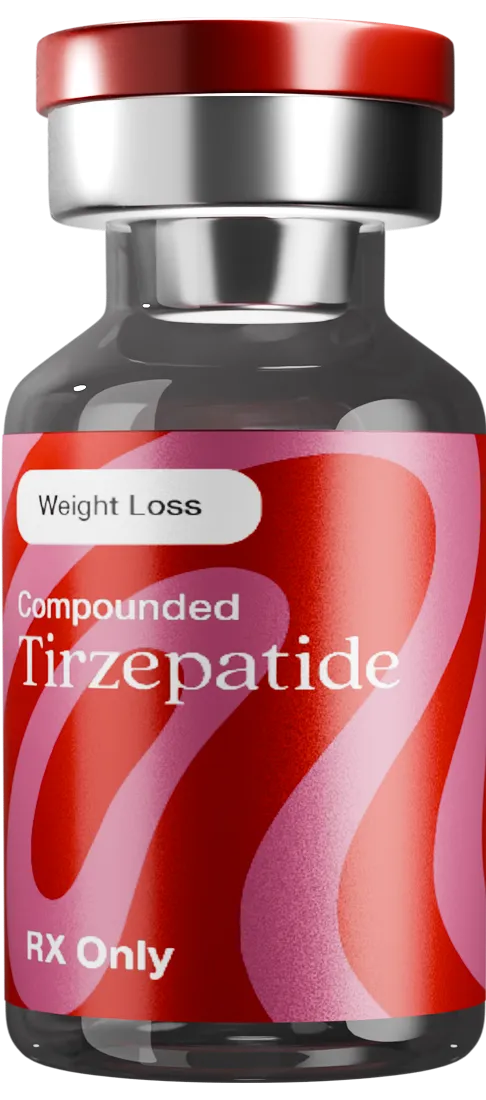
Mounjaro medication is tirzepatide. It is a once-weekly injection for type 2 diabetes that also causes major weight loss in many patients. The key is understanding when Mounjaro is the right label, and when Zepbound or another GLP-1 fits better.
🔑 Key Takeaways
- Mounjaro (tirzepatide) is a once-weekly injection approved for type 2 diabetes in adults and children ages 10+. It's the first and only dual GLP-1/GIP receptor agonist on the market
- It produces the largest A1c reductions of any injectable diabetes medication: up to 2.46 percentage points in clinical trials, beating semaglutide (Ozempic) head-to-head
- Weight loss is significant even though Mounjaro is a diabetes drug, not a weight loss drug. Patients in diabetes trials lost up to 25 lbs (11.2 kg) at the highest dose
- Mounjaro and Zepbound are the same molecule (tirzepatide). Mounjaro is the diabetes brand. Zepbound is the weight loss brand. Same drug, different label, different insurance coverage
- Common side effects are gastrointestinal: nausea, diarrhea, constipation, vomiting. These are milder than semaglutide rates and peak during dose escalation
- Available as pre-filled pen, KwikPen (multi-dose), or vial. Also available as compounded tirzepatide at lower cost
This page covers what Mounjaro is, how it works, what sets it apart from other diabetes medications, who it's for, cost, and how it compares to everything else in the class.
Mounjaro Medication Quick Answer
What it is
Mounjaro is Eli Lilly's tirzepatide injection for type 2 diabetes. It is taken once weekly, starts at 2.5 mg, and can titrate up to 15 mg. It is not insulin, and it is not the weight-loss brand. Zepbound is the same active drug under the obesity and sleep-apnea label.
What Is Mounjaro?
The first dual-agonist diabetes drug.
Mounjaro is the brand name for tirzepatide, a 39-amino acid synthetic peptide made by Eli Lilly. It was FDA-approved in May 2022 for type 2 diabetes, making it the first medication to activate both GLP-1 and GIP receptors simultaneously.
Every other injectable diabetes drug in the GLP-1 class (Ozempic, Trulicity, Victoza) targets only the GLP-1 receptor. Mounjaro targets two, which is why it outperforms the entire class for both blood sugar control and weight loss.
Mounjaro is NOT approved for weight loss. Zepbound is the tirzepatide brand approved for weight management. Physicians can and do prescribe Mounjaro off-label for weight loss, but insurance coverage for that use is inconsistent.
How Mounjaro Works
Two hormones, one injection.
Mounjaro mimics two incretin hormones your gut naturally releases after eating:
- GLP-1 (glucagon-like peptide-1): Stimulates insulin release, suppresses glucagon, slows gastric emptying, reduces appetite. This is the mechanism every GLP-1 drug uses.
- GIP (glucose-dependent insulinotropic polypeptide): Enhances insulin response, directly improves fat tissue metabolism, improves insulin sensitivity through pathways GLP-1 doesn't reach, and may help preserve muscle during weight loss.
The dual activation is what produces better A1c control than single-agonist drugs. In the SURPASS-2 trial (head-to-head vs Ozempic), Mounjaro reduced A1c by 2.46% vs 1.86% for semaglutide 1mg, and produced roughly double the weight loss.
For a deeper explanation of the mechanism, the how does Zepbound work page covers the same dual mechanism in detail (same drug).
Who Is Mounjaro For?
Type 2 diabetes, primarily.
FDA-approved for:
- Adults with type 2 diabetes (as adjunct to diet and exercise)
- Children ages 10+ with type 2 diabetes
Who benefits most:
- People with T2D whose A1c isn't at target on metformin alone
- People who need both blood sugar control and weight loss (Mounjaro addresses both more effectively than any single agent)
- People switching from another GLP-1 (Ozempic, Trulicity) who haven't reached their A1c or weight goals
- People with T2D and cardiovascular risk factors (SURPASS-CVOT showed cardiovascular safety)
Who should NOT take Mounjaro:
- Personal or family history of medullary thyroid carcinoma (MTC) or MEN2
- History of pancreatitis
- Severe gastroparesis
- Pregnant, breastfeeding, or planning pregnancy within 2 months
- People with type 1 diabetes (not approved for T1D)
Mounjaro for Blood Sugar: The Trial Data
Best A1c reduction of any injectable.
SURPASS-2 is the key trial: direct head-to-head vs Ozempic. Mounjaro at 15mg produced 32% better A1c reduction and roughly double the weight loss. Full trial data on the clinical trial reference page.
Mounjaro and Weight Loss
Not approved for it, but it happens.
In diabetes trials, patients on Mounjaro 15mg lost an average of 10.5 to 11.7 kg (23-26 lbs) over 40-52 weeks. This is a side effect of the mechanism, not the primary indication, but it's why many physicians prescribe Mounjaro when patients need both A1c control and weight reduction.
For dedicated weight loss use, Zepbound is the same drug approved specifically for weight management. In the SURMOUNT weight loss trials (different population, higher doses, longer duration), tirzepatide produced 20-21% average body weight loss.
If your primary goal is weight loss and you don't have diabetes, Zepbound is the appropriate prescription. If you have T2D and want both benefits, Mounjaro covers both.
Mounjaro vs Ozempic
Mounjaro wins on A1c reduction and weight loss. Ozempic wins on cardiovascular and kidney outcome data. For most T2D patients without established cardiovascular or kidney disease, Mounjaro produces better metabolic results. For T2D patients with heart disease or CKD, Ozempic has stronger outcome evidence.
Full comparison on the tirzepatide vs semaglutide page.
Mounjaro vs Zepbound
Same drug, different label.
The molecule, dosing, side effects, and everything pharmacological is identical. The only difference is the approved indication on the label, which determines insurance coverage. Many people prescribed Mounjaro for diabetes also get the weight loss benefit. Some physicians prescribe Mounjaro off-label for weight loss when Zepbound isn't covered.
How Mounjaro Is Taken
Once weekly, subcutaneous injection.
Mounjaro comes as a single-dose pre-filled pen, a multi-dose KwikPen, or a vial. Inject in the abdomen, thigh, or upper arm. Same day each week, any time of day, with or without food.
Dosing starts at 2.5mg and escalates every 4 weeks: 2.5mg, 5mg, 7.5mg, 10mg, 12.5mg, up to a maximum of 15mg. Your physician determines the target dose based on A1c response and tolerability. Full dosing protocol on the tirzepatide dosage page.
Side Effects
GI-focused, milder than Ozempic.
The most common Mounjaro side effects from the SURPASS trials (15mg dose):
- Nausea: ~28% (vs ~44% for semaglutide)
- Diarrhea: ~23%
- Vomiting: ~13% (vs ~25% for semaglutide)
- Constipation: ~11%
- Decreased appetite: expected (part of the mechanism)
Side effects peak during dose escalation and fade at stable doses. Slow titration is the most effective strategy for managing them. Full breakdown on the tirzepatide side effects page.
Mounjaro Cost and Savings
Eli Lilly offers a savings card for commercially insured patients that can reduce the copay to as low as $25/month. Check eligibility at the Mounjaro website. For uninsured patients, the GLP-1 without insurance page covers all access routes. For tirzepatide pricing specifically, our cheapest tirzepatide guide ranks the lowest verified sources.
Frequently Asked Questions
Medical Disclaimer: This article is for informational purposes only and does not constitute medical advice. Mounjaro is a prescription medication for type 2 diabetes. Consult a licensed healthcare provider to determine if it's appropriate for your health profile.