Getting GHK-Cu changed in 2026.
The February 27, 2026 RFK reclassification moved GHK-Cu (along with BPC-157, TB-500, CJC-1295, and 10 others) from FDA Category 2 back to Category 1. That brought 503A compounding pharmacies back into the picture for injectable GHK-Cu, which had been effectively prohibited from compounders since 2023. Combined with the existing routes (research peptide vendors, OTC cosmetic serums, telehealth clinics), there are now four distinct paths to get GHK-Cu in 2026, ranging from same-week peptide delivery to a few weeks for a compounded prescription. Here's how each one works.
🔑 Key Takeaways
- Injectable GHK-Cu is back at 503A compounding pharmacies after the February 2026 reclassification, ending nearly three years of restriction.
- Peptide vendor vials remain the cheapest and fastest route at roughly $2.50/mg, ships in 2 to 5 days.
- OTC skincare serums (0.01 to 1% concentration) are useful for daily maintenance but deliver a fraction of what therapeutic protocols use.
- Telehealth peptide clinics ($150 to $400/mo) handle the prescription, compounding, and shipping in one workflow.
- Cosmetic-grade and peptide-grade GHK-Cu are not interchangeable. Cosmetic serums use much lower concentrations and are not formulated for injection.
Here's how each route works.
Route 1: Peptide Vendor Vials (Independent Synthesis Labs)
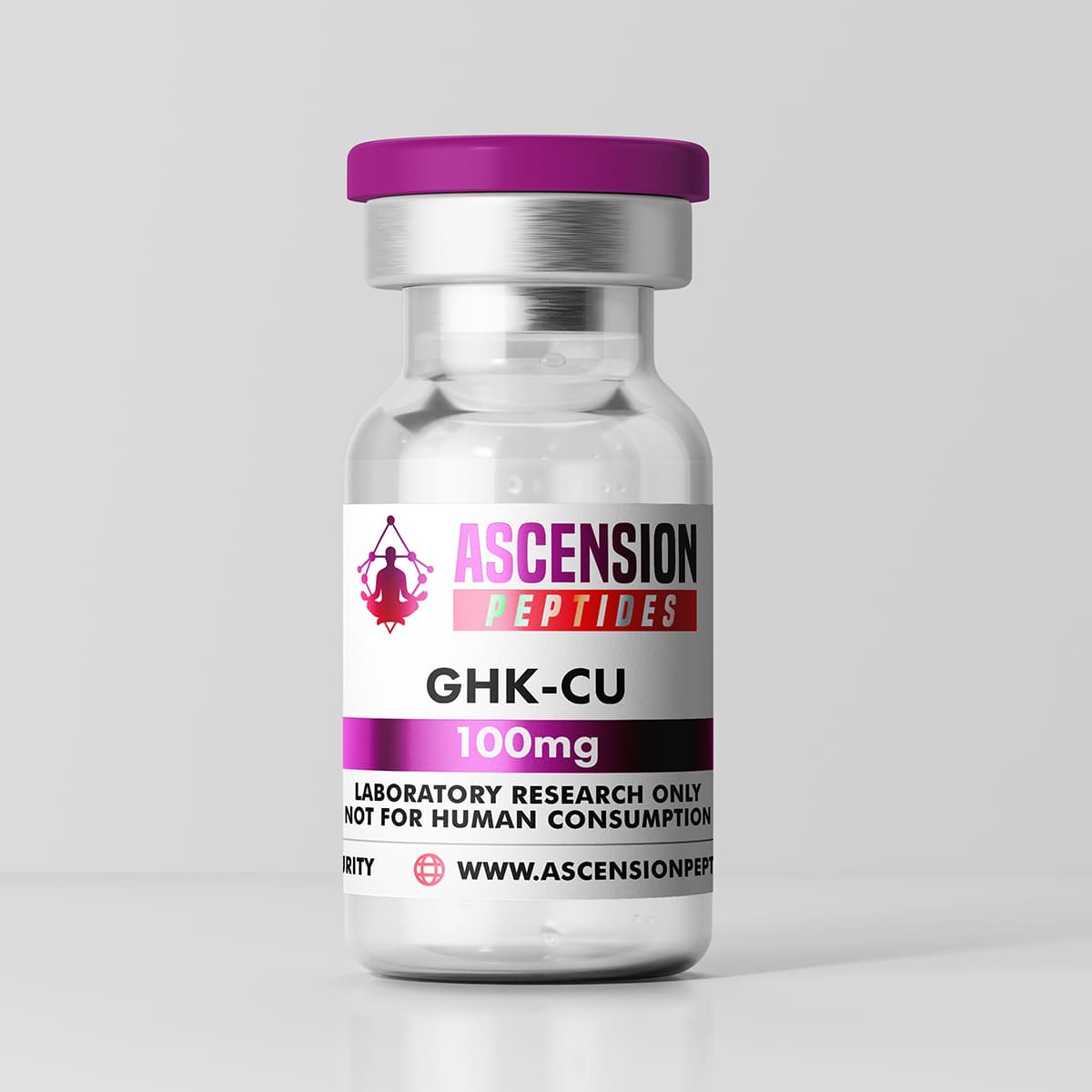
The cheapest, fastest, and most flexible route. GHK-Cu is sold by independent peptide vendors as a lyophilized powder, typically in 50mg or 100mg vials. You reconstitute with bacteriostatic water and either inject subcutaneously or formulate into a topical serum.
How it works: Order from a peptide vendor with a verifiable Certificate of Analysis. The 100mg vial is the standard high-value size. Reconstitute with bacteriostatic water and self-administer (subcutaneous injection or topical formulation).
Pricing in 2026:
- 50mg vial: $80 to $140 (around $1.60 to $2.80/mg)
- 100mg vial: $150 to $260 (around $1.50 to $2.60/mg)
- Effective monthly cost at 2mg subcutaneous daily: $30 to $50
Best for: Cost-driven buyers, anyone with prior peptide experience, or people who want both injection and topical use from the same vial.
Tradeoff: No physician oversight or pharmacy QA. Demand a batch-matched HPLC certificate, mass spec confirming molecular weight, and ICP-MS verifying the copper-to-peptide ratio (this is unique to GHK-Cu and easy to miss).
Route 2: 503A Compounded Injectable (newly back in 2026)
This route effectively reopened in February 2026 with the RFK reclassification. Licensed 503A pharmacies can now prepare injectable GHK-Cu under physician prescription, restoring a path that had been functionally closed.
How it works: Get a prescription from a functional medicine, regenerative medicine, anti-aging, or telehealth physician. The 503A pharmacy prepares the injectable formulation under sterile conditions and ships to you.
Pricing in 2026:
- Compounded injectable monthly: $200 to $400
- Initial physician consultation (if local): $150 to $400
- Required labs (varies): $50 to $200
Best for: People who want pharmacy-grade preparation under documented prescription, particularly for higher therapeutic doses (5 to 10mg+ per day for anti-aging or wound-healing protocols).
Tradeoff: Slower than peptide vendors (typically 7 to 21 days from prescription to first injection). Compounding pharmacies are still ramping up to meet demand following the reclassification, so availability varies regionally.
Route 3: Telehealth Peptide Clinic
The middle-ground route for people who want medical oversight without the in-person clinic markup. Telehealth platforms route the prescription to their partnered 503A pharmacy and ship the compounded GHK-Cu directly.
How it works: Sign up with a peptide-focused telehealth platform (Optimale, Maximus, Invigor Medical, AgelessRx, or similar). Complete an intake form. A licensed physician reviews and prescribes if appropriate. The compounded GHK-Cu ships from the partner pharmacy.
Pricing in 2026: $150 to $400 per month all-in (consultation + medication + shipping).
Best for: People who want a documented prescription, physician oversight, and the convenience of a single workflow that handles intake, prescription, compounding, and delivery.
Tradeoff: Slower than peptide vendors. Cost is several times higher than peptide vials for the same active molecule.
Route 4: OTC Cosmetic Skincare Serums
The non-medical route. GHK-Cu is legal as a cosmetic ingredient in topical products and is sold OTC in serums and creams from skincare brands. Concentrations are dramatically lower than therapeutic compounding levels.
How it works: Buy a copper peptide serum from a skincare brand (NIOD CAIS, The Ordinary Buffet + Copper Peptides, Skin Biology Super CP, or similar). Apply topically once or twice daily.
Pricing in 2026:
- Premium copper peptide serums (NIOD, Skin Biology): $40 to $90 per bottle (1 to 3 month supply)
- Mid-range serums (The Ordinary, Drunk Elephant): $25 to $60
- Effective monthly cost: $15 to $40
Best for: Daily skincare maintenance, anti-aging support, mild collagen-stimulation effects. People who don't want injections or prescription processes.
Tradeoff: OTC cosmetic concentrations (typically 0.01 to 1%) are far below the 2 to 10%+ used in compounded therapeutic topicals or the systemic doses used in injectable protocols. The skin-thickening, hair-regrowth, and wound-healing benefits in clinical studies generally come from higher doses than OTC serums deliver.
Route comparison table
Why most therapeutic users start with the peptide vendor route
A 100mg GHK-Cu vial from Ascension at around $250 gives you 50 days of supply at 2mg subcutaneous daily, plus enough leftover to make a high-strength topical serum. The COA includes batch-matched HPLC and copper-to-peptide ratio verification, both of which are essential for GHK-Cu specifically. The honest tradeoff: there's no physician advising you on dosing, and OTC cosmetic serums won't reproduce the clinical results from higher-concentration protocols even though they're easier to buy. For purely cosmetic anti-aging, the OTC route is fine; for hair regrowth, wound healing, or systemic benefits, the vial route delivers what the studies actually used.
What to do once you have GHK-Cu
Standard protocols vary by goal:
- Subcutaneous injection (anti-aging, hair, wound healing): 1 to 3mg daily, typically 5 to 7 days per week, 8 to 12 week cycles
- Topical (skin and scalp): 0.5 to 5% concentration in a stable buffer (pH 5.8 to 6.2), applied once or twice daily
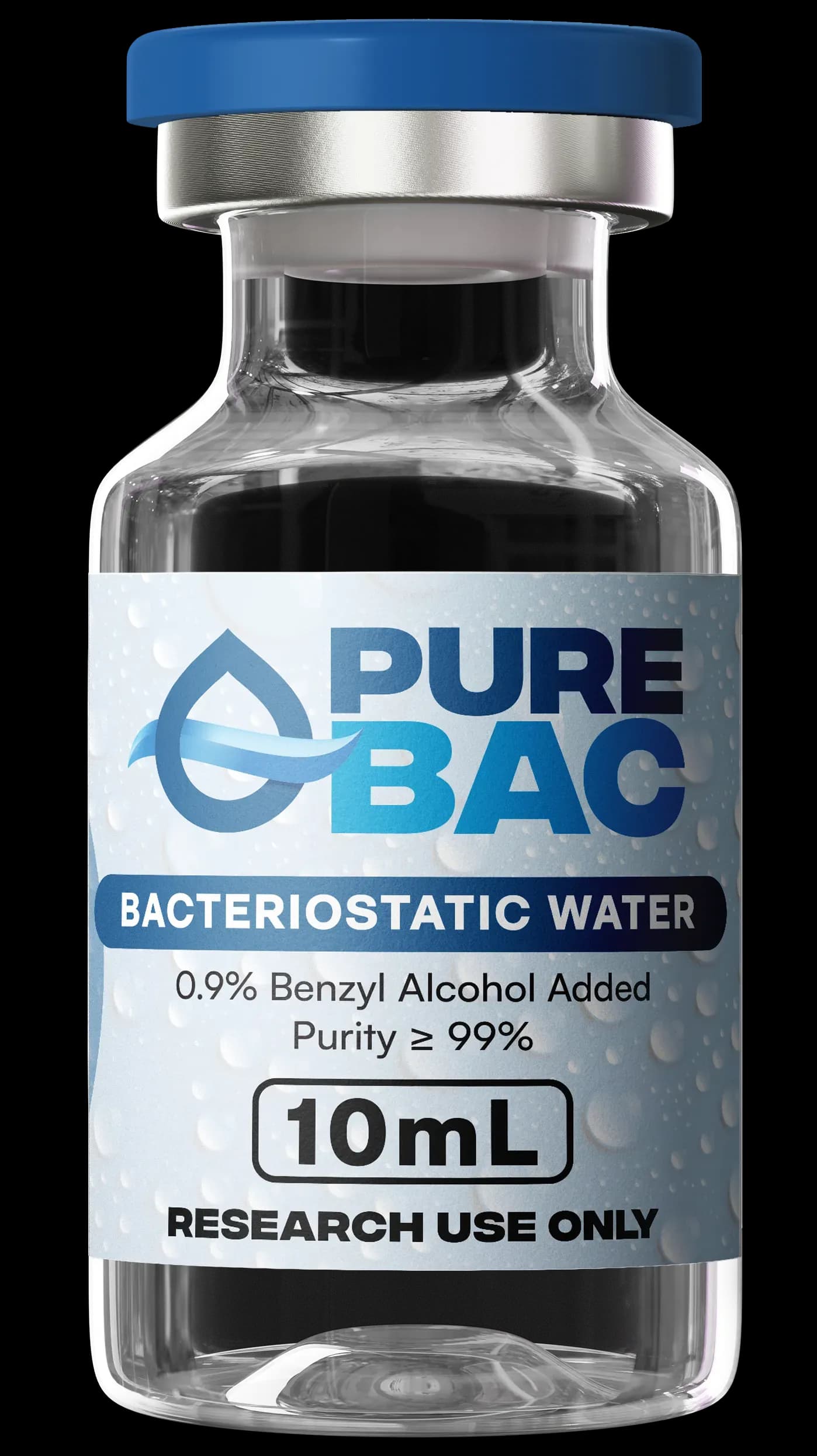
- Reconstitution: 100mg vial with 5mL bacteriostatic water gives 20mg/mL. 0.1mL = 2mg dose
- Storage: Lyophilized at room temperature; refrigerate after reconstitution and use within 30 days
- Avoid in topical formulations: EDTA, citric acid, high-concentration ascorbic acid (vitamin C). These destabilize the copper-peptide complex.
For the full dosing breakdown see our GHK-Cu benefits and dosage guide. For injection technique see the GHK-Cu injection guide.
How to verify a GHK-Cu source before paying
- For peptide vendors: Demand the batch-specific Certificate of Analysis with HPLC at 99%+, mass spec confirming molecular weight (around 340 Da for the GHK tripeptide plus copper), AND ICP-MS confirming the copper-to-peptide ratio. The copper verification is unique to GHK-Cu and missing from many vendor COAs.
- For 503A compounded: Verify the pharmacy is PCAB-accredited and confirm they have current GHK-Cu compounding capability (some are still ramping up after the February 2026 reclassification).
- For telehealth: Verify the prescribing physician is licensed in your state and the partnered pharmacy is 503A or 503B accredited.
- For OTC serums: Look for products that list copper peptide concentration explicitly (not just "contains copper peptides"). Reputable brands publish stability and efficacy data.
Frequently asked questions
Medical disclaimer. This article is for general information only. Talk to a licensed medical provider before starting any peptide protocol, especially if you are pregnant, breastfeeding, taking other medications, or managing a chronic condition.