🔑 Key Takeaways
- Wegovy (semaglutide) and Mounjaro (tirzepatide) are both weight loss injections — but they work differently
- Mounjaro targets two hormones (GLP-1 + GIP), Wegovy targets one (GLP-1)
- Trial data shows Mounjaro produces ~20-22% weight loss vs ~15% for Wegovy
- Both cost roughly $1,000–$1,300/month without insurance
- Researchers can access tirzepatide and semaglutide peptides for study at a fraction of the cost
Two medications. Same goal. Very different results.
The Wegovy vs Mounjaro question is one of the most Googled health comparisons in 2026, and for good reason. If you've been trying to figure out whether Wegovy or Mounjaro is the better choice for weight loss, you're not alone, it's the decision millions of patients and prescribers are weighing right now. Our semaglutide vs tirzepatide deep-dive covers the pharmacology in detail, but here we focus on the practical comparison. Both drugs have transformed how we think about obesity treatment. But the numbers don't lie: one of them consistently produces more weight loss. Here's what you need to know.
What Is Wegovy?
Wegovy is the brand name for semaglutide 2.4mg, manufactured by Novo Nordisk. It's a once-weekly subcutaneous injection approved by the FDA specifically for chronic weight management in adults with obesity or overweight (with at least one weight-related condition).
Semaglutide was originally developed as a diabetes drug (Ozempic uses a lower 1mg dose). If you're exploring alternatives to Ozempic in 2026, Wegovy is the most direct upgrade for weight loss specifically. Wegovy uses a higher 2.4mg dose and is specifically approved for weight loss. It works by mimicking GLP-1 — a hormone released after eating that signals fullness to your brain and slows gastric emptying.
The STEP clinical trials showed Wegovy users lost an average of ~15% of body weight over 68 weeks — more than any previous weight loss drug at the time. That was a big deal. Then tirzepatide came along — and now there's even a triple agonist called retatrutide in the pipeline that targets GLP-1, GIP, and glucagon simultaneously.
What Is Mounjaro?
Mounjaro is the brand name for tirzepatide, made by Eli Lilly. Here's where it gets slightly complicated: Mounjaro is FDA-approved for type 2 diabetes management. Zepbound is the same molecule approved specifically for weight loss. In practice, many people use Mounjaro off-label for weight loss — especially before Zepbound became widely available.
For the purposes of this comparison, we're talking about tirzepatide in any form (Mounjaro or Zepbound) used for weight loss.
💡 Note
Mounjaro = tirzepatide for diabetes. Zepbound = tirzepatide for weight loss. Same molecule, different labeling. Both are weekly injections with identical dosing schedules.
Tirzepatide doses range from 2.5mg up to 15mg weekly, with gradual dose escalation over several months. The dosing flexibility is one reason researchers and clinicians find it interesting.
The Core Mechanism Difference
This is the key. Understanding why Mounjaro wins on weight loss requires understanding how these drugs actually work.
Wegovy (semaglutide) is a GLP-1 receptor agonist. GLP-1 (glucagon-like peptide-1) is a gut hormone that:
- Slows stomach emptying
- Reduces appetite by signaling the hypothalamus
- Stimulates insulin secretion when blood sugar rises
- Suppresses glucagon (the hormone that raises blood sugar)
Mounjaro (tirzepatide) is a dual GIP/GLP-1 receptor agonist. It hits both GLP-1 (same as Wegovy) AND GIP — glucose-dependent insulinotropic polypeptide. GIP is released from the small intestine and plays a role in fat storage and energy metabolism.
Wegovy: Single Target
GLP-1 receptor only. Proven appetite suppression and gastric slowdown. Excellent results — ~15% weight loss in trials.
Mounjaro: Dual Target
GLP-1 + GIP receptors. The added GIP effect appears to enhance fat metabolism and amplify weight loss beyond what GLP-1 alone achieves.
Why Dual Agonism Matters
GIP receptors in adipose tissue may enhance the GLP-1 effect, leading to greater fat loss. The combination seems to be more than additive.
The Practical Result
Tirzepatide users in trials lost 20-22% of body weight — consistently outperforming semaglutide head-to-head in comparative analyses.
Wegovy vs Mounjaro: Weight Loss Results From the Trials
Let's look at what the actual trial data shows in the Wegovy vs Mounjaro head-to-head picture. No hype, just numbers.
At the highest doses, tirzepatide consistently beats semaglutide. Some participants in SURMOUNT-1 lost over 22% of body weight, territory that was previously only associated with bariatric surgery. That gap is the single biggest reason the Mounjaro vs Wegovy debate keeps tilting toward tirzepatide whenever insurance and access are equal.
There's no direct head-to-head RCT between the two drugs (as of 2026), so the comparison relies on cross-trial analysis. But the pattern is consistent: tirzepatide's dual mechanism translates to meaningfully greater weight loss in most patients.
Side Effects Compared
Both drugs share a similar GLP-1 side effect profile — which makes sense given they both activate GLP-1 receptors. The most common issues are GI-related.
GI side effects typically peak during dose escalation and improve over time. Our semaglutide side effects management guide covers coping strategies in detail. Most people find them manageable if they eat smaller portions, avoid greasy foods, and stick to the dose schedule.
One notable concern with both drugs: muscle loss. Clinical trials show a significant portion of weight lost can come from lean mass, not just fat. Resistance training and adequate protein intake are usually recommended alongside these medications.
Cost & Insurance Coverage
Here's the painful part.
Insurance coverage for weight loss drugs is still inconsistent. Many plans exclude them outright. Some employers have started covering them due to long-term cost savings from reduced diabetes and cardiovascular disease — but it depends entirely on your plan.
Eli Lilly's savings card for Zepbound can bring the out-of-pocket cost down significantly for commercially insured patients. Novo Nordisk has a similar program for Wegovy. Both require you to qualify.
Wegovy vs Mounjaro: Which One Is Right for You?
The data leans toward tirzepatide for maximum weight loss. But in the real-world Wegovy versus Mounjaro decision, "best on average" doesn't mean "best for you."
Consider Wegovy (semaglutide) if:
- Your insurance specifically covers it
- You've already started on Ozempic and want to transition to the weight loss dose
- You prefer a medication with longer real-world safety data
- You're sensitive to GI side effects and want to try the lower-risk option first
Consider Mounjaro/Zepbound (tirzepatide) if:
- Maximum weight loss is your primary goal
- You have type 2 diabetes alongside obesity
- Previous GLP-1 medications haven't given you enough results
- Your insurance covers Mounjaro or you can access the savings card
💡 Note
The "best" medication is always the one you can actually access, afford, and tolerate. An affordable drug you can stick with beats a more effective one you stop after two months.
The Research Peptide Alternative
For researchers, academics, and those studying GLP-1 and dual agonist mechanisms, pharmaceutical-grade research peptides are available at a fraction of the prescription cost.
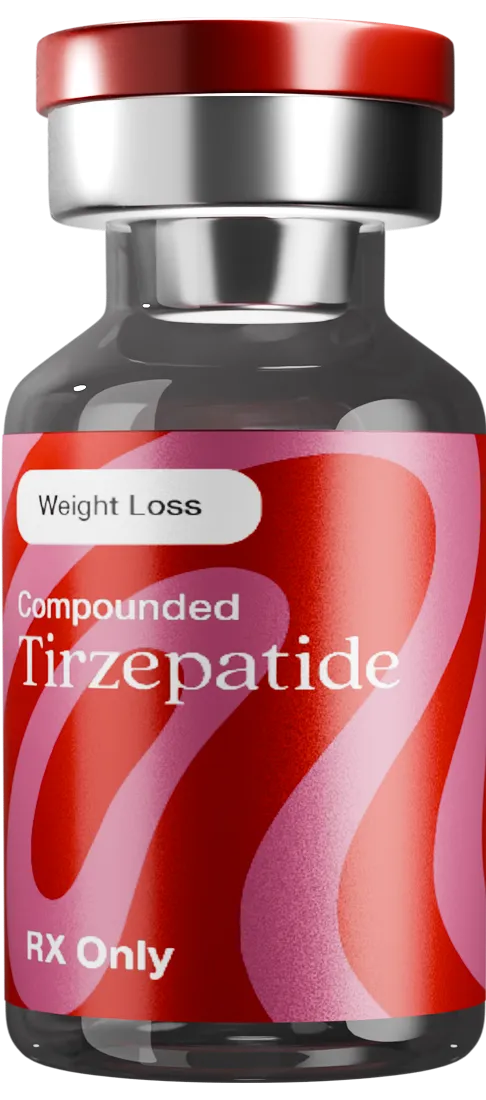
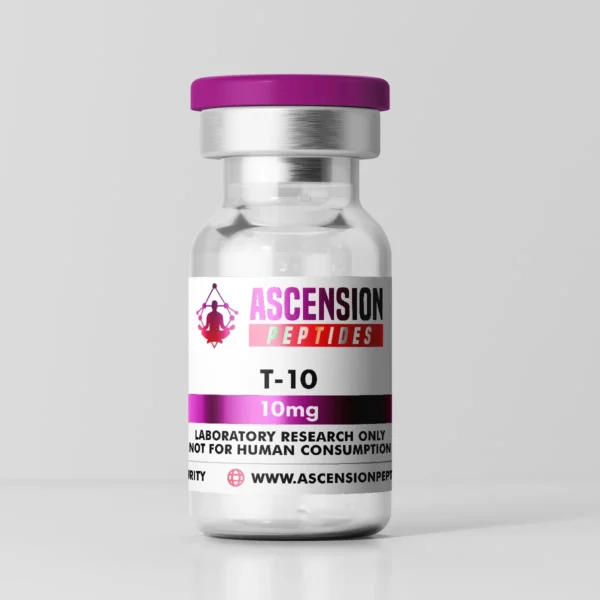
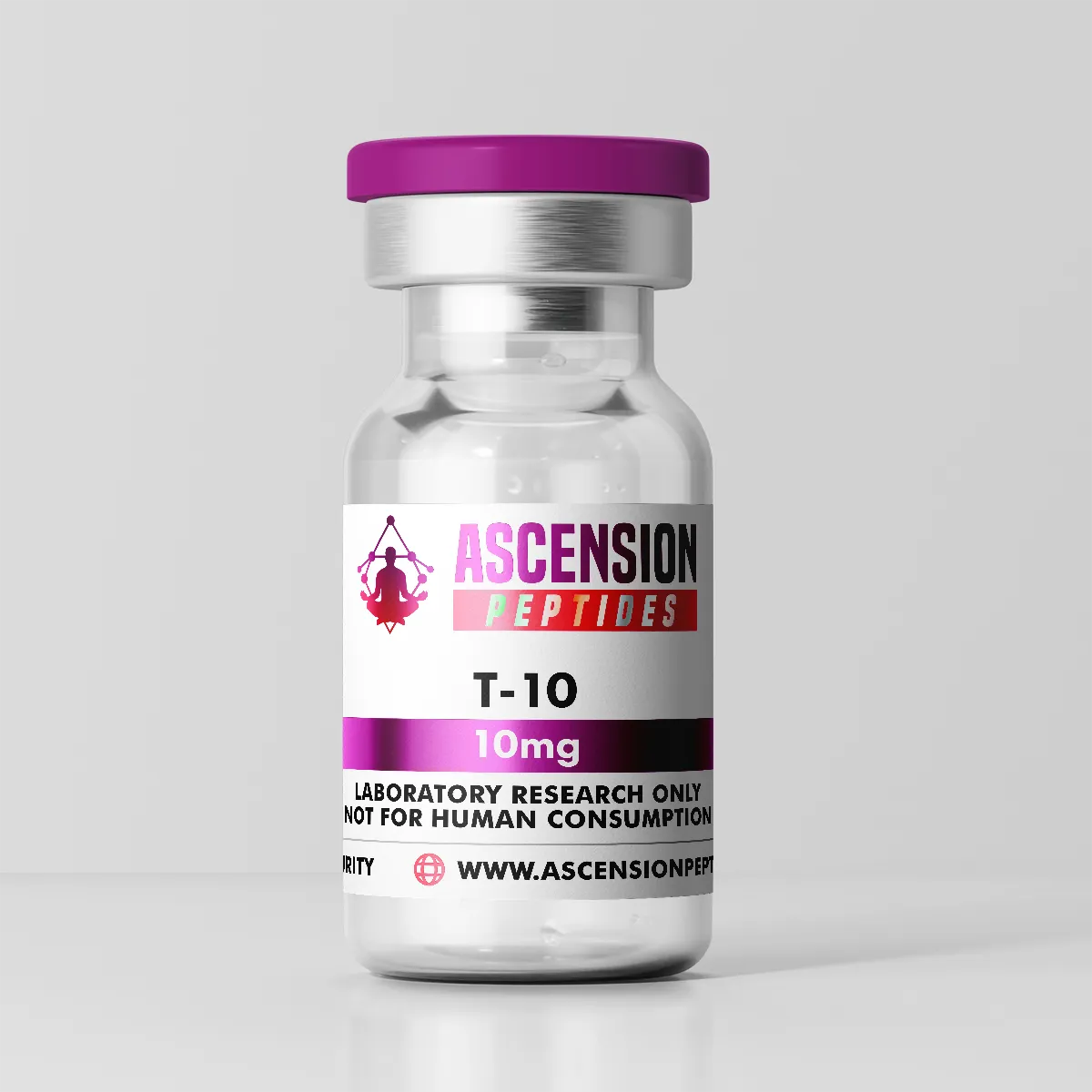
Tirzepatide (T-10) from Ascension Peptides is a high-purity research-grade tirzepatide compound used in scientific investigation of dual GIP/GLP-1 receptor pharmacology. It's not a pharmaceutical drug and is intended for laboratory research only — but for researchers studying peptide mechanisms, it's a practical option.
View Tirzepatide (T-10) on Ascension Peptides →
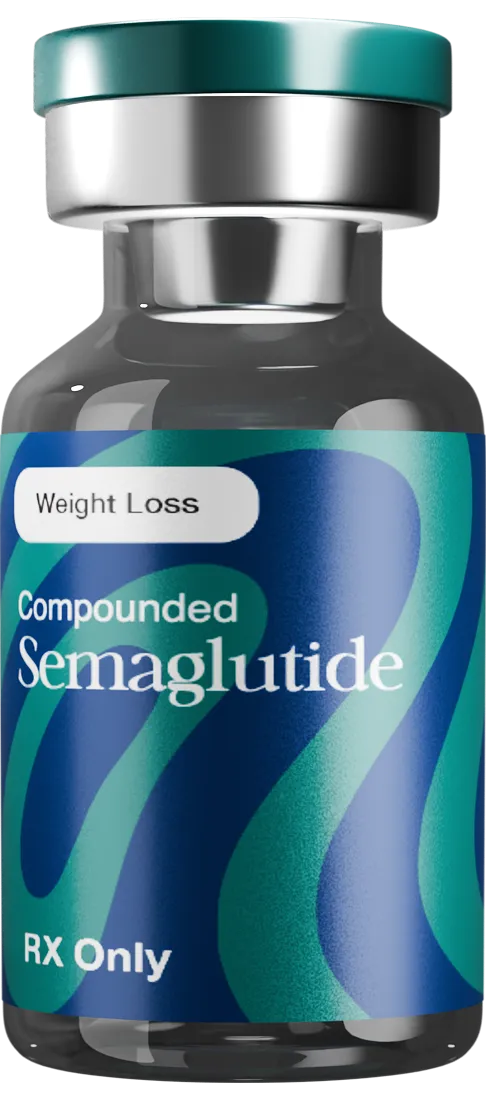
Ascension also carries Semaglutide (S-5) for researchers studying GLP-1 receptor agonism specifically:
View Semaglutide (S-5) on Ascension Peptides →
Dose Escalation: How Each Drug Ramps Up
Both Wegovy and Mounjaro use gradual dose escalation to reduce GI side effects. You don't start at the full dose — you titrate up over weeks to months.
Wegovy Dose Schedule
Mounjaro Dose Schedule
The key difference: Mounjaro's dose range goes higher, and the additional weight loss advantage emerges primarily at the 10mg and 15mg doses. At the lowest effective dose (5mg tirzepatide vs 2.4mg semaglutide), results are comparable, which is worth keeping in mind any time someone frames Wegovy vs Mounjaro as a clear-cut winner at every dose tier.
What the STEP and SURMOUNT Trials Actually Showed
STEP Trial Highlights (Semaglutide)
The STEP program included four major randomized controlled trials with over 4,500 participants. STEP 1 enrolled adults with BMI ≥30 (or ≥27 with comorbidities) without diabetes. Over 68 weeks, semaglutide 2.4mg produced a mean weight loss of 14.9% vs 2.4% for placebo. About a third of participants lost 20% or more of their body weight — a threshold previously achievable only with bariatric surgery.
STEP 2 studied patients with type 2 diabetes specifically. Weight loss was more modest (~9.6%) — a consistent pattern with GLP-1 drugs, where diabetic patients tend to lose less than non-diabetic ones. STEP 3 combined semaglutide with intensive behavioral therapy and saw the best results (~16%), suggesting that medication plus lifestyle changes beats either alone.
SURMOUNT Trial Highlights (Tirzepatide)
SURMOUNT-1 enrolled over 2,500 non-diabetic adults with BMI ≥30 (or ≥27 with comorbidities). Results were dramatic across all dose levels: 15% at 5mg, 19.5% at 10mg, and 20.9% at 15mg. The placebo group lost 3.1%. More than half the participants on the 10mg and 15mg doses lost 20% or more of body weight. At 15mg, about a third lost 25% or more.
SURMOUNT-2 studied tirzepatide in adults with type 2 diabetes and obesity. Even in the diabetic population, tirzepatide 15mg achieved ~14.7% weight loss — approaching what semaglutide achieves in non-diabetic patients. This suggests the dual mechanism may partially overcome the "diabetes dampening" effect seen with GLP-1 monotherapy.
Muscle Loss: The Hidden Concern
How Much Lean Mass Do You Actually Lose?
Both drugs produce meaningful loss of lean body mass alongside fat. In the STEP trials, approximately 40% of total weight lost was lean mass (muscle, bone mineral density, etc.). SURMOUNT data showed similar proportions. For a person losing 50 pounds total, that could mean 20 pounds of lean mass — which has real implications for metabolic rate, strength, and long-term health.
Protecting Muscle During GLP-1 Treatment
Resistance training is not optional if you're on these medications. Two to three sessions per week of structured resistance training — compound movements, progressive overload — is the minimum to preserve muscle mass during rapid weight loss. Protein intake should be elevated: aim for 1g per pound of goal body weight daily, which is higher than standard recommendations but necessary when muscle is under threat from caloric deficit.
Some clinicians also recommend creatine monohydrate (5g/day) alongside GLP-1 medications for its muscle-protective and cognitive benefits. It's well-studied, cheap, and has no meaningful interaction with these drugs.
Long-Term Use and Weight Regain
What Happens When You Stop?
The STEP 1 extension data showed that participants who stopped semaglutide regained approximately two-thirds of their lost weight within one year. This has been one of the most discussed findings in obesity medicine — and it challenges the idea that these drugs are a "cure" for obesity rather than an ongoing treatment.
Early data from tirzepatide follows a similar pattern, though the SURMOUNT-4 trial showed that patients who continued tirzepatide maintained their weight loss while those who switched to placebo regained it. The implication is clear: for most people, these medications need to be continued to maintain results.
Is Lifelong Use Realistic?
At $1,000+ per month, lifelong use is financially prohibitive for most people without insurance coverage. This is driving demand for more affordable alternatives and research into whether lower maintenance doses (post-weight-loss) can prevent regain while reducing cost. Some clinics are experimenting with cycling protocols — full dose during weight loss, then lower maintenance doses or intermittent use after reaching goal weight.
Emerging Alternatives: What's Next
Retatrutide: The Triple Agonist
Retatrutide targets three receptors: GLP-1, GIP, and glucagon. Early Phase 2 trial data showed up to 24% weight loss over 48 weeks — surpassing tirzepatide's results. It's still in Phase 3 trials and not yet FDA-approved, but it represents the next evolution in this drug class. If the Phase 3 data holds, retatrutide could become the gold standard.
Oral Formulations
Both Novo Nordisk and Eli Lilly are developing oral versions of their drugs. An oral semaglutide (Rybelsus) already exists for diabetes at lower doses. Higher-dose oral formulations specifically for weight loss are in development. The convenience advantage of a daily pill over a weekly injection could shift prescribing patterns significantly.
Combination Approaches
Researchers are exploring combinations of GLP-1 drugs with other compounds — amylin analogs, activin receptor antibodies (to prevent muscle loss), and even peptides like MOTS-c for metabolic enhancement. The field is moving fast, and the drugs available today will likely look like first-generation treatments within a decade.
Injection Technique and Practical Tips
Where and How to Inject
Both Wegovy and Mounjaro come as pre-filled injection pens — you don't need to draw up from a vial. The injection is subcutaneous (under the skin), typically in the abdomen, thigh, or upper arm. Rotate sites weekly to avoid lipodystrophy. The needle is thin (typically 29-31 gauge) and most people describe the injection as barely noticeable.
Timing Your Weekly Dose
Pick a day of the week and stick with it. Both drugs are once-weekly, and consistency matters more than the specific day. Many people inject on Sunday evening or Monday morning to align with their weekly routine. If you miss a dose, inject as soon as you remember if it's within 5 days of the scheduled date — otherwise skip and resume on your normal schedule.
Managing Nausea During Dose Escalation
The first 2-4 weeks at each new dose level are when GI side effects peak. Practical strategies that consistently help: eat smaller, more frequent meals instead of large ones. Avoid high-fat and greasy foods during escalation phases. Stay well-hydrated — dehydration worsens nausea. Ginger tea and over-the-counter anti-nausea aids can help during the worst periods. Most people find that symptoms diminish significantly after 2-3 weeks at each dose.
Diet and Nutrition on GLP-1 Medications
Protein Prioritization
When appetite is dramatically reduced, every calorie you eat matters more. Protein should be your first priority at every meal — it protects muscle mass, maintains satiety, and has the highest thermic effect of any macronutrient. Target 100-150g of protein daily (adjust for body weight). Many people on these medications struggle to eat enough, so protein shakes and high-protein snacks become essential tools, not optional supplements.
Micronutrient Considerations
Rapid weight loss can deplete vitamins and minerals. A quality multivitamin plus additional vitamin D3, magnesium, and omega-3 fatty acids covers the most common gaps. If you're eating significantly less food, you're getting significantly fewer micronutrients — supplementation compensates for reduced dietary intake. Some clinicians also recommend B12 monitoring, as GLP-1 agonists may reduce absorption.
Hydration Matters More Than Usual
Reduced food intake means reduced water intake from food (which typically accounts for 20-30% of daily hydration). Combined with the GI side effects of these medications, dehydration is a real risk. Aim for at least 2.5-3 liters of water daily. Electrolyte supplements can help, especially if you're experiencing diarrhea during dose escalation.
Real-World Considerations Beyond the Trials
Social and Psychological Aspects
Rapid weight loss changes how people relate to food, and that adjustment isn't purely physical. Some patients report feeling disconnected from social eating, loss of food enjoyment, or identity shifts as their body changes quickly. Mental health support — whether from a therapist, support group, or trusted friend — is worth considering alongside the medication. These drugs change your relationship with food fundamentally, and that's a bigger adjustment than most people anticipate.
The "Ozempic Face" Concern
Rapid weight loss from any method can cause facial volume loss — the hollowed-out appearance sometimes called "Ozempic face." This isn't unique to semaglutide; it happens with any significant weight loss. Facial fat pads diminish, skin elasticity doesn't keep up, and the result can look aged. Slower dose escalation, adequate protein, and collagen supplementation may help. Some patients opt for dermal fillers to restore facial volume after significant weight loss.
Exercise Recommendations
Resistance training 2-3 times per week is the single most important lifestyle modification while on these medications. It directly counteracts muscle loss, improves insulin sensitivity independently of the drug, and supports long-term metabolic health. Walking 7,000-10,000 steps daily provides the cardiovascular base. High-intensity interval training can be added but isn't necessary for most people — consistency with resistance training matters more than intensity.
Making the Decision: A Practical Framework
If Insurance Covers One But Not the Other
Take whichever one your insurance covers. Both work. The practical difference in weight loss (5-6 percentage points on average) matters less than actually being able to afford and maintain the medication long-term. A covered Wegovy beats an out-of-pocket Mounjaro every time for most people.
If You're Paying Out of Pocket
Look into manufacturer savings cards first — both companies offer them for eligible patients. If neither card applies, the research peptide route offers access to the same molecules at significantly lower cost for those studying these compounds.
If You Have Type 2 Diabetes
Mounjaro has a slight edge here — tirzepatide shows stronger A1C reduction than semaglutide in head-to-head diabetes trials, and it produces more weight loss in diabetic populations. Your endocrinologist should be driving this decision, but the data favors tirzepatide for patients with both obesity and T2D.
If You've Already Tried One and It's Not Working
Switching is reasonable. Some people respond better to one mechanism than the other. A subset of GLP-1 non-responders do respond to the dual agonist approach (and vice versa, though less commonly). Give each drug at least 3-4 months at therapeutic dose before deciding it's not working, the dose escalation period doesn't count.
Bottom line on Wegovy vs Mounjaro: tirzepatide produces more weight loss on average, semaglutide has a longer real-world track record, and the right answer for any individual depends on insurance, tolerability, and goals. Whichever way you go, plan on resistance training, adequate protein, and a long-term mindset, because the data is clear that stopping either drug usually means regaining most of what you lost.
Frequently Asked Questions
📚 References
- Wilding JPH et al. "Once-Weekly Semaglutide in Adults with Overweight or Obesity (STEP 1)." N Engl J Med. 2021;384(11):989-1002. PubMed
- Jastreboff AM et al. "Tirzepatide Once Weekly for the Treatment of Obesity (SURMOUNT-1)." N Engl J Med. 2022;387(3):205-216. PubMed
- Davies M et al. "Semaglutide 2.4 mg once a week in adults with overweight or obesity, and type 2 diabetes (STEP 2)." Lancet. 2021;397(10278):971-984. PubMed
- Garvey WT et al. "Tirzepatide once weekly for the treatment of obesity in people with type 2 diabetes (SURMOUNT-2)." Lancet. 2023;402(10402):613-626. PubMed
- Rubino D et al. "Effect of Continued Weekly Subcutaneous Semaglutide vs Placebo on Weight Loss Maintenance (STEP 4)." JAMA. 2021;325(14):1414-1425. PubMed
- Aronne LJ et al. "Continued treatment with tirzepatide for maintenance of weight reduction in adults with obesity (SURMOUNT-4)." JAMA. 2024;331(1):38-48. PubMed