🔑 Key Takeaways
- Therapeutic peptides are 2–50 amino acid chains that act as biological messengers or triggers
- They're more targeted than most drugs — they bind specific receptors rather than affecting whole-body chemistry
- The most researched categories: GLP-1s (weight loss), healing peptides (BPC-157, TB-500), GH secretagogues (Ipamorelin, CJC-1295), and cognitive peptides (Semax, Selank)
- Most therapeutic peptides used in research are injectable — some intranasal options exist
- Long-term human safety data is still limited for many compounds; most evidence comes from animal models
There are now thousands of peptides being studied for therapeutic use. Most will never make it to pharmacy shelves. A handful — BPC-157, GHK-Cu, the GLP-1 class, the GH secretagogues — have accumulated enough preclinical and (in some cases) clinical data that the research community treats them as serious, not fringe.
This guide is about understanding what therapeutic peptides actually are, how they differ from traditional drugs, which categories matter, and which individual compounds have the strongest evidence behind them. Not hype. Not lists of benefits with no citations. Just an honest read of where the science stands.
What Are Therapeutic Peptides?
A peptide is just a chain of amino acids. Proteins are long chains (typically 50+ amino acids); peptides are shorter, usually 2 to 50 amino acids in length. Your body produces thousands of them naturally — hormones, neurotransmitter precursors, immune signals, cell-to-cell messengers.
Therapeutic peptides are peptides used (or studied for use) to achieve a specific biological effect. Some are identical or near-identical to naturally occurring compounds. Others are synthetic analogs — modified versions designed to be more stable, longer-acting, or more potent than the native molecule.
What makes them different from traditional small-molecule drugs:
- Specificity. Peptides typically bind one receptor or receptor family. A small molecule drug often has off-target effects — it hits other receptors it wasn't designed for. Peptides tend to be more precise.
- Mechanism. Peptides work by mimicking or triggering natural pathways. They don't override the system; they speak to it in its own language.
- Metabolism. Peptides are broken down into amino acids by peptidases. They don't accumulate or require liver metabolism the same way small molecules do — which generally means a cleaner side-effect profile, though not always.
- Delivery challenges. Because peptides are broken down quickly in the gut, most are injected. This is the main practical downside. Oral bioavailability is a challenge the field is actively working on.
💡 Natural vs. Synthetic
Many therapeutic peptides are identical to peptides your body already makes — the research question is whether exogenous administration (giving them externally) produces useful effects at practical doses. Others, like BPC-157, don't exist naturally in isolated form but are derived from sequences found in human gastric juice proteins.
How Therapeutic Peptides Work in the Body
Peptides exert their effects by binding to receptors on cell surfaces or, in some cases, by crossing membranes and acting intracellularly. The receptor-binding triggers a downstream signaling cascade — gene expression changes, protein synthesis, enzyme activation, or neurotransmitter release, depending on the peptide and target tissue.
A few mechanisms that come up constantly in the therapeutic peptide space:
Receptor agonism. The peptide binds a receptor and activates it. GLP-1 receptor agonists (semaglutide, tirzepatide, retatrutide) work this way — they bind the GLP-1 receptor in the gut and pancreas, triggering insulin release, slowing gastric emptying, and signaling satiety to the brain.
Upregulation of growth factors. BPC-157 and TB-500 both appear to work partly by upregulating growth factors (VEGF, EGF, IGF-1 locally). This is how they accelerate tissue repair — not by adding cells directly, but by telling the tissue to regenerate faster.
Stimulating hormone release. GH secretagogues like Ipamorelin and CJC-1295 don't add growth hormone directly — they stimulate the pituitary to release more of its own. This is a fundamentally different mechanism than injecting HGH and it has meaningful implications for the side-effect profile.
Neuroprotection and neuroplasticity. Cognitive peptides like Semax and Selank act partly through BDNF (brain-derived neurotrophic factor) upregulation and modifications to serotonin/dopamine signaling. Dihexa is even more aggressive — it's been described as ~1 million times more potent than BDNF in promoting synaptogenesis in preclinical models.
The Main Categories of Therapeutic Peptides
The therapeutic peptide space is large. Here's a map of the most researched categories:
Not all of these have the same evidence base. GLP-1 receptor agonists have FDA approval and Phase 3 clinical trial data. Something like FOXO4-DRI has one published study in mice. That gap matters — it should inform how seriously you treat the claims made about each compound.
The Most Researched Therapeutic Peptides
BPC-157 — The Healing Workhorse
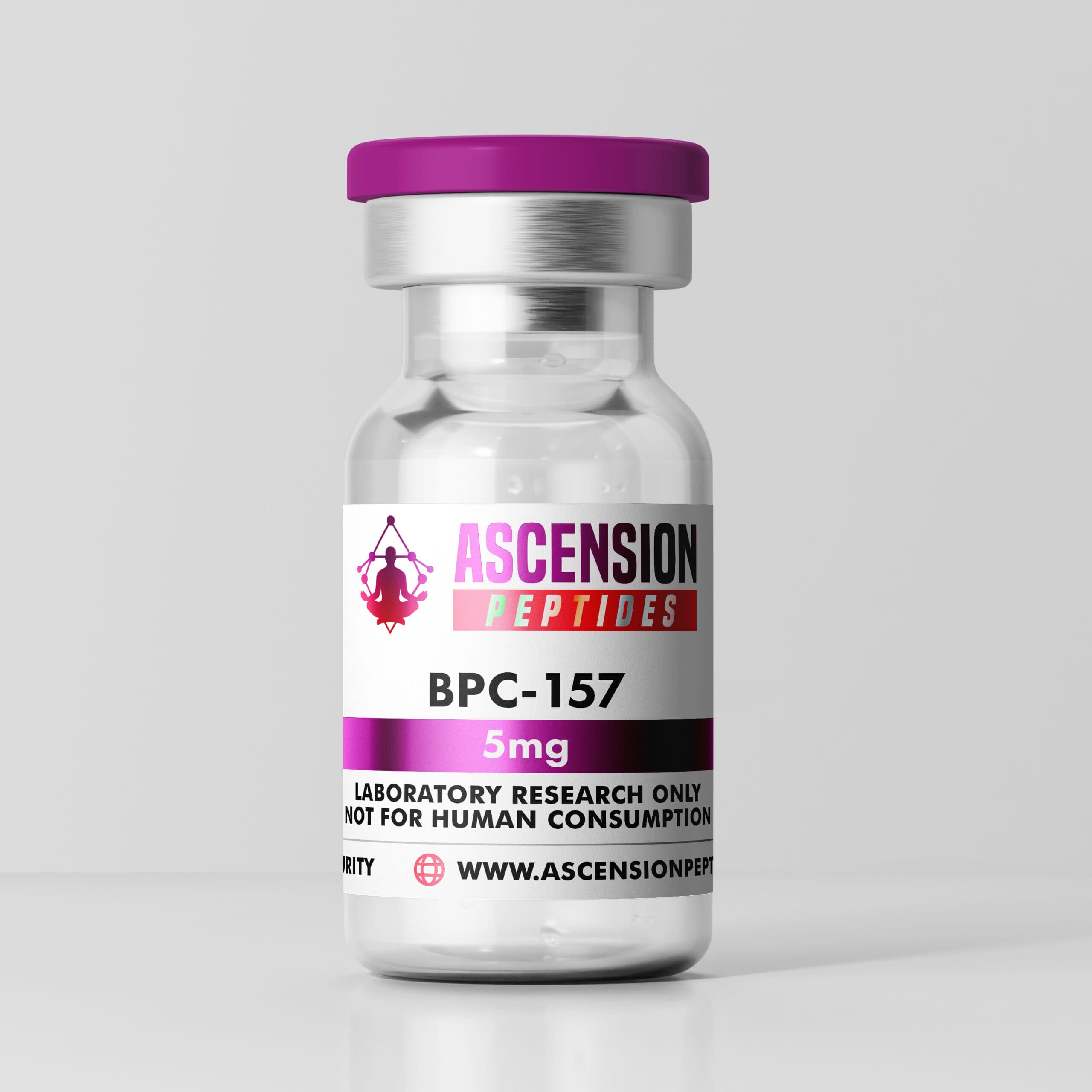
BPC-157 (Body Protection Compound 157) is a 15-amino-acid peptide derived from a protein sequence found in human gastric juice. It doesn't exist as an isolated compound naturally, but the sequence does. In preclinical research, BPC-157 has shown impressive tissue-repair effects — accelerating healing in tendons, ligaments, muscles, intestinal tissue, and even nerves.
The mechanism isn't fully nailed down, but VEGF upregulation and nitric oxide pathway involvement appear central. It also seems to have a protective effect on the gut lining, which is why it's studied for conditions like inflammatory bowel disease.
Human clinical data is essentially nonexistent. Everything we know comes from animal models, mostly rats. That's a limitation worth stating plainly. The animal data is consistent and surprisingly dose-dependent, but extrapolating to humans always involves uncertainty.
Read more: BPC-157 Dosage Guide
GHK-Cu — The Copper Peptide
GHK-Cu (glycyl-L-histidyl-L-lysine copper) is one of the few therapeutic peptides with a meaningful track record in human cosmetic research. It's a naturally occurring tripeptide that chelates copper ions and shows up in plasma, saliva, and urine — levels decline significantly with age.
Its main studied effects: collagen synthesis stimulation, wound healing, anti-inflammatory activity, and antioxidant protection. In vitro studies show it activates over 30 anti-aging genes and suppresses genes associated with inflammation and cancer progression. Topical application has human evidence — injectable GHK-Cu is studied more extensively in preclinical models.
Read more: GHK-Cu Peptide: Benefits & Dosage Guide
GLP-1 Receptor Agonists — The Weight Loss Revolution
Semaglutide, tirzepatide, and retatrutide are the most clinically validated therapeutic peptides that exist. Semaglutide (Ozempic/Wegovy) has FDA approval. Tirzepatide (Mounjaro/Zepbound) has FDA approval. Retatrutide is in Phase 3 trials, with Phase 2 data showing up to 24.2% body weight reduction in 48 weeks — the highest ever recorded for a pharmaceutical compound.
These work on GLP-1 receptors (and in tirzepatide/retatrutide's case, GIP and GCG receptors as well), producing satiety signaling, slowed gastric emptying, improved insulin sensitivity, and what appears to be changes in food reward circuitry in the brain.
This class has arguably done more to change the landscape of obesity medicine than anything in the last 50 years.
Read more: What Is Retatrutide?
Ipamorelin + CJC-1295 — The GH Stack
These two are almost always discussed together. Ipamorelin is a selective GH secretagogue — it stimulates GH release without meaningful effect on cortisol or prolactin (unlike older GHRPs like GHRP-6). CJC-1295 is a GHRH analog that extends the GH pulse. Together, they produce a synergistic amplification of natural GH secretion.
The primary research applications: body composition changes, fat loss, recovery, and sleep quality (GH is primarily secreted during slow-wave sleep, and these peptides appear to enhance that process). Evidence is mostly preclinical, with some small human studies.
Semax — The Russian Cognitive Peptide
Semax is a synthetic heptapeptide derived from ACTH (adrenocorticotropic hormone). It's been used clinically in Russia for stroke recovery, cognitive impairment, and optic nerve disease since the 1980s. The mechanism involves BDNF upregulation, which is the same pathway targeted by many antidepressants — but via a different mechanism.
Users report sharper focus, improved working memory, and reduced brain fog. Most of this is anecdotal. The clinical data from Russia is published but not validated to Western standards. It's a genuinely promising compound, and genuinely understudied in the English-language literature.
Read more: Semax Peptide: Complete Guide
Thymosin Alpha-1 — Immune Modulation
Thymosin Alpha-1 (Tα1) is a 28-amino-acid peptide originally isolated from thymic tissue. It's an FDA-approved drug in several countries (sold as Zadaxin) for hepatitis B/C and as an immune adjuvant in some cancer protocols. It upregulates T-cell maturation and NK cell activity.
This is one of the few non-GLP-1 therapeutic peptides with actual clinical approval — which gives it a different evidence standard than most compounds in this space.

Therapeutic Peptides vs Traditional Drugs
It's worth being honest about this comparison, because the difference matters practically.
Where peptides have an edge:
- Higher receptor specificity → fewer off-target effects in theory
- Breakdown into amino acids → generally cleaner elimination
- Mimicking natural pathways → potentially fewer disruptions to baseline physiology
- Short half-life → effects are more controllable (easier to stop if problems arise)
Where traditional drugs often win:
- Oral bioavailability — almost no peptides can be taken as a pill and work
- Established human safety data — decades of pharmacovigilance vs years of rodent studies
- Cost and access — regulated drugs have supply chain, quality control, insurance coverage
- Predictability — small molecule pharmacokinetics are usually well-characterized
How People Access Therapeutic Peptides
For the FDA-approved GLP-1 class (semaglutide, tirzepatide): prescription required. Compounding pharmacies can produce them legally under certain conditions, though FDA has been moving to restrict this.
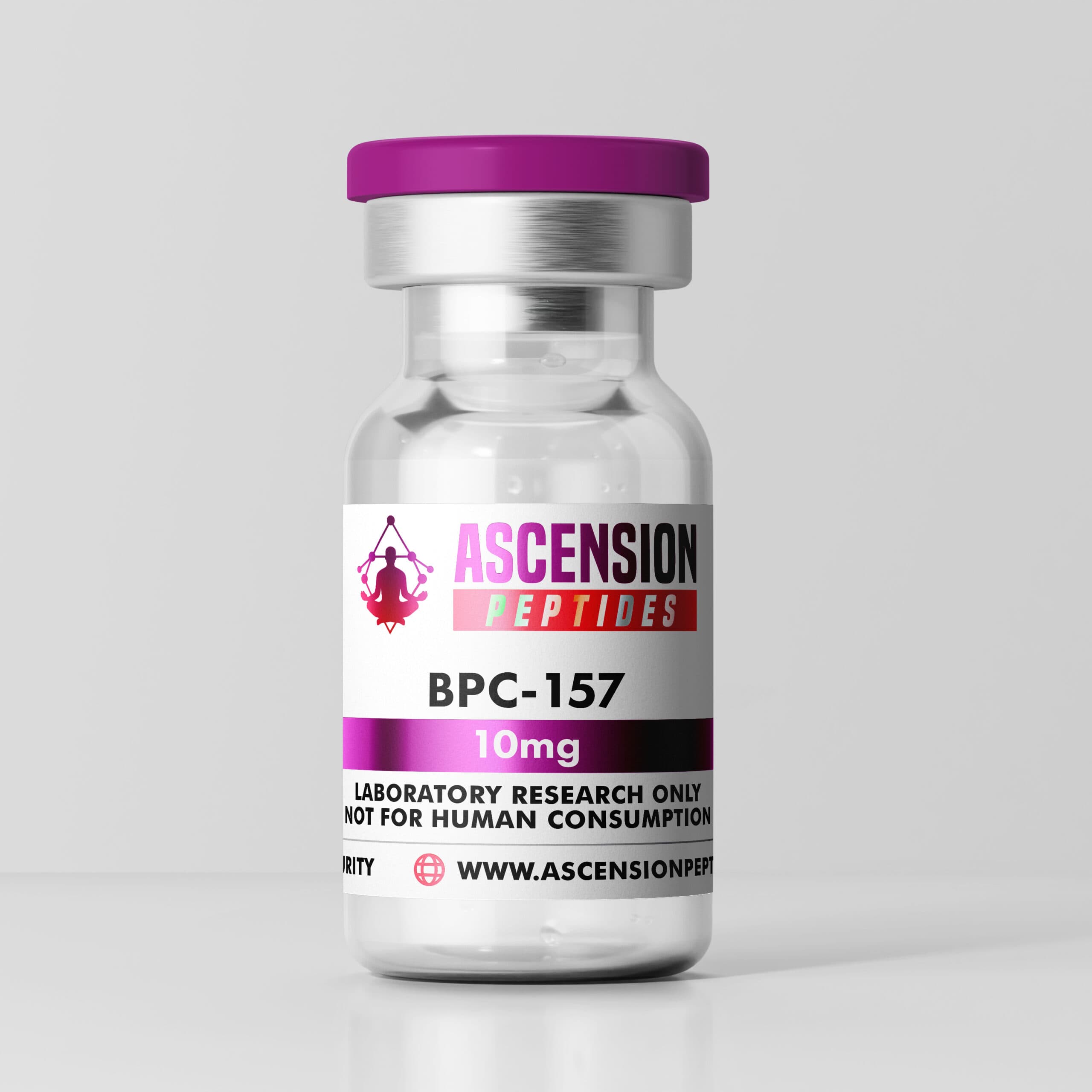
For research peptides (BPC-157, GHK-Cu, Ipamorelin, Semax, etc.): these are legally sold as research chemicals. Vendors like Ascension Peptides sell them with purity certificates and third-party testing, which matters more than most people realize — peptide quality varies enormously between suppliers, and underdosed or contaminated product is a real problem in this market.
Administration: How Therapeutic Peptides Are Taken
Most therapeutic peptides are administered subcutaneously — small insulin-syringe injections into fat tissue, typically the abdomen. A few have alternative routes:
- Intranasal: Semax and Selank are commonly used this way (nasal spray). PT-141 is FDA-approved as a nasal spray (Vyleesi).
- Oral: Limited to a few specific compounds designed for it (some GLP-1 analogs in clinical development). Most peptides are destroyed in the gut.
- Topical: GHK-Cu has legitimate topical applications with documented absorption.
- Intravenous: Some protocols, particularly Cerebrolysin, use IV administration. Generally beyond self-administration territory.
Injection sounds intimidating. In practice, insulin syringes (29–31 gauge) are extremely fine — the injections are almost painless for most people. The bigger practical hurdle is reconstituting lyophilized (freeze-dried) peptides correctly and handling bacteriostatic water.
Safety and Side Effects
The honest answer: long-term safety data for most research peptides is thin. The preclinical track record is generally clean — peptides as a class tend to have narrow toxicity profiles — but that doesn't mean zero risk.
What's reasonably well-established:
- GLP-1 drugs have well-documented side effects (nausea, vomiting, potential pancreatitis risk, thyroid concerns for some compounds)
- BPC-157 has shown no significant toxicity in rodent studies, even at high doses
- GH secretagogues can cause transient water retention and numbness in extremities; long-term GH elevation has cardiovascular considerations worth noting
- Thymosin Alpha-1 has a clean clinical safety record from approved-drug use
What's unknown: long-term effects of most research peptides in humans, interaction effects between stacked compounds, effects in people with underlying conditions.