Most experienced users end up preferring subcutaneous injection because the dosing is more precise and the effects are more predictable. But nasal spray is a perfectly valid option, especially if nausea is a problem for you at the injectable dose.
One thing to keep in mind: nasal sprays require proper reconstitution and a reliable spray bottle that delivers consistent volumes. A poorly calibrated spray can result in dramatically different doses each time, which makes it harder to find your sweet spot. If you go the nasal route, invest in a quality metered-dose nasal spray device.
The FDA-approved dose of 1.75mg is a flat dose — meaning it's the same regardless of body weight. Clinical trials didn't adjust for weight. However, anecdotal reports and pharmacological logic suggest body weight does matter for PT-141 dosage.
Think about it: a 60kg woman and a 110kg man are getting the same amount of peptide distributed through very different volumes of tissue. The lighter person will have a higher effective concentration.
These are general guidelines, not strict rules. The most important thing is to start with a test dose regardless of your weight and adjust based on your individual response. Some heavy people respond perfectly at 1.5mg, and some lightweight people tolerate 1.75mg without issue.
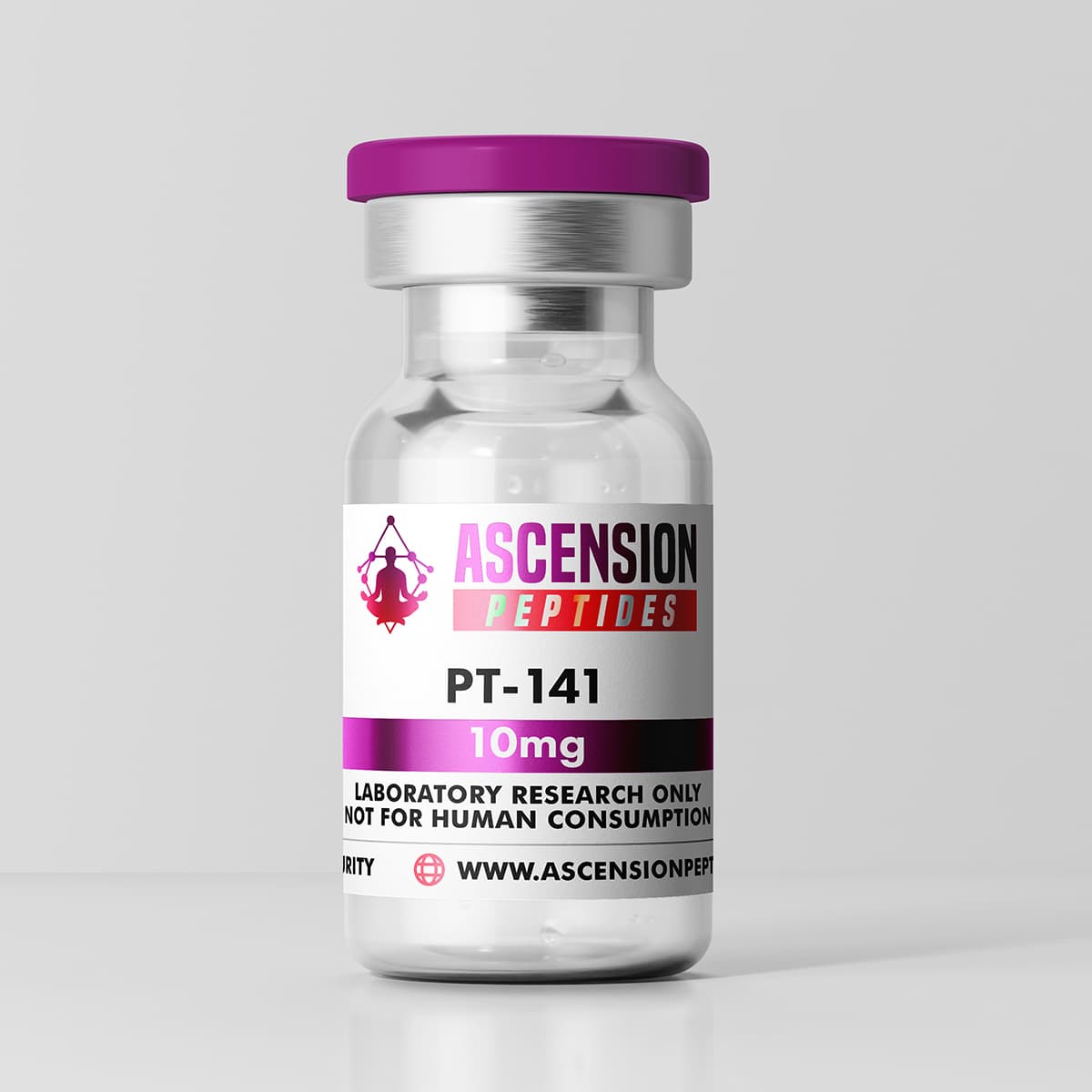
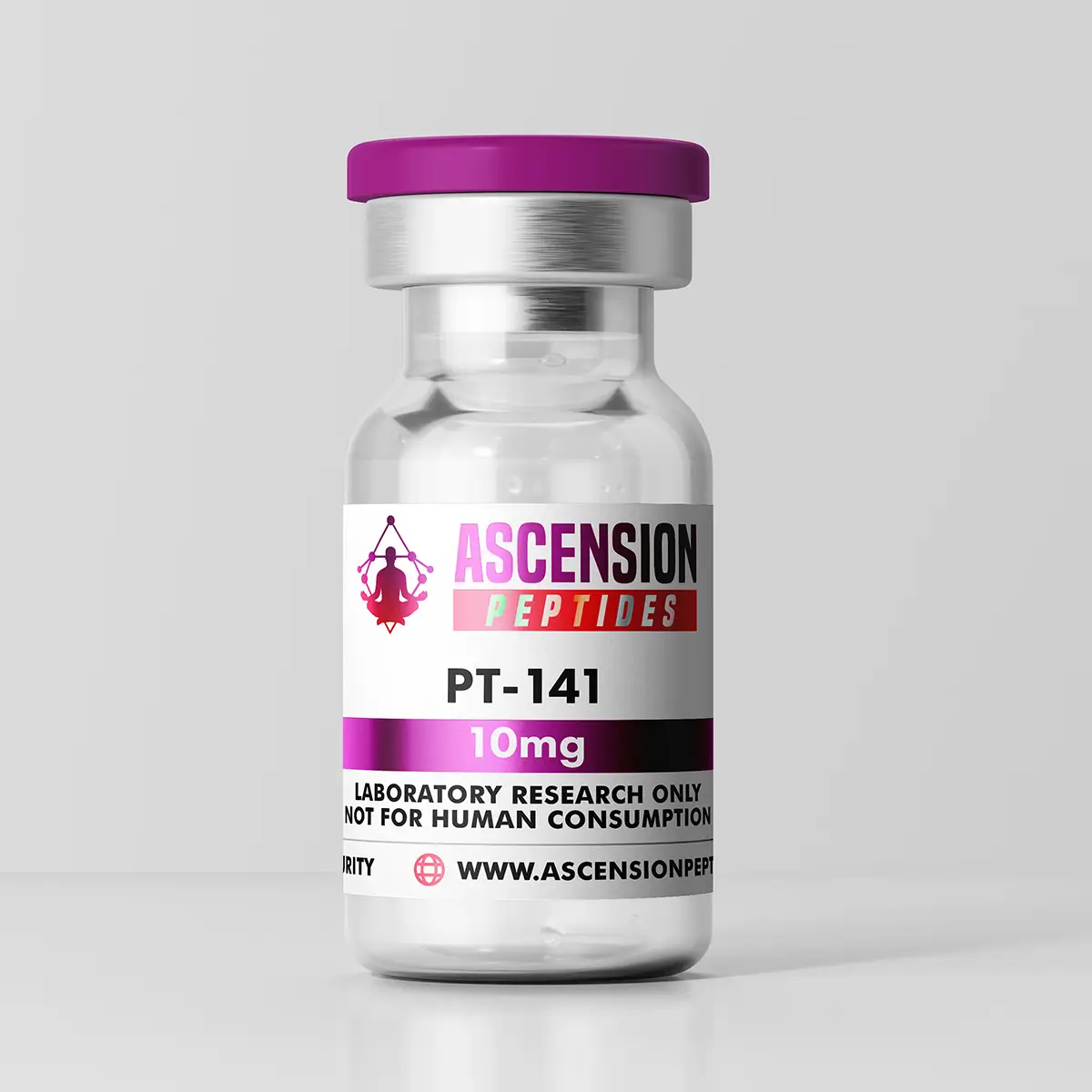
PT-141 comes as a lyophilized (freeze-dried) powder that you need to reconstitute with bacteriostatic water before use. Here's exactly how to do it with a 10mg vial.
Step-by-Step Reconstitution
- Gather supplies: PT-141 10mg vial, bacteriostatic (BAC) water, insulin syringes (1ml/100 unit), alcohol swabs
- Clean the vial tops with alcohol swabs and let them air dry
- Draw BAC water: Pull your chosen amount of BAC water into a syringe
- Inject slowly: Push the BAC water into the PT-141 vial, aiming the stream at the glass wall — never blast it directly onto the powder
- Swirl gently: Don't shake. Let it dissolve naturally or roll the vial between your palms
- Store: Keep reconstituted PT-141 in the refrigerator. It stays good for about 4 weeks
Reconstitution Math Made Simple
The amount of BAC water you add determines your concentration. Here's the math for a 10mg vial:
BAC Water Added
Concentration
1mg =
1.75mg =
1ml
10mg/ml
10 units (0.1ml)
17.5 units (0.175ml)
2ml
5mg/ml
20 units (0.2ml)
35 units (0.35ml)
2.5ml
4mg/ml
25 units (0.25ml)
43.75 units (0.4375ml)
1ml
1.75mg =17.5 units (0.175ml)
2ml
1.75mg =35 units (0.35ml)
2.5ml
1.75mg =43.75 units (0.4375ml)
Easiest option: Add 2ml of BAC water to a 10mg vial. This gives you 5mg/ml, making the math clean: every 10 units on your syringe = 0.5mg of PT-141. So 35 units = 1.75mg (the standard dose).
A 10mg vial reconstituted this way gives you approximately 5–6 full doses at 1.75mg, or up to 10 doses if you use the lower 1mg starting dose. For more detailed injection instructions, check our how to inject peptides guide.
When to Take PT-141 — Timing Matters
PT-141 timing is different from Viagra timing, and getting it right makes a real difference in your experience.
Inject 45 minutes to 1 hour before anticipated activity. This gives the peptide enough time to activate melanocortin receptors and initiate the arousal cascade.
Here's the timeline you can expect:
- 15–30 minutes: You may start feeling a subtle warmth, mild flushing, or slight nausea. These are signs it's absorbing.
- 30–60 minutes: Arousal effects begin. Most people notice increased sensitivity and a heightened sense of desire.
- 1–3 hours: Peak effects. This is the optimal window.
- 4–8 hours: Effects gradually taper. Many people report residual effects lasting well beyond the peak.
- 12–24 hours: Some users report lingering low-level effects even the next day.
Food and PT-141 Timing
Take PT-141 on a relatively empty stomach if nausea is a concern. A full meal can slow absorption and also seems to increase the chances of feeling nauseous. If you're planning a date night, consider eating a light meal 2–3 hours before injecting, rather than injecting right after a big dinner.
Alcohol and PT-141
Moderate alcohol consumption doesn't directly interfere with PT-141's mechanism of action (since they work on completely different systems). However, heavy drinking can blunt arousal regardless of what peptides you take, and alcohol combined with the blood pressure drop from PT-141 can make you lightheaded. Keep it to 1–2 drinks if you're using PT-141 that evening.
How Often Can You Use PT-141?
This is one of the most common questions about dosing frequency, and the answer has both a medical limit and a practical recommendation.
Medical limit: No more than once every 24 hours, and no more than 8 times per month. These are the FDA-prescribed limits based on safety data from the RECONNECT trial.
Practical recommendation: Most experienced users find that 2–4 times per month is the sweet spot. Using PT-141 too frequently can lead to diminishing returns — the melanocortin receptors may temporarily downregulate with repeated stimulation.
Why the 8x/month limit? Repeated activation of MC4 receptors can cause sustained blood pressure changes. The clinical trials showed that transient blood pressure increases (averaging 2–3 mmHg systolic) were manageable at the recommended frequency but haven't been studied at higher frequencies long-term.
If you find that PT-141 is becoming less effective, take a break for 2–3 weeks to let your receptors reset. This is similar to how other receptor-targeted compounds can develop temporary tolerance.
For those looking at peptides for erectile dysfunction, PT-141 works best as an as-needed tool rather than a daily protocol.
What to Expect — Timeline After Injection
Here's a realistic picture of what happens after you inject PT-141, based on thousands of user reports and clinical trial data.
Time After Injection
What You'll Feel
Notes
0–15 min
Mild warmth at injection site
Normal — peptide absorbing
15–30 min
Facial flushing, possible mild nausea
Nausea usually peaks here and fades
30–60 min
Arousal starts building, increased sensitivity
The "switch" starts flipping
1–2 hours
Peak arousal and desire
Best window for activity
2–4 hours
Strong effects continuing
Still very effective
4–8 hours
Gradual tapering
Residual arousal common
8–16 hours
Subtle lingering effects
Some report next-morning effects
The nausea — if it happens — almost always resolves within the first 30–45 minutes. It's rarely severe enough to be a deal-breaker, especially at the right dose. Some tricks that help: take it on a light stomach, stay hydrated, and avoid lying flat right after injection.
The arousal from PT-141 feels different from Viagra-induced erections. Users consistently describe it as a genuine increase in desire — you actually want sex, rather than just having the physical capability. Many describe it as feeling like they did in their 20s, where the drive comes naturally rather than being mechanically produced.
PT-141 Side Effects by Dose
PT-141 side effects are dose-dependent, which is why getting your PT-141 dosage right is so important. Here's what to expect at different doses:
Side Effect
At 1mg
At 1.75mg
At 2mg+
Nausea
Mild (~15%)
Moderate (~40%)
Common (~55%)
Facial flushing
Mild (~20%)
Common (~45%)
Very common (~60%)
Headache
Rare (~5%)
Occasional (~15%)
More common (~25%)
Injection site reaction
Minor
Minor
Minor
Blood pressure increase
Minimal
+2–3 mmHg avg
+3–5 mmHg avg
Skin darkening
Not reported
Very rare
Possible with chronic use
Facial flushing
At 2mg+Very common (~60%)
Headache
At 1.75mgOccasional (~15%)
At 2mg+More common (~25%)
Skin darkening
At 2mg+Possible with chronic use
The Phase 3 data from Clayton et al. (2016) showed that nausea was the most commonly reported side effect, occurring in about 40% of patients at the 1.75mg dose. Importantly, it was usually mild, decreased with repeat dosing, and rarely led to discontinuation.
For a complete breakdown, read our PT-141 side effects guide.
Managing Nausea
If nausea is an issue for you:
- Lower your dose — try 1.25mg instead of 1.75mg
- Take it on a light stomach (not empty, not full)
- Stay upright for 30 minutes after injection
- Try ginger tea or ginger capsules 30 minutes before your dose
- Consider switching to nasal spray, which tends to cause less GI upset
- Give it time — nausea often decreases with subsequent doses
Blood Pressure Considerations
PT-141 can cause a transient increase in blood pressure, typically 2–3 mmHg systolic. For most healthy people, this is negligible. However, if you have uncontrolled hypertension or cardiovascular disease, talk to your doctor before using PT-141. The blood pressure effect resolves within a few hours and is not cumulative with proper dosing frequency.75mg
50–100mg | 10–20mg |
| Route | Sub-Q injection / nasal | Oral | Oral |
| Onset | 45–60 min | 30–60 min | 30–45 min |
| Duration | 6–12 hours | 4–6 hours | 24–36 hours |
| Mechanism | Brain (melanocortin receptors) | Blood flow (PDE5 inhibition) | Blood flow (PDE5 inhibition) |
| Increases desire? | Yes | No | No |
| Works for women? | Yes (FDA-approved) | Limited evidence | Not indicated |
| Food interaction | Minimal | High-fat meals reduce effect | Minimal |
| Main side effect | Nausea | Headache, flushing | Back pain, headache |
| Max frequency | 1x/24h, 8x/month | 1x/24h | 1x/24h (or daily low-dose) |