Sexual health peptides represent one of the most intriguing areas of modern pharmaceutical research. Unlike traditional approaches that focus on vascular function, peptides like PT-141 work through the central nervous system—targeting the brain's desire pathways rather than just physical mechanics. This fundamental difference has generated significant scientific interest and led to FDA approval of the first peptide-based treatment for low sexual desire.
This comprehensive guide examines what research reveals about peptides that may influence libido and sexual function, their mechanisms of action, and important safety considerations.
🔑 Key Takeaways
- PT-141 (Bremelanotide) is FDA-approved for hypoactive sexual desire disorder in premenopausal women
- These peptides work through melanocortin receptors in the brain, distinct from vascular-based treatments
- Research is ongoing, with most peptides besides PT-141 remaining investigational
- Side effects can include nausea, flushing, and blood pressure changes
How Sexual Health Peptides Work
Unlike medications that target blood flow and vascular function, peptides affecting sexual health primarily work through the melanocortin receptor system—a network of receptors in the brain involved in regulating numerous functions including skin pigmentation, appetite, and sexual arousal.
The discovery that melanocortin peptides influence sexual function was somewhat accidental. During tanning research in the 1990s, scientists at the University of Arizona noticed that test subjects experienced increased sexual arousal as a side effect. This observation launched an entirely new field of pharmaceutical research.
Central vs. Peripheral Action
Traditional erectile dysfunction medications work peripherally—they increase blood flow to genital tissues but don't affect psychological desire or arousal. Melanocortin-acting peptides work centrally in the brain, potentially addressing both the psychological and physiological components of sexual response.
This distinction matters clinically. Conditions like hypoactive sexual desire disorder (HSDD)—characterized by persistently low sexual desire causing distress—don't respond well to vascular treatments because the underlying issue is neurological, not circulatory.
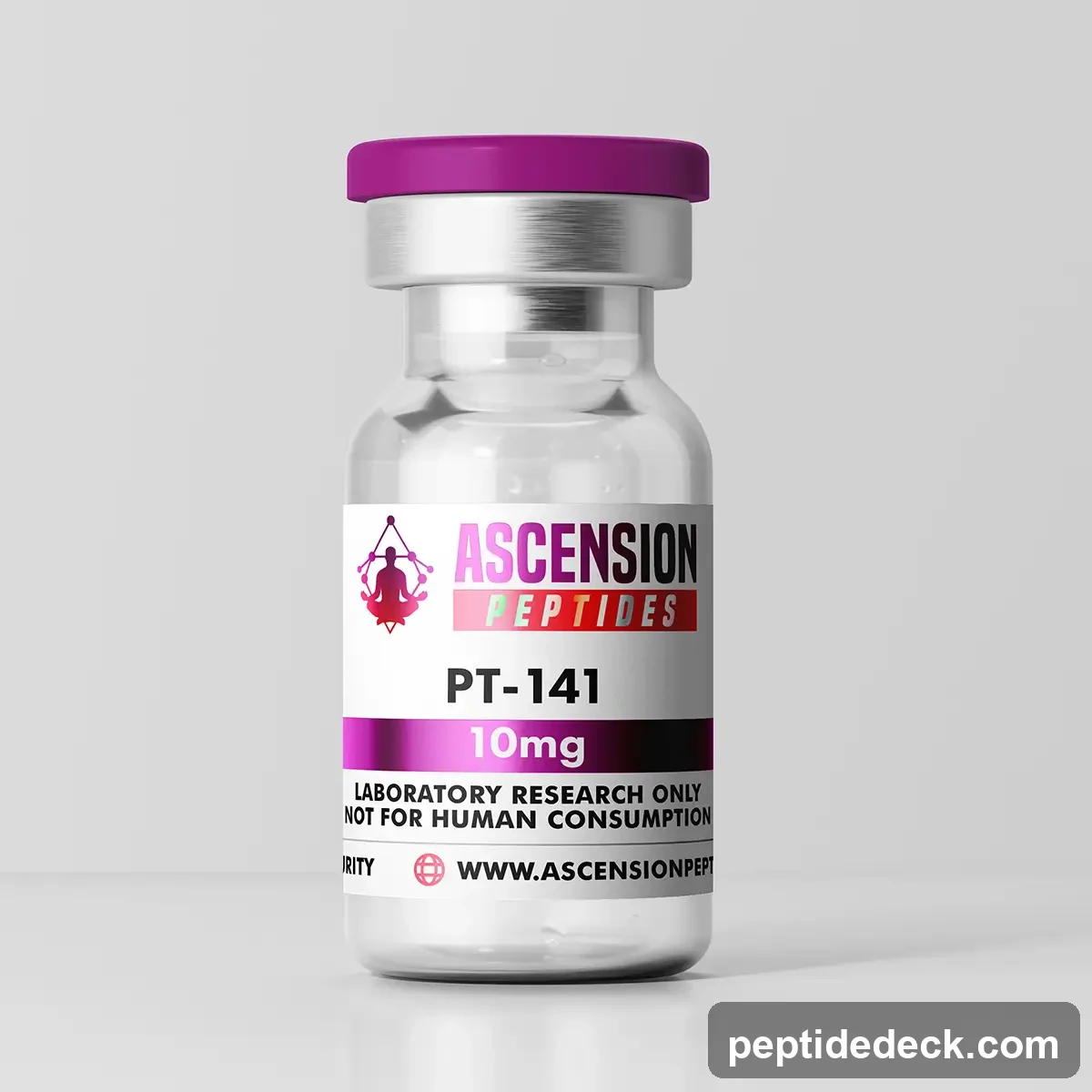
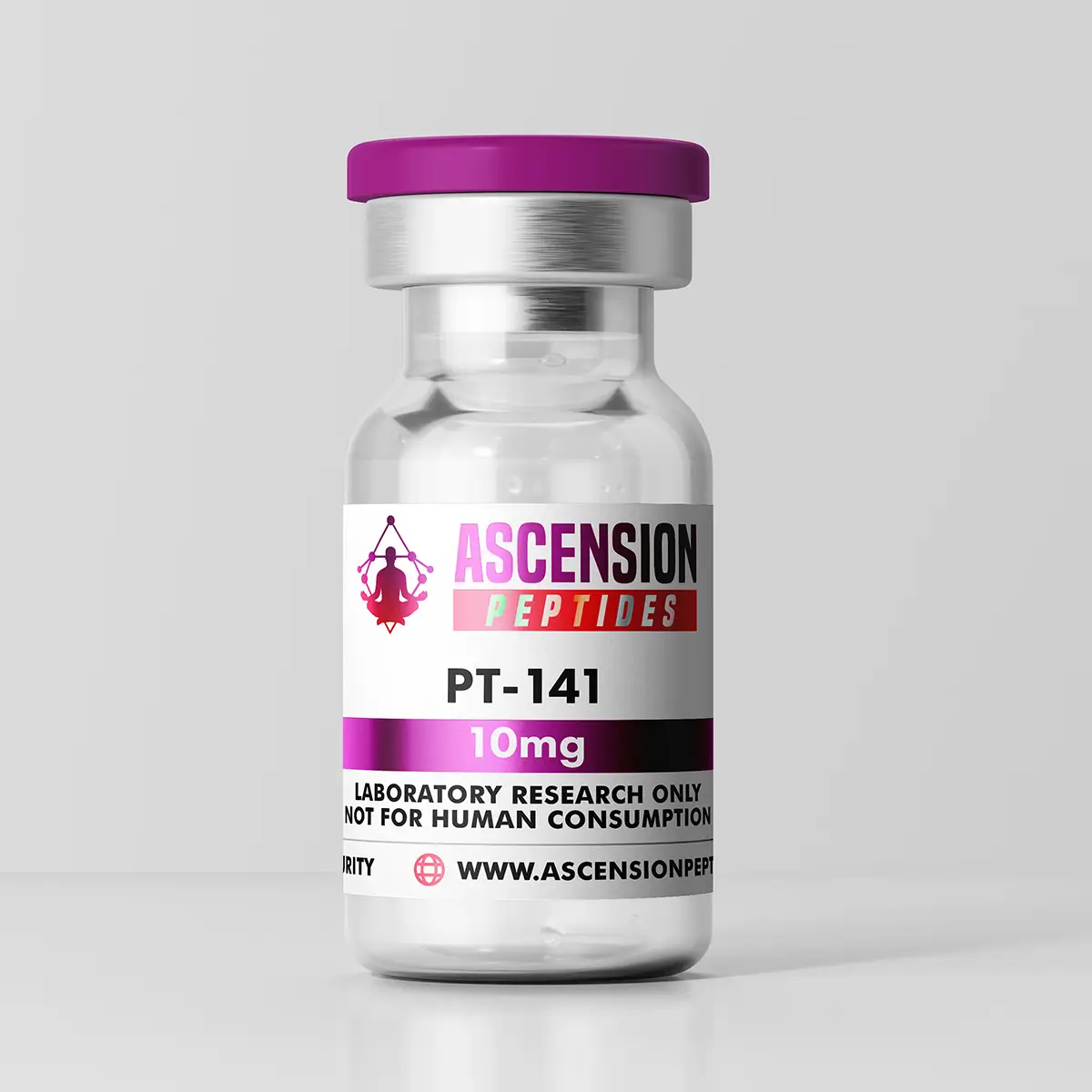
PT-141 (Bremelanotide / Vyleesi)
Bremelanotide, marketed as Vyleesi, represents a milestone in sexual health pharmacology. In 2019, it became the first FDA-approved treatment specifically targeting sexual desire rather than physical function. It's indicated for premenopausal women with generalized hypoactive sexual desire disorder (HSDD).
Mechanism of Action
PT-141 acts as an agonist at melanocortin receptors, particularly MC4R and MC3R in the brain. By activating these receptors, it appears to enhance sexual desire through central nervous system pathways—essentially working "from the brain down" rather than "from below up."
Research suggests PT-141 modulates dopaminergic pathways and other neurotransmitter systems involved in reward, motivation, and sexual response. This represents a fundamentally different approach than phosphodiesterase inhibitors (like sildenafil) that work on vascular smooth muscle.
Clinical Evidence
FDA approval was based on two randomized, double-blind, placebo-controlled Phase 3 trials (RECONNECT studies) involving over 1,200 premenopausal women with HSDD. Key findings:
- Statistically significant increase in sexual desire compared to placebo
- Significant improvement in distress associated with low desire
- Effects observed in ~25% of treated patients vs. ~17% with placebo
- Benefits typically emerged within weeks of initiating treatment
Administration & Dosing
PT-141 is administered as a subcutaneous injection in the thigh or abdomen, typically 45 minutes before anticipated sexual activity. The approved dose is 1.75mg. Important usage guidelines include:
- No more than one dose per 24-hour period
- Maximum of 8 doses per month
- Discontinue if no improvement after 8 weeks
- Not intended for daily use
Side Effects & Safety
The most significant side effect is nausea, affecting approximately 40% of users. Other common effects include:
Long-term use may cause hyperpigmentation (skin darkening), particularly of the face, gums, or breasts. This effect may not fully resolve after discontinuation.
Melanotan II
Melanotan II is the predecessor to PT-141 and shares the same melanocortin receptor-activating properties. Originally developed as a sunless tanning agent at the University of Arizona, its sexual side effects were noticed during early research—reportedly when a scientist accidentally injected himself with double the intended dose and experienced an 8-hour erection along with nausea.
Relationship to PT-141
Chemically, PT-141 (bremelanotide) is believed to be a metabolite of Melanotan II. The key difference: Melanotan II has a terminal amide group, while PT-141 has a carboxy group. This small chemical difference affects receptor selectivity and metabolic properties. PT-141 was specifically developed to optimize the sexual effects while reducing tanning activity.
Dual Activity
Unlike PT-141, Melanotan II activates MC1 receptors strongly, producing significant skin pigmentation effects. It's a non-selective melanocortin agonist affecting MC1, MC3, MC4, and MC5 receptors. This means users experience both tanning and potential sexual effects—along with side effects from all receptor subtypes.
Regulatory Status
Despite warnings, Melanotan II remains available through online sources, often marketed for tanning purposes. The unregulated nature of these products raises serious safety concerns about purity, dosing accuracy, and long-term effects.
Known Risks
- Nausea, flushing, and facial warmth (common)
- Darkening of moles and freckles (may be permanent)
- Blood pressure changes
- Unknown long-term effects on melanoma risk
- Product quality concerns with unregulated sources
Research has not conclusively determined whether Melanotan II increases melanoma risk. A 2021 review concluded that melanoma cases in users likely relate to concurrent UV exposure and sun-seeking behavior rather than the peptide itself. However, the lack of controlled long-term studies means this remains uncertain.
Kisspeptin
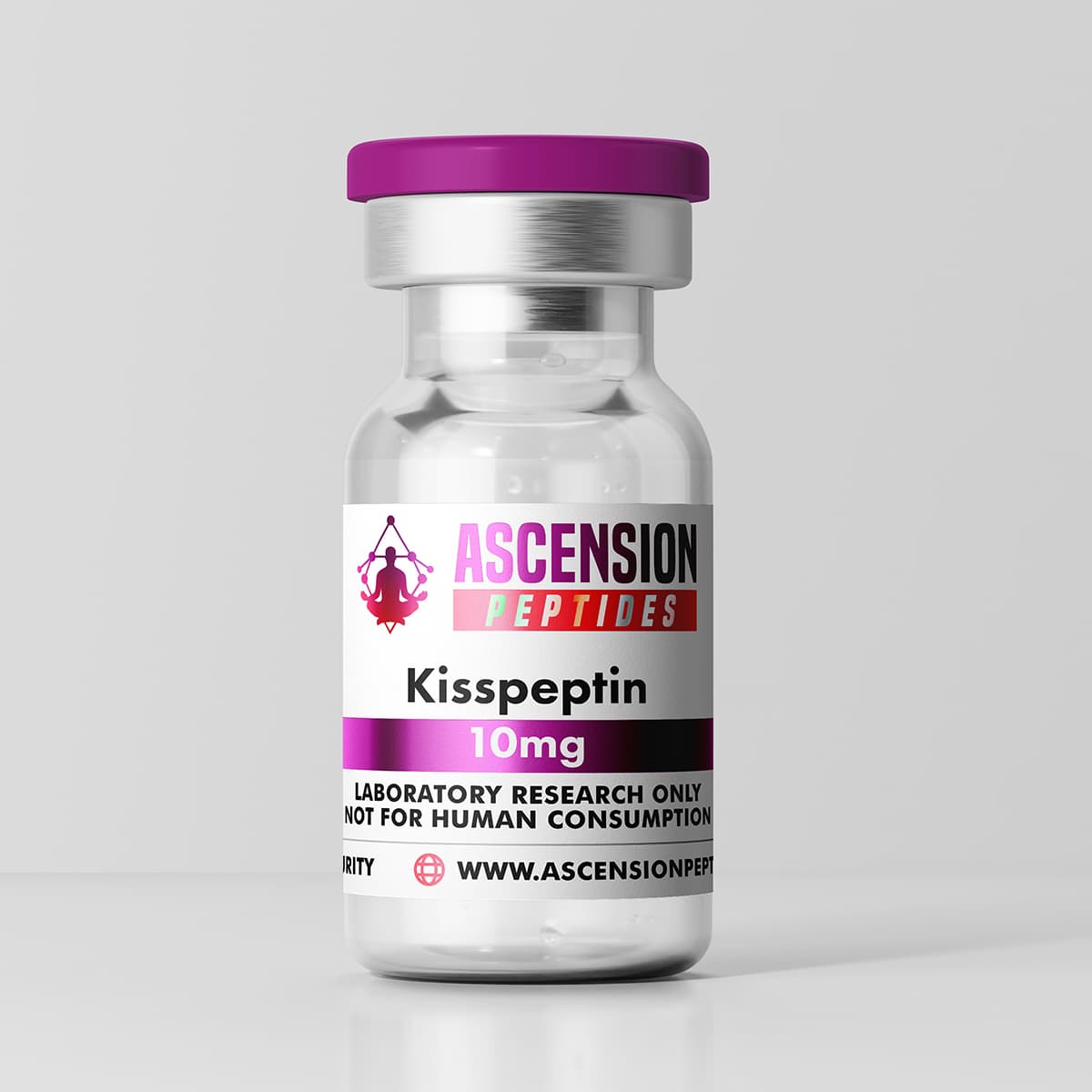
Kisspeptin represents a newer area of research in reproductive and sexual health. This neuropeptide plays a central role in regulating the hypothalamic-pituitary-gonadal (HPG) axis—the hormonal system controlling reproduction and sex hormone production.
Mechanism of Action
Kisspeptin acts on the Kiss1 receptor (also called GPR54) in the hypothalamus, stimulating the release of gonadotropin-releasing hormone (GnRH). This triggers a cascade leading to increased luteinizing hormone (LH) and follicle-stimulating hormone (FSH), which stimulate sex hormone production.
Beyond its hormonal effects, research suggests kisspeptin may directly influence brain circuits involved in sexual arousal and attraction. Neuroimaging studies have shown that kisspeptin administration activates brain regions associated with sexual processing and arousal.
Research Findings
Clinical research, primarily from Imperial College London, has explored kisspeptin's effects on sexual function:
- Studies in healthy men showed increased limbic brain activity in response to sexual images
- Research in women with low sexual desire showed enhanced brain processing of sexual stimuli
- Kisspeptin may improve sexual aversion and disgust responses in affected individuals
- Ongoing research explores applications in hypoactive sexual desire disorder
Other Peptides of Interest

Oxytocin
Often called the "love hormone" or "bonding hormone," oxytocin is naturally produced during intimacy, childbirth, and breastfeeding. Research has explored its potential role in sexual function:
- May enhance feelings of bonding and connection during intimacy
- Some research suggests effects on arousal and orgasm
- Intranasal administration studied in clinical settings
- Results have been mixed and context-dependent
Alpha-MSH and Analogs
Alpha-melanocyte-stimulating hormone (α-MSH) is the natural peptide that Melanotan II and PT-141 were designed to mimic. While the synthetic analogs are more potent and stable, α-MSH itself has been studied for various applications. Its natural role in the body includes regulating pigmentation, inflammation, and energy balance.
When Peptides Might Be Considered
Peptide-based approaches to sexual health are typically considered when:
Desire-Based Issues
When low libido or absent desire is the primary concern, rather than physical function.
Non-Response to Standard Treatments
When vascular-based medications haven't addressed the underlying issue.
No Identifiable Cause
When comprehensive evaluation hasn't found relationship, medical, or psychiatric explanations.
Important Distinctions
Sexual health concerns have diverse causes, and peptides are not appropriate for all situations:
- Relationship factors: Peptides don't address relationship dissatisfaction or conflict
- Hormonal deficiencies: May require hormone replacement rather than peptides
- Medical conditions: Underlying diseases should be treated directly
- Medication side effects: May require medication adjustment
- Psychological factors: Therapy may be more appropriate than pharmacology
Safety Considerations
- Only PT-141 (Vyleesi) is FDA-approved; other peptides remain experimental
- Unregulated peptide products may contain impurities or incorrect dosages
- Cardiovascular assessment is important before using melanocortin peptides
- Long-term effects of most sexual health peptides remain unstudied
- Self-treatment without medical supervision carries significant risks
Drug Interactions
PT-141 should not be used with:
- Medications affecting blood pressure
- Other centrally-acting sexual health treatments
- Alcohol (may worsen nausea and blood pressure effects)
The interaction profile of unregulated peptides like Melanotan II is poorly characterized, adding to safety concerns.
The Future of Sexual Health Peptides
Research continues to explore new applications and compounds:
- Male-specific formulations of PT-141 (studies showed effects but no approval yet)
- Kisspeptin analogs with improved stability and selectivity
- Combination approaches targeting multiple pathways
- Non-injectable delivery methods (oral, intranasal)
The recognition that sexual desire involves complex brain circuitry has opened new avenues for pharmaceutical development. As understanding of melanocortin and kisspeptin systems grows, more targeted therapies may emerge.
Frequently Asked Questions
Summary
Peptides for sexual health represent a scientifically fascinating and clinically important area of research. The approval of PT-141 (Vyleesi) marked the first time a treatment targeted sexual desire directly through brain pathways, rather than focusing solely on physical function.
Key points to remember:
- PT-141 is the only FDA-approved peptide for sexual health, indicated for HSDD in premenopausal women
- Melanotan II remains unregulated and carries significant safety concerns despite widespread online availability
- Kisspeptin shows promise in research but remains investigational
- These peptides work through central nervous system pathways, making them distinct from vascular treatments
- Medical supervision is essential—both for proper diagnosis and safe treatment
For anyone experiencing sexual health concerns, the first step is always a comprehensive evaluation by a qualified healthcare provider. Many causes of low libido or sexual dysfunction are treatable with established approaches. When peptide therapy is appropriate, it should be pursued through legitimate medical channels with proper monitoring.