Alprostadil works when pills stop working.
If sildenafil and tadalafil have quietly stopped delivering, you already know how that feels. The frustration of timing a dose, waiting, and getting nothing reliable back. Alprostadil is the prescription option most urologists reach for next, and it has a 40-year track record for the men oral tablets fail.
This is not a supplement and not an over-the-counter peptide. Alprostadil is FDA-approved synthetic prostaglandin E1, sold as Caverject, Edex, and MUSE, and it works through a completely different pathway than the oral tablets. That difference is the whole point.
🔑 Key Takeaways
- Alprostadil is FDA-approved synthetic prostaglandin E1, used for erectile dysfunction since 1995.
- It bypasses the nitric oxide pathway, so it often works when sildenafil, tadalafil, and vardenafil fail.
- Three forms: intracavernosal injection (Caverject, Edex), urethral suppository (MUSE), and topical cream (Vitaros).
- Injection works in roughly 70 to 80 percent of men. Suppository works in roughly 30 to 40 percent.
- Real risks include priapism, penile pain, and long-term fibrosis. Dose titration in a urologist's office is mandatory.
How Alprostadil Works When Oral ED Drugs Don't
The pathway is the whole story.
Sildenafil and tadalafil need your body to produce nitric oxide first. They block the enzyme that breaks down cGMP, which then relaxes smooth muscle. If diabetes, prostate surgery, age, or vascular disease has damaged your nitric oxide signaling, those tablets have nothing to amplify. They feel like nothing.
Alprostadil takes a different route. It binds prostaglandin E receptors directly, raises cAMP inside the smooth muscle cells of the corpus cavernosum, and forces vasodilation regardless of what your nitric oxide pathway is doing. That is why alprostadil rescues responses in men who have already given up on oral pills, including post-prostatectomy patients and diabetics with autonomic neuropathy.
The Three Forms of Alprostadil
Same drug, three delivery routes, very different experiences.
Intracavernosal Injection (Caverject and Edex)
This is the most effective form. A fine 27 to 30 gauge needle delivers alprostadil directly into the side of the shaft. The first injection is always done in the urologist's office so the dose can be titrated. Most men start at 2.5 mcg and work up by 2.5 to 5 mcg increments until a usable response is found, usually somewhere between 5 and 20 mcg. Cap is 60 mcg per dose and no more than three doses per week.
The needle is the part most men dread, but it is much smaller than expected. The shaft has fewer pain fibers than the surface of the penis, so the actual injection is closer to a finger-prick than a vaccine.
Urethral Suppository (MUSE)
MUSE is a tiny pellet of alprostadil placed inside the urethra using a plastic applicator after urinating. No needle. It dissolves and absorbs through the urethral lining into the surrounding erectile tissue. Doses run 125, 250, 500, or 1000 mcg. Response rates are lower than injection, around 30 to 40 percent, but for men who refuse needles it is the realistic alternative.
Topical Cream (Vitaros)
Available outside the United States, Vitaros is alprostadil cream applied to the tip of the penis. Onset is slower and response rates sit around 40 percent. It is the lowest-friction form but also the least reliable.
Alprostadil vs Sildenafil and Tadalafil
Pills first. Always pills first.
Sildenafil and tadalafil are easier, cheaper, and discreet. Roughly 70 percent of men respond to oral PDE5 inhibitors at first prescription. The men who end up on alprostadil are the ones in the remaining 30 percent, plus a smaller group who lose response over time as vascular disease progresses. If you have not tried tadalafil daily at 5 mg, a urologist will usually try that before suggesting alprostadil.
When alprostadil typically gets prescribed
- Failed adequate trials of sildenafil and tadalafil at the highest tolerated doses
- Post-radical prostatectomy, especially during the first 12 to 18 months
- Severe diabetic erectile dysfunction with autonomic neuropathy
- Spinal cord injury
- Contraindications to oral PDE5 inhibitors, such as nitrate use for angina
Alprostadil vs PT-141 (Bremelanotide)
Different drug, different problem.
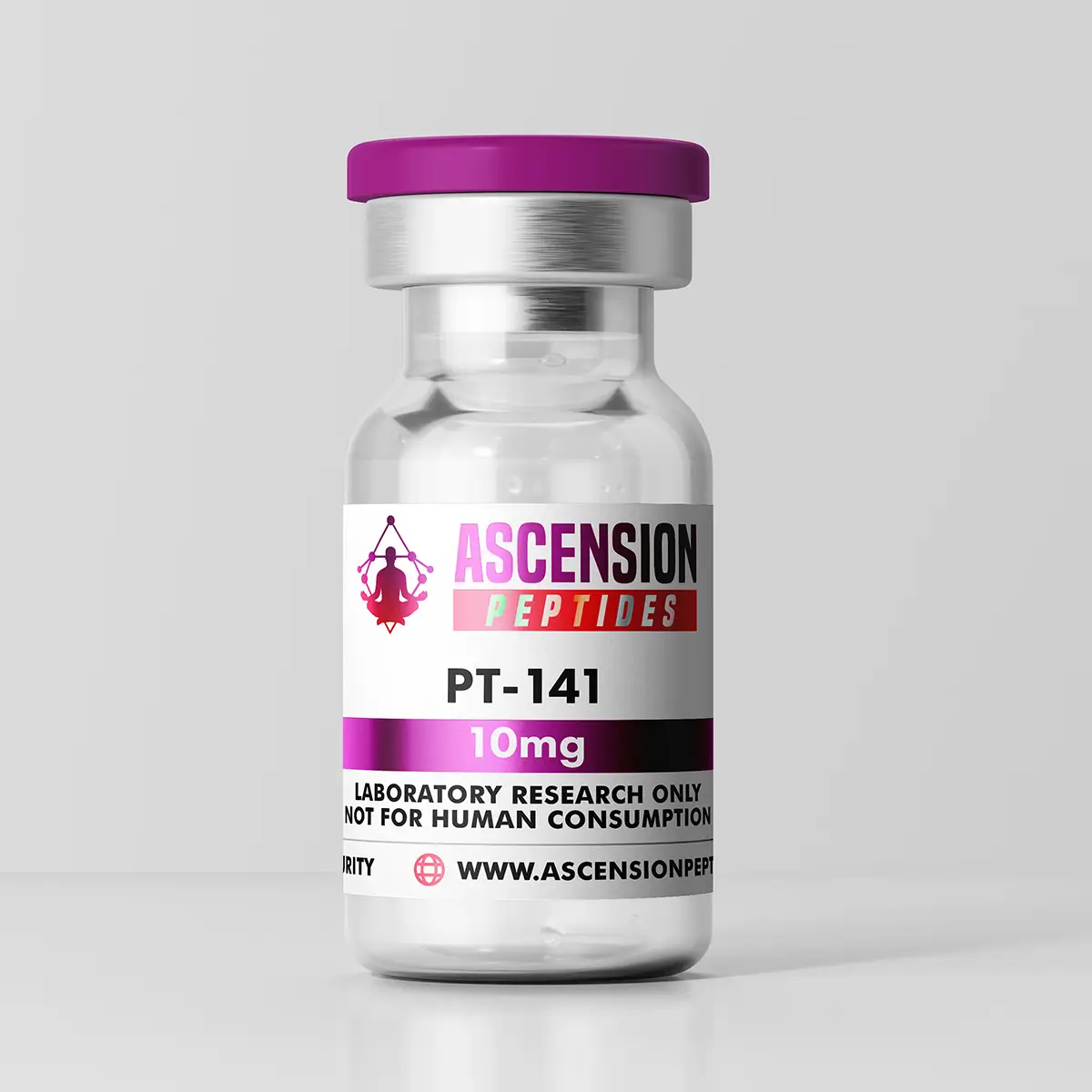
PT-141 acts on melanocortin receptors in the brain to increase sexual desire and central arousal. Alprostadil acts on the smooth muscle of the penis to force vasodilation. If the issue is low desire, PT-141 is the relevant tool. If the issue is hardware that will not respond to signals, alprostadil is the answer. Some men with mixed presentations end up using both, but they treat different links in the chain. The PT-141 dosage guide covers the desire-side approach in detail, and the broader category sits in peptides for libido and sexual health.
Side Effects of Alprostadil
This is where alprostadil earns its second-line status.
- Penile pain. Reported by roughly a third of injection users, especially during the first few months. Often dull aching rather than sharp pain. Tends to improve with continued use.
- Priapism. An erection lasting more than four hours is a medical emergency. Reported in 1 to 4 percent of injection users. Untreated priapism can cause permanent tissue damage. Any erection past three hours means a call to the on-call urologist or an ER visit.
- Cavernosal fibrosis. Long-term injection use can cause scarring and palpable nodules along the shaft, sometimes affecting curvature. Reported in roughly 5 to 10 percent of long-term users.
- Hypotension and dizziness. Especially at higher doses or with the suppository.
- Urethral burning and minor bleeding. Common with MUSE.
- Hematoma at the injection site. Usually small and resolves on its own.
Who Should Not Use Alprostadil
Conditions where the drug is contraindicated or risky:
- Sickle cell disease, leukemia, or multiple myeloma (priapism risk)
- Penile implants or severe Peyronie's disease
- Anatomic deformity that would make injection unsafe
- Bleeding disorders or anticoagulant therapy without urologist sign-off
- Use with another erectogenic drug at the same time, unless explicitly cleared by a prescriber
Cost and Access
Alprostadil is prescription-only in the United States. Caverject and Edex run roughly $30 to $90 per dose without insurance, depending on strength and pharmacy. MUSE pellets run $50 to $100 each. Insurance coverage varies and many plans cap monthly quantities. Compounded alprostadil mixes (sometimes called Trimix or Bimix when combined with papaverine and phentolamine) are widely used through compounding pharmacies and run noticeably cheaper per dose, but require a prescription and a urologist willing to supervise titration.
What to Expect on Your First Dose
The office visit is structured.
- The urologist explains the injection technique and shows you the syringe.
- A small starting dose, usually 2.5 mcg, is injected.
- You wait. If the response is partial after 10 to 20 minutes, the dose is bumped at a follow-up visit, not the same day.
- Once a usable dose is found, you self-inject at home.
- You are told the priapism rules in writing before you leave.
Most men describe the first month as awkward and the second month as routine. The technique becomes automatic faster than expected.
Storage and Handling
Caverject and Edex come as a powder that you reconstitute with sterile diluent right before use. Once reconstituted, the solution is good for about 24 hours refrigerated and should not be reused after that window. MUSE pellets are stored refrigerated and warmed briefly in your hand before insertion. Always check expiration dates and never use a vial that looks discolored or cloudy.
The Bottom Line on Alprostadil
Alprostadil is not a first-line drug and was never designed to be one. It is the prescription option for men whose oral pills have stopped working, and it has the strongest response rates of any non-surgical ED treatment. The trade-off is a needle, a learning curve, and a real list of side effects that needs urologist supervision. For the right patient, alprostadil restores function that oral medication simply cannot.
Medical disclaimer. This article is for educational purposes only and is not medical advice. Alprostadil is a prescription medication. Use of Caverject, Edex, MUSE, Vitaros, or compounded alprostadil should always be supervised by a licensed urologist or other qualified prescriber. Do not start, change, or stop any treatment based on information you read online. Seek immediate medical attention for any erection lasting more than four hours.