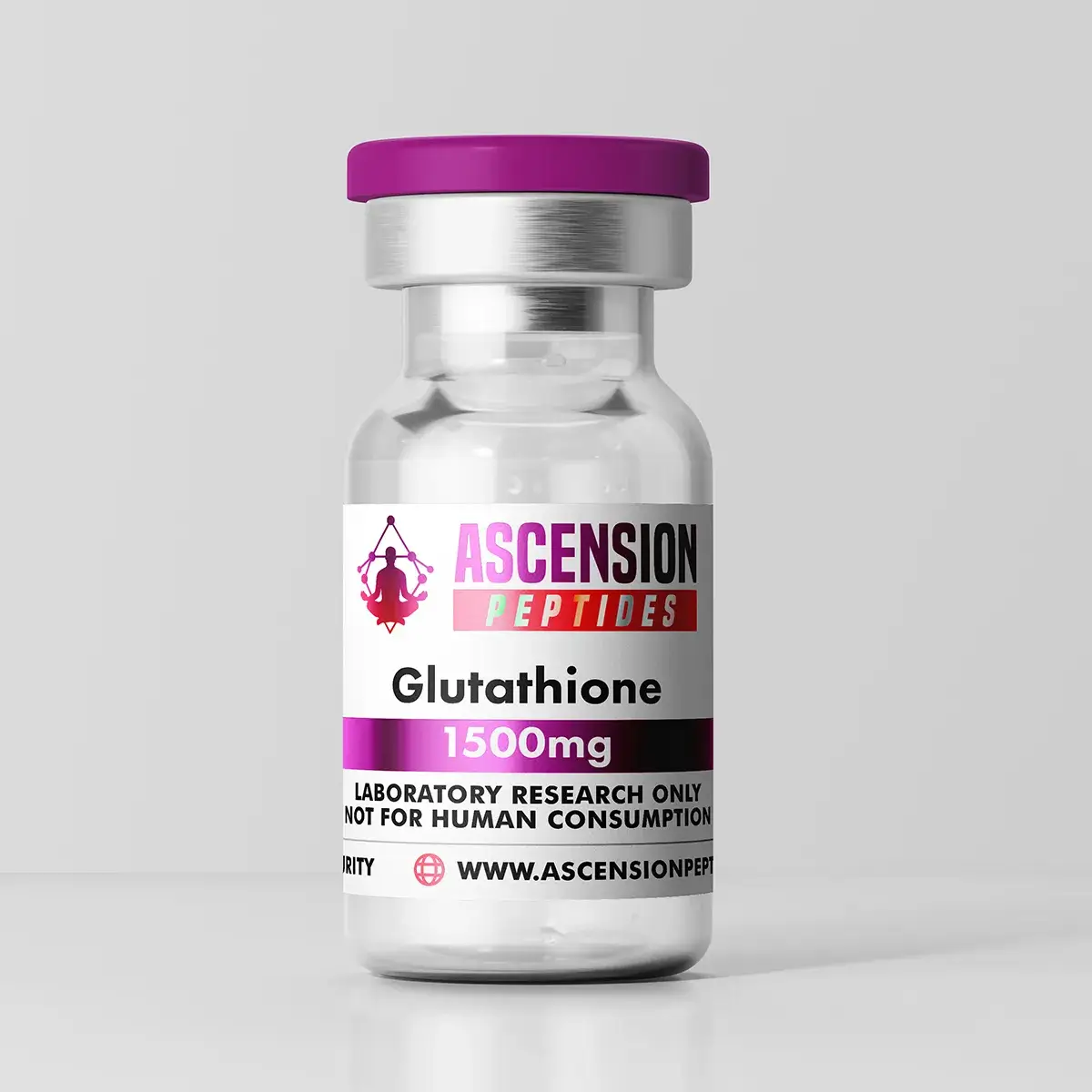
It's the most important antioxidant you've probably never measured.
🔑 Key Takeaways
- Glutathione is a tripeptide made from three amino acids (cysteine, glutamate, and glycine) and is often called the body's "master antioxidant"
- It exists in two forms: reduced (GSH, active) and oxidized (GSSG, spent); the GSH to GSSG ratio is a key marker of cellular redox health
- Oral glutathione is poorly absorbed because digestive enzymes break the molecule down; liposomal, sublingual, and injectable forms work better
- Human trials show benefits for oxidative stress, liver disease (NAFLD), insulin sensitivity, Parkinson's disease, and autoimmune conditions
- N-acetyl cysteine (NAC) is often a more practical way to raise glutathione than taking glutathione directly, because NAC provides the rate-limiting amino acid cysteine
- IV and subcutaneous injection bypass the gut absorption issue and are used clinically when rapid glutathione elevation is the goal
- Generally safe, but pregnancy, active cancer, and chemotherapy require physician oversight
Glutathione is one of the most studied molecules in redox biology. It sits at the center of how your cells handle oxidative stress, detoxify chemicals, and protect themselves from damage. It's also one of the most misunderstood supplements on the market, partly because how you take it matters at least as much as whether you take it.
Here is what glutathione actually does, which benefits have real evidence behind them, and how to raise your levels effectively.
What Is Glutathione?
A tripeptide made of three amino acids.
Glutathione (chemical formula C10H17N3O6S) is a small protein your body builds from cysteine, glutamate, and glycine. It is synthesized inside your cells, with the liver producing the highest concentrations. Every cell in your body contains glutathione; the highest levels are in the liver, kidneys, and red blood cells.
Glutathione has two forms:
- GSH (reduced glutathione): The active form, ready to neutralize free radicals and support detoxification reactions
- GSSG (oxidized glutathione): The "spent" form after GSH has donated electrons to neutralize oxidative damage
Your cells constantly recycle GSSG back to GSH using an enzyme called glutathione reductase. The ratio of GSH to GSSG is one of the most reliable markers of cellular health, and it declines as you age, become chronically inflamed, or accumulate environmental stressors.
Why Glutathione Matters
It does three things your body cannot replace easily.
Neutralizes oxidative stress. Free radicals and reactive oxygen species (ROS) damage cell membranes, DNA, and proteins. Glutathione donates an electron to these unstable molecules, stabilizing them before they cause damage. It also helps regenerate other antioxidants like vitamins C and E after they have been used up.
Drives phase II liver detoxification. The liver processes toxins, medications, alcohol, and metabolic byproducts through a two-phase system. Phase II detoxification, which makes these substances water-soluble so your body can excrete them, relies heavily on glutathione. This is why glutathione levels drop sharply after alcohol binges, acetaminophen overdoses, and chemotherapy.
Supports immune function and cellular repair. Glutathione regulates the activity of T-cells, influences inflammatory cytokine production, and supports the enzymes that fix damaged DNA. Low glutathione is consistently associated with chronic inflammation, autoimmune flares, and impaired immune response.
When people refer to glutathione as "the master antioxidant," this is why. Most other antioxidants depend on glutathione to remain functional.
Low Glutathione Symptoms
Glutathione deficiency is common and often underdiagnosed, particularly in people over 40, heavy drinkers, long-term NSAID users, and those with chronic illness. Measurable glutathione depletion typically shows up as a cluster of symptoms rather than a single clear sign.
The most commonly reported signs of low glutathione include:
- Persistent fatigue that doesn't resolve with sleep
- Frequent colds or slow recovery from illness
- Brain fog and reduced mental clarity
- Sensitivity to alcohol (bad hangovers from small amounts)
- Sensitivity to medications, especially acetaminophen
- Joint aches and general inflammation
- Skin that heals slowly from cuts or acne
- Chemical sensitivity (perfumes, cleaning products trigger symptoms)
Certain conditions are strongly associated with low glutathione: chronic liver disease, HIV/AIDS, cystic fibrosis, Parkinson's disease, type 2 diabetes, and autoimmune conditions. Chronic alcohol use, smoking, environmental toxin exposure, and aging also deplete glutathione.
Lab testing for glutathione is available but not standardized; most testing uses red blood cell glutathione or urine organic acid markers as proxies for tissue levels.
Glutathione Benefits: What the Evidence Shows
1. Reduces Oxidative Stress
This is the foundational benefit and the best-supported one.
Oxidative stress is the imbalance between free radicals and your body's ability to neutralize them. Chronic oxidative stress drives aging, cardiovascular disease, cancer risk, and neurodegeneration. Glutathione is the primary intracellular antioxidant that neutralizes reactive oxygen species. Multiple human trials show that raising glutathione levels reduces oxidative stress markers in blood and tissue.
2. Supports Liver Health and Nonalcoholic Fatty Liver Disease (NAFLD)
The liver is where glutathione does some of its most important work.
In a small trial on patients with nonalcoholic fatty liver disease (NAFLD), daily oral glutathione for 4 months improved liver enzyme markers (ALT). Additional research in patients with more serious liver disease has shown that high-dose IV glutathione improves liver function test results. Glutathione is also the reason N-acetylcysteine (NAC) is the standard hospital antidote for acetaminophen overdose: it rescues glutathione levels depleted by the drug's toxic metabolite.
3. Improves Insulin Sensitivity and Diabetes Markers
A study in older adults with type 2 diabetes showed that supplementation with glutathione precursors (cysteine and glycine) restored glutathione levels, reduced oxidative stress, and improved insulin sensitivity. The effect was comparable to some pharmacological interventions for insulin resistance, though with a slower onset.
4. Reduces Symptoms of Parkinson's Disease
Parkinson's disease involves progressive loss of dopaminergic neurons, and low brain glutathione is one of the earliest biochemical markers.
Intravenous glutathione at 600mg twice daily has shown symptomatic improvement in Parkinson's patients in several small trials, with particular effects on tremor, rigidity, and motor function. The evidence is not yet strong enough to call this a treatment, but the biological rationale is well-supported and ongoing research is active.
5. Supports Cardiovascular Health
Low glutathione is associated with increased risk of cardiovascular events. Oxidized LDL, a major driver of atherosclerosis, is partly kept in check by glutathione-dependent enzymes. A trial in patients with peripheral artery disease showed that IV glutathione improved walking distance and reduced pain at 5 weeks compared to placebo.
6. Reduces Cell Damage in Autoimmune Disease
Autoimmune conditions involve chronic oxidative stress as part of the disease process. Glutathione suppresses the production of inflammatory cytokines and supports regulatory T-cell function. Trials in lupus, rheumatoid arthritis, and multiple sclerosis have shown modest but consistent reductions in inflammatory markers with glutathione or NAC supplementation.
7. May Improve Psoriasis
Psoriasis involves immune dysregulation and oxidative stress in skin tissue. A small trial showed that patients consuming whey protein (which contains high levels of cysteine) saw measurable improvements in psoriasis severity, likely through boosting glutathione synthesis. Direct glutathione supplementation trials are more limited but generally positive.
8. Skin Pigmentation and Skin Lightening
Worth being honest here.
Injectable glutathione is heavily marketed in parts of Asia and Latin America as a skin-lightening treatment. It works by inhibiting tyrosinase, the enzyme responsible for melanin production, shifting skin melanin toward lighter pheomelanin instead of darker eumelanin. However, the FDA in the Philippines (where the practice is most popular) has issued warnings about safety. High-dose IV glutathione used specifically for skin lightening has been associated with kidney, liver, and nervous system toxicity when misused.
Using glutathione for its antioxidant and liver benefits at standard therapeutic doses is not the same as using high-dose IV glutathione off-label for skin whitening. The distinction matters.
9. Supports Respiratory Health
Glutathione in the lungs protects airways from inhaled oxidants, pollution, and smoke damage. Nebulized glutathione has been studied in cystic fibrosis, COPD, and asthma, with promising improvements in lung function and mucus clearance in some trials. It is not yet a standard of care but is used clinically in integrative pulmonology.
10. Supports Mental Health and Addiction Recovery
Low glutathione is associated with depression, bipolar disorder, and obsessive-compulsive disorder. The connection runs through oxidative stress in the brain and its effect on neurotransmitter function. NAC (a glutathione precursor) has the strongest evidence here, with trials showing benefit in OCD, trichotillomania, and addiction recovery.
Glutathione is also used in addiction recovery protocols alongside IV NAD+ therapy, because heavy substance use depletes both systems simultaneously.
How Strong Is the Evidence for Each Benefit?
Glutathione benefit evidence rating
Glutathione in Food
Some foods contain glutathione directly; others supply the amino acid precursors your body uses to make it. Direct dietary glutathione is partially broken down in digestion, so the precursor path tends to be more effective for raising cellular levels.
- Foods high in preformed glutathione: Spinach, avocado, asparagus, broccoli, okra, tomatoes, cucumber, watermelon, grapefruit, and unprocessed meats
- Sulfur-rich foods that support synthesis: Garlic, onions, leeks, shallots, cruciferous vegetables (cabbage, cauliflower, brussels sprouts, kale), and eggs
- Cysteine-rich foods: Whey protein, poultry, yogurt, eggs, and sunflower seeds
- Nutrients that cofactor glutathione synthesis: Vitamin C, vitamin E, selenium (Brazil nuts, tuna), and alpha-lipoic acid
Whole-food sources support baseline glutathione production but will not correct a significant deficit on their own.
How to Test Your Glutathione Levels
Direct measurement is possible but not standardized.
The two most common tests are:
- Red blood cell glutathione (RBC-GSH): Measures reduced glutathione in red blood cells, offered by specialty labs including Genova Diagnostics, Doctor's Data, and some functional medicine providers. Cost runs $80 to $180 out of pocket.
- Urinary organic acid test with pyroglutamate marker: An indirect marker of glutathione depletion; elevated pyroglutamate suggests the body is consuming glutathione faster than it can replenish. Offered by the same specialty labs. Cost runs $150 to $300.
A reduced-to-oxidized glutathione ratio (GSH:GSSG) is the most meaningful measurement, but it requires specialized handling and is not widely offered outside research settings. A healthy ratio is typically 100:1 or higher; it drops sharply with oxidative stress, aging, and chronic illness.
Testing is optional. Most clinicians work from symptom presentation and risk factors rather than routine measurement, and start supplementation on a trial basis.
Glutathione vs NAC: Which Is Better?
One of the most common questions. The short answer: they complement each other.
N-acetylcysteine (NAC) is a stable form of the amino acid cysteine. Cysteine is the rate-limiting amino acid in glutathione synthesis, meaning cellular glutathione production is often bottlenecked by cysteine availability. Taking NAC gives your cells the raw material they need to make more glutathione.
For most people, NAC is the more cost-effective entry point for raising glutathione. For specific situations where rapid and complete glutathione elevation matters (post-toxin exposure, liver support, acute illness recovery), direct glutathione by injection or IV works faster and more completely.
Glutathione Injections vs IV vs Oral: What Actually Works
The benefit you read about only happens if glutathione reaches the cells that need it. Standard oral glutathione has poor bioavailability, which is the single biggest reason users feel "nothing" from a cheap capsule and then assume the molecule is overhyped. Here is what each delivery route actually achieves.
- Standard oral glutathione capsules. Largely broken down by digestive enzymes before reaching the bloodstream. Some recent reduced-glutathione formulations show modest blood elevation, but the effect is small versus parenteral routes. Best treated as a low-cost maintenance option, not a therapeutic dose.
- Liposomal oral glutathione. Phospholipid encapsulation protects the molecule from digestive breakdown. Human studies show meaningful intracellular glutathione increases at 500 to 1,000 mg daily over 1 to 3 months. The best oral choice for users who refuse needles.
- Sublingual and intranasal glutathione. Bypass first-pass metabolism. Faster onset than capsules. Useful for daily maintenance and acute reset doses. Less data than liposomal.
- NAC (N-acetylcysteine) as an oral precursor. Cheap, well absorbed, and supplies the rate-limiting amino acid (cysteine) your cells need to make glutathione. Often the most cost-effective route for general antioxidant support, though it raises glutathione indirectly rather than delivering it.
- Subcutaneous glutathione injections. Bypass the gut entirely. Used in IV-style protocols at lower doses self-administered at home. Effective and convenient if a clinician will prescribe and a compounding pharmacy will dispense.
- IV glutathione push or drip. The fastest and highest peak elevation. Used clinically for Parkinson's symptom support, liver decompensation, and skin-lightening protocols. Effects can be felt during or immediately after the session. Costs $50 to $300 per session and effects are not permanent.
If you have tried oral glutathione and "felt nothing," that is the expected experience for the standard form. Either step up to liposomal at a real dose, switch to NAC as a precursor strategy, or move to subcutaneous or IV. For a detailed product-by-product breakdown of oral and injectable forms see our best glutathione supplement guide, and for the peptide-grade injectable angle see our glutathione peptide guide.
The Glutathione Skin Lightening Question
One of the most-searched glutathione queries is whether it actually lightens skin and whether it is safe. The honest answer has two parts.
Does it work? Yes, in some users, at high enough doses, on a meaningful timeline. Glutathione shifts melanin production from darker eumelanin toward lighter pheomelanin and inhibits tyrosinase, the enzyme that drives pigmentation. Oral liposomal glutathione at 500 to 1,000 mg daily for 4 to 12 weeks has shown measurable lightening in controlled trials. IV glutathione produces faster but temporary lightening that fades as melanin production resumes. Effects vary widely by baseline melanin, dose, and duration.
Is it safe? Mixed. The FDA has warned specifically against unapproved injectable glutathione marketed for skin lightening, citing risks of severe skin reactions, kidney damage, and thyroid problems with very high IV doses (often 1,200 to 3,000 mg per session). The Philippines FDA has issued similar warnings. Oral and lower-dose liposomal protocols carry much lower risk and a more favorable safety profile than mega-dose IV regimens. If you are pursuing lightening, treat the dose seriously and use a clinician who monitors thyroid, kidney, and liver markers rather than a wellness clinic running unsupervised IV pushes.
Beyond cosmetic use, the same antioxidant mechanism that affects melanin is what supports the cellular-protection benefits described in this article. If your interest is overall skin quality rather than active lightening, lower steady doses (500 mg liposomal daily) are sufficient for the antioxidant and inflammation benefits without pushing into the side-effect territory of high-dose IV protocols.
How to Raise Glutathione: Every Delivery Method Ranked
Delivery method changes the result significantly.
Oral standard glutathione is the worst deal in this table. The molecule breaks down in the gut before it reaches cells, so most of what you paid for goes unused. Liposomal and sublingual forms work better by protecting the molecule or bypassing digestion. IV and subcutaneous injection skip the absorption problem entirely.
[Image #1]

Glutathione Dosage Guide
There is no universally standardized dose because the right amount depends on form and goal. Here are the ranges used in clinical trials and practice:
- Oral capsule (standard): 250-1,000mg daily. Use only if liposomal or sublingual are unavailable.
- Liposomal glutathione: 500-1,000mg daily, divided morning and evening. Take on an empty stomach when possible.
- Sublingual glutathione: 100-200mg two or three times daily. Hold under the tongue for 60-90 seconds before swallowing.
- Subcutaneous injection: 100-200mg per injection (0.5-1 mL at 200mg/mL), 2-3 times per week for general use, daily for acute protocols; doses of 600mg and up are given IV
- IV glutathione: 600-2,400mg per infusion, weekly or as prescribed by a clinician
- Nebulized glutathione: 100-300mg per treatment, 1-3 times daily, by prescription
- NAC (glutathione precursor): 600-1,800mg daily
Higher doses are used in specific clinical contexts (acetaminophen overdose, IV chemotherapy support, Parkinson's protocols) and should only be done under medical supervision.
Side Effects and Safety
Glutathione is generally well tolerated at standard doses.
Possible side effects:
- Stomach upset or mild abdominal cramping (oral forms)
- Skin rash or allergic reaction (rare)
- Low zinc levels with very long-term high-dose use
- Injection site reactions (redness, tenderness) with subcutaneous injection
- Temporary fatigue or "detox" symptoms in the first 1-2 weeks (mobilization of stored toxins)
- Bronchospasm with nebulized glutathione in asthmatic individuals (why it requires prescription)
Serious adverse events are rare. High-dose IV glutathione used for off-label skin-lightening has been associated with kidney damage, liver stress, and neurological issues, which is why skin-lightening IV use is not recommended outside regulated medical settings.
Who Should Avoid or Delay Glutathione Supplementation
- Pregnancy and breastfeeding: Limited safety data; avoid supplementation
- Active cancer: Some cancers use glutathione to resist chemotherapy; discuss with your oncologist before any use
- Active chemotherapy: Can interact with treatment; timing matters; physician oversight required
- Asthma: Nebulized glutathione can trigger bronchospasm; use only by prescription
- Sulfa allergy: Glutathione contains sulfur; discuss with your provider if you have severe sulfa drug allergies
- Children: Not typically supplemented without medical indication
Glutathione Stacks: What Works Well Together
For most people the real power is in the stack, not the single compound.
Common glutathione stacks
- Baseline antioxidant stack: Glutathione (liposomal or sublingual) + NAC 600mg + vitamin C 500-1,000mg + selenium 100-200mcg
- Liver support stack: Glutathione + NAC + milk thistle + alpha-lipoic acid
- Longevity stack: Glutathione + NAD+ (injectable) + MOTS-c + resveratrol. Addresses redox, mitochondrial, and sirtuin pathways simultaneously.
- Recovery/detox stack: IV or subcutaneous glutathione + NAC + B vitamins + vitamin C, used in post-alcohol, post-illness, or post-toxin protocols
- Respiratory stack: Nebulized glutathione + oral NAC + vitamin D, used in integrative pulmonology
Glutathione pairs particularly well with NAD+ because both address cellular energy and oxidative resilience from complementary angles. For people running peptide protocols focused on recovery or anti-aging, see the peptide stacking guide.