Survodutide
Survodutide (BI 456906)
Get Survodutide
Sourced from Ascension Peptides. Verified ≥Pharmaceutical grade (clinical-stage compound) purity, third-party tested. COA included.
Off with code
PEPTIDEDECK
Table of Contents
What is Survodutide?
Survodutide (BI 456906) is a next-generation investigational peptide developed through a collaboration between Boehringer Ingelheim and Zealand Pharma. It belongs to an emerging class of dual receptor agonists that simultaneously activate both the glucagon-like peptide-1 (GLP-1) receptor and the glucagon receptor—two key hormonal pathways involved in energy balance, glucose metabolism, and hepatic lipid handling.
What makes survodutide particularly noteworthy in the crowded incretin-based therapeutics landscape is its unique mechanism of adding glucagon receptor activation to the established GLP-1 framework. While GLP-1 agonists like semaglutide have already transformed obesity treatment through appetite suppression, the glucagon component in survodutide takes a fundamentally different approach: it increases energy expenditure and stimulates the liver to oxidize fat stores, effectively burning excess hepatic lipids from the inside out.
This dual mechanism positions survodutide as a leading candidate for two interrelated conditions: obesity and metabolic dysfunction-associated steatohepatitis (MASH), formerly known as NASH. Clinical trial results have demonstrated both impressive weight loss and remarkable liver fat reduction—a combination that few other compounds in development can match.
The peptide is currently in Phase 3 clinical trials across the SYNCHRONIZE program, with studies running in parallel for obesity, MASH, and type 2 diabetes. If approved, survodutide would be the first dual GLP-1/glucagon receptor agonist to reach the market, establishing a new therapeutic category distinct from both pure GLP-1 agonists and the dual GIP/GLP-1 agonist tirzepatide.
Research Benefits
Significant body weight loss (up to 18.7% in Phase 2 trials)
Dramatic reduction in liver fat content in MASH patients
Enhanced energy expenditure through glucagon receptor activation
Improved glycemic control and insulin sensitivity
Histological improvement and MASH resolution in clinical studies
Reduction in liver fibrosis markers
Favorable lipid profile improvements
Once-weekly subcutaneous administration
How Survodutide Works
How Survodutide Works: Dual Receptor Mechanism
Understanding survodutide requires appreciating how two distinct hormonal pathways—GLP-1 and glucagon signaling—can be harnessed simultaneously to produce synergistic metabolic effects. This dual mechanism represents a fundamental departure from single-target approaches.
GLP-1 Receptor Activation: The Appetite Side
The GLP-1 component of survodutide works through well-established mechanisms shared with approved drugs like semaglutide and liraglutide:
- Appetite suppression: GLP-1 receptor activation in the hypothalamus and brainstem reduces hunger signaling and promotes satiety, leading to reduced caloric intake
- Delayed gastric emptying: Slowing stomach emptying prolongs the feeling of fullness after meals
- Insulin secretion: Glucose-dependent insulin release from pancreatic beta cells improves glycemic control
- Glucagon suppression: GLP-1 signaling reduces inappropriate glucagon secretion from alpha cells, complementing insulin's glucose-lowering effects
Glucagon Receptor Activation: The Energy Expenditure Side
The glucagon receptor agonism is what truly distinguishes survodutide. While it may seem counterintuitive to activate glucagon—a hormone traditionally associated with raising blood sugar—research has revealed substantial metabolic benefits:
Increased Energy Expenditure
Glucagon receptor activation stimulates thermogenesis and increases basal metabolic rate, causing the body to burn more calories at rest.
Hepatic Fat Oxidation
Glucagon directs the liver to break down stored triglycerides through beta-oxidation, directly reducing liver fat content—critical for MASH treatment.
Improved Lipid Metabolism
Enhanced hepatic lipid handling leads to improved circulating lipid profiles, reducing triglycerides and potentially lowering cardiovascular risk.
Appetite Regulation
Glucagon itself has central appetite-suppressing effects through FGF21 induction, adding to the GLP-1-mediated satiety signal.
The Balancing Act
The key engineering challenge in creating a GLP-1/glucagon dual agonist is managing the opposing effects on blood glucose. Glucagon naturally raises blood sugar by stimulating hepatic glucose output, while GLP-1 lowers it. Survodutide is designed with a carefully calibrated ratio of GLP-1 to glucagon receptor potency that ensures the glucose-lowering effects of GLP-1 predominate, preventing hyperglycemia while preserving the metabolic benefits of glucagon activation.
Pharmacokinetics
Survodutide has been engineered with modifications that extend its plasma half-life to approximately 6-7 days, enabling convenient once-weekly subcutaneous dosing. The peptide is administered via pre-filled injection pens, following a gradual dose-escalation protocol to minimize gastrointestinal side effects—a strategy common across the incretin therapy class.
Research Applications
Obesity and weight management
Active research area with published studies
Metabolic dysfunction-associated steatohepatitis (MASH/NASH)
Active research area with published studies
Metabolic dysfunction-associated steatotic liver disease (MASLD)
Active research area with published studies
Type 2 diabetes mellitus
Active research area with published studies
Cardiovascular risk reduction
Active research area with published studies
Hepatic lipid metabolism
Active research area with published studies
Metabolic syndrome
Active research area with published studies
Liver fibrosis
Active research area with published studies
Research Findings
Clinical Trial Results and Research Findings
Survodutide has progressed through a robust clinical development program, with particularly impressive results in two pivotal areas: obesity and MASH. The data from Phase 2 trials provided the foundation for the ongoing Phase 3 SYNCHRONIZE program.
Phase 2 Obesity Trial
The Phase 2 dose-ranging trial enrolled adults with obesity (BMI ≥30) or overweight (BMI ≥27 with comorbidities) without diabetes. Participants were randomized to survodutide at escalating doses (0.6 mg, 2.4 mg, 3.6 mg, or 4.8 mg) or placebo for 46 weeks. Key findings published in The Lancet (2024):
| Dose Group | Weight Loss (%) | ≥10% Weight Loss | ≥15% Weight Loss |
|---|---|---|---|
| Placebo | -2.1% | 12% | 5% |
| 0.6 mg | -6.2% | 28% | 15% |
| 2.4 mg | -12.5% | 62% | 42% |
| 3.6 mg | -14.9% | 72% | 55% |
| 4.8 mg | -18.7% | 83% | 70% |
The highest dose group achieved a mean weight loss of 18.7% at 46 weeks—positioning survodutide among the most effective pharmacological weight loss agents studied to date. Notably, 83% of patients on the highest dose lost at least 10% of their body weight, a threshold considered clinically meaningful.
Phase 2b MASH Trial
The MASH trial results, published in the New England Journal of Medicine (2024), were even more striking. This study enrolled patients with biopsy-confirmed MASH and liver fibrosis stages F1-F3. Key outcomes at 48 weeks:
- MASH resolution: Up to 83% of patients on the highest dose achieved histological improvement in MASH (defined as resolution of steatohepatitis without worsening of fibrosis), compared to approximately 18% on placebo
- Liver fat reduction: MRI-PDFF showed liver fat content decreased by more than 80% in many patients, with some achieving near-complete normalization
- Fibrosis improvement: A meaningful proportion of patients showed improvement in fibrosis stage, though this requires longer-term confirmation
- Biomarker improvements: Significant reductions in ALT, AST, and non-invasive fibrosis markers (ELF score, FIB-4)
Phase 1 and Preclinical Data
Earlier clinical and preclinical studies established survodutide's safety profile and dose-response relationships. Phase 1 trials in healthy volunteers and patients with type 2 diabetes confirmed dose-proportional pharmacokinetics, acceptable tolerability, and preliminary evidence of glucose-lowering and weight-reducing effects. Preclinical studies in animal models demonstrated the compound's ability to reduce liver steatosis, improve hepatic insulin sensitivity, and increase energy expenditure in diet-induced obesity models.
Phase 3 SYNCHRONIZE Program
Based on Phase 2 results, Boehringer Ingelheim launched the comprehensive SYNCHRONIZE Phase 3 program, which includes:
- SYNCHRONIZE 1 & 2: Obesity trials evaluating survodutide for chronic weight management
- SYNCHRONIZE-STEATOHEPATITIS: MASH trial with histological endpoints
- Additional studies: Investigating survodutide in type 2 diabetes and cardiovascular outcomes
These Phase 3 trials are expected to enroll thousands of patients globally and report results over 2026-2027, with potential regulatory submissions to follow if results are positive.
Dosage & Administration
Dosage and Administration
Clinical Trial Dosing Protocol
Clinical trials have employed a gradual dose-escalation strategy, starting at low doses and increasing every 4 weeks to minimize gastrointestinal side effects. This approach is standard for incretin-based therapies and allows the body to adapt to the medication's effects on gastric motility and appetite signaling.
| Phase | Dose | Frequency | Duration |
|---|---|---|---|
| Titration Step 1 | 0.6 mg | Once weekly | Weeks 1-4 |
| Titration Step 2 | 1.2 mg | Once weekly | Weeks 5-8 |
| Titration Step 3 | 1.8 mg | Once weekly | Weeks 9-12 |
| Titration Step 4 | 2.4 mg | Once weekly | Weeks 13-16 |
| Maintenance (low) | 2.4 mg | Once weekly | Week 16+ |
| Maintenance (medium) | 3.6 mg | Once weekly | Week 20+ |
| Maintenance (high) | 4.8 mg | Once weekly | Week 24+ |
Administration Details
In clinical trials, survodutide is administered as a once-weekly subcutaneous injection using a pre-filled pen device. Key administration points from trial protocols:
- Injection sites include the abdomen, thigh, or upper arm, with rotation recommended
- The injection can be administered at any time of day, with or without meals
- Missed doses should be taken as soon as possible if within a reasonable window, with the regular weekly schedule then resumed
- The pre-filled pen is stored refrigerated (2-8°C) and should not be frozen
Important Considerations
Survodutide is only available through clinical trial enrollment. It is not available commercially, through compounding pharmacies, or from research peptide suppliers. Individuals interested in accessing survodutide should consult their healthcare provider about potential clinical trial participation through the SYNCHRONIZE program (ClinicalTrials.gov).
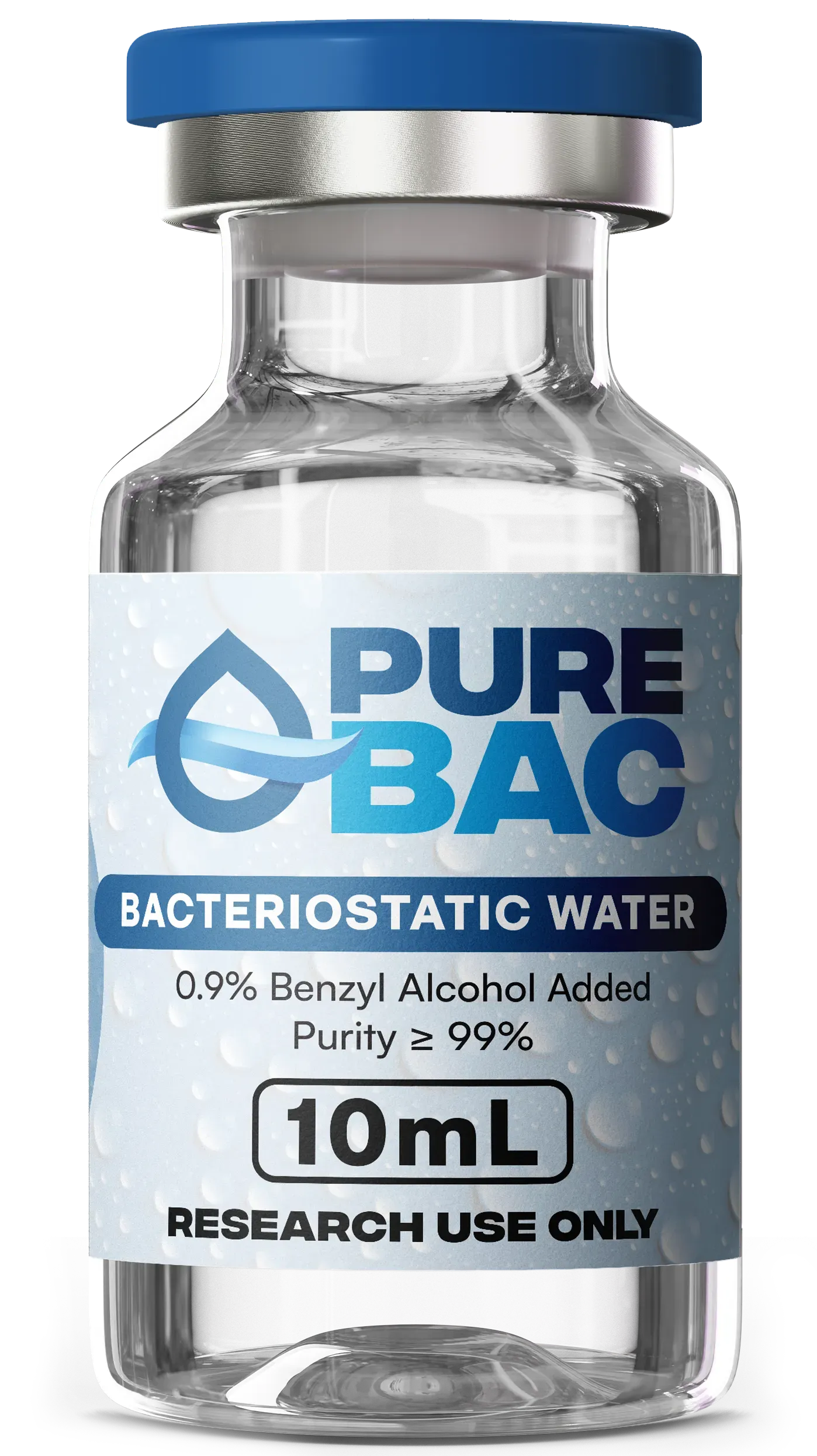
Work out your Survodutide draw in units
Enter the vial size, the bacteriostatic water you add and the dose you want, and the calculator gives the syringe units, how long the vial lasts and when to discard it.
Open the peptide calculatorSafety & Side Effects
Safety Profile and Side Effects
The safety data for survodutide comes from Phase 1, Phase 2, and ongoing Phase 3 clinical trials. While the overall safety profile has been deemed acceptable for continued development, several categories of adverse events deserve attention.
Common Side Effects
The most frequently reported adverse events are gastrointestinal, consistent with the incretin class:
| Side Effect | Frequency | Typical Duration | Severity |
|---|---|---|---|
| Nausea | 40-50% | First 4-8 weeks (during titration) | Mostly mild-moderate |
| Vomiting | 15-25% | First 4-8 weeks | Mostly mild-moderate |
| Diarrhea | 20-30% | Variable | Mostly mild |
| Decreased appetite | 15-20% | Persistent (therapeutic effect) | Expected/desired |
| Constipation | 10-15% | Variable | Mostly mild |
| Injection site reactions | 5-10% | Hours to days | Mild |
Metabolic Effects and Monitoring
Because survodutide activates glucagon receptors, specific metabolic parameters require monitoring:
- Blood glucose: Despite glucagon's glucose-raising potential, the GLP-1 component generally maintains glycemic control. However, patients with diabetes on concomitant glucose-lowering medications may need dose adjustments to prevent hypoglycemia
- Heart rate: Small increases in resting heart rate (2-4 bpm) have been observed, consistent with GLP-1 agonist class effects
- Lipase and amylase: Asymptomatic elevations observed in some patients, consistent with incretin class effects. Clinical significance uncertain but monitoring is standard
- Body composition: Weight loss involves both fat mass and some lean mass reduction, similar to other GLP-1 agonists. Exercise and adequate protein intake during treatment may help preserve lean mass
Potential Risks and Unknowns
As an investigational compound, several important safety questions remain:
- Long-term safety: Studies beyond 48-52 weeks are still ongoing; chronic safety data does not yet exist
- Cardiovascular outcomes: Dedicated cardiovascular outcome trials will be needed to characterize effects on major adverse cardiovascular events
- Pancreatitis risk: Theoretical concern shared with the incretin class. No signal of increased risk detected in trials to date, but longer surveillance is needed
- Thyroid effects: GLP-1 agonists carry warnings about medullary thyroid carcinoma based on rodent data. While relevance to humans is debated, monitoring is standard
- Gallbladder events: Rapid weight loss from any cause can increase gallstone risk. Cholelithiasis has been reported with other GLP-1 agonists
Populations of Special Concern
Clinical trials have excluded certain populations where safety data is insufficient. These include pregnant or breastfeeding women, individuals with a personal or family history of medullary thyroid carcinoma or MEN2 syndrome, those with severe hepatic impairment (Child-Pugh C), and patients with recent pancreatitis.