🔑 Key Takeaways
- Sermorelin works differently for men and women — same mechanism, different outcomes based on hormonal context
- Men over 40 typically see the biggest gains in body composition, energy, and recovery
- Women use lower doses (100–200mcg) and often report the strongest results in skin quality, sleep, and fat redistribution
- Sleep improvement is the most consistent benefit across both sexes — GH pulses happen during deep sleep
- Sermorelin does NOT increase height in adults with closed growth plates
- If you have hypothyroidism, optimize thyroid function first — it can blunt your response
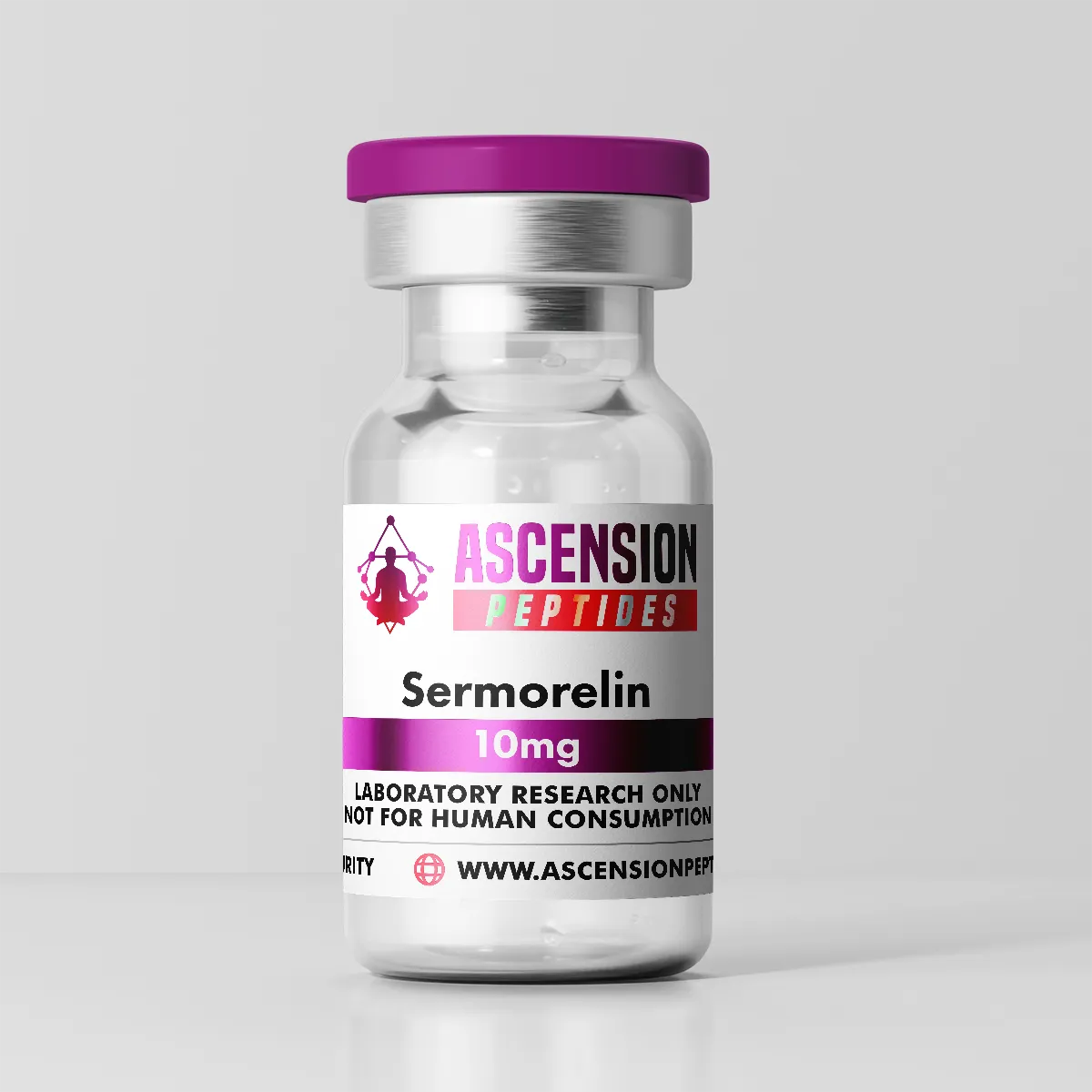
Sermorelin is a growth hormone-releasing hormone (GHRH) analog — as we explore in our does sermorelin work deep-dive, it signals your pituitary to release more of your own GH rather than replacing it directly. That distinction matters. Your body controls the output, so you get the benefits of higher GH without the shutdown risk that comes with exogenous HGH.
But here's the thing most articles skip: sermorelin doesn't behave identically in men and women. The hormonal environment is different. Estrogen, testosterone, age-related decline patterns, body composition goals — all of it shapes how you respond, what dose you need, and which benefits show up first.
This guide breaks it down by gender — what to expect, what to watch for, and how to use sermorelin effectively at any age. For the complete dosing breakdown, see our sermorelin dosage guide.
How Sermorelin Works (Quick Recap)
Sermorelin is a 29-amino acid peptide that mimics the first 29 amino acids of endogenous GHRH. When injected subcutaneously — usually before bed — it travels to the anterior pituitary and stimulates GH release.
That GH then triggers IGF-1 production in the liver, and IGF-1 is where most of the downstream effects come from: muscle protein synthesis, fat mobilization, collagen production, cellular repair. The whole cascade runs through your own pituitary, so feedback loops stay intact.
Natural GH secretion peaks in your 20s and declines at roughly 1–2% per year after that. By 40, most people are running at significantly reduced levels. By 60, GH output may be 80% lower than peak. Sermorelin doesn't replace what you've lost — it pushes your pituitary to work harder, recovering some of that lost output.
For an honest comparison of peptides versus direct testosterone replacement, see our testosterone boosters vs peptides guide.
Sermorelin for Men: What to Expect
Body Composition
This is the headline benefit for most men. Sermorelin drives a meaningful shift in body composition over time — not overnight, but steadily across 3–6 months of consistent use.
GH and IGF-1 both promote lipolysis, meaning fat cells release stored fat for energy. Simultaneously, IGF-1 supports muscle protein synthesis, so you preserve or build lean mass while losing fat. The result: the scale might not move much, but your body composition changes noticeably. Clothes fit differently. Muscle definition returns.
Men who pair sermorelin with resistance training and adequate protein see the strongest results. The peptide amplifies your response to training — it doesn't do the work for you.
Energy and Recovery
Recovery time is one of the first things men notice. Soreness clears faster. You can train harder without extended downtime. This is IGF-1 at work — it accelerates tissue repair at the cellular level, not just muscle but tendons, ligaments, and connective tissue too.
Energy improvements tend to follow once sleep quality improves (more on that below). Most men report feeling more alert during the day and less reliant on stimulants within the first 4–6 weeks.
Sports Performance
Sermorelin has attracted serious interest from active men who want an edge without the complications of exogenous HGH. Better recovery, improved body composition, and enhanced connective tissue integrity all translate directly to performance.
Endurance athletes report improvements in aerobic capacity and faster recovery between sessions. Strength athletes see better recovery between heavy training days and improved hypertrophy response over time.
Libido
Sermorelin is not a testosterone booster. It won't directly raise T levels. But the indirect path to improved libido is real and consistently reported.
The chain: sermorelin → higher GH/IGF-1 → better sleep → improved body composition → reduced cortisol → hormonal environment more conducive to healthy testosterone function. IGF-1 also has some direct effects on gonadal tissue, though the data here is still developing.
The men who report the biggest libido improvements are usually the ones who were sleeping poorly and carrying excess body fat — both of which suppress testosterone. Fix the sleep and body composition, and libido often follows without direct testosterone intervention.
💡 Pro Tip
If testosterone optimization is your main goal, sermorelin alone may not be enough compared to TRT. But as part of a broader protocol — especially combined with sleep hygiene and resistance training — the libido benefits are consistent and meaningful.
Typical Male Dosing
Most men use 200–300mcg per injection, administered subcutaneously before bed. Some protocols go up to 500mcg for men who are more significantly GH-deficient or using sermorelin for performance purposes.
Cycling is common — 5 days on, 2 days off, or 3 months on followed by a month off. This prevents desensitization of pituitary receptors and keeps the response sharp. For the complete protocol, see our sermorelin dosage guide.
Sermorelin for Women: What to Expect
Skin and Anti-Aging
This is where sermorelin genuinely shines for women — and the results are often more visually striking than what men report. GH and IGF-1 directly stimulate collagen synthesis. More collagen means better skin elasticity, reduced fine lines, improved skin thickness, and a quality shift that's hard to replicate with topicals alone.
Women typically notice skin changes at the 6–10 week mark. Texture improves first, then elasticity, then deeper structural changes that reduce the appearance of lines around the eyes and mouth. Hair and nail quality often improve in parallel, driven by similar IGF-1-dependent pathways.
Fat Redistribution
One of the most frustrating aspects of hormonal aging for women is the shift in fat distribution — fat migrates to the abdomen as estrogen declines. This closely tracks with declining GH secretion.
Sermorelin addresses the GH component directly. By increasing GH and IGF-1, it promotes lipolysis in visceral fat depots — the metabolically active fat around organs that drives insulin resistance and cardiovascular risk. Women using sermorelin consistently for 3–6 months often report significant improvements in waist circumference even when total weight changes minimally.
Sermorelin and Estrogen Interactions
Estrogen and GH secretion are deeply interconnected. Estrogen generally enhances GH sensitivity in younger women — part of why pre-menopausal women often have naturally higher GH pulsatility than men of the same age.
Post-menopause, that advantage disappears. Declining estrogen leads to blunted GH secretion, compounding normal age-related decline. This is why post-menopausal women often respond particularly well to sermorelin — their pituitary is underperforming due to both age and estrogen withdrawal, so there's significant headroom to improve.
For women on HRT, the combination with sermorelin can be synergistic. Estrogen may enhance pituitary responsiveness to GHRH signaling, improving GH output from each injection. Women on HRT should discuss sermorelin with their prescribing physician.
Typical Female Dosing
Women are typically more sensitive to sermorelin and use lower doses — usually 100–200mcg per injection before bed. Starting at 100mcg and titrating up based on response is sensible.
Side effects like water retention and tingling are more common at higher doses — our sermorelin side effects guide covers these in detail. Starting conservatively reduces early side effects and gives your body time to adapt.
Sleep Improvement: The Most Consistent Benefit
Across both men and women, sleep is the benefit people talk about most in the first weeks. This isn't coincidence — it's basic physiology.
The vast majority of daily GH secretion happens during slow-wave (deep) sleep. The GH pulse in the first few hours after falling asleep is your single largest daily GH release. Sermorelin amplifies that pulse by priming the pituitary with GHRH signaling right before the release window opens.
Users report falling asleep faster, spending more time in deep sleep, waking less frequently, and — crucially — waking up feeling genuinely rested rather than groggy. This isn't a sedative effect. It's GH doing what it's supposed to do: repair, restore, and consolidate.
Better sleep creates a positive feedback loop: deeper sleep → more GH → better recovery → less cortisol → better hormonal environment → better sleep the next night. Most users notice improvements within 2–4 weeks, often before any physical changes are visible.
Men vs Women: Side-by-Side Comparison
Does Sermorelin Increase Height in Adults?
No. Height growth requires open epiphyseal growth plates — cartilaginous zones at the ends of long bones that allow bones to lengthen. These plates close permanently in late teens, typically by 16–18 in girls and 18–21 in boys.
Once growth plates are closed, no amount of GH or IGF-1 will make bones longer. Sermorelin can improve bone density over time — a legitimate benefit — but it has nothing to do with height.
In children with documented GH deficiency and open growth plates, sermorelin can support catch-up growth under medical supervision. That's a completely different clinical use case.
Sermorelin and Hypothyroidism
Thyroid hormones and GH are deeply interconnected. T3 (active thyroid hormone) is required for the liver to produce IGF-1 in response to GH signaling. Without adequate thyroid function, the GH-to-IGF-1 conversion is blunted — sermorelin might raise GH levels but you won't feel the downstream effects.
This is a real clinical problem. People with undiagnosed or undertreated hypothyroidism use sermorelin, see minimal results, and conclude it doesn't work. The actual issue is thyroid function.
If you have hypothyroidism — especially Hashimoto's — get TSH, Free T3, and Free T4 optimized before starting. Optimal TSH for most people is 1–2 mIU/L, not just "within range." If your Free T3 is low-normal, sermorelin will underperform. Once thyroid function is addressed, response to sermorelin normalizes.
Sermorelin Benefits at a Glance
Muscle Preservation
IGF-1 supports protein synthesis and prevents muscle breakdown, especially important during caloric restriction.
Fat Loss
Promotes lipolysis in visceral fat — the kind hardest to shift with diet and exercise alone.
Sleep Quality
Amplifies GH pulse during deep sleep — most users notice deeper, more restorative sleep within 2–4 weeks.
Skin & Collagen
GH/IGF-1 directly stimulate collagen synthesis — improved elasticity, texture, and thickness over time.
Energy & Recovery
Faster tissue repair, reduced cortisol, and better sleep combine to dramatically improve daily energy.
Libido
Indirect but real — improved sleep, body composition, and IGF-1 levels all contribute to better sexual function.
Cost and How to Get Sermorelin
Sermorelin is available through anti-aging clinics, functional medicine doctors, hormone specialists, and research peptide vendors. For detailed pricing breakdown, see our sermorelin cost and prescription guide.
If you're new to peptides or GH secretagogues, start at the lower end of the dosing range. Give sermorelin at least 8–12 weeks before evaluating results — benefits build over time, particularly body composition and skin changes.