Medicare GLP-1 coverage changes on July 1, 2026. That is when the Medicare GLP-1 Bridge starts: a flat $50 a month for Wegovy, Zepbound KwikPen, or Foundayo when prescribed for weight loss, if you meet specific BMI and health criteria, according to CMS. Outside the bridge, the old rules still apply. Part D covers Ozempic and Mounjaro for type 2 diabetes, Zepbound for sleep apnea, and Wegovy for heart disease, but a 2003 federal law blocks Part D plans from paying for weight loss alone.
If you fall in the gap, you are not out of options. Many readers who do not qualify for the bridge use compounded GLP-1s through a licensed self-pay telehealth provider like Embody, which does not involve Medicare at all. The full coverage map, with every dollar amount and date, is below.
🔑 Key Takeaways
- Part D still cannot pay for weight-loss-only prescriptions. The 2003 law never changed. The bridge works around it as a CMS demonstration that runs outside Part D entirely.
- The $50 bridge copay has hidden costs. It does not count toward your Part D deductible or the $2,100 out-of-pocket cap, and Extra Help cannot lower it, per CMS.
- Zepbound is already coverable today, but only for sleep apnea. The December 2024 FDA approval for obstructive sleep apnea opened a Part D lane that exists right now, before the bridge even starts.
- The bridge ends December 31, 2027, and what comes after is unsettled. The longer-term BALANCE Model failed to attract enough Part D insurers for a 2027 launch, so 2028 coverage is an open question.
- Manufacturer coupons will not help you. Zepbound, Wegovy, and Mounjaro savings cards all exclude government insurance, which is exactly why the bridge and the cash-pay routes below matter.
Telehealth Comparison Table
If Medicare turns you down, or July feels too far away, here are the two self-pay telehealth providers our readers use most for compounded semaglutide and tirzepatide.

The Medicare GLP-1 Bridge Program, Explained
Start with why this program exists. The Medicare Modernization Act of 2003 excludes weight-loss drugs from Part D coverage, and Congress never updated that language. CMS proposed reinterpreting the exclusion in late 2024, then dropped the idea in April 2025. So the agency took a different route: a demonstration that pays for the drugs outside Part D entirely.
In December 2025, CMS introduced the BALANCE Model (Better Approaches to Lifestyle and Nutrition for Comprehensive hEalth), a five-year plan to let Part D plans and state Medicaid programs cover GLP-1 medications for weight management. The Medicare GLP-1 Bridge was the stopgap until BALANCE went live. Then the plan hit a wall: on April 21, 2026, CMS delayed the Medicare side of BALANCE because not enough Part D insurers committed, as Forbes Medicare columnist Diane Omdahl reported. CMS responded by extending the bridge from its original 6-month design to 18 months: July 1, 2026 through December 31, 2027.
Here is how the bridge actually works, per the CMS program page and FAQ:
- It runs outside Part D. Your drug plan does not opt in, does not pay claims, and carries no risk. A central processor (Humana, per KFF Health News and Forbes) handles prior authorizations, claims, and pharmacy payments.
- The copay is a flat $50 per month. It stays $50 at every dose level, which matters because most people titrate up over time.
- Three medications only. Wegovy in both injection and tablet form, Zepbound in the KwikPen format only, and Foundayo, a GLP-1 weight-loss pill approved in 2026. Ozempic, Mounjaro, and compounded GLP-1s are not part of the bridge.
- Manufacturers fund the discount. Participating drugmakers supply the medications at a reduced net price of roughly $245 a month, according to the National Council on Aging. That subsidy is what makes the $50 copay possible.
- Weight loss only. If your GLP-1 is prescribed for diabetes, sleep apnea, or cardiovascular risk, it stays with your regular Part D plan at your plan's normal cost sharing, not the bridge's $50.
The fine print most coverage stories skip
The $50 copay does not count toward your Part D deductible or the $2,100 annual out-of-pocket cap, because the bridge sits outside Part D, per CMS. Extra Help (the Low-Income Subsidy) cannot be applied either, so the price is $50 for everyone. KFF's Juliette Cubanski put it bluntly to NPR: $50 a month "is a lot of money for somebody who's living on a $750-a-month Social Security check."
Who Qualifies for the $50 Bridge Program
Eligibility is strict and specific. You must be 18 or older, enrolled in a stand-alone Part D plan or a Medicare Advantage plan with drug coverage, prescribed the drug for weight reduction, and participating in a structured nutrition and activity program. Then you must land in one of three BMI tiers, per the CMS criteria published by Eli Lilly:
For scale: a 6-foot adult at 258 pounds has a BMI of 35, and a 5-foot adult at 138 pounds has a BMI of 27, per Forbes. Almost 30% of adults 65 and older have a BMI of 30 or higher, so the qualifying pool is large even with strict tiers.
Already paying cash for a GLP-1? You can still qualify. Your prescriber attests that you met the criteria when you first started therapy, not where your BMI sits today after losing weight, per KFF Health News. That detail protects people who would otherwise be punished for the drug working.
How to Enroll in the Medicare GLP-1 Bridge
There is no application form. Your doctor drives the process. Based on CMS guidance summarized by Forbes and NCOA:
- 1. Confirm your Part D enrollment. Original Medicare with no drug plan does not qualify. Stand-alone Part D and Medicare Advantage with drug coverage both work.
- 2. Document eligibility with your doctor. BMI, qualifying diagnoses, lab results, blood pressure readings. Your prescriber does not need to be enrolled in Medicare, but cannot be on the CMS preclusion list.
- 3. Your doctor submits the prescription and prior authorization to the central processor, not your Part D plan. This trips people up: call your drug plan asking for Wegovy for weight loss and they will correctly say it is not covered, because the bridge does not run through them.
- 4. Commit to lifestyle modification. The prior authorization includes an attestation that you received counseling on nutrition and physical activity.
- 5. Fill at the pharmacy and pay $50. Pharmacies do not need to opt in, and network restrictions do not apply, per CMS. Confirm your pharmacy bills the central processor rather than your drug plan.
Prior authorization requests are accepted starting July 1, 2026, not before, per CMS.
Does Medicare Cover Zepbound?
This is the question we get most. The honest answer: it depends entirely on why it is prescribed. There are three separate routes to Zepbound on Medicare, and they do not interchange.
Route 1: sleep apnea, available right now. The FDA approved Zepbound for moderate to severe obstructive sleep apnea in adults with obesity in December 2024, the first medication ever approved for OSA. Because OSA is not a weight-loss indication, Part D plans are allowed to cover it. You need a documented sleep study, obesity, a prescription written specifically for OSA, and a plan whose formulary lists Zepbound. Prior authorization is nearly universal. We cover the clinical side in our guide to tirzepatide for sleep apnea.
Route 2: weight loss through the bridge, starting July 1, 2026. The Zepbound KwikPen, and only the KwikPen, is covered at the $50 copay if you meet the BMI criteria above. Lilly counts over 4.6 million Zepbound prescriptions filled for adults 65 and older between November 2023 and March 2026, so Medicare-age demand is already established.
Route 3: nobody covers it, you self-pay. Zepbound's list price is about $1,086 a month. LillyDirect sells vials to self-pay patients for $299 to $449 a month by dose, and compounded tirzepatide through telehealth runs lower still. More on those below.
One caution from Forbes: checking Medicare Plan Finder across five ZIP codes in May 2026, Omdahl could not find a single Part D or Medicare Advantage plan listing Wegovy or Zepbound on its formulary. The sleep apnea and heart disease lanes are legally open, but plan adoption is thin. Check your plan's formulary before assuming anything.
Medicare GLP-1 Coverage by Drug and Indication
Here is the whole landscape in one table. "Part D" means your regular drug plan may cover it now, subject to formulary and prior authorization. "Bridge" means the $50 program starting July 1, 2026.
The pattern worth noticing: the same molecule gets different coverage depending on the label. Semaglutide for diabetes (Ozempic) is routine Part D. Semaglutide for weight loss (Wegovy) needs the bridge. Tirzepatide splits the same way between Mounjaro and Zepbound. The indication on the prescription, not the drug itself, decides who pays.
Part D Specifics: Deductible, the $2,100 Cap, and Extra Help
When a GLP-1 does go through your regular Part D plan, for diabetes, sleep apnea, or heart disease, the 2026 numbers are:
- Deductible: up to $615 before your plan starts paying, depending on plan design.
- Out-of-pocket cap: $2,100 per year on covered drugs, then $0 for the rest of the year. A high-tier GLP-1 gets you to that cap fast, which limits your worst-case annual spend.
- Extra Help: Low-Income Subsidy beneficiaries generally pay no more than $12.65 for covered brand-name drugs in 2026. Note again: Extra Help applies to Part D coverage, not the bridge's $50 copay.
- Prior authorization and step therapy: expect both. Plans want the qualifying diagnosis documented, and some require trying alternatives first.
The contrast cuts both ways. A bridge prescription is always $50 but never counts toward the cap. A Part D prescription may cost more per fill early in the year, then drop to $0 after $2,100. If you take several expensive medications, the Part D route can be cheaper across a full year, when an indication legitimately applies to you.
Does Medicaid Cover GLP-1s?
Medicaid runs on different rules, and they vary by state. Every state Medicaid program covers GLP-1s for type 2 diabetes, because diabetes drugs are not optional. Weight-loss coverage is a state choice, and most states have declined it on cost grounds, so whether Wegovy or Zepbound is covered for obesity depends on where you live.
Two things are changing in 2026. First, the Medicaid arm of the BALANCE Model is moving ahead even though the Medicare arm stalled: CMS is still accepting applications from state Medicaid agencies, per Forbes, with state-by-state starts as early as May 2026, per The RX Index. Second, the November 2025 pricing agreements between the federal government and both Eli Lilly and Novo Nordisk are set to lower GLP-1 prices for Medicaid programs, which may pull more states in. If you are dual-eligible, the Medicare rules above still govern your drug coverage, including the bridge.
Call your state Medicaid office and ask two questions: is the drug on the preferred drug list for my diagnosis, and what does prior authorization require. The answers differ wildly across state lines.
If Medicare Will Not Cover Your GLP-1
Plenty of people will read the criteria and land outside every lane. BMI of 28 with no qualifying condition. A formulary that skips Zepbound for OSA. Or simply not wanting to wait. Here is what those readers actually do, with real 2026 numbers.
Manufacturer cash programs. Both drugmakers sell directly to self-pay patients, and using them does not involve your Medicare coverage at all. On TrumpRx, the government's discount referral site, Wegovy injections run $199 to $399 a month by dose, the Wegovy pill tops out at $299, Foundayo at $349, and the Zepbound KwikPen at up to $699, per NPR's May 2026 reporting. LillyDirect sells Zepbound vials for $299 to $449 a month. Unlike the bridge's flat $50, these prices climb with your dose, and most people need higher doses to maintain results.
What does not work: copay coupons. The Zepbound savings card, the Wegovy savings card, and the Mounjaro card that get commercially insured patients down to $25 a month all exclude government insurance by their terms. On Medicare, those cards are off the table, full stop. Our breakdown of getting Ozempic, Wegovy, and Zepbound without insurance walks through what replaces them.
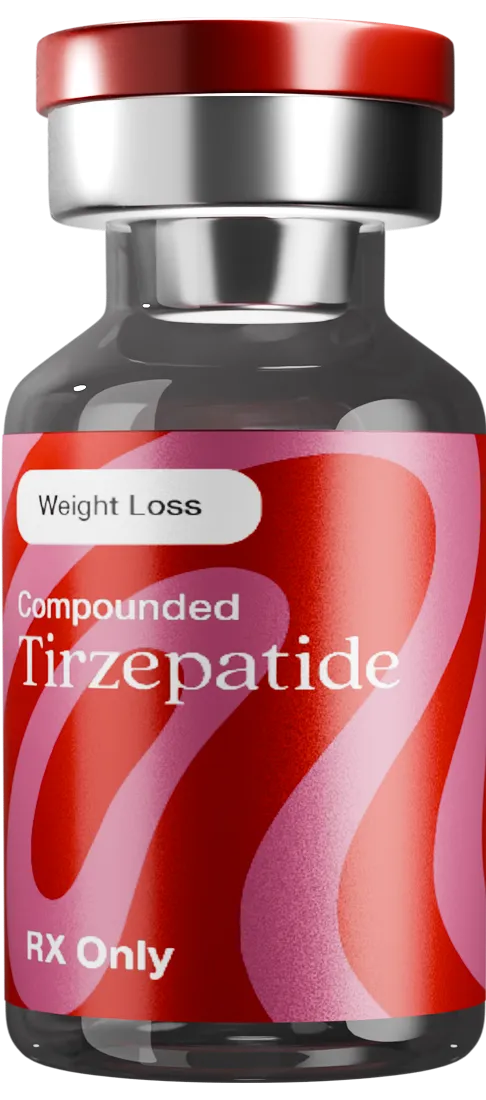
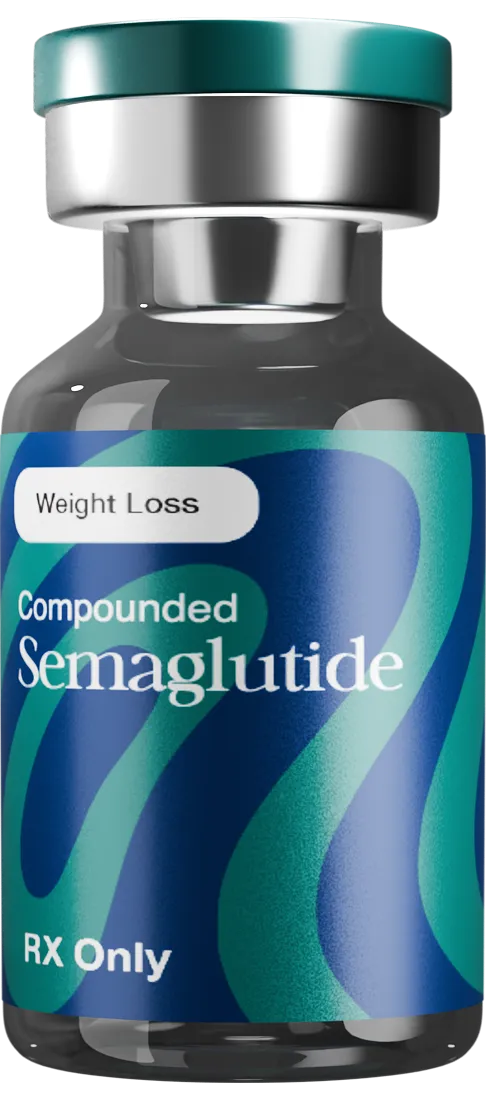
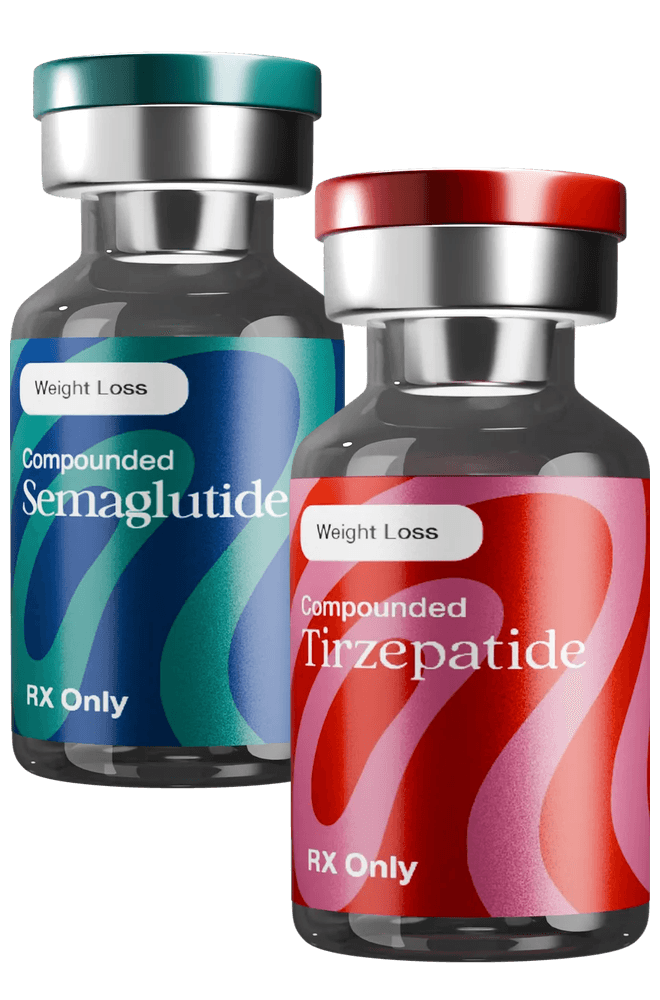
Compounded GLP-1s through telehealth. Compounded semaglutide and tirzepatide are prescribed by licensed providers and dispensed by US pharmacies to self-pay patients, which is exactly the situation Medicare beneficiaries without coverage are in. Embody runs $69 to $119 a month for the same molecules as Wegovy and Zepbound. The honest limitation: compounded versions are not the brand product, and quality depends on the pharmacy, so stick to providers using state-licensed 503A pharmacies. For most people priced out of $699 KwikPens, that tradeoff is worth it. Our GLP-1 without insurance cost guide and cheapest GLP-1 rankings compare every route side by side.
What Happens After December 2027
Nobody knows yet, and you should plan around that honestly. The bridge expires December 31, 2027. The BALANCE Model needed 80% Part D plan participation to launch for Medicare in 2027 and did not get it, which CMS confirmed on April 30, 2026, per The RX Index's verification of CMS documents. A 2028 BALANCE launch is possible, and KFF flags the transition as the biggest open risk: studies consistently show people who stop GLP-1s regain much of the weight. Watch the fall 2027 open enrollment period for participation announcements, and if BALANCE does launch, pick a plan that joined it.
Frequently Asked Questions
The Bottom Line
For the first time, Medicare will pay for weight-loss GLP-1s. The bridge is real, the $50 copay is flat, and the July 1, 2026 start is confirmed by CMS. But it is narrow: three drugs, strict BMI tiers, no Extra Help, and an 18-month clock. If you qualify, get your documentation ready now and have your doctor submit prior authorization to the central processor in July. If you do not, the sleep apnea and heart disease lanes, manufacturer cash programs, and compounded telehealth fill most of the gap at $146 to $699 a month. The worst move is assuming your Part D plan handles any of this automatically. It does not, and the people who get covered will be the ones who asked.
References
- Centers for Medicare & Medicaid Services. Medicare GLP-1 Bridge (program page and FAQs). cms.gov.
- Centers for Medicare & Medicaid Services Innovation Center. BALANCE Model. cms.gov.
- NPR / KFF Health News. A new Medicare option for weight loss drugs is coming: Here's what to know. May 6, 2026. npr.org.
- KFF. What to Know About the BALANCE Model for GLP-1s in Medicare and Medicaid and the Medicare GLP-1 Bridge. Updated May 11, 2026. kff.org.
- National Council on Aging. Expanding Access to Weight-Loss Medications: The Medicare GLP-1 Bridge Program. June 3, 2026. ncoa.org.
- Omdahl D. What You Need To Know About The Medicare GLP-1 Bridge, $50 Drugs. Forbes. May 13, 2026. forbes.com.
- Eli Lilly. Medicare Part D Access & Coverage for Zepbound (tirzepatide). zepbound.lilly.com.
- U.S. Food and Drug Administration. FDA Approves First Medication for Obstructive Sleep Apnea. December 2024. fda.gov.
- U.S. Food and Drug Administration. FDA Approves First Treatment to Reduce Risk of Serious Heart Problems Specifically in Adults with Obesity or Overweight. March 2024. fda.gov.
- Medicare.gov. Prescription drugs (outpatient) coverage. medicare.gov.
- The RX Index. Does Medicare Cover Zepbound? Updated June 11, 2026. therxindex.com.