Quick answer: Most GLP-1 qualifications for weight loss start with a BMI of 30 or higher, or a BMI of 27 or higher with at least one weight-related condition such as high blood pressure, high cholesterol, sleep apnea, or type 2 diabetes. A prescriber also checks medication history, safety risks, pregnancy status, lab needs, and whether your insurance has its own prior authorization rules.
GLP-1 qualifications can feel confusing because there are three different questions mixed together: do you meet medical criteria, does a clinician think the treatment is appropriate, and will insurance pay for it? Those are related, but they are not the same.
This guide covers the practical version: who commonly qualifies for GLP-1 weight loss injections, what information a telehealth or in-person clinic usually asks for, what counts as a weight-related condition, and what can block approval even when your BMI seems to fit.
For cost and access after you know you qualify, see our guides to Zepbound eligibility requirements, NovoCare Wegovy savings, cheapest GLP-1 options, and GLP-1 shots.
GLP-1 qualifications in one table
Who qualifies for GLP-1 weight loss injections?
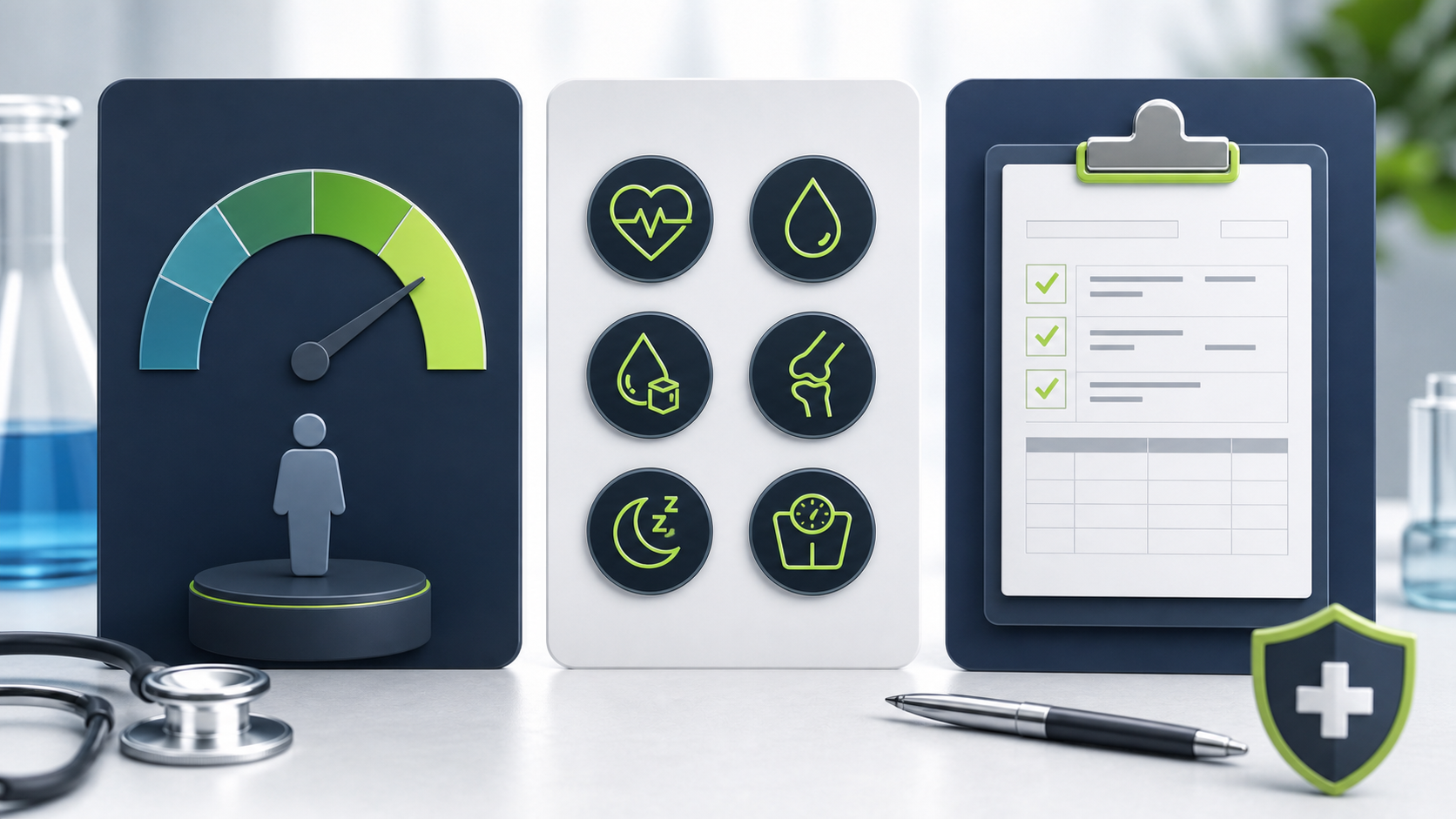
For weight management, FDA-approved options such as Wegovy and Zepbound are commonly used for adults with obesity, or adults with overweight plus a weight-related medical condition. In plain language, that usually means one of these:
- BMI 30 or higher: many adults meet the basic medical threshold without needing a second diagnosis.
- BMI 27 to 29.9 plus a qualifying condition: this can include hypertension, dyslipidemia, type 2 diabetes, obstructive sleep apnea, or established cardiovascular risk.
- Different indication: some GLP-1 medications are prescribed mainly for type 2 diabetes or cardiovascular risk, not only weight loss.
- Plan-specific requirements: your insurance may use its own checklist even when the medication label supports treatment.
BMI is not a perfect measure of health, but it is the number most labels, insurers, and clinics use because it is quick to document. A clinician may also look at waist circumference, A1C, blood pressure, lipids, medications, weight history, and whether excess weight is affecting joints, sleep, mobility, or daily function.
What counts as a weight-related condition?
The exact list depends on the medication, clinician, and insurer, but common weight-related conditions include:
If your BMI is 27 to 29.9, documentation becomes especially important. A vague note that you "want to lose weight" is usually weaker than a chart that shows BMI, diagnosis, labs, medication history, and prior weight-loss attempts.
Medical eligibility vs insurance approval
A lot of people get stuck here. Medical eligibility means a prescriber can reasonably consider the medication. Insurance approval means your plan agrees to cover it under its rules. The second step is often stricter.
An insurer may ask for:
- Current BMI and weight.
- Height documented in the chart.
- A qualifying diagnosis code.
- Proof of a weight-related condition if BMI is below 30.
- Prior lifestyle program attempts.
- Recent labs or a follow-up plan.
- Progress notes showing why the medication is medically necessary.
This is why two people with the same height and weight can get different outcomes. One plan may cover Zepbound with a clear prior authorization. Another may exclude weight-loss drugs entirely. Another may cover Wegovy only after step therapy or a documented lifestyle program.
How telehealth GLP-1 qualification works
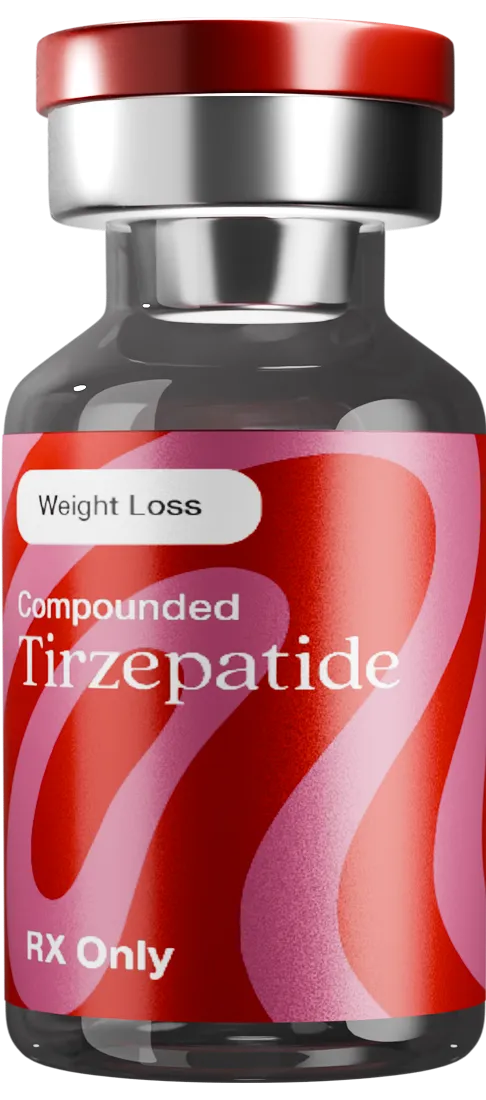
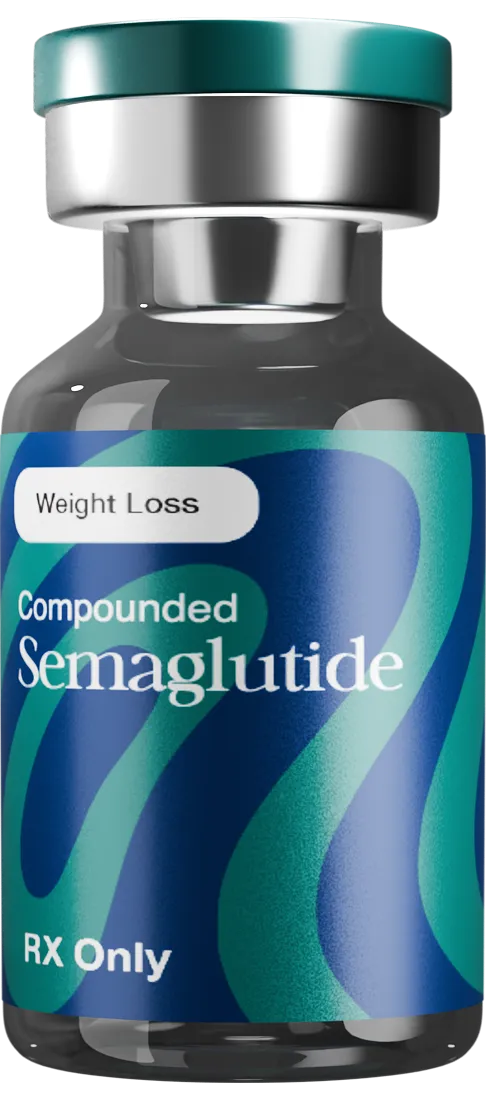
Most telehealth GLP-1 programs follow a similar flow. You fill out a health intake, provide height and weight, list medical conditions and medications, upload labs if needed, and meet with a clinician or have your chart reviewed asynchronously. Some programs prescribe brand medication, some use compounded options when clinically appropriate and legally available, and some focus on coaching plus lab monitoring.
A good intake should ask more than your weight. It should ask about diabetes medications, insulin or sulfonylureas, pregnancy or plans for pregnancy, thyroid cancer history, pancreatitis symptoms, gallbladder disease, kidney disease, severe reflux, gastroparesis, eating disorder history, alcohol intake, and other medications that affect appetite or glucose.
If a site approves everyone in two clicks without a real health screen, that is not a strong clinical process. GLP-1 medications can be useful, but they still need basic medical review.
Who may not qualify or may need extra review?
Even when BMI fits, some people need a more cautious review before starting. This does not always mean "never." It means the prescriber needs the full picture.
- Pregnancy, breastfeeding, or trying to conceive: GLP-1 weight-loss medications are generally avoided in these situations.
- Personal or family history of medullary thyroid carcinoma or MEN2: this is a key label warning for several GLP-1 medications.
- Prior pancreatitis symptoms or severe gallbladder disease: the prescriber may want labs, records, or a different plan.
- Severe GI disease or gastroparesis: delayed stomach emptying can worsen symptoms.
- Low BMI or active eating disorder: appetite suppression can be unsafe in the wrong context.
- Use of insulin or sulfonylureas: glucose-lowering medications may need adjustment to reduce low-blood-sugar risk.
- Upcoming surgery or anesthesia: the care team may give specific instructions because GLP-1 drugs can slow stomach emptying.
What to have ready before applying
If you want the process to move cleanly, gather your information before the appointment or telehealth intake:
- Current height, weight, and waist measurement if you track it.
- Recent blood pressure readings.
- Medication list, including diabetes drugs and supplements.
- Recent A1C, fasting glucose, cholesterol panel, kidney function, and liver enzymes if available.
- Prior weight-loss attempts and what happened.
- Sleep apnea diagnosis or CPAP details if relevant.
- Your insurance card and pharmacy benefit information.
For insurance prior authorization, clean documentation matters. A clinician note that says "BMI 32.4, hypertension on medication, prior structured diet attempt, no contraindication noted" is much stronger than scattered details across old records.
Can you qualify if your BMI is under 27?
For weight loss alone, a BMI under 27 usually does not fit standard criteria for Wegovy or Zepbound. Some people may be on a GLP-1 for type 2 diabetes or another labeled indication, but that is a different clinical pathway.
If you are under the usual BMI threshold and mainly want cosmetic weight loss, a responsible clinician may decline. That is not gatekeeping. It is risk-benefit math. Strong appetite suppression, rapid weight loss, GI side effects, gallbladder risk, and lean mass loss are harder to justify when there is no medical indication.
Do compounded GLP-1 programs use the same qualifications?
Many programs use similar BMI and health screening standards, but policies vary. Some are stricter because they want clean medical documentation. Others may focus on access for cash-pay patients who cannot use insurance.
The key point is that compounded access should still include real screening. You should know what medication is being prescribed, who the prescriber is, which pharmacy is filling it, what follow-up looks like, and what to do if side effects happen.
Frequently asked questions
References
- NIDDK: Prescription medications to treat overweight and obesity
- DailyMed: Wegovy prescribing information
- DailyMed: Zepbound prescribing information
- Endocrine Society clinical practice guideline on obesity pharmacotherapy
- AACE/ACE obesity clinical practice guideline
Medical disclaimer: This article is educational and does not replace care from a licensed clinician. GLP-1 medications have risks and may not be appropriate for everyone. Always review eligibility, dosing, side effects, and medication changes with your prescriber.