CagriSema is Novo Nordisk's next-generation obesity drug, a once-weekly combination of cagrilintide (an amylin analog) and semaglutide (a GLP-1 agonist) in a single shot. In the REDEFINE-1 trial published in NEJM in June 2025, it produced 22.7 percent average weight loss at 68 weeks. Novo filed for FDA approval in December 2025. But in REDEFINE-4 published February 2026, Zepbound beat it 25.5 percent to 23.0 percent over 84 weeks. Launch is expected late 2026 or 2027 at a projected price north of $1,500 per month. Here is what the data shows, why analysts were disappointed, and what to do while you wait.
Compounded CagriSema does not exist legitimately, cagrilintide is not on the FDA's 503A bulks list. But the semaglutide piece alone delivered 14.9 percent weight loss in STEP 1, which is roughly two-thirds of what the full combination produces. Embody sells compounded semaglutide at a flat $69 per month, a fraction of CagriSema's projected branded cost.
🔑 Key Takeaways
- REDEFINE-1 hit 22.7 percent but missed Novo's publicly guided 25 percent target, which wiped $72 billion off the company's market cap in a single day in December 2024.
- Zepbound beat it head-to-head. REDEFINE-4 published February 2026 showed tirzepatide 15 mg outperformed CagriSema 23.0 percent to 25.5 percent at 84 weeks.
- FDA filed December 2025. Expected approval late 2026 to early 2027. Pen supply is the known launch risk after Novo abandoned the single-chamber device.
- Projected branded cost is $1,500 to $1,800 per month, a premium to Wegovy's $1,349 list. Insurance coverage will be uncertain at launch.
- Compounded CagriSema is not legitimately available. Cagrilintide is not on the 503A bulks list, so legitimate compounding pharmacies cannot formulate it. The DIY research-peptide market exists but operates outside the legal framework.
Telehealth Comparison Table
If you want to start on the semaglutide piece of CagriSema now (which delivers roughly two-thirds of the combination's effect), these are the providers our readers use.


REDEFINE-1: The 22.7% Trial Everyone Argued About
REDEFINE-1, published in the New England Journal of Medicine on June 22, 2025, is the trial Novo Nordisk filed CagriSema's FDA application on. It was a 68-week double-blind study in 3,417 adults with obesity or overweight plus at least one weight-related comorbidity, without type 2 diabetes. Four arms ran in parallel.
Responder rates in the CagriSema arm: 60.2 percent lost at least 20 percent of body weight, 40.4 percent crossed 25 percent, and 23.1 percent hit 30 percent or more. Half of participants saw BMI drop below 30 (only 10 percent did in placebo). 88 percent of prediabetics returned to normoglycemia.
So why was this called a disappointment? Because Novo had publicly guided 25 percent plus on multiple earnings calls leading up to the readout. The 22.7 percent number, while clinically excellent, missed those expectations, and the stock fell 20 to 27 percent on December 20, 2024, wiping roughly $72 billion off Novo's market cap in a single day.
REDEFINE-2 and REIMAGINE-2: How It Performs in Type 2 Diabetes
REDEFINE-2 ran in 1,206 adults with type 2 diabetes and overweight or obesity. Mean baseline BMI was 36.2 and A1C was 8.0. Over 68 weeks, CagriSema produced 13.7 percent weight loss vs 3.1 percent on placebo, with A1C dropping 1.8 percent vs 0.4 percent on placebo. Near-normoglycemic control was achieved in a majority of treated patients.
REIMAGINE-2, published February 2, 2026, ran CagriSema head-to-head against semaglutide 1.0 mg in adults with type 2 diabetes. CagriSema produced a 1.91 percentage point greater A1C reduction and 14.2 percent weight loss vs semaglutide alone at 68 weeks. This was the win Novo needed after the December disappointment, the drug clearly outperforms semaglutide monotherapy in the diabetes population.
REDEFINE-4: When Zepbound Beat CagriSema Head-to-Head
The REDEFINE-4 trial, published February 23, 2026, was the showdown analysts wanted. 809 adults with overweight or obesity, mean baseline weight 114.2 kg, randomized open-label to CagriSema or tirzepatide 15 mg for 84 weeks.
| CagriSema | Tirzepatide 15 mg (Zepbound) | |
|---|---|---|
| Weight loss (efficacy estimand) | 23.0% | 25.5% |
| Weight loss (treatment regimen) | 20.2% | 23.6% |
| Duration | 84 weeks | |
The trial failed its primary non-inferiority endpoint. Zepbound was statistically better. The stock fell again on the readout, and analysts began revising their CagriSema launch projections downward. The drug is still better than current Wegovy, but it is not better than the existing Zepbound on the market.
How CagriSema Works: Two Satiety Circuits
The mechanism story is what makes CagriSema interesting. Semaglutide is a GLP-1 receptor agonist, it slows gastric emptying and suppresses appetite via hypothalamic arcuate-nucleus pathways. Cagrilintide is a long-acting amylin analog, it activates AMY1, AMY2, and AMY3 receptors in the area postrema, slows gastric emptying via a different brainstem pathway, and suppresses glucagon. The combination hits two distinct satiety circuits at once.
But the REDEFINE-1 data shows the synergy is less than additive. CagriSema's 20.4 percent treatment-policy result is roughly the sum of semaglutide alone (14.9 percent) plus cagrilintide alone (11.5 percent) minus a chunk, the two mechanisms partly overlap.
The muscle-sparing claim that some marketing materials pushed has been challenged. A BioCentury analysis of REDEFINE-1 body composition data found amylin may perform numerically worse than GLP-1 monotherapy at preferential fat loss. The "amylin protects lean mass" talking point is fragile and should not be the reason to choose CagriSema.
CagriSema vs Tirzepatide vs Retatrutide: 2026 Lineup
Retatrutide is expected to leapfrog all current options. The triple-agonist mechanism (with glucagon driving energy expenditure on top of appetite suppression) appears to produce greater weight loss than any other class. For more on what the TRIUMPH-1 results actually showed, see retatrutide TRIUMPH-1 phase 3 results.
When Will CagriSema Be Available?
Novo Nordisk filed the NDA on December 18, 2025, based on REDEFINE-1 and REDEFINE-2 data, for the weight management indication. The FDA decision is expected late 2026 to early 2027, with launch following shortly after approval.
Pen supply is the known launch risk. Novo abandoned the original single-chamber device design and reverted to a dual-chamber pen based on the Ypsomed YpsoMate platform. CEO Lars Fruergaard Jorgensen has insisted publicly that there will be no change to the launch timeline, but analysts have flagged pen capacity as a concern, particularly given the supply problems Wegovy had at launch in 2022 to 2023.
What CagriSema Will Cost
Analysts model CagriSema at $1,500 to $1,800 per month list price at launch. That is a premium to Wegovy's $1,349 list, justified (per Novo) by the combination mechanism and superior REDEFINE-1 results.
Insurance coverage at launch will be uncertain. Most commercial plans took two to three years to add reliable Wegovy coverage, and Zepbound is still being added to many formularies. CagriSema is likely to follow a similar curve, with coverage tight in 2027 and broader by 2029.
NovoCare savings programs (which currently bring Wegovy to $349 to $499 per month cash) will likely apply to CagriSema, though pricing has not been announced.
Can You DIY CagriSema Today?
The legal answer is no, but the gray-market reality is more complicated
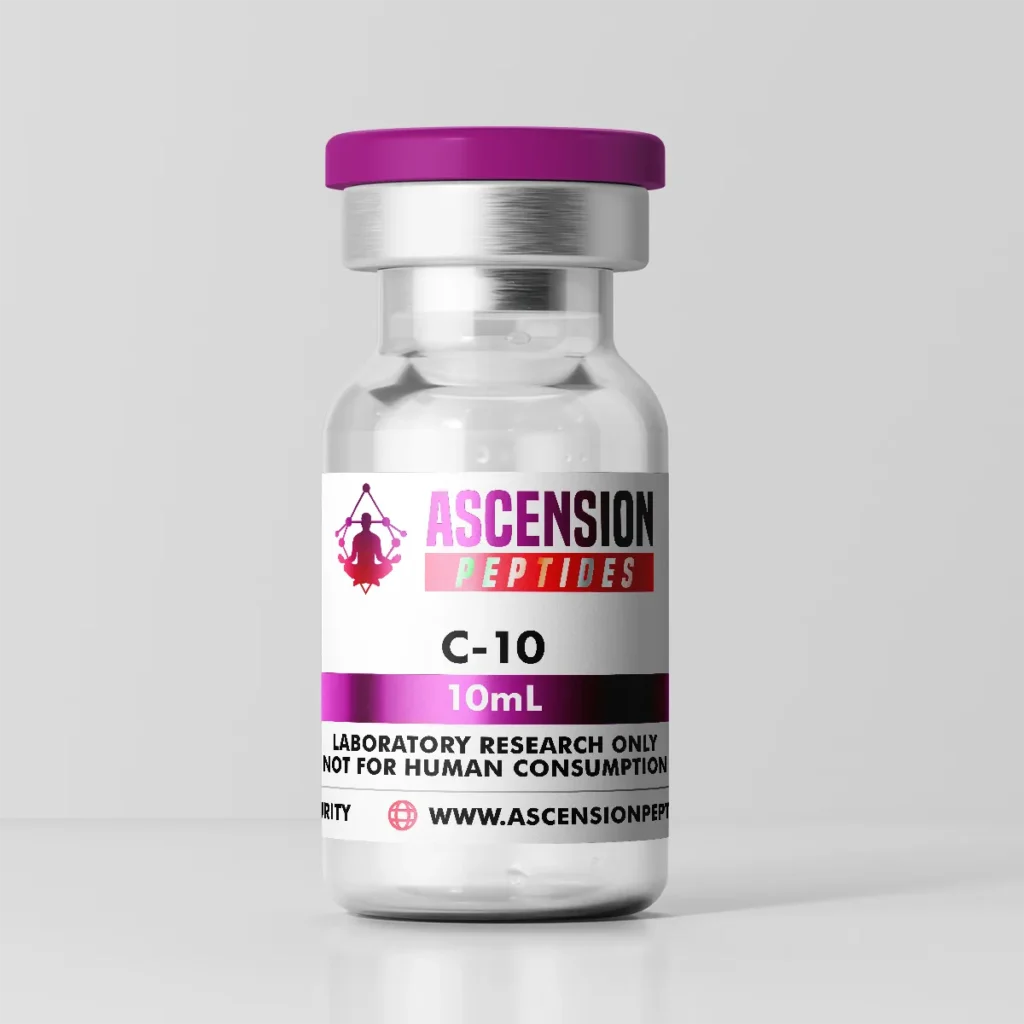
Cagrilintide is not on the FDA's 503A bulks list, which means legitimate compounding pharmacies cannot legally formulate a CagriSema combination product. Research-peptide vendors do sell cagrilintide at $40 to $80 per 5 to 10 mg vial, and individuals self-combine it with compounded or research-grade semaglutide. This operates outside the legal framework for human use. The peptides are sold "for research use only" and are not regulated as pharmaceuticals.
The semaglutide piece alone, which is legally available through 503A pharmacies under documented medical necessity, produces 14.9 percent weight loss at 68 weeks per STEP 1. That is roughly two-thirds of CagriSema's REDEFINE-1 result. For most patients waiting for branded CagriSema, starting on compounded semaglutide now and switching to CagriSema after approval is the practical move.
For the complete compounded semaglutide landscape in 2026, see compounded semaglutide and the dedicated Yucca Health review. For more on cagrilintide as a research peptide, see cagrilintide peptide guide.
Side Effects and Tolerability
From the REDEFINE-1 data:
- Any GI adverse event: 79.6 percent of CagriSema patients
- Nausea: 55 percent
- Constipation: 30.7 percent
- Vomiting: 26.1 percent
- Discontinuation for any reason: 6.0 percent CagriSema vs 3.7 percent placebo
- Discontinuation specifically for GI: 3.6 percent
The side effect profile is broadly similar to semaglutide monotherapy, with constipation slightly elevated due to the amylin component slowing gut motility further. The 3.6 percent GI discontinuation rate is in line with what STEP and SURMOUNT trials showed for their respective drugs.
Related comparisons: cagrilintide vs semaglutide and cagrilintide plus tirzepatide vs CagriSema.