Tirzepatide vs Ozempic, Semaglutide, Mounjaro & Retatrutide: Full 2026 Comparison
Tirzepatide vs semaglutide, Ozempic, Mounjaro, Zepbound and retatrutide: SURMOUNT-5 data, cost tables, side effects, and who should choose which in 2026.
If you've searched "tirzepatide vs semaglutide," "tirzepatide vs Ozempic," or found yourself confused about whether Mounjaro and Zepbound are the same thing — you're in the right place. The GLP-1 drug landscape in 2026 is richer and more confusing than ever, with multiple brand names, overlapping generics, and a promising next-generation contender in retatrutide entering the picture.
Here's the short version before we dive deep:
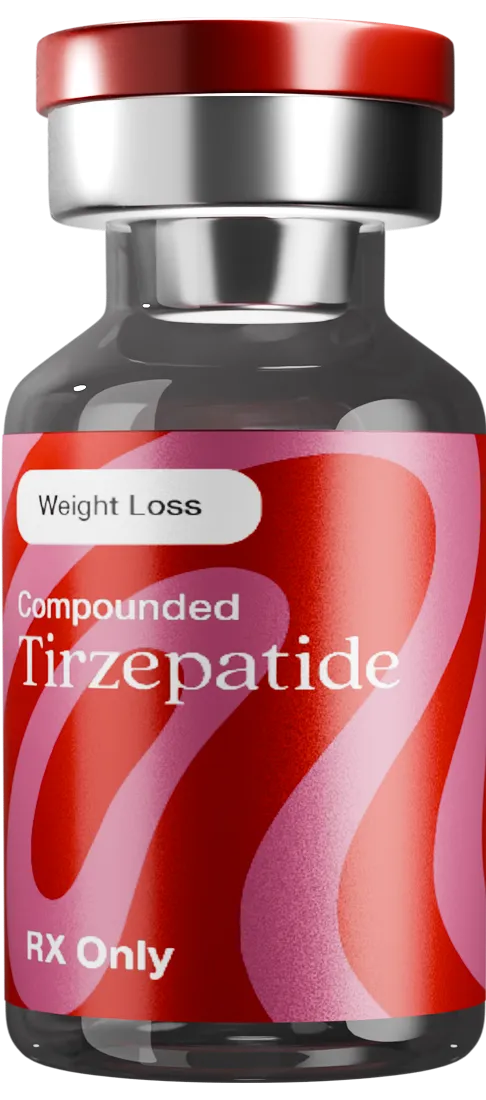
- Tirzepatide = the generic drug. Brand names: Mounjaro (approved for type 2 diabetes) and Zepbound (approved for obesity)
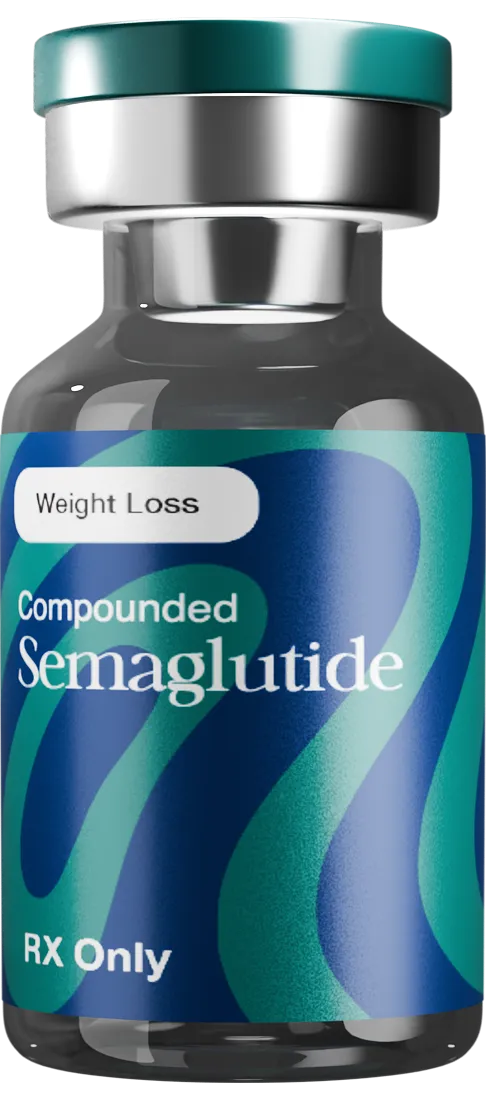
- Semaglutide = the generic drug. Brand names: Ozempic (approved for type 2 diabetes) and Wegovy (approved for obesity)
- Retatrutide = the next-generation triple agonist, currently in Phase 3 trials, not yet FDA-approved
So "tirzepatide vs Mounjaro" or "tirzepatide vs Zepbound" are trick questions — they're the same drug, just under different brand names for different FDA indications. And "tirzepatide vs Ozempic" is really tirzepatide vs semaglutide, expressed in brand names.
This guide compares every drug in this class using real clinical trial data, real-world outcomes, head-to-head results, cost breakdowns, and a practical decision framework. We've also written a deeper tirzepatide vs semaglutide comparison if you want to go even further on that specific matchup.
Quick Comparison: All Drugs at a Glance
Before diving into each head-to-head, here's a master table covering all major players — the brand names, mechanisms, weight loss expectations, and monthly costs:
| Drug / Brand | Generic | FDA Indication | Mechanism | Avg. Weight Loss | Max Dose | Brand Cost/Month |
|---|---|---|---|---|---|---|
| Mounjaro | Tirzepatide | Type 2 Diabetes | Dual GIP + GLP-1 | 15–22% | 15mg/wk | ~$1,050 |
| Zepbound | Tirzepatide | Obesity (BMI ≥30) | Dual GIP + GLP-1 | 20–22% | 15mg/wk | ~$1,060 |
| Ozempic | Semaglutide | Type 2 Diabetes | GLP-1 only | 10–14% | 2mg/wk | ~$935 |
| Wegovy | Semaglutide | Obesity (BMI ≥30) | GLP-1 only | 14–15% | 2.4mg/wk | ~$1,349 |
| Retatrutide | Retatrutide | Not yet approved | Triple: GIP + GLP-1 + Glucagon | 24–29% (Phase 2) | TBD | N/A |
Now let's break down each comparison in full detail.
Get 99%+ Purity Peptides — Ships Today
Third-party tested. COA included with every order. Free shipping on orders over $150.
Ascension PeptidesTirzepatide vs Semaglutide: The Definitive Head-to-Head
How They Work: Mechanism of Action
This is the core difference that explains everything else. Semaglutide is a GLP-1 receptor agonist — it mimics glucagon-like peptide-1 (GLP-1), a gut hormone released after eating that does four things: stimulates insulin release, suppresses glucagon, slows gastric emptying, and reduces appetite via brain signaling in the hypothalamus.
Tirzepatide adds a second mechanism on top of all that: it also activates GIP receptors (glucose-dependent insulinotropic polypeptide). GIP was long considered a minor player in metabolic regulation, but in combination with GLP-1 agonism, GIP activation appears to produce a synergistic amplification — enhancing satiety signals, improving fat metabolism, and increasing insulin sensitivity beyond what either pathway achieves alone. This dual agonism is why tirzepatide consistently outperforms single-agonist drugs in head-to-head comparisons.
SURMOUNT-5: The Trial That Settled the Debate
For years, comparing tirzepatide and semaglutide required looking at separate trials conducted in different populations with different methodologies — a valid criticism that made definitive conclusions difficult. SURMOUNT-5 changed everything by running both drugs side by side in the same randomized trial.
SURMOUNT-5 was a Phase 3b, open-label, randomized clinical trial that directly compared tirzepatide (maximum 15mg weekly) to semaglutide (maximum 2.4mg weekly — the Wegovy obesity dose) in adults with obesity but without type 2 diabetes, over 72 weeks. Results published in December 2024 and subsequently reviewed by the American College of Cardiology were unambiguous:
- Tirzepatide: 20.2% average body weight reduction
- Semaglutide (2.4mg Wegovy): 13.7% average body weight reduction
- Relative difference: 47% greater weight loss with tirzepatide
- In absolute terms: ~50.3 lbs lost on tirzepatide vs ~33.1 lbs on semaglutide (for a 250 lb baseline)
- 31.6% of tirzepatide users achieved ≥20% body weight loss vs 16.1% on semaglutide
- Tirzepatide also produced significantly greater reductions in waist circumference
- Both drugs showed similar discontinuation rates due to adverse effects
Real-World Data Confirms the Gap
Clinical trials are controlled environments — real-world data tells us whether those advantages hold up in everyday practice. A 2023 Truveta real-world data study analyzed tens of thousands of patients on both medications and found that people taking tirzepatide were three times more likely to achieve clinically significant weight loss (≥15% body weight) compared to semaglutide users. Real-world data typically shows smaller effects than trials due to adherence variation, dose differences, and population heterogeneity — so a 3x real-world advantage is substantial.
Blood Sugar Control in Type 2 Diabetes
Tirzepatide also shows superior HbA1c reduction in people with type 2 diabetes. The SURPASS clinical trial program demonstrated that tirzepatide at 15mg reduced HbA1c by approximately 2.4–2.6 percentage points, compared to semaglutide's 1.6–1.8 percentage points at highest approved doses. Both represent excellent glycemic control — but tirzepatide's dual GIP+GLP-1 mechanism provides additional insulin secretion beyond what GLP-1 alone achieves.
Where Semaglutide Still Has an Edge: Cardiovascular Evidence
Semaglutide has a deeper cardiovascular evidence base. The landmark SELECT trial (2023) showed that semaglutide (Wegovy) reduced major cardiovascular events — heart attack, stroke, cardiovascular death — by 20% in people with obesity and established cardiovascular disease but without diabetes. This was a practice-changing result that elevated Wegovy beyond just a weight loss drug.
Tirzepatide's cardiovascular outcomes trial (SURMOUNT-MMO) is ongoing as of 2026. Preliminary data is encouraging, but formal cardiovascular event reduction has not yet been confirmed for tirzepatide. For patients where cardiovascular protection is the primary clinical goal — particularly those with existing heart disease — semaglutide's cardiovascular track record currently deserves serious consideration in the shared decision-making conversation.
For a deep dive into semaglutide's mechanism, clinical data, and full dosing guide, see our complete Ozempic and semaglutide weight loss guide.
Tirzepatide vs Ozempic: The Brand-Name Breakdown
When people ask "tirzepatide vs Ozempic," they're usually comparing one of the tirzepatide formulations against Ozempic — the brand name for semaglutide when prescribed for type 2 diabetes management. This comparison gets complicated by a key dosing difference that dramatically affects weight loss outcomes.
The Dose Discrepancy That Changes Everything
Here's what many "tirzepatide vs Ozempic" comparisons miss: Ozempic's maximum FDA-approved dose is 2mg per week, while the obesity-approved version of semaglutide (Wegovy) reaches 2.4mg per week. That 0.4mg difference matters. Meanwhile, tirzepatide at 15mg weekly is operating at a mechanistically superior level.
When you see "Mounjaro beat Ozempic by even more than it beat Wegovy," the reason is partly that Ozempic is dosed lower than Wegovy. Comparing Mounjaro to Ozempic is somewhat like comparing a car at full throttle to one driving slightly below its top speed — the dosing context matters.
What the Head-to-Head Data Shows for Mounjaro vs Ozempic
While SURMOUNT-5 compared tirzepatide against Wegovy (2.4mg semaglutide), real-world analyses comparing Mounjaro to Ozempic specifically in type 2 diabetes patients show:
- Mounjaro users typically lost 8–15% body weight vs 4–8% for Ozempic users in comparative effectiveness analyses
- HbA1c reductions were greater with Mounjaro at every dose level studied
- Tolerability was broadly similar, with nausea being most common for both
- Mounjaro users had higher rates of constipation; Ozempic users had higher rates of diarrhea
Bottom line for tirzepatide vs Ozempic: If your physician is choosing between Mounjaro and Ozempic for type 2 diabetes with weight loss as a goal, tirzepatide (Mounjaro) is the pharmacologically superior choice for weight reduction based on the totality of evidence. For primarily cardiovascular risk reduction in someone with established heart disease, discuss semaglutide's SELECT trial data with your cardiologist.
Mounjaro vs Zepbound: Same Drug, Different Names
This is the comparison that generates the most confusion — and the simplest answer. Mounjaro and Zepbound contain the exact same active ingredient: tirzepatide. They use the same injection device, the same doses (2.5mg, 5mg, 7.5mg, 10mg, 12.5mg, and 15mg weekly), and the same titration schedule. Pharmacologically, comparing "tirzepatide vs Mounjaro" or "tirzepatide vs Zepbound" makes no sense — they are the same compound.
Why Two Brand Names Exist for the Same Drug
FDA drug approvals are indication-specific, not molecule-specific. Eli Lilly navigated the regulatory system by seeking separate approvals under different brand names to serve different patient populations and insurance billing frameworks:
- Mounjaro — Approved May 2022 for adults with type 2 diabetes to improve blood sugar control as an adjunct to diet and exercise. Billed under diabetes drug codes, covered by most commercial diabetes medication formularies.
- Zepbound — Approved November 2023 for chronic weight management in adults with BMI ≥30, or BMI ≥27 with at least one weight-related comorbidity (high blood pressure, type 2 diabetes, dyslipidemia, or obstructive sleep apnea). Uses obesity treatment billing codes.
The Insurance Coverage Difference Is Real and Significant
In practice, the Mounjaro vs Zepbound distinction matters enormously for access and cost:
- Most commercial insurance plans with diabetes drug coverage include Mounjaro — making it effectively free or very low cost for insured patients with a T2D diagnosis
- Zepbound coverage for obesity-only indications is far more variable — many large insurers still exclude medications purely for obesity treatment
- Medicare Part D has historically covered Mounjaro for diabetes but excluded Zepbound for obesity; this is an evolving policy landscape
- Patients without a diabetes diagnosis seeking tirzepatide for weight loss face a more difficult insurance battle with Zepbound
Some physicians prescribe Mounjaro off-label for weight loss in patients without diabetes when Zepbound coverage is unavailable or denied. This is a legitimate medical practice, though it typically requires documentation of medical necessity and may involve prior authorization processes.
Tirzepatide vs Retatrutide: The Next-Generation Showdown
If tirzepatide is already beating semaglutide by 47%, what could possibly surpass it? Retatrutide — a triple hormone receptor agonist that activates three pathways simultaneously — is showing results that may represent the next leap in metabolic medicine.
What Is Retatrutide?
Retatrutide (LY3437943) is an Eli Lilly compound currently in Phase 3 clinical trials. It builds on tirzepatide's dual-agonist approach by adding a third mechanism: glucagon receptor agonism.
Here's why the glucagon addition matters: glucagon is typically thought of as a hyperglycemic hormone (it raises blood sugar). But when activated in combination with GLP-1 and GIP agonism, glucagon receptor activation appears to increase energy expenditure, enhance fat breakdown (lipolysis), and improve metabolic rate — effects that pure GLP-1 or dual GLP-1/GIP drugs don't directly produce. The theory is that the anti-obesity effects of glucagon signaling can be harnessed without the glycemic downsides when co-administered with GLP-1 agonism.
Phase 2 Results: Extraordinary Numbers
Retatrutide's Phase 2 trial results, published in the New England Journal of Medicine (Jastreboff 2023), set the research world buzzing with some of the most impressive weight loss numbers ever recorded in a pharmaceutical trial:
- Retatrutide 4mg dose: 17.1% body weight loss at 48 weeks
- Retatrutide 8mg dose: 22.8% body weight loss at 48 weeks
- Retatrutide 12mg dose: 24.2% body weight loss at 48 weeks
- Women at highest doses: Weight reductions reaching 28.5–28.7%
- Tirzepatide at comparable timeframes: approximately 20.9% weight reduction
- The difference between retatrutide 12mg and tirzepatide is approximately 3–7 percentage points — representing 8–18 additional lbs lost for a 250 lb person
The 28.7% figure represents the highest-response subgroup in retatrutide's Phase 2 data (women at the 12mg dose level), compared to tirzepatide's approximately 20.9% at a similar timeframe. Even at the population average level, retatrutide 12mg (24.2%) substantially outperformed tirzepatide's comparable results — making it the most effective pharmacological weight loss agent in clinical development as of 2026.
Important Caveats Before Getting Too Excited
- Phase 2 vs Phase 3: Phase 2 trials are designed to identify effective doses, not definitively confirm outcomes. Phase 3 results in larger, more diverse populations can and do differ from Phase 2.
- Not FDA-approved: Retatrutide has no approved indication for obesity or diabetes as of 2026. Phase 3 results are anticipated in late 2025/2026, with potential approval in 2026–2027 if successful.
- Side effect uncertainty: Glucagon receptor agonism introduces novel side effect possibilities not seen with GLP-1 monotherapy or dual agonists. Phase 2 showed manageable GI side effects, but Phase 3 data in a broader population is needed.
- No head-to-head with tirzepatide yet: Retatrutide's superiority is inferred from comparing across separate trials — not a direct randomized comparison like SURMOUNT-5. A head-to-head trial would be definitive.
For everything you need to know about retatrutide protocols for research use, see our retatrutide dosing guide.
Side Effects: Comprehensive Comparison Table
All three compounds share a broadly similar GI-dominant side effect profile, driven by their shared GLP-1 agonism. However, meaningful differences exist — particularly around constipation, diarrhea, and heart rate effects.
| Side Effect | Tirzepatide (Mounjaro/Zepbound) | Semaglutide (Ozempic/Wegovy) | Retatrutide |
|---|---|---|---|
| Nausea | 17–18% (moderate) | 16–20% (moderate) | ~20% (moderate-high) |
| Vomiting | 6–8% (low-moderate) | 5–8% (low-moderate) | Similar to tirzepatide |
| Diarrhea | 12–14% (moderate) | 8–10% (low-moderate) | Similar or slightly higher |
| Constipation | 11% — notably higher | 5–7% (low) | Less common (glucagon may offset) |
| Injection site reactions | 3–5% (low) | 3–5% (low) | Low |
| Hypoglycemia risk | Moderate (with insulin) | Moderate (with insulin) | Lower (glucagon opposes hypoglycemia) |
| Hair loss (telogen effluvium) | Reported (weight loss–related) | Reported (weight loss–related) | Likely similar |
| Resting heart rate increase | +1–2 bpm (minor) | +1–4 bpm (minor) | Potentially higher (glucagon effect) |
| Pancreatitis risk | Rare — monitor | Rare — monitor | Under investigation |
| Thyroid C-cell tumors | Black box warning (animal data only) | Black box warning (animal data only) | Under investigation |
| Gallbladder disease | Increased risk (~2x vs placebo) | Increased risk (~2x vs placebo) | Likely similar |
The Constipation vs. Diarrhea Trade-Off
The most clinically meaningful tolerability difference between tirzepatide and semaglutide is directionally opposite GI effects: tirzepatide causes notably higher rates of constipation (linked to its stronger GIP-mediated gastric emptying effects), while semaglutide is more associated with diarrhea. Individual patients often describe clear preferences — some find constipation more manageable, others prefer avoiding it at the cost of occasional loose stools.
Neither drug "wins" the side effect comparison — it comes down to individual tolerance. For comprehensive strategies to minimize side effects and manage dose escalation, see our complete tirzepatide side effects guide.
Get 99%+ Purity Peptides — Ships Today
Third-party tested. COA included with every order. Free shipping on orders over $150.
Ascension PeptidesCost Comparison: 2026 Pricing Reality
| Drug / Form | Monthly Brand Cost | With Good Insurance | Compounded Version | Research Peptide |
|---|---|---|---|---|
| Mounjaro (tirzepatide, diabetes) | ~$1,050/mo | $0–30/mo (diabetes coverage) | $150–300/mo* | $80–200/vial |
| Zepbound (tirzepatide, obesity) | ~$1,060/mo | $0–$1,060 (varies widely) | $150–300/mo* | $80–200/vial |
| Ozempic (semaglutide, diabetes) | ~$935/mo | $0–25/mo (diabetes coverage) | $100–250/mo* | $60–150/vial |
| Wegovy (semaglutide, obesity) | ~$1,349/mo | $0–$1,349 (varies widely) | $100–250/mo* | $60–150/vial |
| Retatrutide | N/A (not FDA-approved) | N/A | N/A | $100–300/vial |
*Compounded versions were widely available during FDA shortage periods; availability has become more restricted following shortage resolution. Consult a licensed compounding pharmacy or telehealth weight loss provider for current availability.
Navigating the Cost Barrier
Without insurance, both tirzepatide and semaglutide brand formulations exceed $1,000 per month — pricing that creates a significant access gap. Practical strategies to address cost:
- Eli Lilly savings programs: The Mounjaro and Zepbound savings cards can reduce monthly costs to $25–150 for eligible commercially insured patients — but are not available for Medicare or Medicaid beneficiaries
- Novo Nordisk patient assistance: Similar programs exist for Ozempic and Wegovy for qualifying patients
- Telehealth weight loss clinics: Many telehealth platforms negotiate formulary pricing or facilitate access to compounded versions through licensed pharmacies
- Research peptide vendors: For research use only — covered in the section below
Decision Tree: Which Drug Is Right for You?
Use this framework — in consultation with your physician — to think through the right option for your specific situation:
Summary Recommendation
For most people with obesity seeking maximum evidence-based weight loss in 2026: tirzepatide (Zepbound) is the superior choice, backed by the definitive SURMOUNT-5 head-to-head trial showing 47% greater weight loss than semaglutide. For people with type 2 diabetes and established cardiovascular disease, the conversation with your physician should include a discussion of semaglutide's SELECT cardiovascular trial data. For scientists and researchers exploring the frontier of metabolic medicine, retatrutide's triple agonist mechanism represents the most exciting lead in the pipeline.
Research Peptide Versions: Tirzepatide, Semaglutide, and Retatrutide
All three compounds discussed in this article are available as research peptides from qualified vendors. Research peptides are synthesized for laboratory investigation purposes — they are research compounds, not FDA-approved pharmaceutical medications, and are not intended for human therapeutic use outside of properly supervised medical or clinical trial contexts.
Why These Compounds Are Available as Research Peptides
Academic researchers, independent scientists, and peptide research organizations often need access to these compounds to study binding mechanisms, investigate receptor activation profiles, explore potential novel applications, and run in vitro studies. Research-grade tirzepatide, semaglutide, and retatrutide allow this work to proceed outside of pharmaceutical licensing constraints.
The availability of these compounds as research peptides also serves populations who are familiar with the research literature and want access to well-characterized molecules for non-clinical investigation. Retatrutide, in particular, is only available as a research peptide given its pre-approval status — there is no pharmaceutical brand version to obtain.
Quality Standards: What to Look for in a Vendor
Given the clinical significance of these compounds and the sophistication of researchers sourcing them, quality standards are non-negotiable:
- Third-party tested: Every batch should be independently verified for purity by a laboratory with no financial relationship to the vendor
- Certificate of Analysis (COA): Should be available for download and show ≥98% purity confirmed via HPLC (high-performance liquid chromatography) and mass spectrometry
- US-based synthesis: Domestic manufacturing is generally held to higher quality control standards than overseas production
- Sequence verification: For complex peptides like tirzepatide, GIP/GLP-1 co-agonism depends on precise amino acid sequencing — mass spec confirmation of correct sequence is essential
- No human use marketing: Legitimate research vendors do not make therapeutic claims or market products for human consumption
For research tirzepatide and semaglutide, Ascension Peptides maintains strong quality documentation standards. For retatrutide, which is newer to the research peptide market, availability is more limited — verify COA documentation carefully before sourcing from any vendor, as the market for newer compounds attracts lower-quality substitutes.
Research Peptide Availability and Pricing (2026)
- Tirzepatide research peptide: Available in vials typically 2mg–10mg from established vendors. Pricing ranges $80–200 per vial depending on quantity, purity grade, and vendor. Compare to pharmaceutical brand cost of ~$1,050/month.
- Semaglutide research peptide: More widely available with a longer research market history. 2mg–10mg vials, $60–150 from reputable sources. The most competitively priced of the three given market maturity.
- Retatrutide research peptide: Newer entrant with fewer vendors carrying it. Expect premium pricing and lower availability. Given limited vendor competition, COA verification is especially important for retatrutide sourcing.
Frequently Asked Questions
Is tirzepatide the same as Mounjaro?
Yes. Tirzepatide is the generic (active ingredient) name. Mounjaro is Eli Lilly's brand name for tirzepatide when FDA-approved for type 2 diabetes management. Zepbound is the brand name for the same tirzepatide molecule when FDA-approved for obesity/chronic weight management. Same drug, same doses, different brand names and insurance indications.
Is tirzepatide the same as Zepbound?
Yes. Zepbound is the brand name for tirzepatide for obesity/weight management (BMI ≥30, or ≥27 with weight-related comorbidity). Mounjaro is the same tirzepatide for type 2 diabetes. The molecular compound, injection device, and dose options are identical. The choice between them comes down to your diagnosis and insurance coverage, not pharmacology.
Which is better: tirzepatide or semaglutide?
For weight loss, tirzepatide is superior based on the definitive SURMOUNT-5 head-to-head trial: 47% greater relative weight loss (20.2% vs 13.7% body weight reduction over 72 weeks). For cardiovascular event reduction, semaglutide has more mature evidence from the SELECT trial showing a 20% reduction in major cardiovascular events. For most people prioritizing weight loss, tirzepatide wins clearly. For high-risk cardiovascular patients, the conversation with your physician should include a thorough discussion of the evidence for each.
What is the difference between tirzepatide and Ozempic?
Tirzepatide (Mounjaro/Zepbound) is a dual GIP+GLP-1 receptor agonist. Ozempic (semaglutide) is a GLP-1 receptor agonist only. Tirzepatide's dual mechanism produces significantly greater weight loss and HbA1c reduction. Ozempic's max dose is 2mg/week for diabetes; the obesity-approved semaglutide (Wegovy) reaches 2.4mg/week. For weight loss comparisons, comparing tirzepatide against Wegovy (not Ozempic) is more apples-to-apples, as seen in SURMOUNT-5.
Can you take tirzepatide and semaglutide together?
No — this combination is not studied, not recommended, and would be pharmacologically redundant at best and dangerous at worst. Both drugs activate GLP-1 receptors (tirzepatide also activates GIP receptors). Combining them would significantly increase side effect risk without meaningful additive benefit. There is no approved or researched protocol for combining these drugs.
What is the difference between tirzepatide and retatrutide?
Both are injectable peptide weight loss compounds. Tirzepatide is FDA-approved and activates two receptors: GIP and GLP-1 (dual agonist). Retatrutide activates three receptors: GIP, GLP-1, AND glucagon (triple agonist). Retatrutide's Phase 2 results showed 24.2% average weight loss at 48 weeks (up to 28.7% in high-response subgroups) versus tirzepatide's approximately 20.9% at comparable timeframes. Retatrutide is in Phase 3 trials and not yet FDA-approved. For research protocol details, see our retatrutide dosing guide.
Is tirzepatide better than Ozempic for weight loss?
Yes, significantly. Real-world data shows tirzepatide users are three times more likely to achieve 15% weight loss compared to Ozempic users (Truveta 2023). The SURMOUNT-5 trial showed tirzepatide averaging 47% more relative weight loss than semaglutide at comparable obesity doses. This is a consistent finding across clinical trial and real-world data. For weight loss as a primary goal, tirzepatide is the superior option based on the current body of evidence.
How much weight can I expect to lose on tirzepatide vs semaglutide?
SURMOUNT-5 averages: tirzepatide ~20.2% body weight (approximately 50 lbs for a 250 lb baseline), semaglutide ~13.7% (approximately 34 lbs from a 250 lb baseline). These are population averages. Individual results vary based on maximum dose achieved, adherence, dietary habits, activity level, and individual metabolic factors. Some tirzepatide participants in trials lost over 25% of body weight. Some semaglutide participants lost less than 10%. Both drugs require sustained use — weight tends to return when discontinued.
Is retatrutide FDA-approved?
No. As of 2026, retatrutide (LY3437943, Eli Lilly) is in Phase 3 clinical trials for obesity. Phase 2 results published in the NEJM in 2023 showed exceptional weight loss outcomes (up to 24.2% at 48 weeks at 12mg). FDA approval, if Phase 3 confirms Phase 2 results, may come as early as 2026–2027. Currently, retatrutide is available only as a research peptide for laboratory use.
What is the monthly cost of tirzepatide vs Ozempic without insurance?
Without insurance: Mounjaro and Zepbound (tirzepatide) run approximately $1,050–$1,060 per month. Ozempic (semaglutide, diabetes) costs approximately $935/month; Wegovy (semaglutide, obesity) runs approximately $1,349/month. Manufacturer savings cards — Lilly's for tirzepatide, Novo Nordisk's for semaglutide — can dramatically reduce out-of-pocket costs for eligible commercially insured patients. Research peptide versions are substantially less expensive but are for research use only and are not pharmaceutical-grade medications.
Which drug has worse side effects: tirzepatide or semaglutide?
Side effect profiles are broadly similar — GI effects dominate both. Key difference: tirzepatide causes notably more constipation (11% vs 5–7% for semaglutide). Semaglutide is more associated with diarrhea (10% vs 14% for tirzepatide for nausea, though both are comparable on nausea overall). Neither is definitively "worse" — individual tolerance varies significantly. Tirzepatide's higher efficacy at maximum dose may produce more side effects than Ozempic, partly because Ozempic is dosed lower. See our tirzepatide side effects guide for dose escalation management strategies.
What comes after tirzepatide in the weight loss drug pipeline?
Retatrutide (triple agonist: GLP-1+GIP+glucagon) is the most advanced next-generation drug in development, with Phase 2 data showing potential superiority over tirzepatide. Beyond retatrutide, the pipeline includes: oral GLP-1 formulations (Novo Nordisk's oral semaglutide already exists; others in development), amylin combinations like CagriSema (semaglutide + cagrilintide, showing ~25% weight loss in early trials), and novel mechanisms including NPY receptor antagonists and mitochondrial uncouplers. The next 5 years in obesity pharmacology may see results that make today's drugs look modest.
Conclusion: The Verdict on Tirzepatide vs Everything Else in 2026
The evidence in 2026 tells a clear story: tirzepatide outperforms semaglutide on weight loss by a substantial margin. The SURMOUNT-5 trial settled the head-to-head debate definitively — 47% greater relative weight loss, consistent across the trial population. Real-world data showing a 3x likelihood of achieving meaningful weight loss confirms this isn't a trial-specific artifact. It's a genuine pharmacological advantage driven by tirzepatide's dual GIP+GLP-1 mechanism.
On brand name confusion: tirzepatide IS Mounjaro AND Zepbound. Same molecule, different FDA indications, different insurance billing codes. The decision between them is logistical, not pharmacological.
On the horizon, retatrutide's triple agonist mechanism is producing Phase 2 results that suggest it may surpass tirzepatide when fully studied — showing 24.2% average weight loss (up to 28.7% in certain subgroups) versus tirzepatide's ~20.9% at comparable timeframes. It's not yet approved, but it's available as a research peptide and represents the most exciting lead in metabolic medicine research.
For deeper reading on any of these topics:
- Tirzepatide vs Semaglutide: Deep Comparison 2026 — the extended head-to-head analysis
- Tirzepatide Complete Guide 2026 — everything about this drug in one place
- Ozempic and Semaglutide Weight Loss Guide — the semaglutide deep dive
- Retatrutide Dosing Guide — research protocols and dosing information
- Tirzepatide Side Effects: Complete Guide — managing and minimizing side effects
This content is for informational and educational purposes only. Peptides and medications discussed on this page include both FDA-approved pharmaceutical drugs and research compounds. Research peptides are not approved by the FDA for human use. Always consult a licensed medical professional before starting, stopping, or changing any medication or supplement.
Get 99%+ Purity Peptides — Ships Today
Third-party tested. COA included with every order. Free shipping on orders over $150.
Ascension Peptides