🔑 Key Takeaways
- Peptides for collagen production work by signaling fibroblasts to synthesize more collagen — not by adding collagen directly
- GHK-Cu is the gold standard: it stimulates collagen I, III, and elastin while modulating over 4,000 genes linked to tissue repair
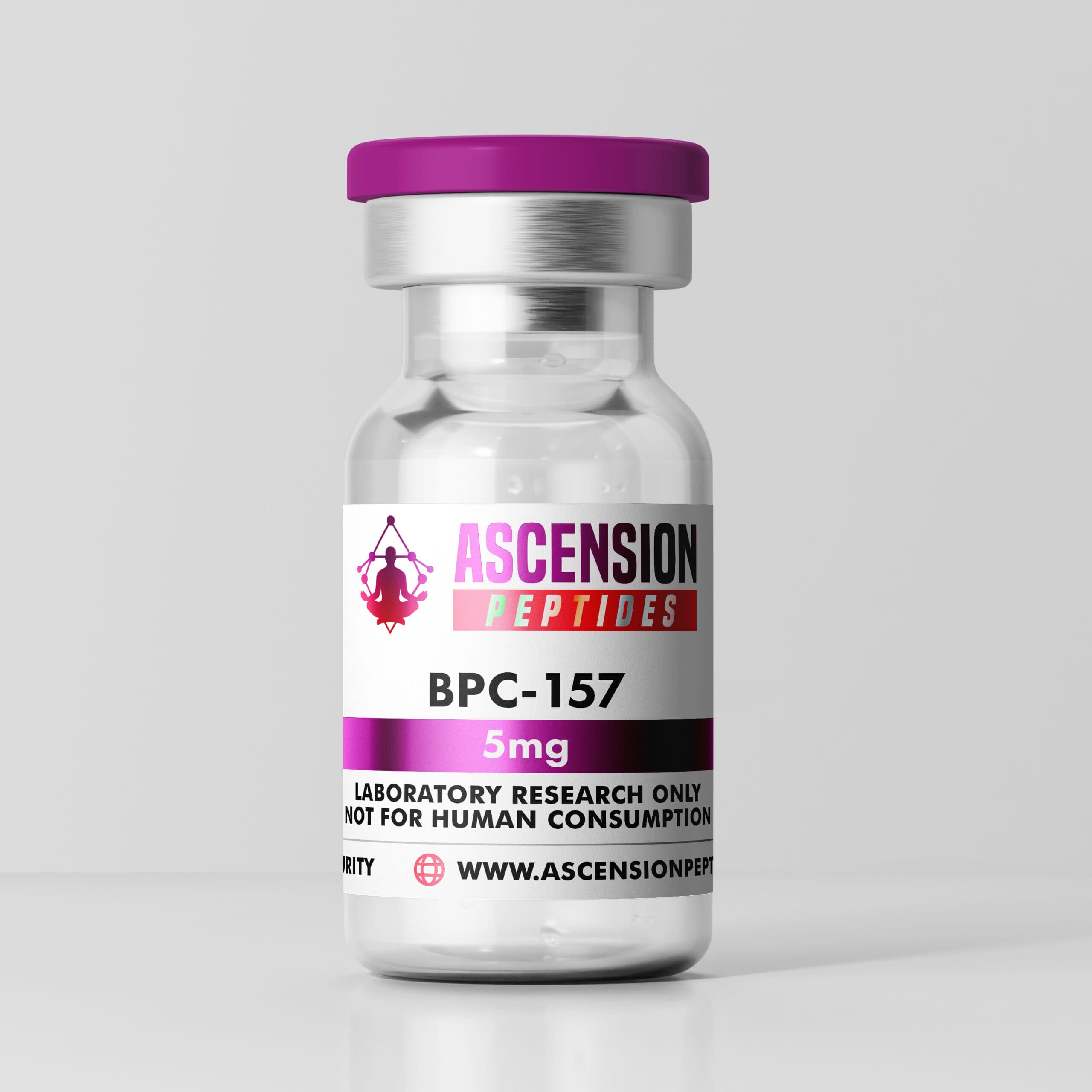
- BPC-157 is the top choice for collagen in tendons, ligaments, and joints — especially after injury
- Topical peptides like Matrixyl work at the skin surface; injectable peptides for collagen production reach deeper tissue layers and provide systemic effects
- Hydrolyzed collagen supplements provide building blocks; bioactive peptides provide signaling — they're complementary, not competitive
- Most injectable collagen-stimulating protocols run 4–12 weeks, with noticeable skin and joint improvements in that window
Collagen is the scaffolding your body runs on. It holds your skin together, keeps your joints cushioned, makes your tendons resilient, and gives your blood vessels structure. You have more collagen than any other protein in your body — and you're losing it every year after about 25.
The question isn't whether to care about collagen. It's what to actually do about it. Peptides for collagen production are one of the most evidence-backed approaches available — not because they add collagen directly, but because they tell your cells to make more of it. That's a meaningful distinction that most supplement marketing glosses over.
This guide covers how collagen loss happens, which peptides for collagen production actually work, how they compare to each other and to supplements, and how to use them in practice.
How Collagen Production Works
Your body doesn't store collagen passively — it's constantly being broken down and rebuilt. The cells responsible for synthesis are fibroblasts (in skin and connective tissue) and chondrocytes (in cartilage). They produce procollagen, which gets assembled into collagen fibers that provide tensile strength and structural integrity.
Collagen synthesis requires several things working together:
- Amino acids: Glycine, proline, and hydroxyproline are the primary building blocks
- Vitamin C: An essential cofactor for the hydroxylation steps that give collagen its crosslinked strength
- Copper: Required for lysyl oxidase, the enzyme that crosslinks collagen fibers so they actually hold together under tension
- Signaling factors: Growth factors and specific peptides that activate fibroblast transcription — the actual trigger for production
That last factor — signaling — is where peptides for collagen production enter the picture. When fibroblasts receive the right signals, they upregulate collagen gene expression. Without those signals, synthesis slows down, even if amino acids are sitting there waiting. This is why you can eat plenty of protein and still experience declining collagen output as you age.
Why Collagen Declines With Age
💡 Quick Answer
Collagen declines with age because fibroblast activity decreases, collagenase enzymes become more active (breaking down existing collagen faster), and key signaling molecules like GHK-Cu drop in the bloodstream. The net result: collagen breaks down faster than it gets replaced. Peptides for collagen production address the signaling side of this equation directly.
You lose about 1% of your skin collagen per year after 25, and the rate accelerates after menopause. By 50, most people have lost 30% or more of peak collagen density. Joint cartilage gets thinner. Skin gets less elastic. Tendons become more prone to injury and slower to heal.
Several factors accelerate the decline beyond normal aging:
- UV radiation: Activates matrix metalloproteinases (MMPs) that break down collagen — the major driver of photoaging and the reason sun damage ages skin faster than almost anything else
- Sugar and glycation: Advanced glycation end products (AGEs) cross-link and stiffen collagen fibers, making them brittle rather than resilient
- Smoking: Reduces blood flow to skin and directly inhibits collagen synthesis at the cellular level
- Chronic inflammation: Inflammatory cytokines suppress fibroblast activity, tipping the production/breakdown balance toward net loss
- Declining estrogen: Estrogen stimulates collagen synthesis — its loss after menopause is a significant driver of rapid skin aging in women
How Peptides Stimulate Collagen
Here's where it gets interesting. Peptides for collagen production don't act as building blocks — that's what collagen supplements do. They act as messengers. Short amino acid chains that bind to cell surface receptors and trigger gene expression changes inside fibroblasts.
Gene Upregulation
Signaling peptides activate transcription factors that increase expression of COL1A1, COL3A1, and elastin genes in fibroblasts — turning up the collagen production dial at the source.
MMP Inhibition
Some peptides reduce the activity of matrix metalloproteinases — the enzymes that break down collagen — shifting the balance toward net production rather than net loss.
Growth Factor Release
Certain peptides trigger fibroblasts to release TGF-β and other growth factors that amplify collagen synthesis in surrounding tissue — a cascade effect.
Vascular Support
Better local blood flow means more oxygen and nutrient delivery to fibroblasts. Some peptides for collagen production also promote angiogenesis as a secondary mechanism.
The most effective peptides for collagen production hit multiple mechanisms simultaneously. GHK-Cu is the standout example — it signals fibroblasts, inhibits MMPs, provides copper for crosslinking, and modulates inflammatory pathways that would otherwise suppress synthesis.
GHK-Cu: The Best Collagen Peptide
GHK-Cu (copper tripeptide-1) is a naturally occurring peptide found in human blood, urine, and saliva. First isolated from human plasma in 1973, its role in tissue repair and regeneration has been studied extensively ever since. Plasma levels peak around 200 ng/mL in your 20s and fall to about 80 ng/mL by age 60 — a 60% decline that correlates with measurable changes in skin collagen density.
Among peptides for collagen production, GHK-Cu is the benchmark. Here's what makes it stand out:
- Directly stimulates fibroblast production of collagen I, III, and VI
- Increases elastin and proteoglycan synthesis alongside collagen — not just one component
- Inhibits MMP-1, MMP-2, and MMP-3, the key collagen-degrading enzymes
- Activates TGF-β signaling pathways that amplify collagen production in surrounding cells
- The copper component is essential for lysyl oxidase — the enzyme that crosslinks collagen into mechanically functional fibers
- Modulates 4,000+ genes, with a general pattern of activating repair and regeneration pathways while downregulating inflammatory ones
Clinical studies show measurable improvements in skin thickness, firmness, and collagen density with topical GHK-Cu. Injectable GHK-Cu goes further, reaching deeper tissue layers and providing systemic effects — relevant for joint collagen, not just skin surface.
If you're serious about using peptides for collagen production, injectable GHK-Cu is the place to start. Get GHK-Cu from Ascension Peptides →
BPC-157 for Collagen in Joints and Tendons
Body Protection Compound 157 (BPC-157) is a synthetic pentadecapeptide derived from a protein found in gastric juice. Don't let the origin put you off — BPC-157 has an impressive body of research, primarily in animal models, showing accelerated healing of tendons, ligaments, muscles, and bone.
For peptides for collagen production specifically, BPC-157 stands out for its ability to upregulate collagen synthesis in connective tissue. It promotes fibroblast migration to injury sites, increases growth hormone receptor expression in tendons, and accelerates the remodeling phase of tissue repair where new collagen is organized into mechanically functional fibers.
Where GHK-Cu is the top peptide for skin collagen, BPC-157 is what you reach for when the goal is joint and tendon collagen. Athletes, post-surgical patients, and people with chronic joint pain have used BPC-157 extensively — it's one of the more widely used peptides for collagen production in a musculoskeletal context.
Tendon Healing
Significantly accelerates tendon-to-bone healing in animal studies, with collagen fiber organization improving markedly faster than untreated controls.
Ligament Repair
Evidence of faster ACL and other ligament recovery, with superior collagen remodeling compared to untreated injuries across multiple animal models.
Gut-Joint Axis
BPC-157 also heals gut lining — relevant because intestinal permeability drives systemic inflammation that suppresses collagen synthesis in joints and other tissues.
NSAID Counteraction
Evidence suggests BPC-157 can counteract some negative effects of long-term NSAID use on gut and tissue health — useful for people managing chronic pain.
Typical dosing for musculoskeletal collagen support: 200–500 mcg/day subcutaneously (or via local injection near the affected area), for 4–8 weeks. Some practitioners split this into 250 mcg twice daily.
Matrixyl vs GHK-Cu: Topical vs Injectable
Matrixyl (palmitoyl pentapeptide-4) is the collagen-stimulating peptide you'll find in high-end skincare products. It works — there's decent clinical data showing improvements in wrinkle depth and skin collagen density with topical application. So how does it compare to injectable GHK-Cu as peptides for collagen production?
These two approaches aren't really competitors — they're complementary. Using a topical peptide serum alongside injectable GHK-Cu makes practical sense: local stimulation at the skin surface plus systemic signaling from the inside. You don't have to choose.
For people who aren't comfortable with injections and are focused purely on skin appearance, topical Matrixyl and topical GHK-Cu are valid standalone options. But if you want peptides for collagen production that genuinely affect joints, tendons, and the deeper structural collagen in your body — injectable is the only route that gets you there.
Collagen Peptides vs Hydrolyzed Collagen Supplements
Worth clearing this up because the terminology creates genuine confusion. "Collagen peptides" in supplement form — the powder you put in coffee — are hydrolyzed collagen: collagen protein that's been broken down into short amino acid chains for better absorption. They're not the same as bioactive signaling peptides like GHK-Cu or BPC-157.
Hydrolyzed collagen supplements work as building blocks. They provide glycine, proline, and hydroxyproline that your body can use to build new collagen — and there's reasonable evidence (primarily for joints and skin) that they modestly improve collagen density over 3–6 months of consistent use.
Bioactive peptides for collagen production work as signals. They tell your cells to make more collagen, activate relevant genes, inhibit collagen-degrading enzymes, and modulate the cellular environment for repair. They don't contribute building blocks — they flip switches.
Dosing for Collagen Benefits
Here are practical protocols for using peptides for collagen production, organized by goal:
The GLOW Advanced Peptide Blend from Ascension Peptides is worth considering if you want a pre-formulated option targeting skin radiance and collagen with multiple peptides combined. For standalone GHK-Cu, the 100mg GHK-Cu vial from Ascension Peptides is a solid starting point.