🔑 Key Takeaways
- Kisspeptin is the "master switch" for the reproductive hormone cascade
- Stimulates GnRH → LH/FSH → testosterone/estrogen in a physiological pulse pattern
- Being studied for hypothalamic hypogonadism, fertility, and low libido
- Unlike HCG (which bypasses the HPG axis), Kisspeptin works at the top — the hypothalamus
- Pulsatile administration mimics natural patterns better than continuous infusion
Most people know about LH, FSH, and testosterone. Fewer know about the peptide that triggers the whole cascade. Kisspeptin sits at the top of the reproductive hormone hierarchy — it's the signal that tells the hypothalamus to release GnRH, which then drives LH and FSH, which drive testosterone and sperm production. If kisspeptin signaling is impaired, the entire downstream axis goes quiet.
This makes it a fascinating research target for hypogonadism, fertility issues, and sexual dysfunction — addressing the root of the cascade rather than just supplementing end-products. If you're new to peptide biology, our peptide therapy guide provides broader context.
What Is Kisspeptin?
Kisspeptin is a family of peptides (kisspeptin-10, kisspeptin-13, kisspeptin-14, kisspeptin-54) encoded by the KISS1 gene. They all bind to the GPR54 receptor (also called Kiss1R) on hypothalamic neurons that produce GnRH. Kisspeptin-10 is the most commonly used in research — it's the C-terminal fragment with full biological activity.
The KISS1 gene was originally identified as a tumor suppressor (hence the name — it was identified in Hershey, Pennsylvania, birthplace of Hershey's Kisses). Its role in reproductive physiology wasn't discovered until 2003, when researchers found that loss-of-function mutations in GPR54 caused hypogonadotropic hypogonadism — complete failure of puberty onset and reproductive function. The field moved fast from there.
How Kisspeptin Works
The pathway is clean and well-characterized:
- Kisspeptin neurons in the hypothalamus (arcuate nucleus and AVPV) fire in pulses
- These pulses trigger GnRH release into the portal circulation
- GnRH reaches the anterior pituitary and triggers LH and FSH release
- LH signals Leydig cells in the testes to produce testosterone (men) or drives follicle development (women)
- FSH drives spermatogenesis (men) and follicle maturation (women)
The pulsatile nature of this system matters. Continuous GnRH stimulation causes receptor downregulation and actually suppresses the axis — which is how GnRH agonists like leuprolide work in prostate cancer treatment. Pulsatile kisspeptin administration, by contrast, stimulates rather than suppresses.
Research Applications
Hypothalamic Hypogonadism
In men with hypogonadotropic hypogonadism (HH) — where low testosterone results from insufficient GnRH/LH signaling rather than testicular failure — kisspeptin targets the actual deficiency. Studies show kisspeptin administration reliably stimulates LH pulses and testosterone in men with HH, including those who haven't responded well to other treatments.
Male Fertility
A 2023 study in men with reproductive disorders showed that intranasal kisspeptin-54 administration improved LH pulse frequency and sperm parameters. Unlike HCG, which bypasses the pituitary (see our HCG and TRT guide), kisspeptin engages the full HPG axis including FSH — making it potentially more relevant for fertility than TRT-companion HCG alone. Other peptides like PT-141 address sexual function through a completely different (melanocortin) pathway.
Female Fertility & LH Surge
Kisspeptin-54 has been used in clinical trials to trigger the LH surge in IVF protocols — as an alternative to HCG for ovulation triggering. It has a better safety profile regarding ovarian hyperstimulation syndrome (OHSS) than HCG triggers.
Libido and Sexual Function
Kisspeptin modulates sexual brain circuits beyond just testosterone. For a broader overview of peptides targeting this area, see our best peptides for libido and sexual health guide. Studies show it activates limbic system regions associated with sexual arousal and motivation. Kisspeptin infusion increased sexual desire and reduced relationship anxiety in human males in a 2017 study. This suggests CNS effects independent of testosterone elevation.
The Science Behind Kisspeptin: HPG Axis Deep Dive
The Discovery That Changed Reproductive Endocrinology
In 2003, two independent research groups published landmark papers showing that mutations in the GPR54 receptor gene caused idiopathic hypogonadotropic hypogonadism — patients who never entered puberty because their reproductive axis never activated. This was the first definitive proof that kisspeptin-GPR54 signaling is essential for normal reproductive function in humans, not just a modulatory factor.
The implications were immediate: if kisspeptin failure causes hypogonadism, then kisspeptin administration might reverse it. Within a few years, the first human infusion studies confirmed exactly that — exogenous kisspeptin potently stimulated LH release in healthy volunteers and in patients with reproductive disorders.
Arcuate Nucleus vs AVPV: Two Kisspeptin Populations
Kisspeptin neurons cluster in two main hypothalamic regions. The arcuate nucleus (ARC) contains kisspeptin-neurokinin B-dynorphin (KNDy) neurons that generate the GnRH pulse pattern — they're the pulse generator. The anteroventral periventricular nucleus (AVPV) responds to estrogen feedback and mediates the pre-ovulatory LH surge in females. Understanding this dual population explains why kisspeptin effects differ between sexes and across the menstrual cycle.
Why Pulsatility Matters So Much
The HPG axis runs on pulses, not continuous stimulation. GnRH neurons fire in bursts approximately every 60-90 minutes in men. This pulsatile pattern is critical — continuous GnRH stimulation paradoxically shuts down LH/FSH secretion (this is how GnRH agonists like leuprolide work therapeutically in prostate cancer). Kisspeptin's value lies in its ability to stimulate natural GnRH pulsatility rather than forcing continuous activation. This means the timing and frequency of kisspeptin administration matters more than total daily dose.
Kisspeptin for Male Hormonal Health
Hypogonadotropic Hypogonadism
The strongest clinical evidence for kisspeptin is in men with central hypogonadism — low testosterone caused by insufficient GnRH/LH signaling from the brain, not testicular failure. In these patients, kisspeptin-10 infusion reliably restores LH pulsatility and raises testosterone. A 2014 study by Jayasena et al. showed that kisspeptin-54 infusion over 8 hours normalized LH pulsatility in men with hypothalamic amenorrhea equivalents, producing testosterone levels comparable to healthy controls.
Functional Hypogonadism (Age-Related)
Many men over 40 develop what's sometimes called "functional" or "late-onset" hypogonadism — testosterone gradually declines without a clear pathological cause. Research suggests this may partially involve reduced kisspeptin signaling with age. If confirmed, exogenous kisspeptin could offer a more physiological alternative to TRT for age-related testosterone decline, since it works through the body's own regulatory pathways rather than bypassing them.
Post-TRT Recovery
After stopping testosterone replacement therapy, the HPG axis can take months to recover — and for some men, natural production never fully returns. Kisspeptin is being explored as a potential recovery tool, since it stimulates the axis at the highest point (hypothalamus → GnRH → LH → testosterone). Early case reports suggest kisspeptin may accelerate HPG axis recovery compared to clomiphene or HCG alone, though controlled trials are still needed.
Kisspeptin and Sexual Psychology
Perhaps the most intriguing finding: kisspeptin appears to modulate sexual behavior through brain circuits independent of testosterone levels. A 2017 fMRI study by Comninos et al. showed that kisspeptin infusion in healthy men enhanced brain activity in regions associated with sexual arousal (hypothalamus, anterior cingulate) and reduced negative mood and sexual aversion. This suggests kisspeptin has direct effects on sexual motivation and emotional processing that can't be explained by testosterone changes alone.
Kisspeptin for Female Reproductive Health
IVF and Ovulation Triggering
The most advanced clinical application of kisspeptin is as an ovulation trigger in IVF. Traditional IVF protocols use HCG to trigger the final egg maturation and release. The problem: HCG has a long half-life and can cause ovarian hyperstimulation syndrome (OHSS) — a potentially dangerous condition where the ovaries over-respond and produce excessive fluid. Kisspeptin triggers ovulation through a more physiological pathway (via endogenous LH surge rather than exogenous HCG), and its short half-life means the stimulation is brief. Multiple clinical trials have demonstrated that kisspeptin-54 can successfully trigger ovulation with a substantially lower OHSS risk.
Hypothalamic Amenorrhea
Women with hypothalamic amenorrhea (HA) — where stress, low body weight, or excessive exercise suppresses the HPG axis — have impaired kisspeptin signaling. Research shows that kisspeptin administration can partially restore LH pulsatility in these patients. This is significant because current treatments (estrogen replacement, lifestyle changes, or clomiphene) either don't address the root cause or have limited efficacy. Kisspeptin targets the precise defect.
Polycystic Ovary Syndrome (PCOS)
PCOS is characterized by elevated LH, anovulation, and androgen excess. Kisspeptin dysregulation may contribute — some studies show altered kisspeptin levels in women with PCOS. Research is exploring whether kisspeptin modulation could help normalize LH pulsatility and improve ovulation in PCOS, though this application is still early-stage.
Practical Considerations for Researchers
Reconstitution and Handling
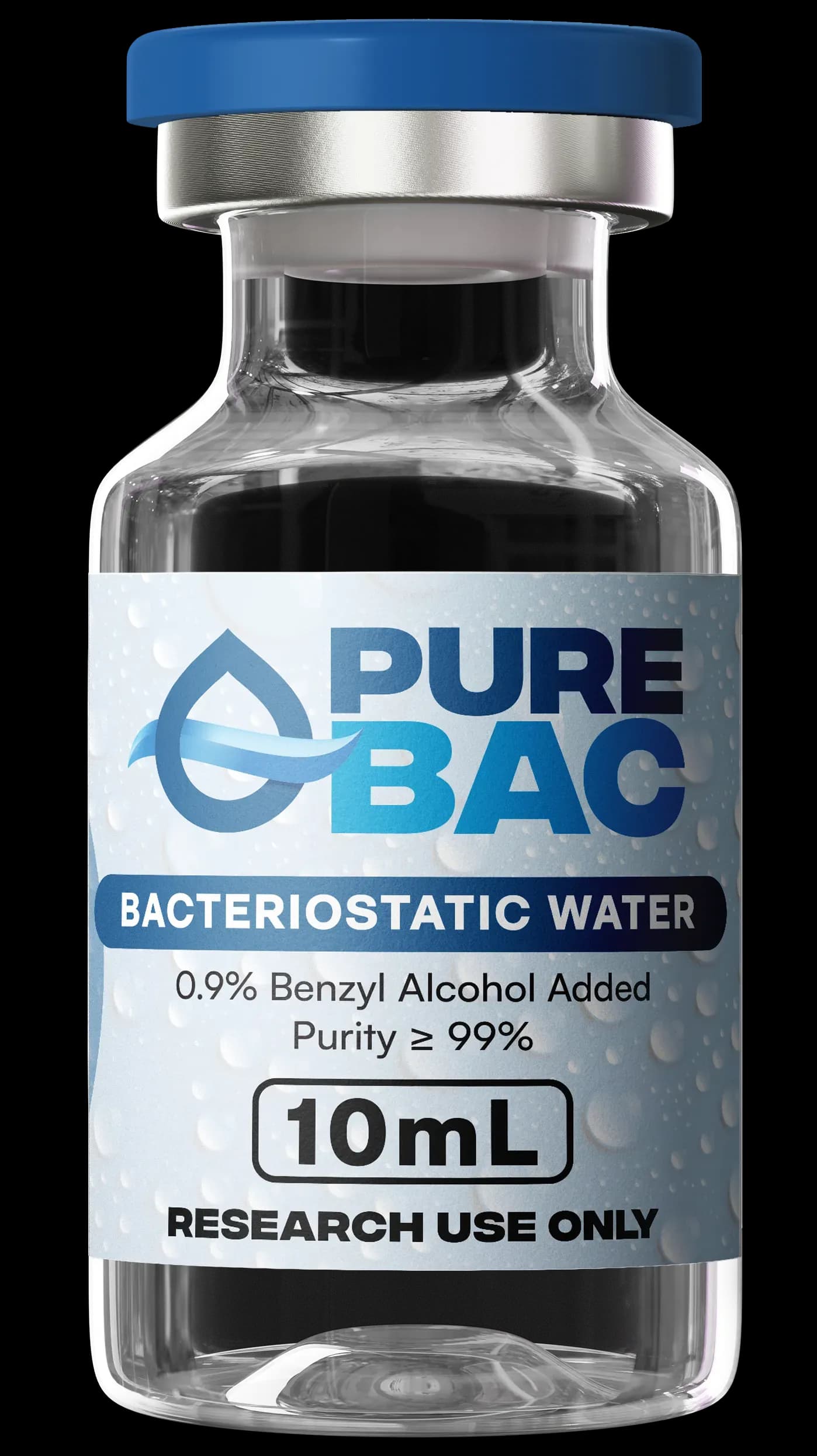
Kisspeptin-10 is typically supplied as a lyophilized powder in 1mg, 5mg, or 10mg vials. Reconstitute with bacteriostatic water or sterile water — for a 10mg vial, adding 2mL gives a 5mg/mL concentration. Store reconstituted kisspeptin refrigerated at 2-8°C and use within 14-21 days (shorter stability window than some peptides due to kisspeptin's degradation susceptibility). Protect from light and avoid freeze-thaw cycles.
Administration Routes
Subcutaneous injection is the most practical route for research applications. IV infusion is used in clinical studies for precise dosing but isn't practical outside a research facility. Intranasal delivery is under investigation — a 2023 study showed intranasal kisspeptin-54 could stimulate LH release, though bioavailability was lower and more variable than injection.
Timing and Protocol Design
For research mimicking physiological pulsatility, kisspeptin-10 at 0.3-1mcg/kg administered every 60-90 minutes best replicates natural GnRH pulse patterns. For simpler research protocols, twice-daily bolus dosing (50-100mcg) is commonly used but may not capture the full physiological response. The choice depends on the research question — pulsatile for HPG axis characterization, bolus for acute hormonal response studies.
Emerging Research Directions
Kisspeptin Analogs
Natural kisspeptin-10 has a short half-life (minutes), which limits its practical utility. Researchers are developing kisspeptin analogs with extended half-lives and improved receptor binding profiles. MVT-602 (by Myovant Sciences) is one such analog currently in clinical trials — it has a longer duration of action and can be administered as a single injection rather than requiring pulsatile infusion.
Kisspeptin and Metabolic Regulation
Recent research suggests kisspeptin may play roles beyond reproduction — including glucose metabolism, energy balance, and bone health. Kisspeptin receptors have been identified in the pancreas, adipose tissue, and bone. This opens up potential applications in metabolic syndrome and osteoporosis, though these are early-stage findings.
Combination Approaches
Some researchers are exploring kisspeptin in combination with other HPG axis modulators — low-dose HCG, clomiphene, or aromatase inhibitors — to create more robust hormonal recovery protocols. The rationale: kisspeptin addresses the hypothalamic level, HCG addresses the testicular level, and the combination may produce synergistic effects on testosterone and fertility that neither achieves alone.
Kisspeptin Dosage
Kisspeptin-10 is the most commonly used research form. Dosing is less established than for more mature research peptides:
Kisspeptin vs HCG for Testosterone
Understanding Kisspeptin's Role in Puberty
The Puberty Switch
Before puberty, kisspeptin neurons are relatively quiet — their activity is suppressed by a combination of epigenetic silencing and inhibitory inputs. As the child approaches pubertal age, kisspeptin expression gradually increases in the arcuate nucleus, driven by changes in DNA methylation patterns and reduced sensitivity to gonadal steroid negative feedback. This gradual "awakening" of kisspeptin neurons is what initiates the cascade of GnRH pulsatility that drives puberty.
Precocious puberty (early onset) has been linked to gain-of-function mutations in the KISS1 or GPR54 genes, while delayed puberty can result from loss-of-function mutations. This bidirectional genetic evidence firmly establishes kisspeptin as the key gatekeeper of pubertal timing in humans.
Environmental Influences on Kisspeptin
Nutritional status, body fat levels, and environmental stressors all influence kisspeptin signaling. Leptin (the satiety hormone from fat tissue) stimulates kisspeptin neurons — this is one mechanism by which adequate nutrition is linked to reproductive function. It also explains why severe caloric restriction or very low body fat can suppress the reproductive axis: reduced leptin means reduced kisspeptin drive.
Kisspeptin and Neuroscience: Beyond Hormones
Brain Imaging Studies
Functional MRI studies have revealed that kisspeptin infusion activates brain regions well beyond the hypothalamus. The limbic system (amygdala, hippocampus), anterior cingulate cortex, and reward circuits all show increased activation. This suggests kisspeptin has direct neuromodulatory effects on emotional processing, motivation, and social behavior — not just endocrine function.
Kisspeptin and Pair Bonding
Emerging research suggests kisspeptin may influence social bonding and attachment behaviors. A 2020 study showed kisspeptin administration enhanced attraction-related brain processing and reduced negative mood in men viewing romantic images. The overlap between reproductive signaling and social bonding circuits is an active area of neuroscience research with implications for understanding human sexuality and relationship behavior.
Anxiety and Mood Regulation
Several studies have noted anxiolytic (anxiety-reducing) effects of kisspeptin in animal models and preliminary human data. The mechanism likely involves kisspeptin's modulation of amygdala activity — the brain region central to fear and anxiety processing. If confirmed in larger human trials, this could open therapeutic applications beyond reproductive medicine.
Kisspeptin Safety Profile
Clinical Trial Safety Data
Across multiple clinical trials involving hundreds of participants, kisspeptin has demonstrated an excellent safety profile. No serious adverse events have been attributed to kisspeptin administration in published trials. The most commonly reported effects are transient facial flushing (likely mediated by hypothalamic vasodilation) and mild nausea at higher doses. These resolve spontaneously within minutes to hours.
Theoretical Concerns
The main theoretical concern with exogenous kisspeptin is receptor desensitization — continuous stimulation of GPR54 could downregulate the receptor and paradoxically suppress HPG axis function. This is analogous to how continuous GnRH agonist administration suppresses rather than stimulates LH. Pulsatile administration protocols are designed to avoid this issue, but the optimal dosing frequency for sustained benefit without desensitization remains an active research question.
No Known Drug Interactions
As a neuropeptide working through its own specific receptor (GPR54), kisspeptin does not have known interactions with common medications. However, its effects on the HPG axis mean it should be used cautiously alongside other hormonal therapies — combining kisspeptin with TRT, HCG, clomiphene, or GnRH analogs could produce additive or unpredictable hormonal effects that require monitoring.
Future Outlook: Where Kisspeptin Research Is Heading
Long-Acting Kisspeptin Analogs
The short half-life of natural kisspeptin fragments is the main practical limitation. Several pharmaceutical companies are developing long-acting analogs. MVT-602 from Myovant Sciences has completed Phase 2 trials for IVF ovulation triggering and shows a significantly longer duration of action than kisspeptin-54. TAK-448 from Takeda is another analog in development. If these reach market, they could make kisspeptin-based therapies practical for routine clinical use.
Male Contraception
Paradoxically, while pulsatile kisspeptin stimulates the HPG axis, continuous kisspeptin analogs could suppress it — potentially offering a reversible male contraceptive approach. This is being explored in early-phase research. The ability to "turn off" and "turn on" the reproductive axis through kisspeptin modulation could revolutionize male reproductive medicine.
Personalized Reproductive Medicine
As genetic testing becomes more accessible, identifying individuals with KISS1 or GPR54 variants could guide personalized treatment approaches. Patients with specific kisspeptin pathway defects could receive targeted kisspeptin therapy rather than the current one-size-fits-all approach of testosterone replacement or gonadotropin therapy.
Where to Get Kisspeptin
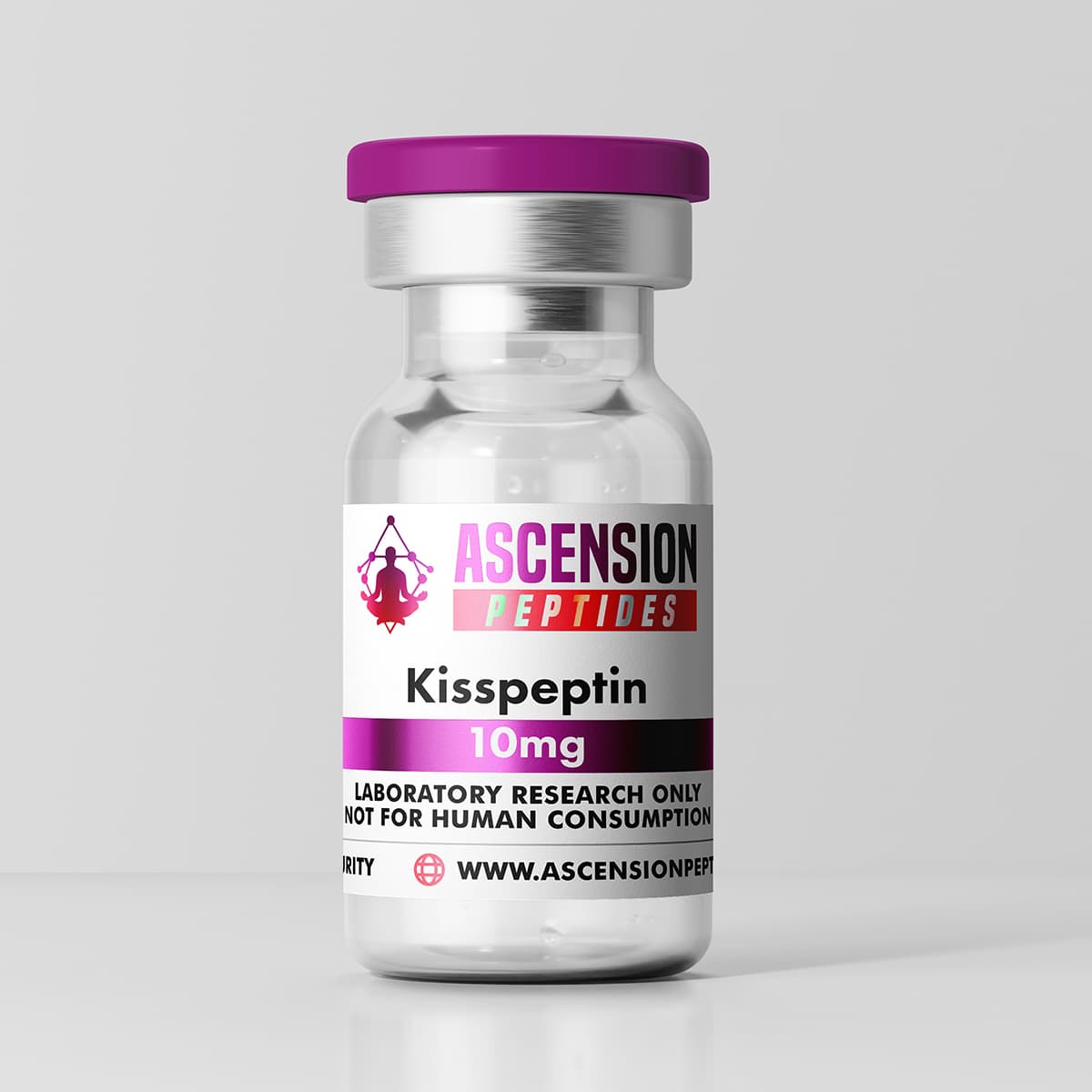
Ascension Peptides carries Kisspeptin 10mg — lyophilized, third-party HPLC tested. Given how precise dosing needs to be for this compound, source quality is especially important.
Frequently Asked Questions
📚 References
- Dhillo WS et al. "Kisspeptin-54 stimulates the hypothalamic-pituitary gonadal axis in human males." J Clin Endocrinol Metab. 2005;90(12):6609-6615. PubMed
- Jayasena CN et al. "Kisspeptin-54 triggers egg maturation in women undergoing IVF." J Clin Invest. 2014;124(8):3667-3677. PubMed
- Comninos AN et al. "Kisspeptin modulates sexual and emotional brain processing in humans." J Clin Invest. 2017;127(2):709-719. PubMed
- de Roux N et al. "Hypogonadotropic hypogonadism due to loss of function of GPR54." Proc Natl Acad Sci. 2003;100(19):10972-10976. PubMed
- Abbara A et al. "Kisspeptin-54 to Trigger Oocyte Maturation in Women at High Risk of OHSS." J Clin Endocrinol Metab. 2015;100(9):3322-3331. PubMed
- Seminara SB et al. "The GPR54 gene as a regulator of puberty." N Engl J Med. 2003;349(17):1614-1627. PubMed