BPC-157 for Gut Health: GI Research, Benefits & Dosage (2026)
BPC-157 (Body Protection Compound 157) was literally discovered in the stomach. Isolated from human gastric juice, it is a partial sequence of a protein found in gastric acid — and its most well-documented effects are gastrointestinal. BPC-157 for gut health is not speculative; it is where the compound has the deepest, most consistent research base across multiple decades and hundreds of studies.
If you are evaluating BPC-157 for gut health issues in 2026 — whether leaky gut, IBD, ulcers, motility problems, or post-antibiotic gut damage — this guide gives you the full picture of what the research actually shows, how to dose it, and what to realistically expect.
The Gastric Origin of BPC-157
BPC-157 is a pentadecapeptide — 15 amino acids long — derived from the sequence of a naturally occurring gastric protein in humans. The "body protection compound" designation comes from its ability to protect various body tissues from damage, but its most natural role appears to be maintaining and restoring gastrointestinal integrity.
The gastric environment is harsh. BPC-157 is one of the body's own tools for maintaining mucosal integrity in the face of constant acid exposure, mechanical stress, and microbial challenge. Synthesizing and using it exogenously essentially amplifies a natural protective mechanism.
Key GI Mechanisms of BPC-157
BPC-157 acts on the gut through several interconnected mechanisms:
- Mucosal healing: Directly accelerates regeneration of the intestinal lining — both mucosa and submucosa
- Angiogenesis: Stimulates new blood vessel formation (via VEGF upregulation), improving blood supply to damaged or inflamed gut tissue
- Tight junction restoration: Strengthens the intercellular junctions that prevent intestinal permeability (leaky gut)
- NO pathway modulation: Regulates nitric oxide synthase, reducing gut inflammation without suppressing immune function systemically
- Enteric nervous system support: Appears to support nerve fiber integrity in the GI tract, relevant for motility disorders
- Microbiome protection: Some evidence that BPC-157 helps maintain microbiome diversity after antibiotic exposure or GI insult
What the Research Shows: Specific GI Conditions
Inflammatory Bowel Disease (Crohn's and Ulcerative Colitis):
Animal studies using established IBD models consistently show BPC-157 reducing macroscopic and microscopic inflammation, improving mucosal healing, and reducing disease activity scores. In TNBS-induced colitis models (one of the gold standards for IBD research), BPC-157 administered at 10 mcg/kg produced outcomes comparable to mesalazine — a first-line IBD medication. The mechanism appears to involve both anti-inflammatory cytokine modulation and direct mucosal repair.
Peptic Ulcers:
This is where BPC-157 has the most robust data. Multiple studies across different ulcer models (cysteamine-induced, stress-induced, NSAID-induced) demonstrate consistent ulcer healing with BPC-157 administration. Importantly, it appears to work even in conditions where conventional proton pump inhibitors struggle, and it does not require acid suppression to promote healing.
Leaky Gut / Intestinal Permeability:
BPC-157 has demonstrated the ability to restore tight junction proteins (particularly claudin-1, occludin, and ZO-1) that are degraded in intestinal permeability syndromes. By strengthening these junctions, it prevents endotoxins and partially digested food particles from translocating into the bloodstream — a root cause of systemic inflammation in many chronic conditions.
Short Bowel Syndrome:
In surgical models of short bowel, BPC-157 has shown the ability to stimulate intestinal adaptation — the process by which remaining bowel compensates for lost segments. This represents a potentially significant application for post-surgical GI patients.
NSAID-Induced GI Damage:
Long-term NSAID use is a leading cause of GI damage and ulceration. BPC-157 has shown in animal studies the ability to prevent and reverse NSAID-induced gut damage, even when administered alongside continued NSAID dosing. This has obvious implications for chronic pain patients.
Dosage Protocols for Gut Health
- Standard research dosage: 250–500 mcg daily
- Acute GI conditions: Up to 500 mcg/day in divided doses
- Oral vs. injectable: Both routes are effective for GI applications — oral reaches the gut more directly; subcutaneous injection provides systemic coverage
- Cycle: 8–12 weeks for chronic conditions; 4–6 weeks for acute healing
- Timing: Oral capsules typically taken on an empty stomach
The oral route is particularly noteworthy for GI applications. Most peptides are destroyed in the GI tract before reaching systemic circulation, but BPC-157 appears to be gastric-acid stable — which makes sense given its origin. Oral BPC-157 has shown efficacy in GI models where the compound needs to act locally in the gut lumen rather than systemically.
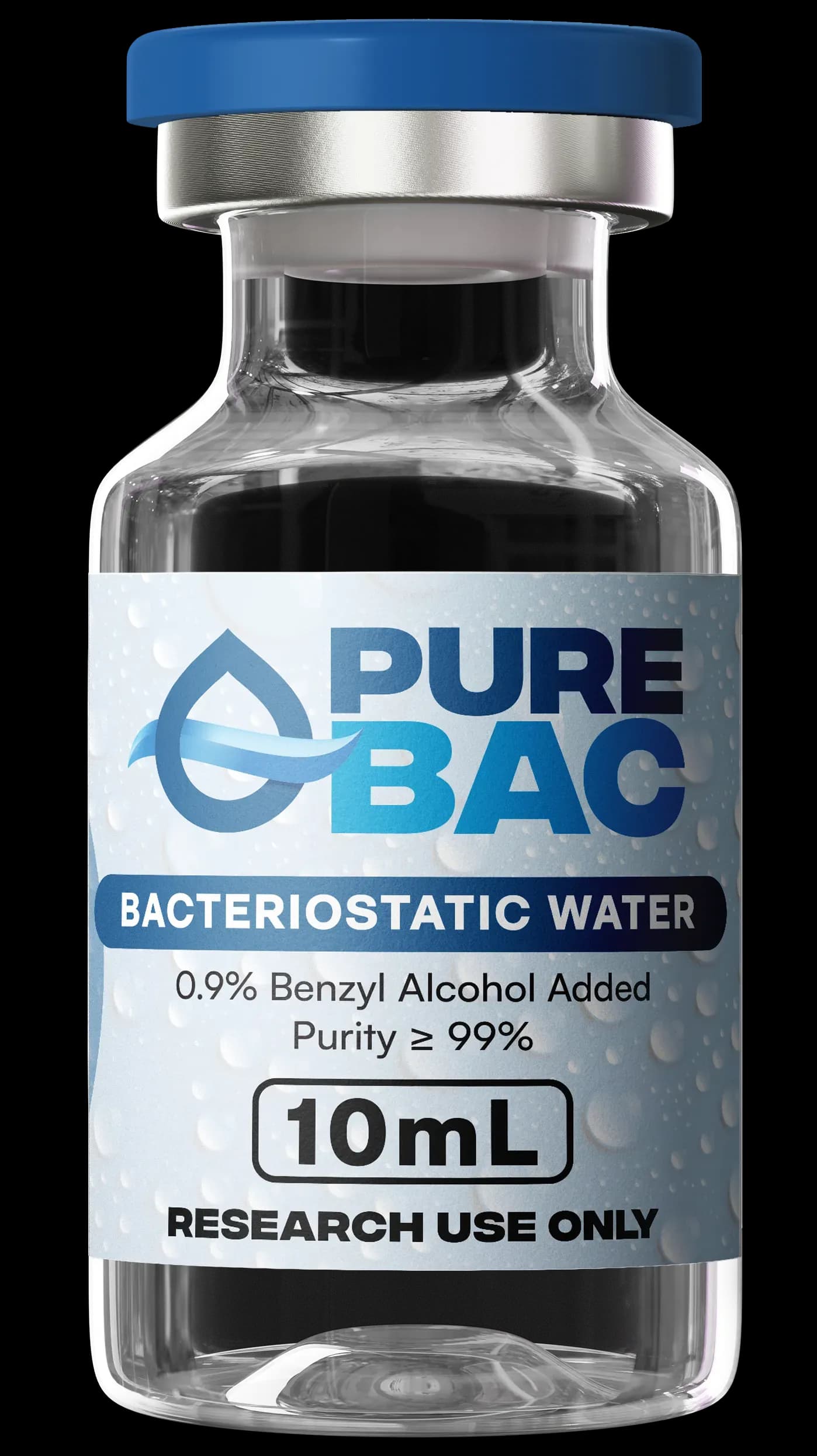
- Reconstitute BPC-157 with bacteriostatic water if using injectable form (1–2 mL per vial)
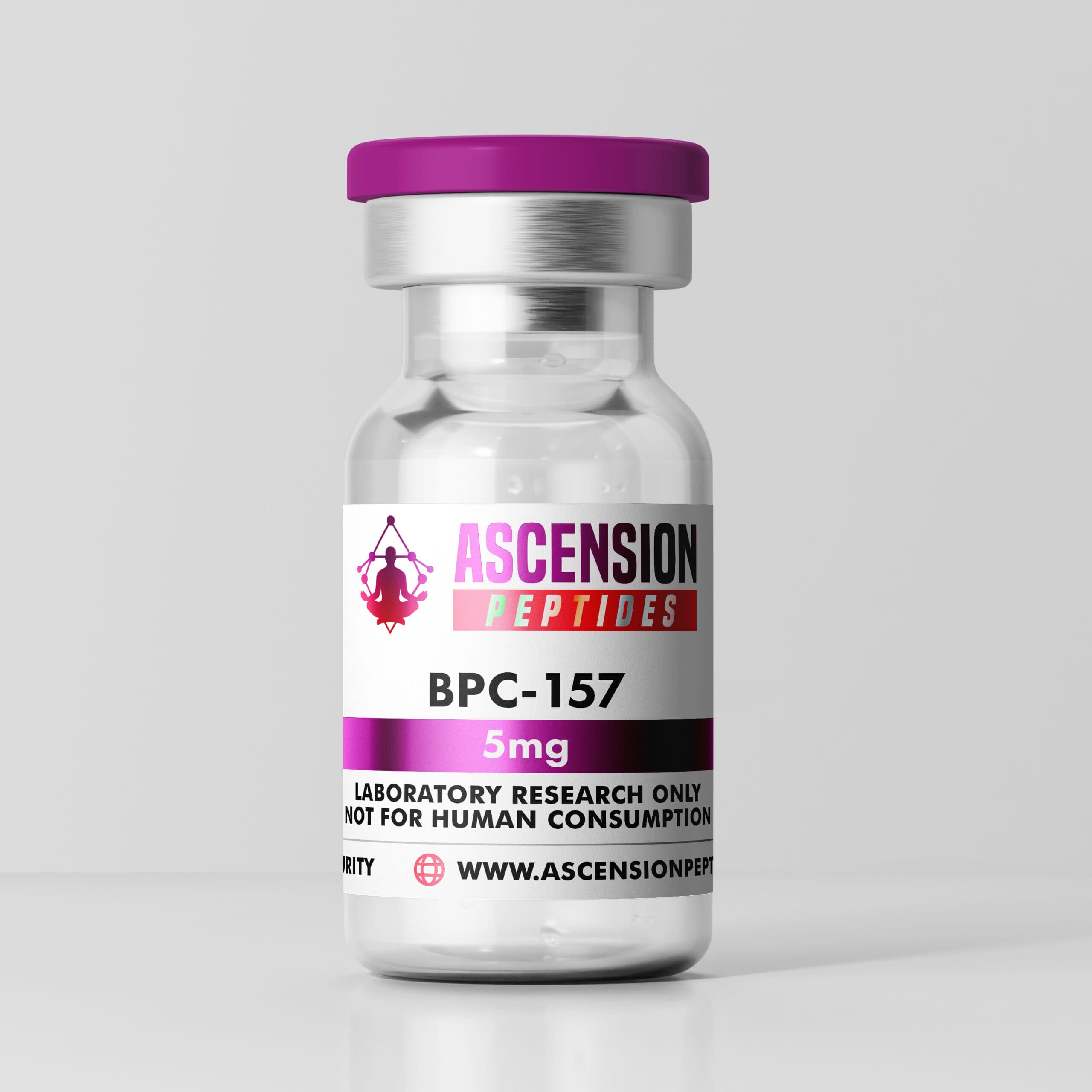
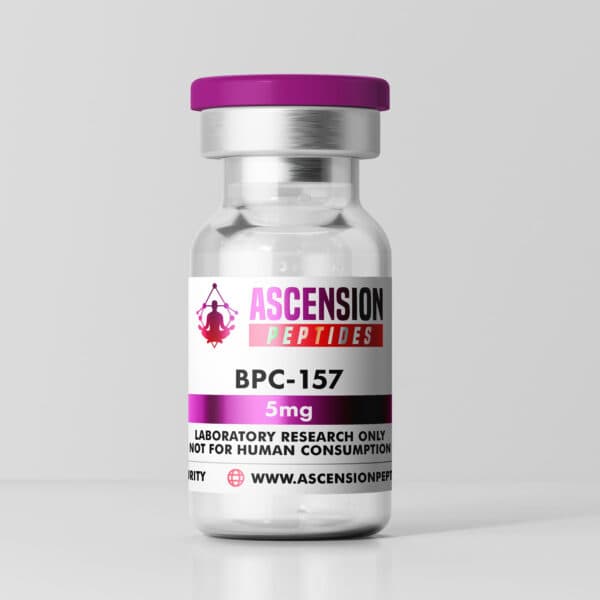
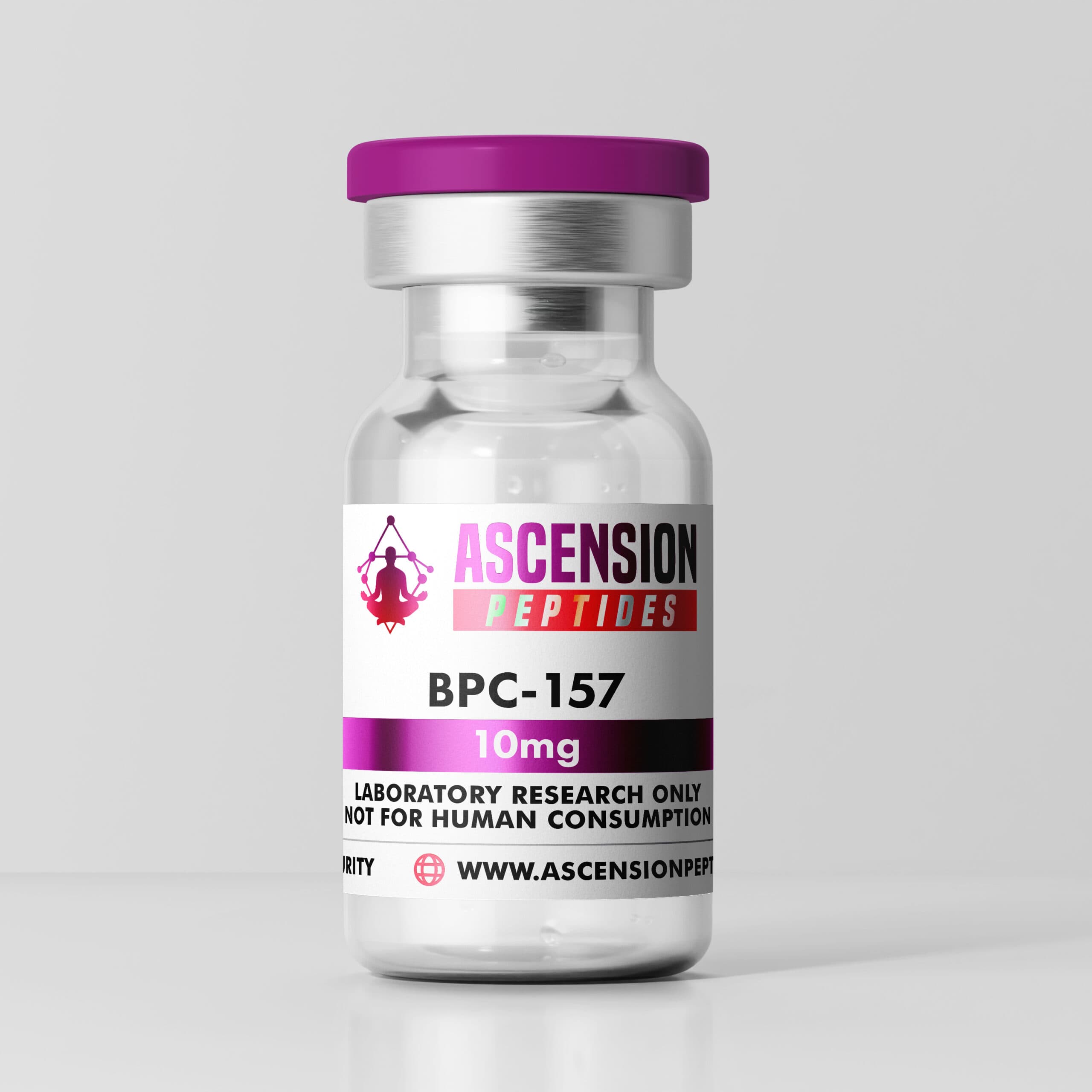
- Calculate dose: For 500 mcg dose from a 5 mg vial reconstituted with 2 mL bac water, draw 0.2 mL
- For oral use: Some vendors supply BPC-157 in capsule form — take with 8 oz water on empty stomach
- For injectable: Subcutaneous injection, preferably near abdomen for GI targeting
- Store reconstituted peptide in refrigerator; use within 30 days
BPC-157 vs. Other GI Supplements
How does BPC-157 compare to commonly used gut health interventions?
- vs. L-Glutamine: L-Glutamine is an amino acid that supports enterocyte health and tight junctions. BPC-157 works through distinct peptide-signaling mechanisms and appears to be more potent for active mucosal repair. Both can be used together.
- vs. Colostrum: Colostrum provides growth factors and immunoglobulins relevant to gut health. BPC-157 targets more specific repair mechanisms. Different tools for different aspects of gut function.
- vs. Zinc Carnosine: Zinc carnosine has good evidence for ulcer healing. BPC-157 has a broader mechanism set and stronger animal data for active inflammatory conditions.
- vs. Probiotics: Probiotics address the microbiome; BPC-157 addresses gut structure and inflammation. Complementary, not competitive.
Side Effects and Safety Considerations
BPC-157 has an exceptional safety profile in existing research. No toxicity signals have been found across multiple species and dose ranges in animal studies. Human use reports (not formal clinical trials) are broadly consistent with this:
- Most commonly reported: mild nausea (usually transient), minor injection site reactions
- Some users report vivid dreams, particularly at higher doses — mechanism unclear
- No known drug interactions established in research
- No hormonal effects — it does not alter sex hormones, thyroid, or adrenal function
The main regulatory consideration is the FDA's 2024 restriction on compounding pharmacies producing BPC-157. Research chemical vendors continue to operate legally in the US.
BPC-157 is the most researched compound in this space but it is not the only one, and it is not the best evidenced. For how it ranks against teduglutide, linaclotide, KPV and larazotide once you sort by human trial data, see our guide to gut health peptides ranked by evidence.
Frequently Asked Questions
This content is for informational and educational purposes only. Peptides discussed on this page are research compounds not approved by the FDA for human use. Always consult a licensed medical professional before using any peptide or supplement.