Key Takeaways
- Sermorelin works on the growth hormone axis — it does not raise testosterone directly
- TRT, enclomiphene, and sermorelin all target completely different hormonal systems
- Sermorelin and MK-677 both raise GH/IGF-1 but through different mechanisms with different side effect profiles
- Sermorelin is safer and cheaper than synthetic HGH, and preserves natural pituitary function
- Most of these compounds can be stacked — they don't compete with each other
If you've spent any time looking into peptides, hormone optimization, or anti-aging protocols, you've probably hit a wall of acronyms: TRT, GH, IGF-1, MK-677, GHRH, LH, FSH. It's a lot. And when you start comparing compounds — especially sermorelin against everything else — the confusion compounds fast.
Here's the thing: most of the confusion comes from comparing compounds that aren't actually competing with each other. Sermorelin, TRT, MK-677, enclomiphene, HGH, and NAD+ all do different things. Some overlap. Some stack beautifully. And understanding the difference is the whole game.
This breakdown covers every major head-to-head. By the end, you'll know exactly what sermorelin does (and doesn't do), how it stacks up against each compound, and whether any combination makes sense for your goals.
What Is Sermorelin, Actually?
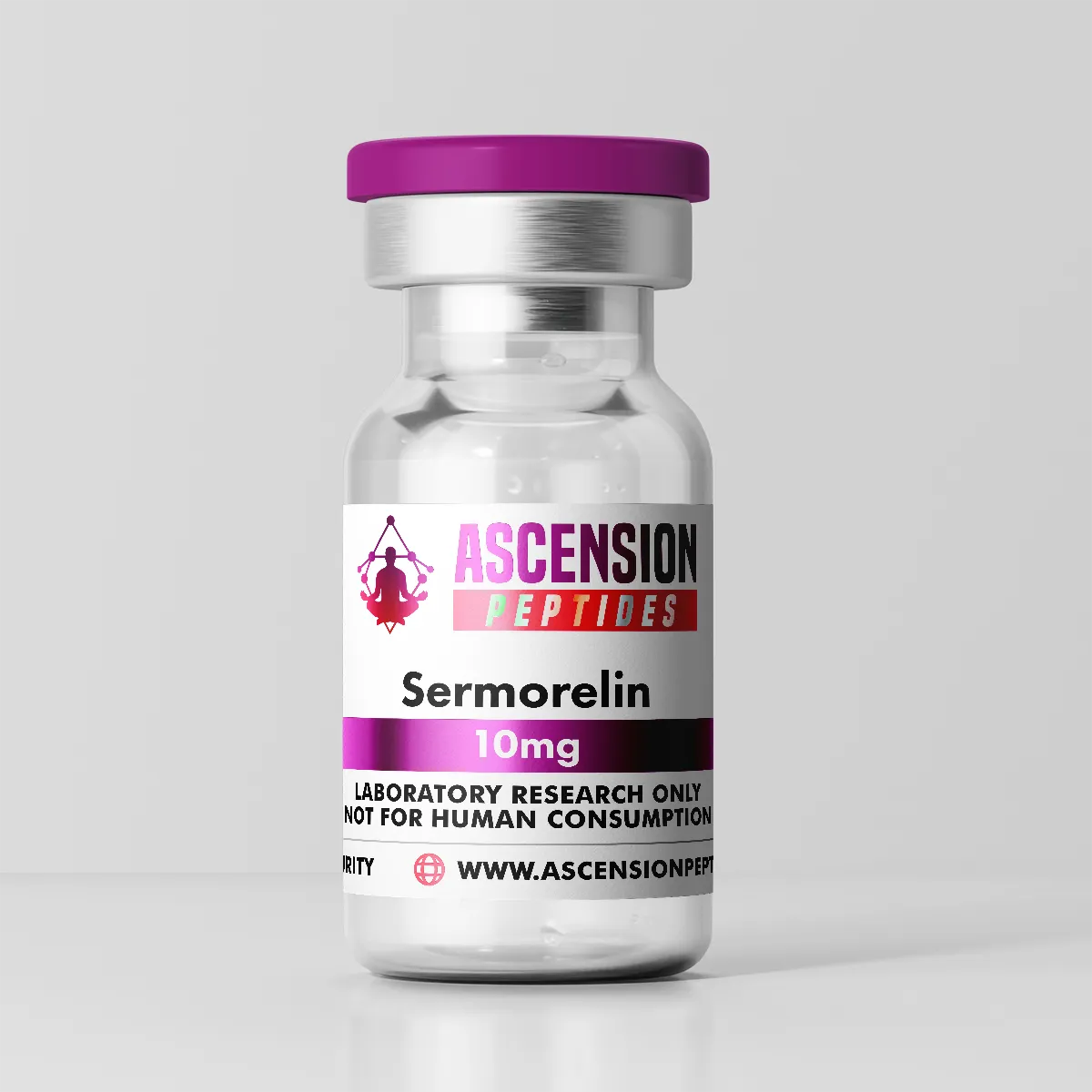
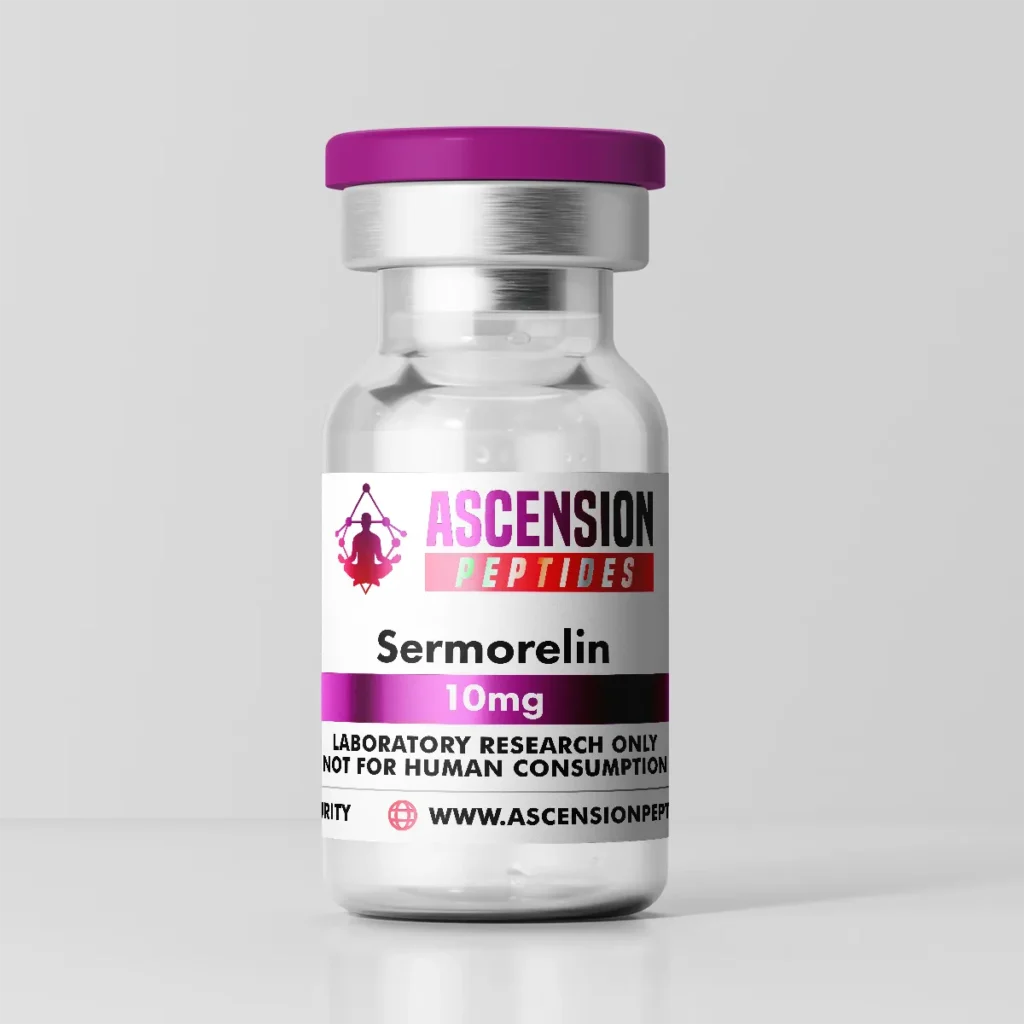
Sermorelin is a synthetic analog of GHRH — growth hormone releasing hormone. It's a 29-amino-acid peptide that mimics the natural signal your hypothalamus sends to tell your pituitary gland to pulse out growth hormone.
The key word is pulse. Your body naturally releases GH in bursts — mostly at night, during deep sleep, and after exercise. Sermorelin works with that rhythm. It doesn't flood your system with GH directly; it tells your pituitary to make more of its own.
That distinction matters a lot when you start comparing it to exogenous HGH or other GH-raising compounds. Sermorelin is a signal. HGH is a replacement. Those are fundamentally different approaches with different risk profiles and different effects on your feedback loops.
For a deeper look at how sermorelin works on its own, see our complete sermorelin guide.
Sermorelin vs TRT (Testosterone Replacement Therapy)
This is probably the most common comparison question, and it makes sense why — both are often used for "feeling better as you age," both require injections (usually), and both get lumped under the "hormone optimization" umbrella.
But the hormonal axes they target are completely separate:
- TRT works on the hypothalamic-pituitary-gonadal (HPG) axis. You inject testosterone, testosterone levels rise, and the downstream effects follow — more energy, libido, muscle mass, mood stabilization.
- Sermorelin works on the hypothalamic-pituitary-somatotropic (HPS) axis. It stimulates GH release, which drives IGF-1 production in the liver — better body composition, faster recovery, improved sleep quality, skin changes.
Does sermorelin raise testosterone? Not directly. Sermorelin has no direct action on the testes or the HPG axis. However, there's an indirect pathway worth understanding: better sleep quality (one of sermorelin's well-documented effects) is strongly associated with higher testosterone. GH and testosterone also share some downstream metabolic effects — better body composition can improve testosterone sensitivity. So while sermorelin won't replace TRT for someone with clinical hypogonadism, the two systems aren't completely isolated either.
If your testosterone is low, sermorelin alone won't fix it. If your GH/IGF-1 is low (or you want to optimize it), TRT alone won't fix that either.
Can you stack them? Yes, and many optimization protocols do exactly this. They target different axes, so there's no direct competition or contraindication. In fact, testosterone and GH have synergistic effects on lean mass and recovery — stacking them is a legitimate approach.
| Factor | Sermorelin | TRT |
|---|---|---|
| Hormonal axis | GH/IGF-1 (somatotropic) | Testosterone (HPG) |
| Raises testosterone? | No (indirectly, via sleep) | Yes, directly |
| Raises GH/IGF-1? | Yes, directly | No |
| Suppresses natural production? | No — preserves pituitary function | Yes — suppresses HPG axis |
| Typical form | Subcutaneous injection | Injection, gel, or pellet |
| Can stack? | Yes — different axes, no conflict | |
Sermorelin vs MK-677 (Ibutamoren)
This is a more direct comparison because both compounds ultimately raise GH and IGF-1. But how they get there is very different — and that difference has real-world implications.
MK-677 (ibutamoren) is a ghrelin mimetic. It binds to ghrelin receptors (GHSR) in the pituitary and hypothalamus, triggering GH release. It's orally active, which is a massive practical advantage — no injections. It also has a long half-life, so once-daily dosing is standard.
Sermorelin acts as GHRH, stimulating the pituitary more directly through GHRH receptors. The resulting GH release more closely mimics the natural pulsatile pattern your body produces on its own.
The practical differences:
- Hunger: MK-677 activates ghrelin receptors — ghrelin is literally the "hunger hormone." Significant appetite increases are common, especially in the first few weeks. Sermorelin doesn't hit those receptors, so hunger is not a primary side effect.
- Water retention: MK-677 tends to cause more noticeable water retention and sometimes bloating. Sermorelin users typically report less of this.
- Cortisol: MK-677 can elevate cortisol and prolactin in some users. Sermorelin doesn't have this reputation to the same degree.
- Natural pulse pattern: Sermorelin more closely mimics the body's natural GH release rhythm. This matters if you're trying to preserve pituitary sensitivity over long-term use.
- Administration: MK-677 wins on convenience — it's a capsule. Sermorelin requires subcutaneous injection.
For a deeper look at how sermorelin compares to other GH-stimulating peptides, check our ipamorelin vs sermorelin breakdown.
Can you stack them? Technically yes — they hit different receptors. But there's significant redundancy since both raise the same downstream hormones. If you're already running sermorelin, adding MK-677 mainly adds the side effects without dramatically different benefits. Choose one or the other unless you have a specific reason to combine.
Sermorelin vs Enclomiphene
Enclomiphene is a selective estrogen receptor modulator (SERM) — specifically, it blocks estrogen receptors in the hypothalamus and pituitary, which removes the negative feedback on GnRH/LH/FSH production. More LH and FSH signal the testes to produce more testosterone. The result: higher testosterone without directly suppressing the HPG axis (unlike TRT).
Sermorelin, as we've established, works entirely on the GH axis. It has no interaction with estrogen receptors, LH, FSH, or testicular function.
The only reason these two get compared is that both are sometimes positioned as "alternatives" to more aggressive hormone replacement — enclomiphene as an alternative to TRT, sermorelin as an alternative to HGH. But they're alternatives for different problems.
- Low testosterone, want to preserve fertility? → Enclomiphene is worth looking into
- Low GH output, poor sleep, slow recovery? → Sermorelin
- Both issues? → Stack them, they don't interact
Can you stack them? Yes, easily. Different axes, no competition, no contraindication. Someone optimizing both GH and testosterone might run sermorelin alongside enclomiphene with no issues.
Sermorelin vs HGH (Synthetic Human Growth Hormone)
This is the comparison that matters most if you're already considering growth hormone optimization. HGH (synthetic human growth hormone, often called somatropin) is the direct thing — you're injecting GH itself. Sermorelin is the upstream signal that makes your pituitary release GH naturally.
Why does that matter?
Pituitary feedback: When you inject exogenous GH, your pituitary "notices" the elevated GH levels and downregulates its own production. Over time, this can reduce pituitary sensitivity and natural GH output. Sermorelin works with the existing feedback system — your pituitary still regulates the response, so you don't get the same suppression risk.
Safety profile: HGH carries meaningful risks at higher doses — insulin resistance, joint/nerve pain, potential carpal tunnel, and concerns about GH-sensitive tumor growth. Sermorelin, because it works through the pituitary's natural regulation, has a much more modest side effect profile. Your pituitary acts as a natural governor.
Cost: Pharmaceutical HGH is expensive — often $500–$1,500+/month depending on dose and source. Sermorelin is substantially more affordable.
Limitation: Sermorelin requires a functioning pituitary. If pituitary function is severely compromised, sermorelin won't work — because there's nothing to stimulate. In that case, exogenous HGH might be the only option. For most healthy adults, the pituitary is working fine and sermorelin is more than sufficient.
For dosing specifics, see our sermorelin dosage guide.
Sermorelin vs NAD+
NAD+ (nicotinamide adenine dinucleotide) has gotten enormous attention in longevity circles, and for good reason. It's a coenzyme involved in hundreds of cellular reactions, central to mitochondrial energy production, and a key activator of sirtuins — proteins involved in DNA repair and cellular aging regulation.
Sermorelin doesn't touch any of that. It's purely about the GH axis.
Both decline with age. GH output drops significantly after your mid-20s. NAD+ levels fall similarly — by middle age, many people have half the NAD+ they had at 20. Addressing one doesn't address the other.
People who combine sermorelin and NAD+ precursors (like NMN or NR) are essentially running a dual-track anti-aging protocol: sermorelin handles GH/IGF-1 and body composition; NAD+ handles cellular energy and DNA repair mechanisms. There's no overlap and no conflict.
If budget is a factor, prioritize based on your goals: recovery and body composition → sermorelin first. Cellular energy, brain function, longevity focus → NAD+ first. Doing both? They complement each other well.
Master Comparison Table
Does Sermorelin Raise Testosterone?

Let's answer this clearly because it comes up constantly.
Directly? No. Sermorelin has no known mechanism of action on the HPG axis. It doesn't stimulate LH or FSH, doesn't act on the testes, and won't show up as a testosterone change on labs the way TRT or enclomiphene would.
Indirectly? Possibly, and here's why:
- Sleep quality: Sermorelin improves deep sleep in many users, and testosterone production is heavily dependent on sleep quality. Studies consistently show that poor sleep suppresses testosterone — so if sermorelin genuinely improves your sleep architecture, there may be a modest secondary benefit to testosterone.
- Body composition: Better body composition (less fat, more muscle) is associated with higher testosterone. GH and IGF-1 contribute to this. Fat tissue converts testosterone to estrogen — less fat can mean better testosterone-to-estrogen ratios over time.
- Overall hormonal milieu: GH and testosterone interact metabolically. Supporting one hormone system tends to support overall hormonal health, even if the mechanism isn't direct.
Bottom line: if your goal is specifically to raise testosterone, sermorelin is not the right tool. If your goal is optimizing your GH axis and you want to know if there are secondary testosterone benefits — there might be modest ones, but don't expect TRT-level changes.
Can You Stack Sermorelin With...?
Stacking Guide
Sermorelin + TRT ✅
One of the most common optimization stacks. They target different axes (GH vs testosterone), have synergistic effects on body composition and recovery, and don't interfere with each other. Many men on TRT add sermorelin specifically to recover the GH benefits that TRT doesn't address.
Sermorelin + MK-677 ⚠️ (possible but redundant)
Both raise GH/IGF-1, so you're largely doubling up on the same downstream effect. You'd get more GH stimulation, but also more of MK-677's side effects (hunger, water retention). Most researchers choose one or the other. If cost isn't a factor and you're tolerating both well, there's no hard contraindication — but the marginal benefit is limited.
Sermorelin + Enclomiphene ✅
Clean stack. Completely different axes, no competition. If you're working on both GH optimization and testosterone optimization simultaneously, this is a logical combination. Sermorelin handles GH, enclomiphene handles the HPG axis.
Sermorelin + NAD+ ✅
Different systems, different cellular mechanisms. If you're running a multi-track optimization or longevity protocol, these pair well. NAD+ precursors (NMN, NR) have no interaction with sermorelin's mechanism.
Sermorelin + Ipamorelin ✅
A very popular research combination. Ipamorelin is a GHRP (growth hormone releasing peptide) that hits different receptors but produces complementary GH pulses. The two together can produce more pronounced GH stimulation than either alone — and ipamorelin adds minimal side effects. See our ipamorelin vs sermorelin comparison for details.
Which One Is Actually Right for You?
The honest answer depends on what you're actually trying to fix or optimize:
- You feel tired, sleep poorly, recover slowly, and your body composition has shifted despite decent training: These are classic signs of declining GH. Sermorelin is a logical first look.
- You have low libido, mood issues, low energy that doesn't respond to sleep improvements, confirmed low testosterone on labs: TRT or enclomiphene depending on your fertility goals and whether you want to maintain natural production.
- You want to raise GH but don't want to inject: MK-677 is the tradeoff — oral convenience for more side effects and a less natural pulse pattern.
- Your GH is essentially non-functional and you need direct replacement: HGH is the clinical option, but this is a very specific situation usually confirmed by testing.
- You're focused on cellular longevity and energy: NAD+ precursors belong in the conversation. They don't compete with sermorelin — they address a different layer of aging entirely.
Most people interested in optimization eventually end up with some combination of these — not because they're chasing every available compound, but because the different systems they target represent genuinely different aspects of how you feel and perform.