
Most people pick the wrong one first.
🔑 Key Takeaways
- NAD+ is the active coenzyme your cells actually use; NMN is a precursor that converts to NAD+ in one enzymatic step
- Oral NAD+ has poor bioavailability (roughly 5-15%) because the molecule is large, charged, and degrades in the gut before reaching cells
- NMN has significantly better oral bioavailability (40-60%) and uses a dedicated cellular transporter (Slc12a8) for direct absorption
- Human clinical trials consistently show oral NMN raises blood NAD+ levels and improves markers like aerobic capacity, insulin sensitivity, and aortic stiffness
- Injectable or IV NAD+ bypasses the oral bioavailability problem entirely, delivering the molecule directly into circulation within minutes
- The practical answer depends on your goal: NMN for daily maintenance, injectable NAD+ for speed and completeness, and ideally a methyl donor like TMG alongside either
The NAD+ vs NMN debate gets oversimplified online. Some sites say NMN is always better, some say the opposite, and most skip the one detail that actually decides it: how you plan to take it. Oral and injectable are two different conversations.
Here is what the biology, the human trials, and the cost data actually say.
The Short Answer: Which Should You Take?
If you are taking an oral supplement, NMN beats oral NAD+ on almost every metric that matters: bioavailability, efficacy, dose consistency, and cost per effective mg. If you want the fastest and most complete rise in cellular NAD+, injectable or IV NAD+ wins because it skips the absorption problem entirely. And for most people serious about longevity, the smart move is stacking: injectable NAD+ for acute elevation plus oral NMN with a methyl donor for sustained daily support.
The rest of this article explains why that ordering makes sense.
What Is NAD+?
NAD+ stands for nicotinamide adenine dinucleotide. It is a coenzyme, not a nutrient, a molecule that enzymes across your body need to function. Every living cell uses it, which is why longevity researchers have been locked in on it for two decades.
NAD+ has three core jobs:
- Mitochondrial energy production: NAD+ drives the electron transport chain that generates ATP. No NAD+, no cellular energy.
- DNA repair: PARP1 enzymes scan the genome for breaks and consume NAD+ as the substrate for repair. Low NAD+ means slower repair.
- Sirtuin activation: Sirtuins (SIRT1 through SIRT7) are longevity proteins that regulate inflammation, stress responses, and gene expression. All seven require NAD+ as a cofactor.
That last point is why NAD+ matters for aging specifically. David Sinclair at Harvard, Shin-ichiro Imai at Washington University, and Charles Brenner at City of Hope all converge on the same idea: sirtuin decline is a major driver of the aging phenotype, and sirtuin activity depends on NAD+. Restore NAD+, and you restore the machinery that protects your cells.
NAD+ levels drop roughly 50% between age 20 and 50, with steeper declines in brain and muscle tissue. By your 60s and 70s, levels in some tissues can fall to 10-20% of peak.
What Is NMN?
NMN stands for nicotinamide mononucleotide. It is a nucleotide, a small molecule your cells use as a direct precursor to build NAD+. The conversion takes one enzymatic step: NMNAT enzymes convert NMN to NAD+ inside cells within seconds.
Three things make NMN interesting as a supplement:
- Size: NMN is much smaller than NAD+, which means it crosses cell membranes and survives digestion more effectively
- Dedicated transporter: In 2019, researchers identified Slc12a8, a transport protein on cell membranes that specifically transports NMN directly into cells. This discovery separated NMN from other precursors.
- Direct conversion: NMN becomes NAD+ in a single step, unlike NR which must first convert to NMN before becoming NAD+
NMN also exists naturally in small amounts in foods like broccoli, avocado, edamame, cabbage, and tomatoes. You will not hit therapeutic doses from diet alone, but it is worth knowing the molecule is already part of your normal biology.
NAD+ vs NMN: Core Differences
Why Oral NAD+ Barely Works
Logic says "if I want more NAD+, take NAD+." It is a reasonable instinct and it is mostly wrong for oral supplementation. The reason is absorption.
NAD+ is a large, charged molecule that carries a net negative charge at physiological pH. The gut is hostile to it. Intestinal enzymes break it apart rapidly into its component pieces (NMN and adenosine monophosphate), and the intact molecule has limited ability to cross cell membranes in the gut.
Studies on oral NAD+ bioavailability are not flattering. Most show systemic absorption in the 5-15% range. The NAD+ that does end up in your bloodstream after an oral dose is largely not intact NAD+, it is breakdown products that your cells then have to reassemble back into NAD+ through the salvage pathway. You have essentially taken an expensive, roundabout version of NMN.
This is why liposomal encapsulation, sublingual tablets, and other "advanced delivery" formats are so heavily marketed in the NAD+ space. Companies are trying to solve an absorption problem that NMN does not have in the first place.
Why NMN Has Better Oral Bioavailability
NMN is smaller, more structurally suited to membrane crossing, and has a dedicated absorption system.
The 2019 Slc12a8 discovery was a turning point. Researchers found that the small intestine expresses a transport protein that actively pulls NMN into circulation. This means your gut has machinery specifically evolved to absorb NMN directly. No other NAD+ precursor has this advantage.
Bioavailability estimates for oral NMN range from 40-60% across studies. Sublingual NMN, which bypasses first-pass gut degradation entirely, can push that even higher. Either format consistently outperforms oral NAD+ in head-to-head comparisons of cellular NAD+ elevation.
What Human Clinical Trials Actually Show
The human data is still building, but the signals that do exist are consistent.
Key NMN human trials
- Irie et al. 2020: 250mg/day NMN raised blood NAD+ levels 38% at 4 weeks vs. placebo in healthy adults
- Yoshino et al. 2021: Postmenopausal women with prediabetes showed improved muscle insulin sensitivity on 250mg NMN daily over 10 weeks
- Liao et al. 2021: Amateur runners on 600-1,200mg NMN showed improved aerobic capacity and ventilatory threshold
- Yi et al. 2023: A multicenter, double-blind, placebo-controlled trial in middle-aged adults showed dose-dependent NAD+ elevation at 300-900mg daily with no safety concerns over 60 days
- Neurogan/Harvard 2022: Men 65+ on 250mg NMN daily for 12 weeks had significantly higher blood NAD+ vs. placebo, with improved walking endurance
- Cardiovascular trials: 12-week NMN supplementation produced a ~25% reduction in aortic stiffness in postmenopausal women, a clinically meaningful marker of vascular aging
What the NAD+ side of the ledger looks like is different. Most of the human data on direct NAD+ administration uses IV infusion rather than oral, because researchers know oral NAD+ does not survive digestion. IV NAD+ trials show clear plasma NAD+ elevation, cognitive benefits in substance use recovery, and positive effects in neurodegenerative disease models. But those outcomes come from bypassing the gut entirely.
The honest takeaway: if you are comparing oral NMN to oral NAD+, the clinical data favors NMN by a wide margin. If you are comparing oral NMN to injectable NAD+, both produce real NAD+ elevation through different mechanisms.
[Image #1]
When Injectable NAD+ Makes More Sense
There is a reason wellness clinics built entire business models around IV NAD+ infusions before most people had even heard of NMN. Bypassing the gut works.
Injectable NAD+ (subcutaneous) and IV NAD+ (intravenous) both deliver the molecule directly into circulation. No gut degradation. No conversion step. No reliance on transporters. The dose that goes in is the dose that reaches your cells.
- IV NAD+ therapy: The clinic version. A 500-1,000mg infusion takes 2-4 hours and costs $200-600 per session. Effects show up within days. Used in clinical recovery protocols, addiction treatment, and premium longevity settings.
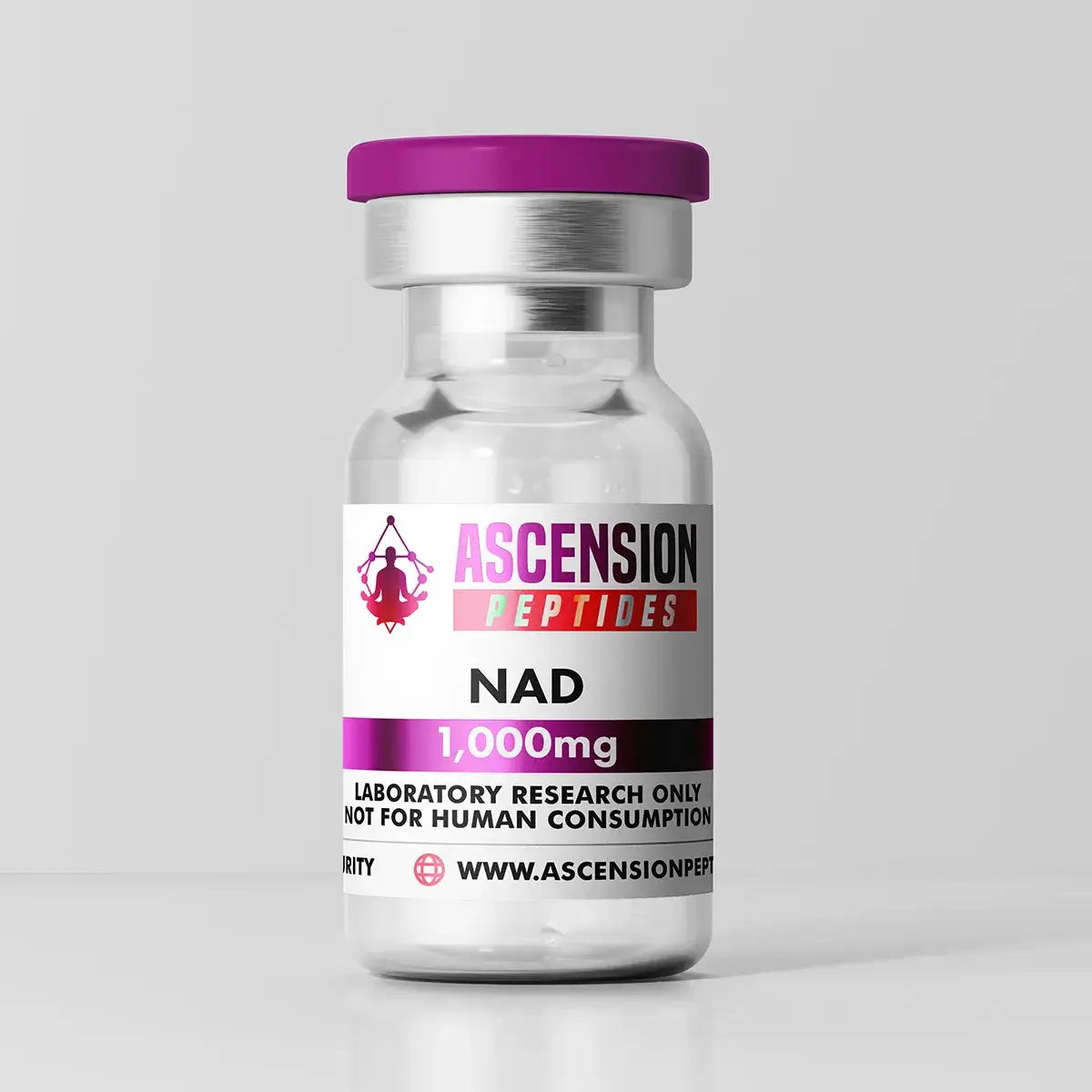
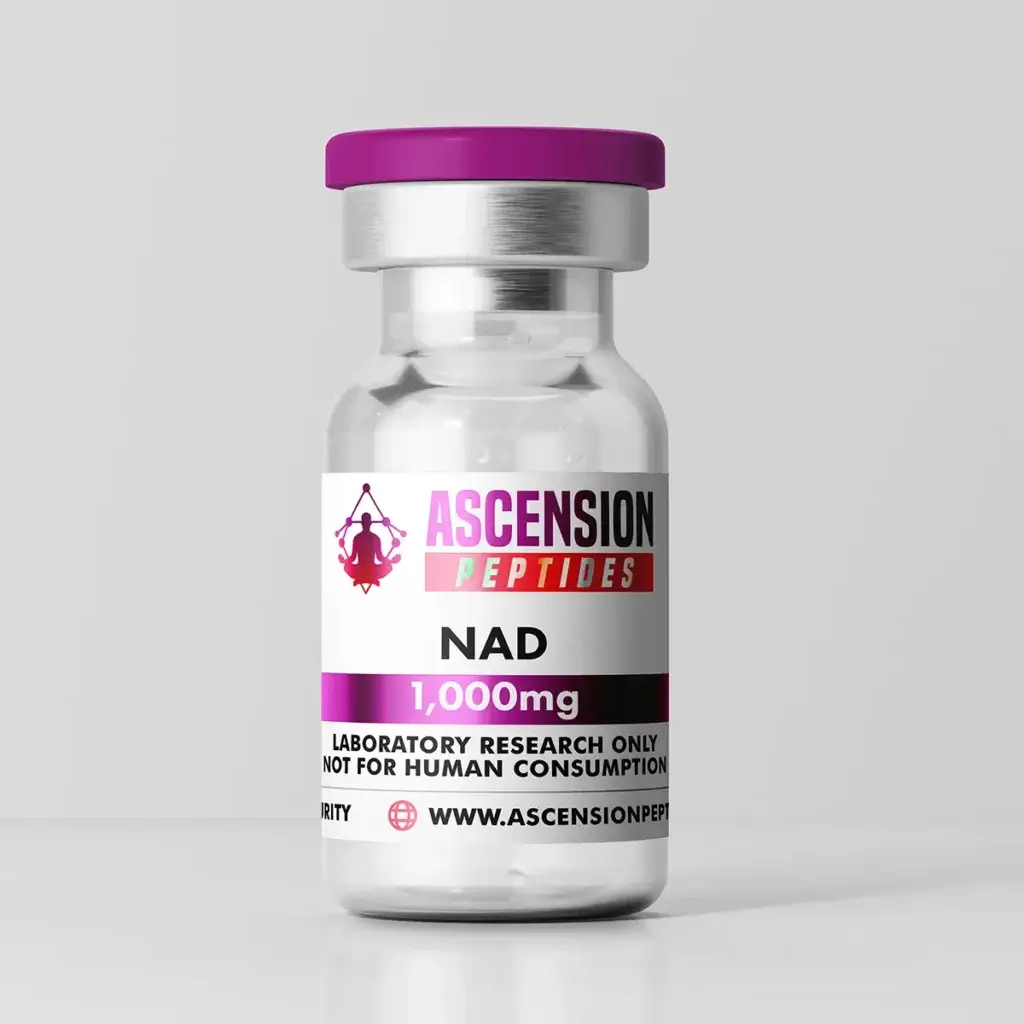
- Subcutaneous injectable NAD+: The at-home version. A standard 1,000mg vial typically costs $40-80 and lasts three to seven weeks at the usual 50-100mg, two to three times a week. Absorption is near-complete, onset is within minutes, and the protocol is flexible.
Injectable NAD+ matters most for people who want faster and more complete elevation than oral NMN can reliably deliver, or for people who have tried oral precursors without a clear response. For a full comparison, see the most effective NAD supplement guide.
The TMG and Methyl Donor Plateau Problem
This is the detail most "NMN vs NAD+" articles skip.
When your body uses NMN or NR to raise NAD+, the conversion process consumes methyl groups as a byproduct. Specifically, as NAD+ gets used and recycled, it generates methylated nicotinamide, which needs to be cleared through the methylation cycle. If your methyl pool runs low, two things happen:
- NAD+ synthesis slows because the methylation machinery is overwhelmed
- NAD+ levels often plateau or decline around the 6-8 week mark even with continued supplementation
The fix is pairing NMN (or any precursor) with a methyl donor. Trimethylglycine (TMG, also called betaine) at 500-1,000mg daily is the most well-supported option. Spermidine at 5-15mg daily can work similarly by supporting methylation downstream.
Injectable NAD+ is less dependent on this because it bypasses the conversion pathway for the acute dose, but long-term users still benefit from methyl support. If you have been on NMN for two months and your energy plateaued, the answer is almost always TMG, not a higher dose.
NR: The Third Option Worth Knowing About
Nicotinamide riboside (NR) is the third precursor in this conversation. It is further removed from NAD+ than NMN (NR converts to NMN, which then converts to NAD+), but it has two advantages worth noting:
- More human trial data: NR has been on the market longer and has a broader clinical trial base, including large trials like Conze et al. and Trammell et al. showing reliable NAD+ elevation
- Stronger evidence for brain health: NR crosses the blood-brain barrier more effectively than NMN in some studies and has better data on neurodegenerative markers
NR is the right pick if brain health or cognitive performance is your primary concern. NMN is the better general-purpose choice for most longevity, energy, and metabolic goals.
What David Sinclair (and Other Longevity Researchers) Actually Do
David Sinclair, the Harvard researcher whose work is largely responsible for the current NMN boom, has been public about his personal protocol: 1 gram (1,000mg) of NMN daily, taken in the morning, paired with resveratrol and metformin.
Other longevity-focused clinicians and researchers tend to use variations on the same theme:
- NMN 250-1,000mg daily as the baseline precursor
- TMG 500-1,000mg daily to support methylation
- Resveratrol or pterostilbene 150-500mg to activate sirtuins
- Periodic injectable NAD+ for deeper restoration
The stack matters more than any single compound. NMN alone raises NAD+ but does not fully activate sirtuins without a sirtuin agonist like pterostilbene. Injectable NAD+ raises levels fast but does not address long-term methyl donor depletion. The combinations work better than the individual pieces.

NMN FDA Status: What Happened and Where It Stands
This part trips up a lot of buyers.
In 2022, the FDA declared that NMN could not be sold as a dietary supplement because it had been investigated as a drug (classified as an Investigational New Drug, or IND). Major retailers like Amazon and Shopify temporarily restricted NMN sales, and the market reshuffled.
In 2024, a federal court issued a motion to suspend legal proceedings in the Natural Products Association lawsuit against the FDA, which effectively allowed NMN to continue being sold. In September 2025, NMN was reinstated as a legal dietary supplement in the US following the regulatory review. That is why you will see references to NMN being "banned" in older articles even though it is currently available again.
NAD+ itself has never faced the same regulatory issue because it is not classified as an IND drug in the same way.
How to Stack NAD+ and NMN Together
Most people serious about longevity end up using both, not choosing between them.
Practical stacking protocol
- Daily baseline: 500-1,000mg NMN (oral or sublingual) with breakfast + 500-1,000mg TMG
- Acute elevation: Subcutaneous NAD+ injection (50-100mg per dose) 1-2x per week, or monthly IV NAD+ at a clinic
- Sirtuin support: Pterostilbene or trans-resveratrol 150-500mg daily
- Timing: NMN and NAD+ both work better taken earlier in the day to match circadian NAD+ oscillation
The logic: NMN keeps a steady baseline of NAD+ biosynthesis running every day. Injectable NAD+ produces acute surges that push levels higher than oral alone can achieve. Together they address both sustained and peak NAD+, which is what the biology actually needs.
For specific dosing, see the NAD+ dosage guide. For the full comparison of delivery methods, see the most effective NAD supplement article.
Cost Comparison
Who Should Choose What
- New to NAD+ support: Start with oral NMN 500mg daily plus TMG 500mg. Give it 6-8 weeks to assess response.
- Under 40, optimizing longevity: Oral NMN + TMG is often enough. Add pterostilbene if you want stronger sirtuin activation.
- 40+ with noticeable energy, recovery, or cognitive decline: Consider adding subcutaneous injectable NAD+ 1-2x per week on top of oral NMN. The acute rise matters more as baseline decline deepens.
- Significant fatigue, post-illness recovery, or addiction recovery: IV NAD+ therapy delivers the largest acute elevation and is the standard in clinical settings for these cases.
- Athletes and heavy trainers: Oral NMN for daily support, injectable NAD+ around training blocks for recovery support
- Brain health focus: Consider NR instead of NMN, or add NR alongside injectable NAD+ for cognitive emphasis
- Budget-constrained: Oral NMN 500mg + TMG delivers the best value per dollar for measurable NAD+ support
There is a third path that does not get enough attention in the NAD+ vs NMN debate: mitochondria-derived peptides that improve NAD+ utilization rather than supply. Read our NAD+ peptide guide for the full comparison.