
$400-800 for a single NAD+ IV session. That is what clinics charge for something you can roughly replicate at home with subcutaneous injections for a fraction of the price. Here is what NAD+ IV therapy actually does, what the research shows, and whether the clinic bill is worth it.
🔑 Key Takeaways
- What it is: An intravenous infusion of NAD+ that bypasses all absorption barriers and delivers the molecule directly to the bloodstream.
- Main benefits: Energy, cognitive clarity, addiction recovery support, and anti-aging via sirtuin activation.
- Cost reality: Clinics charge $300-800 per session. Home subcutaneous injections achieve similar results for $15-40 per session.
- IV vs SubQ: IV has a faster onset (minutes), SubQ peaks within 30-60 minutes. Both far outperform oral NMN for bioavailability.
- When IV is worth it: Acute intensive protocols, addiction recovery, or severe fatigue where maximum speed matters.
- Side effects: Nausea, flushing, and chest tightness are common and directly tied to infusion speed.
NAD+ (nicotinamide adenine dinucleotide) is a coenzyme your cells need for basically everything: energy production, DNA repair, immune function, and aging regulation. The problem is that NAD+ levels drop steadily with age, and oral supplementation has notoriously poor bioavailability. IV therapy sidesteps that entirely.
What Is NAD+ IV Therapy?
NAD+ IV therapy is exactly what it sounds like: a slow intravenous infusion of nicotinamide adenine dinucleotide, delivered directly into a vein over 1.5-4 hours.
Because it goes straight into the bloodstream, it bypasses every absorption barrier. No gut, no liver first-pass, no 90% loss in transit. Blood NAD+ levels rise within minutes and peak around 1-2 hours into the infusion.
The slow drip is not optional. Infuse too fast and you get side effects ranging from uncomfortable (nausea, flushing) to alarming (chest tightness, rapid heartbeat). More on that below.
Clinics use NAD+ IV for several purposes:
- Addiction recovery and withdrawal support
- Anti-aging and longevity protocols
- Chronic fatigue and energy restoration
- Cognitive decline and brain fog
- Post-surgery recovery acceleration
The addiction recovery use is where most of the serious clinical data lives. More on that below.
NAD+ IV Therapy Benefits
NAD+ is a cofactor in hundreds of metabolic reactions. When you flood the system with it intravenously, you are giving every NAD+-dependent process in the body a substrate boost. The effects are broad.
Energy and Mitochondrial Function
NAD+ is required for ATP production in the mitochondria. Low NAD+ = low cellular energy. Restoring levels, especially via IV, gives mitochondria the raw material to produce energy more efficiently. Most patients report a noticeable energy boost within hours of a session.
Cognitive Clarity and Brain Fog
The brain is one of the highest NAD+-consuming organs. IV NAD+ can cross the blood-brain barrier (through downstream mechanisms) and people consistently report mental clarity improvements. The effect is often described as "the lights coming back on."
Addiction and Withdrawal Support
💡 Clinical Context
Most clinical NAD+ IV data comes from addiction recovery research, where it showed dramatic results in reducing withdrawal symptoms and cravings.
This is the most evidence-backed application. Studies out of South Africa and the US have shown IV NAD+ protocols lasting 10-15 days can dramatically reduce withdrawal severity and cravings for opioids, alcohol, and stimulants. Some clinics specialize exclusively in this application.
Anti-Aging via Sirtuin Activation
Sirtuins are proteins that regulate aging, inflammation, and DNA repair. They require NAD+ to function. As NAD+ declines with age, sirtuin activity drops. IV NAD+ can restore sirtuin function acutely, which is the theoretical basis for its anti-aging use.
The research here is promising but not definitive. Human trials on aging endpoints are limited.
Metabolic Health
NAD+ supports insulin signaling, glucose metabolism, and fat oxidation. People using NAD+ IV regularly often report improvements in body composition and metabolic markers, though this is largely anecdotal in the wellness context.
What Does NAD+ IV Therapy Cost?
Let's be honest about the cost picture. IV NAD+ therapy is expensive. Most clinics are charging a significant premium for a treatment that can be partially replicated at home.
Insurance almost never covers NAD+ IV therapy. It is classified as a wellness treatment, not a medical necessity, in most jurisdictions. A few addiction recovery clinics may get partial coverage depending on how the billing is coded, but for the average person exploring anti-aging or energy benefits, expect to pay out of pocket.
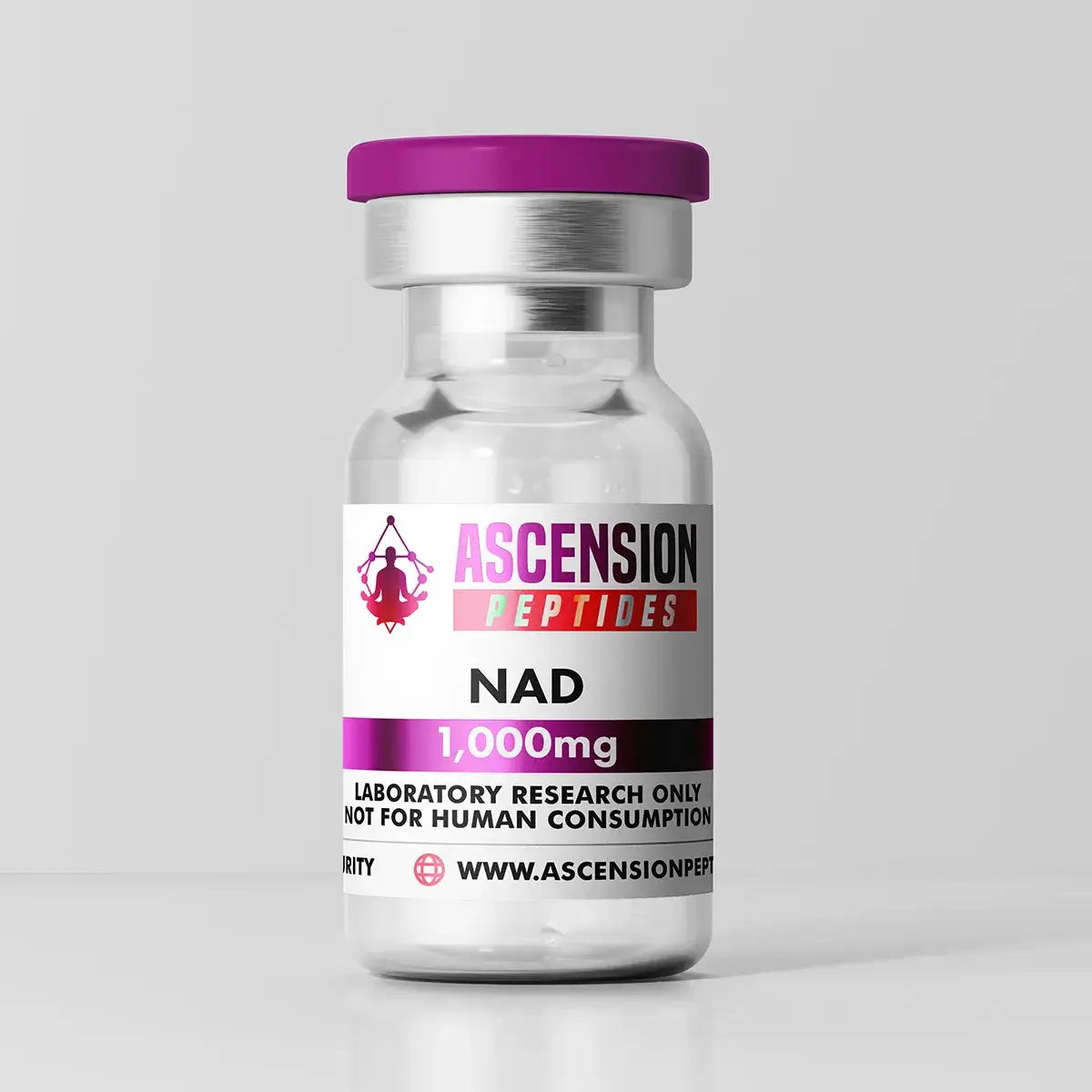
The math is stark. At $400 per session twice a week, you are spending over $3,000 per month. A home subcutaneous injection protocol using a product like injectable NAD+ (1,000mg) runs a fraction of that.
NAD+ IV Therapy vs Subcutaneous Injections
This is the core question for anyone considering NAD+ seriously. Is the IV premium justified?
The argument for IV is simple: it delivers NAD+ directly to the blood instantly, with no absorption variables. The argument against: subcutaneous injections also deliver NAD+ to the blood, just slightly slower. We are talking 30-60 minutes to peak vs minutes. That is the pharmacokinetic difference.
Both routes are far superior to oral supplementation, where bioavailability is poor and unpredictable. If you're starting out or not ready to inject, NAD+ supplements like NMN or NR are the practical alternative, though results come slower.
For most people doing NAD+ for anti-aging, energy, or general wellness, SubQ injections achieve 80-90% of the IV benefit at 5-10% of the cost. The speed advantage of IV does not matter when your goal is sustained NAD+ elevation over weeks and months.
When does IV actually make sense?
- Acute intensive protocols, like addiction recovery (where rapid and high-dose delivery matters)
- Post-surgery or post-illness recovery where you need the fastest possible restoration
- Severe chronic fatigue where the immediate effect is diagnostically useful
- You have clinic access and the cost is not a barrier
For everyone else, the subcutaneous injection route is the smarter play. Learn more about how IV compares to other delivery methods in our NAD+ vs NMN comparison.
NAD+ IV Therapy Dosage
Dosage varies significantly by protocol and goal. Here is how the major use cases break down:
The most important thing about NAD+ IV dosing is not the amount. It is the speed.
A typical infusion starts at 1mg per minute for the first 100mg, then increases to 5-10mg per minute if tolerated. Rushing the infusion causes the "NAD flush" side effects that make patients uncomfortable. Good clinics titrate slowly and adjust based on patient feedback.
NAD+ IV Therapy Side Effects
NAD+ IV therapy has a well-established side effect profile. None of the common effects are dangerous when managed correctly, but they can be unpleasant, especially for first-timers.
Nausea and flushing: The most common. Both are directly correlated with infusion speed. Slowing the drip almost always resolves them within minutes.
The "NAD flush": Chest tightness, warmth spreading through the chest, and a rapid or pounding heartbeat. It sounds alarming but it is temporary and caused by fast infusion. It is not a cardiac event. Still, patients who experience it should tell the nurse to slow the drip immediately.
Fatigue after the session: Paradoxically, some people feel tired for 12-24 hours after an IV session. The theory is that cells ramping up activity suddenly need recovery time. It resolves on its own and tends to improve with subsequent sessions.
Vein irritation: Common with repeated IV use. The cannula site can become sore, and veins can scar with frequent access. This is one practical reason the SubQ route wins for long-term protocols.
Headache: Less common, usually mild, resolves within a few hours.
Is NAD+ IV Therapy Worth It?
For most people: no. The pharmacokinetics do not justify the cost premium.
Subcutaneous injections deliver NAD+ to the blood at near-complete bioavailability. They peak slightly slower than IV, but for anti-aging, energy, and cognitive goals, that timing difference is irrelevant. The outcome over a month of consistent use is nearly identical, at a fraction of the price.
Worth it if:
- You are doing an intensive addiction recovery protocol where maximum dose and fastest delivery genuinely matter
- You want the fastest possible result for an acute situation (post-surgery, severe energy crash)
- You have access to a clinic with competitive pricing under $150/session
- You simply prefer the clinic environment and don't want to self-inject
The honest answer is that the anti-aging and wellness industry has priced IV NAD+ at a premium far beyond what the pharmacokinetics justify. A $600 IV session delivers roughly the same sustained NAD+ elevation as a $25 subcutaneous injection done three days later.
If IV NAD+ at $300 to $800 per session is out of budget for sustained use, a NAD+ peptide protocol with MOTS-C, Humanin or SS-31 runs $80 to $200 per month. Compare your options in our NAD+ peptide guide.
Frequently Asked Questions

References
- Braidy N, et al. "Age related changes in NAD+ metabolism oxidative stress and Sirt1 activity in Wistar rats." PLoS ONE. 2011. PMID: 21559512.
- Birkmayer GD. "Coenzyme nicotinamide adenine dinucleotide: new therapeutic approach for improving dementia of the Alzheimer type." Annals of Clinical and Laboratory Science. 1996. PMID: 8669538.
- Penberthy WT, Tsunoda I. "The importance of NAD in multiple sclerosis." Current Pharmaceutical Design. 2009. PMID: 19519434.
- Mestayer C. "IV NAD and Addiction: From the Clinic." Presented at the American College for Advancement in Medicine (ACAM). 2016.
- Grant R, et al. "Nicotinamide Adenine Dinucleotide (NAD+) Levels Decline With Age, and Are Associated With Reduced Cognitive Function." Frontiers in Aging Neuroscience. 2019. PMID: 31611782.
- Conze D, et al. "Safety and Metabolism of Long-term Administration of NIAGEN (Nicotinamide Riboside Chloride) in a Randomized, Double-Blind, Placebo-controlled Clinical Trial of Healthy Overweight Adults." Scientific Reports. 2019. PMID: 31316100.
The information in this article is for educational purposes only and does not constitute medical advice. Always consult a healthcare professional before starting any new supplement or compound. Results vary by individual.