🔑 Key Takeaways
- Ozempic (semaglutide) mimics GLP-1, a gut hormone that regulates appetite, insulin, and digestion
- It works on three systems simultaneously: brain (appetite), stomach (gastric emptying), and pancreas (insulin)
- Natural GLP-1 lasts ~2 minutes; semaglutide's half-life is 7 days — enabling weekly dosing
- Weight loss isn't the drug's "primary" mechanism — it's a downstream effect of appetite and metabolic changes
- Newer triple-agonists like retatrutide expand on this approach by targeting 3 receptors instead of 1
You've probably heard "GLP-1 receptor agonist" thrown around a dozen times without anyone actually explaining what that means in practice. How does ozempic work, specifically? Not "it reduces appetite" — that's what it does, not how. The mechanism is genuinely fascinating, and understanding it explains everything: why it works, why you feel nauseous, why it takes weeks to kick in, and why some people respond dramatically while others barely notice a difference.
Let me walk through the actual biology.
💡 Looking for an Alternative?
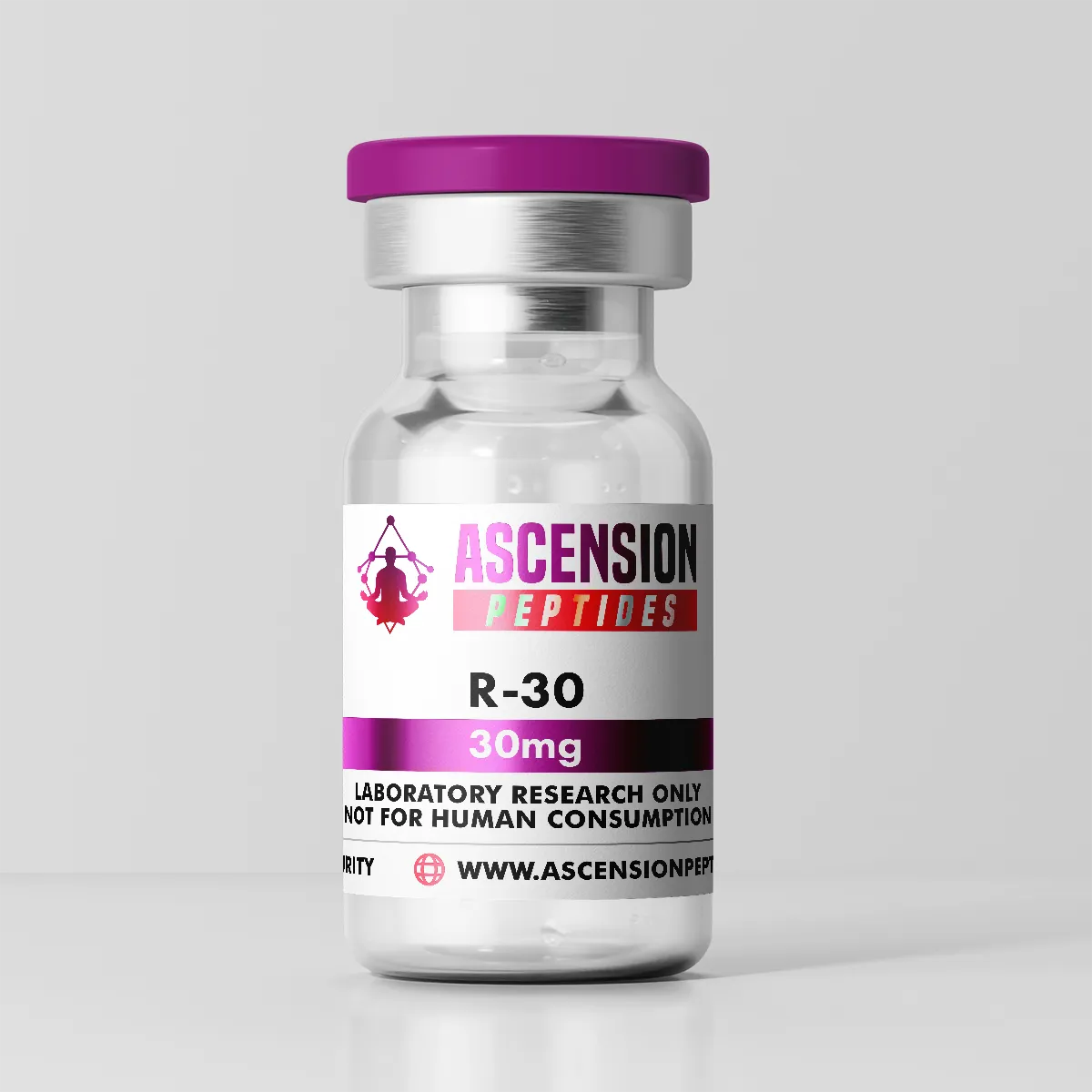
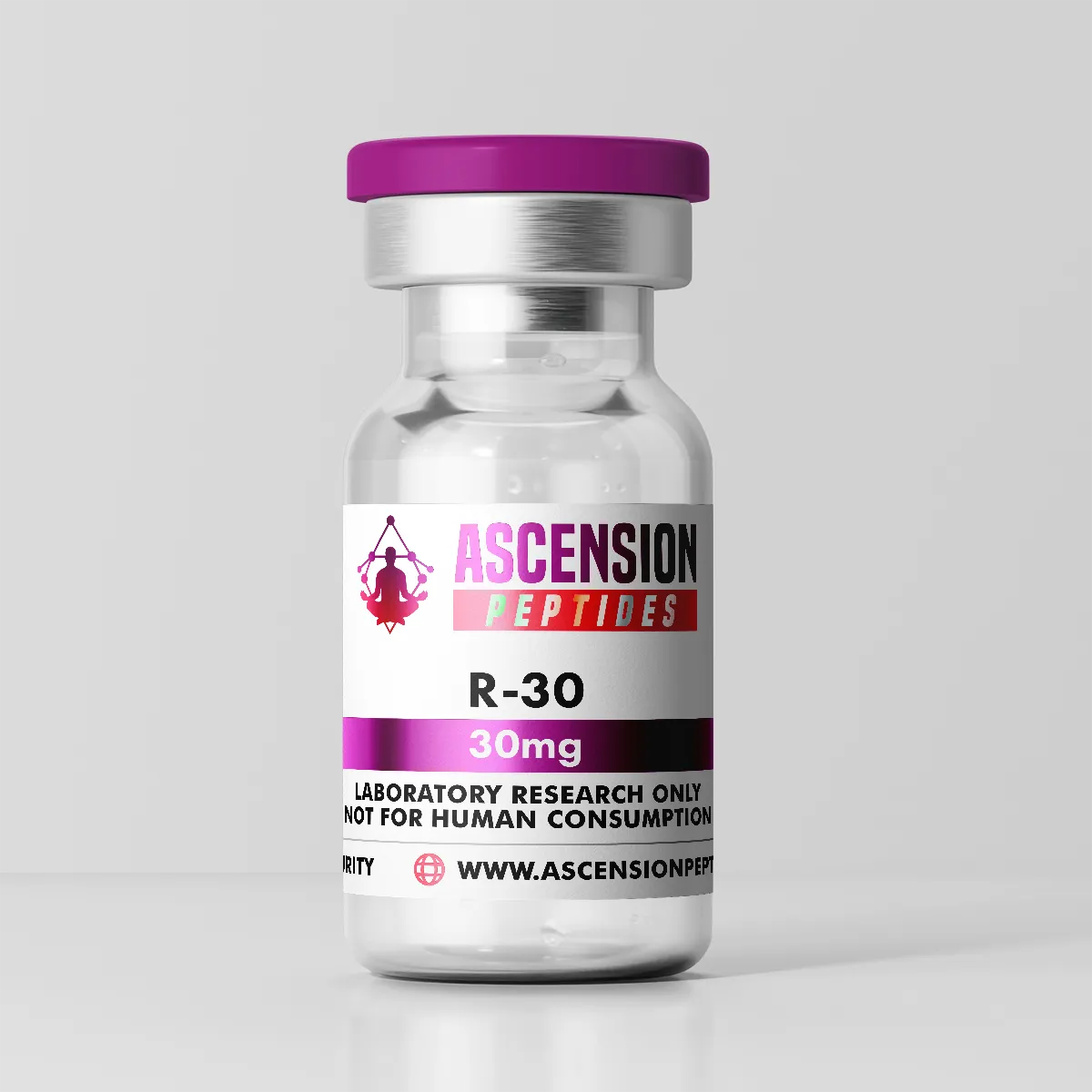
Ozempic targets a single receptor (GLP-1). It's effective — but it's also $900+/month, frequently backordered, and the nausea drives about 1 in 5 users to quit. Retatrutide (R-30) hits three receptors — GLP-1, GIP, and glucagon — producing 24.2% weight loss vs Ozempic's 15% in clinical trials. No prescription needed, $70–180/month. See R-30 at Ascension Peptides.
Not interested in GLP-1 side effects at all? MOTS-C improves metabolic health through mitochondrial pathways — zero nausea, zero appetite suppression. Different mechanism, complementary benefits.
What Is GLP-1 and Why Does Your Body Make It?
GLP-1 stands for glucagon-like peptide-1. Your intestinal L-cells secrete it after you eat — specifically in response to nutrients hitting the lower small intestine and colon. It's part of a family called incretins: hormones that amplify insulin release in response to food.
Here's the thing that makes GLP-1 special: it doesn't just talk to your pancreas. It has receptors in your brain, stomach, liver, and heart. It's a multi-system messenger. When you eat a meal, GLP-1 spikes briefly and coordinates a whole cascade of responses — insulin up, glucagon down, gastric emptying slowed, satiety signaled to the hypothalamus.
The 2-Minute Problem
Natural GLP-1 has a plasma half-life of about 90 seconds to 2 minutes. An enzyme called DPP-4 (dipeptidyl peptidase-4) chews it up almost immediately. So the signal is strong but fleeting — a brief burst after each meal.
This is exactly the problem semaglutide solves. Through structural modifications — specifically a fatty acid side chain that binds to albumin in the blood — semaglutide resists DPP-4 degradation and stays active for roughly 7 days. Same signal, amplified by orders of magnitude and sustained around the clock.
How Does Ozempic Work in the Brain?
This is where the weight loss primarily happens. Semaglutide crosses the blood-brain barrier and activates GLP-1 receptors in several key brain regions:
The Hypothalamus: Your Hunger Thermostat
The arcuate nucleus of the hypothalamus contains two competing neuron populations: NPY/AgRP neurons (which drive hunger) and POMC neurons (which signal fullness). GLP-1 receptor activation suppresses the hunger neurons and amplifies the satiety neurons. It's not subtle — fMRI studies show reduced activity in brain regions associated with food craving and reward (Friedrichsen et al., Diabetes, Obesity and Metabolism, 2021).
People describe this as "food noise" going quiet. That background hum of thinking about your next meal, craving specific foods, eating out of boredom — it fades. For some people, dramatically so.
The Reward System: Why Food Becomes Less Interesting
GLP-1 receptors also exist in the mesolimbic reward pathway — the same circuitry involved in addiction. Semaglutide appears to reduce the dopaminergic response to food, particularly calorie-dense, hyperpalatable foods. A brain imaging study by Blundell et al. showed decreased activation in the insular cortex and putamen — regions that process food reward — in patients on semaglutide versus placebo.
This is also why some Ozempic users report reduced interest in alcohol and even nicotine. The reward dampening isn't food-specific — it's a broader modulation of the reward circuitry. There are actually ongoing clinical trials investigating semaglutide for alcohol use disorder.
The Brainstem: Nausea Central
GLP-1 receptors in the area postrema and nucleus tractus solitarius — your brainstem's vomiting center, basically — explain why nausea is the most common side effect. These receptors are part of the normal gut-brain feedback loop, but continuous stimulation by semaglutide overwhelms them initially. Your brain interprets it as "something's wrong with what I ate."
Most people adapt over 4–8 weeks as these receptors downregulate. Some don't. That's biology, not willpower.
What Does Ozempic Do to Your Stomach?
Delayed gastric emptying — gastroparesis-lite, if you want to be dramatic about it. Semaglutide slows the rate at which food leaves your stomach and enters the small intestine. Studies using acetaminophen absorption tests (a standard proxy for gastric emptying rate) show a 15–25% reduction in emptying speed.
Why Slower Emptying Matters for Weight Loss
When food stays in your stomach longer, you feel full longer. Simple. But it also changes postprandial glucose curves — blunting the spike after meals, which reduces insulin demand and the subsequent energy crash that often triggers more eating. Ozempic mechanism of action on the stomach is genuinely elegant in this regard.
The Downside of Slow Emptying
Bloating. Acid reflux. Constipation. Nausea after meals that should've been fine. Food literally sits there longer, ferments slightly, and your GI tract protests. This is why small, frequent meals work better on semaglutide than three large ones — less volume sitting in a slow-draining stomach.
Ozempic's Effect on the Pancreas
This is Ozempic's original purpose — what it was designed to do before weight loss became the headline story.
Glucose-Dependent Insulin Secretion
Semaglutide doesn't just crank up insulin production indiscriminately. It enhances insulin secretion only when blood glucose is elevated — a critical safety feature. When glucose is normal or low, the stimulatory effect is minimal. This glucose-dependent mechanism dramatically reduces the risk of hypoglycemia compared to older diabetes drugs like sulfonylureas.
The molecular pathway: GLP-1 receptor activation on pancreatic beta cells increases intracellular cAMP, which enhances the exocytosis of insulin granules in response to glucose. More technical than you needed? Probably. But it explains why the drug is remarkably safe from a blood sugar perspective.
Glucagon Suppression
Semaglutide also acts on alpha cells to reduce glucagon secretion. Glucagon is insulin's opposite — it tells the liver to release stored glucose. By suppressing glucagon, semaglutide reduces hepatic glucose output. Less glucose floating around means less insulin needed, which means less fat storage signaling.
Beta Cell Preservation
Animal studies — and limited human data — suggest GLP-1 receptor agonists may actually protect beta cells from apoptosis and promote their proliferation. If confirmed in long-term human studies, this would be significant: it could mean semaglutide doesn't just manage diabetes but slows its progression (Drucker, Cell Metabolism, 2022).
What Does Ozempic Do to the Liver?
This gets less attention but matters. Semaglutide reduces hepatic glucose production, decreases liver fat content, and improves markers of non-alcoholic fatty liver disease (NAFLD). In a sub-study of STEP 1, liver fat decreased by approximately 50% in semaglutide-treated patients as measured by MRI (Newsome et al., Lancet Gastroenterology & Hepatology, 2021).
For people with metabolic syndrome — and that's a lot of people seeking GLP-1 therapy — the liver benefits may be independently important. NAFLD is the leading cause of liver transplants in the Western world, and effective pharmaceutical treatments are limited.
The Cardiovascular Connection
The SELECT trial (Semaglutide Effects on Cardiovascular Outcomes in People with Overweight or Obesity) was a genuine surprise. Semaglutide reduced major cardiovascular events — heart attack, stroke, cardiovascular death — by 20% compared to placebo. This was independent of weight loss magnitude.
How Semaglutide Helps the Heart
Several mechanisms are proposed: reduced systemic inflammation (CRP levels drop significantly), improved endothelial function, modest blood pressure reduction (4-5 mmHg systolic), and beneficial effects on lipid profiles. The anti-inflammatory effect appears to be direct — not just a consequence of weight loss. GLP-1 receptors on immune cells may play a role.
This makes semaglutide one of the few weight loss interventions with proven cardiovascular benefits — a distinction that has shifted how cardiologists think about the drug.
How Semaglutide Differs from Natural GLP-1
Beyond the obvious half-life difference, there are structural distinctions worth understanding:
The continuous vs pulsatile activation pattern is key. Your body evolved to experience brief GLP-1 spikes after meals. Semaglutide provides constant receptor stimulation. This is what drives the robust appetite suppression — your brain never gets the "all clear, time to be hungry again" signal.
Why It Takes Weeks to Work
New users often ask why how does ozempic work isn't an instant effect. Several factors:
Dose Escalation
You start at 0.25mg — which is sub-therapeutic for weight loss. It's there to let your GI system adjust. Even 0.5mg isn't the full therapeutic dose. Most people don't reach their effective dose until week 8–12. Expecting dramatic results at 0.25mg is like expecting a car to hit highway speed in first gear.
Steady-State Pharmacokinetics
Semaglutide takes approximately 4–5 weeks of consistent dosing to reach steady-state blood levels. Each weekly injection builds on the last (the half-life means there's still ~50% remaining when you take the next dose). The full pharmacological effect isn't present until blood levels stabilize.
Neuroadaptation
The brain needs time to adjust to continuous GLP-1 receptor stimulation. Appetite suppression often "clicks" suddenly — patients report a specific week where food cravings dramatically dropped. This likely corresponds to receptor adaptation and downstream signaling changes in the hypothalamus.
How Ozempic Compares to Multi-Receptor Agonists
Semaglutide is a single-receptor drug — it only hits GLP-1. The field has moved toward multi-receptor agonists. Understanding the mechanism of ozempic shows exactly why:
Tirzepatide (Mounjaro): Dual Agonist
Adds GIP receptor activation. GIP (glucose-dependent insulinotropic polypeptide) is another incretin hormone that enhances insulin secretion and appears to improve fat metabolism. The SURMOUNT trials showed ~20–22% weight loss — a meaningful improvement over semaglutide's 15%.
Retatrutide: Triple Agonist
Retatrutide adds glucagon receptor activation on top of GLP-1 and GIP. Glucagon increases energy expenditure — your body literally burns more calories at rest. It also promotes hepatic fatty acid oxidation and lipolysis. The Phase 2 trial (Jastreboff et al., NEJM, 2023) demonstrated 24.2% body weight loss — the highest of any obesity medication in clinical trials to date.
The trend is clear: more receptor targets = more weight loss. Each additional receptor adds a distinct mechanism. GLP-1 handles appetite. GIP handles insulin sensitivity and fat metabolism. Glucagon handles energy expenditure. Together, they attack obesity from every angle simultaneously.
For deeper context on the GLP-1 pathway specifically, see our full GLP-1 mechanism guide.
Why Some People Don't Respond
About 10–15% of people on semaglutide are classified as "non-responders" — less than 5% body weight loss. The science isn't fully understood, but likely factors include:
Genetic Variation in GLP-1 Receptors
Polymorphisms in the GLP1R gene affect receptor density and sensitivity. Some people simply have fewer or less responsive GLP-1 receptors in their hypothalamus. This is an active area of pharmacogenomic research — eventually, a genetic test might predict who'll respond before they start.
Gut Microbiome Composition
Emerging research links gut microbiome diversity to GLP-1 response. Certain bacterial populations may influence how semaglutide affects gut motility and hormone signaling. This is speculative but increasingly supported by observational data.
Behavioral Compensation
Some people unconsciously compensate for reduced meal sizes by increasing caloric density, snacking on liquid calories (which bypass some of the satiety mechanisms), or reducing activity. The drug reduces hunger — it doesn't eliminate agency.
The Half-Life Advantage (and Disadvantage)
The 7-day half-life is a double-edged sword. On one hand, weekly dosing is incredibly convenient and ensures consistent blood levels. On the other hand, if you experience a severe adverse reaction, you can't just "stop taking it" — the drug remains active for weeks after your last injection.
This is particularly relevant for surgical planning (most surgeons want semaglutide stopped 2–4 weeks before elective procedures due to gastric emptying effects and anesthesia risks) and pregnancy (the 2-month washout recommendation before conception accounts for the extended clearance time).
How Long Until Ozempic Fully Kicks In?
Based on pharmacokinetic data and clinical timelines:
- Week 1–4 (0.25mg): Sub-therapeutic. Mild appetite changes in some people. Mostly GI adaptation.
- Week 5–8 (0.5mg): Appetite suppression becomes noticeable. Steady-state approaching at this dose.
- Week 9–12 (1mg): Full therapeutic effect. This is where most people "feel it click." Cravings diminish significantly.
- Week 16+ (1–2mg maintenance): Peak effect. Brain adaptation complete. Weight loss rate is at its maximum.
Patience is genuinely required. The semaglutide dosing guide covers the escalation protocol in detail.
Beyond Weight Loss: Emerging Research
The GLP-1 receptor's presence throughout the body means semaglutide has effects researchers are only beginning to characterize:
Neuroprotection and Alzheimer's
GLP-1 agonists show neuroprotective effects in animal models of Alzheimer's disease. A Phase 3 trial (EVOKE) is currently testing semaglutide in early Alzheimer's patients. The mechanism involves reduced neuroinflammation and improved cerebral glucose metabolism.
Addiction and Reward Modulation
Early-stage trials are investigating semaglutide for alcohol use disorder. The reward dampening effect observed in food-related brain imaging extends to other reward pathways. Anecdotal reports from Ozempic users about reduced alcohol interest are consistent with this mechanism.
Kidney Protection
The FLOW trial demonstrated that semaglutide reduced the risk of kidney disease progression in people with type 2 diabetes by 24%. GLP-1 receptors in the kidney may directly mediate renal protection beyond what weight loss alone would explain (Perkovic et al., NEJM, 2024).
Sleep Apnea
Weight loss from semaglutide significantly improves obstructive sleep apnea — a condition affecting roughly 25% of obese adults. The STEP-OSA trial showed a 30–40% reduction in apnea-hypopnea index scores. Better sleep, in turn, improves metabolic health. Virtuous cycle.
The Role of Metabolic Peptides Beyond GLP-1
Not every metabolic intervention needs to involve appetite suppression. MOTS-C, a mitochondrial-derived peptide, improves metabolic function through AMPK activation and enhanced mitochondrial biogenesis. No nausea. No appetite suppression. No GI distress. It works by making your cells more efficient at burning fuel — a completely parallel pathway to GLP-1 agonism.
Some researchers are exploring MOTS-C as a complement to GLP-1 therapy or as a standalone option for people who can't tolerate semaglutide's side effect profile. The evidence is earlier-stage, but the mechanism is biologically distinct and increasingly well-characterized.
Understanding Ozempic's Side Effect Profile Through Its Mechanism
For the full breakdown of every Ozempic side effect by severity and timeline, see the dedicated page. Below is why each one happens.
Every major side effect maps directly to a specific receptor pathway. Once you understand how ozempic works, the side effects make perfect sense:
- Nausea → Brainstem GLP-1 receptors (area postrema stimulation)
- Delayed satiation → Gastric GLP-1 receptors (slowed emptying)
- Constipation → Enteric nervous system (reduced gut motility)
- Reduced alcohol tolerance → Reward pathway modulation (mesolimbic dampening)
- Injection site reactions → Albumin-bound fatty acid chain (local inflammation)
- Gallstones → Rapid weight loss + bile composition changes (indirect mechanism)
For the full side effect breakdown and management strategies, see our Ozempic side effects guide.
Frequently Asked Questions
References
- Friedrichsen M, Breitschaft A, Tadayon S, et al. The Effect of Semaglutide 2.4 mg Once Weekly on Energy Intake, Appetite, Control of Eating, and Gastric Emptying. Diabetes Obes Metab. 2021;23(3):754-762. doi:10.1111/dom.14280
- Drucker DJ. GLP-1 Receptor Agonists and the Protection of Pancreatic Beta Cells. Cell Metab. 2022;34(7):965-972. doi:10.1016/j.cmet.2022.06.002
- Jastreboff AM, Kaplan LM, Frías JP, et al. Triple-Hormone-Receptor Agonist Retatrutide for Obesity. N Engl J Med. 2023;389(6):514-526. doi:10.1056/NEJMoa2301972
- Newsome PN, Buchholtz K, Cusi K, et al. A Placebo-Controlled Trial of Subcutaneous Semaglutide in Nonalcoholic Steatohepatitis. N Engl J Med. 2021;384(12):1113-1124. doi:10.1056/NEJMoa2028395
- Lincoff AM, Brown-Frandsen K, Colhoun HM, et al. Semaglutide and Cardiovascular Outcomes in Obesity without Diabetes. N Engl J Med. 2023;389(24):2221-2232. doi:10.1056/NEJMoa2307563
- Perkovic V, Tuttle KR, Rossing P, et al. Effects of Semaglutide on Chronic Kidney Disease in Patients with Type 2 Diabetes. N Engl J Med. 2024;391(2):109-121. doi:10.1056/NEJMoa2403347