🔑 Key Takeaways
- The best peptide shop provides third-party COAs, ships from a US facility, and has transparent customer support
- Ascension Peptides checks every box — 99%+ purity, batch-specific COAs, US-based, and a product catalog that covers everything from BPC-157 to retatrutide
- The difference between the best peptide store and a sketchy one can mean the difference between real results and wasted money
- Always verify your peptide supplier before buying — we show you exactly how below
You already know what you want. Maybe it's BPC-157 for a nagging joint issue, or retatrutide because you've seen the body recomp results floating around online. The hard part isn't deciding what to buy. It's figuring out where to buy it without getting ripped off, and which option is genuinely the best peptide shop in 2026.
And honestly? The peptide market in 2026 is a minefield. For every legitimate peptide shop doing things right, only a handful actually qualify as the best peptide shop in the market, there are five fly-by-night operations selling underdosed vials with fabricated certificates of analysis. I've personally seen COAs that listed99% purity on peptides that turned out to be barely 60% when independently tested. That's not a rounding error — that's fraud.
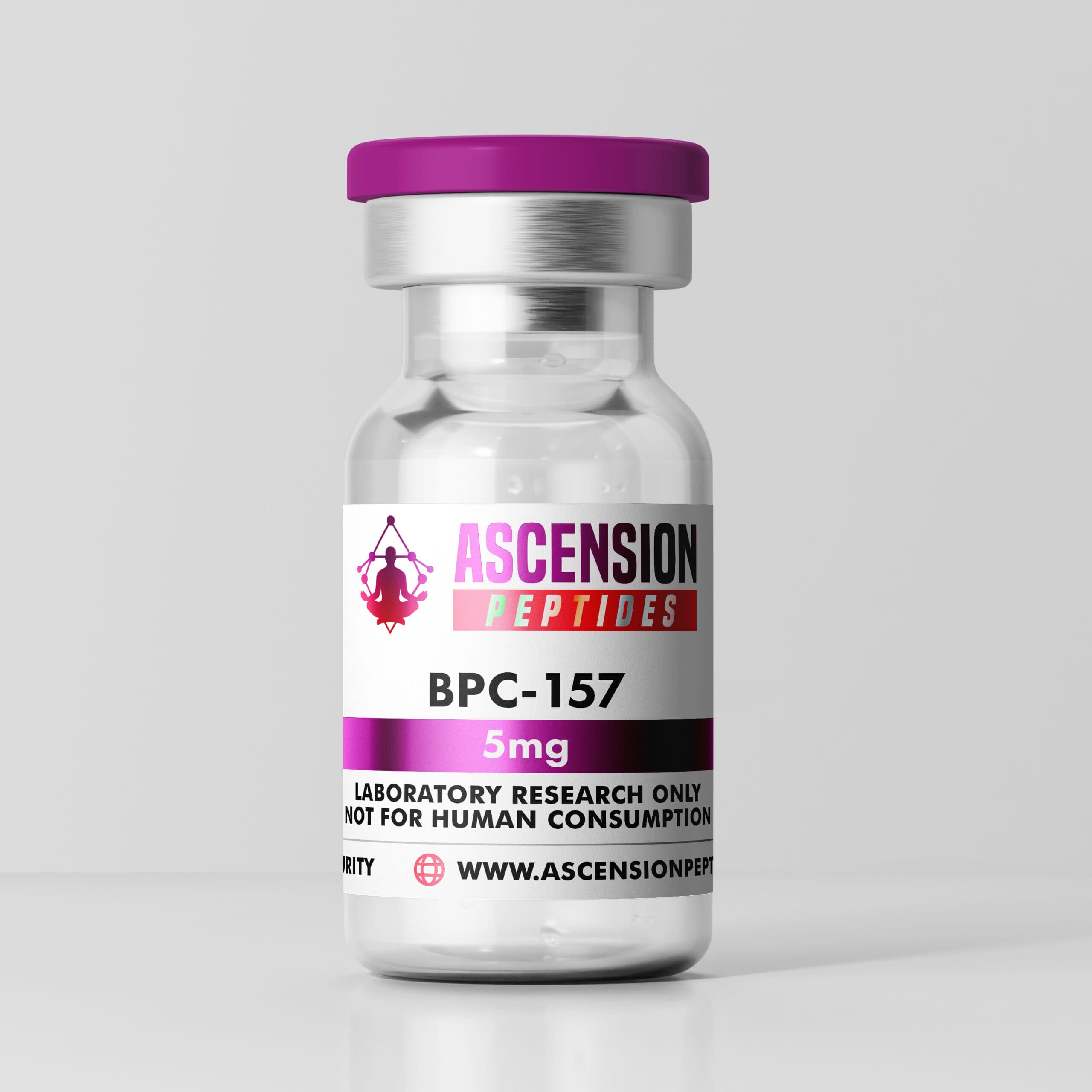
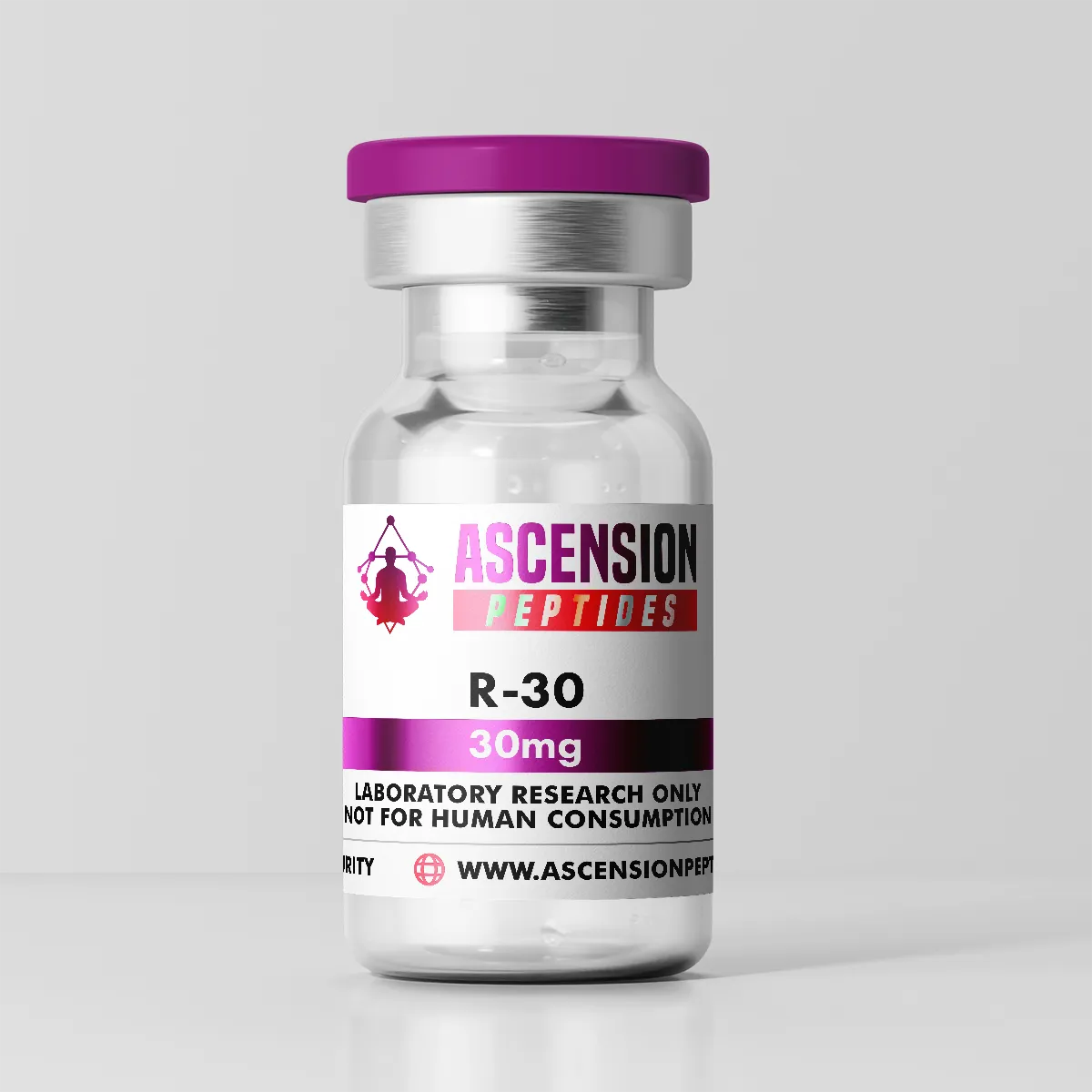
That's why Ascension Peptides keeps coming up in every serious peptide community. They're US-based, they publish batch-specific third-party COAs, and their catalog runs deep — from healing peptides like BPC-157 and TB-500 to GLP-1 agonists like their R-30 (retatrutide 30mg). They've built the kind of reputation that doesn't come from marketing; it comes from consistently shipping quality product.
But don't take my word for it blindly. Let me walk you through exactly what separates a legitimate peptide store from one that'll waste your money — and why the details matter more than you think.
What Makes a Peptide Shop Worth Your Money
Not all peptide suppliers are created equal. That sounds obvious, but you'd be surprised how many people just Google "buy peptides," click the first result, and hand over their credit card. Here's what actually matters when you're evaluating a peptide shop:
Third-Party Certificates of Analysis (COAs)
This is non-negotiable. A COA from an independent lab — not the supplier's own in-house testing — tells you exactly what's in the vial. You want to see HPLC purity results (should be 98%+ for any reputable product), mass spectrometry confirmation of the peptide identity, and ideally endotoxin testing.
The key word here is batch-specific. Some peptide stores post a single COA from 2023 and slap it on every product they sell in 2026. That's meaningless. Each production batch should have its own certificate. Ascension Peptides does this — you can pull the COA for the specific batch you received. That level of transparency isn't common, and it tells you a lot about how a supplier operates.
US-Based Operations
Peptides shipped from overseas (particularly from certain regions in Asia) sit in customs, sometimes for weeks. Temperature control goes out the window. And if something goes wrong with your order? Good luck getting customer support at 3 AM in a different timezone.
A US-based peptide supplier means faster shipping, better quality control during transit, and actual accountability. If the product arrives damaged or incorrect, you can resolve it. Try doing that with an anonymous supplier operating out of a P.O. box in Shenzhen.
Customer Service That Actually Responds
This one seems minor until you need it. Can you email them and get a response within 24 hours? Do they have a real phone number or just a contact form that disappears into the void? A legitimate peptide store treats customer relationships as an asset — because repeat business is how they survive.
Product Catalog Depth
The best peptide shop almost always carries a deep catalog. A supplier carrying three products is a red flag. Peptide synthesis requires infrastructure — equipment, quality control processes, relationships with raw material providers. A shop that carries a full catalog (healing peptides, growth hormone secretagogues, weight management compounds, cognitive peptides) has made the investment in real infrastructure.
Red Flags That Should Make You Close the Tab
Let me save you some pain. If you see any of these, walk away:
- No COAs available — or COAs that are clearly generic templates without batch numbers
- Prices that seem impossibly low — if BPC-157 10mg is listed at $15 when everyone else charges $40-60, something is wrong. You're either getting a 5mg vial labeled as 10mg, or the purity is garbage
- No physical address or company info — anonymous sellers have zero accountability
- Only accepting crypto payments — legitimate businesses accept credit cards. Crypto-only usually means they've been banned by payment processors (and there's a reason for that)
- Stock photos everywhere — real peptide shops show their actual products, with real labels and real packaging
- No return or refund policy — or one buried in legalese designed to deny every claim
- Telegram-only customer support — this isn't 2021 crypto. Legitimate businesses have email, phone, or at minimum a ticketing system
Why Ascension Peptides Stands Out as the Best Peptide Shop
I've been tracking the best peptide shop options for a while now, and Ascension keeps earning its reputation through consistency rather than hype. Here's specifically what they get right:
Batch-Specific COAs
Every product comes with a third-party COA tied to the specific batch you receive. HPLC purity consistently hits 99%+.
US-Based Shipping
Orders ship from within the United States with proper cold-chain packaging when needed.
Deep Catalog
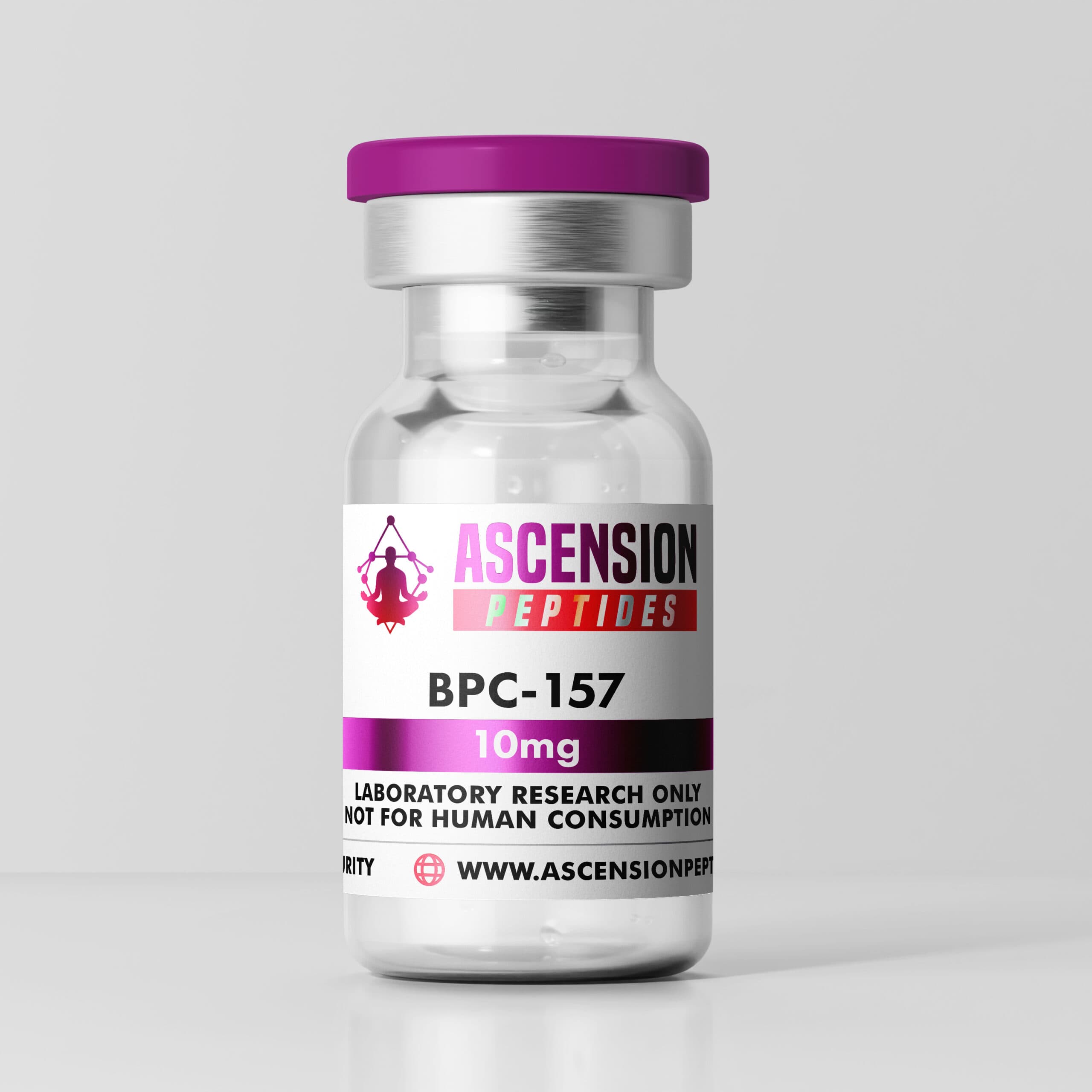
From BPC-157 and TB-500 to retatrutide (R-10, R-30), semaglutide, PT-141, GHK-Cu, and more. Over 25 products.
Responsive Support
Real customer service that responds within hours, not days. Email and website contact options available.
What I particularly appreciate is their pricing transparency. There are no hidden fees, no "premium shipping" upsells that double your total at checkout. The price on the product page is what you pay. For a market full of bait-and-switch tactics, that's refreshing.
Full Ascension Peptides Product Catalog Overview
One way to judge a peptide store is by the breadth and quality of what they carry. Here's what Ascension currently stocks — and honestly, it's one of the most complete catalogs I've seen from a single US-based supplier:
That's not a dropshipper with five products and a dream. That's a supplier with real manufacturing relationships and quality control infrastructure. The blends (KLOW, Wolverine Stack, FIT Stack, GLOW) are particularly interesting — they combine complementary peptides at optimized ratios, which saves you the hassle and cost of sourcing each component separately.
How to Choose Between a Peptide Shop, Compounding Pharmacy, and Clinic
This is a question that comes up constantly, and the answer depends on your situation. Let me break it down honestly:
Peptide Store (Online)
This is where most people end up, and for good reason. Online peptide shops like Ascension Peptides offer the widest selection, the most competitive pricing, and the convenience of home delivery. You don't need a prescription, and you get access to compounds that clinics may not carry (like FOXO4-DRI or specialized blends). The trade-off is that you're managing your own protocol — no doctor is overseeing your dosing.
Compounding Pharmacy
Compounding pharmacies can prepare custom peptide formulations, often with a prescription. They're regulated by state pharmacy boards, which adds a layer of oversight. The downsides? They're significantly more expensive (often 3-5x the cost of an online peptide supplier), selection is limited to what your prescriber orders, and wait times can stretch to weeks. After the FDA's crackdown on certain compounded GLP-1 agonists in late 2024, many compounding pharmacies also pulled back on peptide offerings entirely.
Peptide Clinic
Clinics offer the full-service experience — consultation, bloodwork, prescribed protocols, follow-up appointments. For someone who wants medical supervision, this is the gold standard. But it comes at a premium. Expect to pay $200-500+ for the initial consultation alone, plus ongoing costs for the peptides themselves (marked up significantly from wholesale). A 12-week BPC-157 protocol that costs you $80-120 from a peptide shop might run $500-800 through a clinic.
For most people reading this — people who've done their homework and know what they want — a quality online peptide shop is the practical choice. The key is picking the right one.
The Comparison Table: What to Look for vs. What to Avoid
I want to make this dead simple. Print this out if you need to. Bookmark it. Whatever. These are the criteria that separate a legitimate peptide supplier from one that's going to waste your money:
Ascension Peptides checks every single green flag on that list, which is why they keep showing up as the recommended peptide store in communities that actually care about quality. It's not marketing — it's track record.
How to Verify a Peptide Supplier Before You Buy
Don't trust. Verify. Here's a step-by-step process that takes maybe 15 minutes and could save you hundreds of dollars:
Check the COA
Request or download the COA for the specific product you want to buy. Look for the testing lab's name, the batch number, HPLC purity results (should be 98%+), and the date. If the COA is older than 6 months, ask for a newer one. Read our guide on how to read a peptide COA if you're not sure what you're looking at.
Search Community Forums
Reddit communities like r/peptides, various Discord groups, and specialized forums have real user experiences. Search for the supplier's name. Look for patterns — consistent praise or consistent complaints tell you more than any single review.
Contact Customer Support
Send them a question before you buy. How fast do they respond? Is the answer helpful and knowledgeable, or is it a canned response? This tells you a lot about how they'll handle issues after you've already paid.
Check Business Registration
Look up the company name in state business registries. A real business has real registration. No registration? That's a red flag the size of a billboard.
Start with a Small Order
Your first order from any new peptide supplier should be small — one or two products. Test the shipping speed, packaging quality, and product effectiveness before committing to a larger order.
Understanding Peptide Purity and Why It Matters More Than Price
Here's something most people don't think about until it's too late: a "cheap" peptide that's only 85% pure is actually more expensive than a properly priced one at 99% purity. Why? Because you need more of the impure product to get the same effective dose, and those impurities could include degradation products, synthesis byproducts, or worse.
Let's do the math. Say you buy BPC-157 10mg for $30 from a sketchy supplier. Sounds great — until independent testing reveals it's actually 7mg of actual BPC-157 plus 3mg of impurities. You paid $4.28 per milligram of actual peptide. Meanwhile, a quality source like Ascension charges $45 for a genuine 10mg vial at 99%+ purity — that's $4.55 per milligram, but you're actually getting what you paid for. And you're not injecting mystery impurities.
The difference becomes even more dramatic with expensive compounds. Underdosed retatrutide at a "bargain" price means you're not hitting the therapeutic threshold, so you get zero results and waste the entire purchase. That $50 you "saved" turns into $200 thrown away.
What to Expect When Ordering from a Quality Peptide Store
If you've never ordered from an online peptide shop before, here's what the process typically looks like with a reputable supplier:
Ordering: Browse the catalog, add products to your cart, check out with a credit card or other accepted payment method. Nothing sketchy, no hoops to jump through. Ascension's website works like any normal e-commerce store.
Shipping: Most orders ship within 24-48 hours. Domestic US shipping takes 2-5 business days depending on your location. Products arrive in discreet packaging with proper labeling. Temperature-sensitive peptides should include cold packs or insulated packaging — quality suppliers don't cut corners here.
What arrives: Sealed vials with clear labels showing the product name, quantity, lot number, and storage instructions. A QR code or link to the batch-specific COA is increasingly common among top-tier suppliers.
Storage: Most lyophilized (freeze-dried) peptides should be stored in the refrigerator before reconstitution. Once reconstituted with bacteriostatic water, they typically need to be refrigerated and used within 4-6 weeks. This applies regardless of where you buy them — it's the nature of the product.
How the Peptide Market Has Changed in 2026
The landscape has shifted significantly over the past two years. The FDA's increased scrutiny on compounding pharmacies — particularly around semaglutide and tirzepatide — pushed a lot of buyers toward online peptide shops. That created a gold rush, and suddenly every dropshipper with a Shopify template wanted to be a "peptide supplier."
The result? More options, but more noise. The suppliers who were already doing things right — maintaining quality, investing in testing, building real businesses — are the ones still standing. The fly-by-night operations that popped up to capitalize on GLP-1 demand are already disappearing, leaving behind a trail of unfulfilled orders and useless customer support emails.
This is exactly why brand reputation matters more in 2026 than it did even two years ago. A peptide store that's been around, that has a track record you can actually verify, is worth its weight in gold. Or more precisely, worth the premium over some anonymous seller who might not exist next month.
Regulation is also evolving. Some states are considering frameworks that would bring more oversight to the peptide supply chain, which long-term is probably a good thing for consumers. Check our peptide legality and regulatory guide for the latest on what's happening in your state.
Common Mistakes People Make When Choosing a Peptide Supplier
I see these over and over again, and each one is completely avoidable:
Chasing the lowest price. Quality peptide synthesis is expensive. If someone is dramatically undercutting the market, they're cutting corners somewhere — purity, dosing, storage conditions, or all three. Check our breakdown of the cheapest places to buy peptides that don't sacrifice quality.
Ignoring the COA. "It has a COA" isn't enough. Did you actually read it? Does the batch number match your product? Is the testing lab legitimate? Is the purity above 98%? A COA you don't verify is as useful as no COA at all.
Buying based on one Reddit post. A single glowing review could be astroturfing. Look for patterns across multiple sources over time. Consistency matters more than enthusiasm.
Not considering the full cost. The vial price is just one part. Factor in shipping, the quality of bacteriostatic water (yes, this matters), potential waste from degraded products, and the cost of re-ordering if the product doesn't work. A $10 savings on a vial that turns out to be underdosed costs you far more in the long run.
Ordering everything at once. Even from a trusted peptide shop, start small. Buy one or two products, evaluate the quality and your response, then scale up. This is especially true for newer or more expensive compounds.
Building Your First Peptide Order: A Practical Guide
If you're new to peptides and you've decided to order from a quality peptide shop, here's how I'd approach it:
Start with well-established compounds. BPC-157, TB-500, and CJC-1295 have the largest body of community experience. You'll find the most guidance on dosing, administration, and what to expect. These aren't the sexiest picks, but they're the most predictable — and predictable is what you want for your first order.
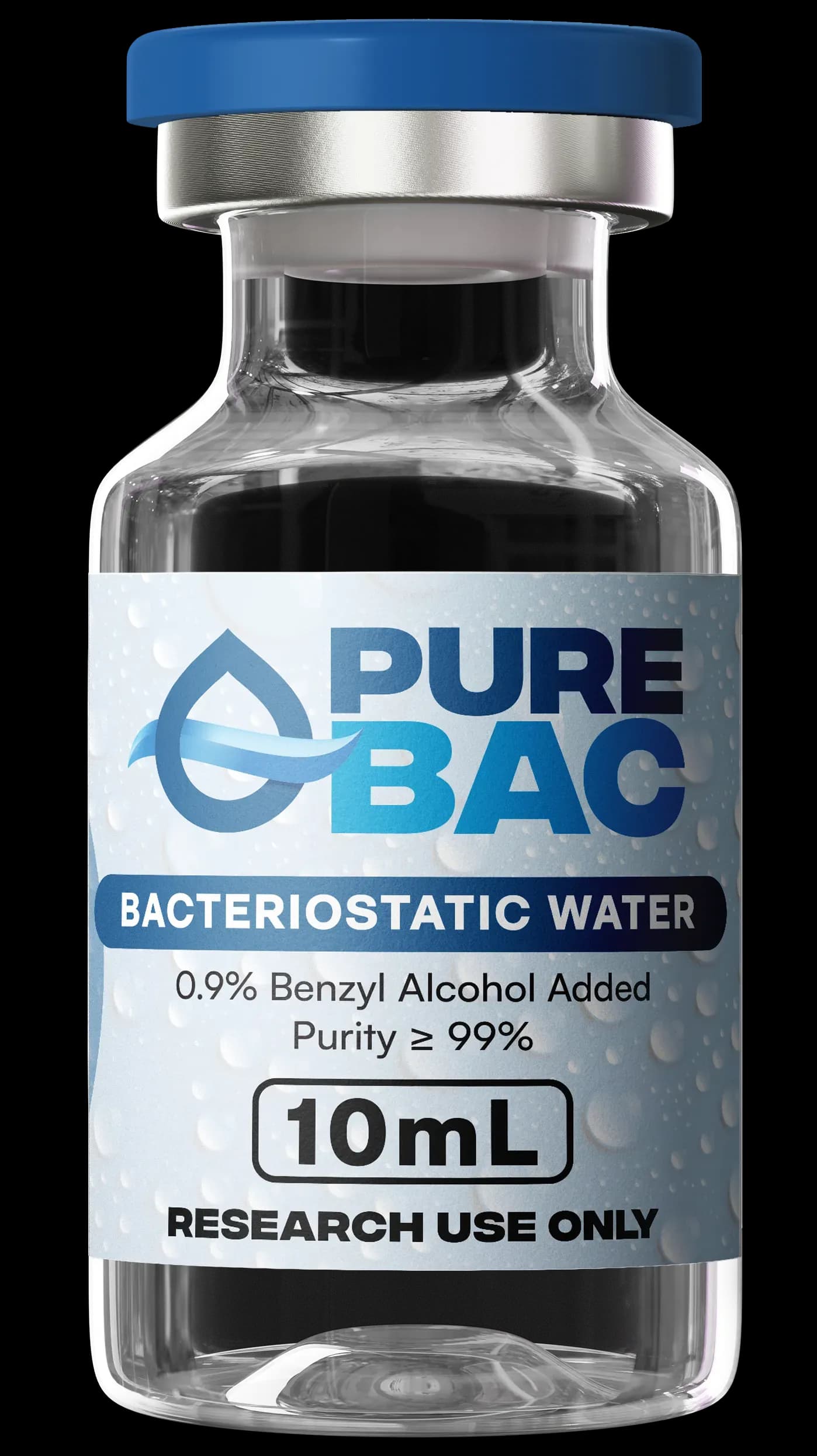
Don't forget bacteriostatic water. You need it to reconstitute lyophilized peptides, and using regular sterile water instead means your reconstituted peptide has a much shorter shelf life. Most peptide stores carry it — Ascension has 10ml vials of bacteriostatic water in their catalog. Grab one (or two) with your first order.
Consider a blend if it matches your goals. Ascension's pre-made blends (like the Wolverine Stack for healing or KLOW for recovery) save you the hassle of buying individual components and calculating ratios. They're pre-optimized and often cheaper than sourcing each peptide separately.
Budget for a full cycle. Most peptide protocols run 4-8 weeks minimum. Don't buy a single vial expecting miracles in three days. Calculate how many vials you'll need for a complete cycle based on your dosing protocol, and order accordingly.
Where the Best Peptide Vendors Stand in 2026
The peptide supplier landscape has consolidated. Many of the vendors that were popular in 2023-2024 have either raised prices significantly, reduced their catalogs, or gone quiet entirely. A few observations:
US-based suppliers with their own quality control have pulled ahead. The days of ordering from overseas and hoping for the best are fading — shipping times are longer, customs scrutiny is higher, and the quality gamble just isn't worth it anymore when domestic options exist.
Community trust has become the primary currency. Legit peptide vendors are the ones with verifiable track records spanning years, not months. Ascension Peptides has built exactly this kind of sustained reputation, which is why so many readers end up calling it the best peptide shop of 2026.
Product innovation matters. Suppliers who are adding new compounds, creating thoughtful blends, and expanding their catalogs are the ones investing in the business. A supplier whose product page hasn't changed in two years is probably coasting — or fading.
Frequently Asked Questions
References
- Hutchinson, J.A., et al. (2023). "Quality assessment of commercially available peptide products: Implications for clinical use." Journal of Pharmaceutical Sciences, 112(4), 1089-1098. PubMed
- Fosgerau, K., & Hoffmann, T. (2015). "Peptide therapeutics: current status and future directions." Drug Discovery Today, 20(1), 122-128. PubMed
- Lau, J.L., & Dunn, M.K. (2018). "Therapeutic peptides: Historical perspectives, current development trends, and future directions." Bioorganic & Medicinal Chemistry, 26(10), 2700-2707. PubMed
- Vlieghe, P., et al. (2010). "Synthetic therapeutic peptides: science and market." Drug Discovery Today, 15(1-2), 40-56. PubMed
- Craik, D.J., et al. (2013). "The future of peptide-based drugs." Chemical Biology & Drug Design, 81(1), 136-147. PubMed
- FDA. (2024). "Compounding and the FDA: Questions and Answers." U.S. Food and Drug Administration. FDA.gov