Ozempic vs Zepbound is a tale of two drugs.
It is really the diabetes blockbuster versus the weight-loss blockbuster. Ozempic is semaglutide, FDA-approved for type 2 diabetes and prescribed off-label for weight loss. Zepbound is tirzepatide, FDA-approved for chronic weight management and obstructive sleep apnea. They are different molecules, with different mechanisms, different price tags, and a head-to-head trial that finally settled which one strips off more weight. Here is the full Zepbound vs Ozempic breakdown: weight loss data, side effects, dosing, cost, who each fits, and how to switch.
The short answer:
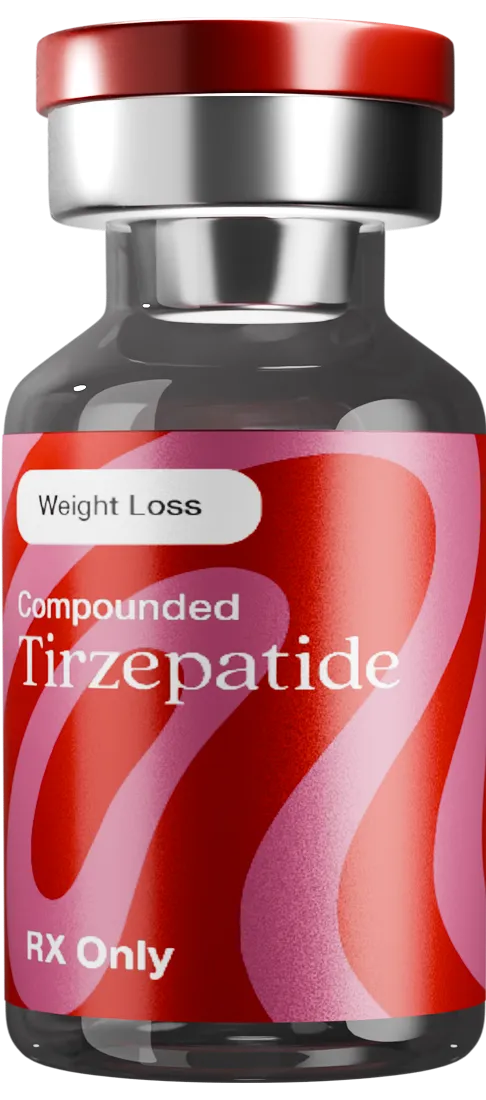
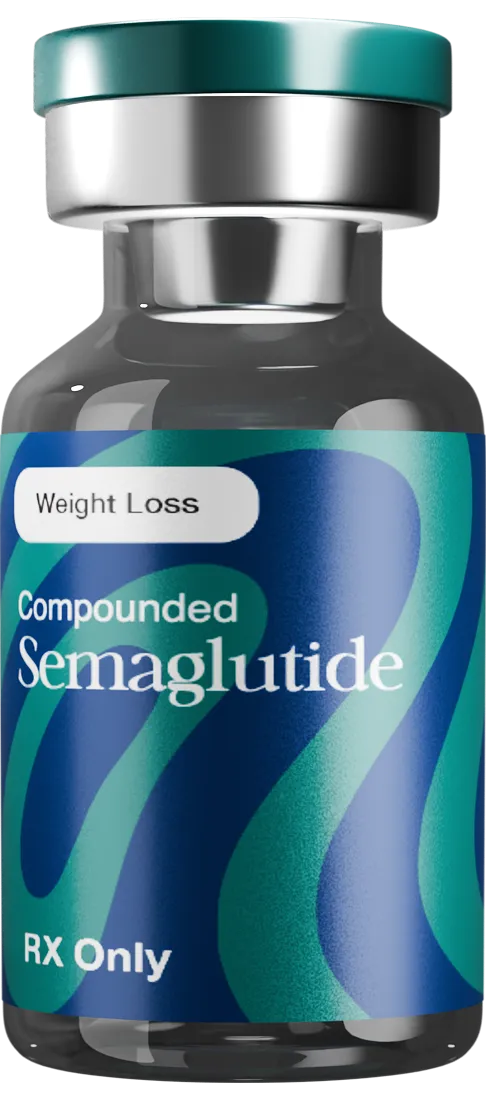
If your goal is the most weight loss, Zepbound (tirzepatide) is the stronger drug. In the SURMOUNT-5 head-to-head trial it produced 20.2% body weight loss versus 13.7% for semaglutide over 72 weeks, and it is the one FDA-approved for weight management. Ozempic (semaglutide) is built for type 2 diabetes, has the deeper cardiovascular track record, and is what most diabetics get covered. The catch for both: insurance rarely pays for weight loss, and cash prices sit near $1,000 a month, which is why many readers route to compounded semaglutide or tirzepatide through telehealth instead.
Telehealth Comparison Table
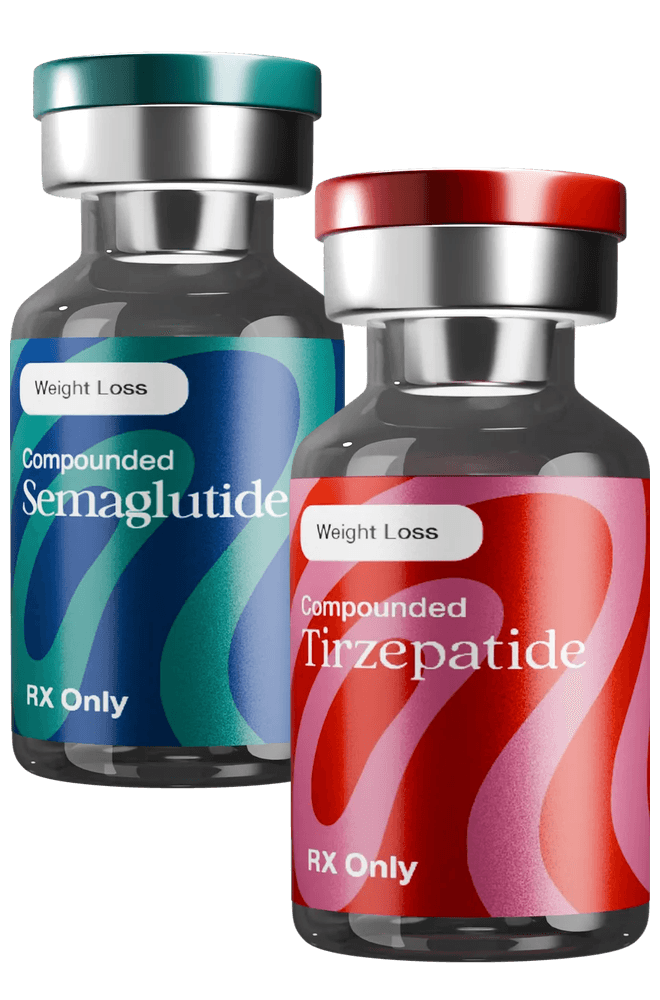
If insurance will not cover Ozempic or Zepbound for weight loss, here are the two telehealth providers our readers use most for compounded semaglutide and tirzepatide, the same molecules at a fraction of the brand cash price.


Ozempic vs Zepbound: Quick Comparison Table
🔑 Key Takeaways
- Zepbound wins on weight loss. SURMOUNT-5 put them in the same room: 20.2% on tirzepatide vs 13.7% on semaglutide at 72 weeks, a 47% larger reduction.
- They are not the same molecule. Ozempic is semaglutide (GLP-1 only). Zepbound is tirzepatide, which adds a second receptor, GIP, on top of GLP-1.
- Different FDA jobs. Ozempic is a diabetes drug used off-label for weight loss. Zepbound is a weight-loss drug also cleared for obstructive sleep apnea.
- Ozempic owns the heart data. The SELECT trial showed semaglutide cut major cardiovascular events by 20%. Tirzepatide's outcomes trial has not read out yet.
- Both are expensive without coverage. Brand cash sits near $1,000 a month. Compounded semaglutide and tirzepatide via telehealth run $146 to $258 a month, which is how most cash-pay readers actually start.
What Is Ozempic (Semaglutide)?
Ozempic is the diabetes original. It is the brand name for semaglutide, a once-weekly injection from Novo Nordisk that the FDA cleared in 2017 to lower blood sugar in adults with type 2 diabetes. It later earned a second indication to reduce the risk of heart attack and stroke in diabetics with known heart disease.
Weight loss is the part people actually want, and that is where the nuance lives. Ozempic is not the weight-loss brand of semaglutide, Wegovy is. When a doctor writes Ozempic for someone without diabetes, that is off-label prescribing. It works because the molecule is the same, but Ozempic tops out at 2.0 mg per week, while Wegovy titrates to 2.4 mg, so real-world Ozempic weight loss usually lands a notch below the headline trial numbers, often in the 10 to 13 percent range over a year. If you are weighing the two semaglutide brands specifically, our Wegovy vs Ozempic guide breaks that down.
What it feels like: appetite quiets within the first few days, the constant background chatter about food fades, and portions shrink without much willpower. That is the semaglutide experience most people describe.
What Is Zepbound (Tirzepatide)?
Zepbound was built for this exact problem. It is the brand name for tirzepatide from Eli Lilly, FDA-approved in November 2023 specifically for chronic weight management in adults with obesity or excess weight plus a related condition. In December 2024 it added a second approval for moderate-to-severe obstructive sleep apnea in adults with obesity, the first drug in the class to earn that.
The molecule is the headline. Tirzepatide hits two gut hormone receptors instead of one. It activates GLP-1 like semaglutide does, then adds GIP (glucose-dependent insulinotropic polypeptide). That second lever appears to deepen appetite suppression and improve how the body handles sugar and fat, which is the leading theory for why it consistently outperforms semaglutide on the scale. Tirzepatide is also sold as Mounjaro for type 2 diabetes, the same way semaglutide wears two brand names. For the diabetes angle, see our Mounjaro vs Ozempic comparison.
Zepbound vs Ozempic: Weight Loss Data Head-to-Head
This is the question everyone arrives with. For years the comparison was indirect, you lined up each drug's own trial against the other. Tirzepatide's SURMOUNT-1 trial (Jastreboff et al., NEJM 2022) showed 20.9% mean weight loss on the 15 mg dose over 72 weeks. Semaglutide's STEP 1 trial (Wilding et al., NEJM 2021) showed 14.9% on the 2.4 mg dose over 68 weeks. Same ballpark designs, different molecules, tirzepatide clearly ahead.
Then SURMOUNT-5 put them in the same trial. Published in the New England Journal of Medicine in 2025 (Aronne et al.), it randomized adults with obesity and no diabetes to either tirzepatide or semaglutide for 72 weeks. The result:
- Tirzepatide (Zepbound): 20.2% mean body weight reduction
- Semaglutide (the Ozempic and Wegovy molecule): 13.7% mean body weight reduction
- Gap: 6.5 percentage points, a 47% larger reduction for tirzepatide
One honest caveat: SURMOUNT-5 was open-label and funded by Eli Lilly, the maker of tirzepatide. The direction matches every prior comparison, so the finding is credible, but an independent head-to-head would make it airtight. The molecule-level version of this same fight, including the dose-conversion math, lives in our tirzepatide vs semaglutide deep dive. And if you are choosing strictly between the two weight-loss brands, the Zepbound vs Wegovy comparison is the closer matchup.
How They Work: GLP-1 vs GIP/GLP-1 Dual Agonist
The mechanism is the whole story. Both drugs copy gut hormones your body releases after a meal, the incretins, but they copy a different number of them.
GLP-1 activation slows stomach emptying, blunts appetite, and improves insulin release. That alone is powerful, and it is the entire engine behind Ozempic. Tirzepatide keeps that and adds GIP, a second incretin that boosts nutrient-driven insulin and seems to amplify the weight and metabolic effects. In plain terms, Ozempic pulls one lever and Zepbound pulls two, which is the cleanest explanation for the weight-loss gap.
Side Effects: Ozempic vs Zepbound
The side effect stories rhyme. Both are dominated by gastrointestinal events that cluster in the first few weeks after each dose increase and ease as your body adjusts.
Most people tolerate both if they titrate slowly and do not rush dose increases. Neither should be used by anyone with a personal or family history of medullary thyroid carcinoma or MEN 2. The practical difference is small: semaglutide tends to bring slightly more nausea early, while tirzepatide can add more GI events at the top 15 mg dose. If yours is wrecking you, slowing the titration usually beats switching drugs.
Dosing Schedules Compared
Both are once-weekly shots you can do at home, and both start low to spare your stomach. The mg numbers look wildly different because the molecules are different, do not compare them straight across.
You stay on the lowest dose that keeps the weight moving. Plenty of people never need the top dose of either drug.
Cost and Insurance Reality in 2026
Here is where most decisions actually get made. Both drugs carry list prices near $1,000 a month, and coverage is the real fork in the road, not the chemistry.
The coverage trap is the thing to understand. Ozempic gets covered when you have type 2 diabetes, because that is its FDA job, but plans deny it for plain weight loss. Zepbound is approved for weight loss, yet many employer plans and nearly all of Medicare still exclude obesity drugs, so people get denied anyway. The result is the same dead end from both directions: a roughly $1,000 monthly bill. That is why so many readers end up on compounded semaglutide or compounded tirzepatide through a telehealth clinic, the same active molecules with a doctor's prescription at a fraction of the price. Dig into the numbers in our Ozempic cost guide, Zepbound cost guide, the breakdown of GLP-1 prices without insurance, and the ranked cheapest GLP-1 options.
Which Should You Choose?
Match the drug to your actual goal, not to whichever name you heard first.
Choose Zepbound (tirzepatide) if you:
- Want the most weight loss, full stop, the head-to-head data favors it
- Are treating obesity and want a drug FDA-approved for exactly that
- Have obesity plus moderate-to-severe obstructive sleep apnea, where Zepbound is the only approved option in the class
- Tried semaglutide and stalled before hitting your goal
Choose Ozempic (semaglutide) if you:
- Have type 2 diabetes, where Ozempic is on-label and usually covered
- Have established heart disease and want the SELECT trial's proven 20% cut in cardiovascular events
- Have insurance that covers Ozempic but not Zepbound
- Prefer the molecule with the longer real-world track record (approved 2017 vs 2023)
For most people whose only goal is weight loss, Zepbound is the stronger pick on the evidence. For diabetes or heart protection, Ozempic still earns its place.
Can You Switch From Ozempic to Zepbound?
Yes, and it is one of the most common moves in 2026. The usual reason is plateauing on semaglutide and wanting tirzepatide's extra punch. There is no official one-to-one conversion because the mg scales are unrelated, so most clinicians restart the titration rather than guess at an equivalent dose.
- Ozempic to Zepbound: stop Ozempic, wait about a week, then start Zepbound at 2.5 mg and titrate up every 4 weeks. Some prescribers start at 5 mg if you tolerated semaglutide well, but the conservative restart limits the nausea rebound.
- Zepbound to Ozempic: less common, usually driven by cost or coverage. Stop, wait a week, then start at a semaglutide dose your prescriber maps to your prior response.
- Either direction: never run both at once. They share the GLP-1 receptor, so stacking only piles on side effects without adding benefit.
Always switch under a prescriber's supervision. A clinician can also tell you whether a brand or a compounded version makes more sense for your budget, our telehealth GLP-1 guide walks through how to get a prescription online.
Frequently Asked Questions
References
- Jastreboff AM, Aronne LJ, Ahmad NN, et al. Tirzepatide Once Weekly for the Treatment of Obesity (SURMOUNT-1). N Engl J Med. 2022;387(3):205-216. PMID: 35658024
- Wilding JPH, Batterham RL, Calanna S, et al. Once-Weekly Semaglutide in Adults with Overweight or Obesity (STEP 1). N Engl J Med. 2021;384(11):989-1002. PMID: 33567185
- Aronne LJ, Horn DB, le Roux CW, et al. Tirzepatide as Compared with Semaglutide for the Treatment of Obesity (SURMOUNT-5). N Engl J Med. 2025;393(1):26-36. PMID: 40353578
- Lincoff AM, Brown-Frandsen K, Colhoun HM, et al. Semaglutide and Cardiovascular Outcomes in Obesity without Diabetes (SELECT). N Engl J Med. 2023;389(24):2221-2232. PMID: 37952131
- U.S. Food and Drug Administration. FDA Approves New Medication for Chronic Weight Management (Zepbound), November 2023. fda.gov
- U.S. Food and Drug Administration. FDA Approves First Medication for Obstructive Sleep Apnea (Zepbound), December 2024. fda.gov
- Ozempic (semaglutide) official site and prescribing information, Novo Nordisk. ozempic.com
- Zepbound (tirzepatide) official site and prescribing information, Eli Lilly. zepbound.lilly.com
Medical disclaimer: This article is for educational and informational purposes only and is not medical advice. Ozempic, Zepbound, Wegovy, and Mounjaro are prescription medications. The comparisons here are based on published clinical trial data and US regulatory status as of June 2026. Talk to a qualified prescriber about which option fits your medical history, diagnosis, and goals before starting, switching, or stopping any of these medications.