
The best NAD+ peptide is not in a pill.
That's a mistake. You can take NMN, do IV infusions at $500 a session, or try something different: NAD+ peptides derived from your own mitochondria that boost NAD+ through the same pathways your body already uses. MOTS-C, Humanin, and SS-31 aren't oral NAD+ supplements. They are signaling molecules that tell your cells to produce and use NAD+ more efficiently.
🔑 Key Takeaways
- NAD+ peptides work differently from oral NMN or IV NAD+. They enhance mitochondrial efficiency and NAD+ utilization at the cellular level.
- MOTS-C, Humanin, and SS-31 are the three primary mitochondria-derived NAD+ peptides with meaningful pathway effects. Cerebrolysin offers indirect support.
- NAD+ peptide cost advantage: $80 to $200 per month compared to $1,200 to $3,200 per month for IV NAD+ therapy at clinics.
- Injectable delivery gives high bioavailability without the clinic visit or IV line.
- MOTS-C is best for metabolic optimization, fat burning, and energy. SS-31 is the most direct mitochondrial support. Humanin targets cognitive and neuroprotective benefits.
- Stacking NAD+ peptides with NMN creates a supply-and-utilization combination that may outperform either approach alone.
Best NAD+ peptide in 2026: ranked comparison
Four NAD+ peptides have enough mechanistic and clinical evidence to be worth using. Here is how they stack up if you want the short answer first.
The short read: if you have to pick one NAD+ peptide, start with MOTS-C. If you are dealing with measurable mitochondrial dysfunction or cardiovascular concern, SS-31 carries the strongest human trial data. Humanin is the cognitive-aging pick. Cerebrolysin is the brain-recovery add-on, not a daily protocol.
Quick reference protocol
The standard NAD+ conversation focuses on two options: oral precursors (NMN or NR) for convenience, or IV therapy for speed. NAD+ peptides are the third category, and they don't get nearly enough attention, particularly for people who have already been on NMN for a while and want to go further.
Why NAD+ peptides matter as you age
NAD+ powers 500+ enzyme reactions in your body. That's not an exaggeration. It is the electron carrier that makes your mitochondria work. Without it, the electron transport chain stalls and ATP production drops.
It is also the fuel that PARP enzymes use to repair broken DNA, and the substrate that sirtuin proteins consume to regulate gene expression, inflammation, and cellular stress responses.
The decline is consistent and substantial. Between age 20 and 50, most people lose roughly half their NAD+ levels across tissues. The drop accelerates with poor metabolic health, chronic stress, and high alcohol consumption. By the time you're 60, you may be running at 30 to 40% of your youthful levels.
The mitochondrial connection is central to understanding why a NAD+ peptide approach matters so much. Mitochondria are not just power plants. They are the primary site of NAD+ consumption and recycling in your cells. The NAD+/NADH ratio inside your mitochondria governs metabolic efficiency, reactive oxygen species production, and how well your cells handle energy stress.
When this ratio drops, metabolic dysfunction follows. Restoring it is one of the core goals of NAD+ peptide supplementation.
What's different about NAD+ peptides is that instead of adding more NAD+ from the outside, they work on the machinery that uses and recycles it. Think of it as tuning the engine rather than just adding more fuel.
What are NAD+ peptides?
The term "NAD+ peptide" isn't an official drug category. It is a practical label for mitochondria-derived or mitochondria-targeted peptides that measurably improve NAD+ pathways. NAD+ peptides do not directly supplement NAD+ the way NMN does. What they do is enhance mitochondrial efficiency, improve the NAD+/NADH ratio, and activate downstream pathways that depend on NAD+.
This is a meaningful distinction. Oral NMN works by increasing NAD+ supply, giving your cells more of the molecule to work with. IV NAD+ delivers it directly to circulation. NAD+ peptides work from the demand side, improving how effectively your mitochondria use and recycle the NAD+ that's already there.
Three NAD+ peptides have the strongest evidence:
- MOTS-C: Mitochondria-derived, 16 amino acids, encoded directly in mitochondrial DNA. Activates AMPK and improves metabolic NAD+ utilization.
- Humanin: 24-amino acid mitochondria-encoded peptide. Protects mitochondria from stress and enhances NAD+ recycling pathways, with strong neuroprotective effects.
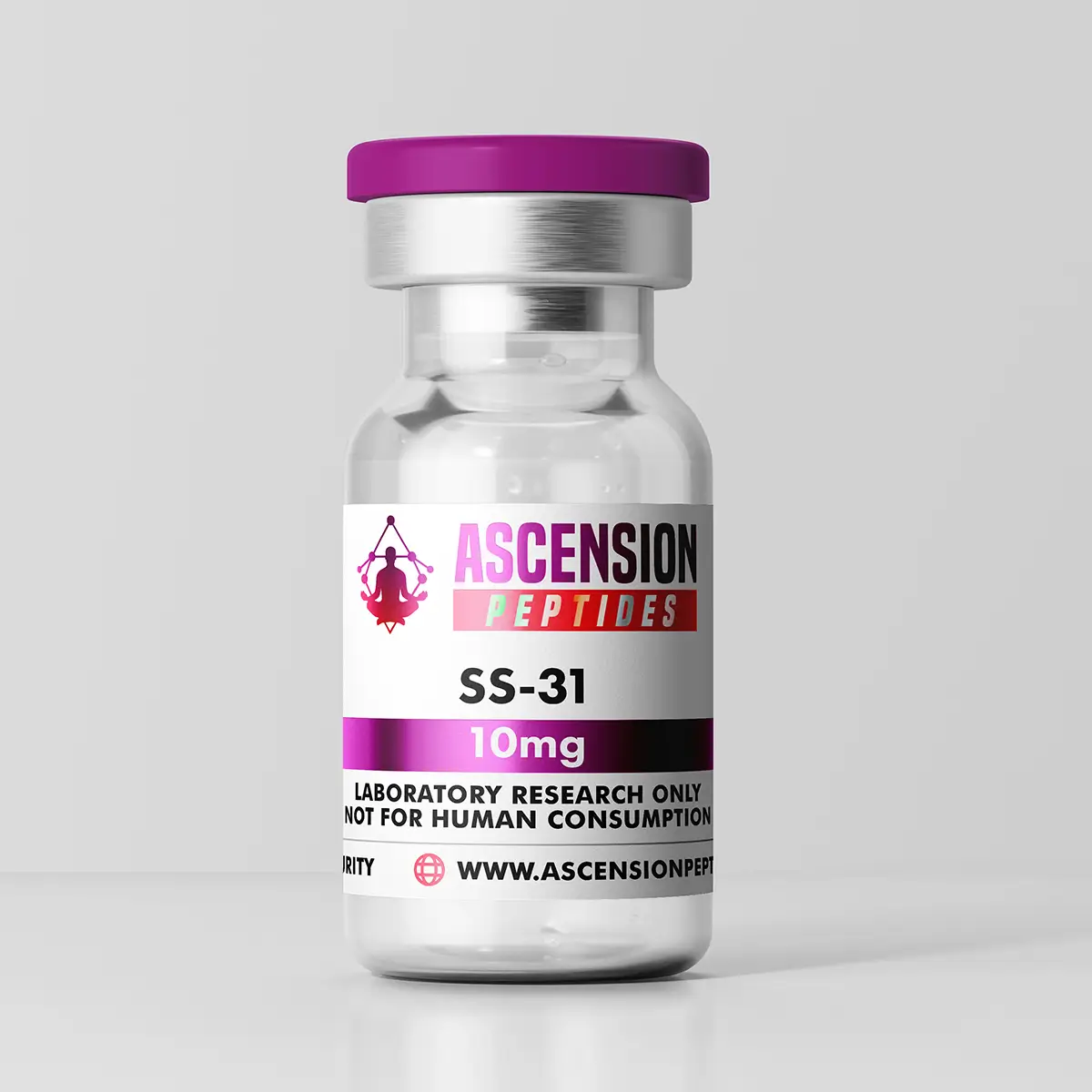
- SS-31 (Elamipretide): Synthetic tetrapeptide that concentrates in the inner mitochondrial membrane and directly optimizes the electron transport chain, improving the NAD+/NADH ratio at the source.
Each NAD+ peptide has a distinct profile, mechanism, and best-use case. They also work well in combination, both with each other and with direct NAD+ supplementation. Cerebrolysin provides a fourth, indirect option for people focused on cognitive aging.
How NAD+ peptides work at the cellular level
To understand why NAD+ peptides matter, you have to understand the three jobs NAD+ does inside the cell. Every NAD+ peptide on the market influences at least one of these pathways. The best of them touch all three.
ATP production via the electron transport chain
NAD+ is the molecule that carries electrons from the food you eat into the electron transport chain inside your mitochondria. Those electrons drive ATP synthesis, the energy currency of every cell. When NAD+ is plentiful and the electron transport chain is well-organized, you get more ATP per calorie burned. When NAD+ runs low or the chain is damaged, energy production stalls, fatigue follows, and oxidative stress climbs.
SS-31 directly targets this layer. It binds cardiolipin in the inner mitochondrial membrane and stabilizes the supercomplexes that organize the electron transport chain. MOTS-C improves the same system indirectly by activating AMPK and shifting cells toward oxidative metabolism.
Sirtuin activation
Sirtuins are a family of seven NAD+-dependent enzymes (SIRT1 through SIRT7) that act as cellular longevity sensors. They consume NAD+ as a substrate every time they remove an acetyl group from a target protein, and those deacetylation events control gene expression, mitochondrial biogenesis, inflammation, and stress response.
When NAD+ levels are healthy, sirtuins do their job. When NAD+ drops, sirtuin activity falls and your cells lose the brakes on inflammatory and pro-aging gene programs. A NAD+ peptide that improves NAD+ availability or mitochondrial efficiency indirectly increases sirtuin activity. MOTS-C and Humanin both have published effects on this pathway.
PARP-driven DNA repair
PARPs (poly-ADP-ribose polymerases) are NAD+-dependent enzymes that repair single-strand DNA breaks. Every time PARP fires to fix DNA damage, it consumes NAD+. Under chronic stress, oxidative damage, or sun exposure, PARP activity goes up and NAD+ pools get drained faster than they can be replenished.
Humanin's stress-protective effects matter here. By reducing the cellular emergency signals that drive constant PARP firing, Humanin preserves NAD+ for the rest of the cell. SS-31 helps by reducing the upstream oxidative stress that triggers PARP activation in the first place.
The four NAD+ peptides worth knowing
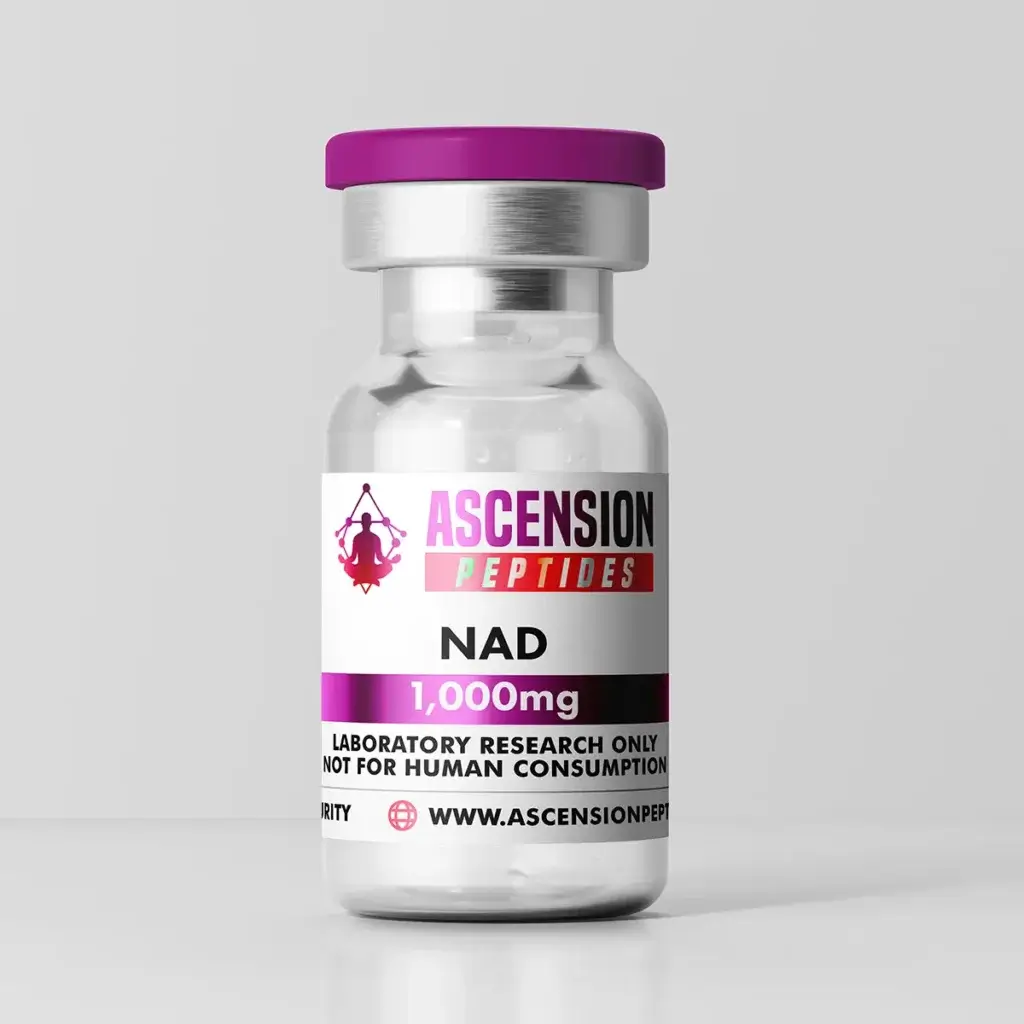
These are the four NAD+ peptides with enough mechanistic and clinical evidence to be worth using. Each NAD+ peptide hits a different layer of the system.
MOTS-C: the metabolic NAD+ peptide
MOTS-C might be the most interesting NAD+ peptide on this list from a longevity perspective. It is encoded in mitochondrial DNA (the small circular genome inside your mitochondria, separate from your nuclear DNA), which means it evolved specifically to regulate mitochondrial function. Your mitochondria invented this signaling molecule. That's notable.
The 16-amino acid sequence was identified in 2015 by Lee et al. at USC. Their research showed MOTS-C activates AMPK, the master metabolic regulator that your cells use to sense energy status and respond to low-energy states. When AMPK activates, it triggers a cascade: fat burning increases, glucose uptake in muscle improves, mitochondrial biogenesis gets a signal, and metabolic gene expression shifts toward efficiency.
Crucially for NAD+: MOTS-C improves NAD+ utilization in metabolically active tissues. It helps cells extract more ATP from the NAD+ they have, and it supports the recycling pathways that keep NAD+ in its oxidized (usable) form rather than its reduced (NADH) form. A better NAD+/NADH ratio means more efficient energy production and less oxidative stress.
The benefits people using MOTS-C report:
- Noticeably improved energy, especially sustained energy, not a caffeine spike
- Better exercise capacity and faster recovery
- Improved insulin sensitivity and metabolic flexibility
- Fat loss support, particularly in conjunction with exercise
- Some cognitive clarity effects (likely indirect through metabolic improvement)
MOTS-C levels decline with age, which is part of why metabolic efficiency drops as we get older. Supplementing it is essentially replacing something your mitochondria used to produce more of.
Dosing: 5 to 10mg subcutaneous, 2 to 3 times per week. Morning dosing works best because it is metabolically activating and pairs well with morning exercise. Cycle 8 to 12 weeks on, 4 weeks off.
Read our full guide at PeptideDeck's MOTS-C page for detailed protocol information. For sourcing, Ascension Peptides carries MOTS-C in 10mg vials.
💡 Best for MOTS-C
Athletes optimizing performance and recovery, people with metabolic health goals (insulin sensitivity, fat loss), and anyone using NAD+ supplementation who wants to improve how efficiently their cells use the NAD+ they have.
Humanin: the neuroprotective NAD+ peptide
Humanin is the NAD+ peptide with the most interesting age-association data. Its blood levels decline with age, and the decline correlates with increasing Alzheimer's risk. That is not proof of causation, but it is a striking association that has driven significant research interest over the past decade.
Like MOTS-C, Humanin is encoded in mitochondrial DNA. It is 24 amino acids, slightly larger. Its primary mechanism is mitochondrial protection under stress: when cells face energy depletion, oxidative stress, or toxic protein accumulation (like amyloid-beta), Humanin binds to stress response receptors and reduces apoptotic signaling. It is essentially a cellular distress response dampener.
The NAD+ connection is through mitochondrial protection and recycling efficiency. Cells under chronic stress tend to have lower NAD+ levels because the damage-repair cycle (PARP activation) consumes NAD+ continuously. Humanin's stress-reduction effects preserve NAD+ by reducing the constant emergency draw on the molecule.
The neuroprotective angle is where Humanin really stands out:
- Reduces amyloid-beta toxicity in neurons (multiple in vitro and in vivo studies)
- Protects hippocampal neurons from stress-induced death
- Inversely correlated with Alzheimer's disease risk in population studies
- Shows cognitive protective effects in metabolic stress conditions
- Anti-apoptotic effects in multiple tissue types
Humanin also has metabolic benefits. It improves insulin sensitivity and has shown some effects on visceral fat in studies. But the cognitive neuroprotection story is what makes it distinct from MOTS-C.
Dosing: 1 to 5mg subcutaneous daily, morning. Humanin can be used continuously because its mechanisms are primarily protective rather than acutely stimulating. Start at 1mg to assess tolerance, build to 3 to 5mg if needed.
💡 Best for Humanin
People prioritizing cognitive aging and brain health, those with a family history of Alzheimer's who want to use every available tool, and anyone whose primary longevity concern is maintaining sharp cognitive function into older age.
SS-31 (Elamipretide): the direct mitochondrial NAD+ peptide
SS-31 operates differently from the other NAD+ peptides on this list. Rather than being a signaling molecule that activates metabolic pathways, SS-31 is a tetrapeptide (4 amino acids) that physically concentrates in the inner mitochondrial membrane, the actual site where ATP is produced.
The concentration factor is extraordinary: SS-31 reaches 5,000x higher concentrations in the inner mitochondrial membrane than in the cytoplasm. It does this by binding to cardiolipin, a unique phospholipid found almost exclusively in that membrane.
Cardiolipin is critical for organizing the electron transport chain complexes into efficient "supercomplexes." When cardiolipin is damaged or disordered (which happens with aging and oxidative stress), the electron transport chain becomes less efficient, more electrons leak to form reactive oxygen species, and less ATP gets produced per unit of NAD+ consumed.
SS-31 binds to cardiolipin, protects it from oxidation, and stabilizes the mitochondrial cristae structure. The result: the electron transport chain runs more efficiently, the NAD+/NADH ratio improves because NADH is converted to NAD+ more completely, and reactive oxygen species production drops. You are fixing the actual machinery.
SS-31 (developed as elamipretide) received FDA Breakthrough Therapy designation for Barth syndrome, a genetic disease of cardiolipin dysfunction. That is a meaningful regulatory milestone. It signals the FDA considers the evidence compelling enough to accelerate development. Clinical trials are ongoing for heart failure and other mitochondrial conditions.
Reported benefits from SS-31:
- Significant improvements in cellular energy output, particularly in high-demand tissues (heart, muscle, brain)
- Cardiovascular function improvements (shown in clinical trials)
- Faster exercise recovery
- Cognitive function support
- Anti-aging effects at the mitochondrial level
SS-31 has human clinical trial data that most longevity peptides cannot match. The Barth syndrome trials showed meaningful improvements in exercise capacity and cardiac function. The mechanisms translate directly to healthy aging use cases.
Dosing: 5 to 10mg subcutaneous daily. Timing is flexible because it does not have the stimulating quality of MOTS-C. Can be used continuously or in 12-week cycles.
💡 Best for SS-31
Maximum mitochondrial support, heart health optimization, people with significant fatigue or exercise intolerance that suggests underlying mitochondrial inefficiency, and serious anti-aging stacks where direct mitochondrial intervention is the goal.
Cerebrolysin: indirect NAD+ support for the brain
Cerebrolysin is the fourth NAD+ peptide worth knowing, and the one most people miss. Technically it is a peptide preparation rather than a single peptide. It is a porcine brain-derived mixture of low-molecular-weight neuropeptides and free amino acids that mimics endogenous neurotrophic factors like BDNF and NGF.
Its connection to NAD+ is indirect but real. Cerebrolysin reduces excitotoxic stress in neurons, which is one of the largest drivers of PARP activation in the brain. By calming the damage signal, Cerebrolysin preserves neuronal NAD+ pools. It also upregulates the same mitochondrial biogenesis pathways that NAD+/sirtuin signaling controls, so the two systems converge on similar downstream outcomes.
It is approved for clinical use across Europe, Russia, and parts of Asia for stroke recovery and traumatic brain injury, and it has a longer track record of human safety than most longevity peptides. The trade-off: it is administered by intramuscular injection rather than subcutaneous, which is a higher friction protocol.
Dosing: 5 to 10ml IM, 5 days per week in 4-week courses. Most users run one or two courses per year. Treat it as a cognitive-focused add-on rather than a daily NAD+ peptide.
💡 Best for Cerebrolysin
People recovering from concussions or extended cognitive fatigue, anyone stacking on top of Humanin for stronger brain protection, and longevity users who want a periodic neurotrophic boost on top of a daily NAD+ peptide protocol.
NAD+ peptide benefits in detail
The benefit profile across the four NAD+ peptides overlaps in some areas and diverges in others. Here is how to think about what each NAD+ peptide actually delivers.
Energy and ATP output
The most consistent NAD+ peptide benefit, reported across MOTS-C, SS-31, and to a lesser extent Humanin, is sustained daily energy. This is not the spike of a stimulant. It is the kind of energy that shows up by week two and stays steady through the afternoon, because mitochondrial ATP output has actually increased. SS-31 produces the most direct version of this effect; MOTS-C the most metabolically-driven.
Metabolic health and fat loss
MOTS-C carries this category. AMPK activation improves insulin sensitivity, increases glucose uptake into muscle, and shifts cells toward burning fat for fuel. People using MOTS-C alongside resistance training and a moderate caloric deficit tend to see body composition changes faster than diet and training alone.
Exercise performance and recovery
Mitochondrial density and efficiency directly determine endurance capacity. MOTS-C and SS-31 both improve this, especially in masters athletes or anyone with declining VO2 max. Recovery time between sessions shortens because the cells refill ATP and clear lactate faster. Most users notice this around week three of a consistent NAD+ peptide protocol.
Cognitive function
Humanin and Cerebrolysin own this category. The mechanism is two-pronged: protecting neurons from oxidative and amyloid stress, and supporting the mitochondrial energy supply that high-demand brain tissue depends on. Subjective effects show up as clearer thinking under load, less afternoon mental fatigue, and better memory consolidation.
Anti-aging effects
This is the long-game category. All four NAD+ peptides feed into sirtuin activation, mitochondrial biogenesis, and reduced senescent-cell signaling. The visible effects (skin quality, recovery from sleep loss, resilience to stress) accumulate over months, not days. SS-31 and MOTS-C have the strongest mechanistic case for slowing biological aging markers.
Recovery from burnout or illness
NAD+ depletion is one of the underdiagnosed drivers of post-illness fatigue and burnout. When PARP enzymes have been firing for weeks during recovery, NAD+ pools stay drained. A NAD+ peptide protocol (MOTS-C + Humanin is the typical pairing) restores both the supply efficiency and the stress dampening that lets the cell rebuild. Many users start a NAD+ peptide for this exact reason and stay on it for the long-term benefits.
NAD+ peptides vs IV therapy vs oral supplements
Here is how the three approaches compare on the metrics that actually matter for most people. For a full breakdown of oral options and how to choose between them, see the NAD+ supplements page.
The cost comparison is the most striking difference. Weekly IV NAD+ therapy at a clinic ($300 to $800 per session) runs $1,200 to $3,200 per month if you're doing it consistently. A MOTS-C + Humanin NAD+ peptide protocol runs roughly $80 to $150 per month. For most people, NAD+ peptides offer a dramatically more sustainable path to mitochondrial optimization than IV therapy.
That said, speed matters in some contexts. If you are dealing with acute burnout, post-illness fatigue, or want to feel the effects of NAD+ restoration quickly, nothing beats IV NAD+. It is expensive precisely because it works fast.
For a sustained, long-term approach that does not require clinic visits or a large monthly budget, NAD+ peptides are the better fit.
Oral NMN remains the entry point for most people: low cost, good evidence, minimal effort. The NAD+ peptides are what you add when you want to go further.
How to stack NAD+ peptides
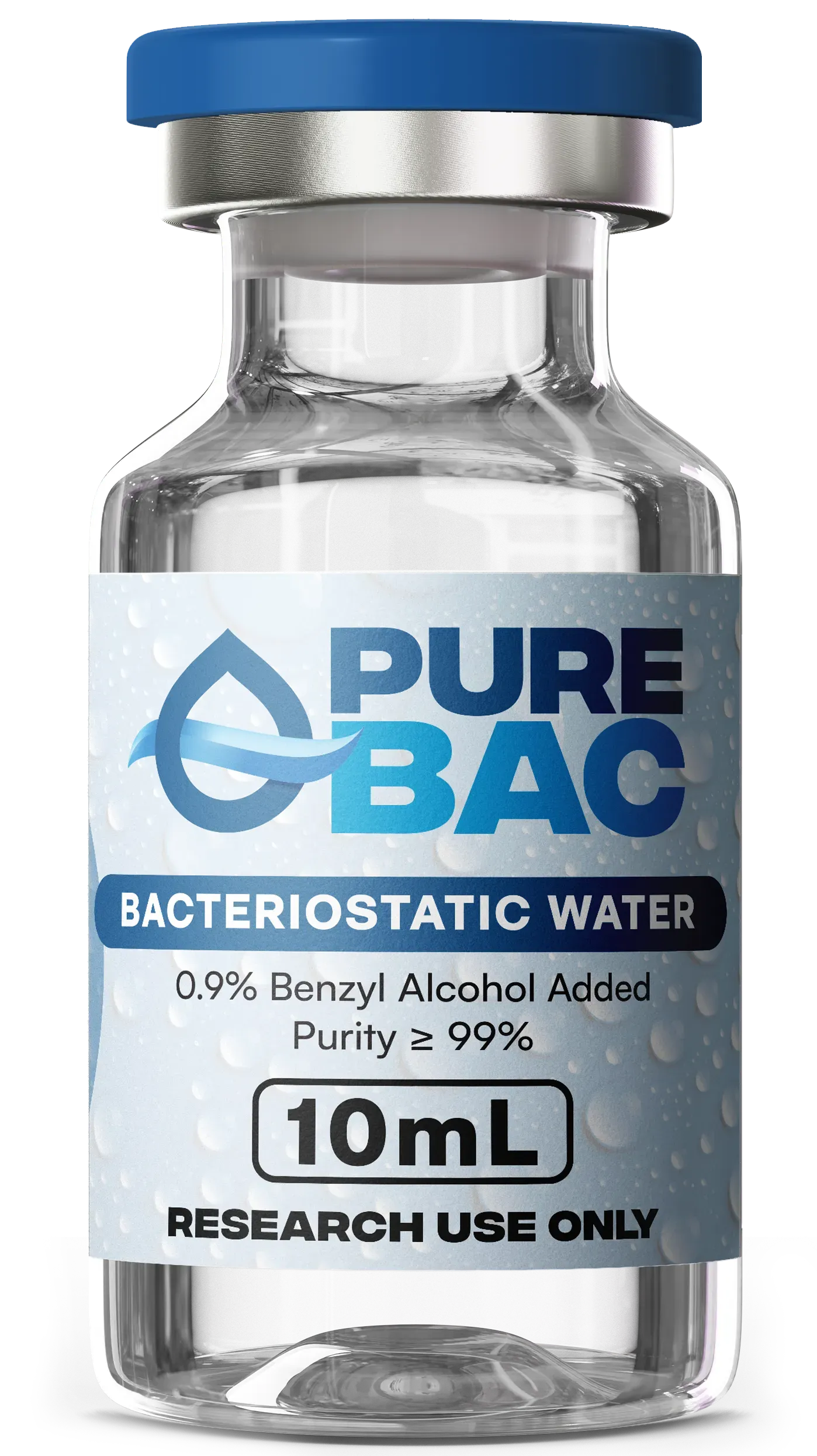
Stacking options depend on what you're optimizing for.
MOTS-C + Humanin (synergistic mitochondrial stack): These two NAD+ peptides address complementary aspects of mitochondrial function. MOTS-C handles metabolic optimization and NAD+ utilization; Humanin handles stress protection and neuroprotection. Together they cover both offensive and defensive mitochondrial health. Ascension Peptides offers a MOTS-C/Humanin blend if you want both in one vial.
SS-31 + injectable NAD+: This is the maximum mitochondrial protocol. SS-31 fixes the electron transport chain efficiency; injectable NAD+ raises the substrate levels. You are simultaneously increasing supply and improving how the machinery uses it. Reserved for serious longevity optimizers or people with specific mitochondrial health concerns.
Any NAD+ peptide + NMN: This is the most practical stack for most people. NMN handles NAD+ supply (substrate), while the peptide handles utilization and efficiency. Start with NMN 250 to 500mg per day and add MOTS-C 5mg 2 to 3 times per week. Cost stays reasonable, the mechanisms are complementary, and you are hitting the NAD+ system from two different angles.
Humanin + Cerebrolysin (cognitive stack): For users focused on brain aging, this pairing combines daily neuroprotection from Humanin with periodic neurotrophic surges from Cerebrolysin. Run a 4-week Cerebrolysin course twice a year on top of daily Humanin.
For people focused on metabolic health and fat loss, consider reading our retatrutide guide for context on how metabolic peptides can work alongside mitochondrial support. Our best anti-aging peptides 2026 guide also covers where NAD+ peptides fit in a broader longevity protocol.
NAD+ peptide dosage protocol
A few practical notes:
Start at the lower end of each dose range for the first week. These NAD+ peptides are generally well-tolerated, but individual responses vary and it is smart to assess before going to the full dose. Injection site reactions are the most commonly reported issue, so rotate your injection sites and use proper technique.
MOTS-C is the most metabolically activating of the three. If you notice it disrupts sleep, confirm you are not injecting it in the afternoon. Morning injection or pre-workout is the right time.
SS-31's effects tend to be subtler in healthy younger individuals and more pronounced in people with existing mitochondrial stress. If you are over 50 or dealing with fatigue that has not responded to other interventions, SS-31 is worth prioritizing in your stack.
Reconstitution and injection technique
All three subcutaneous NAD+ peptides require reconstitution with bacteriostatic water before injection. The standard ratio: add 1 to 2ml of bacteriostatic water to a 10mg vial, swirl gently (do not shake), and store refrigerated. Use within 28 to 30 days of reconstitution.
For a 10mg MOTS-C vial reconstituted with 1ml of bacteriostatic water, the concentration is 10mg/ml. On a U-100 insulin syringe (100 units = 1ml), each unit equals 0.1mg, so a 5mg dose is 50 units and a 10mg dose is 100 units. Adjust proportionally for 2ml reconstitution (each unit equals 0.05mg, so 5mg is 100 units).
Use a 29 to 31 gauge insulin syringe for subcutaneous injection. Pinch the skin around the abdomen or upper thigh, insert at 45 to 90 degrees, slowly inject, and wait 5 seconds before withdrawing the needle. Rotate sites between injections to minimize lumps and bruising. The PeptideDeck reconstitution calculator handles the math automatically for any vial size.
Routes of administration: SubQ vs IM vs IV
Subcutaneous injection (SubQ) is the default route for MOTS-C, Humanin, and SS-31. Bioavailability is high, technique is simple, and the slower absorption profile suits peptides that work over hours, not minutes.
Intramuscular (IM) is required for Cerebrolysin because the volume per dose is too large for SubQ to handle comfortably. IM also offers slightly faster systemic distribution. IM injection is more technically demanding and uses a longer needle (1 inch, 23 to 25 gauge), typically into the deltoid or gluteal muscle.
Intravenous (IV) administration of these NAD+ peptides is uncommon and not recommended outside a clinical setting. The only NAD+ compound regularly given IV is NAD+ itself, in clinic infusions, which is a different category from the NAD+ peptides covered here.
ℹ️ Note on cycling
MOTS-C benefits from cycling because receptor sensitivity can decrease with continuous use. Humanin and SS-31 are more commonly used continuously because their mechanisms are protective rather than receptor-activating. Cerebrolysin is administered in periodic courses by design. Listen to your body and take breaks if effects seem to plateau.
Frequently Asked Questions
References
- Lee C, et al. (2015). The mitochondrial-derived peptide MOTS-c promotes metabolic homeostasis and reduces obesity and insulin resistance. Cell Metabolism, 21(3), 443-454. PMID: 25738459
- Kim KH, et al. (2018). Mitochondria-encoded peptide MOTS-c, cancer, and aging. Aging, 10(10), 2876-2881. PMID: 30367012
- Hashimoto Y, et al. (2001). A rescue factor abolishing neuronal cell death by a wide spectrum of familial Alzheimer's disease genes and Abeta. PNAS, 98(11), 6336-6341. PMID: 11344271
- Muzumdar RH, et al. (2009). Humanin: a novel central regulator of peripheral insulin action. PLoS One, 4(7), e6334. PMID: 19633712
- Szeto HH. (2014). First-in-class cardiolipin-protective compound as a therapeutic agent to restore mitochondrial bioenergetics. British Journal of Pharmacology, 171(8), 2029-2050. PMID: 24117104
- Sabbah HN, et al. (2016). Chronic therapy with elamipretide (MTP-131), a novel mitochondria-targeting peptide, improves left ventricular and mitochondrial function in dogs with advanced heart failure. Circulation: Heart Failure, 9(2), e002206. PMID: 26699388
The information in this article is for educational purposes only and does not constitute medical advice. Always consult a healthcare professional before starting any new supplement or compound. Results vary by individual.