Tirzepatide vs Mazdutide, Orforglipron, Tesofensine, Liraglutide & Every GLP-1
Published May 16, 2026Updated August 13, 2026
Quick Brief
Tirzepatide compared head-to-head against every major GLP-1 drug: semaglutide, mazdutide, orforglipron (Foundayo), tesofensine, liraglutide. Plus what Mounjaro vs Zepbound vs compounded tirzepatide actually means and which is best for you.
Tirzepatide vs Mazdutide, Orforglipron, Tesofensine, Liraglutide & Every GLP-1
Tirzepatide is the most-effective GLP-1 / GIP dual agonist on the market in 2026, but it's not the only weight-loss or diabetes peptide drug. Mazdutide, Orforglipron, Tesofensine, Liraglutide, and Semaglutide all compete or complement, and Tirzepatide itself goes by three brand names (Mounjaro, Zepbound, and compounded versions) that confuse people daily. Below is the complete comparison: how Tirzepatide stacks up against every major rival, what's the same and what's different between Mounjaro and Zepbound, and which of the upcoming pipeline drugs are about to challenge it.
Last UpdatedMay 16, 2026
22.5%Tirzepatide avg weight loss at max dose (SURMOUNT-1)
GLP-1 + GIPTirzepatide's dual mechanism
5 drugsDirect competitors compared below
Once weeklyStandard dosing for most GLP-1 / GIP drugs
🔑 Key Takeaways
Tirzepatide currently wins. Best head-to-head data vs Semaglutide, Liraglutide, and the older GLP-1 monoagonists. Retatrutide (a triple agonist) is the main rival in late-stage trials.
Mounjaro = Zepbound = compounded tirzepatide. Same molecule, different brand for different FDA indications. Mounjaro for diabetes, Zepbound for obesity and sleep apnea, compounded versions for shortage-era access.
Mazdutide is the closest pipeline rival. Dual GLP-1 / glucagon agonist out of China, late-stage trial data shows comparable weight loss with potentially better metabolic profile.
Orforglipron is the first oral GLP-1 pill that actually works. Lilly's once-daily tablet, no injection required, but weight loss is slightly behind tirzepatide.
Tesofensine is the wildcard. Not a GLP-1, works through monoamine reuptake inhibition. Strong weight loss data but neurological side effect concerns.
Tirzepatide vs Semaglutide
The original GLP-1 vs dual agonist matchup. In the head-to-head SURPASS-2 trial, tirzepatide outperformed semaglutide on weight loss, A1C reduction, and cardiovascular markers.
Factor
Tirzepatide
Semaglutide
Mechanism
GLP-1 + GIP dual agonist
GLP-1 monoagonist
Brand names
Mounjaro, Zepbound
Ozempic, Wegovy, Rybelsus (oral)
Average weight loss (72 weeks, max dose)
~22.5%
~15%
A1C reduction (T2D)
~2.4 percentage points
~1.9 percentage points
Triglyceride drop
15-25%
10-20%
GI side effect rate
Comparable; slightly more at 15mg dose
Slightly less at equivalent dose milestones
Cost (cash, US)
$1,000-1,300/month brand
$900-1,300/month brand
Best for
Faster, larger weight loss; better A1C control
Established cardiovascular outcomes data; oral option available
For most users prioritizing weight loss magnitude, tirzepatide wins. For users prioritizing established cardiovascular outcomes data (SELECT trial), semaglutide has more longitudinal evidence. Switching from one to the other is increasingly common; see our switching guide. Full breakdown at tirzepatide vs semaglutide.
Tirzepatide vs Mazdutide
Mazdutide is the closest active pipeline rival, a dual GLP-1 / glucagon receptor agonist developed by Innovent Biologics in China. Approved in China in 2025; not yet FDA-approved in the US as of 2026.
Is mazdutide better than tirzepatide? Not for weight loss, tirzepatide still produces larger reductions at currently studied doses. For fatty liver and metabolic dysfunction phenotypes, mazdutide may eventually win because of its dual GLP-1 / glucagon mechanism. Final verdict depends on US FDA approval timeline.
Tirzepatide vs Orforglipron
Orforglipron is Eli Lilly's oral, non-peptide small-molecule GLP-1 agonist, the first orally bioavailable GLP-1 that produces injectable-level weight loss. FDA-approved as Foundayo in 2026 with no food restriction.
Factor
Tirzepatide
Orforglipron (Foundayo)
Format
Subcutaneous injection, weekly
Oral tablet, daily
Mechanism
GLP-1 + GIP dual agonist (peptide)
GLP-1 monoagonist (small molecule)
Average weight loss (72 weeks, max dose)
~22.5%
~14-15% (ACHIEVE / ATTAIN trials)
Food restrictions
None
None (unlike Rybelsus)
Injection burden
Weekly self-injection
Daily pill, no injection
Cost (US, 2026)
$1,000-1,300/month brand; $200-400 compounded
~$800-1,000/month brand
Best for
Maximum weight loss; established efficacy
Needle-averse users; daily routine fits better than weekly injection
For people who don't want needles, orforglipron is the breakthrough. For maximum weight loss, tirzepatide still leads, though Lilly's pipeline includes oral tirzepatide-equivalent dual agonists that may close the gap in 2027-2028.
Tirzepatide vs Tesofensine
Tesofensine is the outlier in this comparison. It's not a GLP-1 or GIP drug at all, it's a triple monoamine reuptake inhibitor (dopamine, norepinephrine, serotonin) originally developed for Parkinson's that turned out to be a strong appetite suppressant.
Not FDA-approved in US; approved in Mexico, EU access via specialty pharmacies
Best for
Standard weight loss; metabolic improvement
Users who don't respond to GLP-1 drugs or want a different mechanism
Tirzepatide has stronger published evidence, better safety profile, and stronger weight loss. Tesofensine is a niche option for non-GLP-1-responders. Stacking the two has been explored experimentally but isn't standard.
Liraglutide (Saxenda for obesity, Victoza for diabetes) was the first widely-used GLP-1 monoagonist. It requires daily injection instead of weekly, and weight loss is substantially smaller.
Factor
Tirzepatide
Liraglutide
Mechanism
GLP-1 + GIP
GLP-1 monoagonist
Injection frequency
Once weekly
Daily
Average weight loss (52 weeks)
~22.5%
~6-8%
A1C reduction
~2.4 points
~1.2 points
Cost
$1,000-1,300/month brand
$700-1,400/month brand
Best for
Maximum effect, less injection burden
Largely outdated; replaced by semaglutide and tirzepatide for most use cases
Liraglutide is essentially obsolete for new patients now that semaglutide and tirzepatide exist. The only remaining use cases are: patients already stable on liraglutide who tolerate it well, or insurance coverage that favors it over newer drugs.
Is Tirzepatide the Same as Mounjaro, Zepbound, or Compounded Versions?
Yes, all three deliver the same active molecule: tirzepatide. The differences are in branding, FDA indication, formulation, and price.
Product
FDA indication
Format
Typical cash cost
Mounjaro
Type 2 diabetes
Pre-filled pen (KwikPen)
$1,000-1,300/month
Zepbound
Obesity / weight management; obstructive sleep apnea in obesity
Pre-filled pen, single-dose vials (2024 launch)
$1,000-1,300/month; vials $349-549/month direct from Lilly
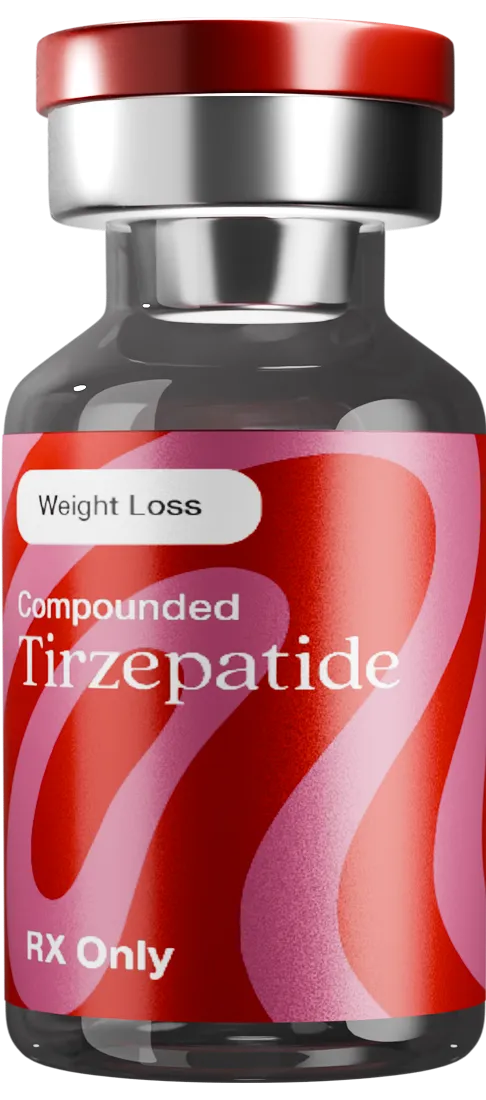
Compounded tirzepatide
None (not FDA-approved as a compound)
Multi-dose vial, reconstituted with bacteriostatic water
$150-400/month via telehealth or compounding pharmacy
Mounjaro
FDA indication
Type 2 diabetes
Format
Pre-filled pen (KwikPen)
Typical cash cost
$1,000-1,300/month
Zepbound
FDA indication
Obesity / weight management; obstructive sleep apnea in obesity
Format
Pre-filled pen, single-dose vials (2024 launch)
Typical cash cost
$1,000-1,300/month; vials $349-549/month direct from Lilly
Compounded tirzepatide
FDA indication
None (not FDA-approved as a compound)
Format
Multi-dose vial, reconstituted with bacteriostatic water
Typical cash cost
$150-400/month via telehealth or compounding pharmacy
Is compounded tirzepatide the same as Zepbound? Pharmacologically yes, the molecule is identical. Practically, compounded versions are made by 503A/503B compounding pharmacies (not Lilly), so the manufacturing controls, sterility testing, and dose accuracy vary by pharmacy. Reputable compounders are essentially equivalent; unverified vendors are not. See our compounded tirzepatide guide for sourcing.
No. Ozempic is the brand name for semaglutide (a different molecule). Tirzepatide is sold as Mounjaro and Zepbound. Both are GLP-1-class weight loss / diabetes drugs, but tirzepatide adds GIP receptor activity that semaglutide doesn't have, which is why tirzepatide produces larger weight loss in head-to-head trials.
What Does Tirzepatide Do That Semaglutide Does Not?
Three meaningful differences:
GIP receptor activation. Tirzepatide activates the GIP (glucose-dependent insulinotropic polypeptide) receptor in addition to GLP-1. GIP improves insulin secretion in response to nutrients and may contribute to better satiety and metabolic flexibility.
Larger weight loss at equivalent dose escalation. SURPASS-2 head-to-head showed tirzepatide ~22.5% vs semaglutide ~15% at max doses over 72 weeks.
Stronger A1C reduction in diabetics. ~2.4 percentage points vs semaglutide's ~1.9 in T2D patients.
What semaglutide does that tirzepatide doesn't (yet): established cardiovascular outcomes data from the SELECT trial (semaglutide reduced major adverse cardiovascular events by 20% in non-diabetic obese patients with prior CV disease). Tirzepatide's CV outcomes trial (SURPASS-CVOT) is ongoing.
Two newer entrants worth tracking: eloralintide, an amylin agonist working on a different satiety pathway entirely, and VK2735, which is being developed as both an injection and a daily tablet.
Frequently Asked Questions
Is tirzepatide better than semaglutide?
For weight loss magnitude and A1C control, yes. SURPASS-2 head-to-head showed tirzepatide producing larger reductions at equivalent dose escalation timelines. Semaglutide has the edge in established cardiovascular outcomes data (SELECT trial) and offers an oral form (Rybelsus / Wegovy pill). Most prescribers now reach for tirzepatide first for new patients without specific CV comorbidities.
Is semaglutide and tirzepatide the same?
No, they're different molecules. Semaglutide is a GLP-1 monoagonist (Ozempic, Wegovy, Rybelsus). Tirzepatide is a GLP-1 + GIP dual agonist (Mounjaro, Zepbound). The dual receptor activation is why tirzepatide produces larger weight loss in head-to-head data.
Is tirzepatide the same as Mounjaro?
Yes. Mounjaro is the brand name for tirzepatide approved for type 2 diabetes. Zepbound is the same tirzepatide approved for obesity and sleep apnea. The active molecule is identical; the indication and packaging differ.
Is tirzepatide the same as Ozempic?
No. Tirzepatide and semaglutide (Ozempic) are different molecules from different drug classes. Tirzepatide is GLP-1 + GIP dual agonist; Ozempic is GLP-1 monoagonist. Both treat diabetes and drive weight loss, but tirzepatide produces larger weight reductions.
Is tirzepatide the same as Zepbound?
Yes, same active molecule. Zepbound is the brand name for tirzepatide when prescribed for obesity or obstructive sleep apnea. Mounjaro is the same drug prescribed for type 2 diabetes. The pen, the molecule, and the side effect profile are identical.
Is compounded tirzepatide the same as Zepbound?
Pharmacologically yes, the molecule is identical. The difference is regulatory: Zepbound is FDA-approved and manufactured by Lilly. Compounded tirzepatide is made by 503A/503B compounding pharmacies under different regulatory standards. Quality varies by compounding pharmacy; reputable ones produce essentially equivalent product. Verify your pharmacy's third-party testing and sterility certifications.
Is mazdutide better than tirzepatide?
For raw weight loss at currently studied doses, no, tirzepatide still produces larger reductions. Mazdutide's GLP-1 + glucagon dual mechanism may have advantages for fatty liver and metabolic dysfunction-associated steatohepatitis (MASH). As of 2026, mazdutide is approved in China but not FDA-approved in the US.
Tirzepatide vs orforglipron: which to pick?
Pick tirzepatide for maximum weight loss (~22.5% vs orforglipron's ~14-15%). Pick orforglipron (Foundayo) if you need an oral pill format and want to skip injections. Both come from Lilly and address slightly different patient profiles. The weight-loss gap may close as Lilly's pipeline introduces oral dual-agonist formulations.
Tesofensine vs tirzepatide: which works better?
Tirzepatide produces larger weight loss (~22.5% vs tesofensine's ~10-12%) with a better safety profile. Tesofensine works through a different mechanism (monoamine reuptake inhibition) and is sometimes considered for patients who don't respond well to GLP-1 drugs. Tesofensine isn't FDA-approved in the US.
Tirzepatide vs liraglutide: which is better?
Tirzepatide by a wide margin, larger weight loss (22.5% vs ~6-8%), better A1C reduction, weekly vs daily dosing. Liraglutide is essentially obsolete for new patients except in specific insurance or tolerance situations.
Will tirzepatide be replaced by retatrutide?
Possibly, but not yet. Retatrutide is a triple agonist (GLP-1 + GIP + glucagon) producing ~24% weight loss in phase 2 trials, currently in phase 3 (TRIUMPH program). If retatrutide is FDA-approved (expected 2026-2027) with comparable safety, it will likely become the new gold standard. Tirzepatide will continue to dominate for years afterward due to insurance coverage and prescriber familiarity. See our retatrutide vs tirzepatide comparison.
Medical disclaimer: This article is for educational and informational purposes only and is not medical advice. All weight-loss and diabetes drugs require a prescription and medical supervision. The comparisons in this article are based on published clinical trial data and US regulatory status as of May 2026; trial results and approval timelines change. Talk to your prescriber about which option fits your specific medical history, comorbidities, and goals.
Recommended Supplier
In StockShips from USA
Embody Compounded Tirzepatide
Embody Compounded Tirzepatide via licensed US telehealth. Flat $119/month, normally $349. Includes all doses, provider visits and fast free shipping. No long-term commitment.