🔑 Key Takeaways
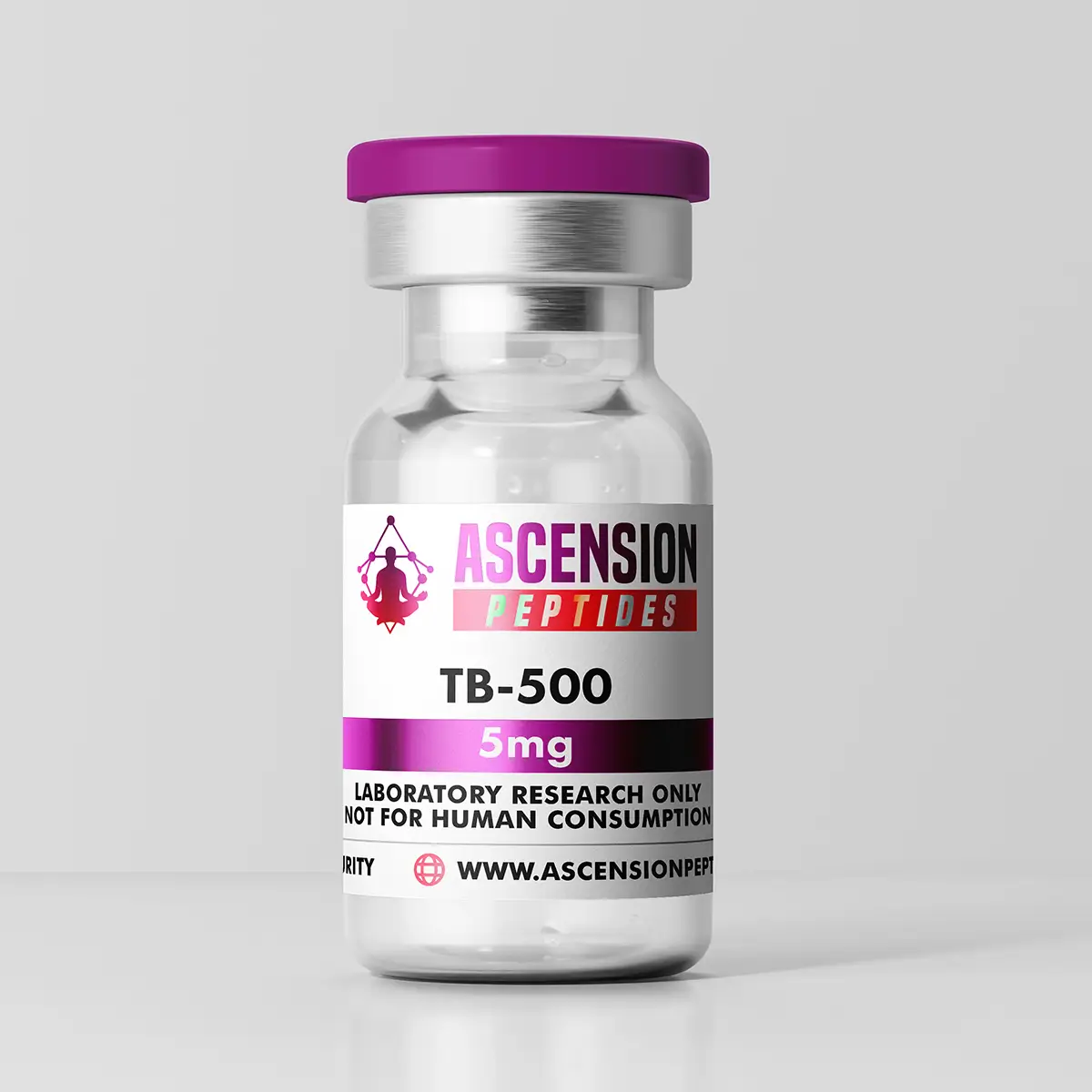
- TB-500 (Thymosin Beta-4 fragment) is powerful, but alternatives exist for cost, availability, or broader healing coverage
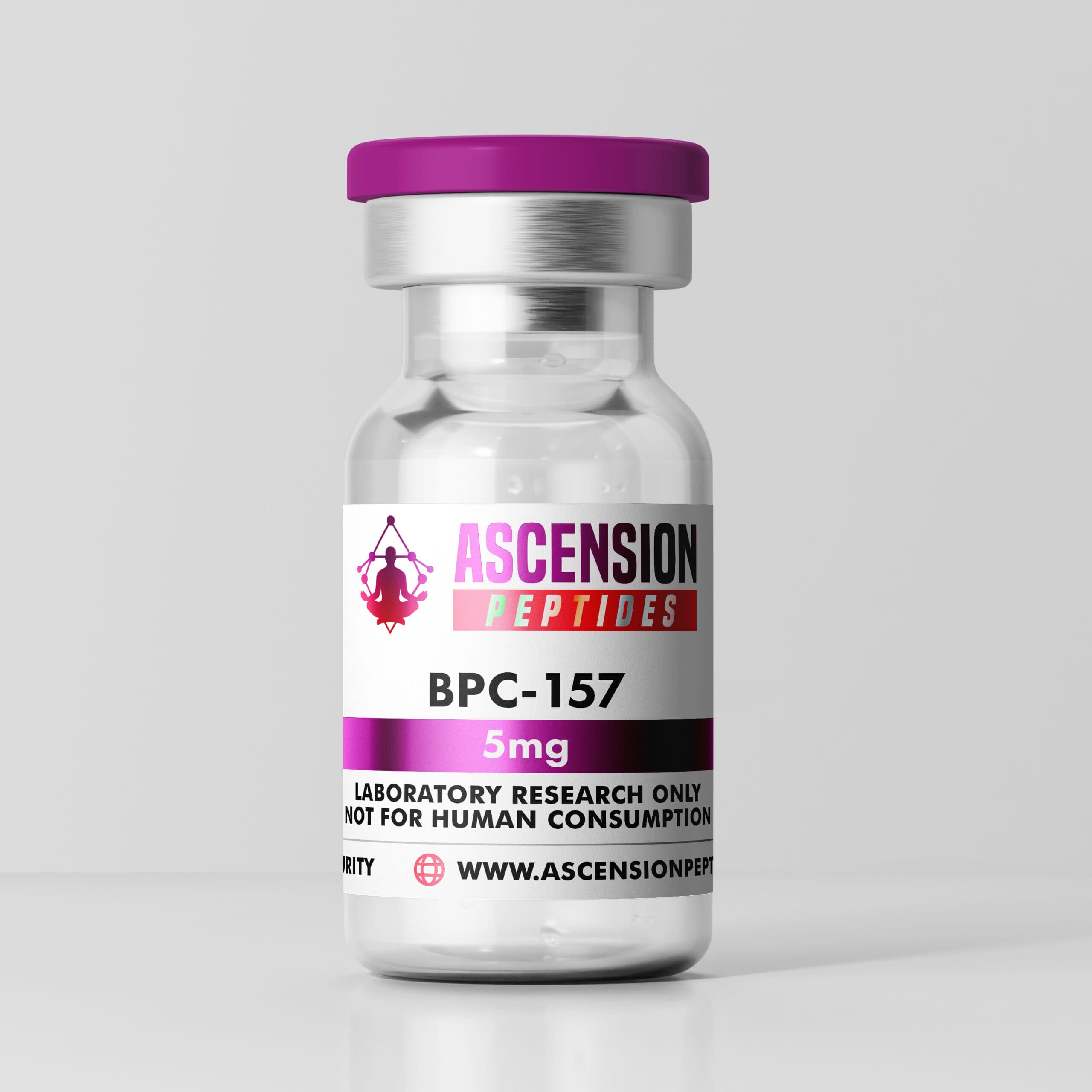
- BPC-157 is the closest single-peptide substitute — stronger for gut issues and localized injuries
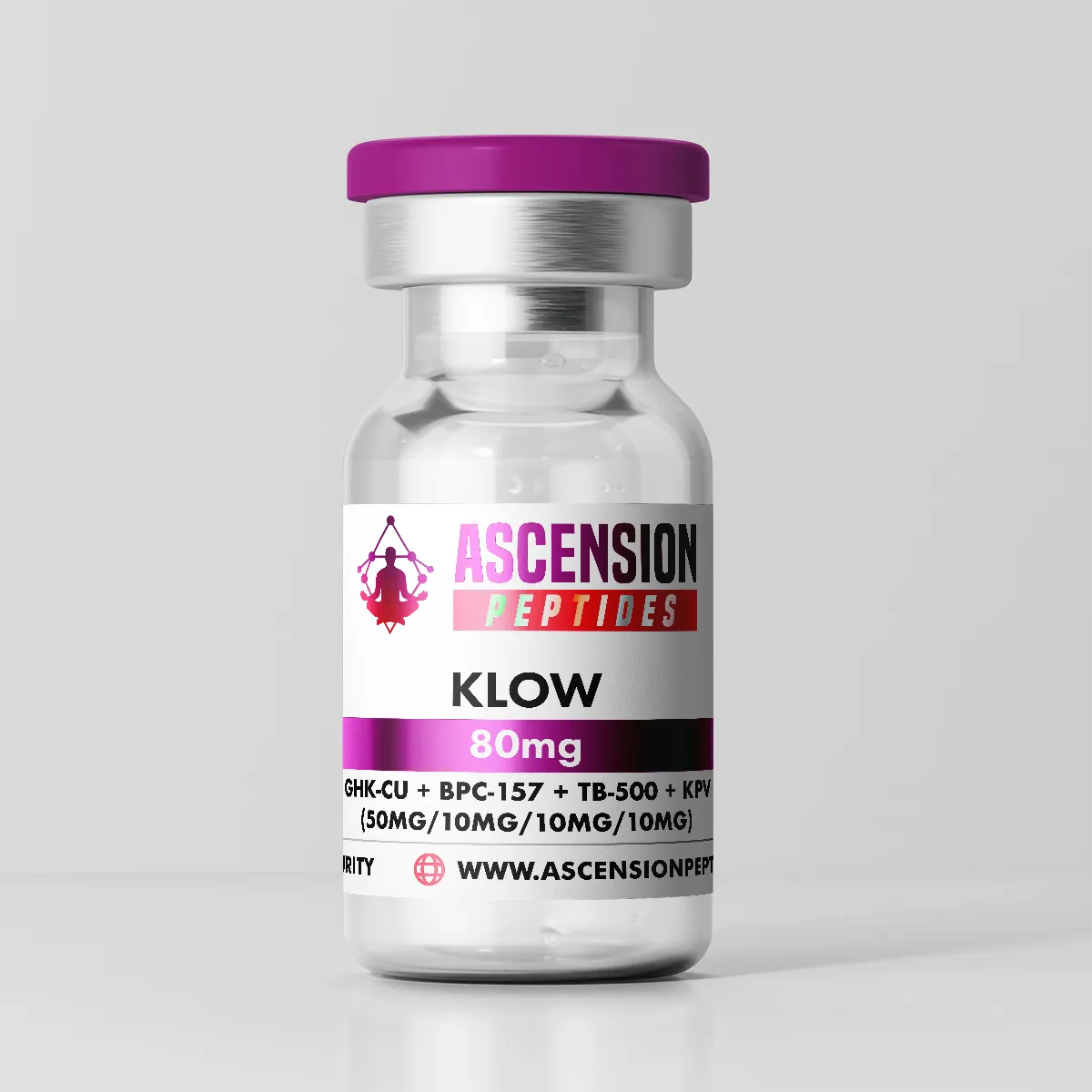
- The KLOW Blend stacks BPC-157, TB-500, GHK-Cu, and KPV for full-spectrum tissue repair
- GHK-Cu targets skin and connective tissue; Ipamorelin/CJC-1295 amplifies systemic repair via IGF-1
- Thymosin Alpha-1 works through a completely different pathway — immune-mediated healing
TB-500 is one of the most talked-about peptides in the recovery space. It's a synthetic fragment of Thymosin Beta-4, an actin-binding protein central to cell migration, wound healing, and tissue remodeling. But it's not always the right peptide — or the only one worth using.
Sometimes it's about cost. TB-500 runs higher per milligram than alternatives like BPC-157. Sometimes it's availability — TB-500 can be harder to source in pure form from reputable vendors. And sometimes you want broader coverage: one peptide rarely handles every healing pathway, and stacking or switching to a multi-peptide blend might get you further.
This guide covers the six best alternatives (and stacks) worth knowing — with honest assessments of what each one actually does better or differently than TB-500 alone.
What TB-500 Actually Does
Quick version: TB-500 is a synthetic 17-amino acid fragment of Thymosin Beta-4. Its primary mechanism is upregulating actin — specifically binding G-actin to promote cell migration, angiogenesis, and tissue remodeling. It works systemically, meaning it doesn't need to be injected at the injury site to have effects throughout the body.
That systemic reach is what makes it especially useful for tendon injuries, muscle tears, and post-workout recovery. It also has anti-inflammatory activity and supports blood vessel formation in damaged tissue. In preclinical studies, it accelerates healing of cardiac tissue, tendons, ligaments, and peripheral nerves.
Why Look for Alternatives?
A few reasons people go looking for TB-500 alternatives:
- Cost — TB-500 typically runs $50–80 per 5mg vial. For longer cycles, that adds up fast.
- Availability — Not every vendor stocks TB-500 in pure form. Some only carry it in blends.
- Gut or local injuries — TB-500 isn't as effective for GI issues or very localized injuries as BPC-157.
- Wanting broader coverage — Healing involves multiple pathways. TB-500 handles actin-mediated repair well but misses others (collagen remodeling, anti-inflammatory modulation, immune-mediated healing).
- Stacking strategy — Sometimes you're already running BPC-157 and want to know what fills the gaps.
Alternative 1: BPC-157 — The Closest Substitute
If you can only pick one alternative, it's BPC-157. This is the peptide most commonly paired with TB-500 — and for good reason. They're complementary rather than identical, but BPC-157 covers significant overlap.
BPC-157 (Body Protection Compound 157) is a 15-amino acid peptide derived from a protein found in human gastric juice. It promotes nitric oxide synthesis, stimulates growth hormone receptor expression in tendon fibroblasts, and activates multiple healing cascades including vascular endothelial growth factor (VEGF). Unlike TB-500's systemic actin-based mechanism, BPC-157's strength is in local and regional repair.
In preclinical research, BPC-157 has shown remarkable results for tendon reattachment, rotator cuff injuries, Achilles tendon rupture, and intestinal healing — often matching or outperforming surgical repair timelines in animal models. That's not nothing.
Where BPC-157 Wins Over TB-500
- GI healing — BPC-157 is exceptional for gut permeability, IBD, intestinal injury, and ulcer healing. TB-500 doesn't compete here.
- Localized tendon and ligament repair — Preclinical data shows dramatic acceleration of Achilles and rotator cuff healing when injected near the injury.
- Nerve repair — Strong results in peripheral nerve injury models; some evidence for CNS effects.
- Cost efficiency — BPC-157 is usually $30–50 per 5–10mg, making it cheaper per cycle.
Where TB-500 Still Wins
- Systemic reach — better for injuries you can't target with local injection
- Cardiac tissue repair — more preclinical data for heart muscle regeneration
- Actin-mediated cell migration — unique mechanism not replicated by BPC-157
Alternative 2: The Wolverine Stack (BPC-157 + TB-500)
Calling this an "alternative" is technically a stretch — it includes TB-500. But a lot of people searching for TB-500 alternatives are actually trying to figure out whether running both peptides makes sense, or whether one can substitute for the other.
The Wolverine Stack combines BPC-157 and TB-500 to cover both major healing mechanisms simultaneously. BPC-157 handles local and gut repair; TB-500 handles systemic, actin-mediated tissue remodeling. Together, they address different phases of injury response at the same time rather than sequentially.
Ascension Peptides sells a pre-mixed Wolverine Stack combining both peptides in one vial, which saves money vs buying separately and simplifies the protocol considerably.
When the Wolverine Stack Makes Sense
- Significant soft tissue injuries — muscle tears, tendon ruptures, ligament damage
- Athletes needing faster return-to-play timelines
- Chronic injuries that haven't fully resolved with single-peptide protocols
- Post-surgery recovery where you want multiple mechanisms covered
Alternative 3: The KLOW Blend — Full Healing Coverage
If the Wolverine Stack is two peptides working together, KLOW is four. The KLOW blend from Ascension combines BPC-157, TB-500, GHK-Cu, and KPV in a single vial — covering every major healing pathway in one go.
💡 What KLOW Covers
- BPC-157 — local tissue repair, gut healing, nitric oxide and VEGF pathways
- TB-500 — systemic actin-mediated repair, angiogenesis, cell migration
- GHK-Cu — collagen synthesis, skin and connective tissue remodeling, antioxidant activity
- KPV — anti-inflammatory activity via melanocortin signaling, cytokine modulation
The GHK-Cu component is what really differentiates KLOW from the Wolverine Stack. Copper peptides are particularly strong for collagen cross-linking and connective tissue remodeling — pathways that BPC-157 and TB-500 don't specifically target. KPV adds a distinct anti-inflammatory mechanism derived from alpha-MSH, reducing TNF-α and IL-1β production through pathways entirely separate from the other three peptides.
For complex injuries involving multiple tissue types (tendon + surrounding tissue + inflammation), or for post-surgery recovery where you want everything firing at once, KLOW is probably the most complete option available as a single product.
Shop KLOW Blend on Ascension →
Alternative 4: GHK-Cu — Connective Tissue and Skin Specialist
GHK-Cu (glycyl-L-histidyl-L-lysine copper) is a copper-binding tripeptide found naturally in human plasma, saliva, and urine. It declines significantly with age — from ~200ng/ml at 20 to ~80ng/ml by 60 — which partly explains why connective tissue quality and skin repair capacity both diminish as we get older.
Its mechanism is completely different from TB-500. GHK-Cu activates genes involved in collagen and elastin synthesis, upregulates superoxide dismutase (an antioxidant enzyme), promotes angiogenesis via VEGF, and stimulates skin repair through keratinocyte and fibroblast activation. The copper component functions as a cofactor for lysyl oxidase — a key enzyme in collagen cross-linking that literally holds connective tissue together.
Where GHK-Cu Excels
- Skin wounds and scars — both topical and injectable forms show significant wound healing acceleration and scar remodeling
- Connective tissue quality — collagen and elastin remodeling for joint health, tendons, and ligaments
- Anti-aging applications — widely studied in skincare; increases skin thickness and reduces fine lines
- Hair follicle support — some evidence for stimulating hair growth and follicle health
GHK-Cu isn't a direct TB-500 substitute for most acute injury scenarios, but if connective tissue quality is the primary concern — chronic tendon issues, skin healing post-surgery, or joint integrity — it's worth running either standalone or as part of a stack. The KLOW blend includes it specifically for this reason.
Alternative 5: Ipamorelin + CJC-1295 — Systemic Repair Via IGF-1
This one works very differently from everything else on this list. Ipamorelin and CJC-1295 are growth hormone secretagogues — they stimulate the pituitary to release growth hormone, which then drives liver production of IGF-1 (Insulin-like Growth Factor 1). IGF-1 is one of the body's primary anabolic and tissue-repair signals.
The connection to healing: IGF-1 promotes protein synthesis, activates muscle satellite cells, and supports tendon and bone repair. It operates systemically rather than locally — which is exactly the appeal when you're dealing with full-body recovery or multiple injury sites at once.
The FIT Stack (CJC-1295 + Ipamorelin pre-mixed) from Ascension is the most common format. You run both together — Ipamorelin provides the GH pulse, CJC-1295 (without DAC) extends the pulse amplitude. Taken before bed, this protocol capitalizes on the natural nighttime GH surge.
When to Consider Ipamorelin/CJC-1295
- Overall recovery support after intense training blocks or injury-heavy periods
- Muscle atrophy recovery where direct tissue repair peptides alone aren't sufficient
- Older athletes where natural GH and IGF-1 levels have declined significantly
- When you want something that also supports fat metabolism and sleep quality alongside tissue repair
Alternative 6: Thymosin Alpha-1 — Immune-Mediated Healing
Thymosin Alpha-1 (Tα1) shares the "thymosin" name with TB-500 but is a fundamentally different peptide with a completely different mechanism. Where TB-500 is about actin regulation and tissue repair, Thymosin Alpha-1 is an immune modulator — it was actually approved in 37 countries for hepatitis B, hepatitis C treatment, and as a vaccine adjuvant for immunocompromised patients.
Its relevance to recovery: chronic inflammation is one of the biggest barriers to healing. Injuries that cycle between flare-ups and partial recovery often have a dysregulated immune component — the body is stuck in a low-grade inflammatory state that prevents normal tissue remodeling from completing. Tα1 promotes regulatory T-cell function, shifts macrophage polarization toward a healing phenotype (M1 inflammatory → M2 repair), and helps the immune system resolve inflammation rather than perpetuating it.
It's probably the most underused recovery peptide relative to how well it's documented. Several peer-reviewed studies confirm its immune-modulatory effects, and the clinical approval in dozens of countries gives it a credibility profile most peptides in this space don't have.
Who Should Consider Thymosin Alpha-1
- Chronic injuries that won't fully resolve — especially those with recurring inflammation
- Post-viral fatigue or immune dysregulation affecting recovery capacity
- Anyone where autoimmune activity may be complicating their injury pattern
- Stacking with BPC-157 or TB-500 to address the immune component of healing alongside direct tissue repair