Tanning peptides sit in a weird spot. They can darken skin faster than most people expect, but they also come with enough side effects and gray areas that you should not treat them like a casual beach hack.
🔑 At a Glance
- What a tanning peptide is: usually Melanotan I or Melanotan II, two melanocortin peptides used to increase melanin production.
- Main difference: Melanotan I is usually viewed as the steadier option, while Melanotan II tends to hit faster and harder.
- What results look like: people usually notice easier tanning, faster skin darkening, and a stronger response to modest sun exposure.
- What catches people off guard: nausea, flushing, appetite changes, libido effects, and darker freckles or moles are common complaints.
- Best use case: someone who already understands the tradeoffs and wants a broad guide before choosing between MT1 and MT2.
- Big caveat: these peptides are not a free pass to skip sunscreen or ignore skin cancer risk.
If you searched tanning peptide, you are probably trying to answer one of four questions: which peptide is actually used for tanning, how much darker does it make you, do you still need sun, and is this stuff even safe. Fair questions. Most pages answer one or two of those and then drift into fluff.
💡 Quick Answer
The tanning peptides most people mean are Melanotan I and Melanotan II. Both mimic melanocortin signaling and can increase melanin, but Melanotan II is the one most people associate with faster, stronger tanning results. It also tends to bring more side effects, so faster is not always better.
What Is a Tanning Peptide?
A tanning peptide is a peptide used to push the body toward making more melanin, the pigment that gives skin its color. In practice, that usually means Melanotan I or Melanotan II.
Both were designed around the same basic idea: copy the signaling of alpha-MSH, the hormone that tells your pigment cells to get moving. So instead of relying only on long sun sessions, you are nudging the tanning machinery upstream.
That sounds tidy on paper. Real life is messier. Some people get a smooth bronze build. Others get nausea, blotchy darkening, or moles that suddenly look more obvious than before.
How Melanocortin Peptides Work
Melanotan peptides work by activating melanocortin receptors, especially the ones tied to pigmentation. Once that signaling ramps up, melanocytes produce more melanin. That extra pigment can make your skin tan more easily and hold color longer.
The part many beginner guides skip is this: the result is not just “instant tan in a vial.” In most cases, people still respond better when there is at least some UV exposure in the mix. Usually less than they needed before, but not zero.
And because these receptors do more than control pigmentation, the effects can spill into other areas. That is why Melanotan II, in particular, gets linked to appetite suppression, flushing, yawning, and sexual side effects. Same family of signaling. Different downstream effects.
Melanotan I vs Melanotan II
This is the comparison the SERP keeps circling back to, and honestly it should. If you understand this section, you understand most of the category.
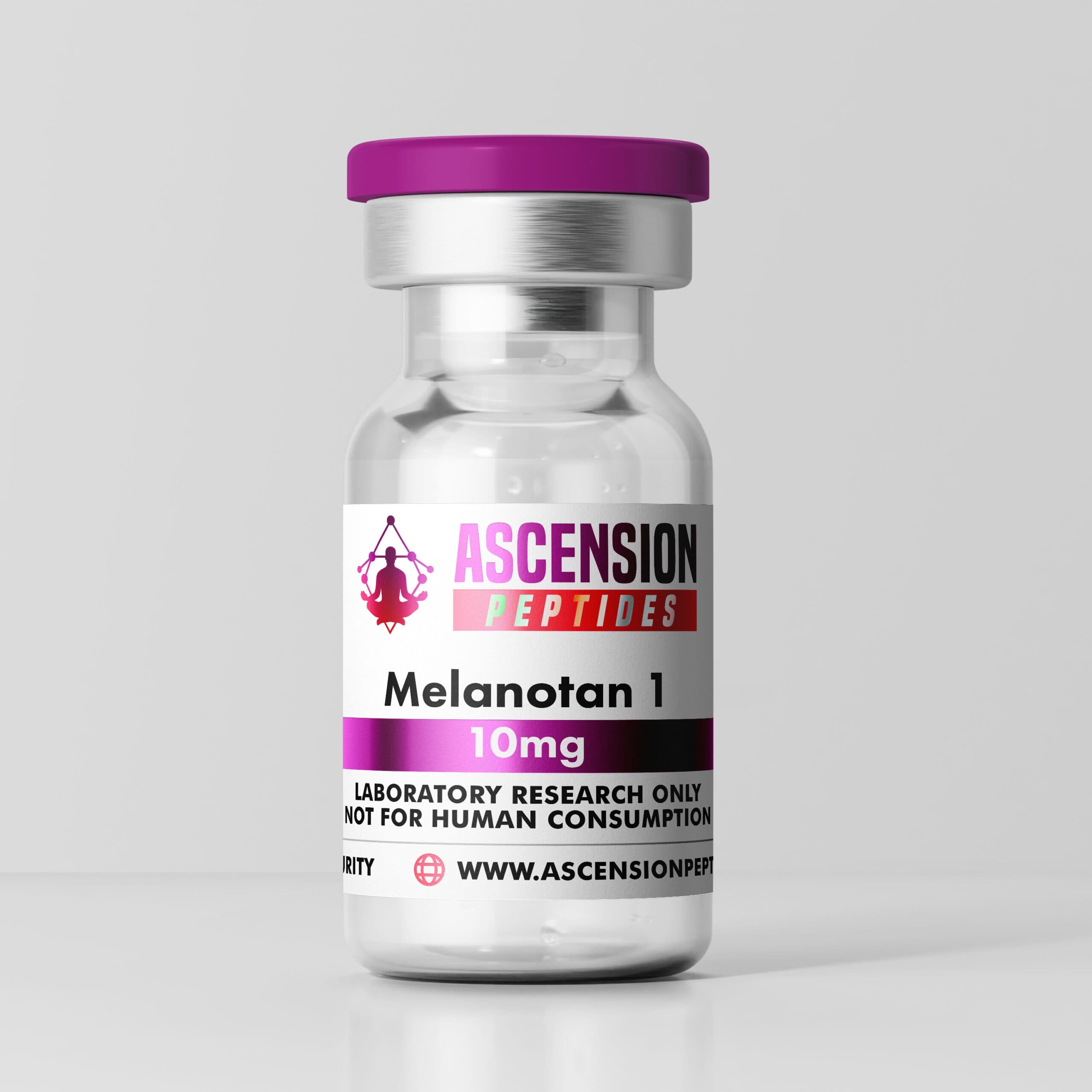
Melanotan I, sometimes discussed alongside afamelanotide, is usually the more conservative pick. People who care about an even, more natural-looking build often lean this way.
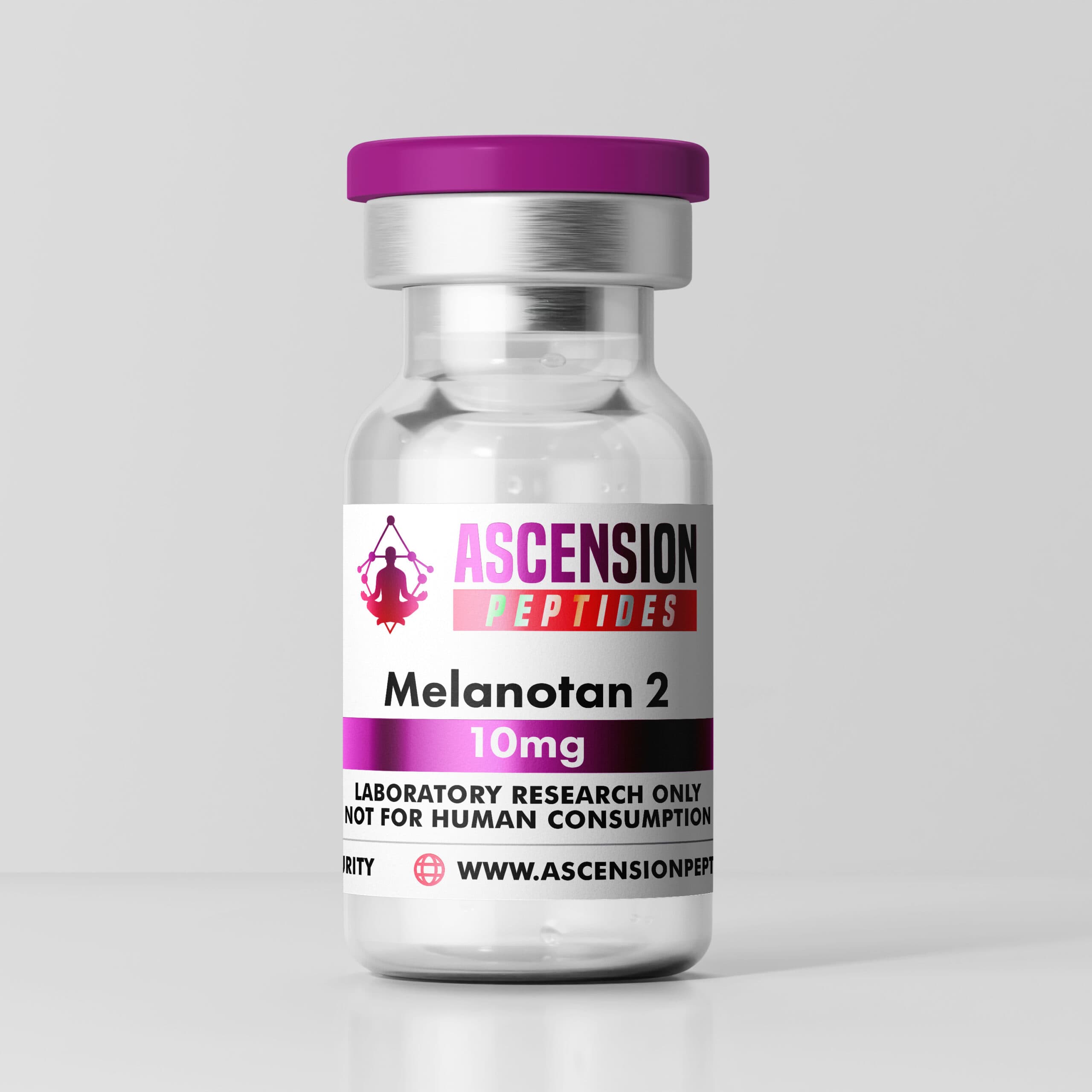
Melanotan II is the compound most people mean when they talk about a tanning peptide online. It tends to work faster. It also tends to be less subtle. That can be good if you want obvious results. It can also be annoying if the side effects hit before the tan does.
What Tanning Peptide Results Usually Look Like
The most common outcome people report is not a fake-spray look. It is that they start tanning more easily, hold color longer, and need less sun than before to get visible darkening.
That said, results vary a lot by baseline skin tone, genetics, dose, patience, and how much UV exposure is involved. Fair-skinned users often notice the biggest contrast because they start from a lower baseline. But they are also the people who need to be smartest about skin monitoring.
- Skin may darken gradually over 1 to 4 weeks rather than overnight.
- Existing freckles and moles can look darker before the rest of the skin catches up.
- Short, controlled sun exposure often seems to amplify visible results.
- A maintenance phase is usually easier than the initial build phase.
One aside here, because people underestimate it: “darker skin” is not always the same as “better-looking tan.” If you push too hard too fast, the color can look muddy or uneven. More is not automatically smarter.
Do You Need Sun Exposure for a Tanning Peptide to Work?
Usually, at least a little. That is one of the biggest gaps in the ranking pages. They often frame these peptides as if sun becomes optional. In real use, many people still find that modest UV exposure helps trigger a more obvious tanning response.
The better way to think about it is this: a tanning peptide may make your body more responsive to sun. It does not turn UV into a non-issue. If anything, getting darker faster can trick people into feeling safer than they are.
💡 Practical Take
If you use a tanning peptide and also go into the sun, the smart move is still SPF, controlled exposure, and watching your skin like an adult. A deeper tan can hide irritation until it does not.
Side Effects and Safety
This is where the broad guides usually go soft. They mention nausea and move on. The real answer is that side effects are common enough that safety should sit near the top of your decision tree, not buried at the end.
Nausea
Probably the side effect people mention most, especially with Melanotan II.
Flushing
Warmth, facial redness, and that odd post-dose heat feeling show up a lot.
Pigment changes
Freckles, moles, and patches of skin can darken faster than expected.
Libido effects
More common with MT2 because it hits beyond simple pigmentation pathways.
Common issues include:
- nausea or stomach discomfort
- facial flushing
- yawning or fatigue after use
- appetite changes
- darker moles, freckles, or uneven patches
- sexual side effects, especially with MT2
The higher-level concern is skin monitoring. If a peptide pushes pigmentation across your whole body, it can also change how spots and moles look. That does not automatically mean cancer. But it absolutely means you should pay attention.
And long-term safety? Still not something I would call settled. That uncertainty matters.
Who Should Avoid Tanning Peptides
Some people should probably skip this category entirely, or at minimum talk to a qualified clinician before even thinking about it.
- Anyone with a personal or strong family history of melanoma or other skin cancers
- Anyone with changing, irregular, or unexplained moles
- Pregnant or breastfeeding women
- People prone to severe nausea, blood pressure swings, or strong flushing reactions
- Anyone hoping a tanning peptide will let them sunbathe recklessly without consequences
That last group sounds obvious, but it is probably the biggest real-world risk. When a compound gives faster cosmetic feedback, people get overconfident. Skin biology does not care about confidence.
Which Tanning Peptide Is Best for Most People?
If your goal is the strongest visible tanning effect, most people will look at Melanotan II first. It is the better-known option, the more common commercial query, and usually the one tied to “wow, I got dark fast” stories.
If your goal is a steadier, more controlled approach with fewer extra effects, Melanotan I often makes more sense. It is less dramatic, and for some people that is exactly the point.
So which is “best”? Depends on what you mean by best.
Where Most People Start Reading Next
If you want the compound-specific breakdown, start with our pages on Melanotan II and Melanotan I. If the non-pigment side effects are part of what caught your attention, our PT-141 review and PT-141 side effects guide help explain why melanocortin peptides can affect more than skin tone.
Best Tanning Peptide Product Option
For this keyword, the most natural fit is Melanotan II. It is the product closest to what searchers usually mean by a tanning peptide, and it lines up with the commercial angle showing up in both DuckDuckGo and Bing.
Melanotan II from Ascension is the most direct match if you want the better-known option for faster tanning results. Just do not confuse “popular” with “gentle.” Read the safety section twice.