No, there is no FDA-approved generic Ozempic.
If you came here looking for a cheap, equivalent semaglutide pen at the pharmacy, the honest answer is that one does not exist in the United States in May 2026. Apotex received the first FDA tentative approval for generic semaglutide injection in April 2026, but tentative approval is not market clearance. Novo Nordisk's core patents on Ozempic block U.S. launch until roughly 2031 to 2032. India and Canada have moved faster, but those products do not legally cross the border.
🔑 Key Takeaways
- There is no FDA-approved generic Ozempic in the United States as of May 2026.
- Apotex got the first FDA tentative approval for generic semaglutide on April 10, 2026, but full approval and launch are blocked by Novo Nordisk's patents until roughly 2031 to 2032.
- India approved generic semaglutide in March 2026 (Sun Pharma, Dr. Reddy's, Cipla). Canada approved Dr. Reddy's and Apotex versions in early 2026. None of these can be legally imported by US patients.
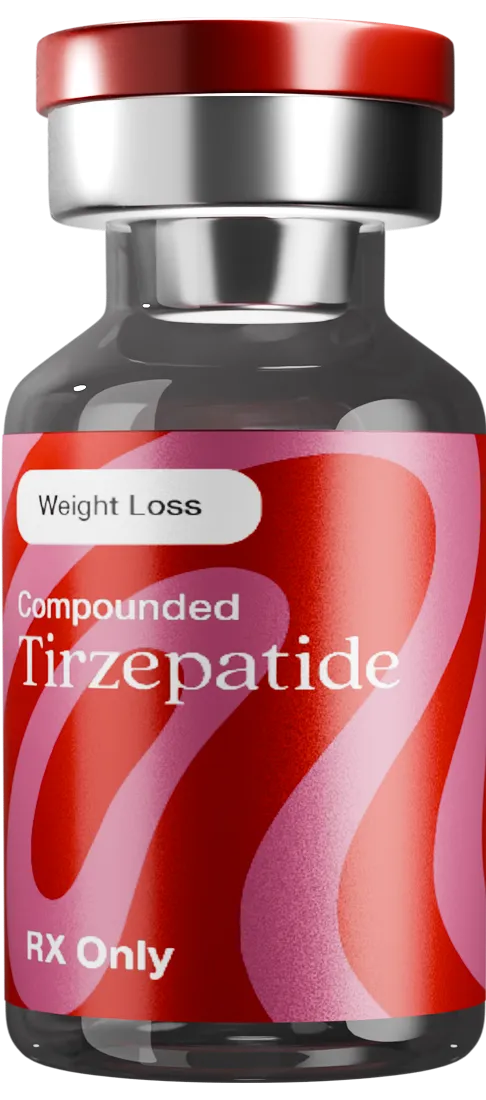
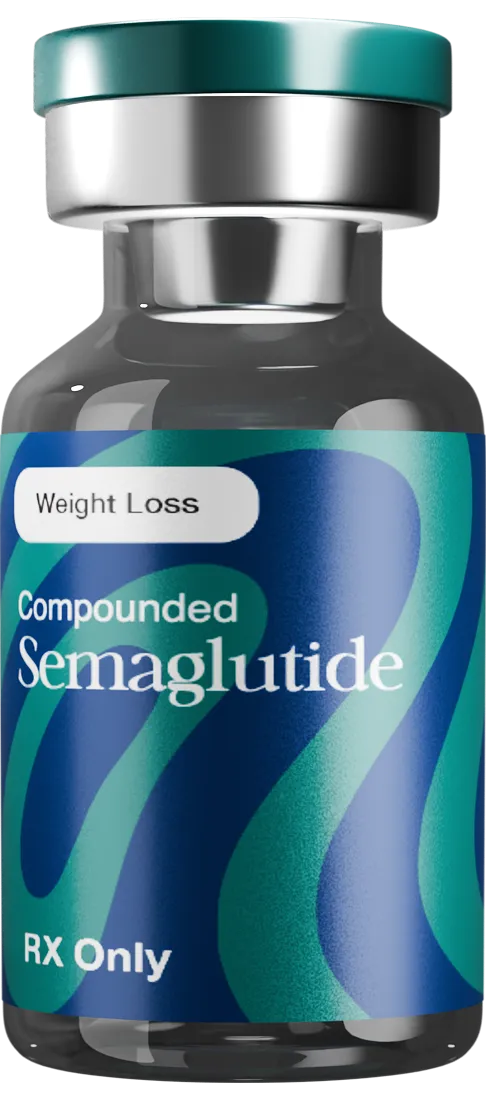
- Compounded semaglutide from a US 503A or 503B pharmacy is the closest legal cash-pay alternative, typically $69 to $349 per month through telehealth providers like MEDVi and Embody.
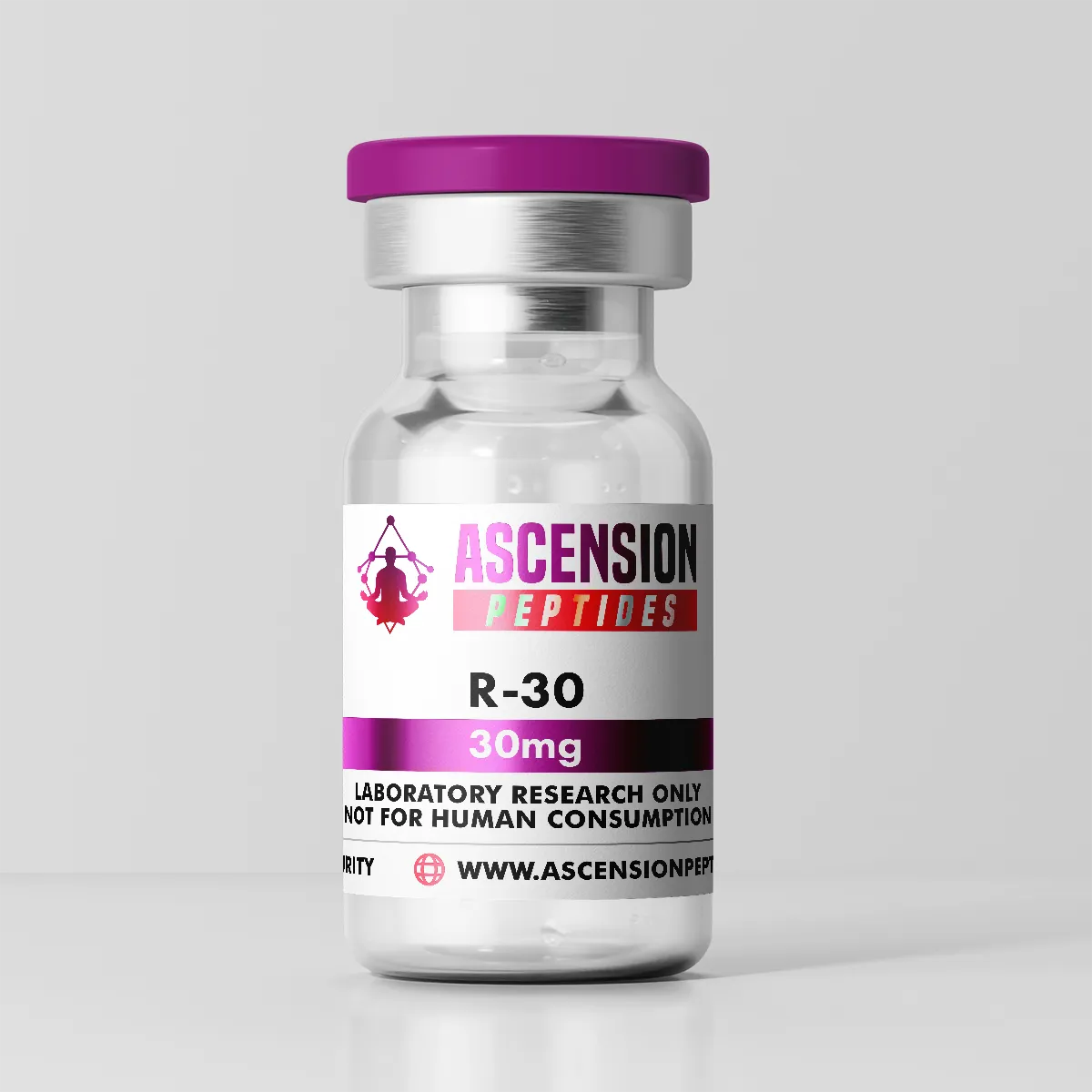
- Overseas "generic Ozempic" sold by online vendors without a prescription is almost always knockoff semaglutide of unverified purity. Avoid.
What "ozempic generic" actually means in 2026
Most people typing "ozempic generic" want one thing. A cheaper version of the same drug.
Ozempic is the brand name. Semaglutide is the active ingredient. A true generic version would be a semaglutide injection made by another manufacturer, FDA-approved as bioequivalent, and sold at a lower cash price. That product does not exist in the US right now. Apotex's April 2026 tentative approval recognizes that their generic semaglutide meets FDA's quality and bioequivalence standards, but tentative status means it cannot be sold until patent and exclusivity barriers fall.
This matters because the SERP is full of headlines like "Ozempic is going generic" and "$15 generic Ozempic." Those stories are real, but they describe India, China, Canada, and Brazil, not the US. If you live in the United States, the story for 2026 is essentially a holding pattern.
Why no generic exists yet (the patent picture)
Novo Nordisk does not rely on a single patent for Ozempic. They built a patent thicket. About 19 to 20 separate patents cover semaglutide's molecular structure, salt forms, manufacturing process, formulation stability, dosing schedule, and the prefilled pen device.
The most important one, the composition-of-matter patent on the semaglutide molecule itself, expires in the US around December 2031. That is the earliest realistic window for a true generic semaglutide launch domestically. Some pen-device and formulation patents extend further, into 2033 and beyond, which is why analysts give a 2031 to 2032 range rather than a single date.
The closest thing you can legally get in the US
Compounded semaglutide. That is the practical answer.
A 503A or 503B compounding pharmacy can prepare semaglutide for an individual patient when prescribed by a licensed clinician. The FDA tightened the rules in 2025 once Ozempic and Wegovy left the official drug-shortage list, but compounding remains legal where there is a documented clinical need (allergy to an inactive ingredient in the brand pen, dose customization, etc.). Reputable telehealth platforms route prescriptions to FDA-registered 503B outsourcing facilities that do batch testing and COA release.
You will not see this advertised as a generic because it is not. It is custom-prepared semaglutide, not a bioequivalent ANDA product. But the active ingredient is the same molecule, and the cash price is dramatically lower. We cover sourcing, pricing, and the post-shortage rules in detail in our compounded semaglutide breakdown.
Why this is not the same as a true generic
Compounded semaglutide is not FDA-approved as a finished drug. It is a patient-specific preparation. Quality varies by pharmacy. Stick with telehealth providers that use 503B outsourcing facilities, share a recent batch COA, and require a real clinician consult. If a vendor sells "semaglutide" without a prescription, walk away.
Where to actually get it: telehealth options
Two providers consistently come up as the cleanest cash-pay routes for semaglutide and tirzepatide in 2026.
MEDVi prescribes brand Wegovy and Zepbound when insurance plays nicely, and routes patients to compounded semaglutide or compounded tirzepatide when it does not. Plans start near $199 per month. Visits include a clinician consult, a registered dietitian, and 24/7 messaging support. This is what we recommend first because the pharmacy partners are 503B-registered and pricing is transparent.
Embody is the no-frills route to compounded GLP-1 access: a flat $69 a month for semaglutide and $119 for tirzepatide, with doses, provider visits and shipping included. Lower cash price, fewer add-ons, faster checkout. Good fit if you already know the drill on dosing and just want consistent monthly fulfillment.
Both are dramatically cheaper than the $998 list price for brand Ozempic and dramatically safer than ordering unverified semaglutide off Telegram. If you want a side-by-side ranking of every telehealth option, see our cheapest GLP-1 in 2026 guide and the full telehealth GLP-1 walkthrough.
Other GLP-1 options while you wait for generic ozempic
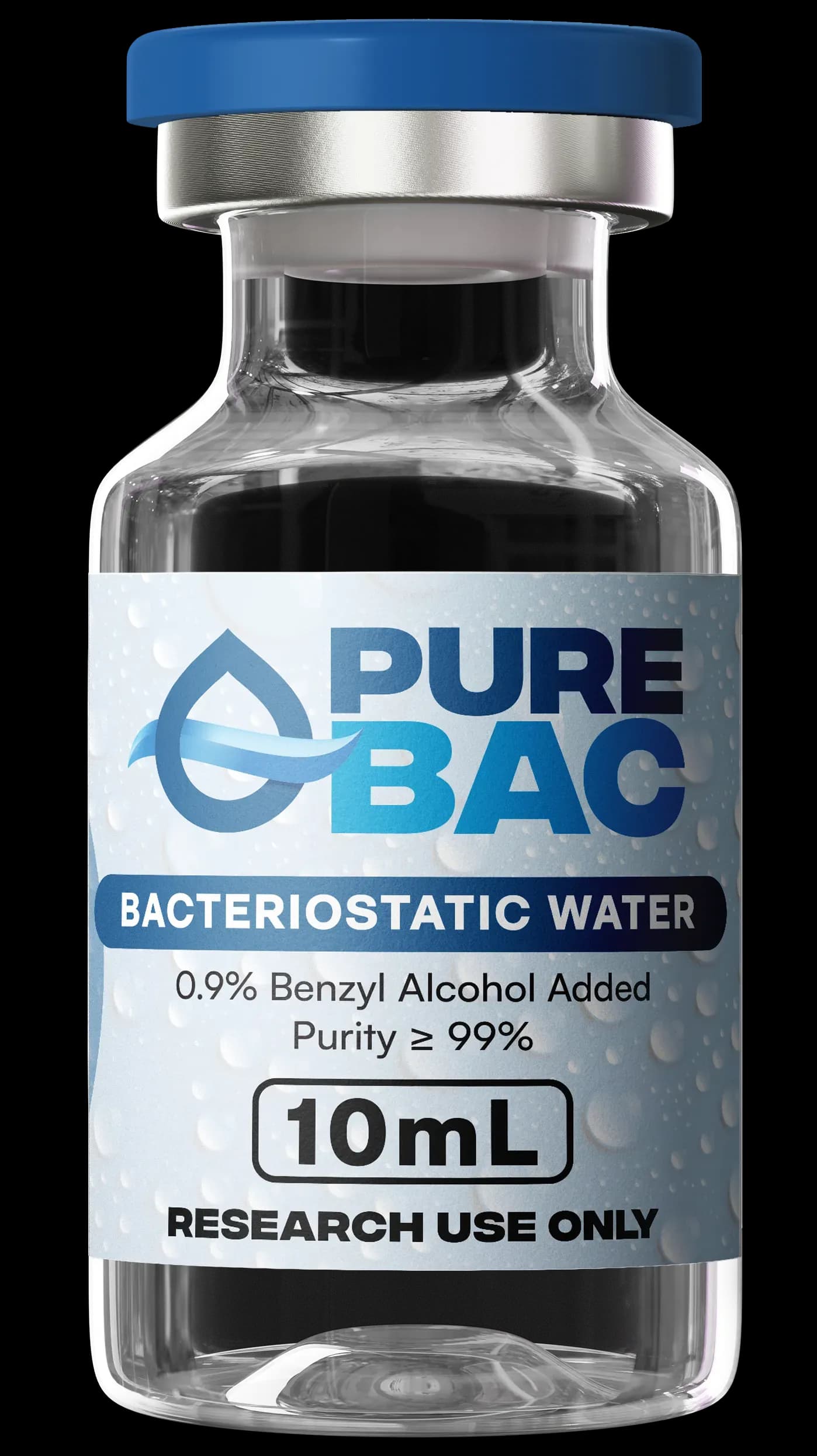
The brand-vs-generic question is not the only path to lower cost. The GLP-1 class has expanded fast.
- Compounded tirzepatide. Same situation as compounded semaglutide, often a stronger weight-loss outcome in trials (about 22.5% body weight reduction at 72 weeks for tirzepatide in SURMOUNT-1 vs about 14.9% for semaglutide in STEP 1).
- Generic liraglutide. FDA-approved as Victoza-equivalent in 2024, Saxenda-equivalent dosing in 2025. Daily injection rather than weekly, and weaker efficacy than semaglutide, but it is a real generic and pharmacies stock it.
- Rybelsus (oral semaglutide). Same molecule, daily tablet. Still brand-only. NovoCare cash pricing runs $199 to $499 per month depending on dose.
- NovoCare Pharmacy direct. Novo Nordisk's own cash channel sells brand Ozempic and Wegovy at $499 per month for self-pay patients in 2026. Higher than compounded but lower than retail.
If insurance is the actual blocker rather than price, we maintain a separate breakdown of how to get GLP-1 without insurance with every cash pathway ranked. For brand-Ozempic-specific pricing including coupons, savings cards, and Part D negotiation impact, see Ozempic cost in 2026.
Red flags: the fake generics you should never buy
The minute Indian patents expired, dozens of vendors started shipping unauthorized semaglutide vials globally. Some are repackaged Indian generics. Many are not.
Watch for these signs that a "generic semaglutide" listing is unsafe:
- No prescription required at checkout.
- Ships from India, China, or Hong Kong direct to a US address.
- Branded as "Semaglutide.com generic" or other domain-name knockoffs that mimic legitimate companies.
- No certificate of analysis, or a COA that is photocopied across batches.
- Price under $80 per month for what claims to be a 4-week supply at full dose.
- Pays in crypto only, or routes payment through a third party.
- Vials labeled in non-clinical wording or sold without any human-use framing. Reputable telehealth pharmacies never use that language.
Indian generic semaglutide approved by India's CDSCO is a real drug under Indian law. Once it leaves that jurisdiction without a prescription, it stops being a regulated product and becomes a parcel of unverified peptide. Customs seizures of these shipments increased sharply in early 2026.
What to do right now if you want generic-level pricing
Stop waiting for the US generic. Three years is a long time to be paying $1,000 per month.
The realistic move in May 2026:
- If you have insurance that covers Ozempic for type 2 diabetes, use the brand and the savings card. NovoCare offers $25 monthly with commercial coverage in many cases.
- If you are paying cash and want a US-prescribed, US-pharmacy-filled product, book a MEDVi or Embody consult and get on compounded semaglutide. Around $69 to $349 monthly all-in.
- If you have already stabilized on a dose and want lower friction, a compounded-only telehealth provider keeps the per-month price lowest.
- Do not buy unbranded semaglutide online without a prescription. The downside risk on contaminated peptide is too high for what is a fixable cost problem.
When the real generic finally lands in the US around 2031 to 2032, expect the first-year price to drop maybe 40 to 60 percent rather than the 80 to 90 percent typical of pill generics. Injectable generics, especially device-coupled ones, take time to ramp. Liraglutide is the comparison case and its generic version was only modestly cheaper at first.
Medical disclaimer. This article is for general information and reflects publicly available regulatory and market data as of May 8, 2026. It is not medical advice, a prescription, or a recommendation to start, stop, or change any medication. Talk to a licensed clinician before using any GLP-1 product, brand or compounded. PeptideDeck Editorial does not endorse importation of unapproved medications.