🔑 Key Takeaways
- Ozempic uses a 4-step dose escalation: 0.25mg → 0.5mg → 1mg → 2mg (optional max)
- Each dose level lasts at least 4 weeks — rushing escalation significantly worsens side effects
- The 0.25mg starting dose is NOT therapeutic for weight loss — it's purely for GI adaptation
- Most people reach their effective dose at 1mg; the 2mg option is for insufficient response at 1mg
- Injection is once weekly, same day each week, subcutaneous in abdomen, thigh, or upper arm
Getting Ozempic dosage right isn't complicated — but it's surprisingly easy to get wrong. Start too high and you'll be miserably nauseous for weeks. Stay too low and you'll wonder why the drug isn't working. Skip escalation steps because you're impatient and your GI tract will stage a full revolt.
The dosing protocol exists for a reason. Here's exactly how it works, what to do at each level, and how to troubleshoot when things go sideways.
💡 Looking for an Alternative?
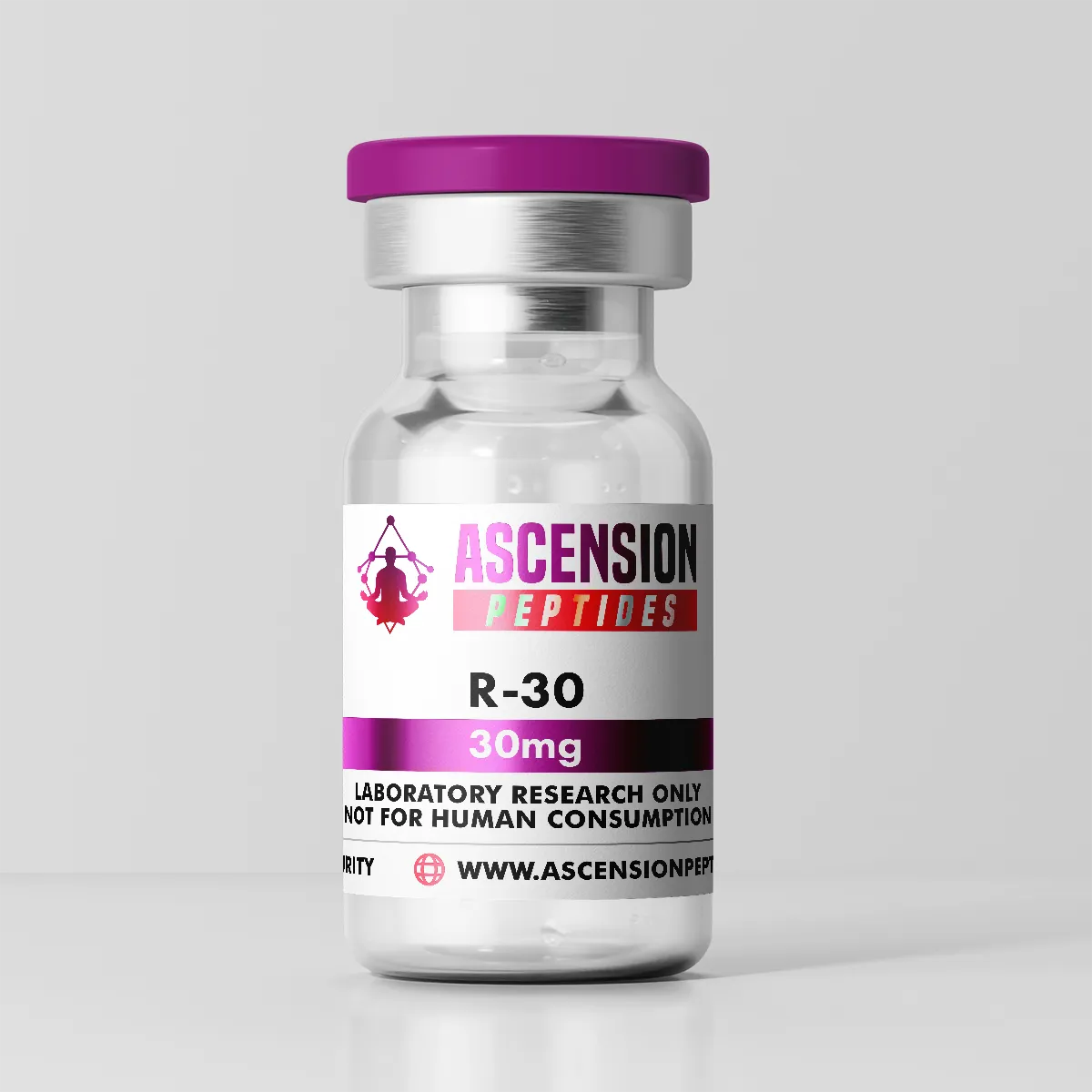
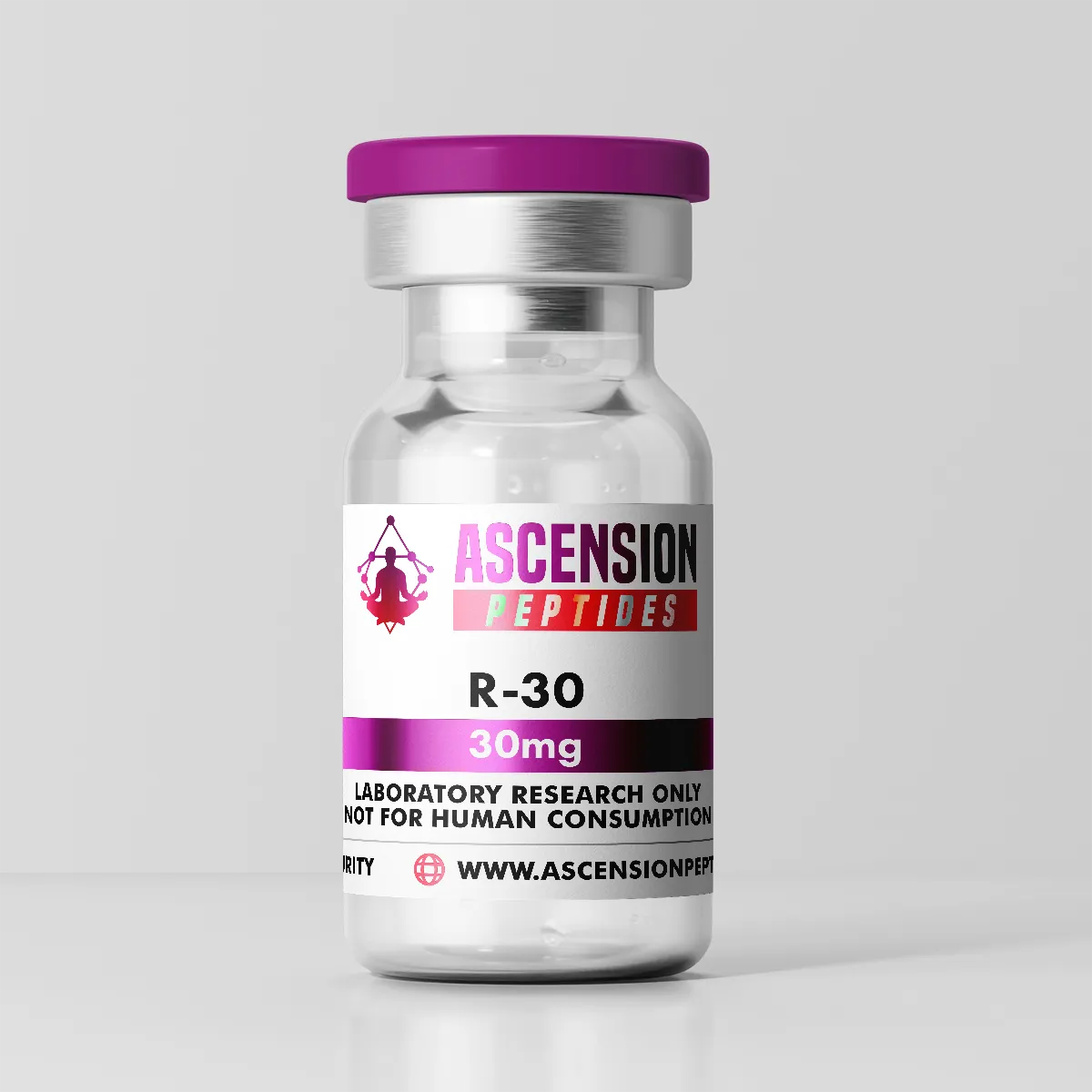
Ozempic's dose escalation takes 8–16 weeks to reach therapeutic levels — and even then, many people stall at lower doses due to side effects. Retatrutide (R-30) uses a similar escalation approach but targets 3 receptors simultaneously, producing 24.2% weight loss vs Ozempic's 15%. Available without prescription for $70–180/month. Check R-30 at Ascension Peptides.
If GLP-1 nausea is a dealbreaker at any dose, MOTS-C supports metabolic health through mitochondrial pathways — no GI effects whatsoever.
The FDA-Approved Ozempic Dosage Schedule
Ozempic uses a mandatory dose escalation protocol. You don't start at the target dose. You build up to it. Here's the official FDA schedule:
Each step lasts a minimum of 4 weeks. Some physicians extend the 0.25mg phase to 8 weeks for patients with sensitive GI systems or significant nausea history. There's no downside to escalating more slowly — the clinical outcome at 12 months is the same whether you reached 1mg at week 8 or week 16.
Understanding Each Dose Level
0.25mg: The Adaptation Phase
This isn't a therapeutic dose. Let's be clear: 0.25mg of semaglutide does very little for weight loss. It exists to give your gastrointestinal system time to adjust to GLP-1 receptor activation. Your stomach is about to slow down significantly, and your brainstem needs time to stop overreacting to the novel stimulation.
What you'll experience: possibly mild nausea in the first week, slight appetite reduction, maybe some bloating. Some people feel nothing at all. Both responses are normal. If you feel great at 0.25mg, resist the urge to skip ahead — your body is adapting even if you don't perceive it.
0.5mg: First Therapeutic Level
Now things start happening. Appetite suppression becomes noticeable for most people around weeks 5–6. Portion sizes naturally decrease. The "food noise" reduction begins. This is the minimum dose that produces clinically meaningful weight loss.
Nausea may intensify during the first 1–2 weeks at this dose. It typically settles by week 7–8. If nausea is debilitating (can't keep food down, multiple vomiting episodes per day), talk to your prescriber about extending the 0.25mg phase or using anti-nausea medication during the transition.
1mg: The Standard Maintenance Dose
This is where most people land for long-term use. The STEP trials used 2.4mg (Wegovy dosing), but in clinical practice, many physicians find that 1mg provides the majority of the benefit with significantly fewer side effects than higher doses.
At 1mg, expect: consistent appetite suppression, meaningful monthly weight loss (2–4% body weight per month during the active loss phase), improved fasting glucose and lipids, and stable energy levels (the fatigue from earlier dose levels typically resolves). For a comprehensive guide to semaglutide protocols, see our semaglutide dosing guide.
2mg: Maximum Approved Dose
The 2mg dose is for patients with insufficient weight loss at 1mg after at least 4 weeks. Not everyone needs it — roughly 60–70% of patients achieve satisfactory results at 1mg. The additional weight loss from moving to 2mg is approximately 3–5% of body weight over 6 months.
The trade-off: GI side effects intensify at 2mg. Nausea, constipation, and diarrhea rates all increase. If you barely tolerated 1mg, 2mg will likely be worse. Discuss the risk-benefit with your physician.
The Ozempic Dosage Chart: Complete Reference
How the Ozempic Pen Works
Ozempic comes in pre-filled, multi-dose pens. Each pen contains 4 weekly doses. You don't draw from a vial or mix anything — it's ready to use out of the box.
Pen Types
- Red label pen: Delivers 0.25mg or 0.5mg doses (used for weeks 1–8)
- Blue label pen: Delivers 1mg doses
- Yellow label pen: Delivers 2mg doses
Each pen comes with a dose selector. Turn the dial to your prescribed dose, attach a new needle, and inject. The pen tracks remaining doses — when it's empty, discard it and start a new one.
Needle Sizes
Ozempic pens use NovoFine or NovoTwist pen needles, typically 32G × 4mm. These are small — most people describe the injection as a slight pinch or less. If you've been dreading needles, Ozempic's needles are genuinely close to painless.
Injection Technique: Step by Step
Prepare the Pen
Remove the pen cap. If it's a new pen, check the flow by dialing to the flow check symbol and pressing the button until a drop appears at the needle tip. Attach a new needle for each injection — never reuse needles.
Select Your Dose
Turn the dose selector to your prescribed amount (0.25, 0.5, 1, or 2mg). You'll feel a click at each dose increment. The dose counter window shows your selected dose. Double-check before injecting.
Choose an Injection Site
Clean the area with an alcohol swab. Recommended sites: abdomen (2+ inches from navel), front of thigh, or upper arm. Rotate sites each week — don't inject in the same spot repeatedly.
Inject
Pinch the skin at your chosen site. Insert the needle at a 90° angle. Press the dose button all the way in and hold for 6 seconds. You'll hear a click when injection is complete. Remove the needle and release the skin pinch.
Dispose and Store
Remove the needle and dispose in a sharps container. Replace the pen cap. Store in the refrigerator (36–46°F / 2–8°C). In-use pens can be stored at room temperature (up to 86°F / 30°C) for up to 56 days.
Injection Sites: Where to Inject Ozempic
Abdomen
Most popular site. Inject at least 2 inches from the navel, anywhere in the fatty tissue of the lower abdomen. Absorption is consistent and the area has enough subcutaneous fat for comfortable injection. Avoid the belt line area if your clothing rubs.
Front of Thigh
Mid-thigh, on the front or outer side. Good alternative if the abdomen is irritated or you're rotating sites. Slightly slower absorption than abdominal injections in some studies, though the clinical difference is negligible.
Upper Arm
The back/outer area of the upper arm. Harder to self-inject unless you're flexible — many people have someone else inject this site. Absorption is comparable to thigh injections.
When to Inject: Timing Your Weekly Dose
Ozempic is injected once weekly on the same day each week. You choose the day — it doesn't matter which one. Some practical considerations:
Time of Day
It doesn't need to be the same time of day — just the same day. However, many users prefer injecting in the evening so that any initial nausea occurs during sleep. Others inject in the morning to get it over with. There's no pharmacokinetic advantage either way.
Changing Your Injection Day
You can shift your injection day as long as your last dose was at least 2 days (48 hours) ago. So if you normally inject on Mondays but want to switch to Thursdays, just inject on Thursday instead of waiting until the following Monday. Then continue every Thursday.
What to Do If You Miss a Dose
This happens. Life gets in the way. Here's the protocol:
Missed by Less Than 5 Days
Take it as soon as you remember, then resume your regular schedule. For example: if you normally inject on Monday and remember on Wednesday, inject Wednesday, then go back to Monday the following week.
Missed by 5 or More Days
Skip the missed dose entirely. Take your next dose on the regularly scheduled day. Do NOT take a double dose to make up for the missed one. If you've missed two consecutive weeks, contact your prescriber — you may need to restart at a lower dose to avoid rebound GI effects.
Traveling Across Time Zones
When crossing multiple time zones, adjust your injection day to the local equivalent. The half-life is 7 days — a few hours' difference doesn't matter. Just maintain the roughly-7-day interval.
Dose Adjustment for Side Effects
Not everyone tolerates the standard escalation. Here's how to handle common scenarios:
Persistent Nausea at 0.5mg
Stay at 0.5mg for an additional 4 weeks before attempting escalation to 1mg. Some physicians also prescribe ondansetron (Zofran) for the first 2 weeks at each new dose level. If nausea doesn't resolve after 8 weeks at 0.5mg, that may be your maximum tolerated dose — and 0.5mg still produces meaningful weight loss, just slower.
Severe Vomiting at Any Dose
If you're vomiting multiple times per day, drop back to the previous tolerated dose. Some people's ceiling is 0.5mg. That's okay. A tolerated lower dose is vastly superior to an intolerable higher dose that you'll abandon entirely. For detailed side effect management, see our Ozempic side effects guide.
Constipation Becoming Unmanageable
Fiber supplements (psyllium husk, methylcellulose), increased water intake, and magnesium citrate usually resolve this without dose adjustment. If these fail, a temporary reduction back to the previous dose while adding a stool softener is reasonable.
Insufficient Weight Loss at 1mg
Wait a full 12 weeks at 1mg before deciding it's not working. Weight loss on Ozempic isn't linear — some people have slow months followed by significant drops. If after 12 weeks at 1mg you've lost less than 5% body weight, escalation to 2mg is warranted. If 2mg also fails, discuss alternative medications with your physician.
Microdosing Ozempic: The Low-Dose Approach
A growing number of practitioners are experimenting with sub-standard doses — 0.125mg (half of the lowest prescribed dose) or sustained 0.25mg without escalation. The evidence for this approach is anecdotal but the logic is interesting.
Who Microdoses and Why
Primarily people who want modest appetite suppression without full-dose side effects. Also used during tapering off semaglutide to smooth the transition. Some people with relatively modest weight loss goals (10–15 lbs) find that 0.25mg provides sufficient appetite reduction without the GI burden of higher doses.
For more on this approach, see our semaglutide microdosing guide.
The Limitation
Clinical trial data at 0.25mg shows minimal weight loss. The dose-response curve for semaglutide is steep — there's a significant difference between 0.5mg and 1mg, and 0.25mg barely registers in controlled studies. Microdosing might "feel like it's working" through placebo effect or very mild appetite changes, but the data doesn't support it for meaningful weight loss.
How Ozempic Dosing Compares to Retatrutide
Retatrutide uses a similar escalation philosophy — start low, increase gradually — but the dose ranges and receptor profile are entirely different.
The escalation timeline is comparable — both take 8–12 weeks to reach maintenance doses. The key difference is what happens at maintenance: retatrutide's triple-receptor activation produces substantially more weight loss at the therapeutic dose than semaglutide's single-receptor approach.
Storage and Handling
Before First Use
Store Ozempic pens in the refrigerator at 36–46°F (2–8°C). Do not freeze. If accidentally frozen, discard the pen — freezing destroys the protein structure. Keep in the original carton to protect from light.
After First Use
In-use pens can be stored at room temperature (up to 86°F / 30°C) or refrigerated. Use within 56 days of first use, regardless of storage temperature. Write the date of first use on the pen or carton so you don't lose track.
Travel Considerations
For travel, a small insulated case with a cool pack keeps the pen safe. TSA allows injectable medications through security — carry the prescription label or a doctor's note. Don't put Ozempic in checked luggage (cargo holds can freeze).
Drug Interactions and Dosing Considerations
Oral Medications
Because Ozempic slows gastric emptying, it can affect the absorption of oral medications taken around the same time. Most significantly: oral contraceptives, levothyroxine, and blood pressure medications may have altered absorption kinetics. Take critical oral medications at least 1 hour before or 2 hours after any GLP-1-related nausea episodes to ensure absorption.
Insulin
If you're on insulin for T2D, your insulin dose will likely need reduction when starting Ozempic. Semaglutide improves insulin sensitivity, meaning your existing insulin dose may cause hypoglycemia. Work closely with your prescriber to titrate insulin downward — typically a 20–30% reduction when starting GLP-1 therapy.
Other GLP-1 Medications
Do not combine Ozempic with other GLP-1 receptor agonists (liraglutide, dulaglutide). There's no clinical benefit and you're doubling the side effects. If switching from another GLP-1 to Ozempic, your physician may reduce or eliminate the escalation period based on your prior tolerance.
When to Talk to Your Doctor About Dose Changes
Schedule a conversation if any of the following apply:
- Nausea or vomiting lasting more than 2 weeks at the same dose
- Weight loss has completely stalled for 8+ weeks at your current dose
- You're experiencing new or worsening side effects that affect daily function
- You want to taper off — don't stop abruptly without a plan
- You're planning surgery (most surgeons want Ozempic stopped 2–4 weeks prior)
- You become pregnant or are planning pregnancy
Ozempic Dosage for Special Populations
Older Adults (65+)
No dose adjustment is required based on age alone, but slower escalation is often prudent. Some geriatricians keep patients at each dose level for 6–8 weeks instead of 4. The risk of muscle wasting during rapid weight loss is higher in older adults — pair with resistance training and high protein intake.
Renal Impairment
No dose adjustment needed for mild to moderate renal impairment. Semaglutide isn't cleared renally — it's metabolized by proteolysis. Limited data exists for severe renal impairment (eGFR <30), so use caution and monitor closely.
Hepatic Impairment
Mild to moderate hepatic impairment doesn't require dose adjustment. Severe hepatic impairment has limited data — semaglutide's metabolism doesn't depend heavily on liver function, but caution is warranted.
The Reconstitution Question
Brand Ozempic doesn't require reconstitution — it comes pre-mixed in the pen. However, if you're using compounded semaglutide or research peptides, reconstitution is required. Bacteriostatic water is the standard diluent for peptide reconstitution. For step-by-step instructions, see our semaglutide reconstitution guide.
Frequently Asked Questions
References
- Novo Nordisk. Ozempic (semaglutide) Prescribing Information. Revised 2025. ozempic.com
- Wilding JPH, Batterham RL, Calanna S, et al. Once-Weekly Semaglutide in Adults with Overweight or Obesity. N Engl J Med. 2021;384(11):989-1002. doi:10.1056/NEJMoa2032183
- Jastreboff AM, Kaplan LM, Frías JP, et al. Triple-Hormone-Receptor Agonist Retatrutide for Obesity. N Engl J Med. 2023;389(6):514-526. doi:10.1056/NEJMoa2301972
- Davies M, Færch L, Jeppesen OK, et al. Semaglutide 2.4 mg Once a Week in Adults with Overweight or Obesity (STEP 2). Lancet. 2021;397(10278):971-984. doi:10.1016/S0140-6736(21)00213-0
- Friedrichsen M, Breitschaft A, Tadayon S, et al. Effect of Semaglutide on Energy Intake, Appetite, and Gastric Emptying. Diabetes Obes Metab. 2021;23(3):754-762. doi:10.1111/dom.14280
- Rubino D, Abrahamsson N, Davies M, et al. Effect of Continued Weekly Subcutaneous Semaglutide vs Placebo on Weight Loss Maintenance. JAMA. 2021;325(14):1414-1425. doi:10.1001/jama.2021.3224
Pharmacology and clearance: For Ozempic's half-life (~1 week), washout timing (~5 weeks), pre-surgery hold rules (ASA 2023), and pre-pregnancy guidance, see how long Ozempic stays in your system.