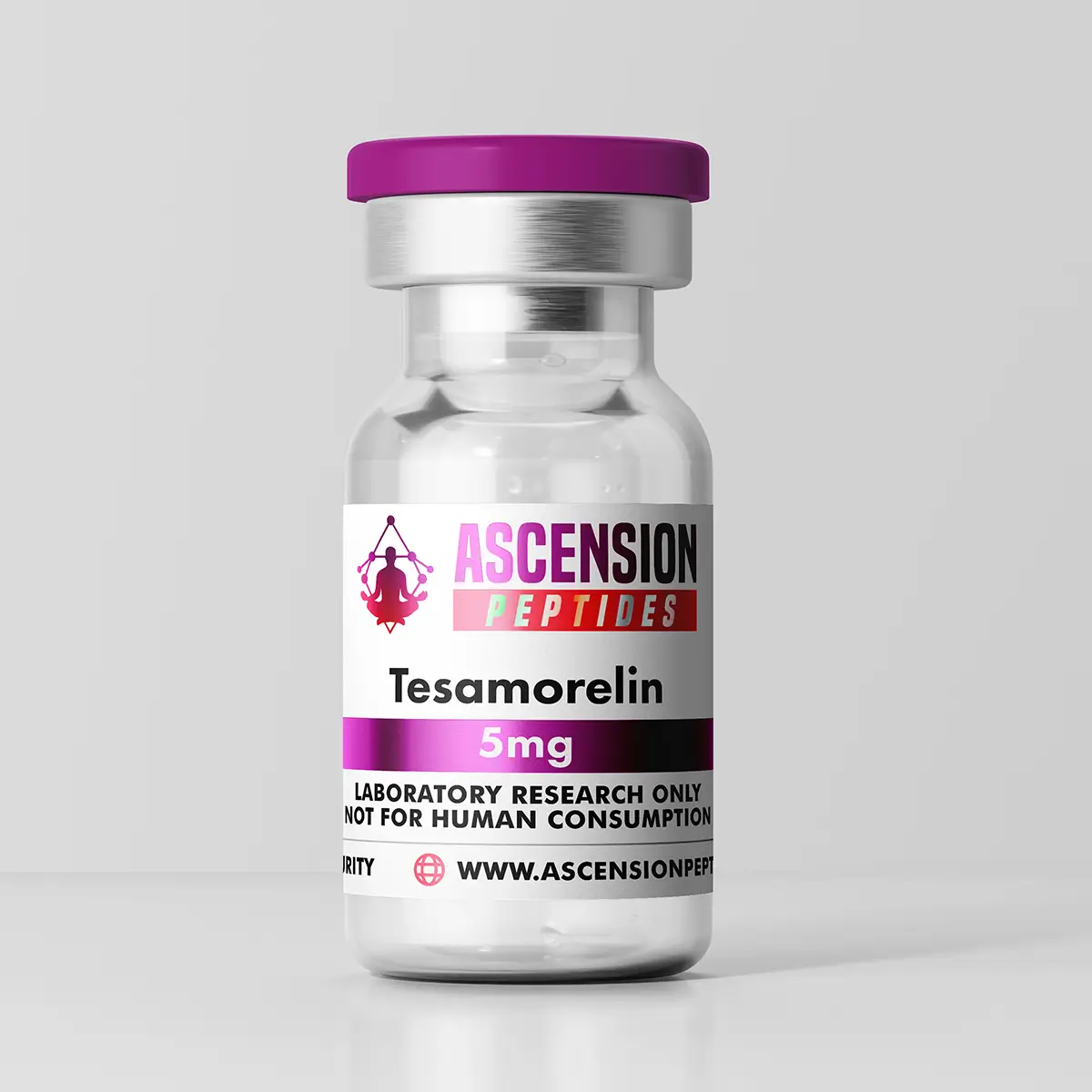
Tesamorelin is the most expensive peptide in the GHRH category.
The branded version, Egrifta SV, is FDA approved for one narrow indication (excess visceral adipose tissue in HIV-associated lipodystrophy) and lists for over $3,500 a month at retail. Everyone else, including the bodybuilders, longevity researchers, and metabolic-health crowd who actually drive most tesamorelin demand, has to find a different route. There are four real ways to get tesamorelin in 2026, and the price gap from the cheapest to the most expensive is roughly 30x. Here's how each route works, what it costs, and who should pick which one.
🔑 Key Takeaways
- Egrifta SV is FDA approved only for HIV-associated lipodystrophy, with $3,500+ monthly cash pricing. Insurance covers it for the on-label indication; off-label use is rarely covered.
- Off-label telehealth ($300 to $600/mo) is the most common route for non-HIV users wanting physician oversight.
- 503A compounded tesamorelin ($250 to $500/mo) gives pharmacy-grade preparation under prescription. Tesamorelin remains under tighter compounding scrutiny than the peptides reclassified in February 2026.
- Peptide vendor vials ($120 to $200/mo equivalent at 1mg/day) are the cheapest route, with no oversight.
- Sermorelin and CJC-1295 are the two closest alternatives if cost is the bottleneck. Both are easier to source and substantially cheaper.
Here's how each route works.
Route 1: Egrifta SV Prescription (FDA-approved for HIV lipodystrophy)
Egrifta SV is the only FDA-approved tesamorelin formulation. It's a once-daily 1.4mg subcutaneous injection approved for reducing excess visceral adipose tissue in HIV patients with lipodystrophy.
How it works: Diagnosed HIV patients with lipodystrophy are referred by their infectious-disease specialist. Egrifta is dispensed through specialty pharmacies (typically Theratechnologies' direct-distribution network or contracted specialty pharmacies). Insurance authorization is usually required.
Pricing in 2026:
- Cash retail: $3,500 to $4,200 per month
- With insurance for HIV indication: $0 to $200 copay typical
- Theratechnologies patient-assistance program: available for eligible uninsured patients
- Off-label use: insurance almost never covers, full cash price applies
Best for: HIV patients with diagnosed lipodystrophy and insurance that covers the medication. Almost no one else realistically uses this route.
Tradeoff: Highest cost by a wide margin. Off-label prescription is rare and rarely reimbursed. Most non-HIV users land on a different route.
Route 2: Off-Label Telehealth Prescription
This is where most non-HIV tesamorelin demand goes. Telehealth platforms focused on metabolic health, anti-aging, or peptide therapy will prescribe tesamorelin off-label for visceral fat reduction, body recomposition, or growth-hormone-axis support.
How it works: Sign up with a peptide-focused telehealth platform (Optimale, Maximus, Invigor Medical, AgelessRx, Cerebrum Health, Concierge MD, or similar). Complete an intake covering goals, medical history, and required labs (typically IGF-1, fasting glucose, A1c, lipid panel). A licensed physician evaluates and prescribes off-label if appropriate. The compounding pharmacy ships your monthly supply.
Pricing in 2026: $300 to $600 per month all-in (consultation + medication + shipping).
Best for: Non-HIV users who want physician oversight, lab monitoring, and a documented prescription paper trail without paying Egrifta retail.
Tradeoff: Off-label prescription is at the physician's discretion and not all telehealth platforms will write it. Tesamorelin is under tighter compounding scrutiny than the peptides reclassified in February 2026, so the supply chain is sometimes constrained.
Route 3: 503A Compounded Prescription via Local Doctor
If you prefer in-person medical care, a local functional medicine, anti-aging, or longevity-focused physician can prescribe tesamorelin and route it to a 503A compounding pharmacy.
How it works: Book a consultation with a clinic that prescribes peptide therapy. Expect a full panel including IGF-1, fasting glucose, A1c, full lipid panel, and possibly a DEXA scan. Once prescribed, the compounded tesamorelin ships from the pharmacy to your home or clinic.
Pricing in 2026:
- Initial consultation: $200 to $500
- Required labs: $150 to $400
- Compounded tesamorelin monthly: $250 to $500
- Total first-month: $600 to $1,400; ongoing: $250 to $500/mo
Best for: People who want a long-term medical relationship for tesamorelin protocols, especially those running it as part of a broader anti-aging or hormone-optimization plan.
Tradeoff: Highest total cost after Egrifta. Insurance coverage is essentially zero for off-label use.
Route 4: Peptide Vendor Vials (Independent Synthesis Labs)
The cheapest route by a wide margin. Tesamorelin is sold by independent peptide synthesis vendors as a 5mg or 10mg lyophilized vial.
How it works: Order from a verified peptide vendor. Reconstitute with bacteriostatic water and self-inject subcutaneously, typically once daily before bed.
Pricing in 2026:
- 5mg vial: $80 to $130 (about 5 days at 1mg/day)
- 10mg vial: $140 to $220 (about 10 days at 1mg/day)
- Effective monthly cost at 1mg/day: $120 to $200 typical
Best for: Cost-driven buyers with prior peptide experience and confidence with reconstitution and self-injection. Same molecule as compounded tesamorelin at one-third the price.
Tradeoff: No physician oversight, no IGF-1 monitoring, no insurance recourse. Vendor quality varies and tesamorelin is a 44-amino-acid peptide that requires careful synthesis. Demand verifiable HPLC and mass spec.
Route comparison table
Cost too high? Sermorelin and CJC-1295 are the closest alternatives
If tesamorelin's price is the bottleneck, both sermorelin and CJC-1295 are GHRH analogs that work on the same growth-hormone axis. Sermorelin is shorter-acting and substantially cheaper (around $30 to $50 per 10mg vial). CJC-1295 (especially with DAC) lasts longer and stacks well with ipamorelin. Neither is identical to tesamorelin's specific visceral-fat-reduction profile, but for general GH-axis support they're often the better starting point. See our CJC-1295 overview and the sermorelin complete guide for the full breakdown. The honest tradeoff: tesamorelin has more clinical data on visceral fat specifically; the alternatives have broader off-label evidence on general GH-axis benefits.
What to do once you have tesamorelin
Standard protocols across all routes:
- Standard dose: 1mg to 2mg subcutaneous, once daily before bed (peak GH release pairs with sleep)
- Cycle length: 12 to 26 weeks typical; some users run longer with monitoring
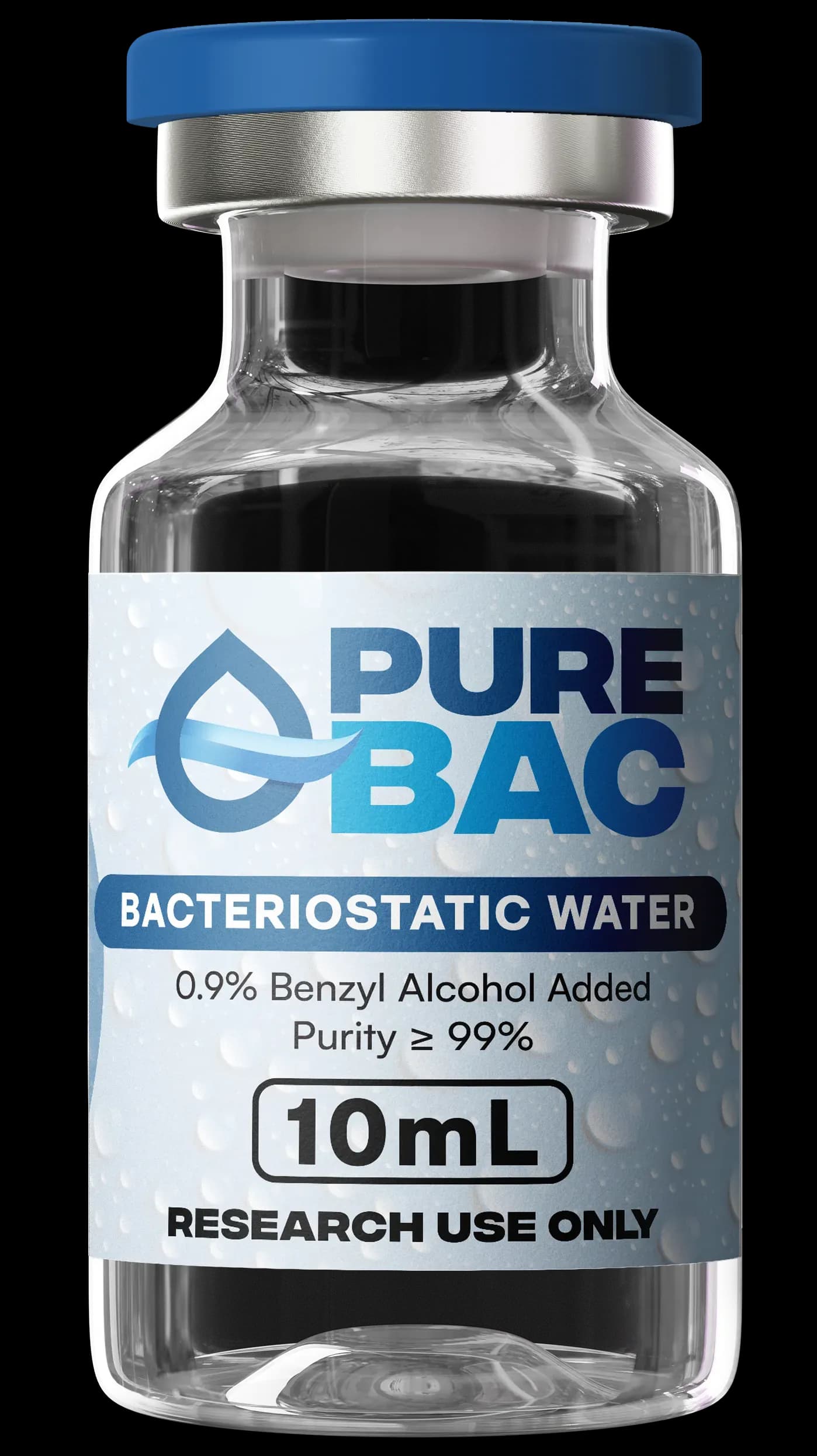
- Reconstitution: 5mg vial with 1mL bacteriostatic water gives 5mg/mL. 0.2mL = 1mg dose
- Storage: Lyophilized at -20°C ideal, room temperature acceptable short-term. Refrigerate after reconstitution and use within 14 days
- Monitoring: IGF-1 every 8 to 12 weeks if using long-term, especially at doses above 1mg/day
For dosing math see our GHRH dosing principles guide.
How to verify a tesamorelin source before paying
- For Egrifta SV: The medication is dispensed through Theratechnologies' specialty network. Verify your specialty pharmacy is contracted with the manufacturer.
- For telehealth and local doctors: Confirm the partnered compounding pharmacy is 503A or 503B accredited (PCAB listed). Verify the prescribing physician is licensed in your state. Avoid platforms that prescribe without IGF-1 baseline labs.
- For peptide vendors: Demand the batch-specific Certificate of Analysis with HPLC at 99%+, mass spec confirming molecular weight (around 5,196 Da for tesamorelin acetate), and an endotoxin pass. The lab should be a verifiable third-party.
Frequently asked questions
Medical disclaimer. This article is for general information only. Talk to a licensed medical provider before starting any peptide protocol, especially if you are pregnant, breastfeeding, taking other medications, or managing a chronic condition.